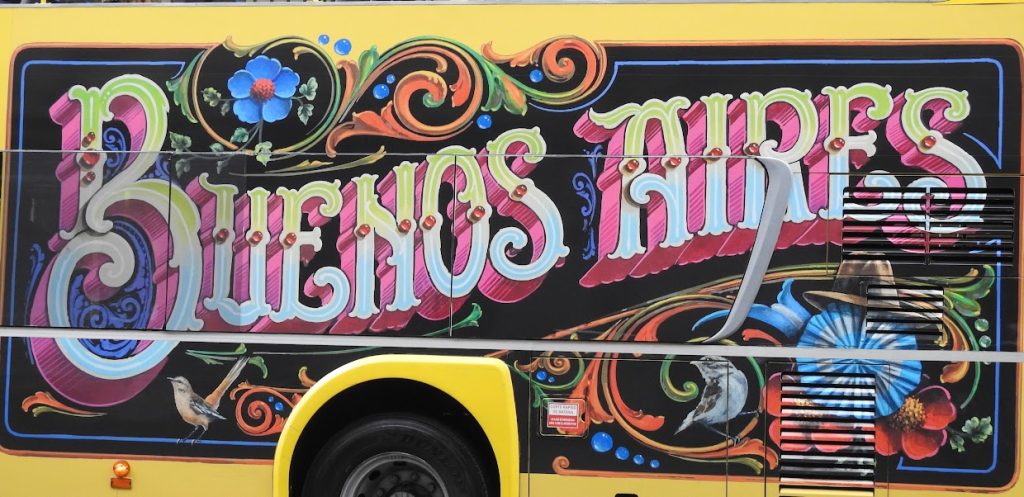
Buenos Aires
Buenos Aires – Football, Tango, Pastries and a Week With My Daughter
After travelling through Peru and Bolivia, it was time for something completely different: a week in Buenos Aires.
And I wasn’t doing this city alone.
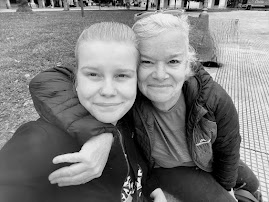
My daughter met me there for a week of exploring, eating, laughing and generally enjoying being together in one of South America’s great cities.
Football is everywhere
You don’t have to be a football fanatic to realise within about five minutes that Buenos Aires is completely obsessed with the game.
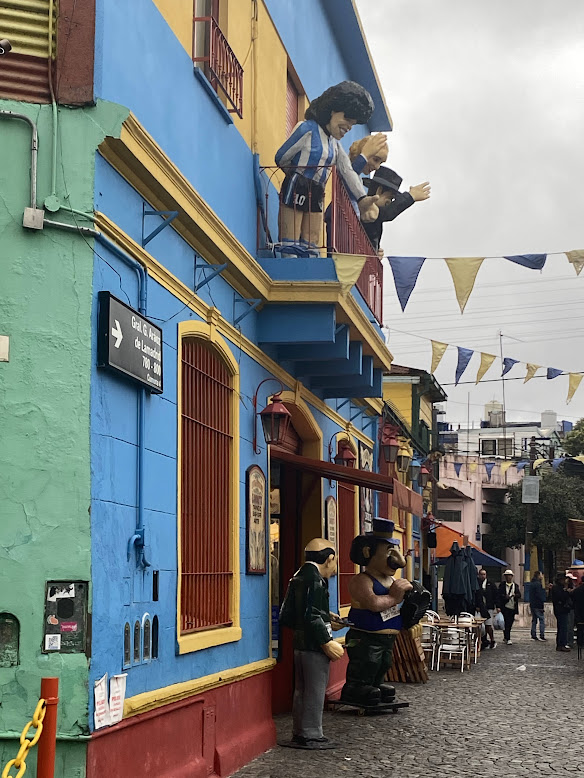
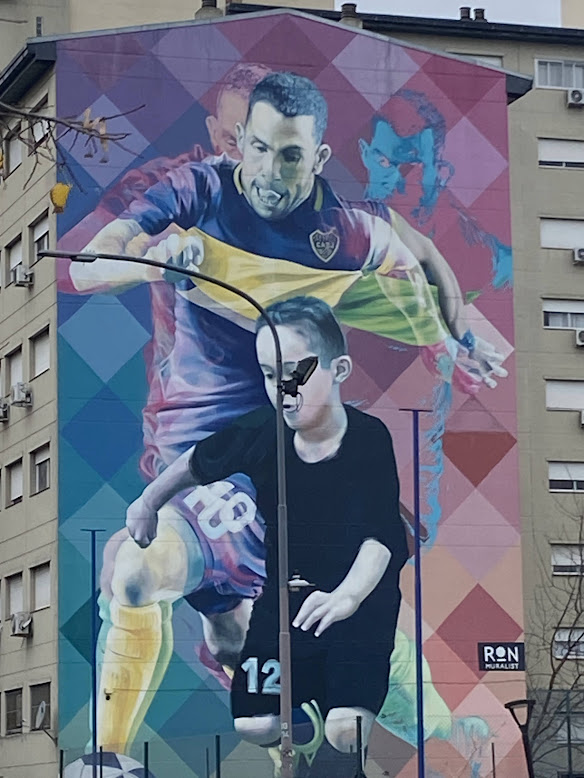
Maradona and Messi are everywhere.
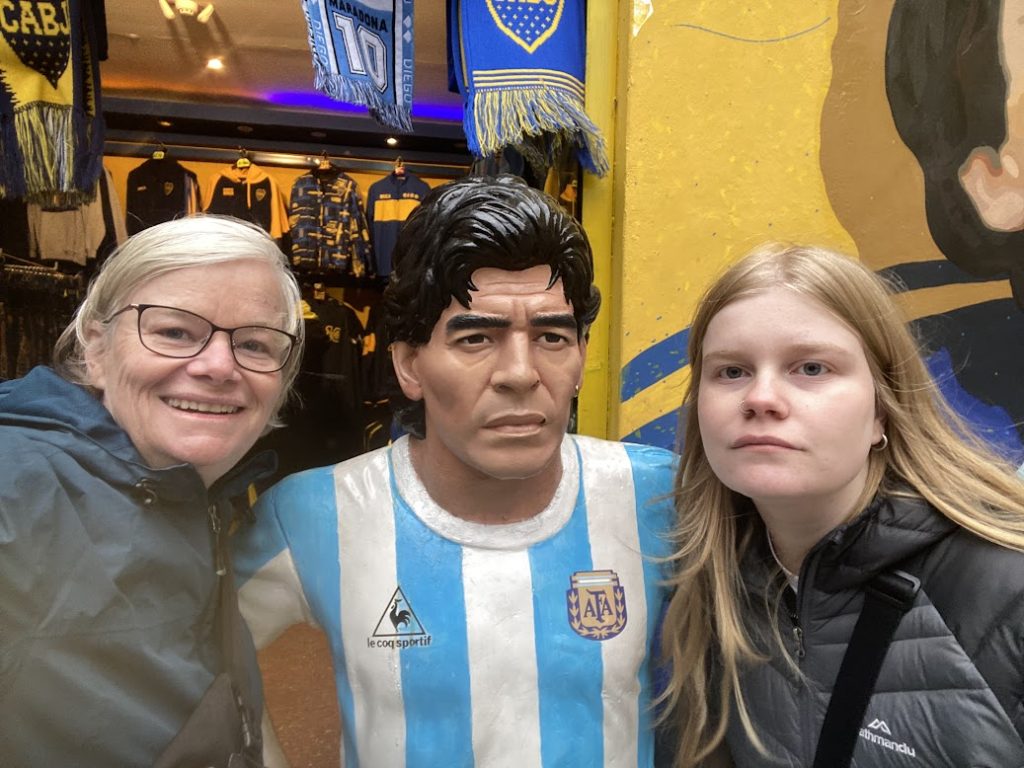
There were endless Messi murals to photograph and, naturally, when I found one of the statues of Maradona, a photograph wasn’t enough. He got a cuddle just to annoy the husband. He is ENglish and the old ‘Hand of God’ thing…

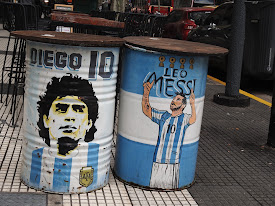
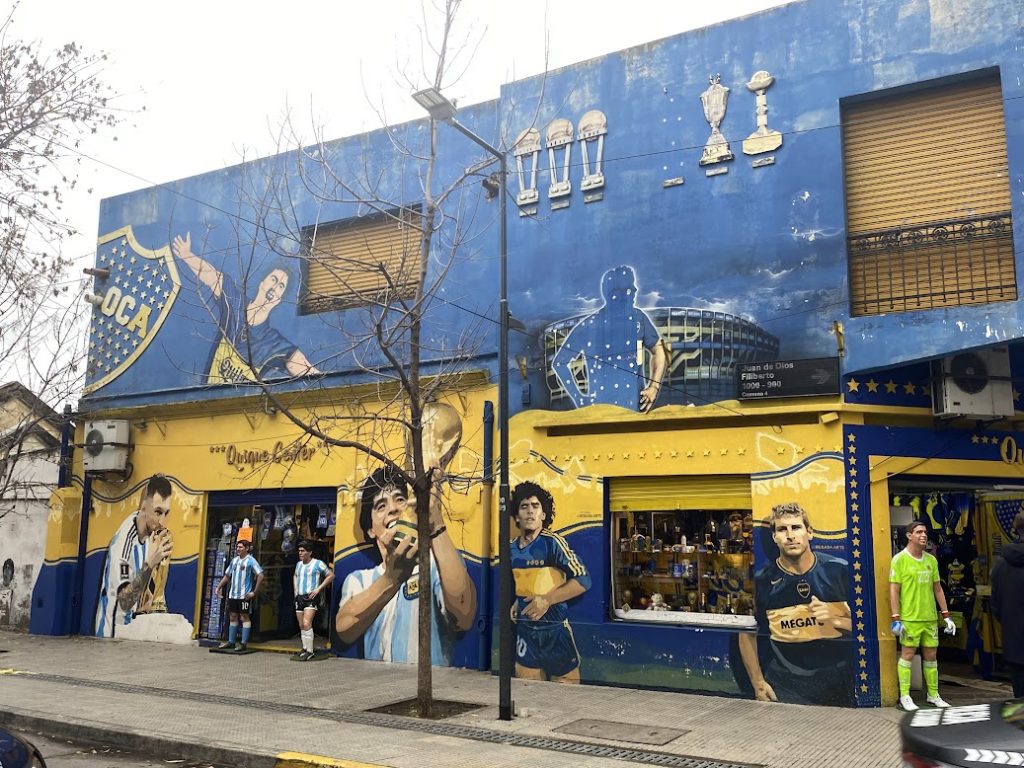
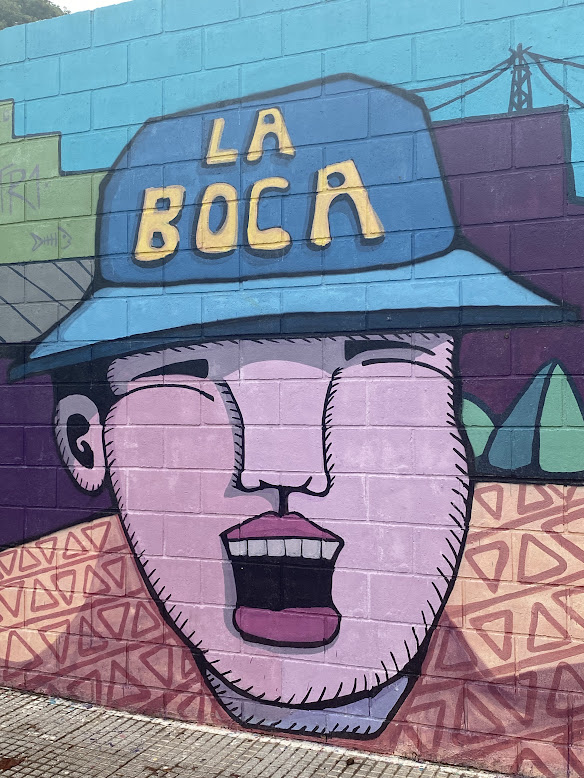
Then there was La Boca, where football moves to another level.
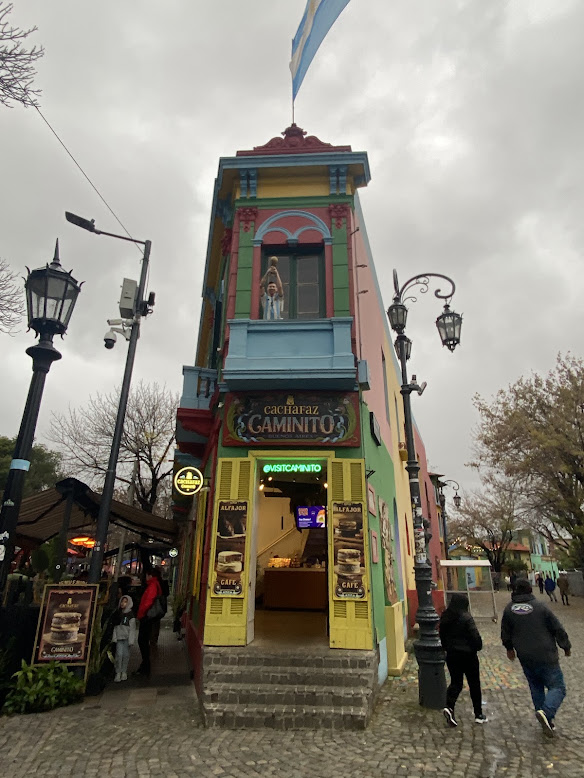
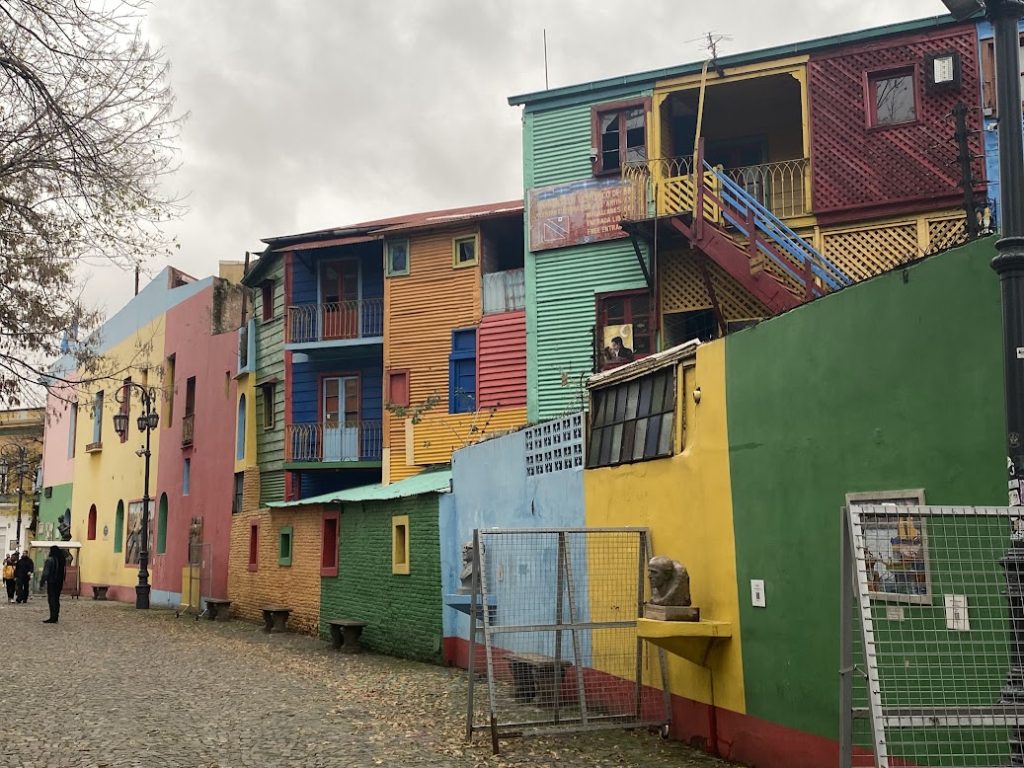
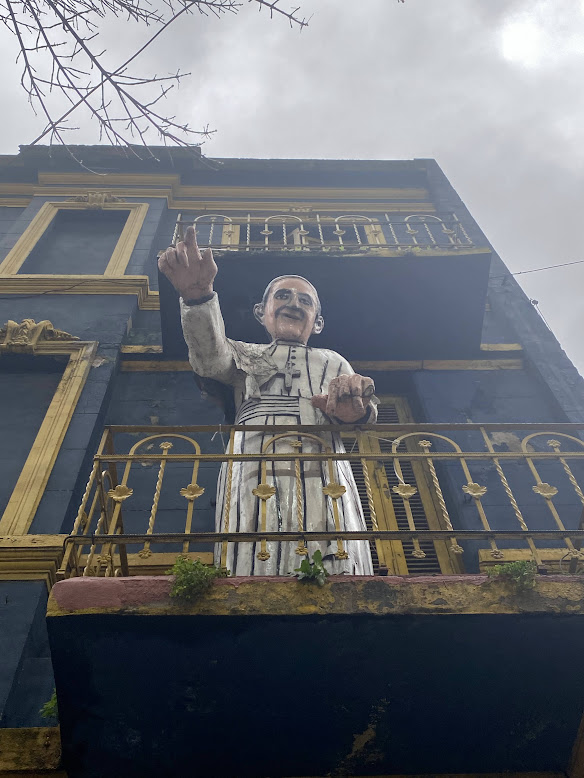
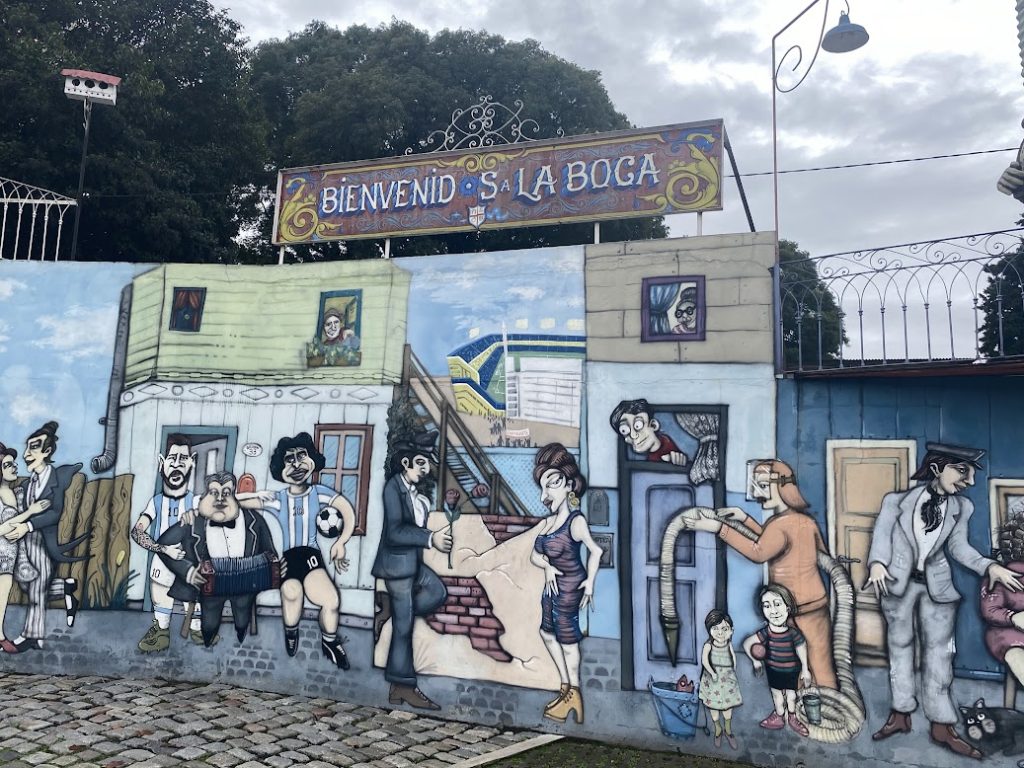
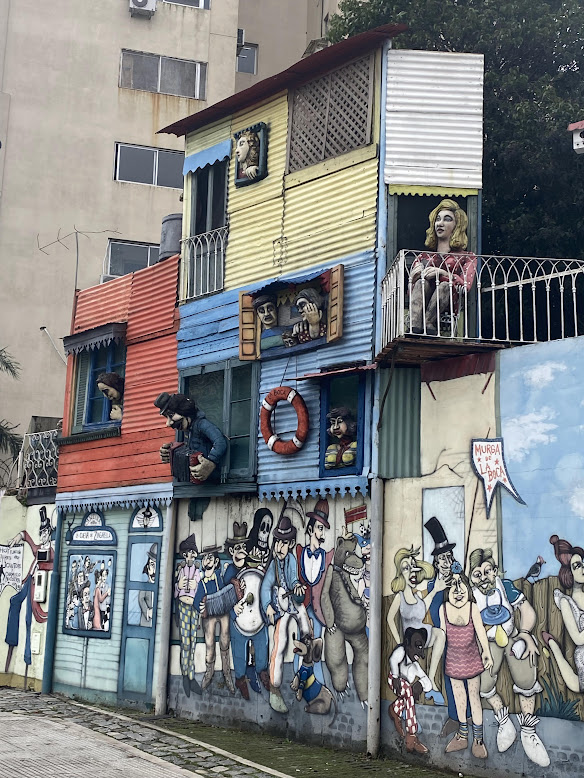
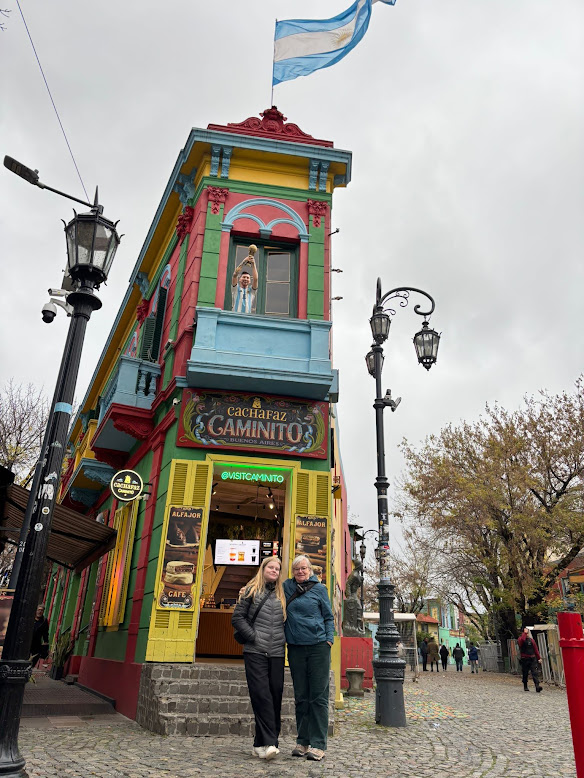
Home to Boca Juniors and the famous La Bombonera stadium, the neighbourhood is covered in blue and yellow. Shops, bars, murals, shirts and memorabilia all remind you that football here isn’t simply something people watch on the weekend. It’s part of their identity.
We joined a walking tour through La Boca, which gave us much more context about the neighbourhood than simply wandering through the colourful streets of Caminito.
[PHOTO SPACE – Messi murals / Boca Juniors]
Walk Buenos Aires
One of the best things we did was another free walking tour.
I’ve become a big fan of these. You can wander around a city looking at beautiful buildings, but having someone explain what happened inside them completely changes the experience.
And Buenos Aires has plenty to explain.
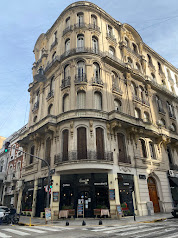
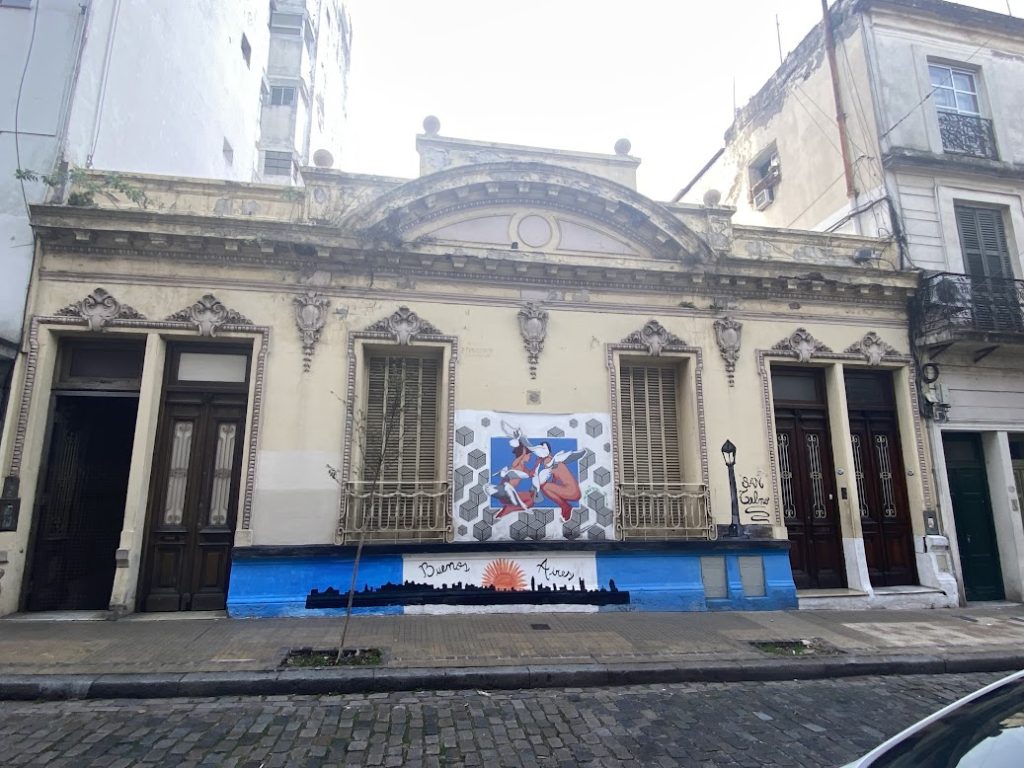
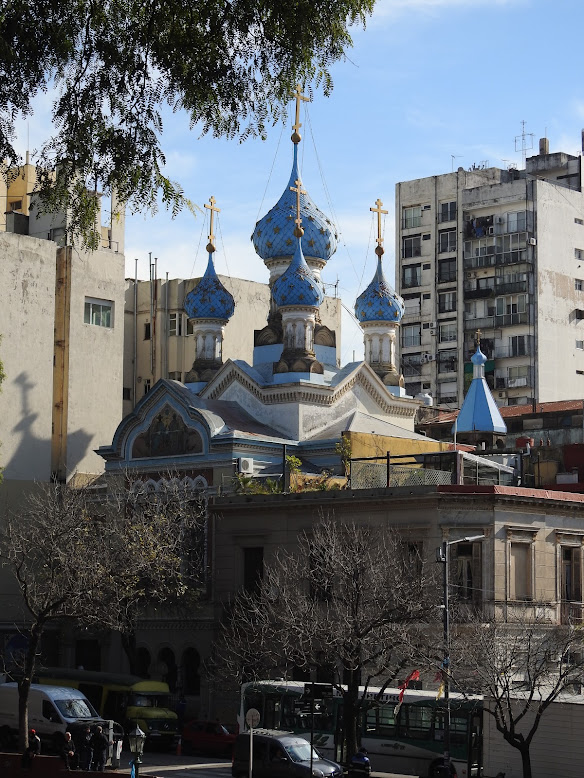
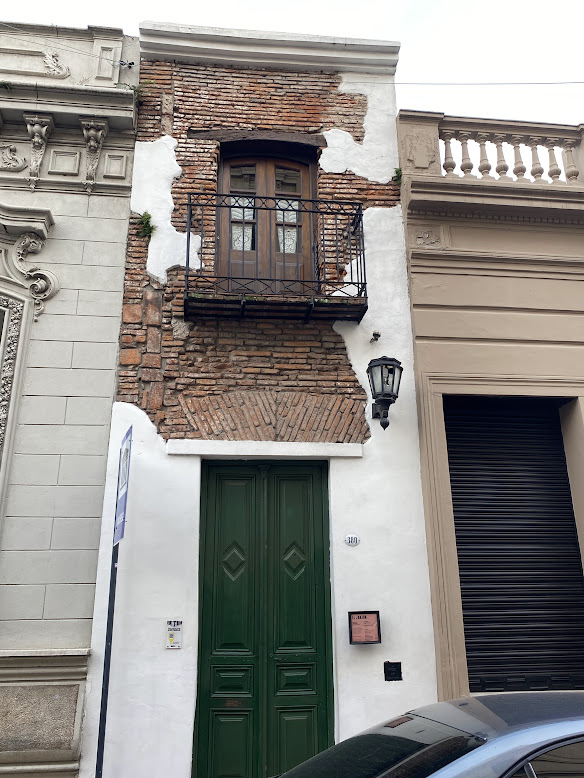
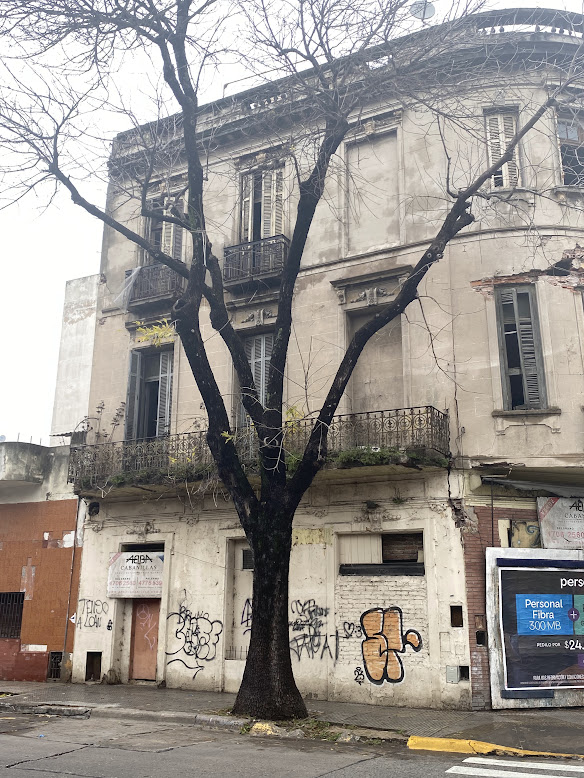
The city is full of magnificent European-influenced architecture, grand avenues, tiny details on old buildings and wonderfully quirky corners. Sometimes it feels more like Madrid or Paris than South America.
Even ordinary street life was entertaining.
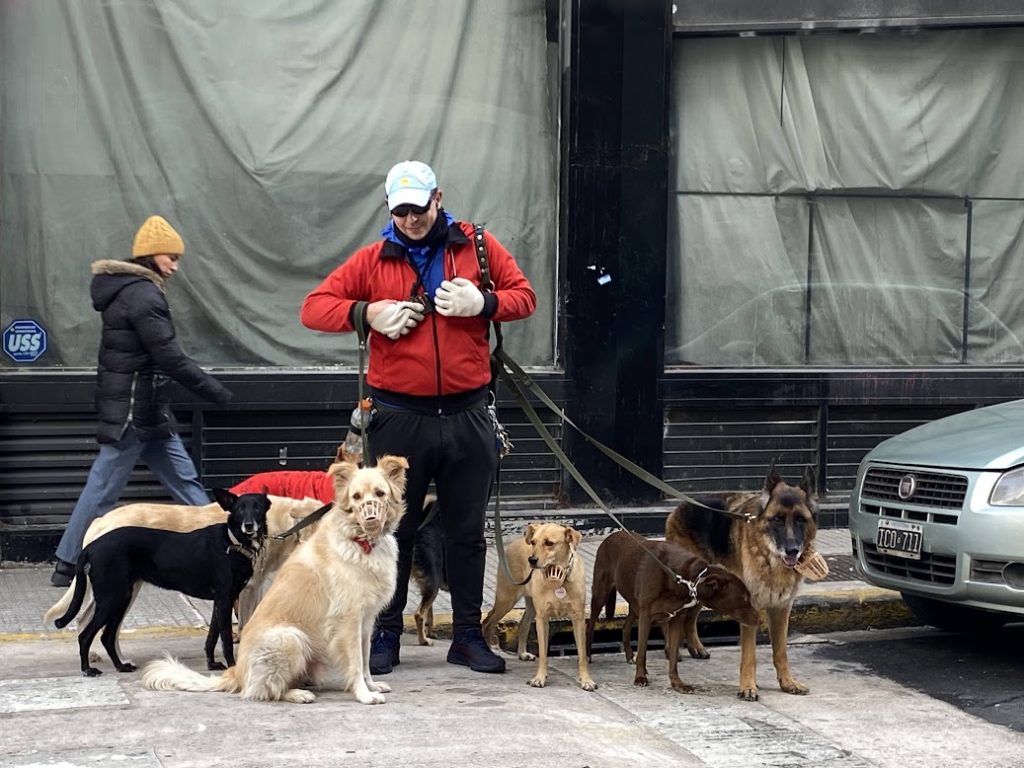
We kept seeing dog walkers with an extraordinary number of dogs attached to them. Not two or three. Sometimes what appeared to be an entire dog park travelling down the pavement behind one person.
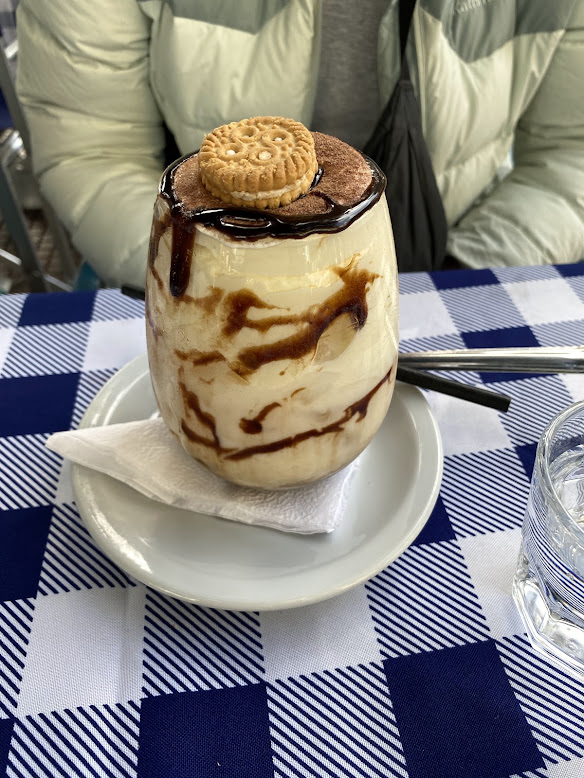
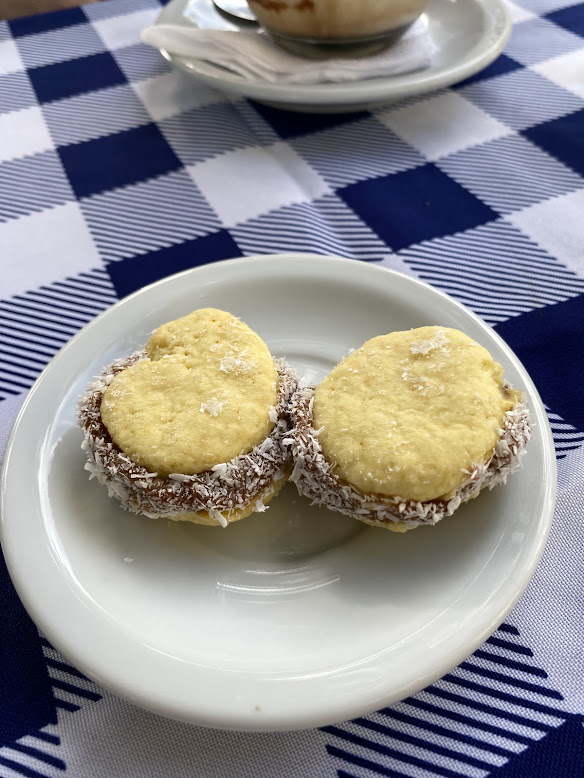
Pastry is an acceptable breakfast and amazing pizza too
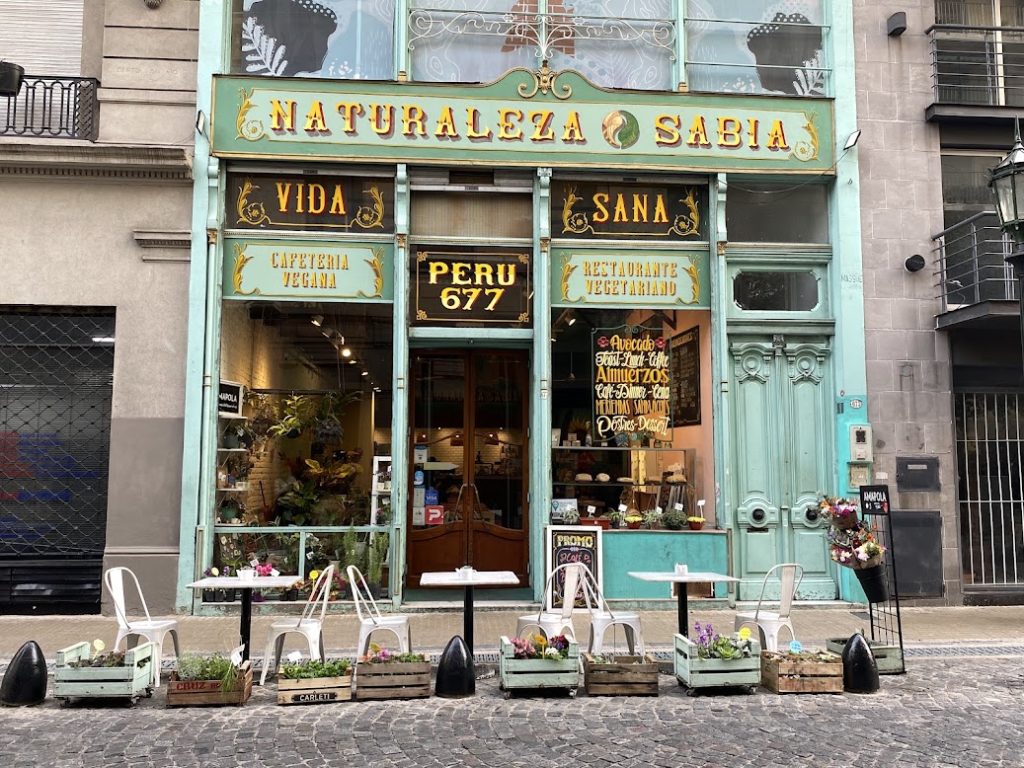
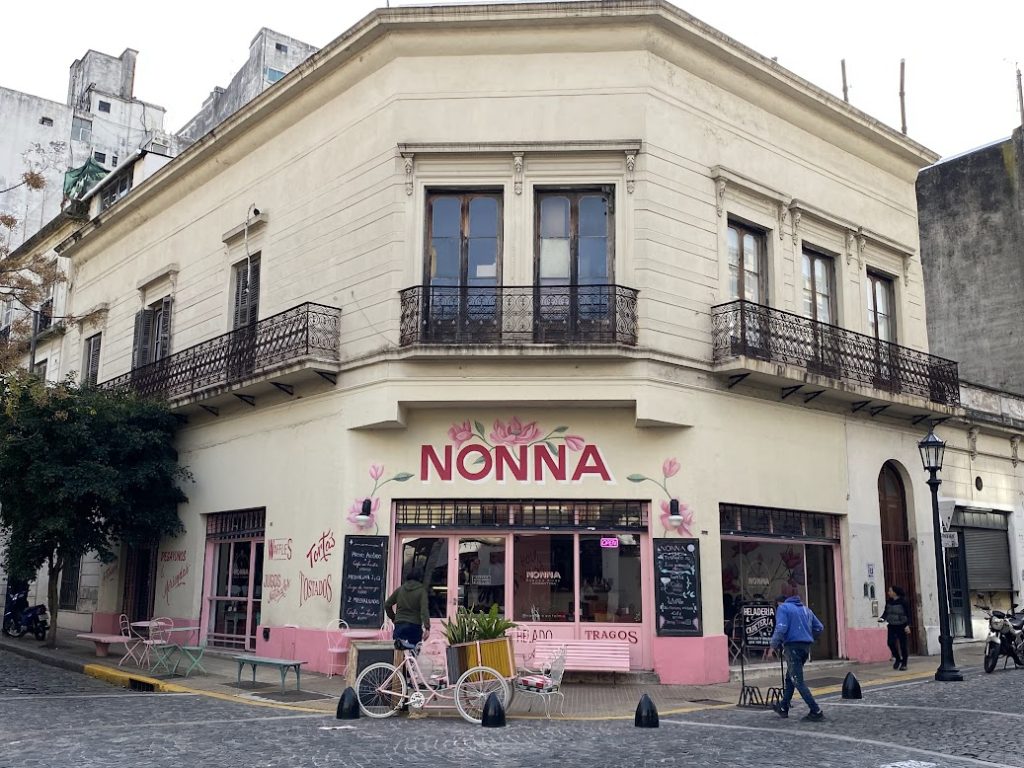
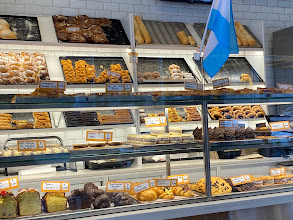
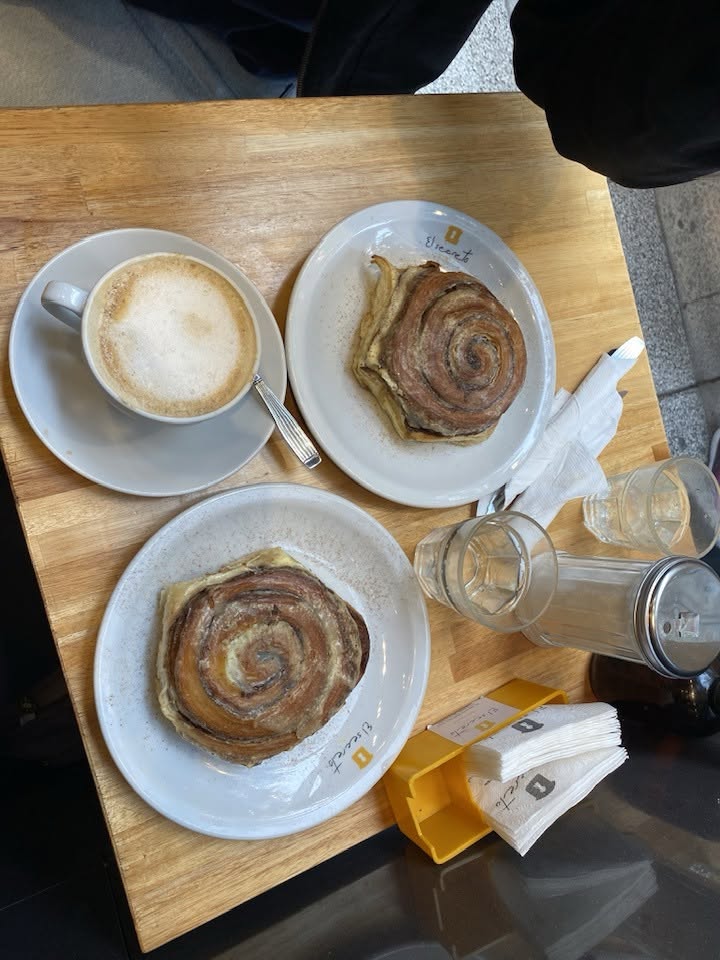
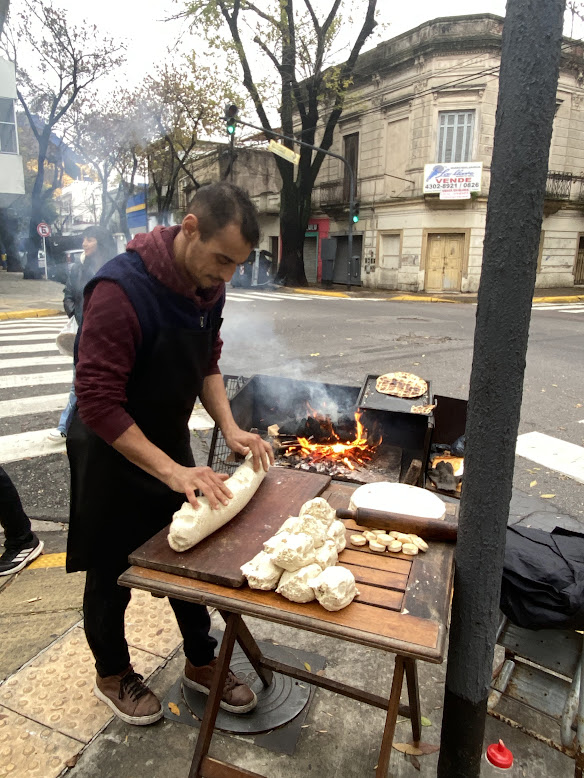
Breakfast frequently involved stopping at one of Buenos Aires’ wonderful bakeries or cake shops.
Pastries, cakes, coffee — there wasn’t much incentive to seek out a sensible breakfast.
Argentina takes its facturas seriously, and we were happy to conduct extensive research.
Tango where it belongs
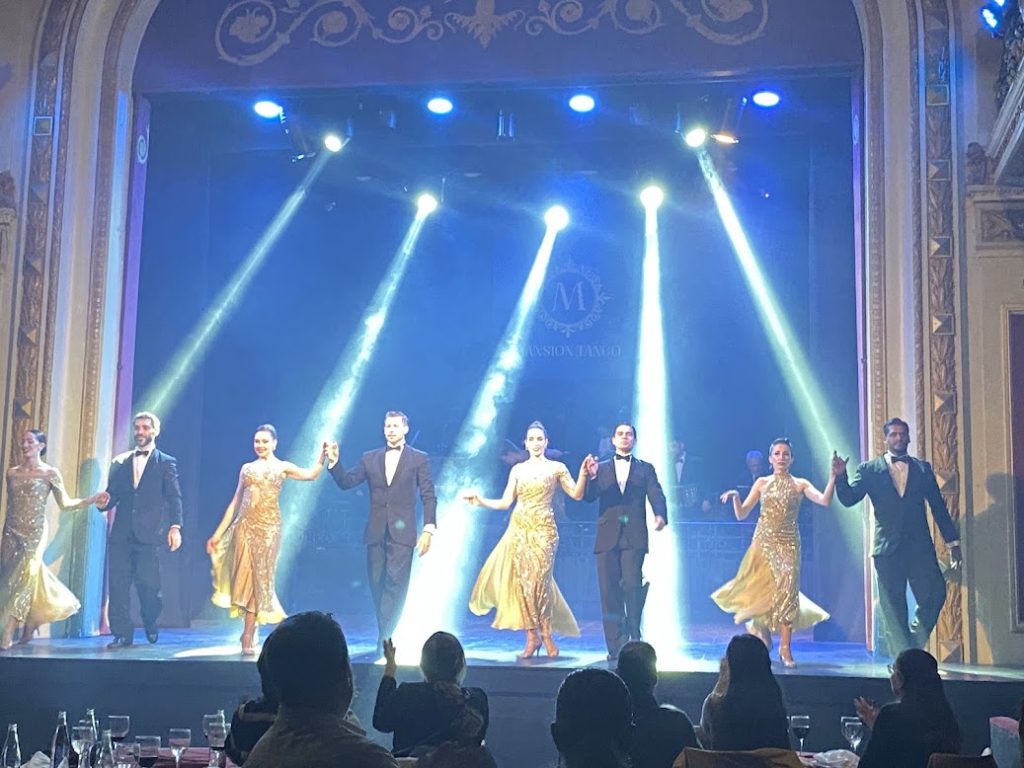
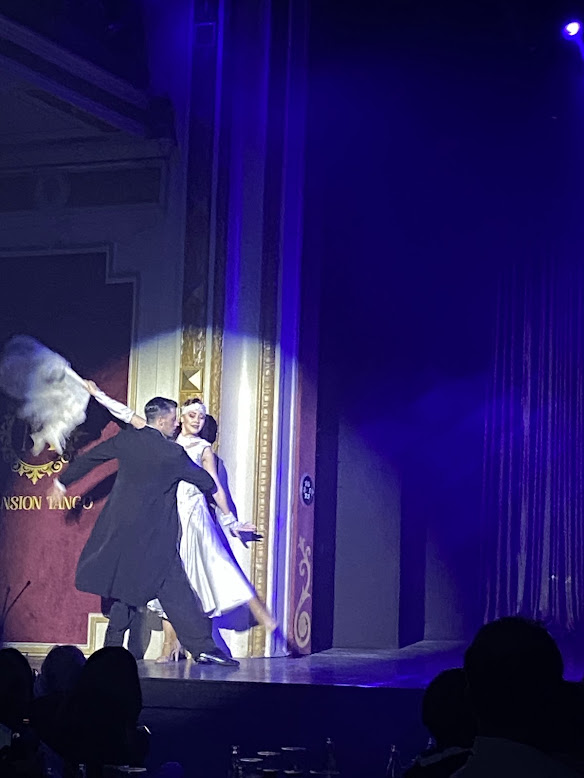
You can certainly pay for an elaborate tango show in Buenos Aires, but some of my favourite encounters with tango were much simpler.
We saw people dancing in parks and restaurants, sometimes with a small crowd gathered around watching.
There’s something much nicer about stumbling across tango rather than having it presented as a carefully packaged tourist performance.
La Boca beyond the colourful houses
La Boca is famous for the brightly painted buildings around Caminito, but the walking tour revealed considerably more of the neighbourhood’s history.
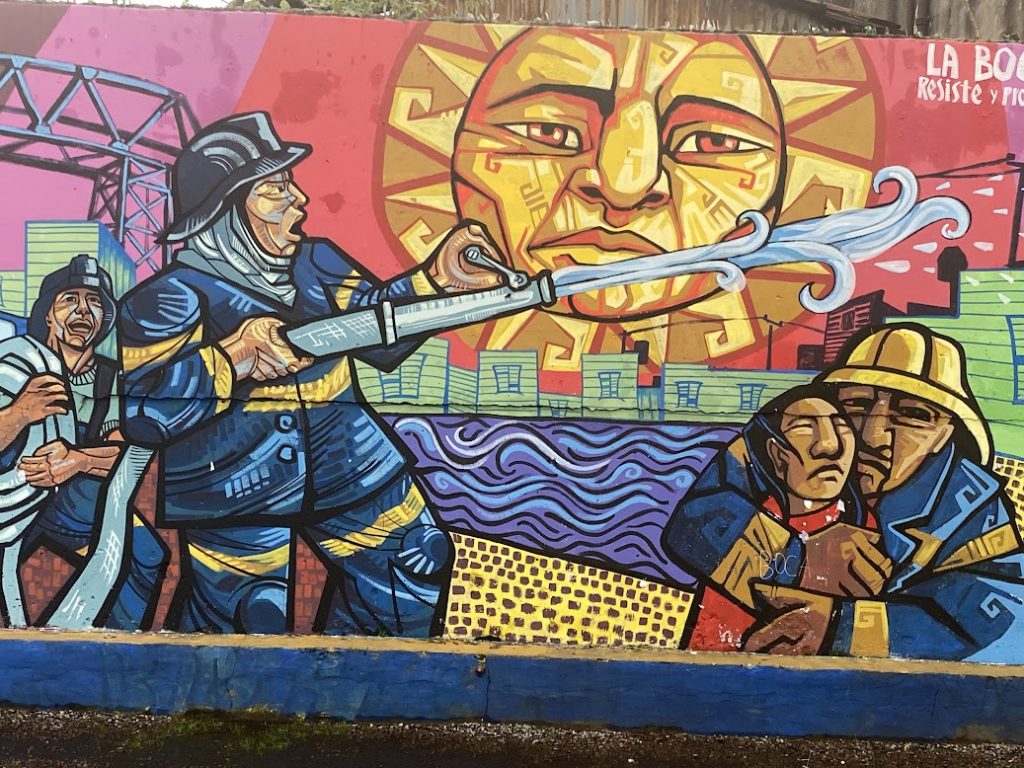
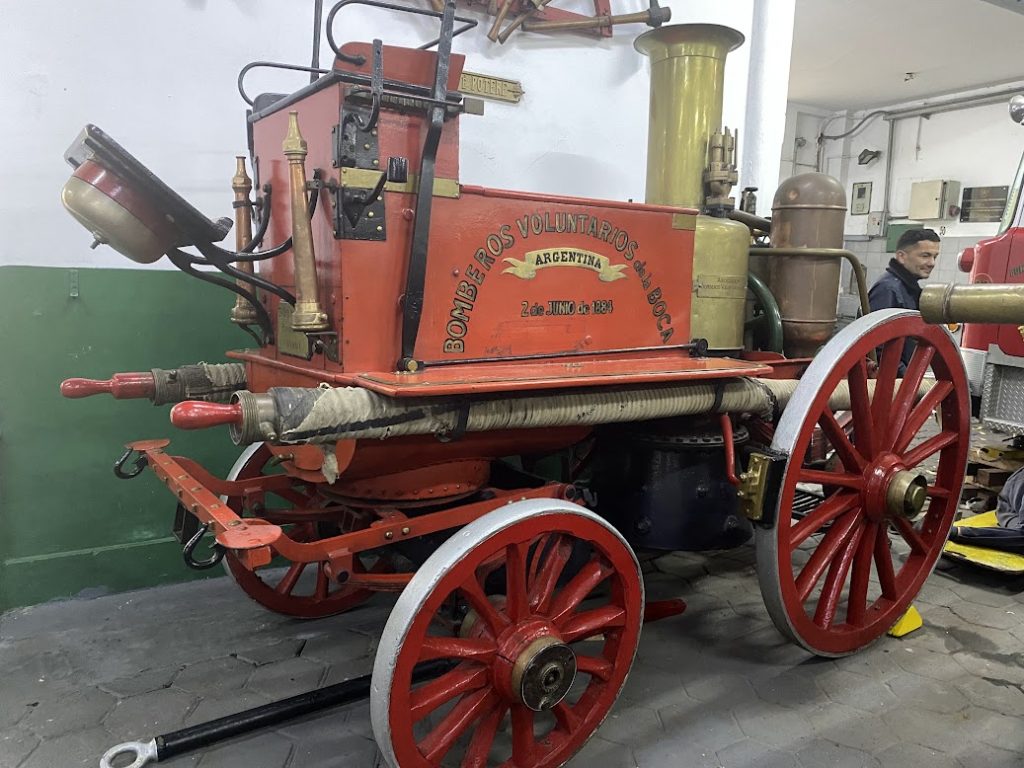
One interesting stop was the Volunteer Firefighters of La Boca, founded in 1884 as Buenos Aires’ first volunteer fire brigade. The neighbourhood’s history is closely connected with generations of immigrants who arrived through the nearby port and built communities here.
The colourful buildings might bring the tourists, but the history makes the area much more interesting.
Evita
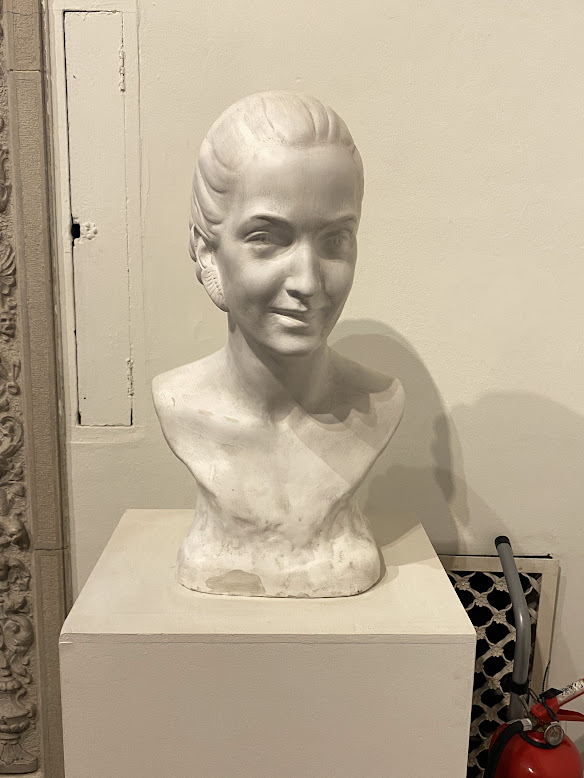
It is almost impossible to understand modern Argentina without encountering Eva Perón.
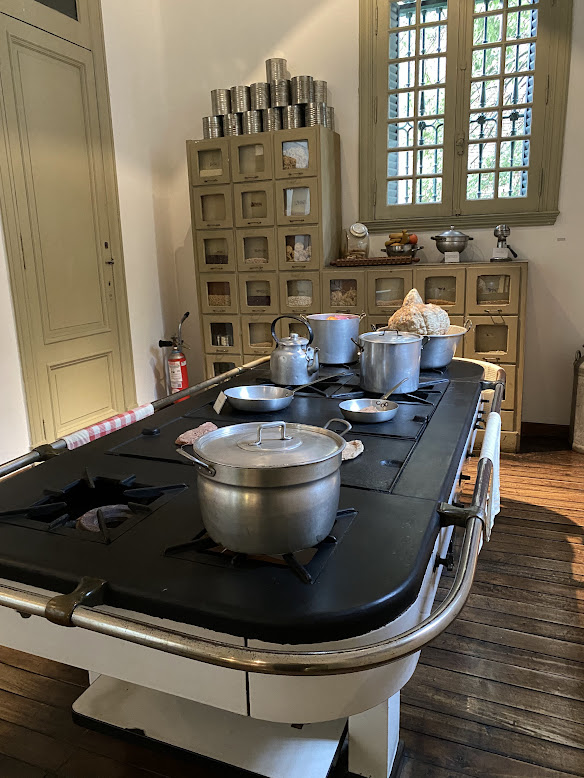
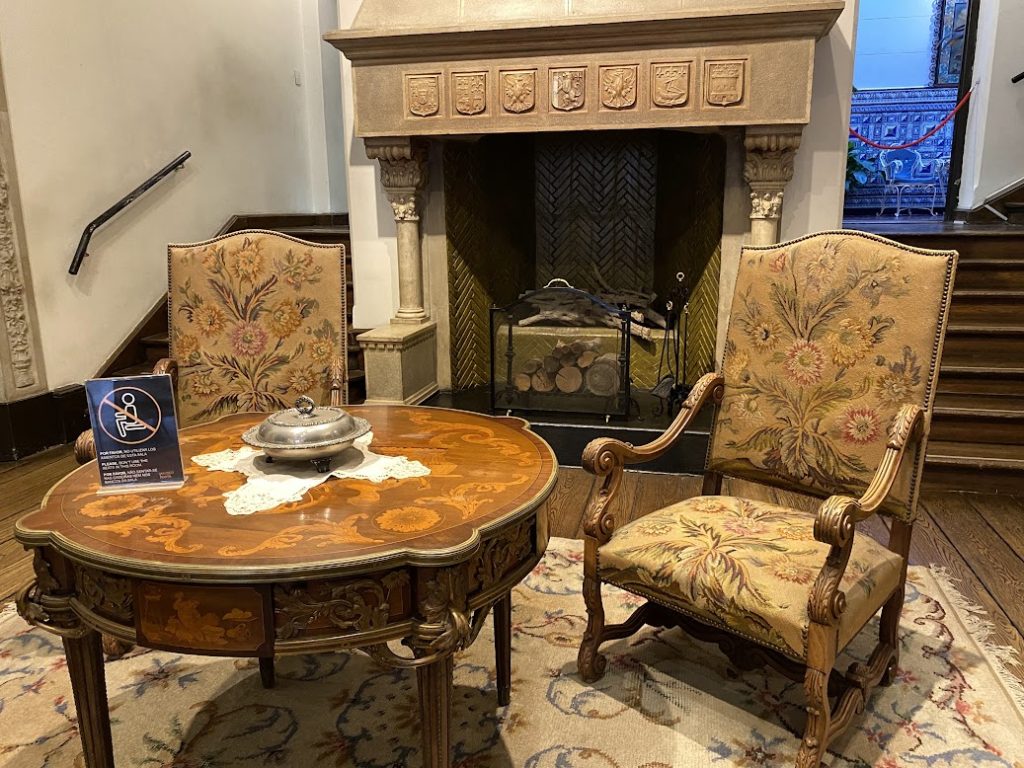
We visited the Museo Evita, which tells the story of her life, her relationship with Juan Perón and her extraordinary rise from a relatively poor background to become one of the most famous — and controversial — women in Argentine history.
Whether Argentinians loved or hated Evita, her influence on the country is impossible to ignore.
The women in the white scarves
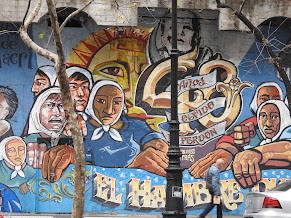
One of the more sobering parts of Buenos Aires was learning about the Mothers of the Plaza de Mayo.
During Argentina’s military dictatorship, thousands of people disappeared. Mothers began gathering in Plaza de Mayo demanding answers about what had happened to their children.
Their white headscarves became a powerful symbol of that campaign.
Decades later, the scarves remain represented around the square as a reminder of the desaparecidos — the disappeared — and of families who refused to allow them simply to be forgotten. Women still meet every Thursday to walk around the square and remember.
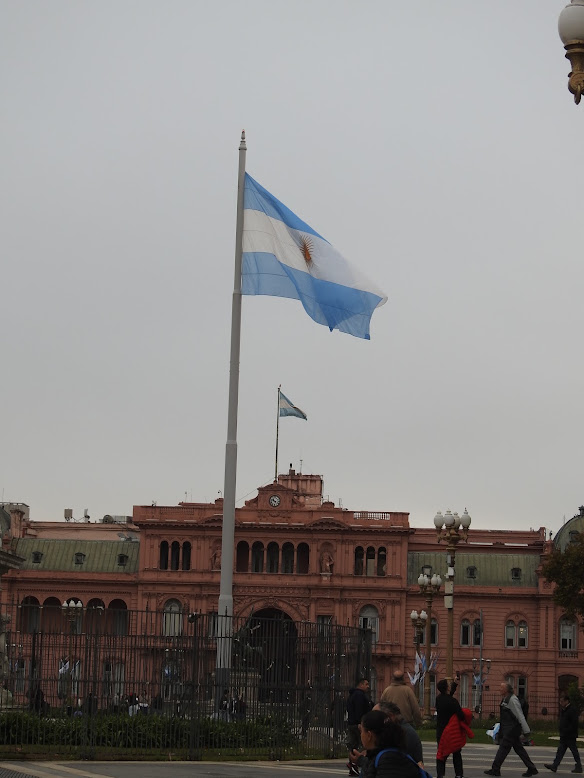
Around this historic centre we also caught some of the ceremonial side of the city, including the changing of the guard, before continuing our wandering.
Parks, wildlife and doing things for free
One thing Buenos Aires does particularly well is public space.
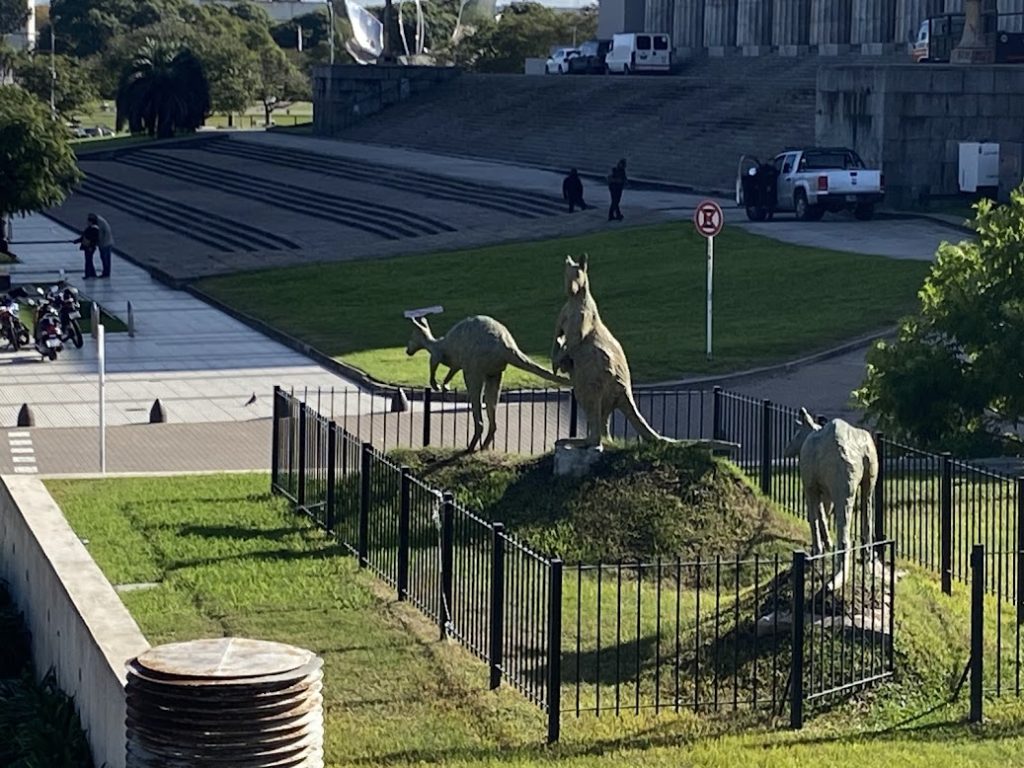
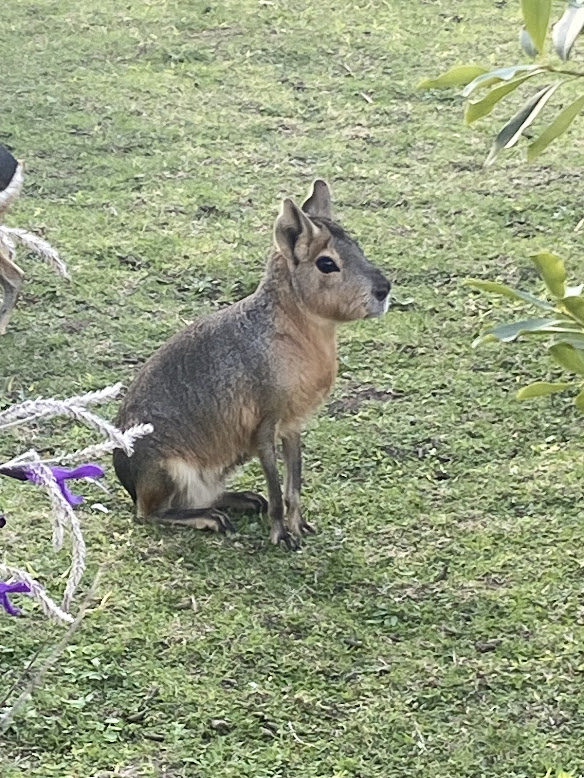
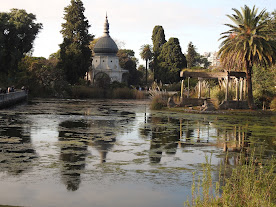
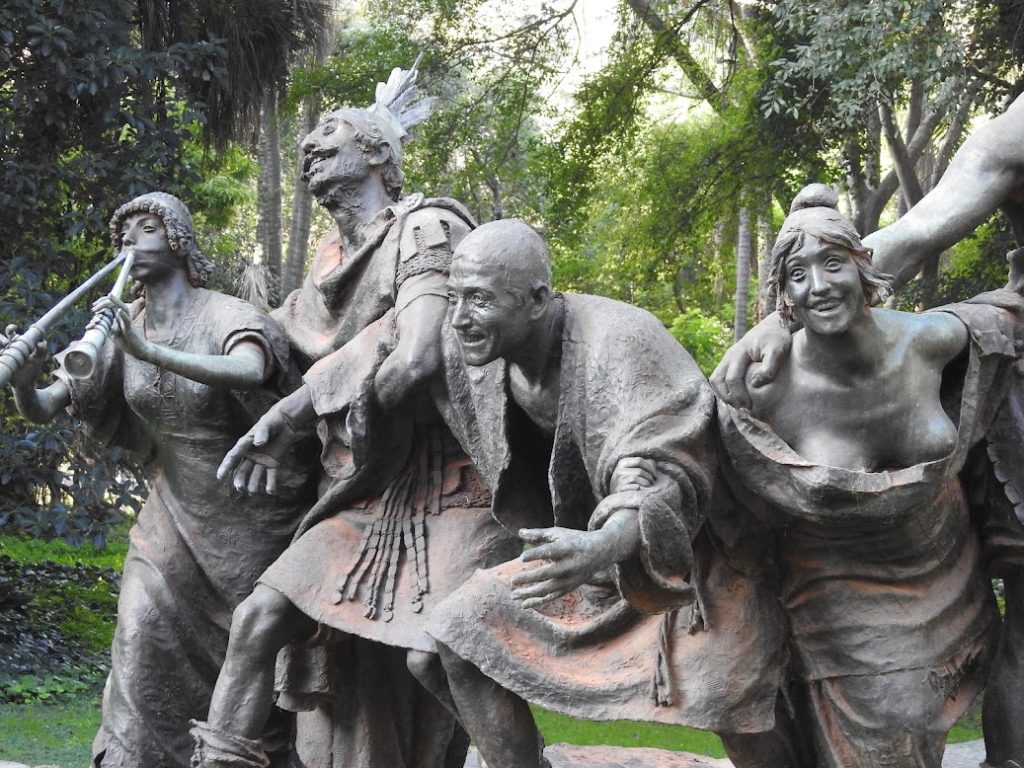
We spent time exploring the city’s enormous parks, including areas around the Bosques de Palermo, where you can walk for hours through gardens, lakes and green spaces without spending anything.
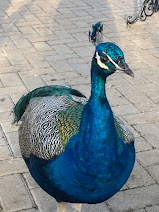
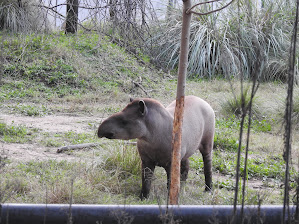
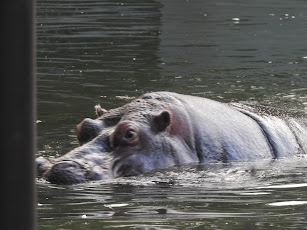
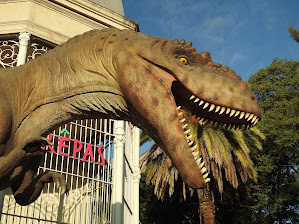
There are botanical gardens and the Ecoparque, developed on the site of the former Buenos Aires Zoo. Rather than operating as the traditional zoo it once was, the space has been transformed with a greater emphasis on conservation, education and animal welfare.
After weeks of travelling, having somewhere beautiful where the day’s plan could simply be walk around and see what happens was very welcome.
The cemetery we didn’t visit
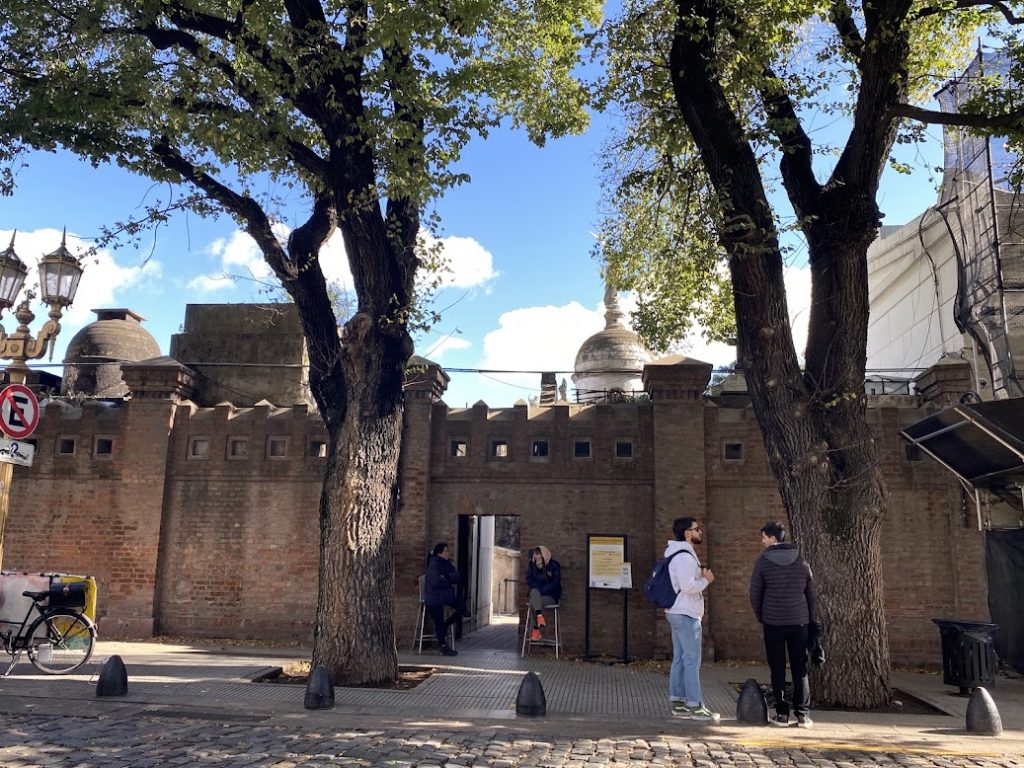
We considered visiting the famous Recoleta Cemetery, resting place of Eva Perón and many of Argentina’s most notable historical figures.
Then we saw the admission price.
No.
There comes a point during a long trip when you realise you don’t actually have to pay for every attraction simply because the guidebook says you should see it.
So we admired Recoleta, enjoyed the neighbourhood and spent the money on something else.
Probably pastry.
A city worth giving some time
A week in Buenos Aires didn’t feel excessive.
There was football and political history, tango and street art, grand architecture and neighbourhood cafés. There were markets, parks, ridiculously capable dog walkers and enough cakes and pastries to make breakfast decisions very easy.
But this part of the trip was also different for another reason.
After so much travelling, it was lovely to have my daughter there.
Sometimes the thing you remember most about a destination isn’t the famous building, museum or monument.
It’s who you explored it with.