Bolivia – the bits I went to this time
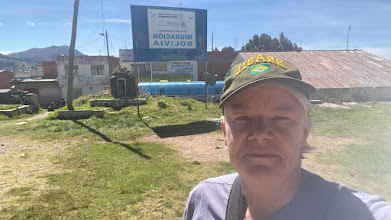
Crossing from Peru into Bolivia
The trip from Peru into Bolivia felt like a proper border crossing rather than simply moving from one town to another.
We travelled with Peru Hop/Bolivia Hop, which made the logistics fairly straightforward. Everyone gets off the bus, walks through the Peruvian exit formalities and then crosses into Bolivia to complete immigration there before rejoining the bus.
For many travellers, entry is straightforward and there is no visa fee, depending on nationality. For others, the cost can be surprisingly high and the paperwork more involved. It is one of those moments where everyone in the queue is technically doing the same thing, but not necessarily paying the same amount for the privilege.
Once through, the atmosphere changed quickly. Bolivia felt different almost immediately.
Lunch beside Lake Titicaca in Copacabana
Our first proper stop was Copacabana, on the Bolivian side of Lake Titicaca.
We had a fantastic lunch right by the lake, which was exactly what was needed after the border formalities. Fresh food, cold drinks and that enormous blue lake stretching out in front of us made it very easy to slow down for a while.
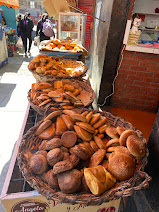
Around the bus stops and market areas were local food sellers with everything laid out along the roadside. Snacks, fruit, drinks and simple cooked food were available everywhere, often prepared from tiny stalls that looked as though they had been there forever.
Copacabana itself has a relaxed feel and is worth more than simply using as a transport stop, but for us the road to La Paz was calling.
Isla del Sol – From Copacabana
Before heading towards La Paz, Copacabana is also the jumping-off point for Isla del Sol — the Island of the Sun, one of the most important places on Lake Titicaca.
A day trip starts with a boat ride across the lake from Copacabana. The journey itself is worth doing, with that extraordinary deep-blue Titicaca water surrounded by the high, dry landscape of the Andes.
According to Inca mythology, Isla del Sol was the birthplace of the sun, and the island contains a number of important Inca and pre-Inca archaeological sites. There are no cars, so exploring means walking along old paths between small Indigenous communities, agricultural terraces and ruins.
And walking here comes with a warning.
At around 3,800–4,000 metres above sea level, seemingly innocent hills and stone steps suddenly become much harder work. Take your time because the views across Lake Titicaca towards the distant mountains are magnificent.
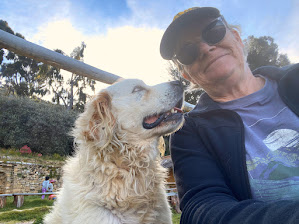
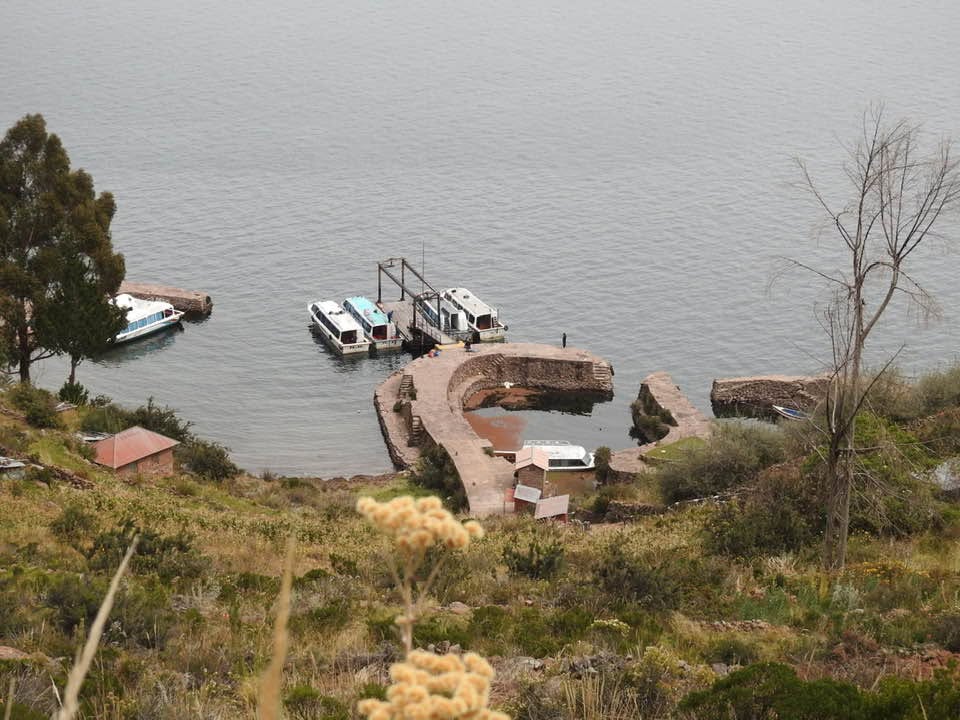
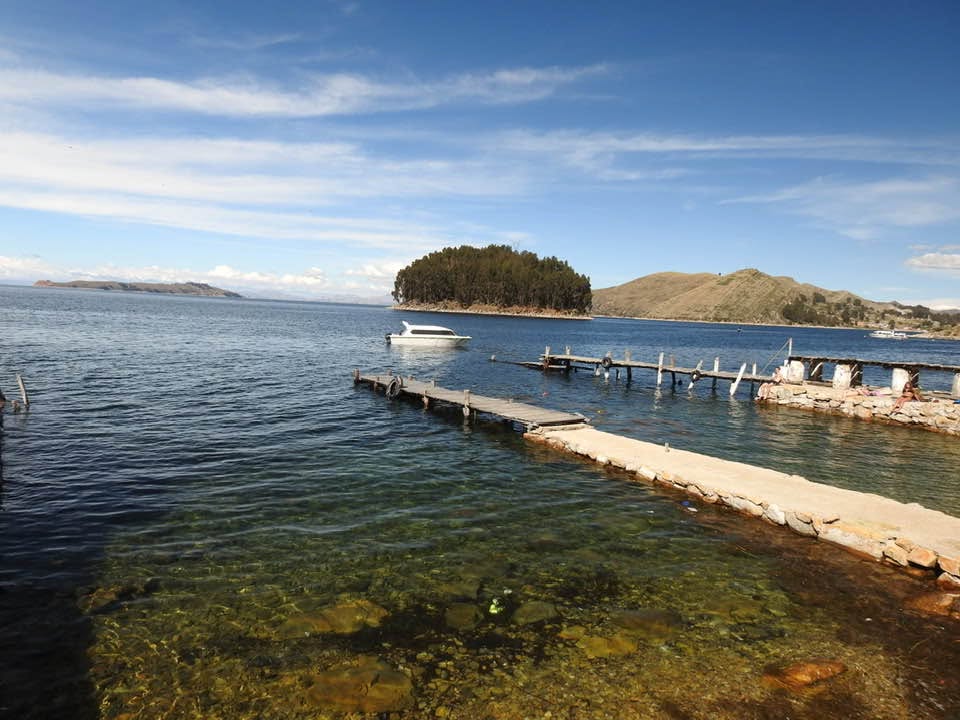
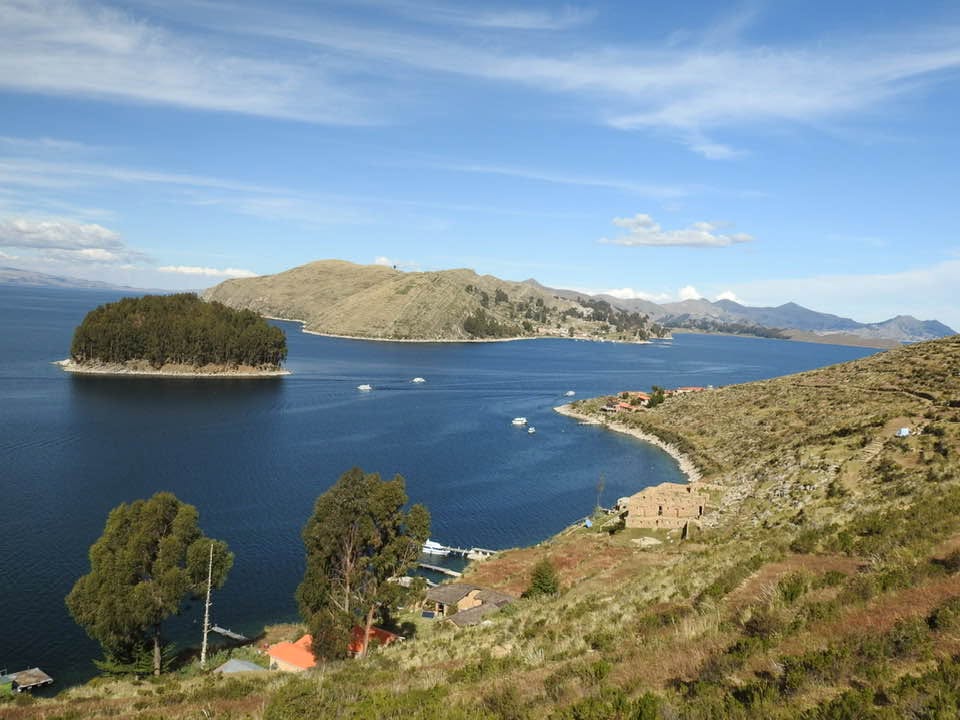
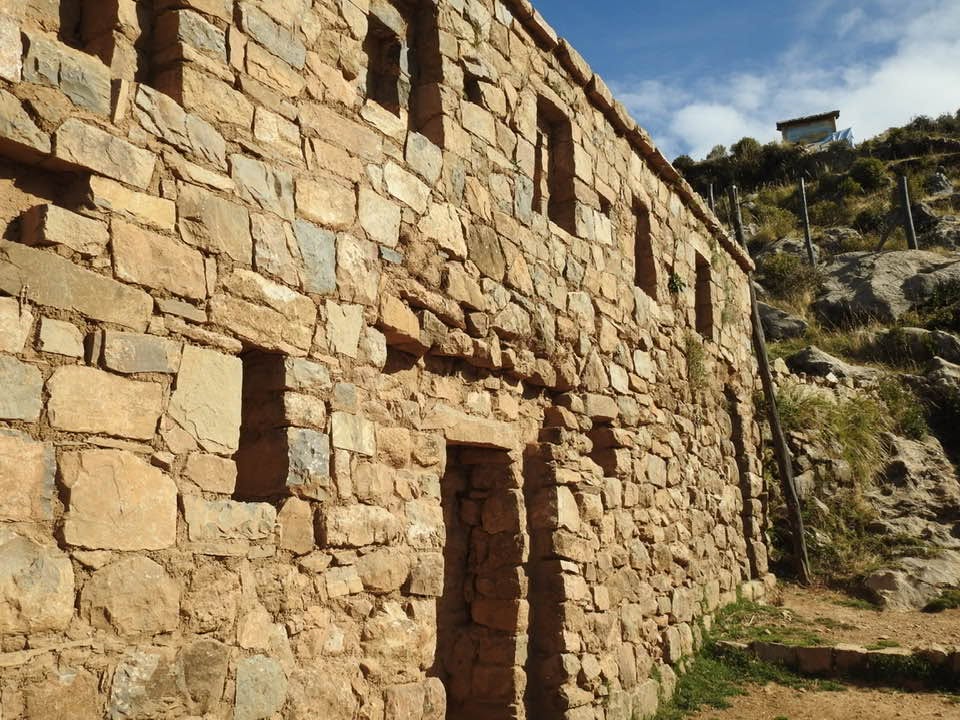
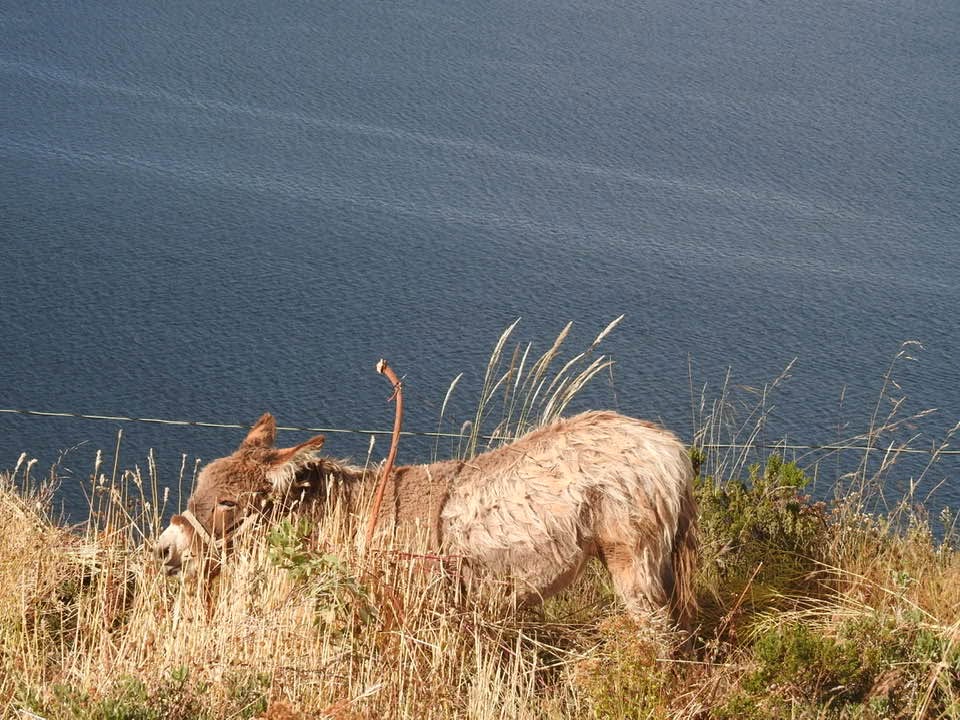
A day trip gives you enough time for a taste of the island, although staying overnight would allow you to experience it after the day visitors have left.
The bus goes on a ferry
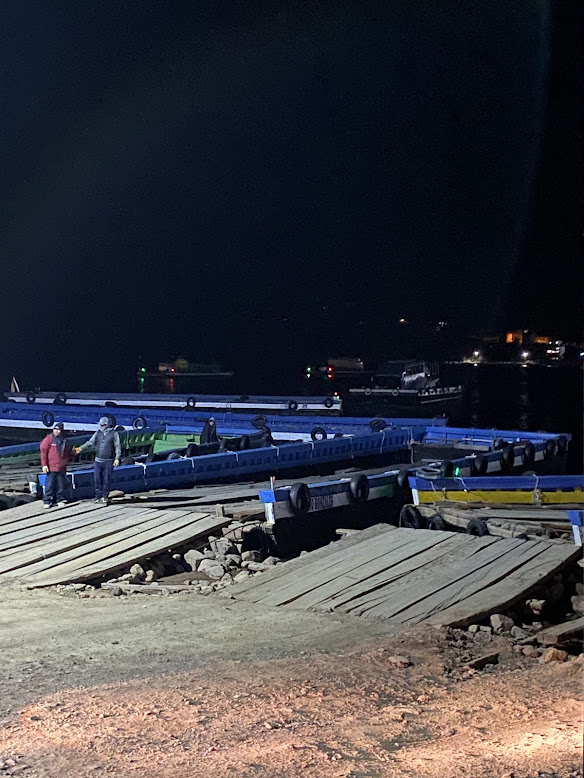
The strangest part of the journey to La Paz came at the Strait of Tiquina.
There is no bridge.
The passengers get off the bus and cross the water separately in small boats.
The bus goes on its own boat.
Watching a full-sized coach being driven onto what looks like a large wooden platform floating on the lake is one of those moments where you wonder whether you’ve misunderstood what is about to happen.
You haven’t.
The bus is ferried across while everyone watches from their own passenger boat, then you climb back aboard on the other side and continue towards La Paz.
It is wonderfully low-tech and somehow works.
La Paz – history at 3,600 metres
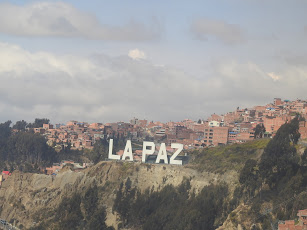
Arriving in La Paz is dramatic.
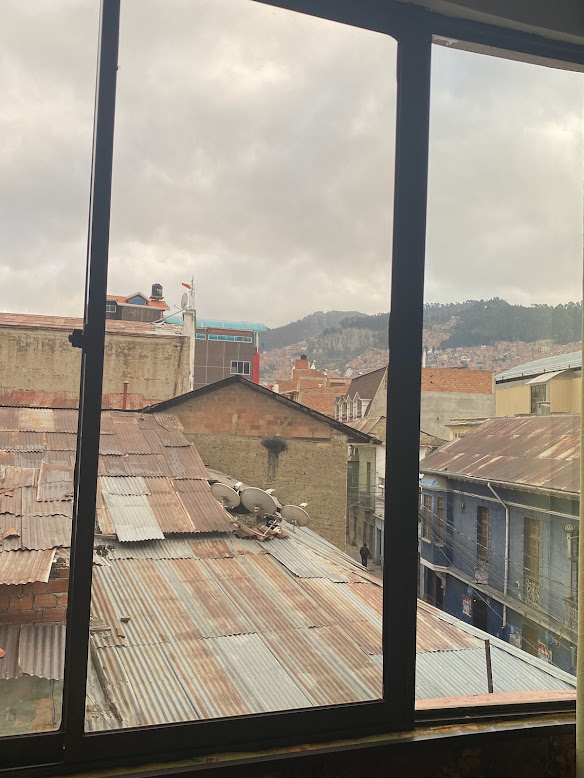
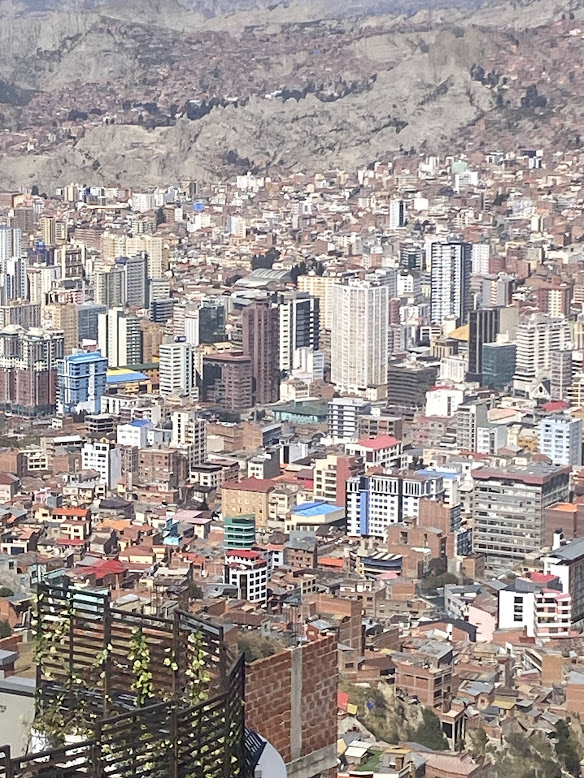
The city spreads down the sides of a huge bowl surrounded by mountains, while El Alto sits above it on the plateau. The altitude is immediately noticeable. Walking uphill becomes a genuine activity, stairs suddenly require planning, and even talking while walking can leave you wondering where all the oxygen went.
A free walking tour was one of the best ways to understand the city.
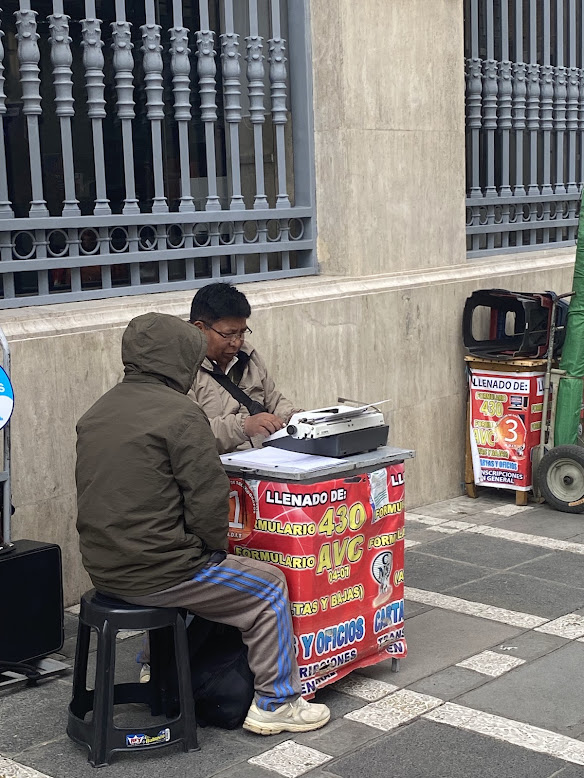
Our guide was known as Cat in the Hat, and the tour was excellent. Rather than simply pointing out buildings, it covered Bolivian history, politics, Indigenous culture and the strange layers that make La Paz feel completely unlike anywhere else.
The altitude meant the pace was appreciated.

The best public transport system with the best views
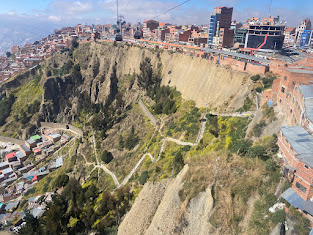
One of the smartest things La Paz has done is build its transport system into the air.
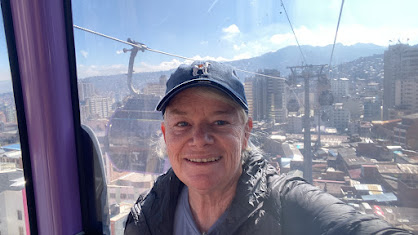
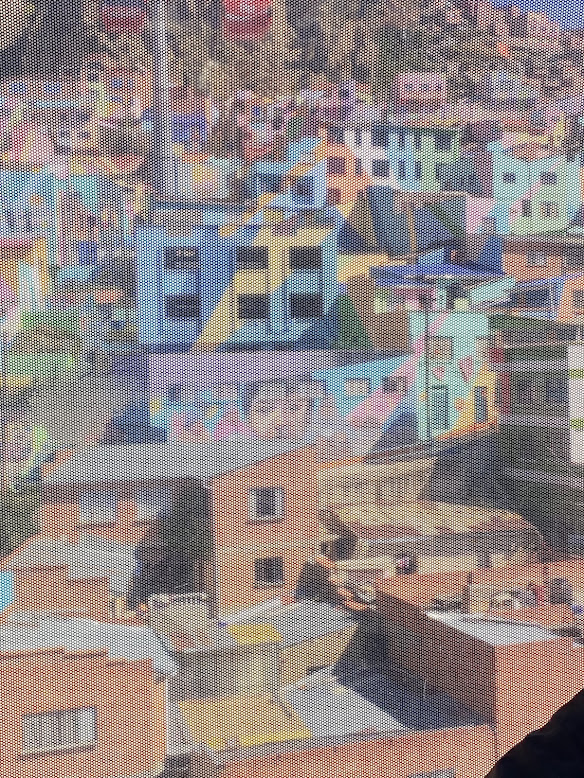
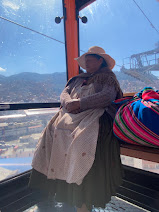
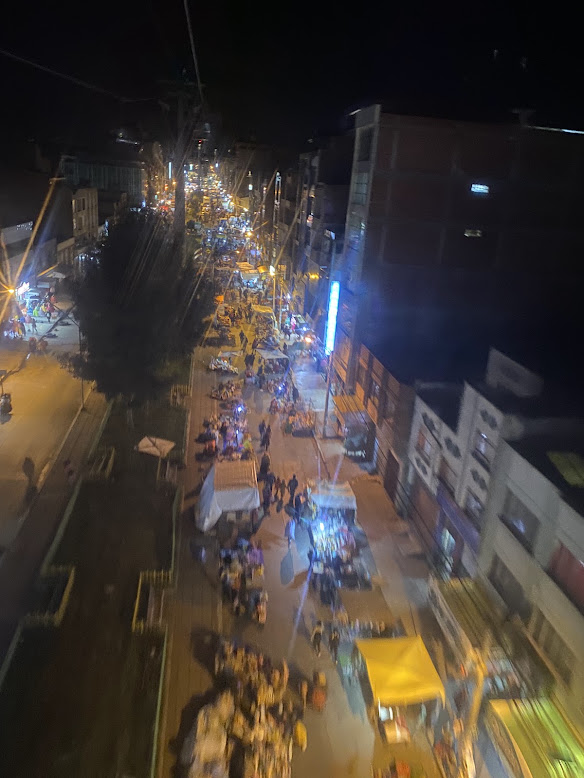
The city’s Mi Teleférico gondolas connect different parts of La Paz and El Alto, carrying commuters above the steep streets and chaotic traffic.
For visitors, they are also one of the best ways to see the city.
You glide over rooftops, markets, neighbourhoods and ravines, with the city spreading out underneath you. Instead of struggling up another impossibly steep hill at altitude, you simply float over it.
It is public transport with a view.
Witches, markets and ancient beliefs
La Paz also has a fascinating relationship with traditional beliefs and ritual.
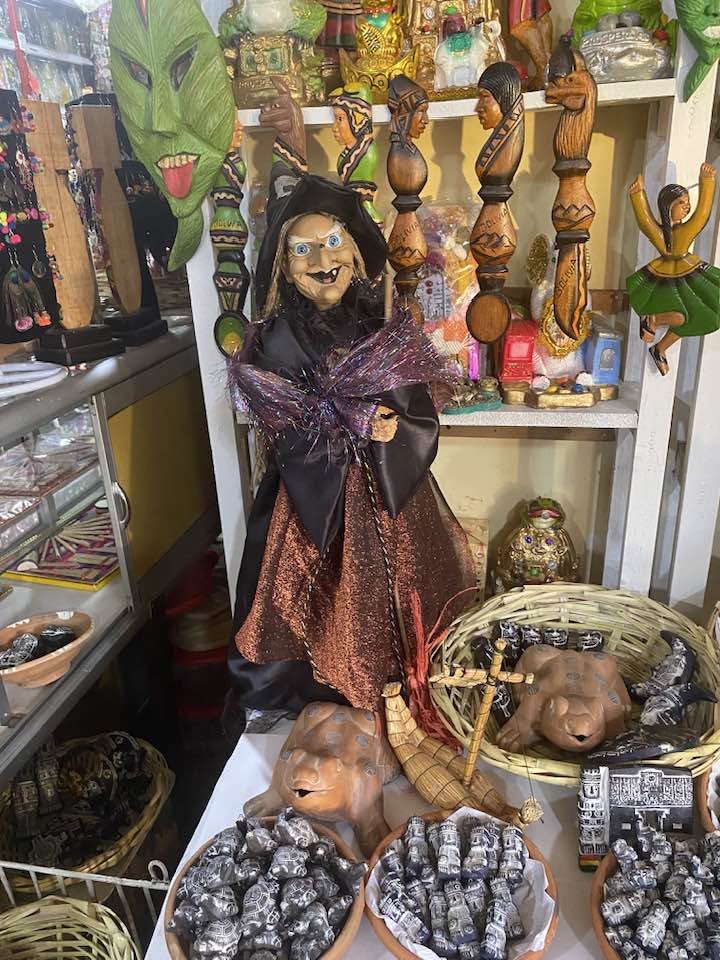
Around the famous Witches’ Market, stalls sell herbs, charms, offerings, dried plants and objects associated with Aymara spiritual traditions.
The most confronting items are the dried llama foetuses.
They are traditionally used in offerings to Pachamama, or Mother Earth, particularly during construction or ceremonies intended to bring protection and good fortune.
It can look strange from the outside, but it makes far more sense when you understand that Indigenous beliefs remain deeply embedded in everyday Bolivian life.
Catholicism and older Andean traditions often exist side by side rather than replacing one another.

The women who seem to work forever
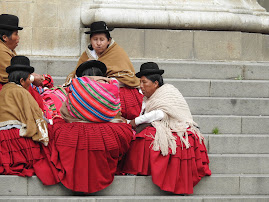
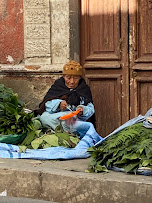
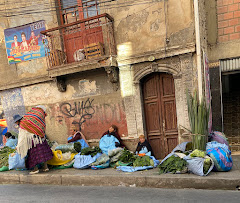
Another thing that stayed with me was the sheer visibility of local women working throughout the city.
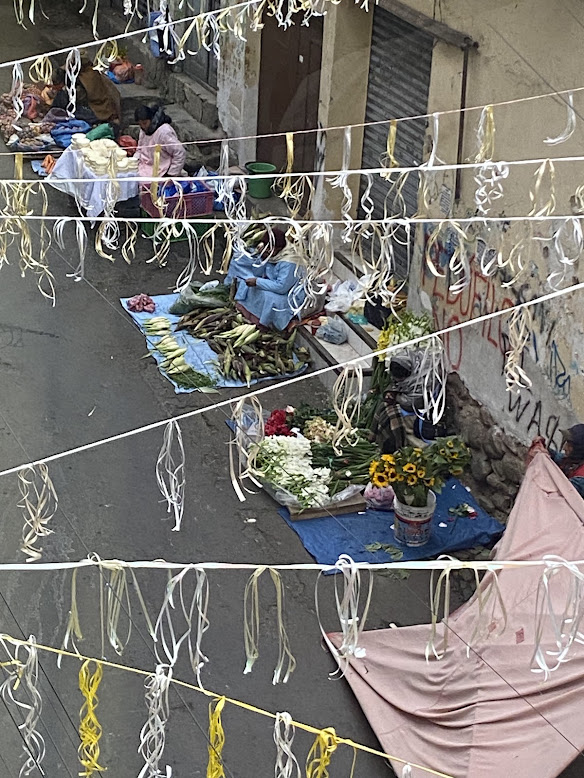
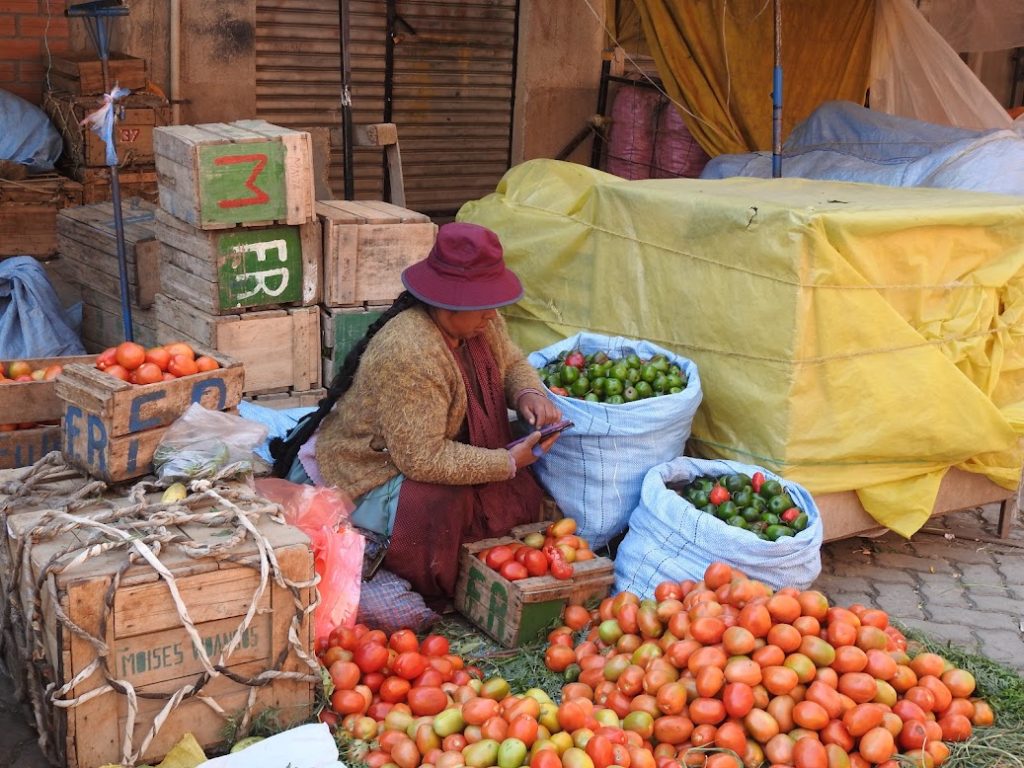
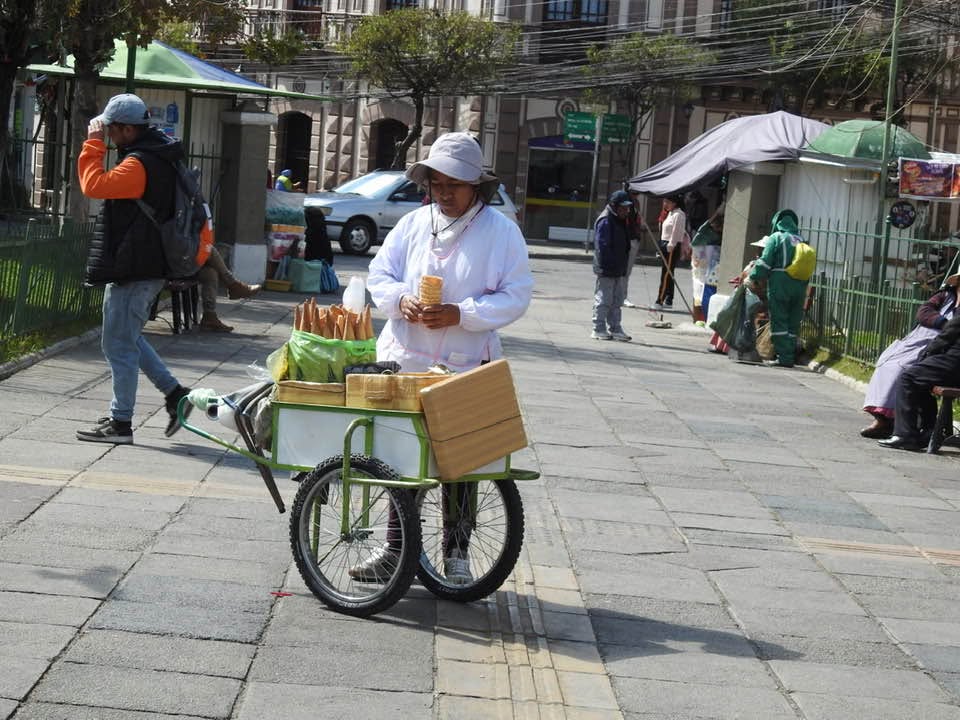
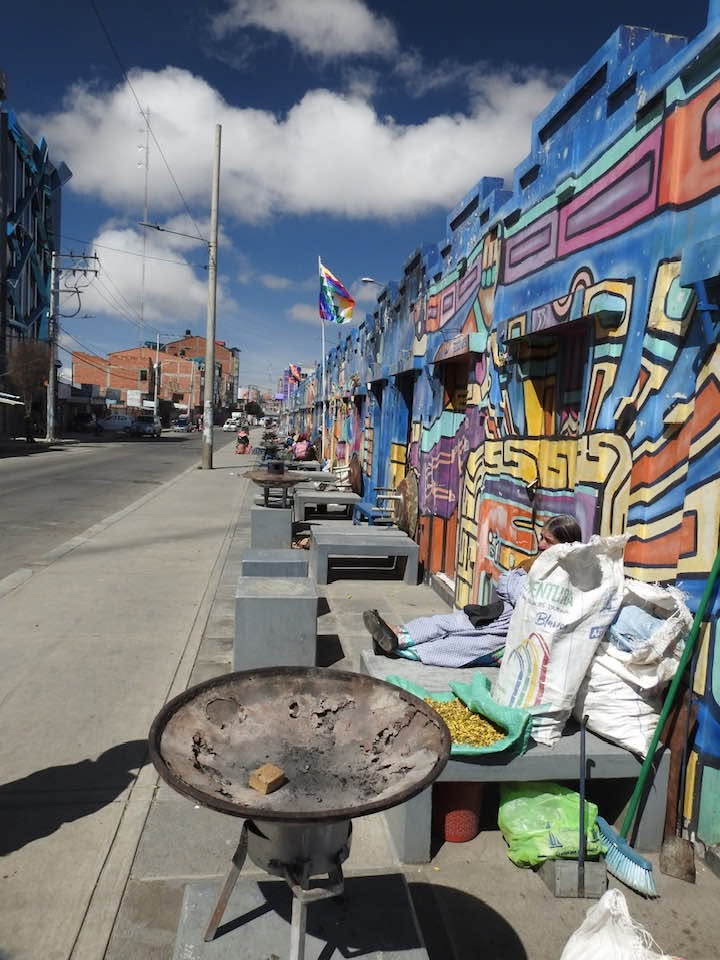
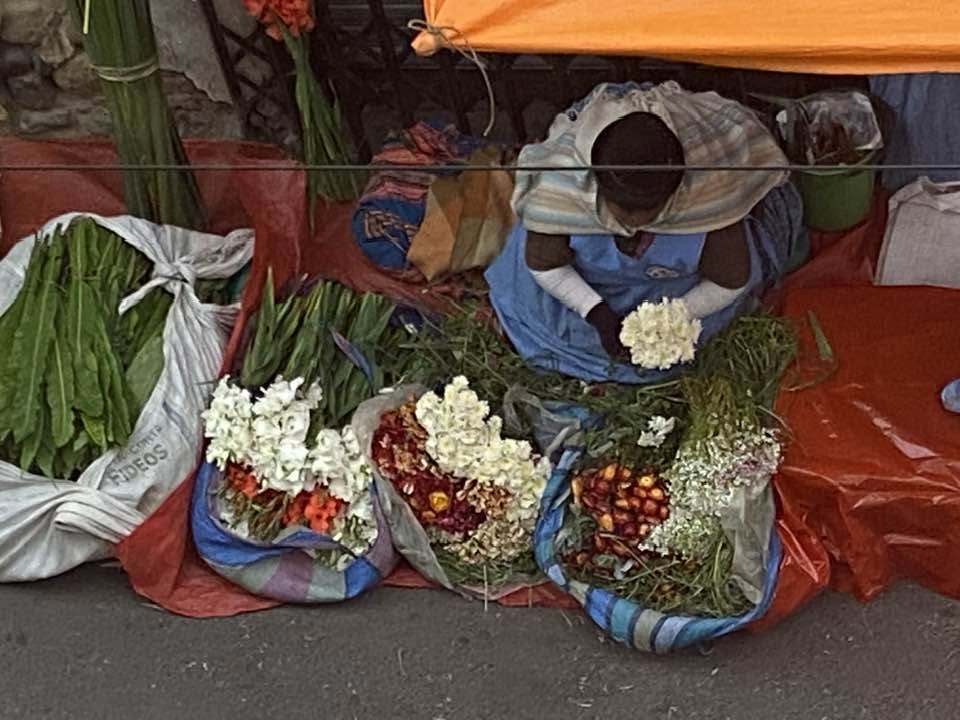
Many of the cholitas, recognisable by their bowler hats, long layered skirts and shawls, run roadside and market stalls.
Some are setting up around 4am.
Many are still there after dark.
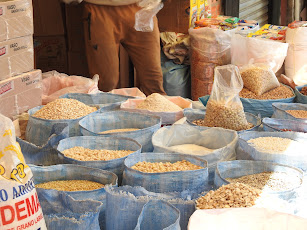
Fruit, drinks, cooked food, household items, clothing and almost anything else you can imagine are sold from tiny spaces along the streets.
They are not a tourist attraction.
They are the people who keep huge parts of the city’s informal economy moving.
Watching how hard they work gives you a very different view of La Paz.
Cholitas Wrestling
Then there is Cholitas Wrestling.
It is theatrical, colourful and completely over the top.
Women wearing traditional pollera skirts, shawls and bowler hats climb into the ring and throw each other around in a mixture of professional wrestling, comedy and audience participation.
It is entertaining, but there is also something deeper behind it.
Cholita identity was historically associated with discrimination and exclusion. Seeing women take centre stage with confidence, humour and aggression gives the performance another layer.
And yes, they really do launch themselves around the ring in those skirts.




Valle de la Luna
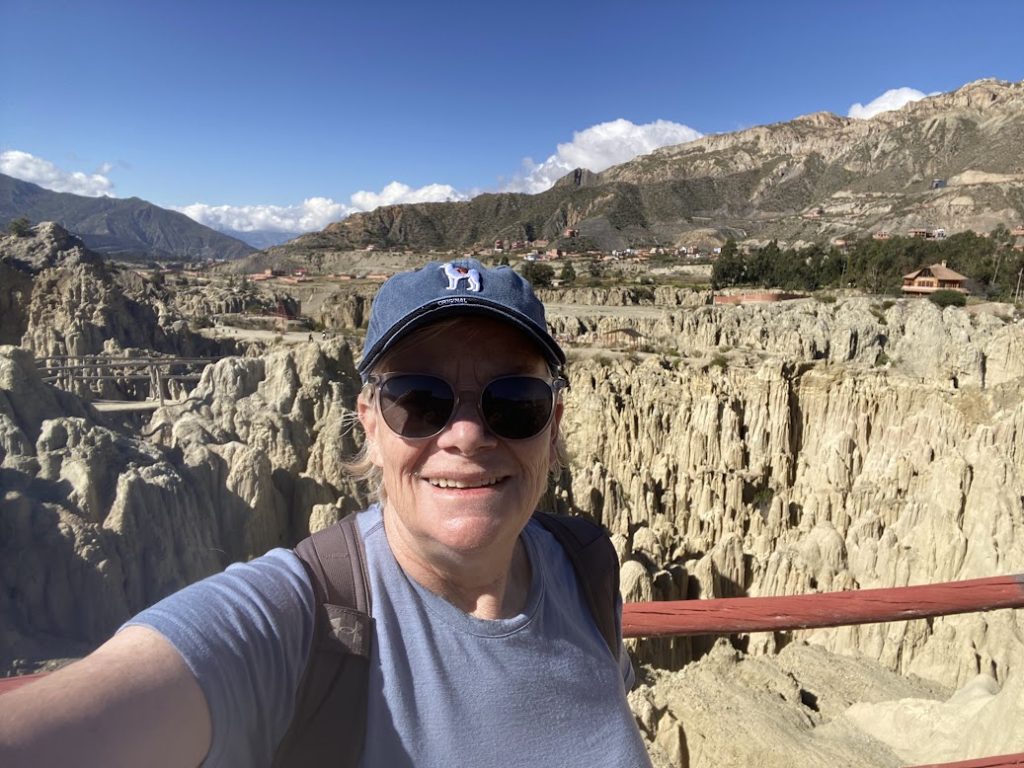
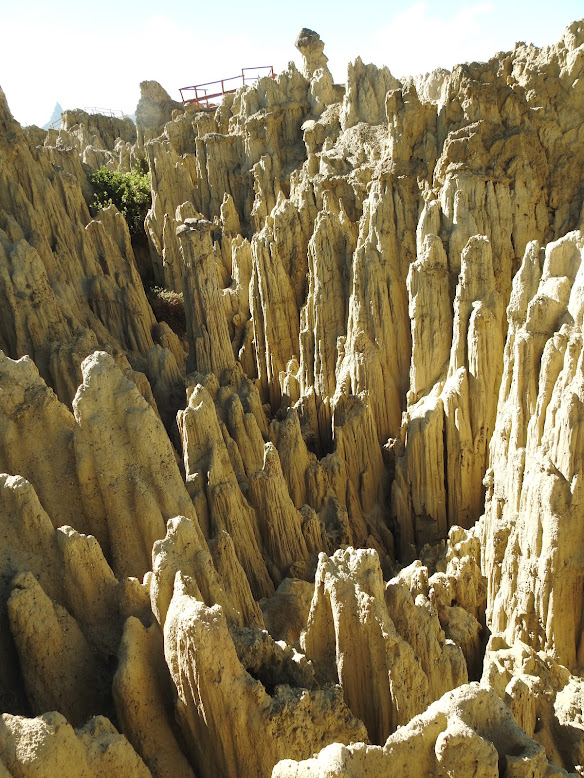
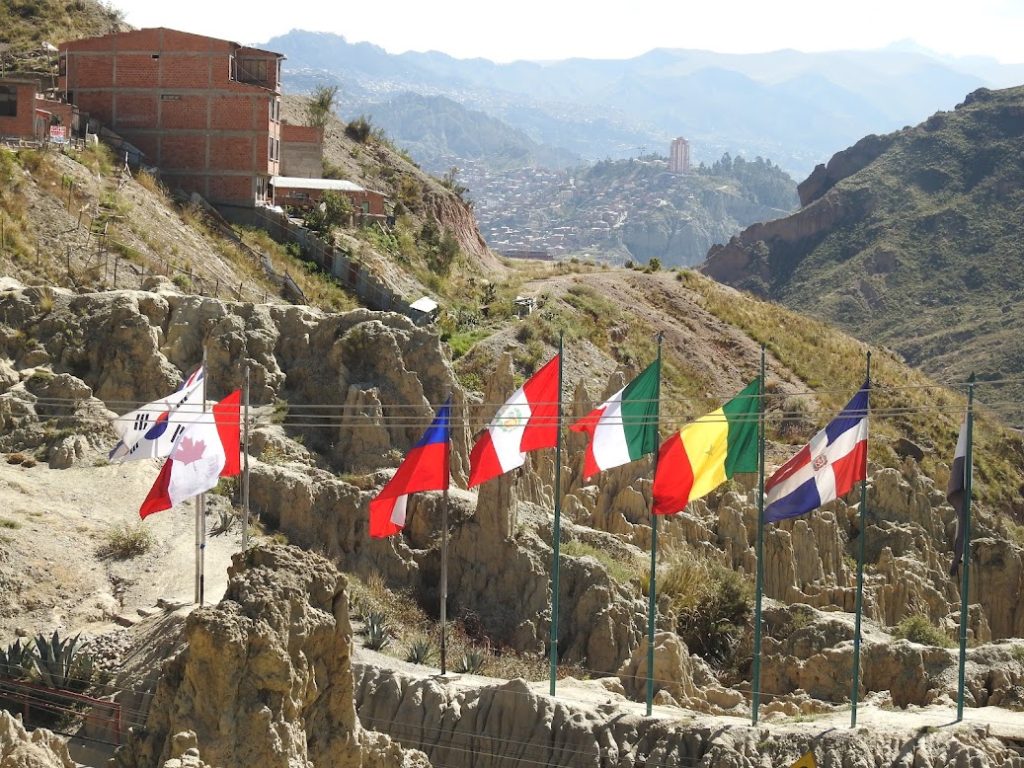
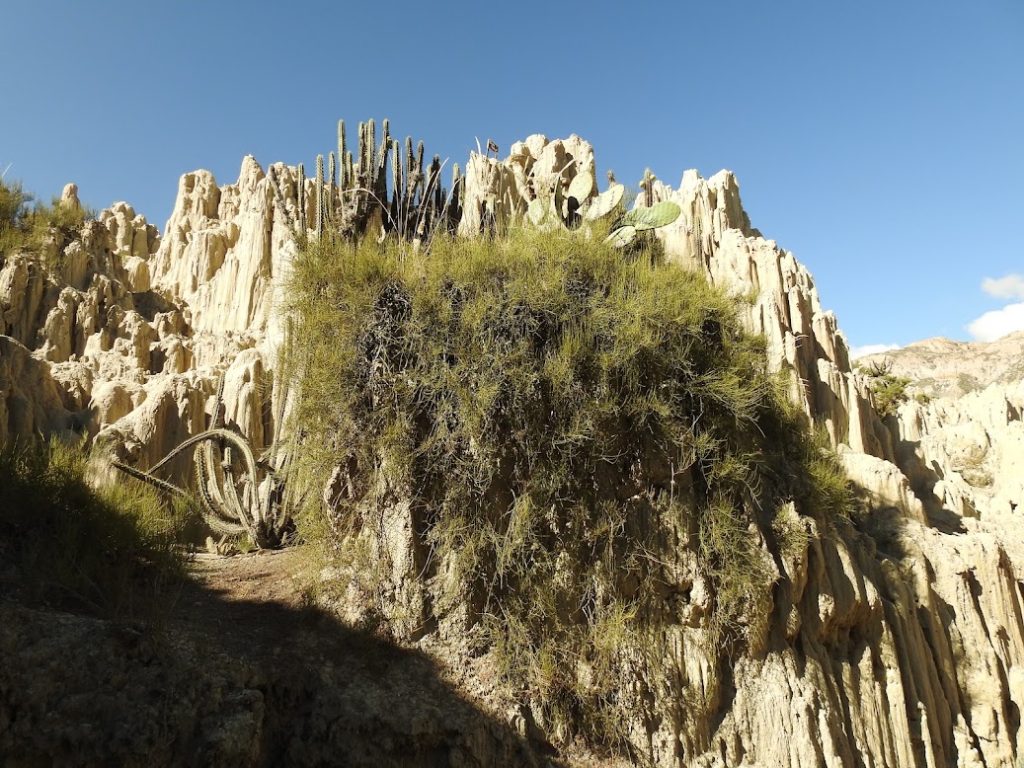
Just outside the city is Valle de la Luna — the Valley of the Moon.
It is extraordinary.
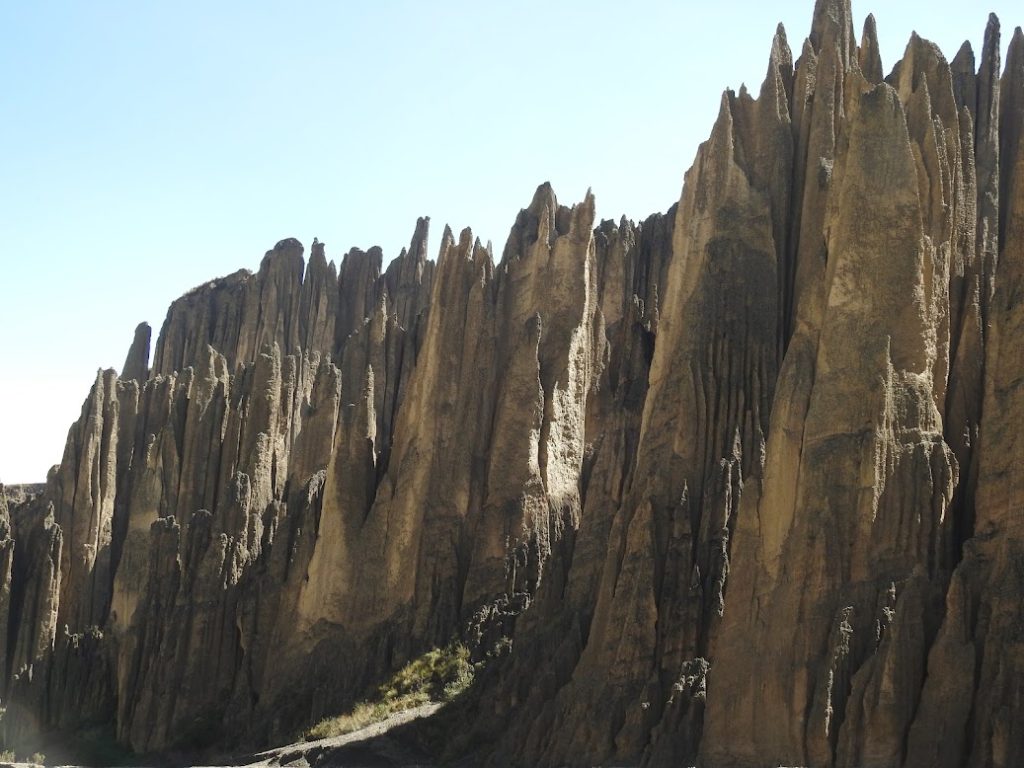
Years of erosion have created a maze of narrow ridges, pinnacles, gullies and strange rock formations that look almost artificial.
There are walking tracks through the formations, and the landscape changes constantly as you move through it.
At altitude, even a relatively short walk can feel more demanding than expected, but it is worth taking your time.
This was one of those places where photographs do not really capture the scale or the weirdness of the landscape.

Valle de las Ánimas
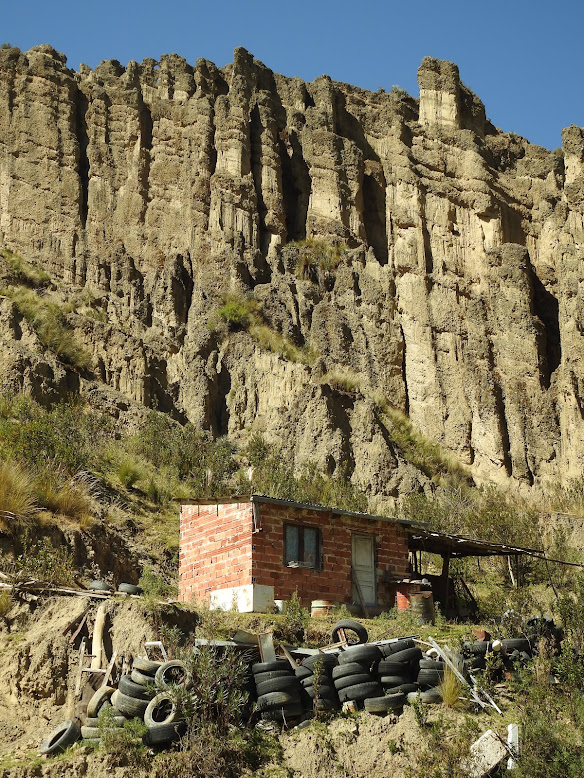
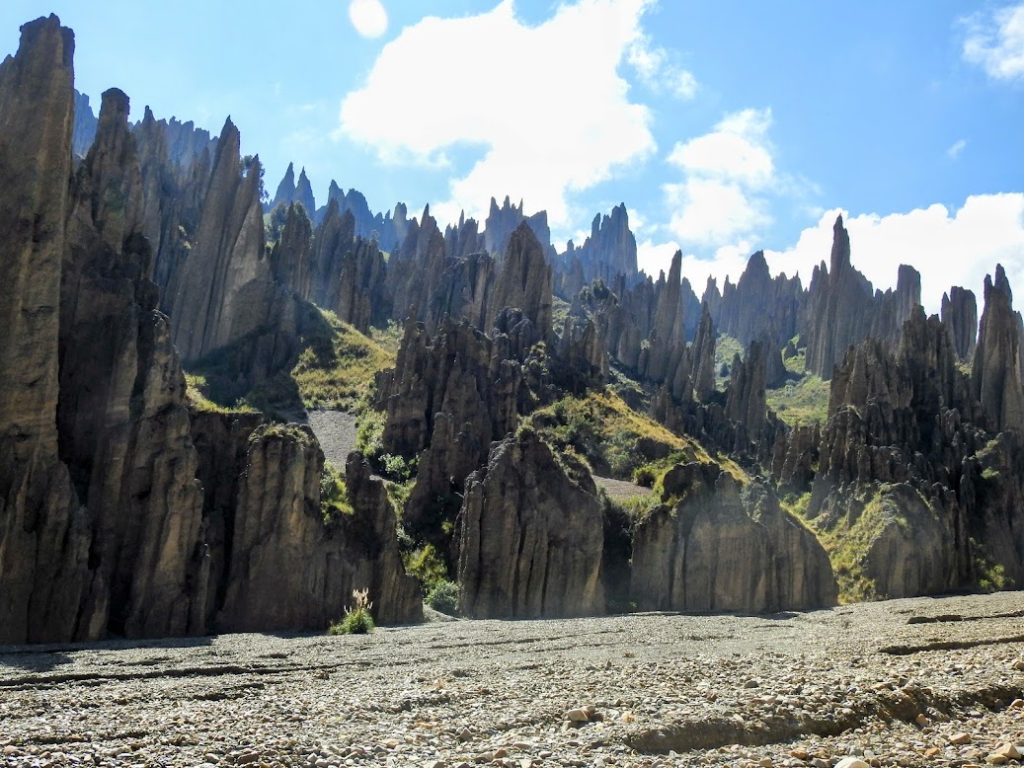
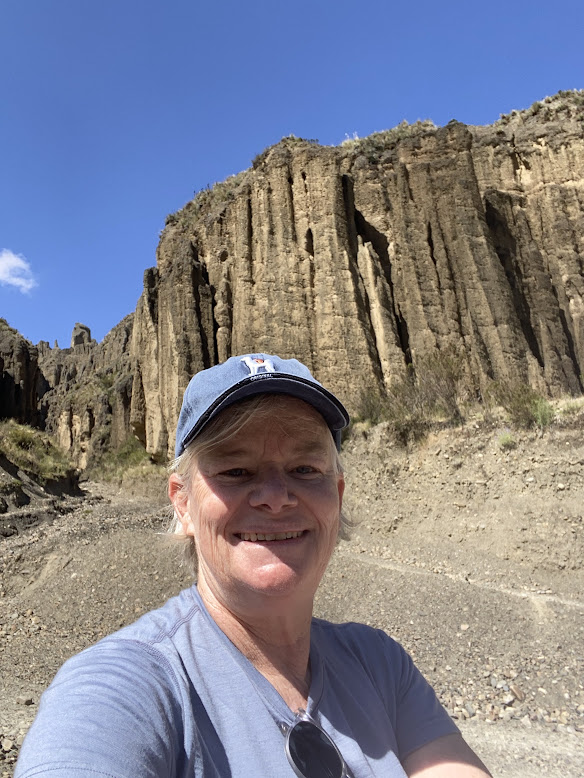
If Valle de la Luna looks unusual, Valle de las Ánimas — Valley of the Souls feels even more dramatic.
Huge rock spires rise from the valley, with the mountains behind them and far fewer visitors than some of La Paz’s better-known attractions.
The formations are enormous and almost cathedral-like.
It feels wilder and more remote than Valle de la Luna and gives you another reminder that La Paz sits in one of the most extraordinary landscapes of any major city.
La Paz takes some effort
La Paz isn’t an effortless destination.
It is noisy, steep, crowded and very high.
The altitude slows you down whether you like it or not. Walking up a hill can leave you breathless, stairs suddenly become serious, and you quickly learn to stop pretending you are still at sea level.
But slowing down also means noticing more.
The markets.
The street food.
The women setting up their stalls before sunrise.
The gondolas moving silently over the city.
The strange mixture of Catholic churches and Indigenous beliefs.
The mountains sitting behind everything.
La Paz is not polished.
That is exactly why it is so memorable.