Turkiye – An Adventure Awaits
Contents
Cappadocia: Cave Hotels, Ancient Landscapes and Sunrise Balloons
Antalya: Sunshine, Sea and a Lively Old Town
Mount Chimaera and Olympos: Fire, Ruins and the Coast
Sailing from Demre to Fethiye: Four Nights on a Traditional Gulet
Road-Tripping Through Türkiye: Pamukkale, Aydın and the Freedom of Having a Car
Selçuk and İzmir: Ancient Cities, Easy Evenings and a Cat Who Chose Me
Small-Town Türkiye: Şirince, Ödemiş and the Pleasure of Slowing Down
Bergama: Ancient Pergamon Above the Modern Town
Çanakkale and Gallipoli: Troy, ANZAC History and a Lively Waterfront
Bursa: Ottoman History, Bustling Markets and Views Across the City
Back to Istanbul: One Last Taste of Türkiye
Istanbul: Where History, Culture and the Bosphorus Come Together
Istanbul is one of those cities that feels extraordinary from the moment you arrive. Straddling Europe and Asia, it is layered with centuries of history, grand architecture, lively streets and unforgettable views across the Bosphorus.
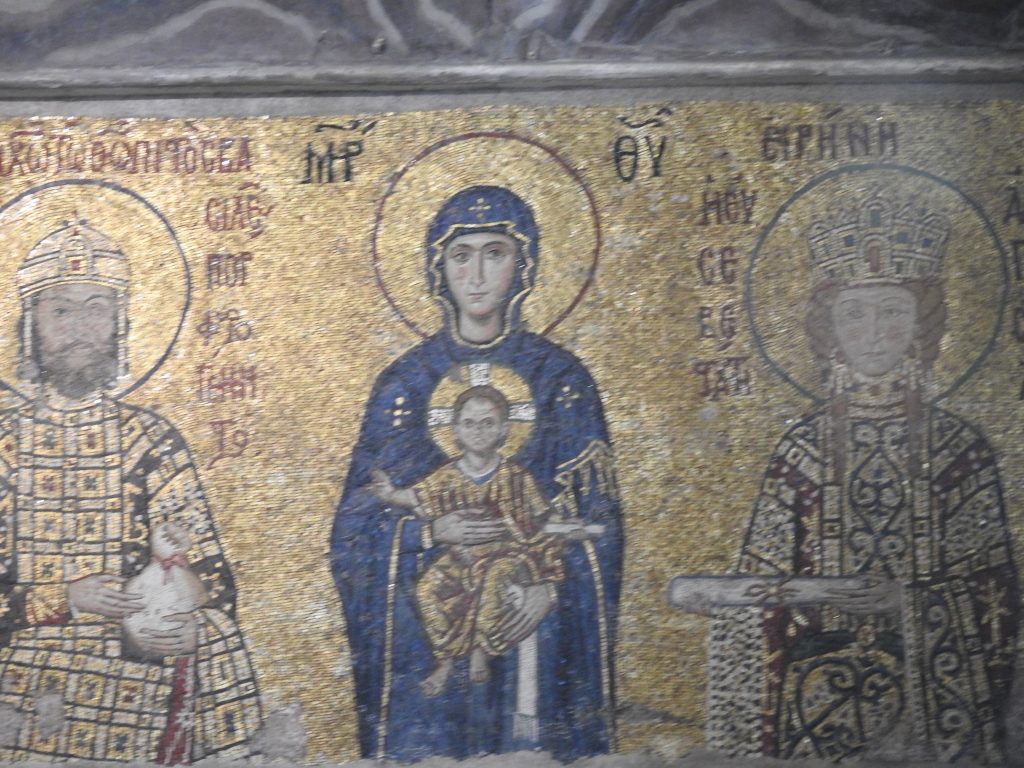
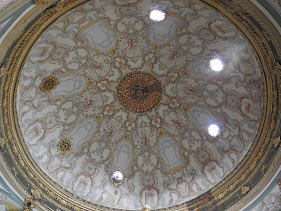
A visit should begin with the Hagia Sophia, one of the city’s most remarkable landmarks. Its immense dome, intricate details and long history make it a place that is difficult to fully appreciate until you are standing inside it.
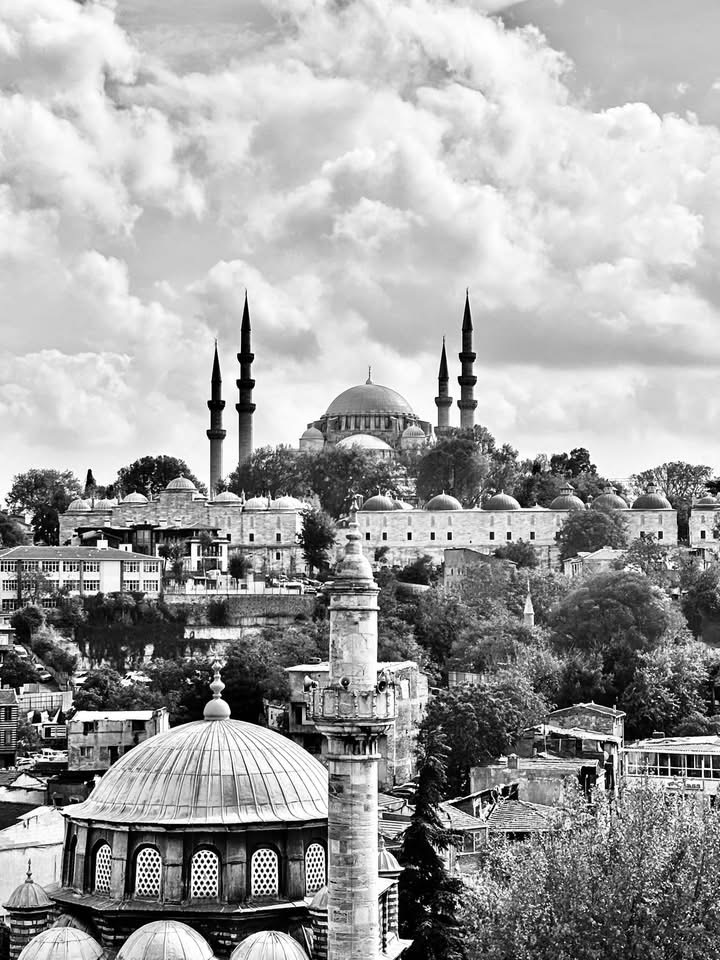
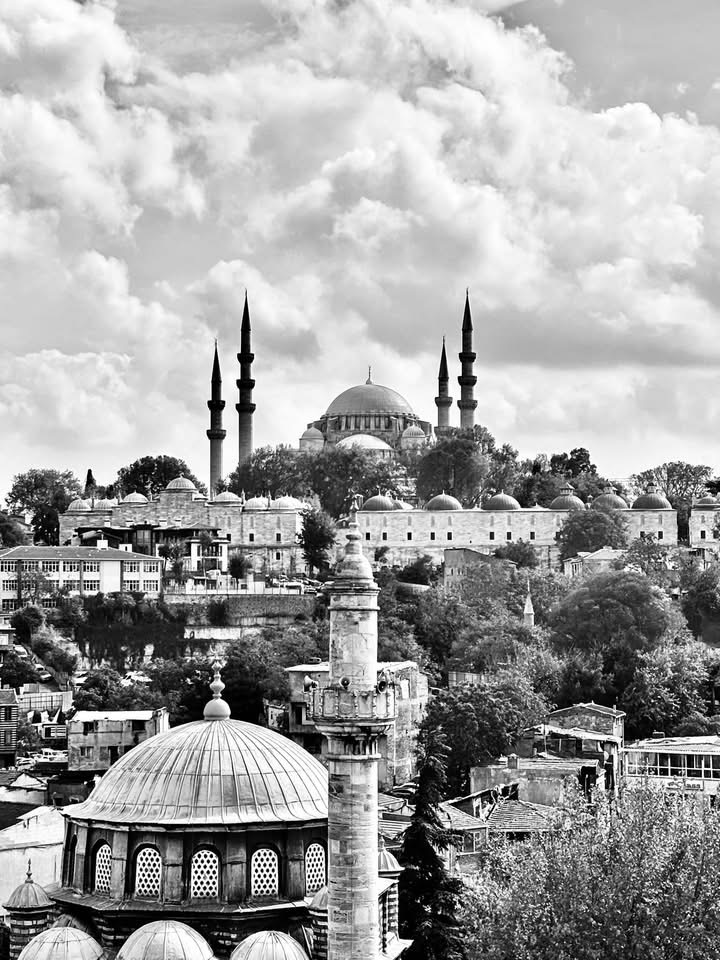
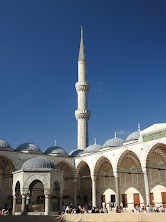
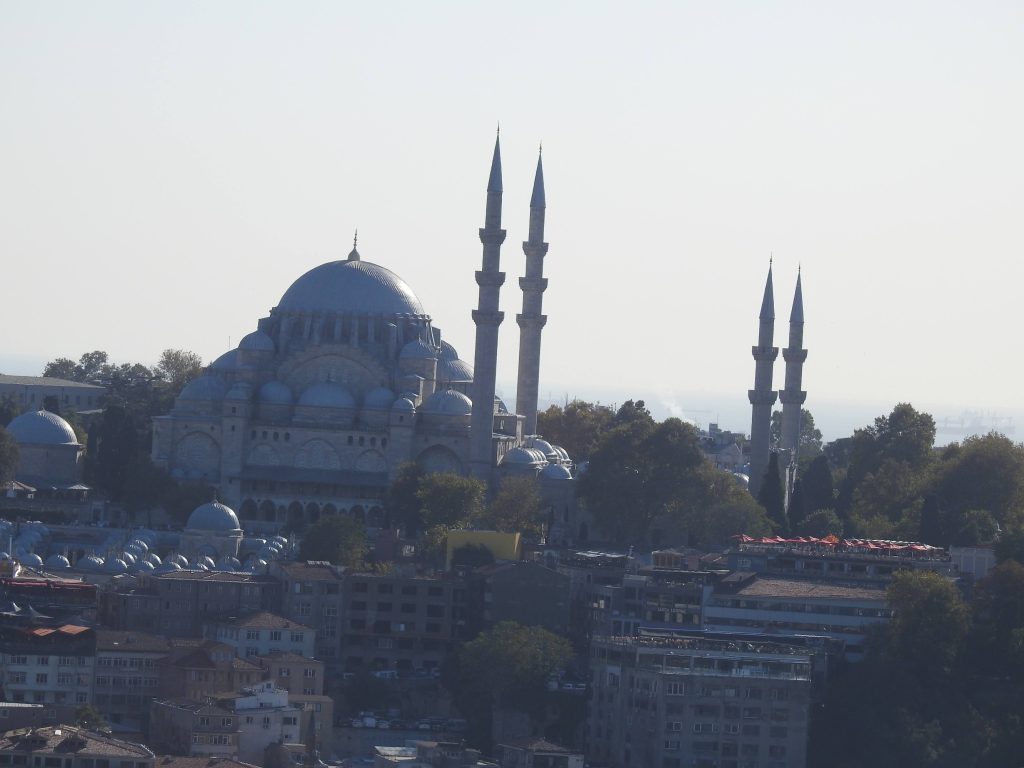
Just nearby, the Blue Mosque is equally impressive. Its elegant domes, soaring minarets and beautiful interior create a striking contrast to the busy streets around Sultanahmet. Together, these two landmarks give a powerful sense of Istanbul’s religious and cultural history.
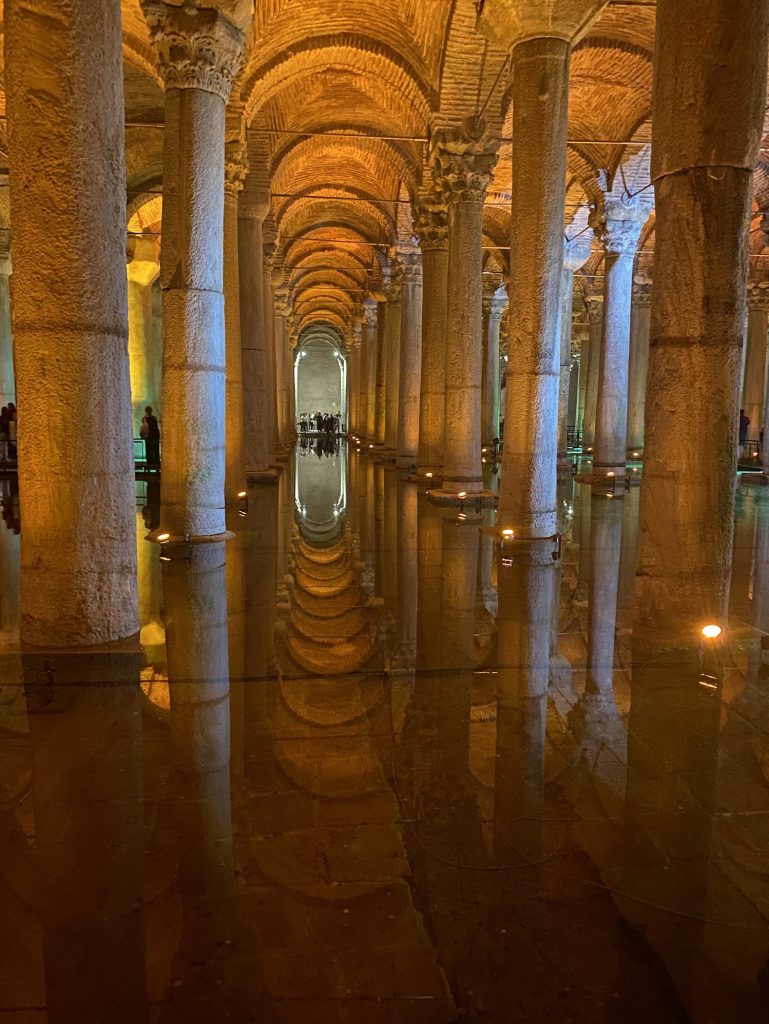
Beneath the city lies another unforgettable experience: the Basilica Cistern. Walking through its cool, atmospheric underground chambers, with rows of ancient columns reflected in the water, feels almost surreal. It is one of Istanbul’s most distinctive attractions.
The Topkapi Palace offers a different perspective on the city’s past. Once home to Ottoman sultans, the palace is filled with ornate rooms, courtyards, treasures and sweeping views. It gives visitors a fascinating glimpse into the scale and richness of the Ottoman Empire.
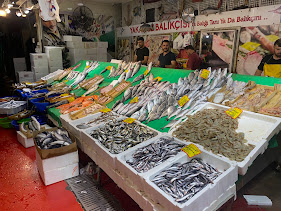
For a more everyday view of Istanbul, head toward the Galata Bridge. The bridge is full of activity, with fishermen lining the railings, ferries passing underneath and restaurants below. From there, the nearby Galata Tower offers one of the best panoramic views across the city, especially as the light begins to soften in the late afternoon.
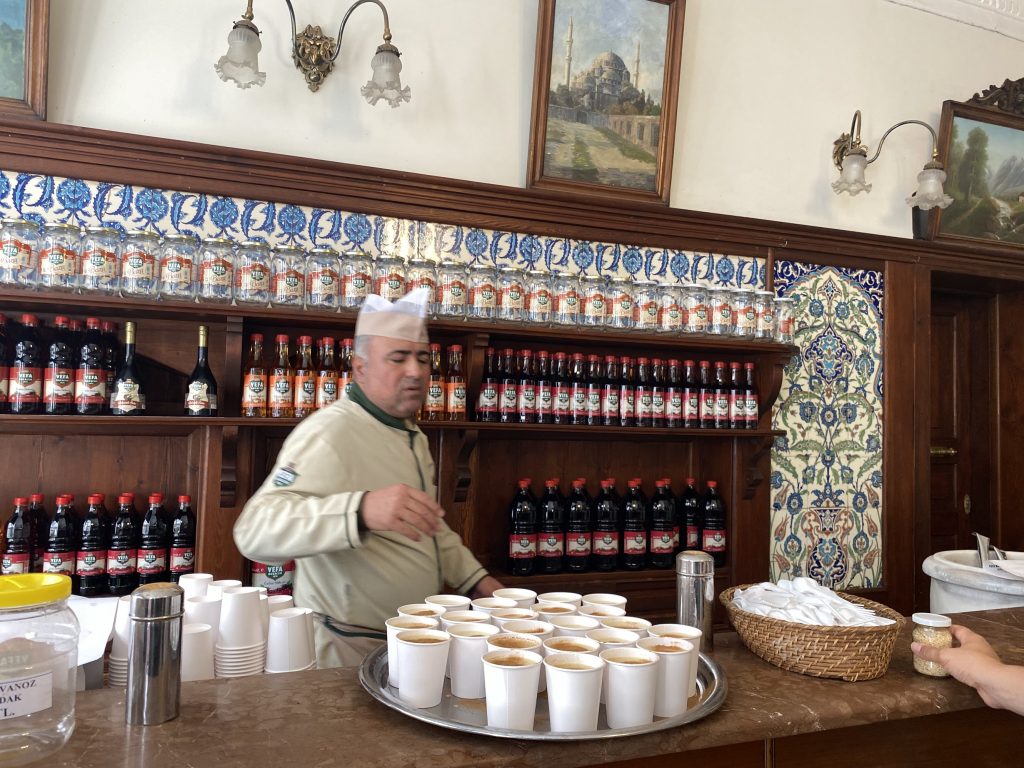
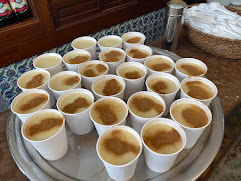
No visit to Istanbul would be complete without getting lost in the Grand Bazaar. It is a maze of colour, aromas and constant activity, with stalls packed with carpets, ceramics, jewellery, lamps, spices and what feels like an endless supply of souvenirs. It is also a great place to sample Turkish delight, sip strong Turkish coffee, enjoy fragrant tea, and take in the atmosphere of one of the city’s most memorable shopping experiences.
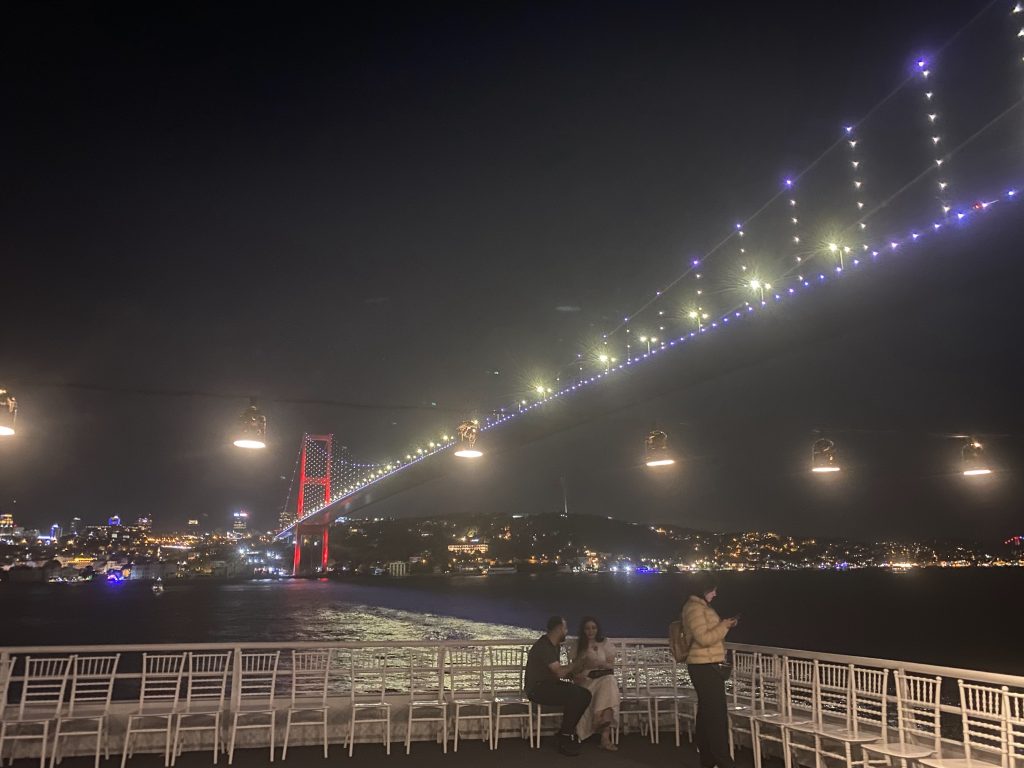
One of the best ways to experience Istanbul is from the water. A Bosphorus cruise during the day reveals palaces, waterfront mansions, mosques, neighbourhoods and bridges from a completely different angle. It also highlights just how dramatically the city stretches across two continents.
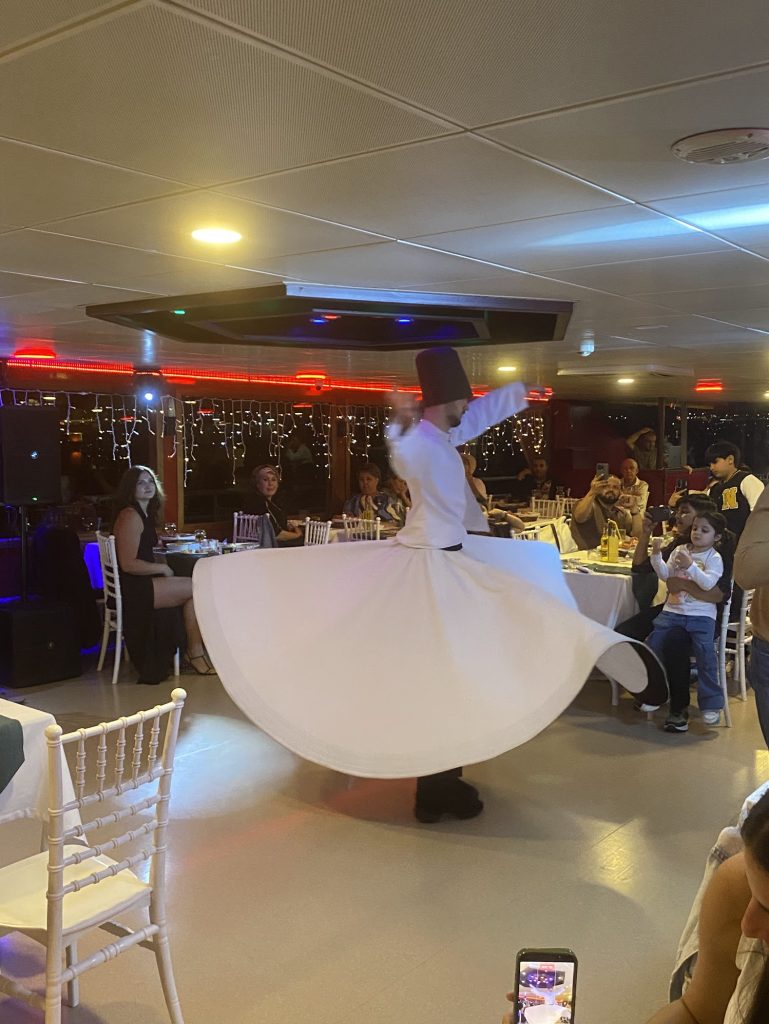
At night, the experience changes again. A night cruise on the Bosphorus can be particularly memorable, with illuminated mosques, palaces and bridges reflecting across the water. Many cruises also include Turkish music, cultural performances or dinner, making it a relaxed way to enjoy the atmosphere of the city after dark.
Istanbul is not a city you simply tick off a list. It is a place to explore slowly, look up often, wander through history, bargain in the bazaars and make time for the water. From ancient landmarks and bustling markets to evening cruises on the Bosphorus, every part of the city seems to offer another remarkable view, flavour or story.
Istanbul is not cheap place to visit and the city offers some discounts through the purchase of the following tickets:
Istanbul Tourist Pass® — a commercial digital pass covering 120+ attractions, tours and experiences, including major sites such as Hagia Sophia, Topkapi Palace and Basilica Cistern, depending on the pass selected. MuseumPass İstanbul — the official Turkish Ministry of Culture and Tourism museum pass. It is better if your focus is mainly state-run museums and historic sites rather than cruises and broader experiences. Of Course you can also access several amazing tours through Get Your Guide.
Cappadocia: Cave Hotels, Ancient Landscapes and Sunrise Balloons
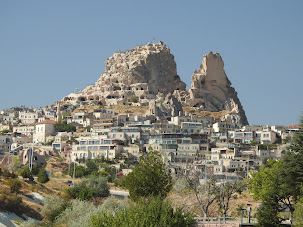
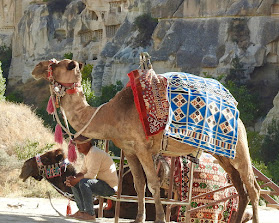
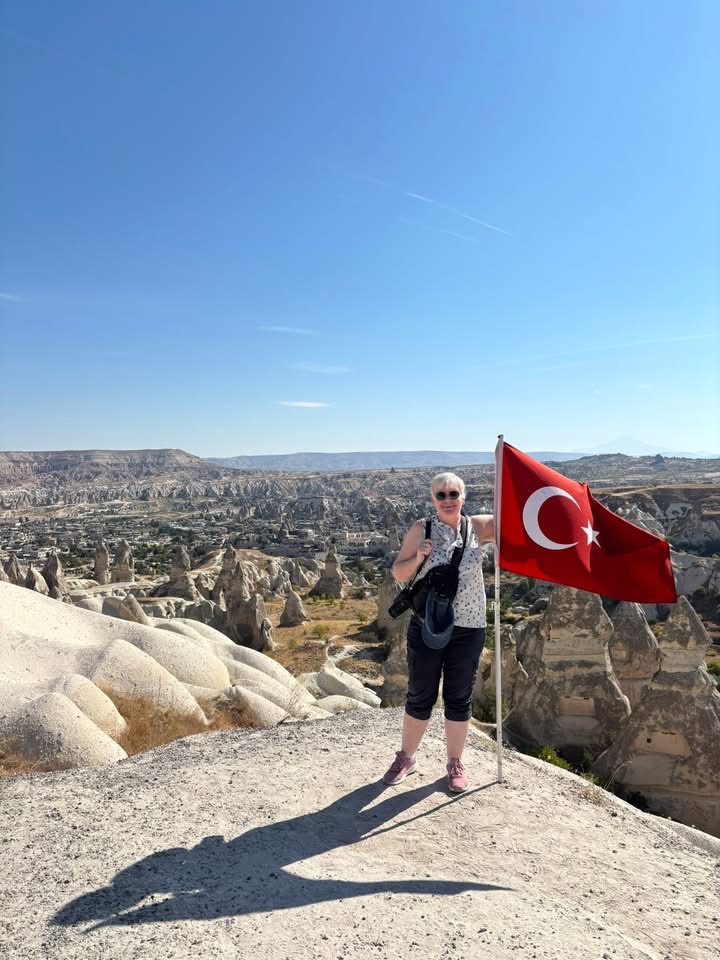
Cappadocia feels unlike almost anywhere else in Türkiye. Its dramatic valleys, unusual rock formations and centuries-old cave dwellings create a landscape that is both beautiful and slightly surreal.
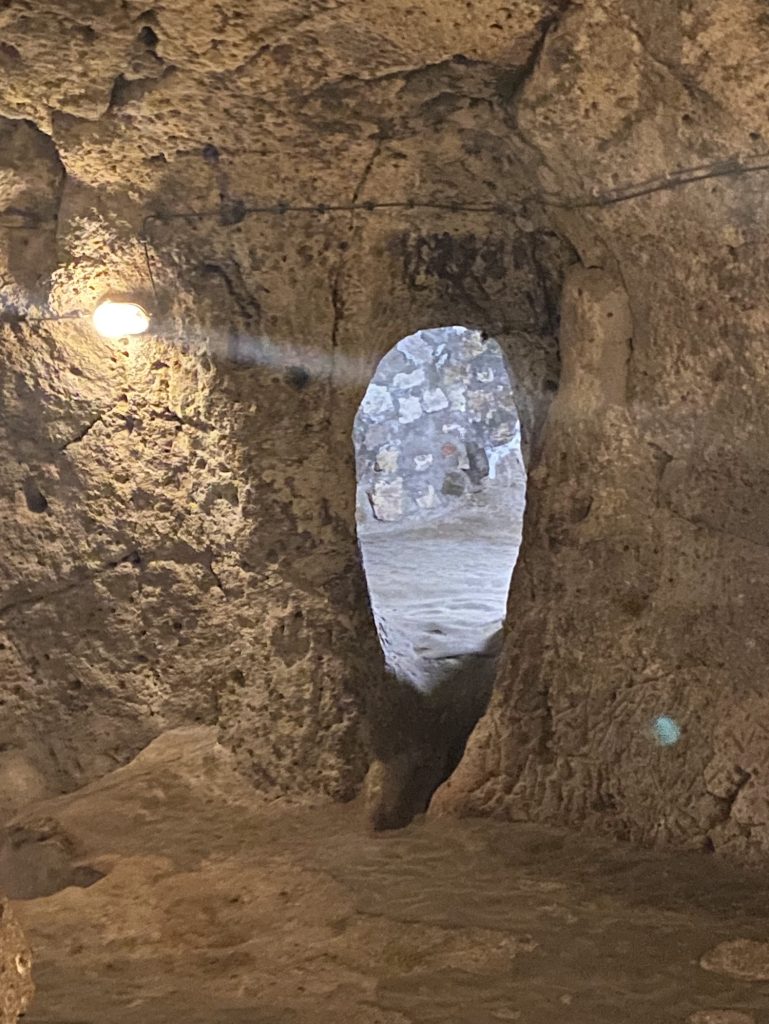
One of the highlights is exploring the region’s rock-cut churches, underground cities and cave settlements, which reveal how communities once lived, worshipped and protected themselves in this remarkable environment. The valleys are also ideal for walking, with viewpoints that open across the famous fairy chimneys and soft volcanic formations.
For many visitors, the unforgettable experience is hot air ballooning at sunrise. Watching dozens of balloons rise over the valleys as the light changes across the landscape is one of Cappadocia’s most iconic sights. Even if you do not fly, seeing the balloons from a rooftop or valley lookout is worth an early start.
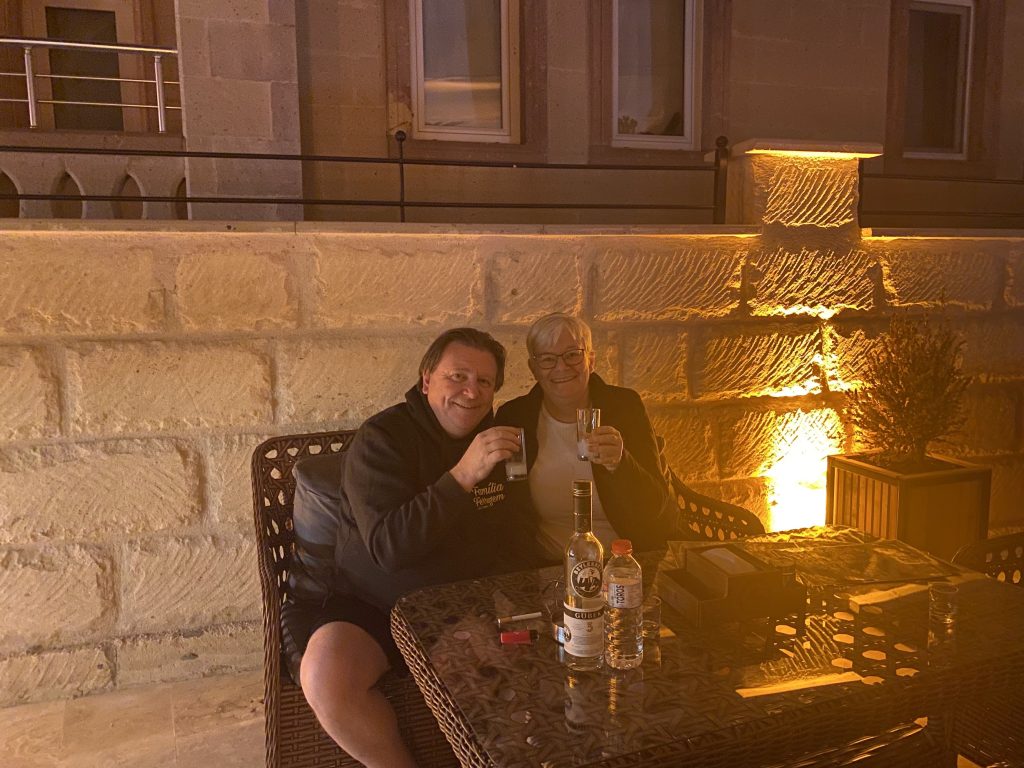
Staying in a cave hotel adds another layer to the experience. Many properties have been built into or restored from traditional stone and cave structures, combining the character of Cappadocia with modern comfort. Waking up in a cave room and stepping onto a terrace to watch balloons drifting across the morning sky is exactly the kind of experience that makes this region so memorable.
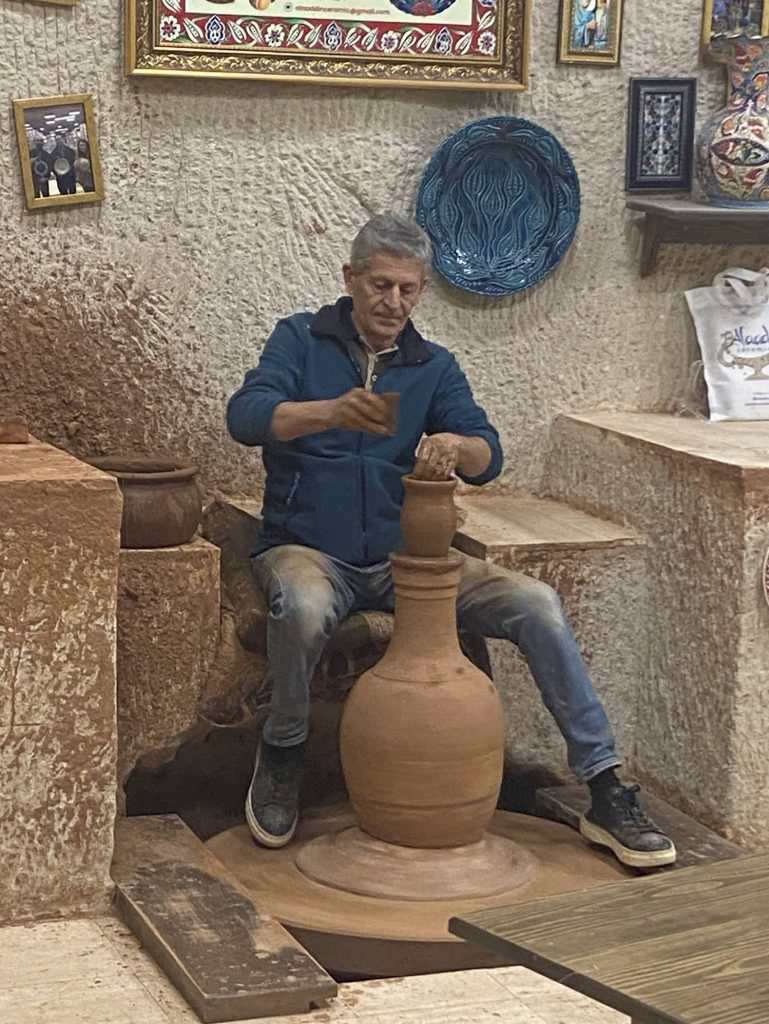
Cappadocia is more than a quick photo stop. It is a place to slow down, explore the valleys, learn about its history, enjoy the local atmosphere and take in a landscape that feels completely different from the rest of the country.
Antalya: Sunshine, Sea and a Lively Old Town
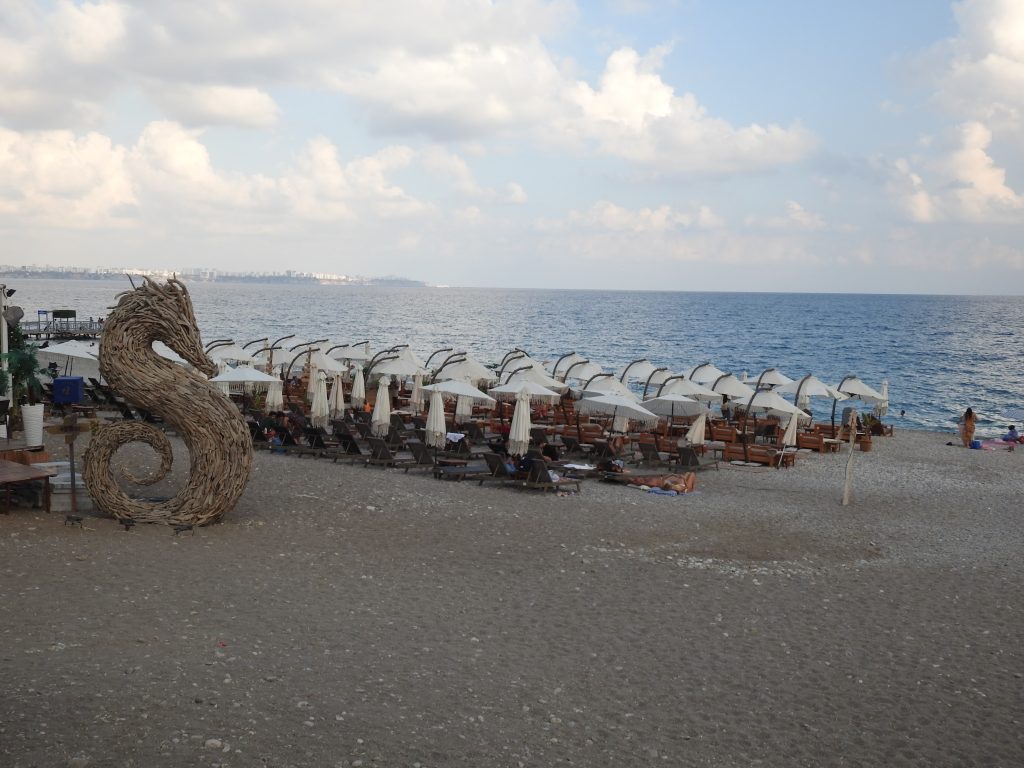
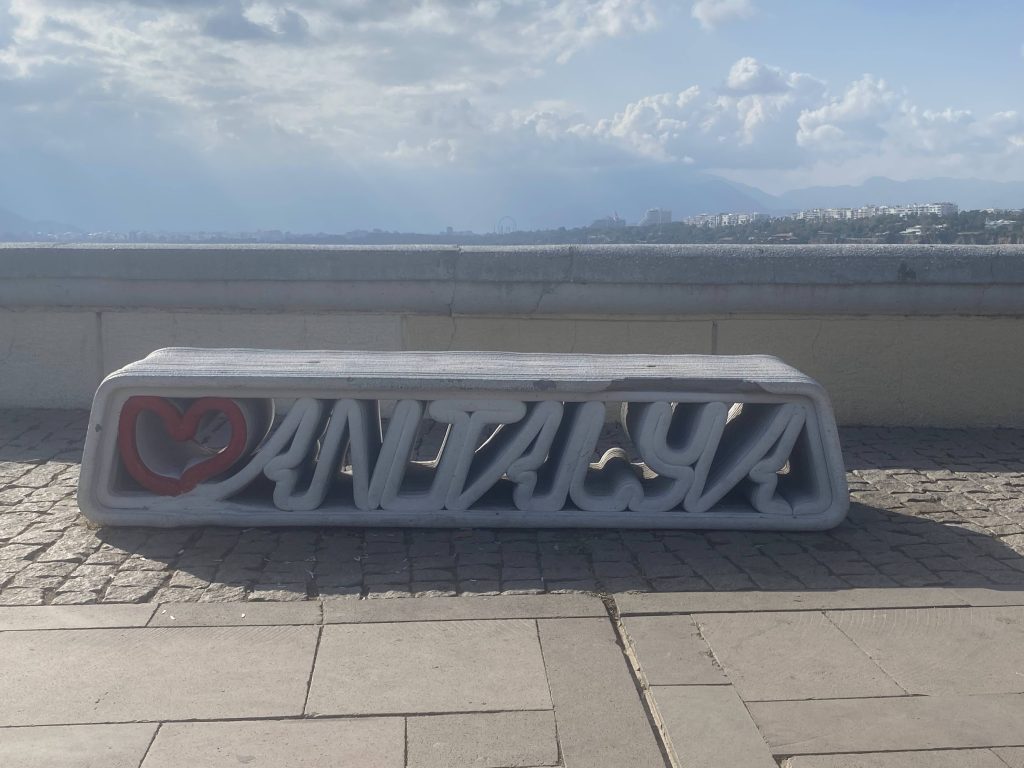
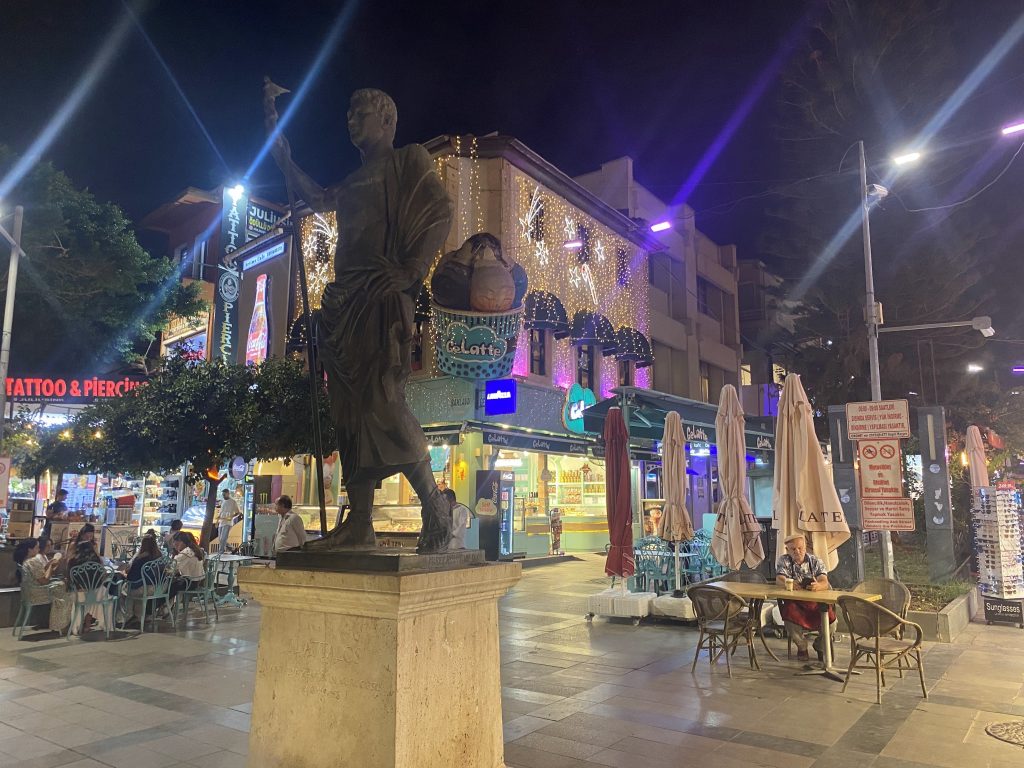
Antalya has an easy mix of Mediterranean sunshine, sea views, shopping and atmosphere. It is the kind of place where you can spend the morning sightseeing, the afternoon by the water and the evening wandering through streets full of restaurants and shops.
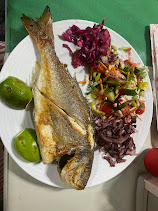
One of the most memorable parts of visiting Antalya is simply exploring the waterfront and old town. The marina is a great place for a long walk, with views across the harbour, boats coming and going, and plenty of places to stop for a drink or a meal. The city has hundreds of restaurants, from casual local eateries to waterfront dining, so there is no shortage of choice.
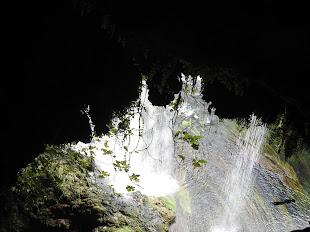
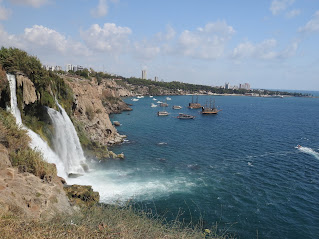
For something a little different, Antalya is also known for its waterfalls, including some that tumble dramatically towards the sea. They add a surprising natural contrast to the beaches, historic streets and busy shopping areas.
Down at the harbour, the colourful pirate-style boats are hard to miss. Many offer sightseeing cruises along the coast, giving visitors another way to enjoy the sunshine, cliffs and clear blue water.
Shopping is another big part of the Antalya experience. You will find everything from modern stores to local markets and traditional shops selling leather goods, jewellery, ceramics and souvenirs. Carpet sellers are also part of the experience, often inviting visitors in to see handmade rugs and learn about the different styles and techniques. Even if you are not planning to buy, it can be fascinating to see the craftsmanship.
Antalya is a destination that works well because it offers a little of everything: sunshine, sea, waterfalls, shopping, harbour walks, lively restaurants and easy day trips. It is relaxed enough for a beach break but busy enough that there is always something else to see or do. The place really comes alive at night as it hosts package tours from other European cities.
Mount Chimaera and Olympos: Fire, Ruins and the Coast
A visit to Mount Chimaera, or Yanartaş, is one of the more unusual experiences we had in Turkiye. Natural flames burn continuously from vents in the rocky hillside, creating an eerie effect, especially after dark. The walk up is part of the experience, and reaching the flames in the evening, with the surrounding mountains and coastline fading into darkness, makes it particularly memorable.
Nearby, Olympos offers a completely different atmosphere. The ancient ruins are scattered through a green valley close to the sea, with remnants of stone buildings, tombs and pathways partly reclaimed by nature. It feels less formal than many archaeological sites and is easy to combine with time at the nearby beach.
Together, Mount Chimaera and Olympos make a good day or overnight trip from Antalya because they combine mythology, ancient history, walking and the Mediterranean coast. It is a strong option for travellers who want something more distinctive than a standard beach day. We stayed overnight in Olympos before embarking on our 3 night sail from Demre to Fethiye Harbour.
Sailing from Demre to Fethiye: Four Nights on a Traditional Gulet
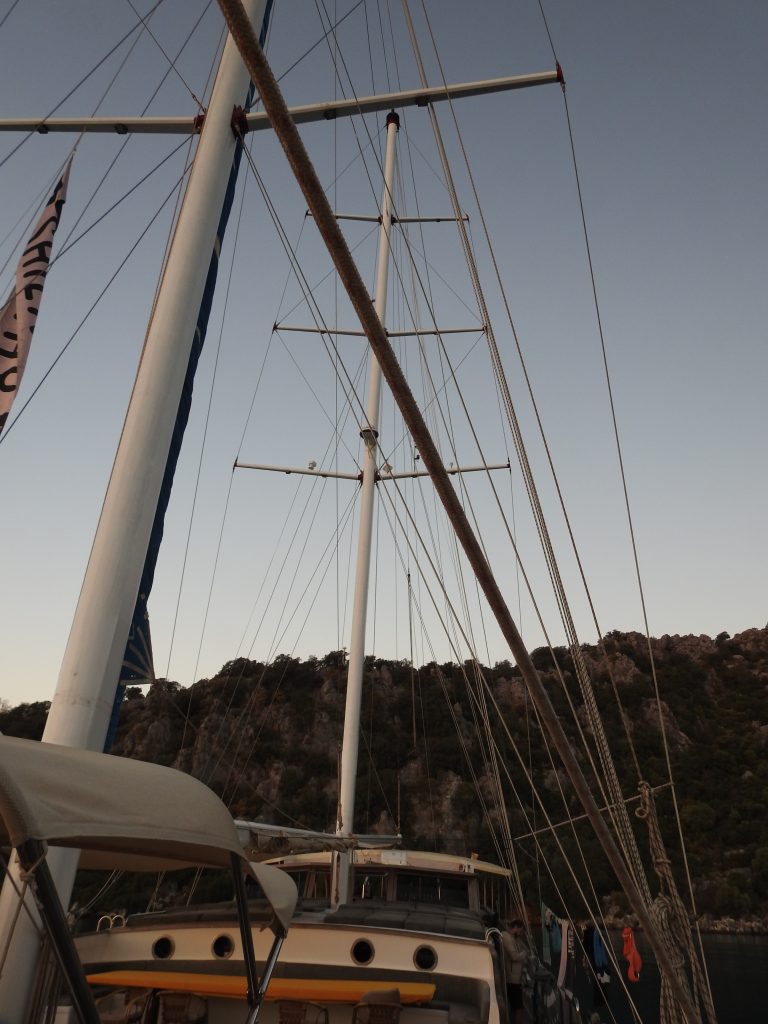
Sailing from Demre to Fethiye aboard a traditional Turkish gulet is one of the best ways to experience the Mediterranean coast at a slower pace.
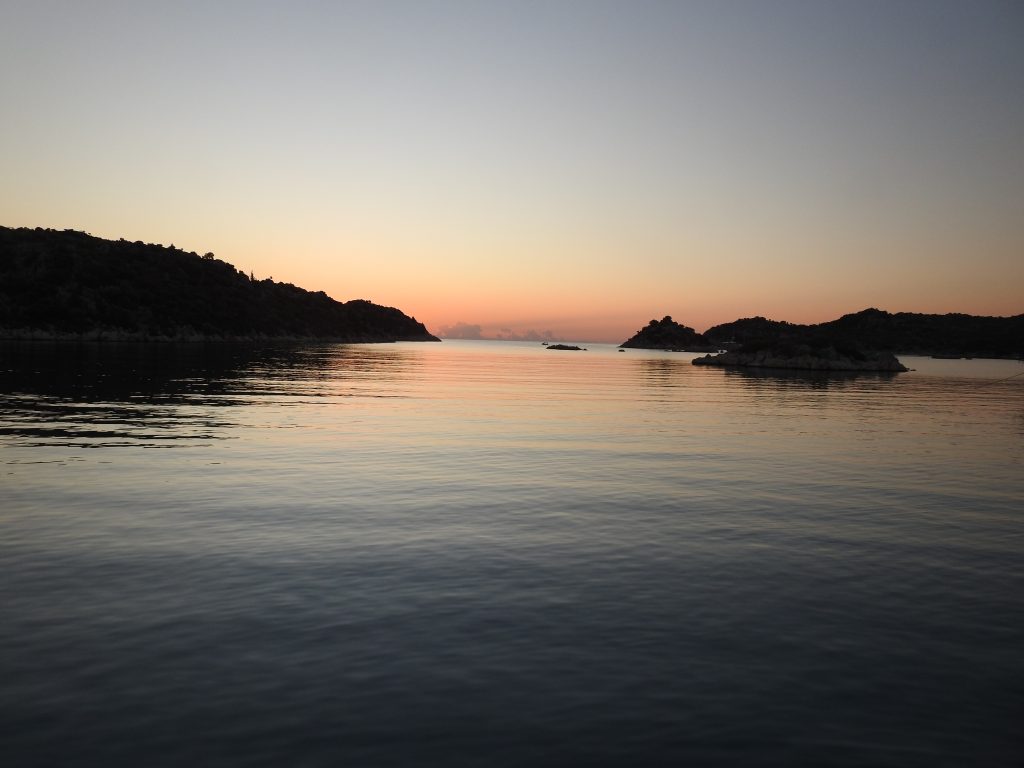
Over four nights onboard, everything feels refreshingly simple: wake up surrounded by blue water, enjoy a relaxed breakfast on deck, then spend the day swimming, snorkelling or paddleboarding in quiet bays. With all meals included, and the food fresh and generous, it is easy to settle into the rhythm of life at sea.
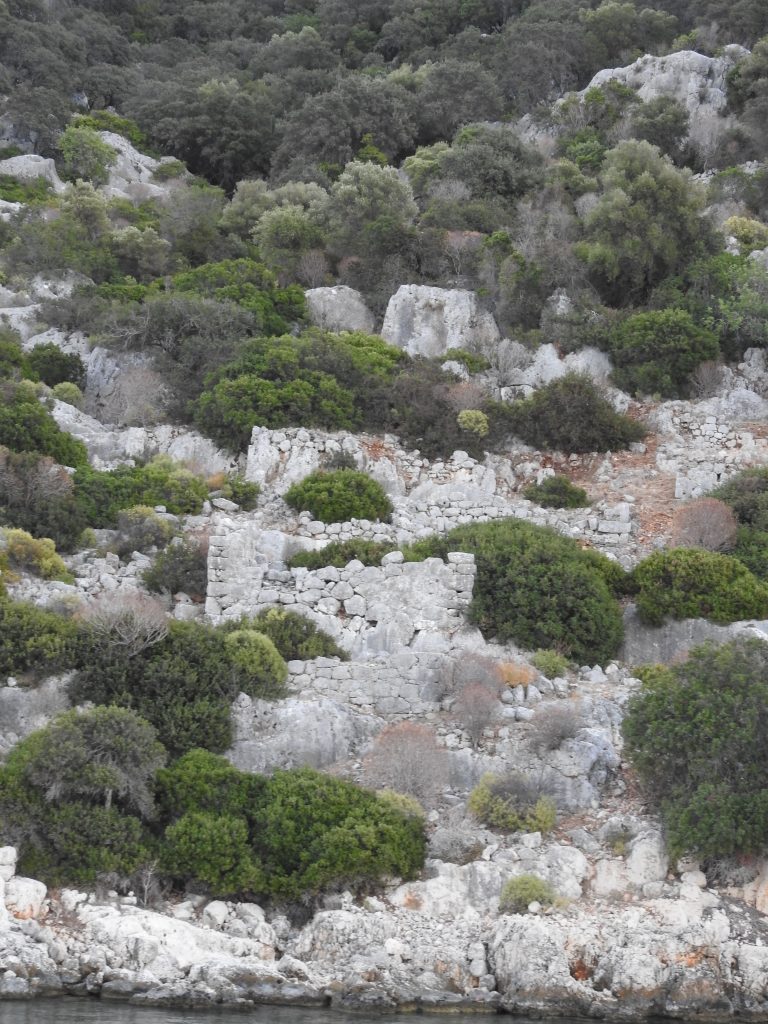
The route is not just about the water. Along the way, there are small coastal towns and villages to explore, each with their own character, cafés, harbours and local atmosphere. Historical sites are also part of the journey, with ancient ruins and landmarks visible from the coastline and, in some cases, directly from the boat.
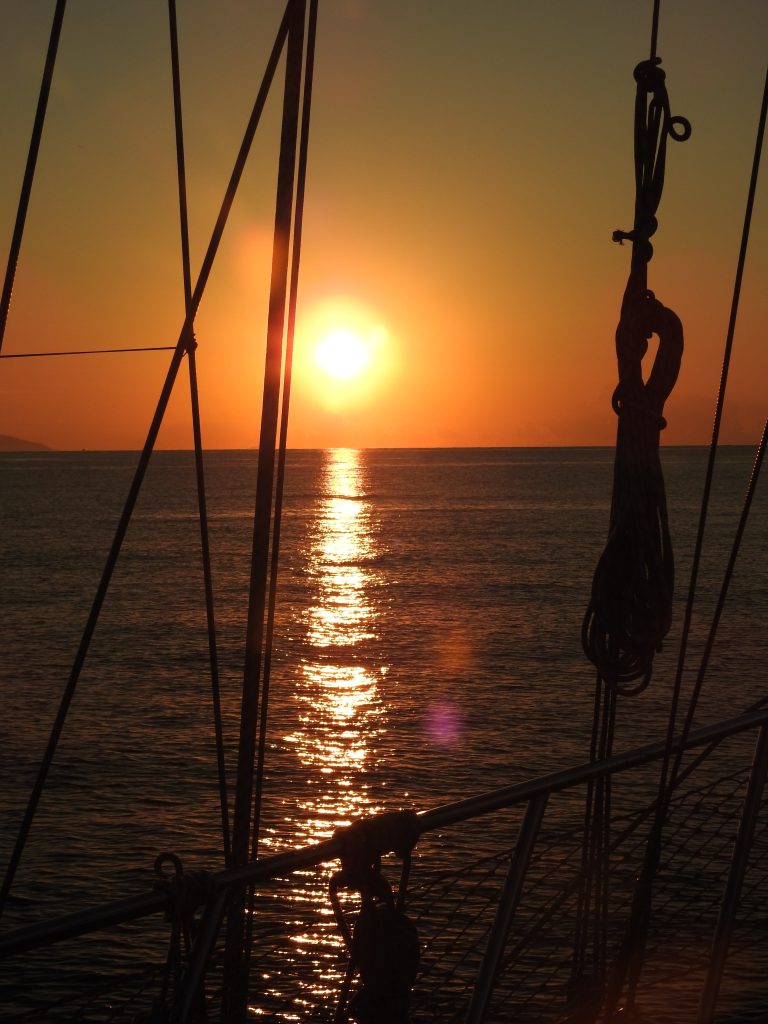
One of the real pleasures of the trip is how varied each day can be. You might spend the morning swimming in clear water, the afternoon wandering through a little town, and the evening watching the sun disappear behind the mountains from the deck.
It is a great choice for travellers who want a mix of relaxation, history, swimming, local culture and time on the sea—without having to pack up and move hotels every day.
Road-Tripping Through Türkiye: Pamukkale, Aydın and the Freedom of Having a Car
.
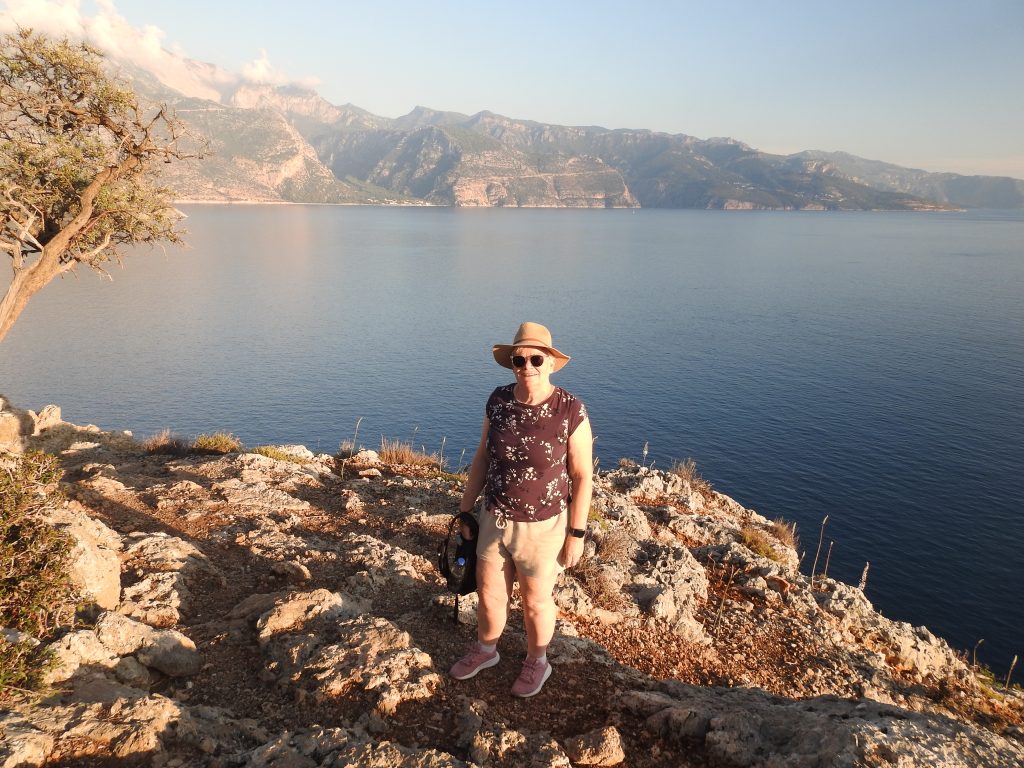
After our sailing trip ended in Fethiye, we picked up a hire car and set off to explore more of inland Türkiye. One of the first things that struck us was how good the roads were. Outside the larger cities they were generally smooth, well maintained and surprisingly quiet. Compared with many Australian roads, the lack of potholes was impressive.
Having a car gave us the freedom to stop where we wanted, stay longer when somewhere appealed to us, and visit places that would have been much harder to reach otherwise. Of course, driving through some of the smaller towns came with its own challenges. Narrow streets and one-way systems occasionally required a bit of careful navigation from my husband, who handled them with what he would probably describe as superior driving skills.
Pamukkale and Hierapolis
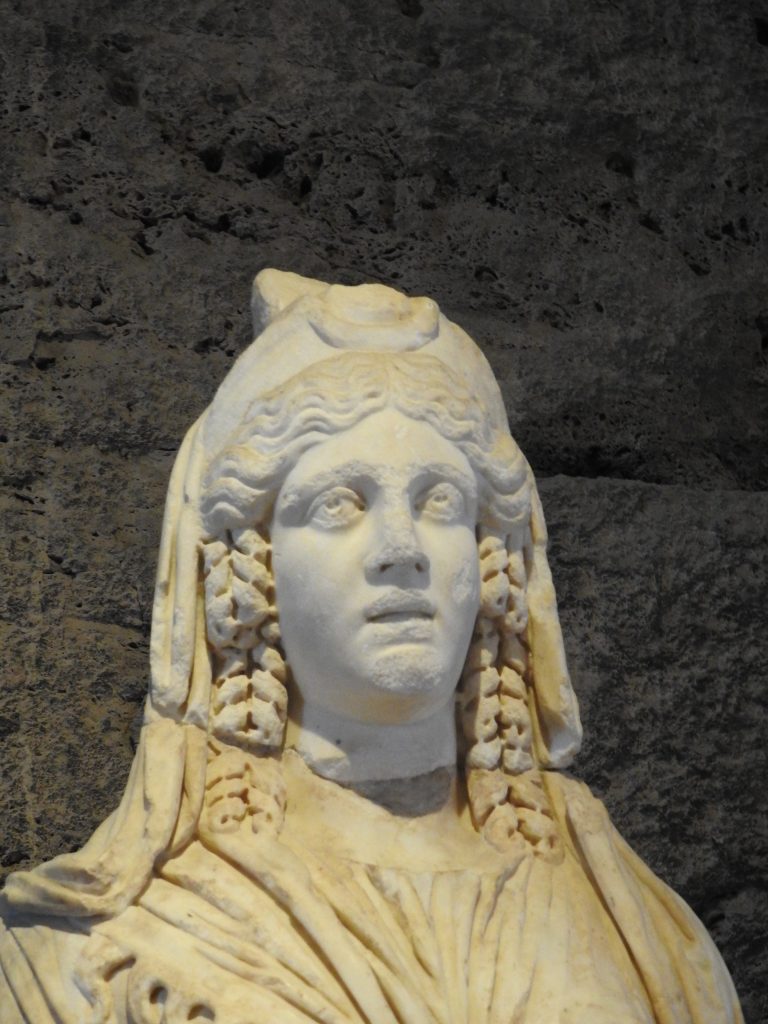
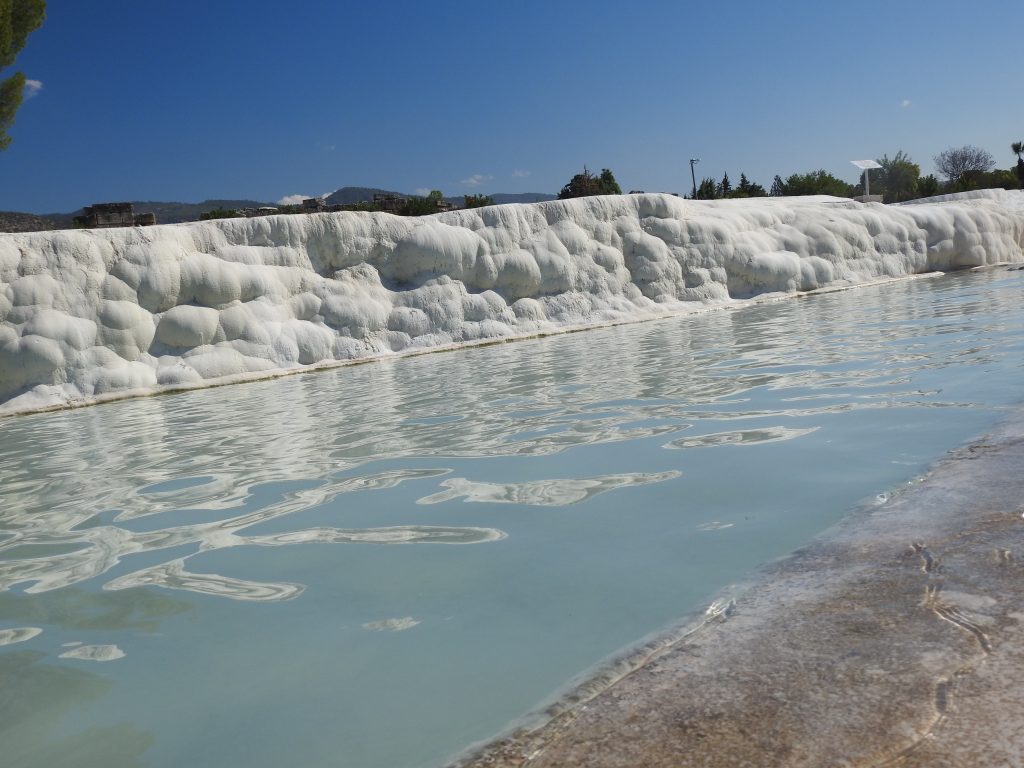
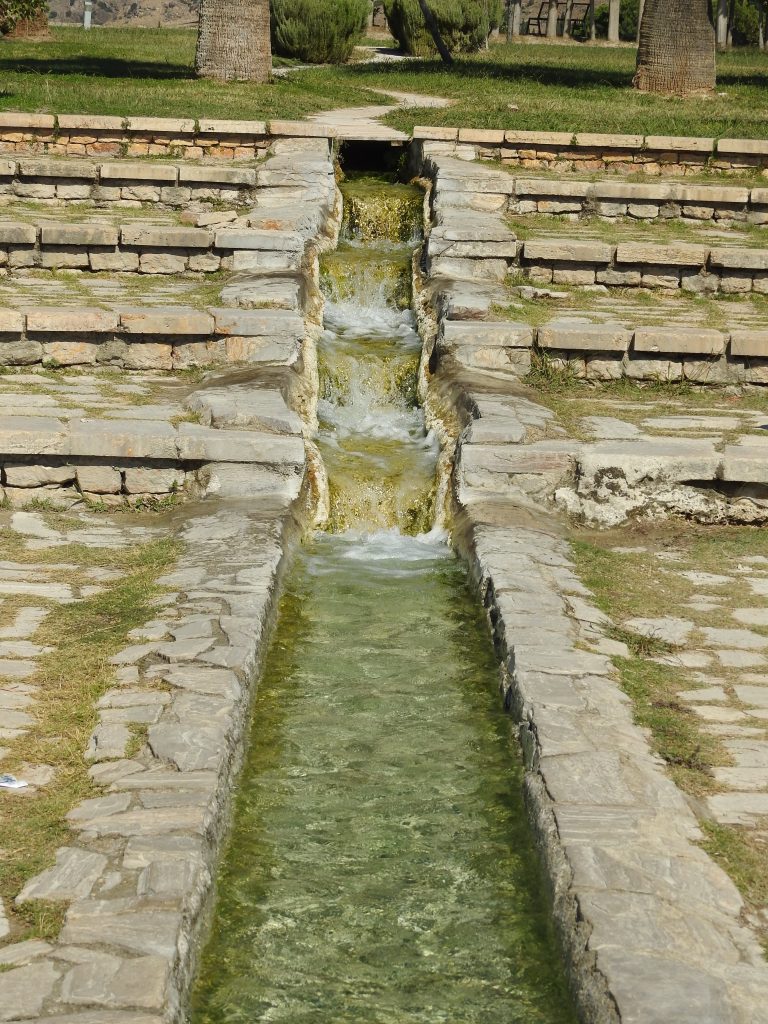
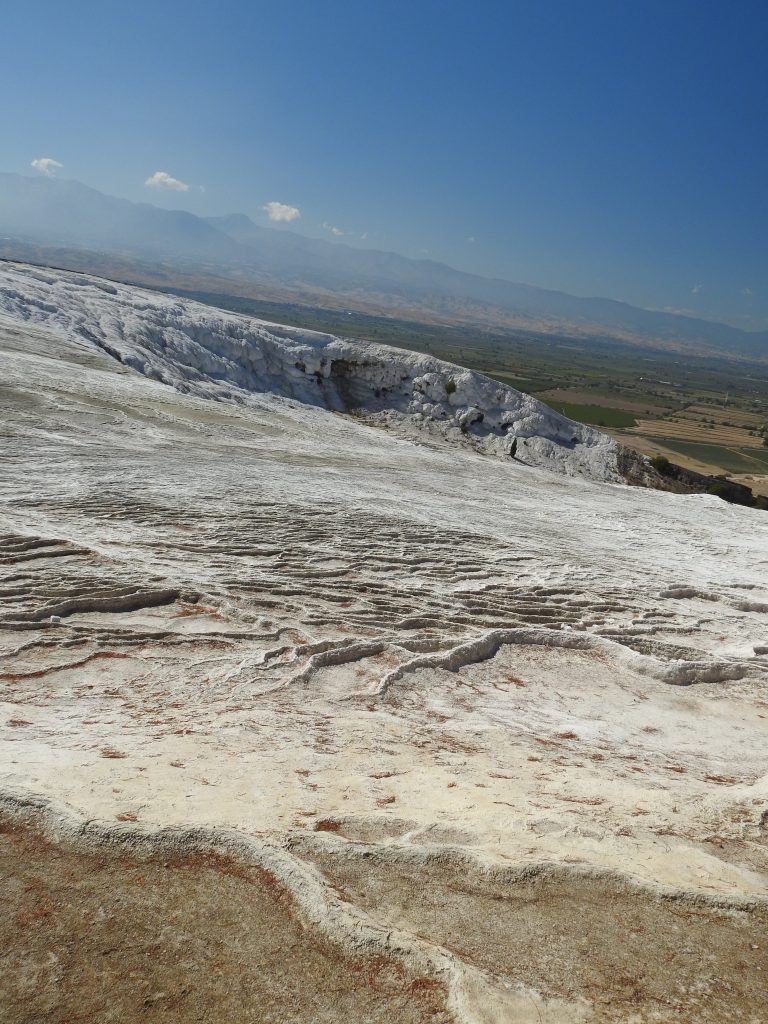
Pamukkale is one of Türkiye’s best-known sights, famous for its white travertine terraces created over centuries by mineral-rich thermal water. On our visit, though, it was extremely busy and crowded, and there was much less water flowing through the terraces than I had expected. Combined with a very hot day, the main area felt a little overwhelming.
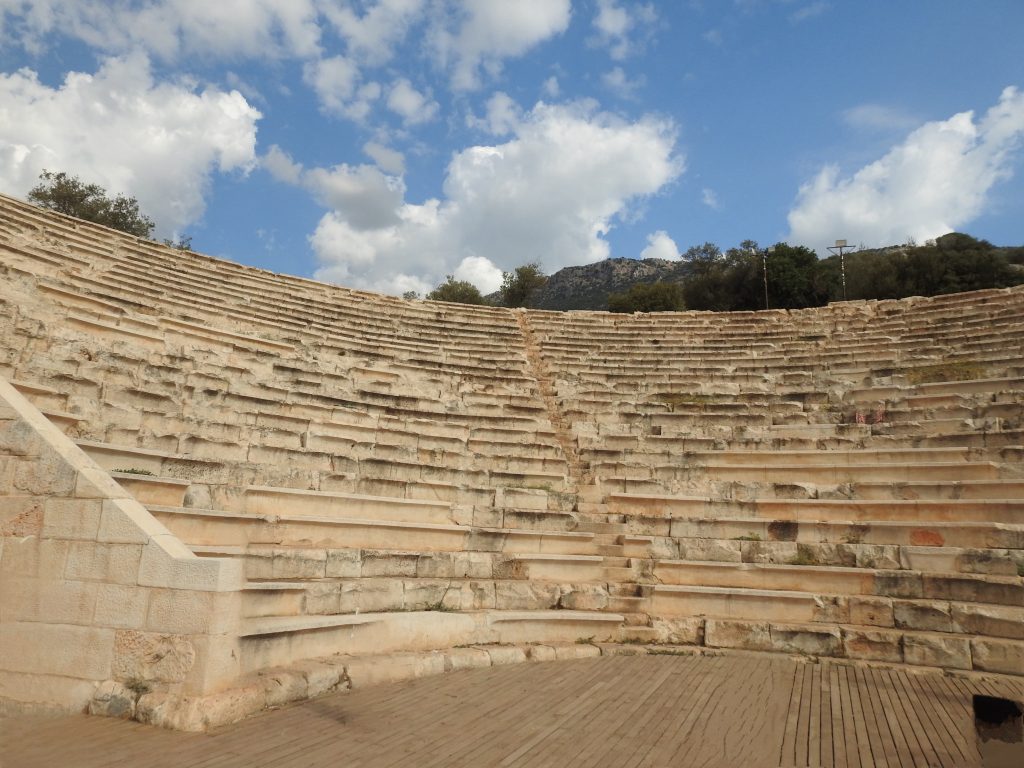
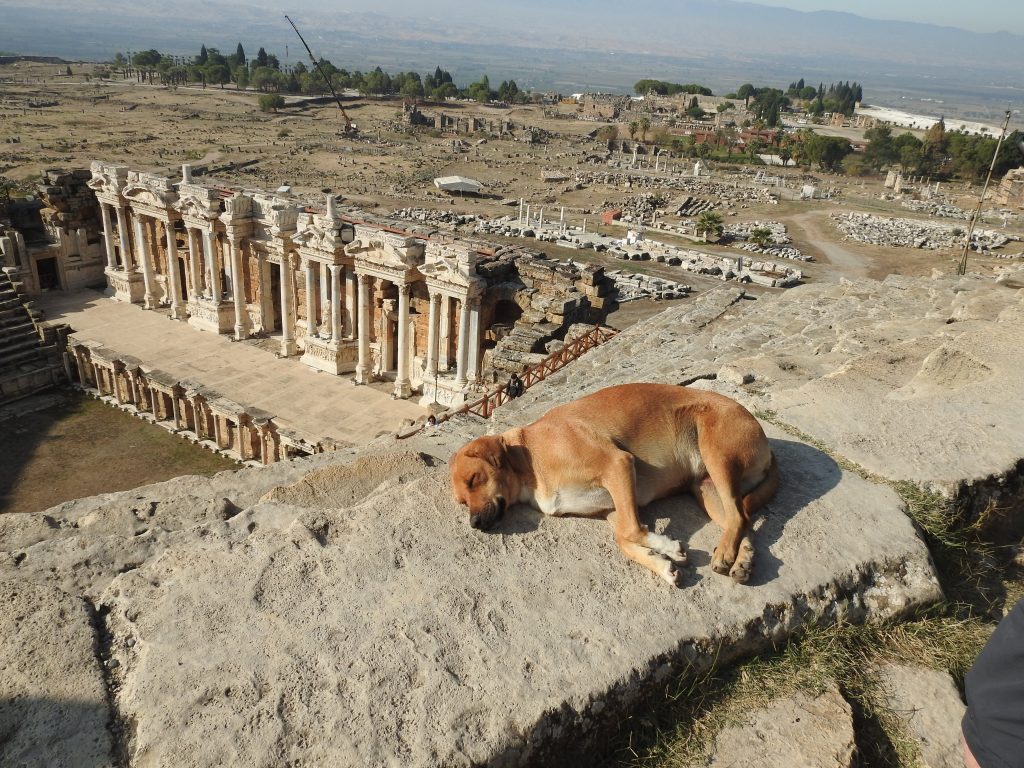
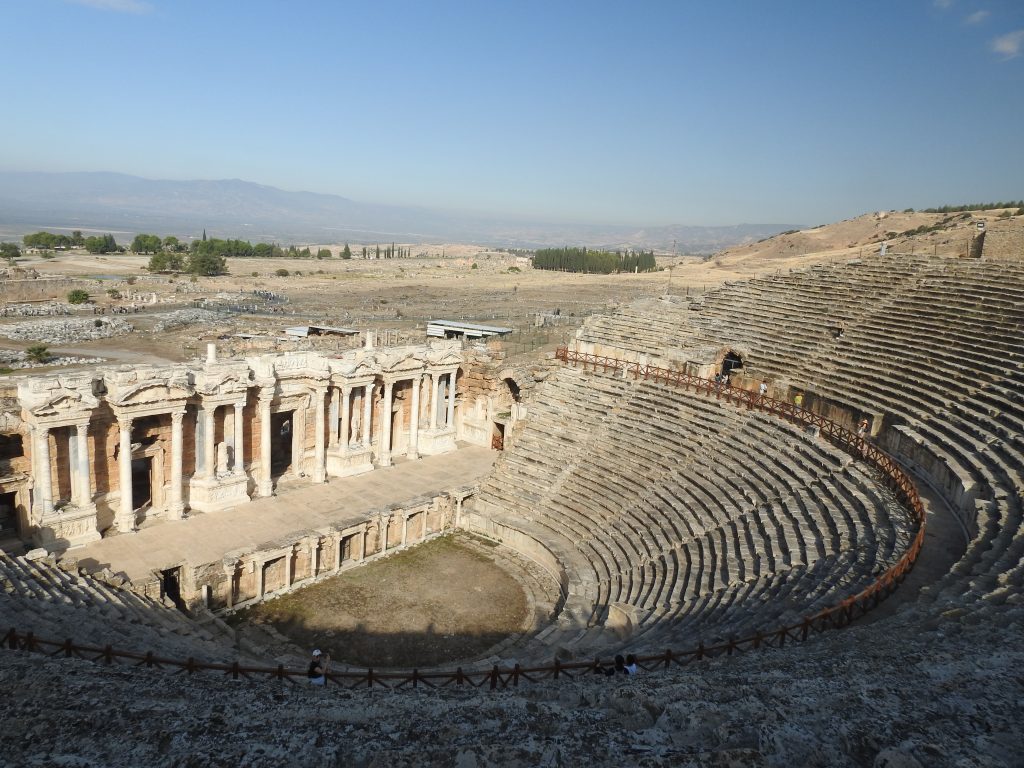
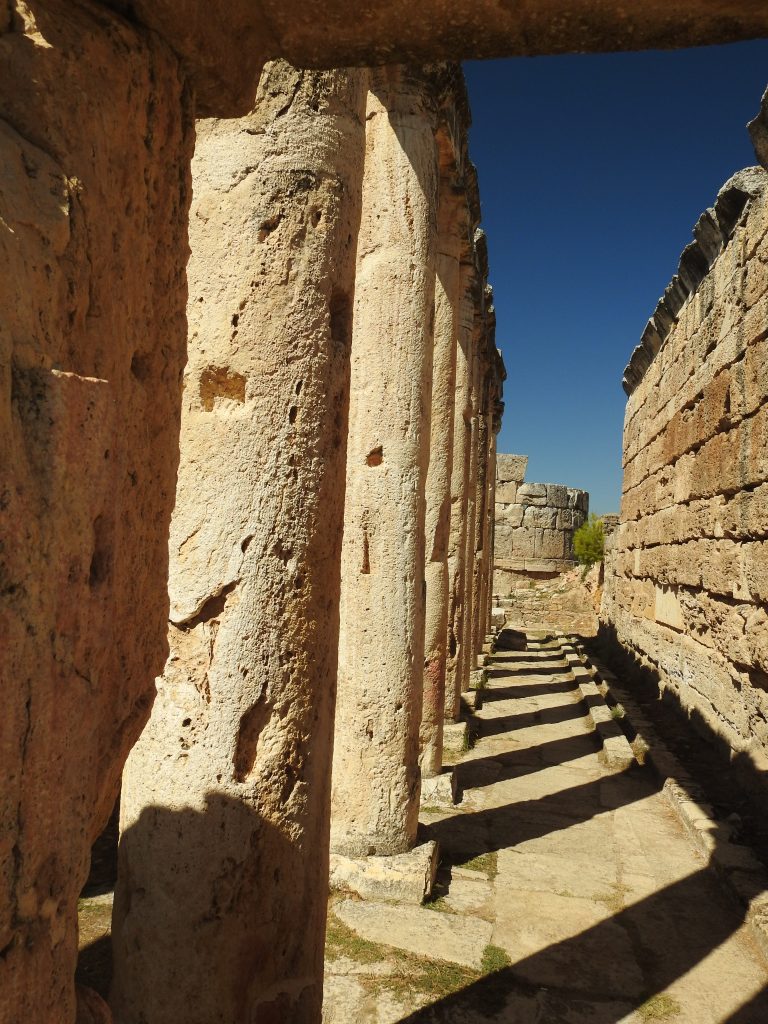
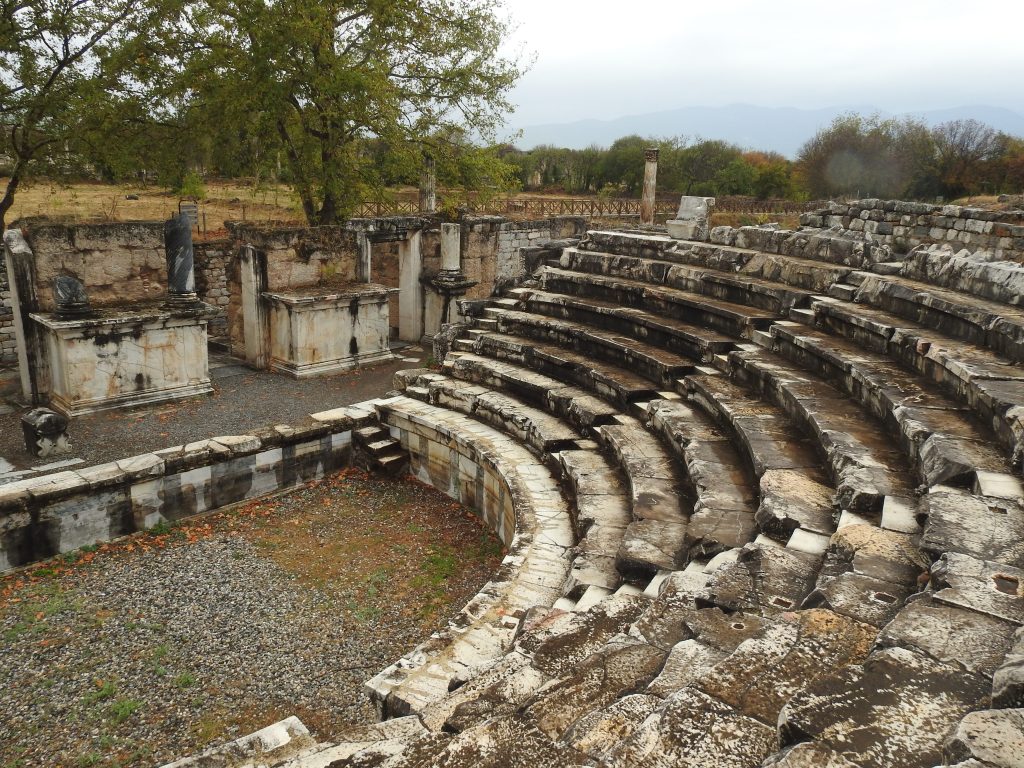
For me, the real highlight was Hierapolis, the ancient city sitting above the travertines. Hierapolis developed around the thermal springs and contains extensive remains of a major Greco-Roman city. The archaeological site includes temples, baths, streets, tombs and one of its standout features, the remarkably preserved theatre. The amphitheatre was easily one of my favourite parts of the visit. Stepping away from the busiest sections also made a huge difference. Once we moved further into the ruins, the crowds thinned and it became much easier to appreciate the scale and history of the site without the constant movement of visitors around us.
The town of Pamukkale itself was small and quite charming. There were plenty of restaurants, with owners enthusiastically encouraging passers-by to choose their tables. We eventually found one we liked and stayed for several hours, eating, resting after the heat and simply watching the world go by.
Aydın and the Ancient City of Tralleis
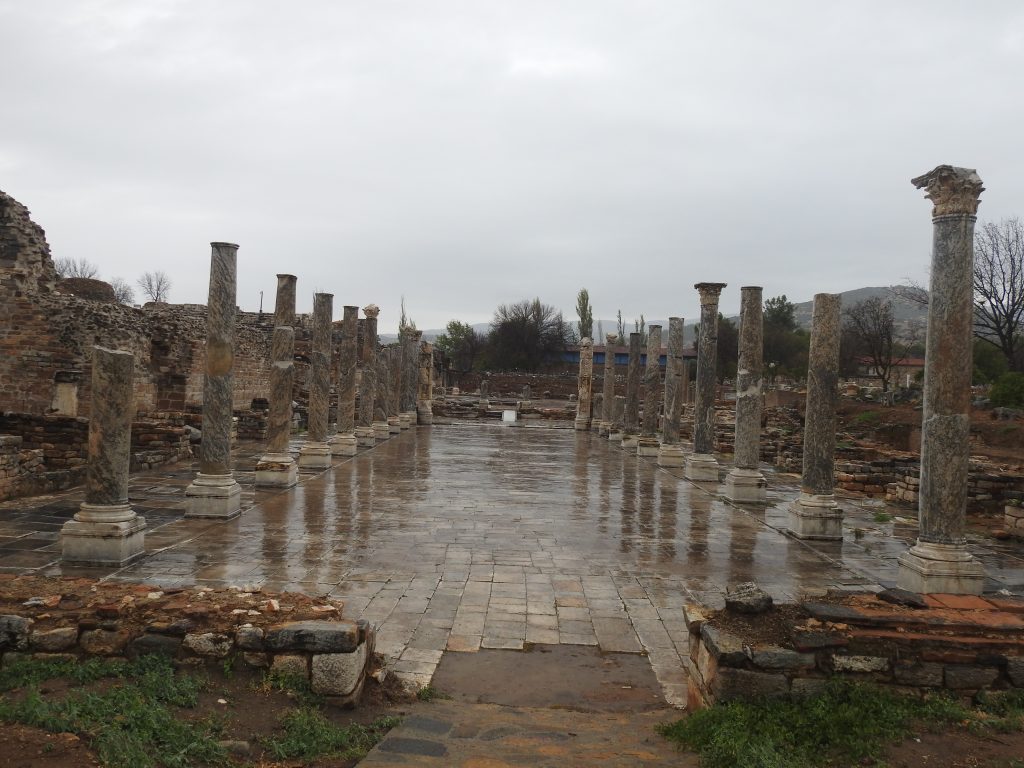
Having a car also allowed us to make smaller stops that we probably would have missed on an organised tour. Near Aydın, we visited the ancient city of Tralleis, situated just north of the modern city on the slopes of the Kestane Mountains. The site dates back to antiquity and became an important city in the fertile Büyük Menderes valley, passing through Hellenistic and later Roman rule.
Tralleis is much smaller and quieter than Türkiye’s blockbuster archaeological sites, which was part of its appeal. Its most recognisable surviving structure is known as the Üç Gözler, or “Three Eyes,” the remains of a large Roman-era gymnasium complex dating from around the second century. Archaeologists have also identified remains of a theatre, baths, agora and stadium at the site. Excavations are still revealing more of the ancient city.
What I liked about places such as Tralleis was the contrast with Pamukkale. There were no huge crowds or sense of rushing from one famous viewpoint to another. Instead, we could wander, look closely at the ruins and imagine the city that once stood there.
That was one of the biggest advantages of driving ourselves through Türkiye. The famous sights were impressive, but some of the most enjoyable moments came from having the freedom to leave the main tourist route, discover smaller archaeological sites, stop in local towns and take the journey at our own pace.
Selçuk and İzmir: Ancient Cities, Easy Evenings and a Cat Who Chose Me
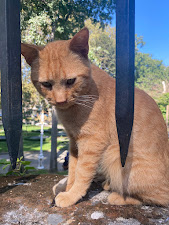
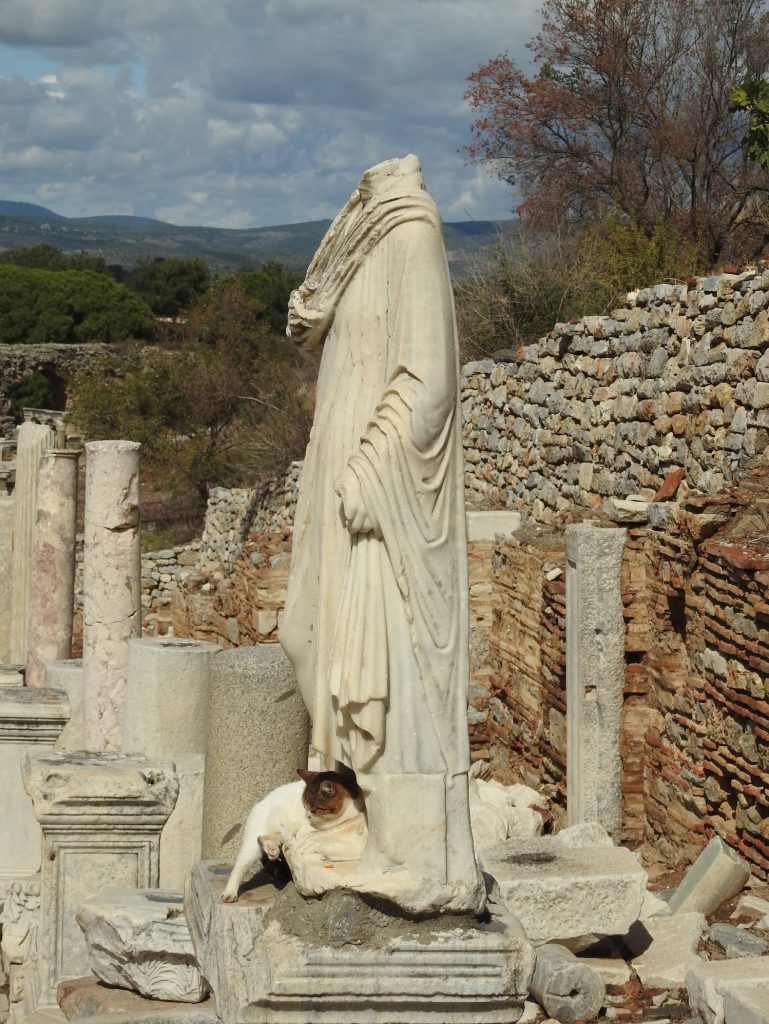
From Pamukkale we continued on to Selçuk, and this ended up being one of those places we simply liked. Sometimes it is difficult to explain why a town gets under your skin. Perhaps it was our lovely accommodation, perhaps the friendly people, or perhaps it was sitting at a bar with a cold beer while a completely contented local cat curled up on my lap as though that was exactly where it belonged.
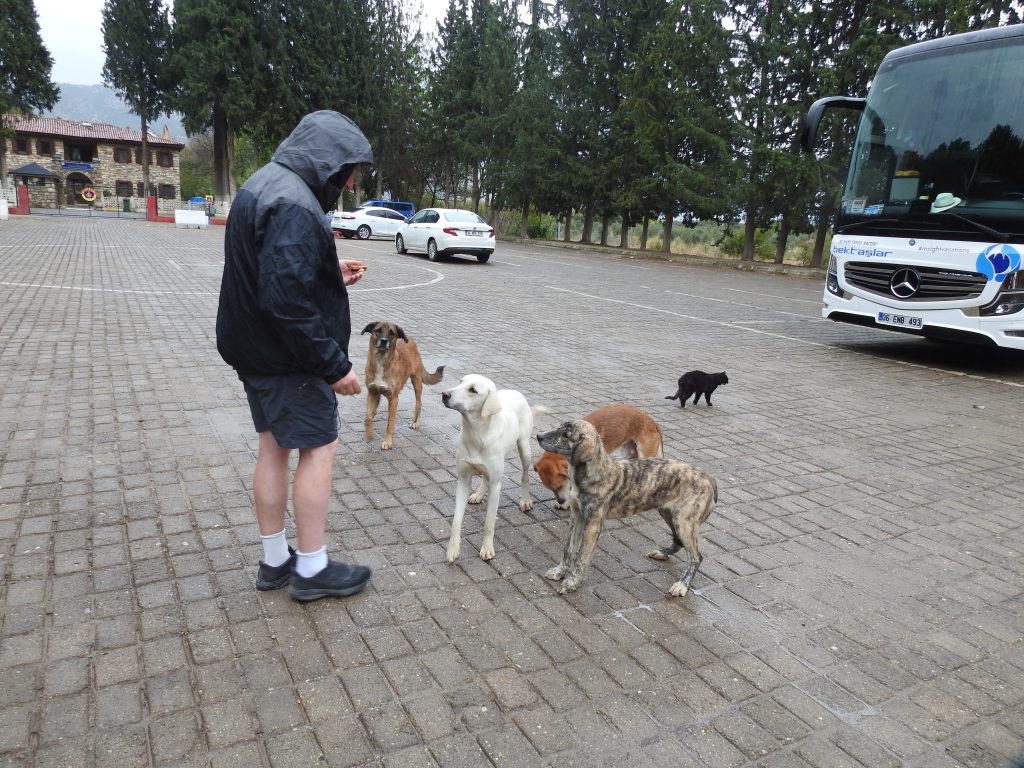
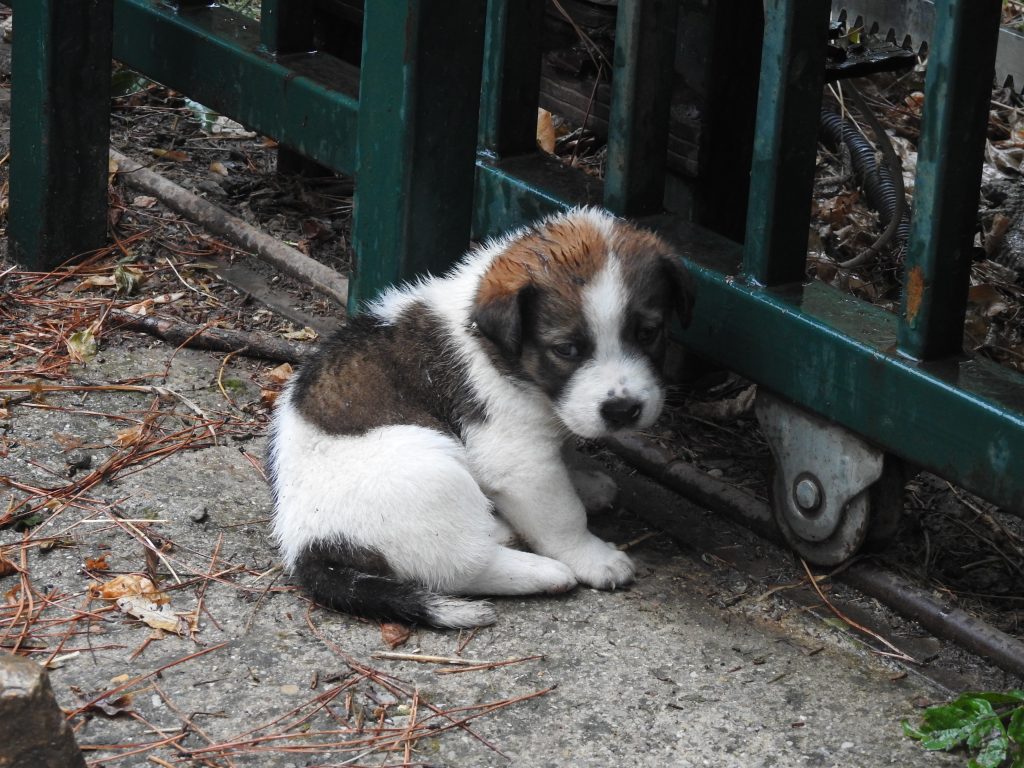
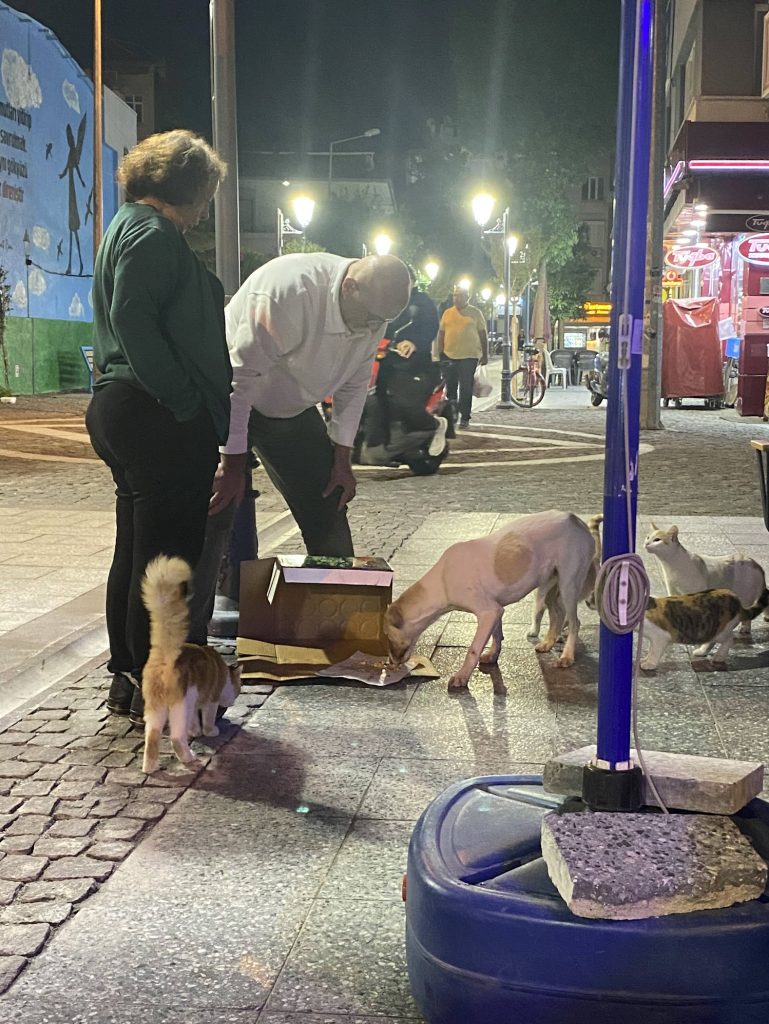
You can tell a lot about a place by the way people treat animals, and one thing that really stood out to us throughout Türkiye was the relationship people have with street cats and dogs. In many places, particularly with cats, locals routinely leave out food and water, build small shelters and generally seem to accept them as part of everyday community life. It gave towns like Selçuk a warm, lived-in feeling rather than simply feeling like another tourist stop.
Selçuk and Ephesus
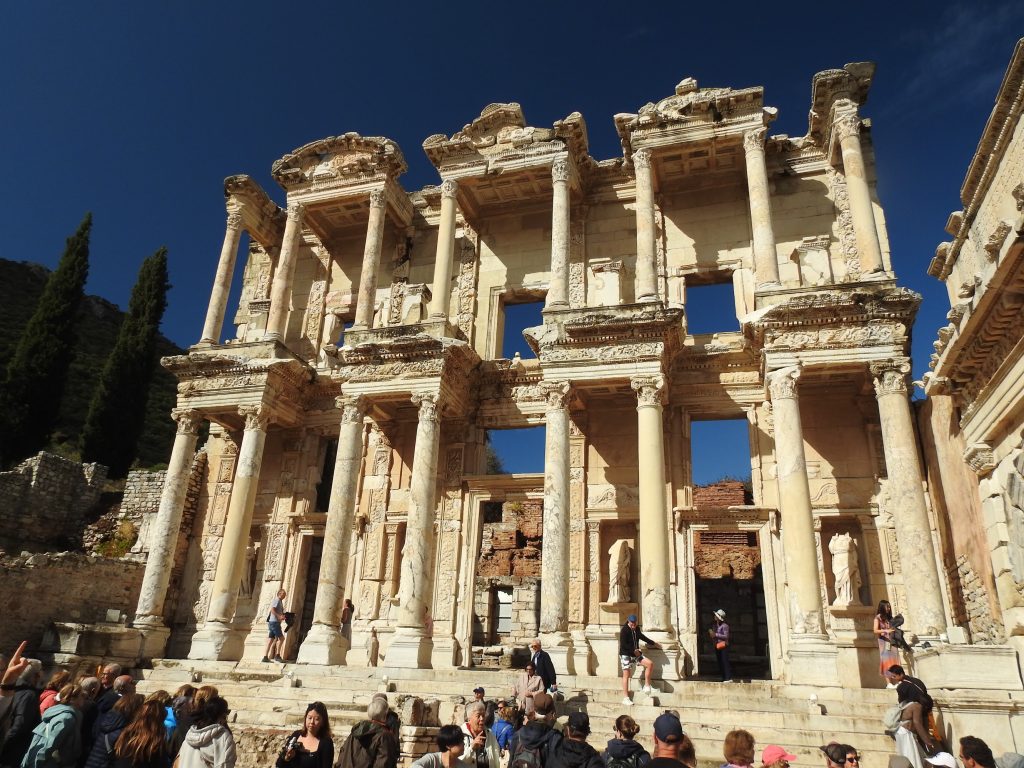
Selçuk is an excellent base for exploring some of western Türkiye’s most important historical sites. The obvious highlight is Ephesus, one of the great ancient cities of the Mediterranean. Walking through it gives you a real sense of the scale and sophistication of Roman urban life.
The Library of Celsus is the image most people recognise, but there is much more to see: the enormous Great Theatre, marble streets, temples, fountains, public buildings and the beautifully preserved Terrace Houses. This is not a site you rush. There is detail everywhere, and it is worth allowing several hours.
Nearby, the Basilica of St John and Ayasuluk Hill provide another layer of history, while the remains of the Temple of Artemis are a reminder that this was once the site of one of the Seven Wonders of the Ancient World. The House of the Virgin Mary, in the hills outside town, is another important stop for many visitors.
What appealed to us about Selçuk itself was that after spending the day among major archaeological sites, we could return to somewhere much quieter. Restaurants, small streets, friendly locals, a drink at a bar—and apparently, if you are lucky, a cat willing to adopt you for the evening.
On to İzmir
From Selçuk, İzmir makes an easy addition to the journey and gives you a completely different experience. This is a much larger, modern coastal city, but there is still plenty of history woven through it.
A good starting point is Konak Square, home to İzmir’s landmark Clock Tower and sitting right beside the entrance to the historic Kemeraltı Bazaar. Kemeraltı has been at the heart of the city’s commercial life for centuries and is exactly the kind of place where you can wander without much of a plan—through shops selling jewellery, spices, textiles, leather, crafts and food.
For more history, the Agora of Smyrna provides a glimpse into the ancient city beneath modern İzmir, while Kadifekale sits above the city with views across the bay. The Historical Elevator, or Asansör, is another favourite viewpoint.
But İzmir is also a city to enjoy rather than simply sightsee. The Kordon waterfront is perfect for a long walk, especially later in the day when the heat begins to ease. Cafés and restaurants line the coast and it is an excellent place to sit with a drink, watch people go by and wait for the sun to drop over the bay. The local tourism authority itself recommends sitting along the Kordon and enjoying the sunset and sea breeze.
That contrast was one of the things we enjoyed most about travelling through Türkiye. One day you can be standing among the ruins of a city thousands of years old, and a few hours later you are sitting beside the Aegean with a beer, good food and absolutely nowhere you need to be.
And sometimes, apparently, with a cat on your lap.

Small-Town Türkiye: Şirince, Ödemiş and the Pleasure of Slowing Down
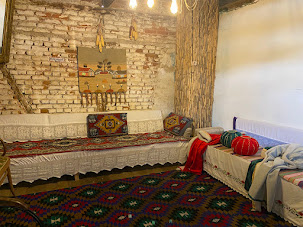
Some of our favourite memories in Türkiye came from the smaller towns rather than the major tourist sights. Places like Şirince and Ödemiş offered a slower pace, local food, traditional drinks and the chance to simply sit and watch daily life unfold.
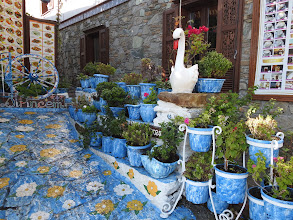
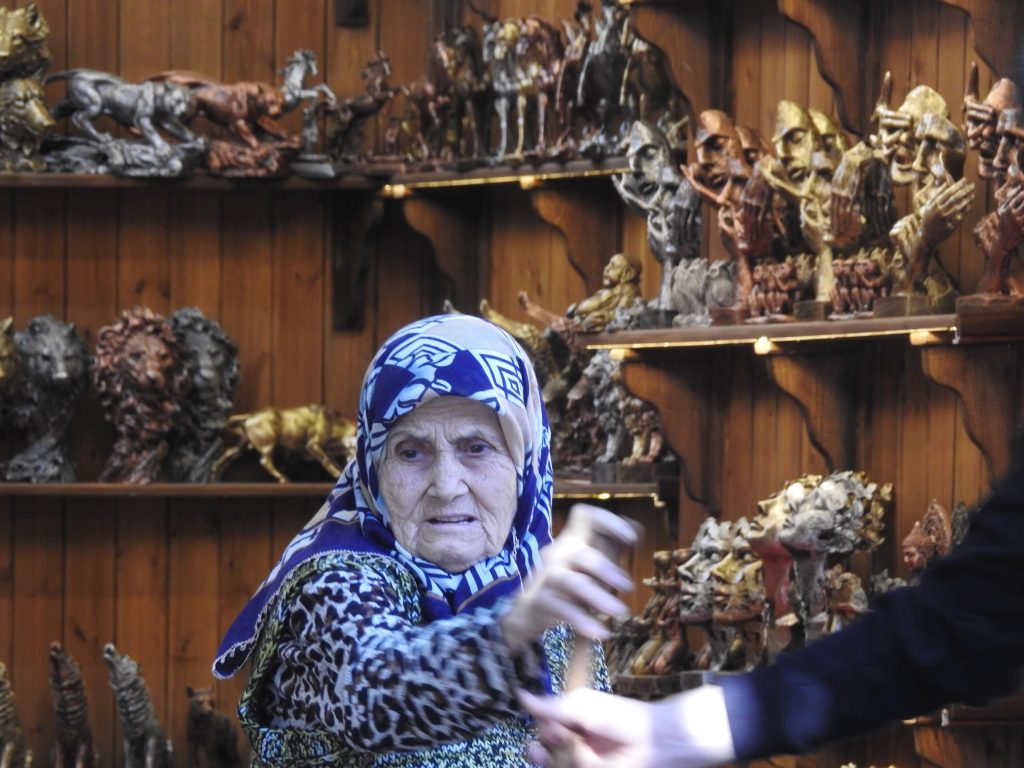
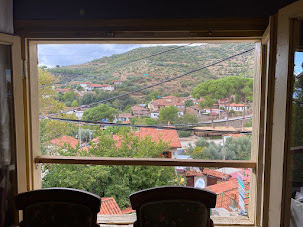
Şirince is especially charming, with narrow streets, stone houses, small shops and cafés tucked into the hillside. It is the sort of place where wandering is the main activity. There are local products, handmade goods and plenty of spots to stop for something to eat or drink.
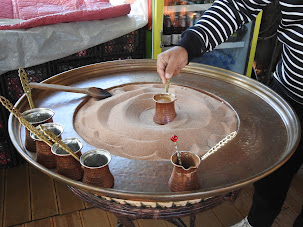
One experience we particularly enjoyed was traditional Turkish coffee prepared in hot sand. The coffee is heated slowly in a small pot nestled into the sand, giving the whole process a sense of theatre as well as tradition. Strong, rich and served in a tiny cup, it is something to savour rather than rush.
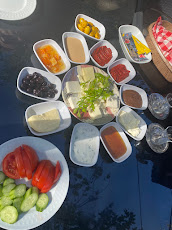
Breakfast was another highlight. A traditional Turkish meze-style breakfast can feel more like a feast than a morning meal, with small plates of cheeses, olives, tomatoes, cucumber, eggs, breads, spreads, preserves and other local dishes arriving at the table.
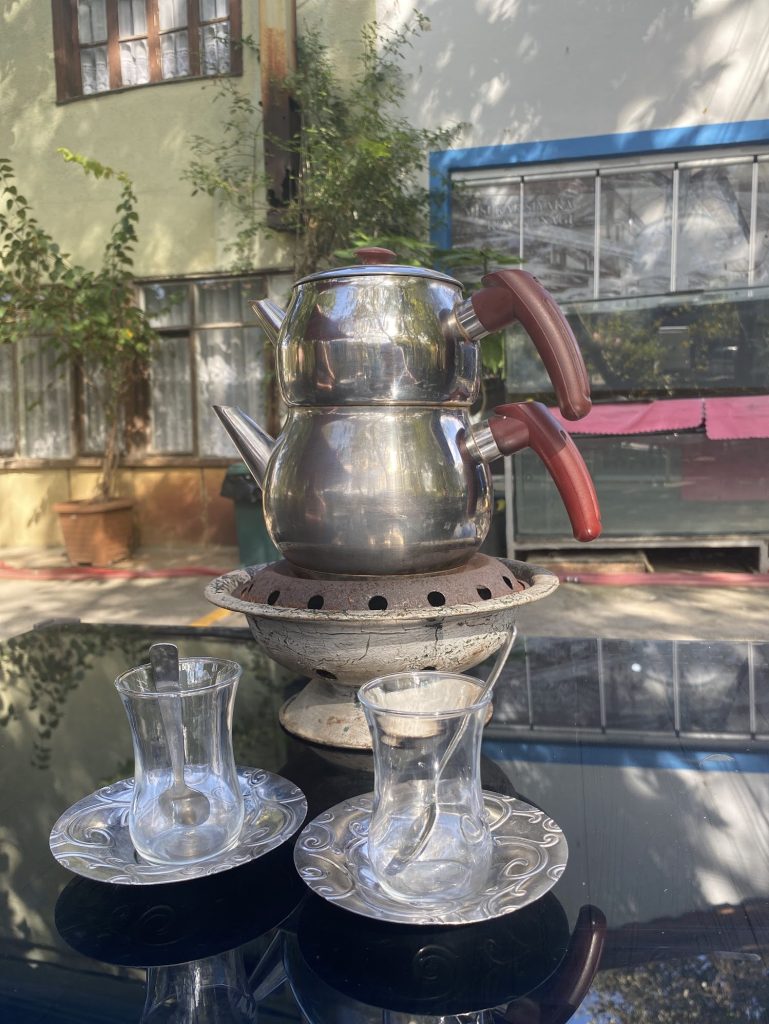
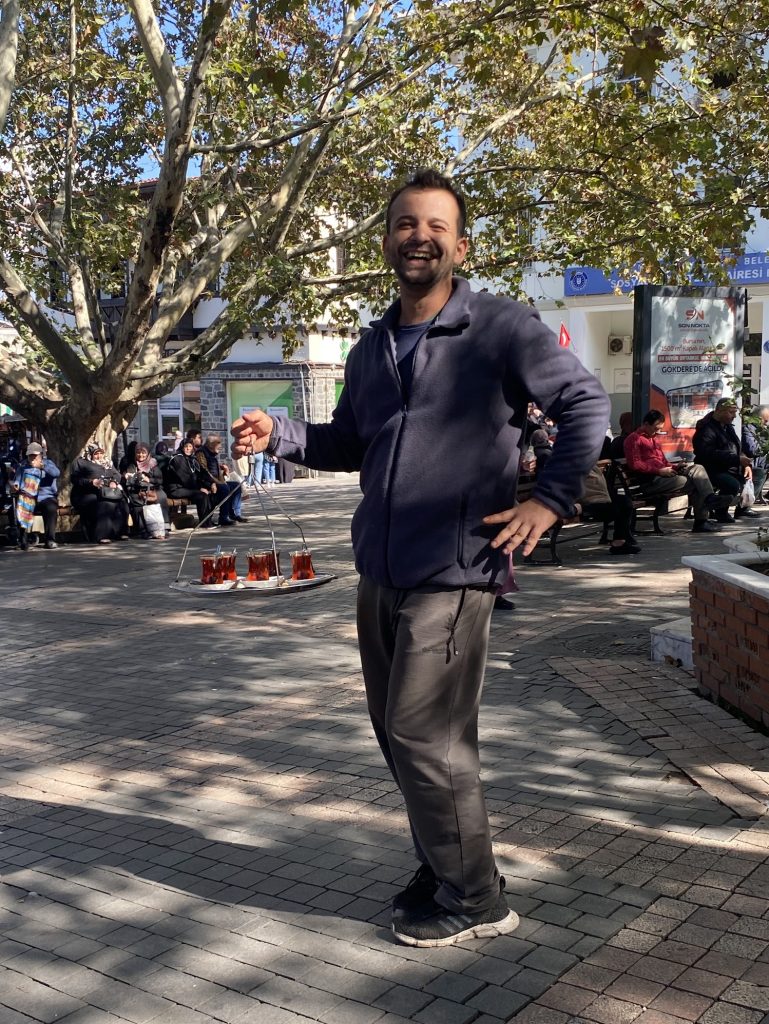
Then there is the tea. Turkish tea served using the traditional double-pot method is part of the experience in itself. The stronger brew sits in the upper pot while hot water is kept below, allowing each person to adjust the strength to taste. Having it brewed and served at the table makes even a simple tea stop feel wonderfully local.
Ödemiş had a more everyday feel than the better-known tourist towns, which was part of its appeal. It gave us a glimpse of normal life away from the larger visitor centres, with local shops, markets, cafés and a much more relaxed rhythm.
These little stops became an important part of the road trip. They reminded us that travel is not always about chasing the biggest sights. Sometimes the best moments are sitting at a small table, drinking tea, trying something local and realising you are perfectly happy doing absolutely nothing for a while.
Bergama: Ancient Pergamon Above the Modern Town
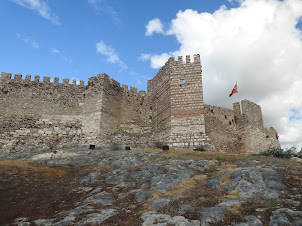
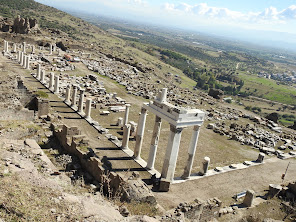
Bergama was another stop that made having a car worthwhile. The modern town sits beneath the ruins of ancient Pergamon, one of the most important cities of the Hellenistic world, and the contrast between everyday life below and the monumental ruins above is striking.
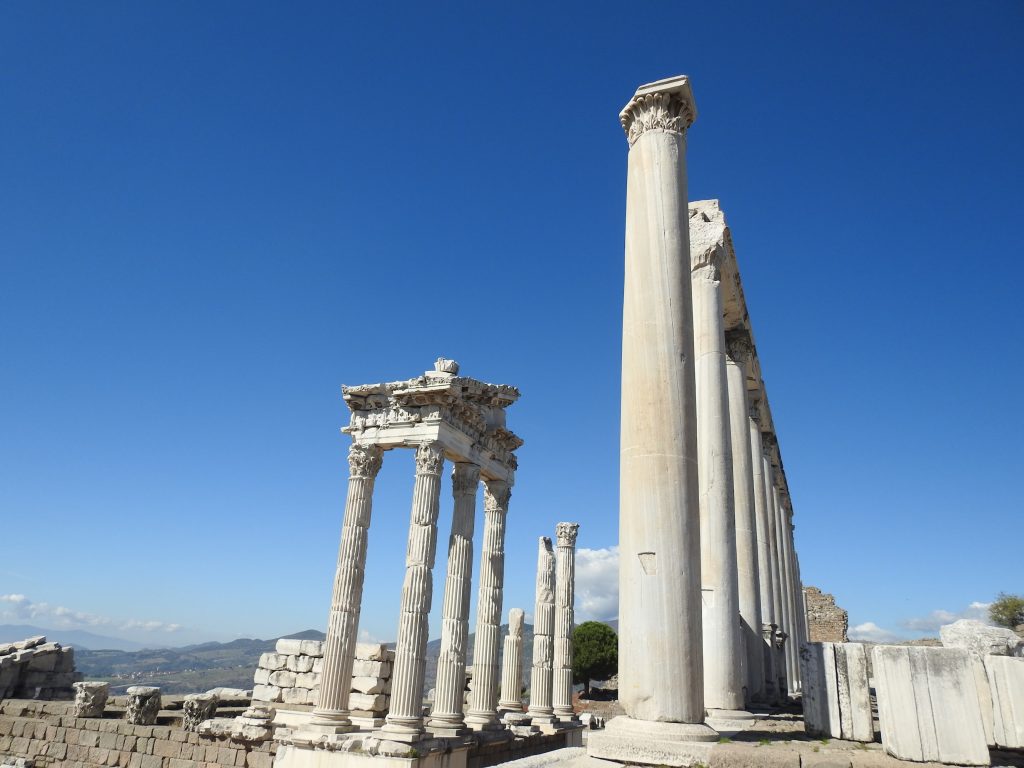
The main site is the Acropolis of Pergamon, dramatically positioned on a hill overlooking the surrounding countryside. The setting is almost as impressive as the ruins themselves. Among the highlights are the remains of temples, monumental terraces and the steep ancient theatre, which clings to the hillside and offers extraordinary views. It is one of those places where you can immediately understand why the location was chosen.
Pergamon was also famous as a centre of learning and culture. The ancient city once had a major library and became closely associated with medicine, religion and scholarship.
Below the Acropolis is the Asklepion, an ancient healing centre dedicated to Asclepius, the god of medicine. It is fascinating because it gives a different picture of ancient life. Rather than temples and political buildings, this was a place where people came for treatment, rest and healing. The remains include courtyards, treatment areas, tunnels and sacred spaces.
The Red Basilica, closer to the modern centre of Bergama, is another impressive site. Originally built during the Roman period, its massive brick walls make it very different in appearance from the stone ruins on the hill.
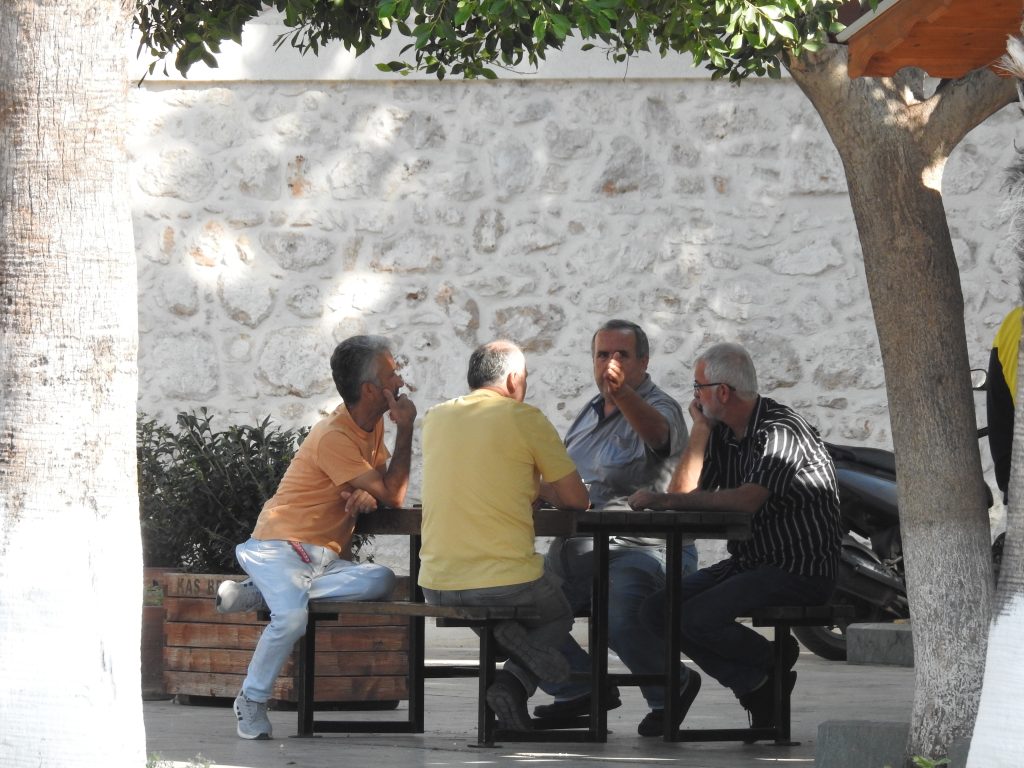
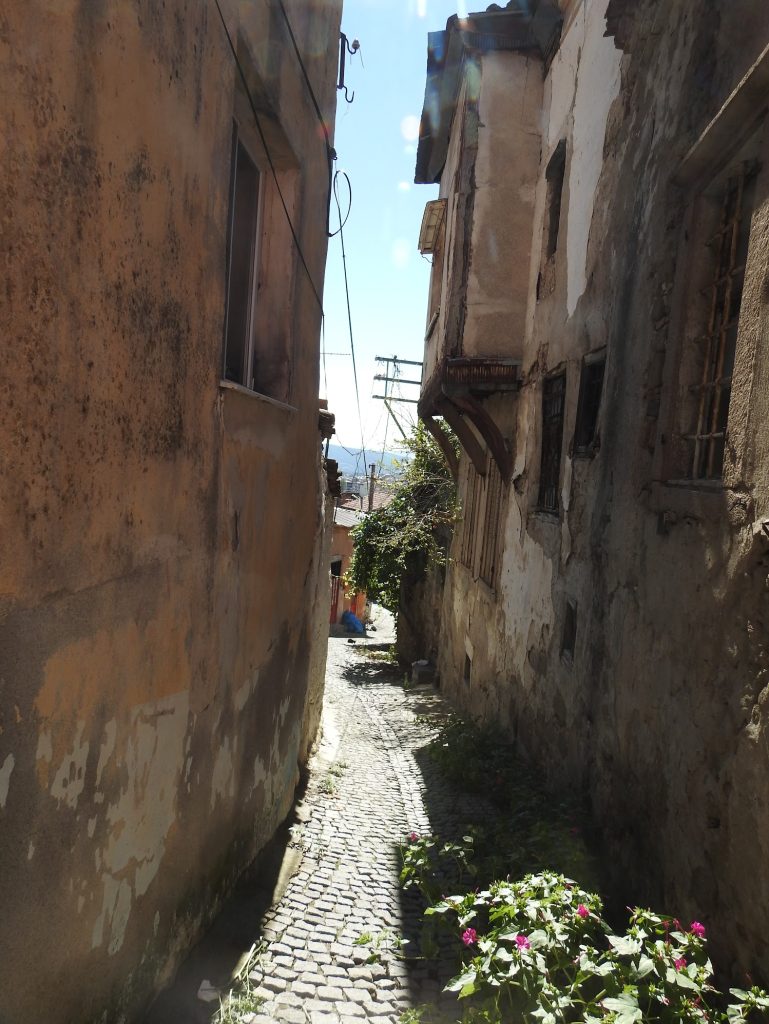
Bergama felt less frantic than some of Türkiye’s most famous archaeological destinations. That made it easier to take our time, appreciate the views and imagine what the ancient city must once have looked like. For anyone interested in history, architecture and places that still feel connected to the surrounding landscape, it is well worth the stop. The town itself was a little different to many we had seen. There was a slower feel to it, more older men playing their tile games and fewer people around. I think that tourists must visit the ruins and skip the town itself.
Çanakkale and Gallipoli: Troy, ANZAC History and a Lively Waterfront
Our road trip eventually brought us to Çanakkale, a waterfront city sitting on the Dardanelles and an ideal base for exploring two of Türkiye’s most important historical areas: Troy and the Gallipoli Peninsula.
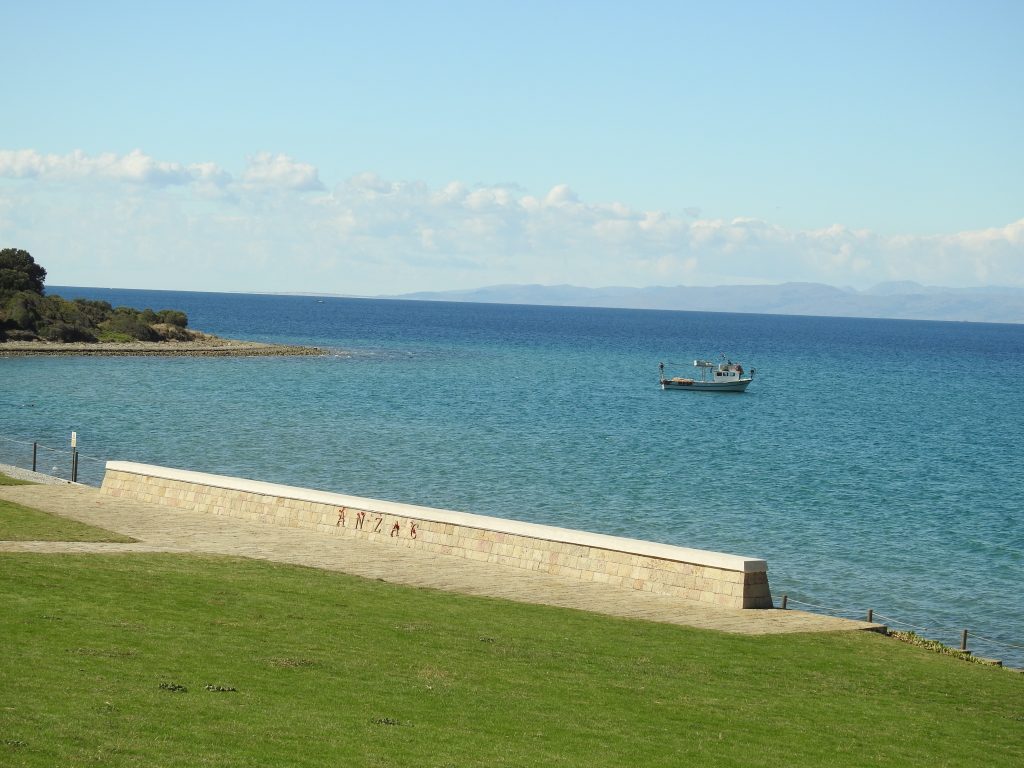
For Australians and New Zealanders in particular, this part of Türkiye carries enormous emotional weight. It is one thing to read about Gallipoli at school or see images of ANZAC Cove; it is quite another to stand there.
Troy: Walking Through Layers of History
A short drive from Çanakkale takes you to the archaeological site of Troy, famous through the stories of the Trojan War, Helen of Troy and the legendary wooden horse.
What makes Troy particularly interesting is that you are not looking at the remains of just one city. Different settlements were built on top of one another over thousands of years, leaving layers of walls, gateways, houses and defensive structures.
Standing among the ruins makes you realise how strategically important this area was, positioned close to the Dardanelles and the routes connecting the Aegean and Black Seas.
The site may not have the towering monuments of Ephesus, but its significance is extraordinary. Much of the fascination comes from trying to reconcile archaeology with the legends we have heard for generations.
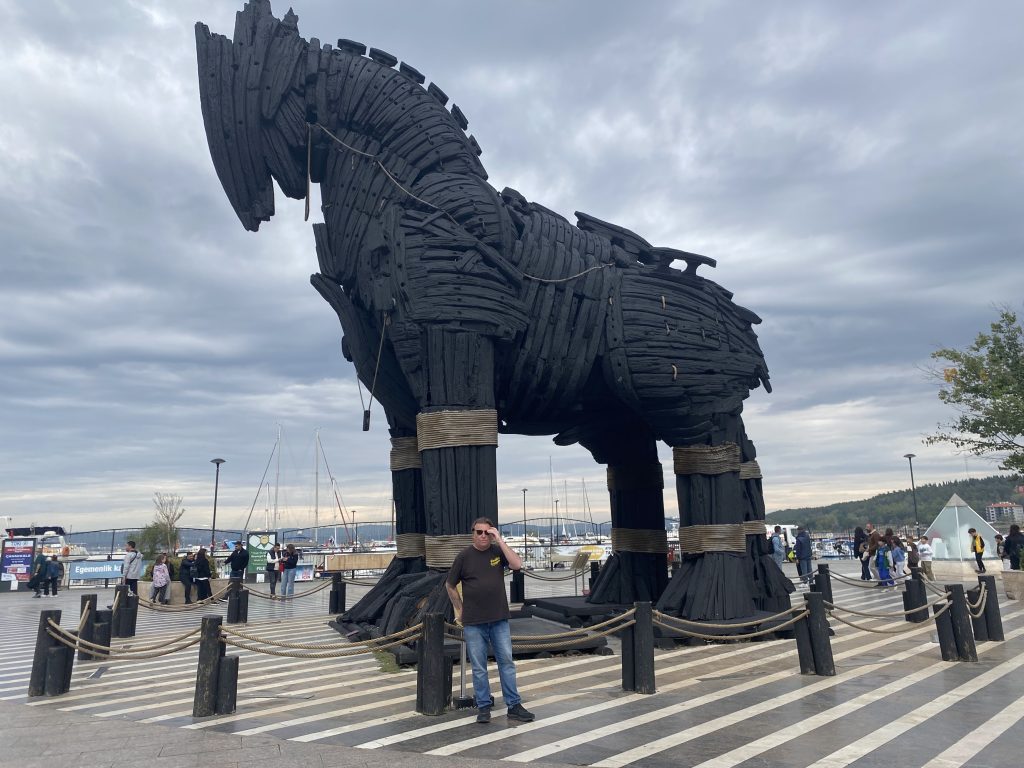
And, of course, there is the Trojan Horse—an irresistible photo opportunity whether you are a history enthusiast or not.
Gallipoli: A Very Different Kind of Experience
Gallipoli is not simply another historical attraction.
Visiting the peninsula is quiet, confronting and deeply moving.
The landscape itself is beautiful—clear water, beaches, pine-covered hills and sweeping views—but knowing what happened there in 1915 changes the way you experience it.
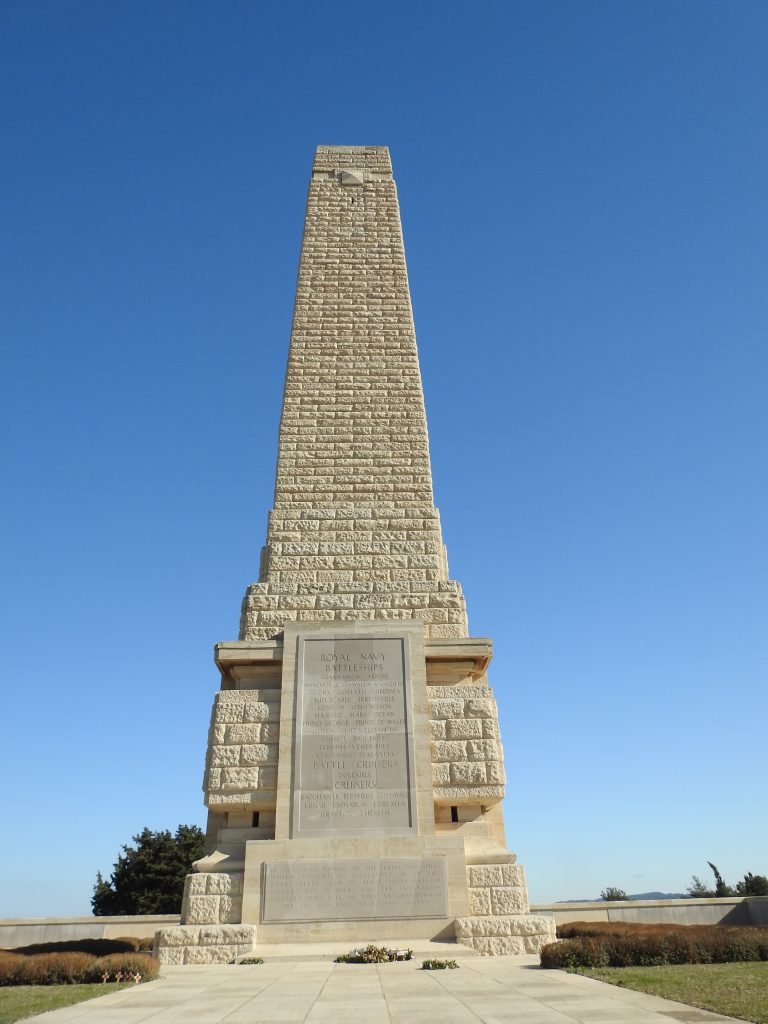
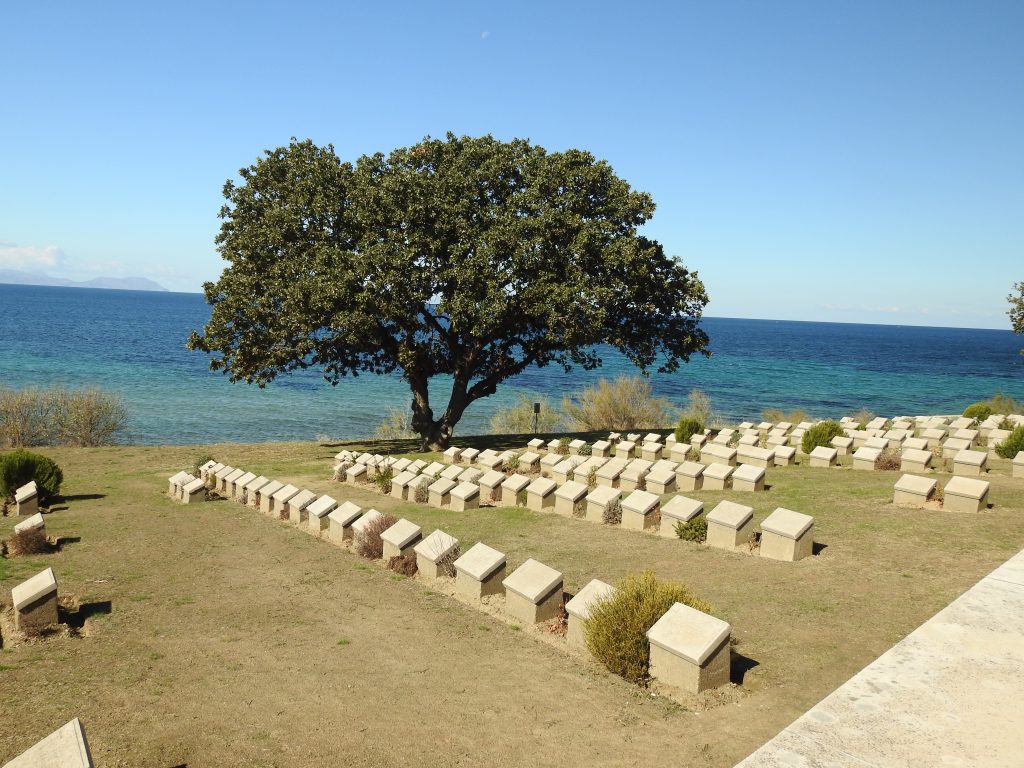
Some of the most important ANZAC locations include ANZAC Cove, where Australian and New Zealand troops landed on 25 April 1915; North Beach, where the ANZAC Commemorative Site now stands; Lone Pine, one of the most significant Australian memorials and cemeteries; The Nek, associated particularly with the Australian Light Horse; Chunuk Bair, of enormous importance to New Zealanders; and Shrapnel Valley, with its cemetery and steep terrain that gives some sense of just how difficult conditions must have been.
Seeing the geography in person is perhaps the most striking part. The slopes are steep, the gullies narrow and the distances surprisingly small. Turkish and Allied positions were sometimes extraordinarily close to each other.
The Respect Shown to the ANZAC Sites
One of the things that affected us most was the care and respect with which the memorials and cemeteries are maintained.
The grounds are beautifully kept, the memorials are treated with dignity and the whole peninsula has a sense of quiet respect. For Australians visiting from the other side of the world, there is something particularly moving about seeing how carefully these places are looked after in Türkiye.
And importantly, the peninsula remembers both sides.
Turkish memorials sit alongside those dedicated to Australians, New Zealanders, British, French and other Allied troops. Rather than presenting the landscape purely as a story of victory and defeat, it feels much more like a place of remembrance for young people on all sides who suffered enormously.
That attitude says a great deal about the relationship that has developed between Türkiye, Australia and New Zealand since the campaign.
It is difficult to leave Gallipoli without thinking about the enormous waste of life—and also the respect that can grow between nations long after a terrible conflict has ended.
Çanakkale After Dark
After the seriousness of Gallipoli, returning to Çanakkale provides quite a contrast.
We loved the energy of the town.
The waterfront is made for walking, particularly in the evening when locals come out, restaurants fill up and the lights begin to reflect across the Dardanelles. Ferries constantly cross the water, fishing boats move through the harbour and there always seems to be something happening.
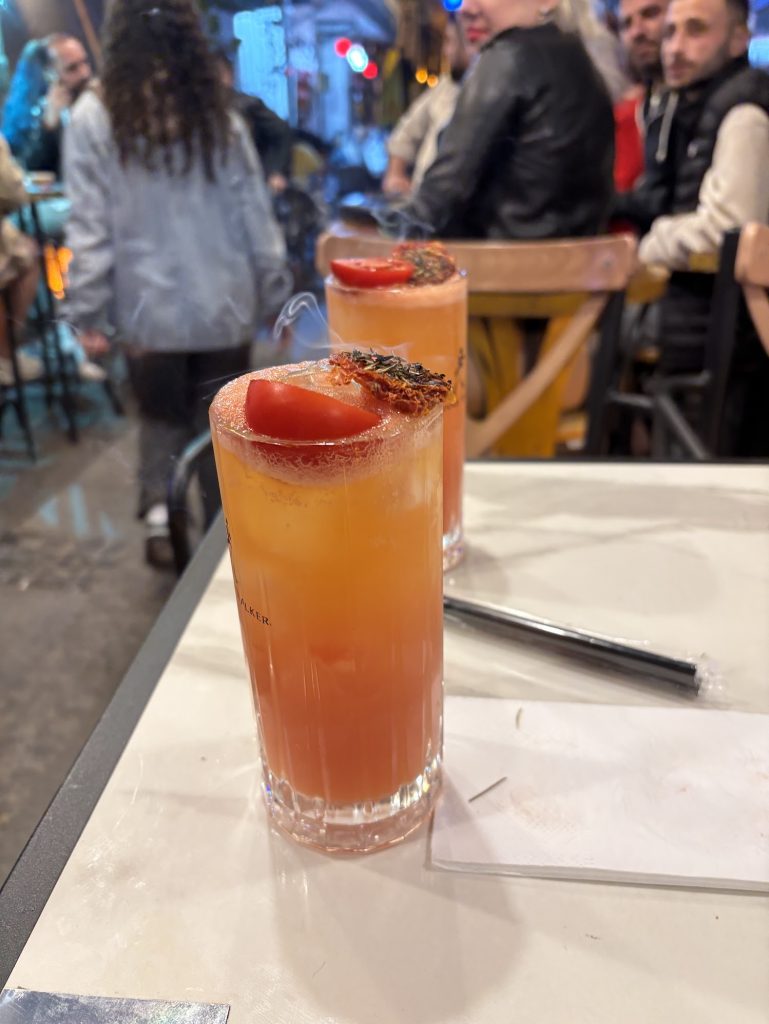
There are restaurants, cafés and bars everywhere, and the nightlife has a relaxed local feel. You can sit outside with a drink, have dinner overlooking the water and watch people wandering along the promenade well into the evening.
The streets behind the waterfront are also excellent for shopping. There are boutiques, souvenir shops, local products, clothing, jewellery and plenty of small stores to browse through without the intensity of some of Türkiye’s larger tourist markets.
One of Çanakkale’s more unusual landmarks is the large Trojan Horse displayed on the waterfront, which was used in the 2004 film Troy. It seems perfectly at home there and has become one of the city’s most recognisable sights.
A Place That Stays With You
Çanakkale was another place where we found that Türkiye offered much more than we expected.
You can spend one day exploring a city made famous by a legend thousands of years old, another standing quietly at ANZAC Cove and Lone Pine, and then finish the evening eating, shopping and walking beside the Dardanelles.
Gallipoli was undoubtedly one of the most meaningful parts of our journey. What stayed with us was not only the history, but the extraordinary respect shown to it by the Turkish people.
For Australians travelling through Türkiye, I think this is somewhere worth making time for rather than simply rushing through.
Bursa: Ottoman History, Bustling Markets and Views Across the City
Our final stop with the hire car was Bursa, and it felt like a fitting place to finish the road-trip section of our journey. Bursa is busy, historic and unmistakably Turkish, with grand mosques, Ottoman tombs, lively shopping streets and markets where you can buy almost anything.
One of the most impressive areas is Tophane Square, set above the city. From here there are broad views over Bursa, along with the Tophane Clock Tower and the tombs of Osman Gazi and Orhan Gazi, two of the most important figures in early Ottoman history. Osman Gazi founded the Ottoman dynasty, while his son Orhan captured Bursa in 1326 and made it an important early Ottoman centre.
The tombs themselves are surprisingly peaceful considering how close they are to the centre of a large city. They are treated with great respect, and visiting them gives some perspective on just how deeply Ottoman history is woven into modern Bursa.
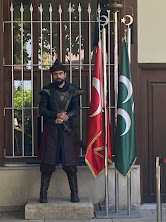
One of the most memorable moments at Tophane was watching the ceremonial changing of the guard at Osman Gazi’s tomb. The formal guard change adds a sense of occasion to the site and reinforces the importance placed on preserving and honouring this history. The ceremony is officially referred to locally as a respect guard change.
Markets Where You Can Find Almost Anything
Bursa is also a terrific place simply to wander and shop.
Around the historic centre, the Grand Bazaar, covered market streets and old hans seem to flow into one another. You can find clothing, shoes, jewellery, household goods, scarves, spices, sweets, souvenirs and plenty of things you had absolutely no intention of buying until you saw them.
Bursa has a particularly strong connection with silk, and Koza Han is one of the best-known places to experience that heritage. Even if you are not shopping seriously, wandering through the old trading areas is worth it for the atmosphere alone.
This was the sort of market I enjoyed most in Türkiye—not just rows of tourist souvenirs, but places where local people are also genuinely shopping for everyday things.
Mosques, Ottoman Architecture and the Green Tomb
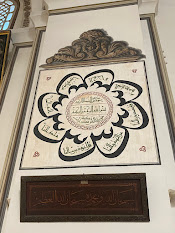
Another major sight is the Ulu Cami, or Grand Mosque, one of Bursa’s landmark buildings. Its large interior, calligraphy and many domes make it very different from some of the imperial mosques we had seen elsewhere.
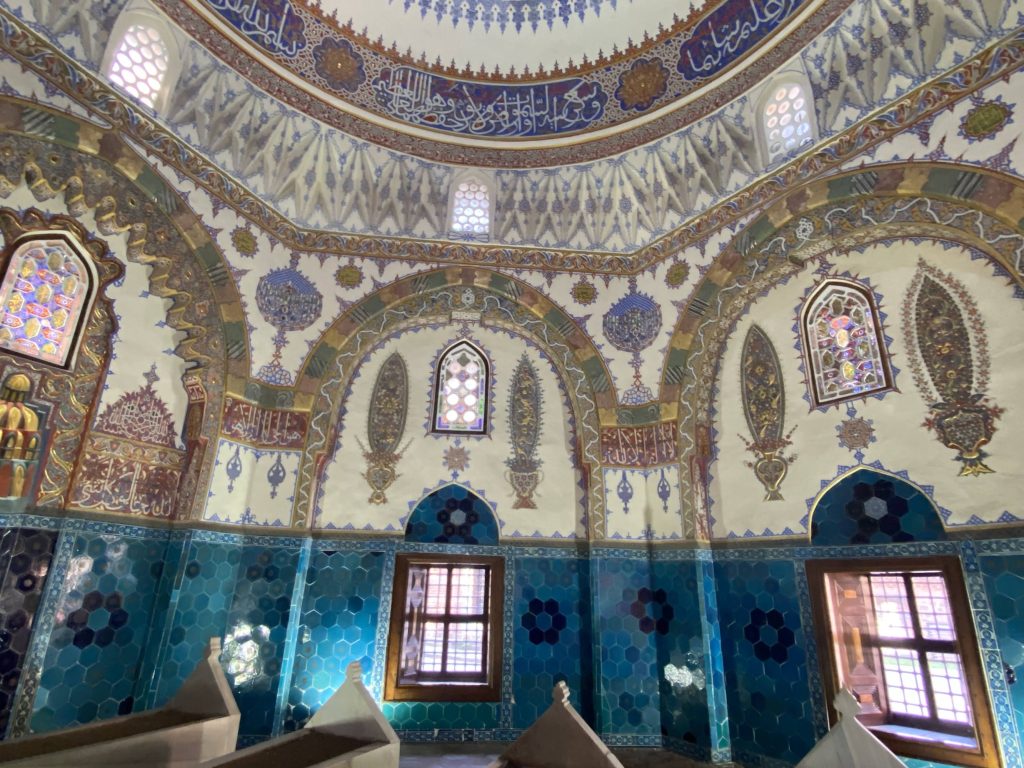
The Green Mosque and Green Tomb are also well worth visiting. The Green Tomb is the mausoleum of Sultan Mehmed I and is known for its distinctive tiled exterior and beautifully decorated interior.
Bursa has numerous Ottoman religious complexes, tombs and historic neighbourhoods, so you do not have to travel far before coming across another piece of the city’s past.
A Final View Over Bursa
We particularly liked being above the city around Tophane.
It is one of those places where you can stop after a day of walking through markets and historic streets, look back across the sprawling city and realise just how large Bursa actually is. With the tombs, Clock Tower, ceremonial guards and expansive views all in one area, it felt like one of the best places to understand the city.
Back to Istanbul: One Last Taste of Türkiye
With the car returned in Bursa, we boarded the ferry back to Istanbul, which was a much more relaxing way to finish the road-trip part of our journey. After a couple of weeks of driving through cities, villages and countryside, it was nice to sit back and watch the scenery from the water instead.
We arrived in Istanbul around lunchtime with another couple of days before leaving Türkiye. By this point, Istanbul already felt familiar, so there was no pressure to race around ticking off major sights. Instead, we could wander, revisit favourite areas and enjoy the atmosphere of the city.
Of course, there was also the important matter of last-minute shopping.
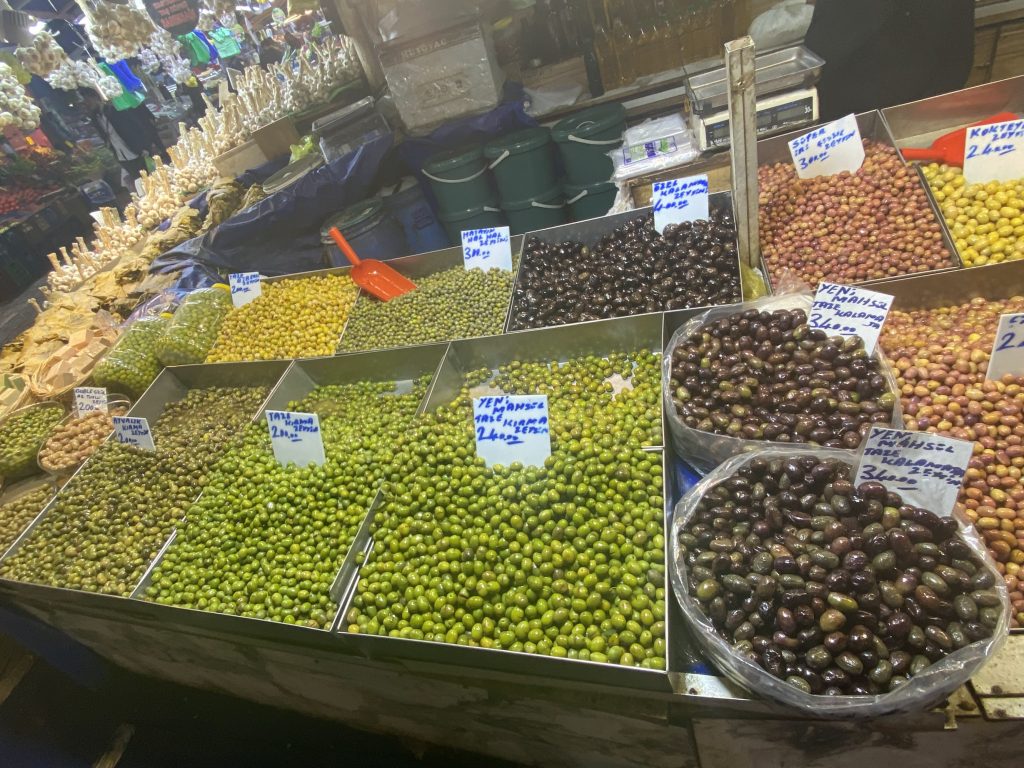
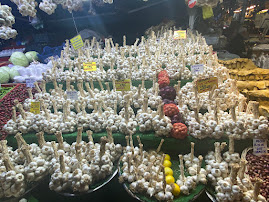
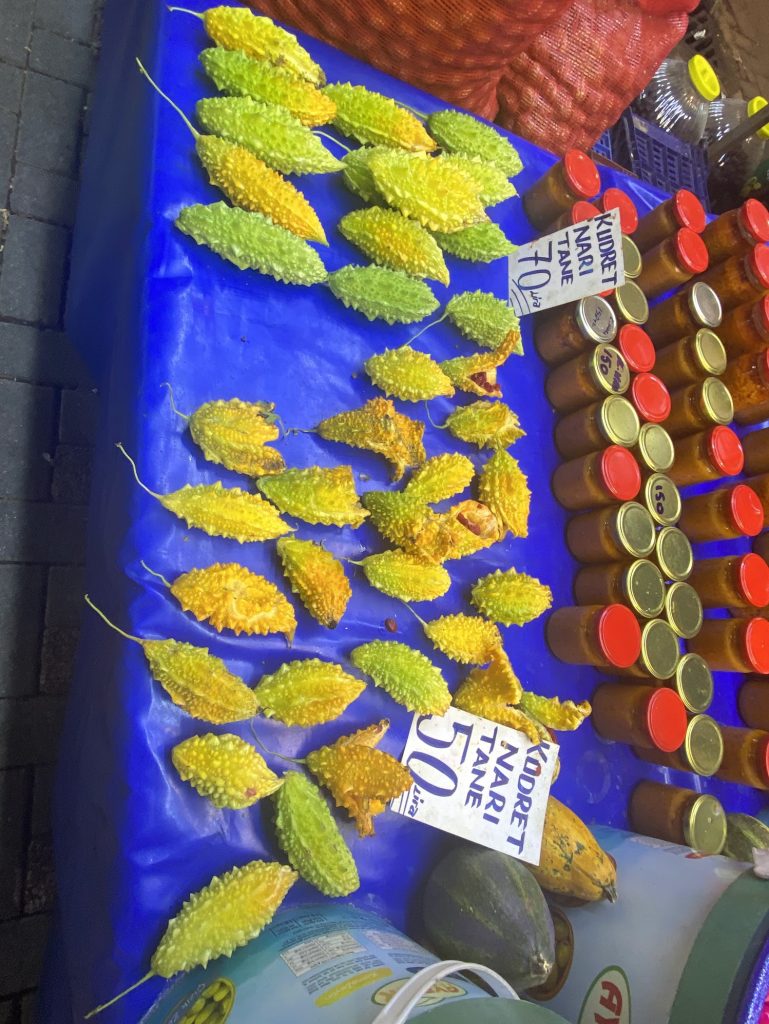
Istanbul is dangerously good for this. There is always another shop, market or little side street selling something you suddenly decide you absolutely need to take home. Turkish delight, tea, coffee, spices, ceramics, jewellery, scarves, lamps and souvenirs all somehow find their way into the luggage.
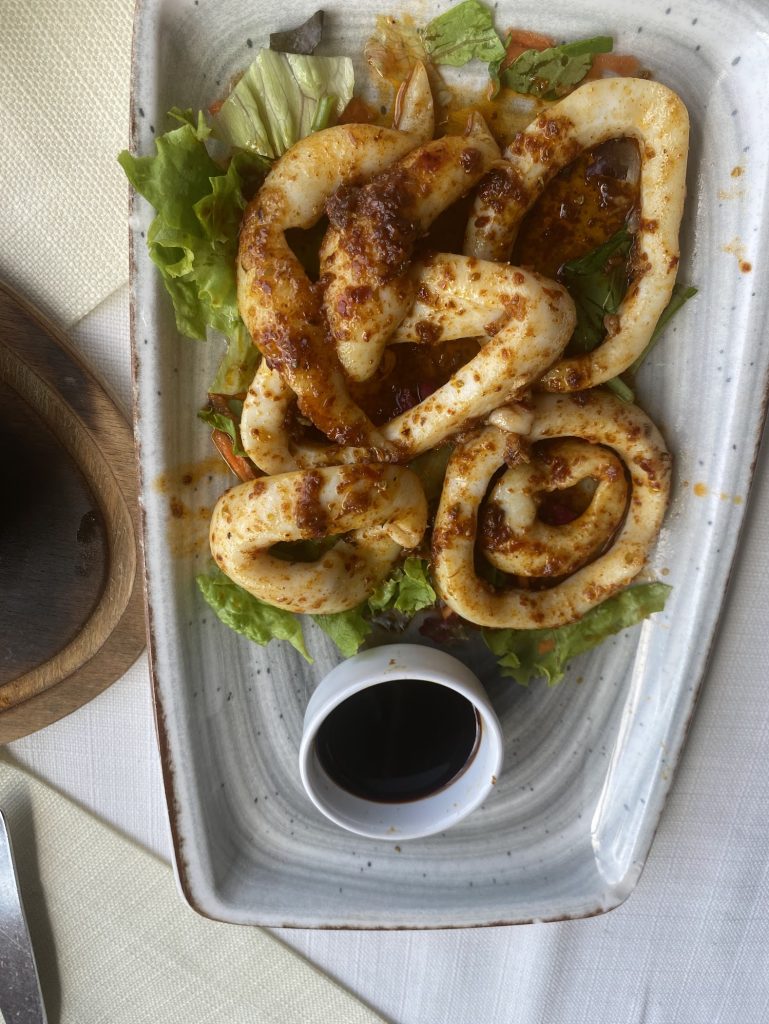
It was also a chance to enjoy some final meals, stop for another Turkish coffee or glass of tea, wander along the Bosphorus and soak up the organised chaos of Istanbul one last time.
After travelling through so many different parts of Türkiye—from Istanbul and Cappadocia to the Mediterranean coast, ancient ruins, small villages, Gallipoli and Bursa—it felt right to finish where we had started.
Those last couple of days weren’t really about sightseeing anymore. They were about enjoying Istanbul, doing a little shopping, eating well and taking in the city before it was finally time to say goodbye.
If Turkiye sounds like a destination that you would also love. Send me an enquiry now.