Peru – A country that has it all!
Visit Lima
Paracas: Where the dessert meets the sea
Lima: Cats, Catacombs, Ceviche and a Brilliant Start to Peru
Travelling on my own has become one of my favourite ways to see the world. It gives me the freedom to change plans, linger where I want, move on when I am ready and, unexpectedly, meet some wonderful people along the way.
Peru was no exception.
I travelled using a mix of Peru Hop and local buses, which gave me a good balance between convenience and independence. It also meant I could experience the country at a pace that suited me rather than being tied to a rigid tour schedule.
My first stop was Lima.
Miraflores and Kennedy Park
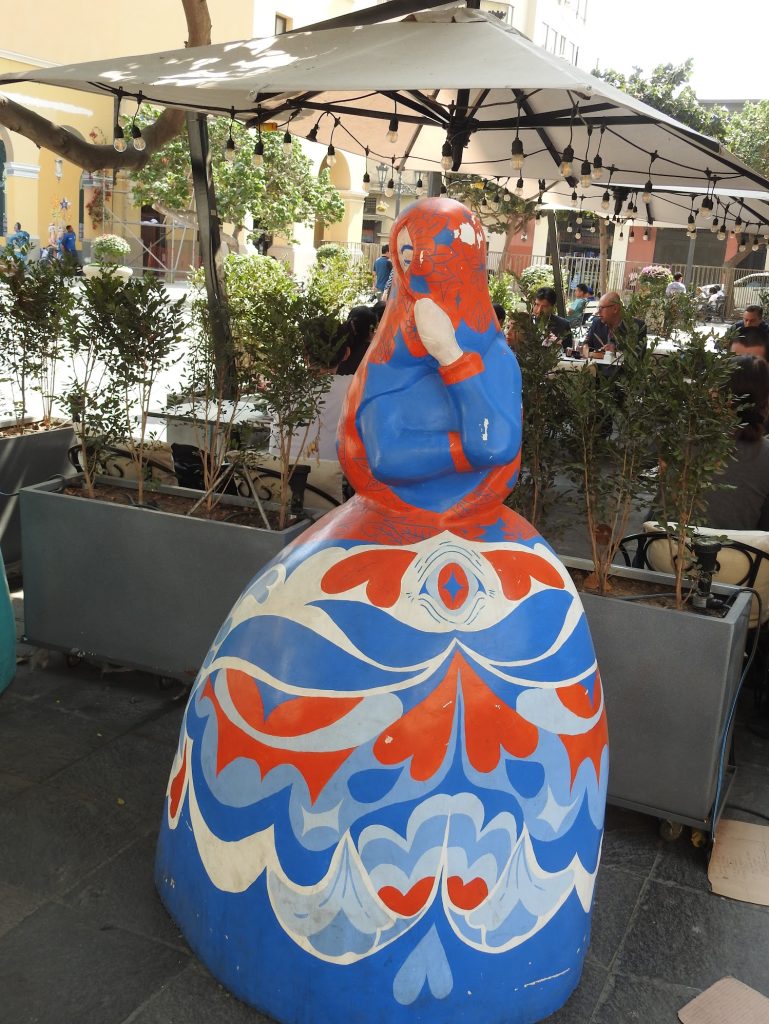
I based myself around Miraflores, one of Lima’s most popular areas for visitors. It is easy to walk, full of cafés and restaurants, and has a relaxed coastal feel.
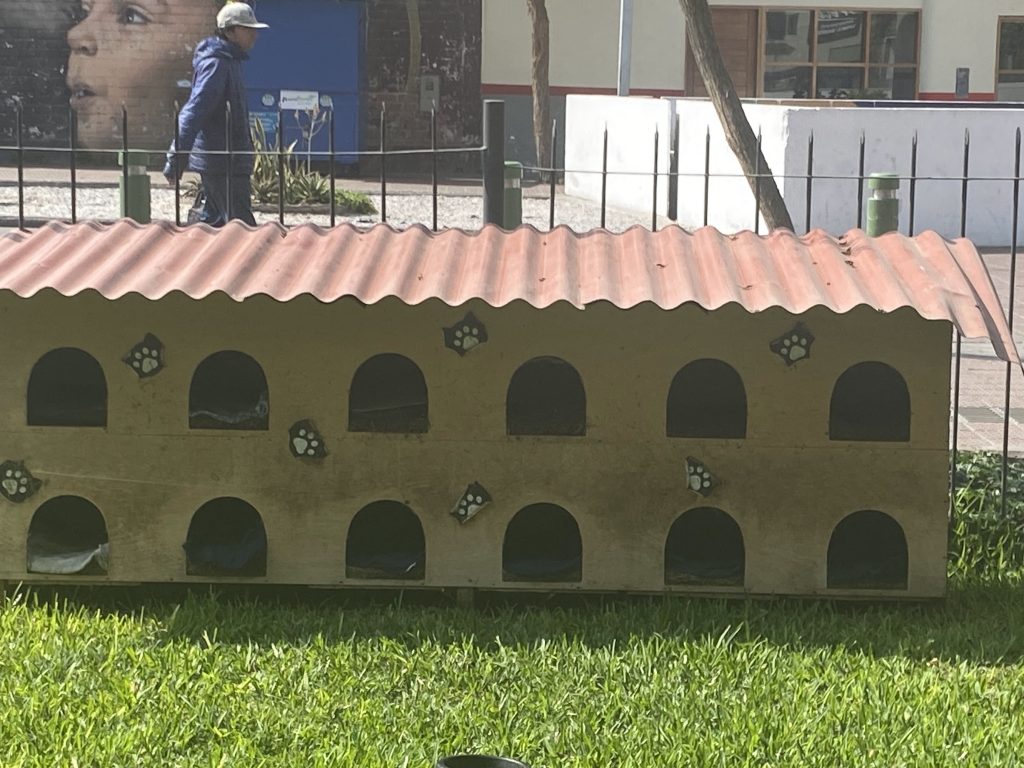
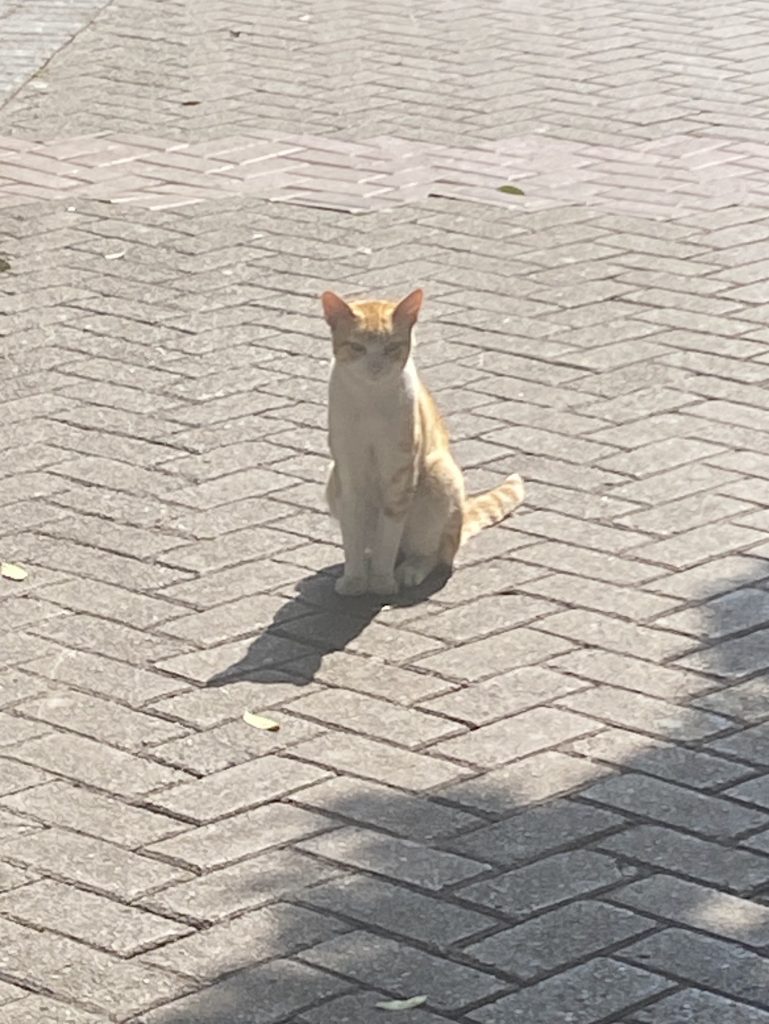
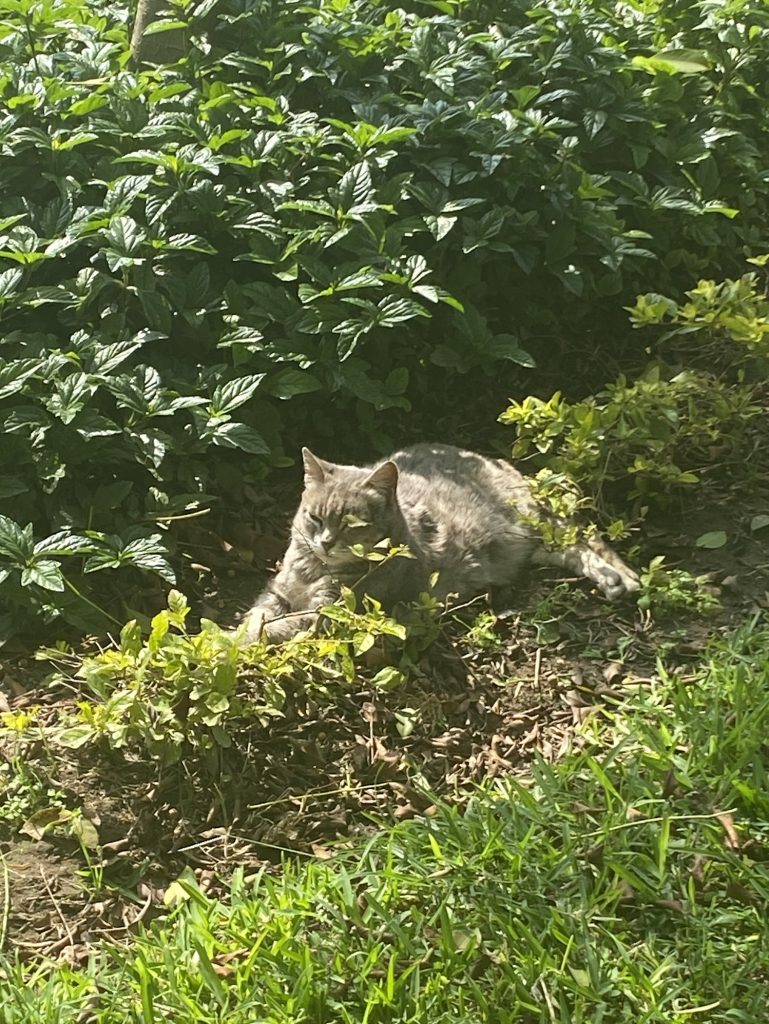
One of the first places I visited was Kennedy Park, famous for its resident cats.
There are cats everywhere.
They lounge under trees, stretch out on garden beds and wander around as if they own the place. For an animal lover, it is almost impossible to walk through without stopping every few metres.
It was an unexpectedly lovely introduction to Lima.
Parque del Amor and the Miraflores Coast
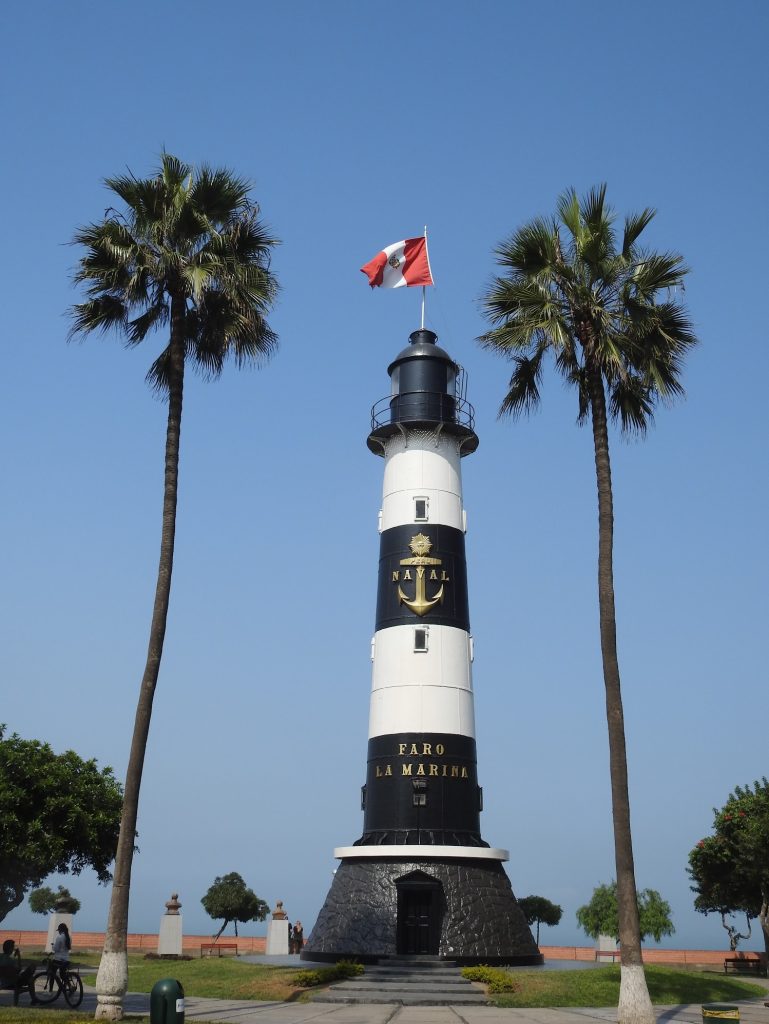
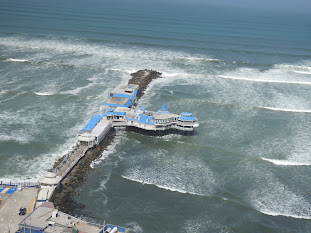
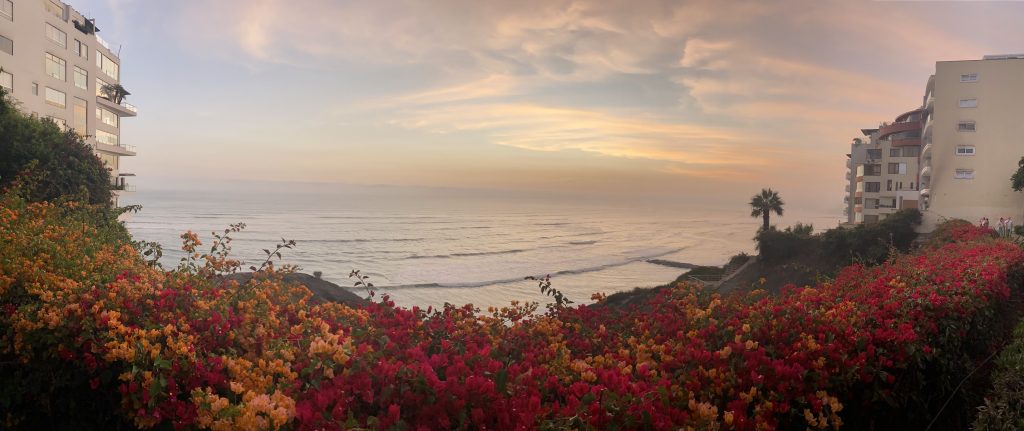
From Miraflores, it is easy to walk toward the cliffs overlooking the Pacific.
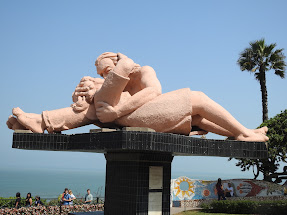
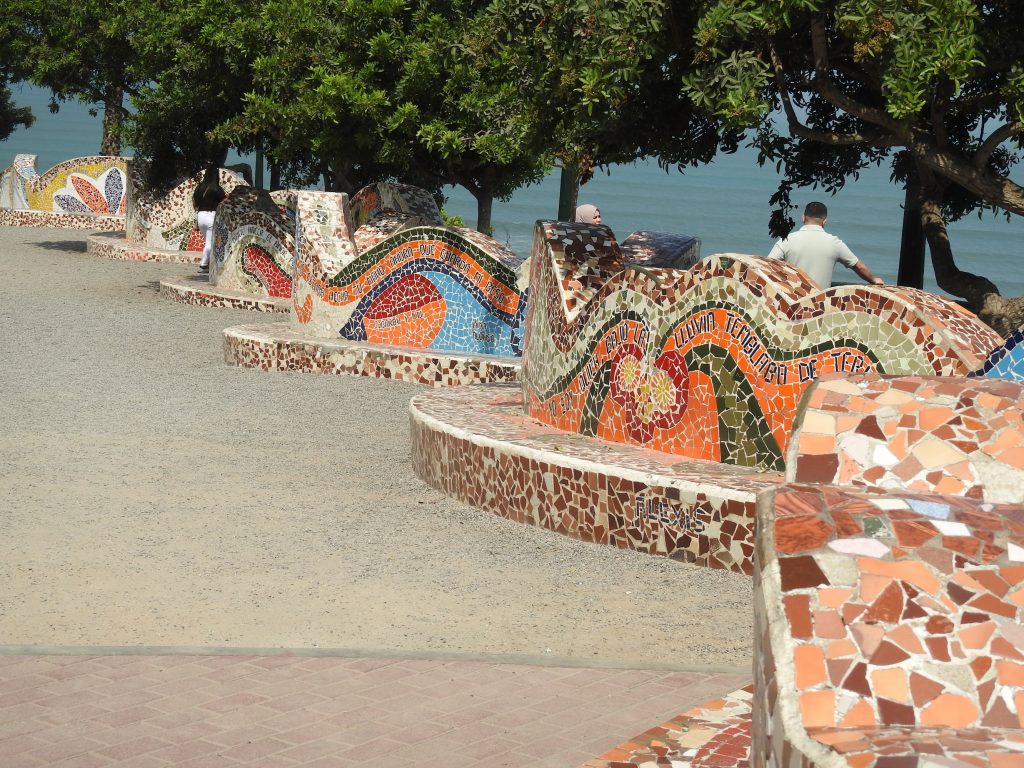
Parque del Amor, or the Park of Love, sits high above the coastline and is one of the prettiest places to stop for a while.
There are sweeping ocean views, colourful mosaic walls and plenty of people simply sitting and enjoying the scenery.
The coastline around Miraflores is one of those places where you can walk for ages without really noticing how far you have gone.
Barranco
From Miraflores, I also explored Barranco, which has a completely different atmosphere.
It feels more bohemian and artistic, with colourful buildings, cafés, street art and a more relaxed pace.
It is a great area to wander without a plan.
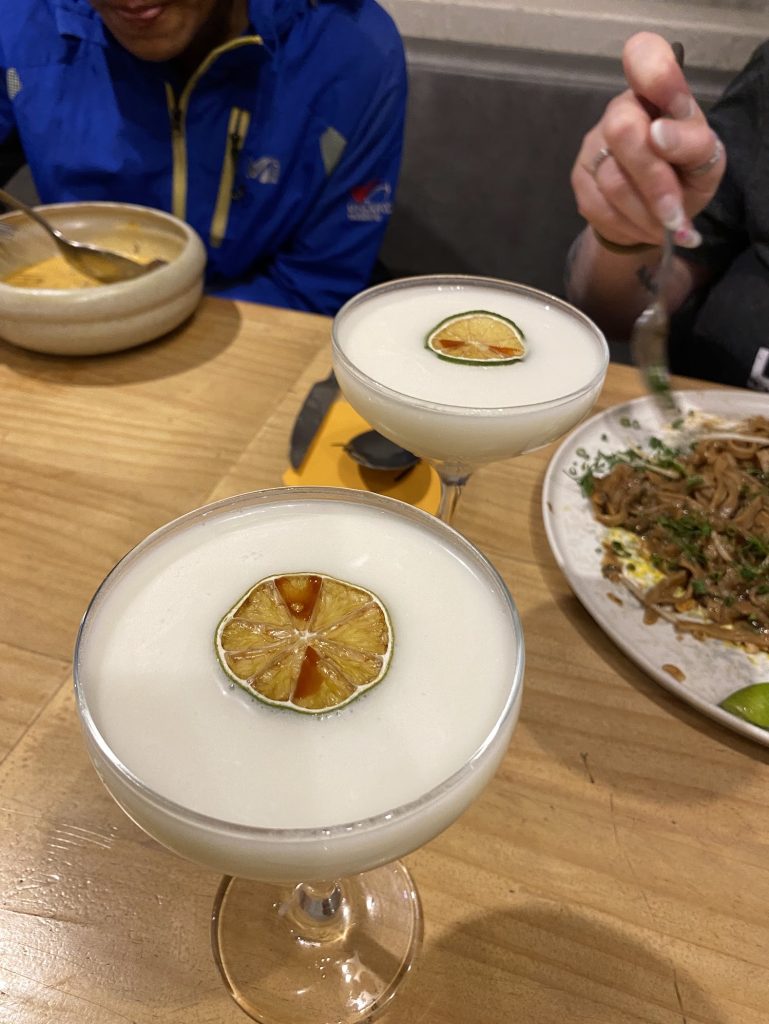
Sometimes those are the best travel days—the ones where you are not racing between major attractions and can simply explore whatever catches your eye. Had my first of many Pisco Sours!
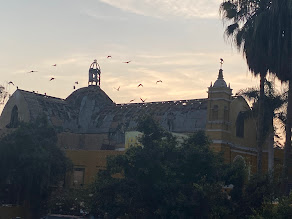
Centro Histórico and Plaza Mayor de Lima
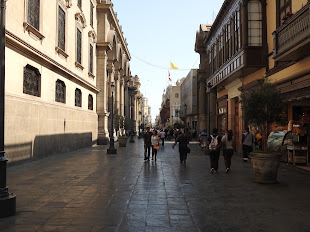
The historic centre of Lima is where the city’s colonial history really comes into focus.
I wandered through Plaza San Martín, then continued toward the Centro Histórico.
The architecture here is impressive, with grand buildings, churches and beautifully detailed balconies.
At Plaza Mayor de Lima, also known as the Plaza de Armas, you are surrounded by some of the city’s most important buildings, including the cathedral and government buildings.
The City Hall and surrounding colonial architecture make this one of those places where you need to slow down and look up.
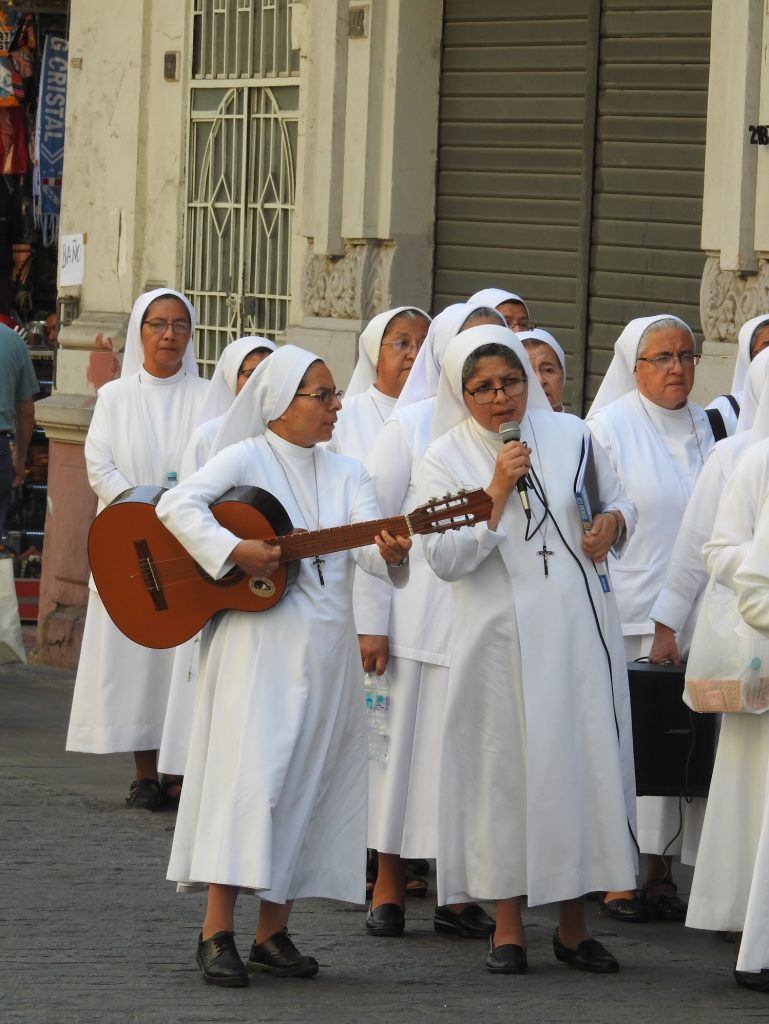
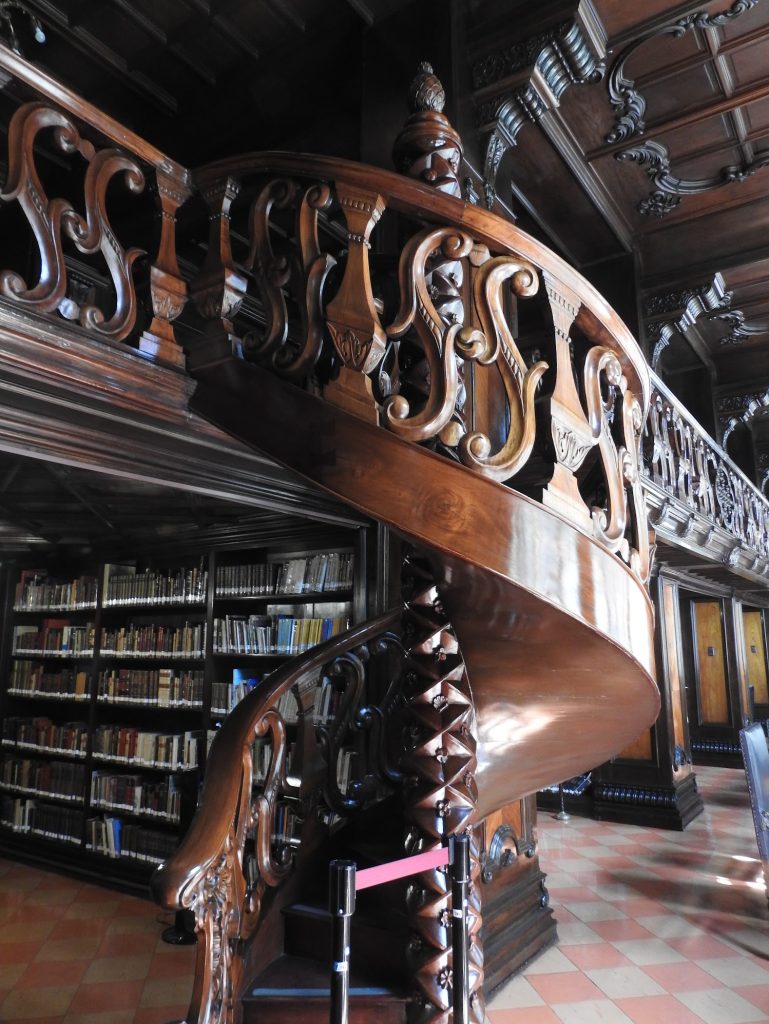
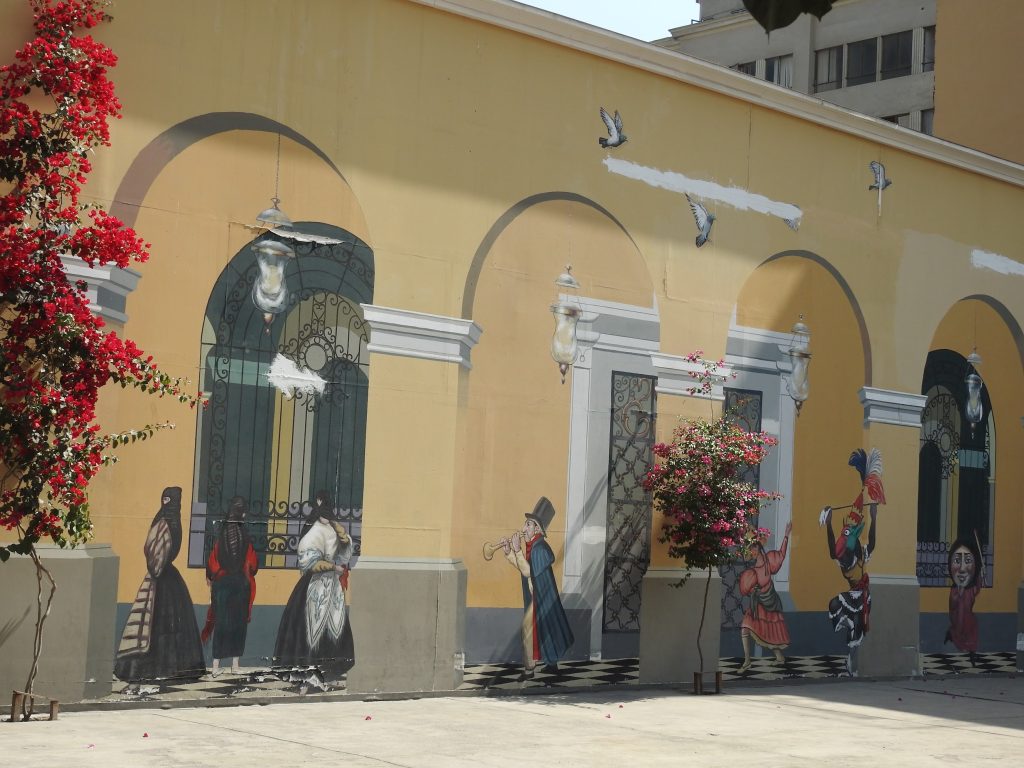
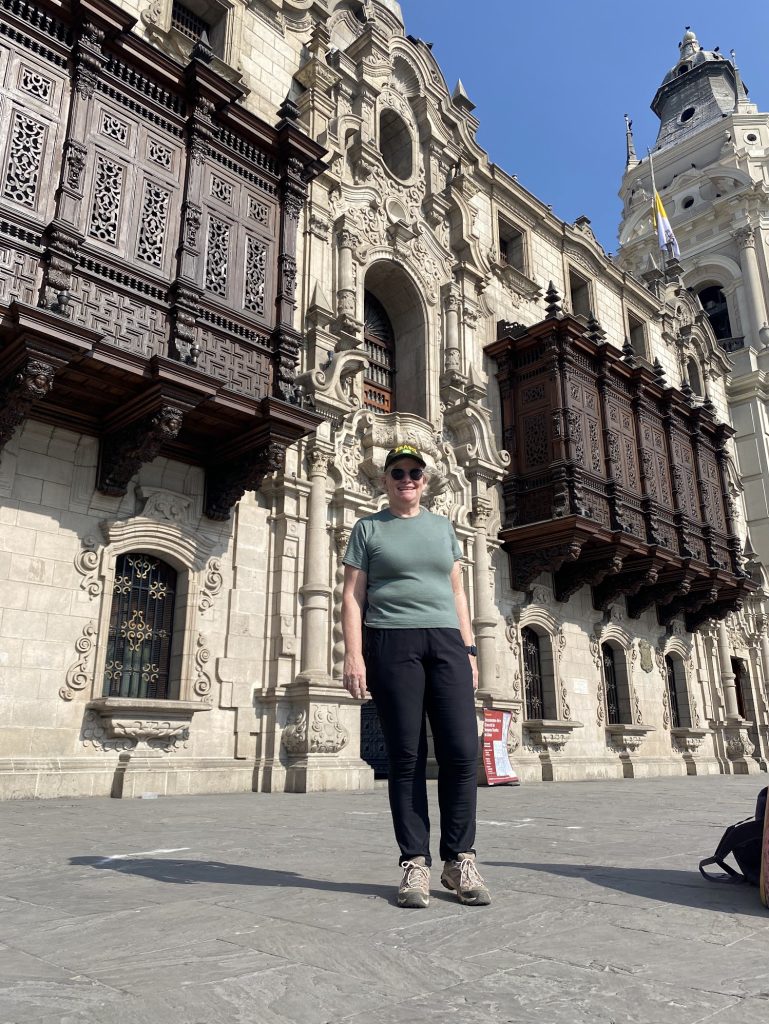
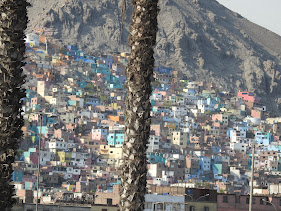
Lima Cathedral
The cathedrals and churches throughout central Lima add another layer to the city.
They are ornate, imposing and filled with history.
Even if you are not particularly religious, the scale and craftsmanship are worth seeing.
[PHOTO SPAE]
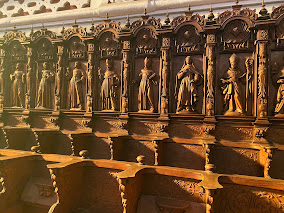
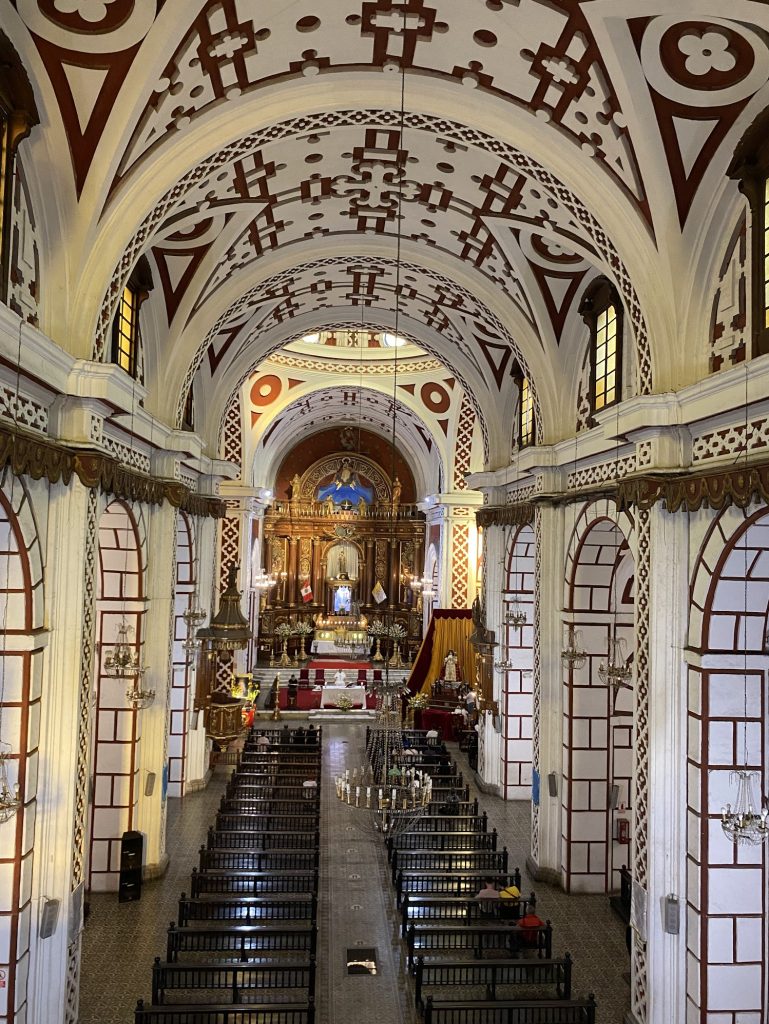
San Francisco Monastery and the Catacombs
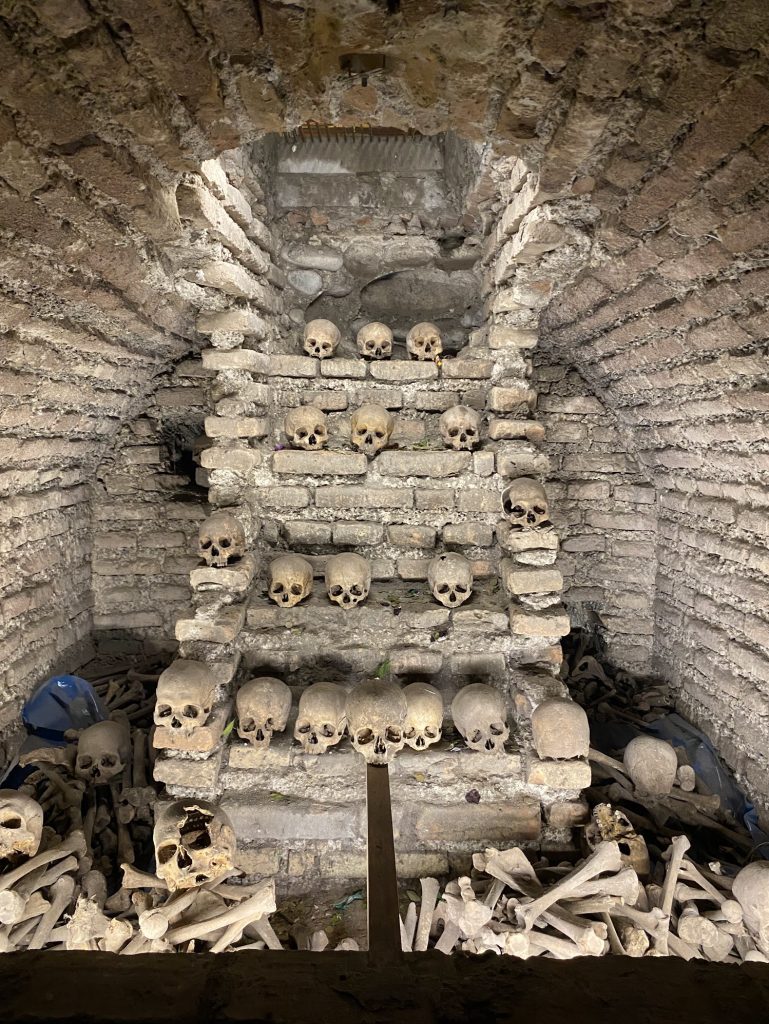
One of the most memorable places I visited was the Museo del Convento de San Francisco y Catacumbas.
Above ground, the monastery is beautiful, but beneath it is something very different.
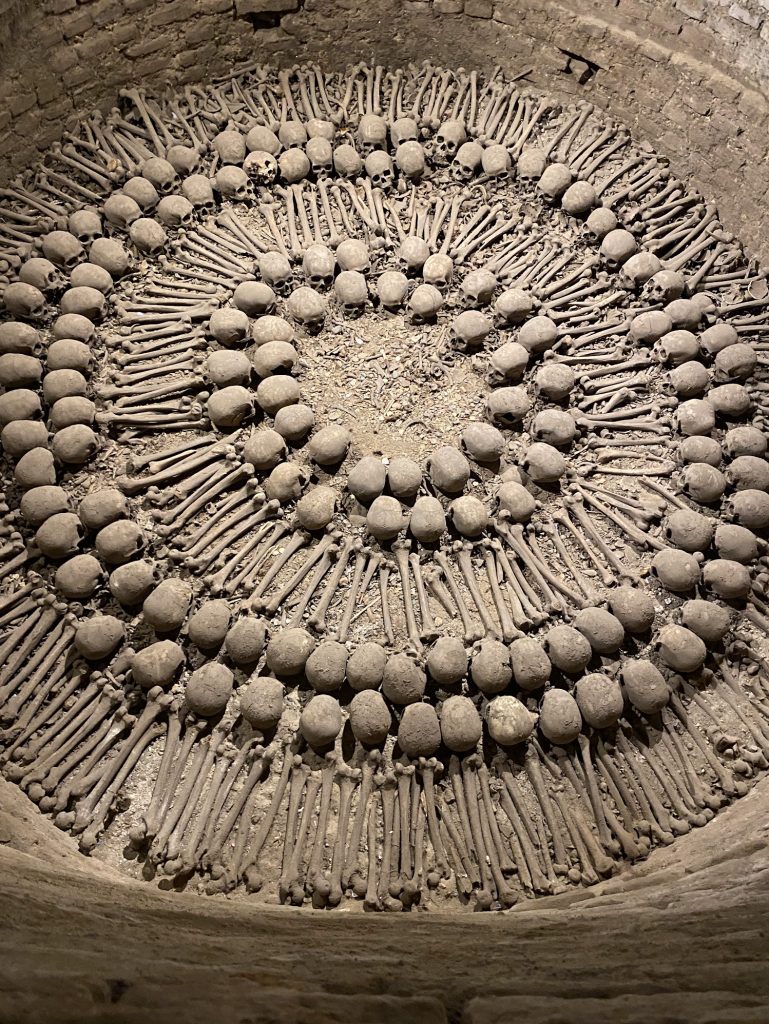
The catacombs contain the remains of thousands of people, with bones and skulls arranged in underground chambers beneath the monastery.
It is fascinating, eerie and slightly confronting.
Definitely not your standard museum visit.
Huaca Pucllana
One of the things I liked most about Lima was the way ancient history sits right beside modern city life.
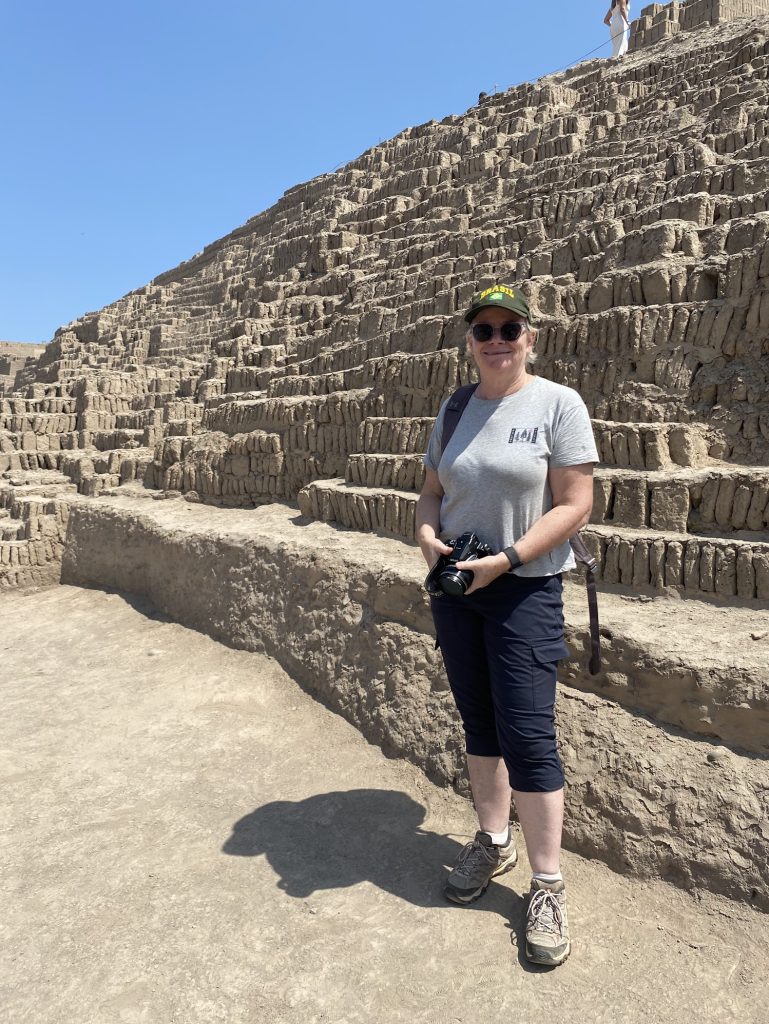
Huaca Pucllana is a perfect example.
This enormous archaeological site sits right in the middle of Miraflores, surrounded by apartment buildings and busy streets.
Seeing an ancient ceremonial complex rising from the middle of a modern neighbourhood is quite extraordinary.
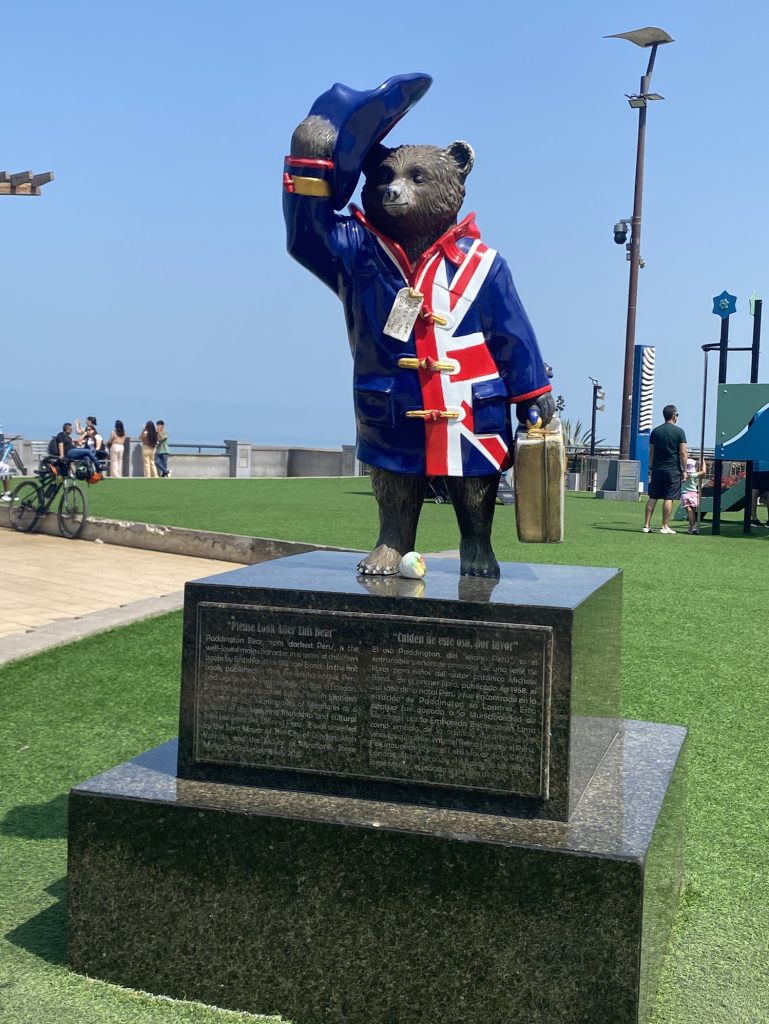
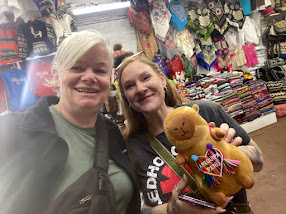
Paddington Bear in Peru
There was also a little unexpected connection to home.
Paddington Bear, famously described as coming from “darkest Peru,” makes an appearance in Lima.
Finding him was one of those fun, slightly silly travel moments that breaks up all the serious sightseeing.
And yes, a photo was necessary.
[PHOTOSPACE
Eating Lima: Ceviche and Peruvian Donuts
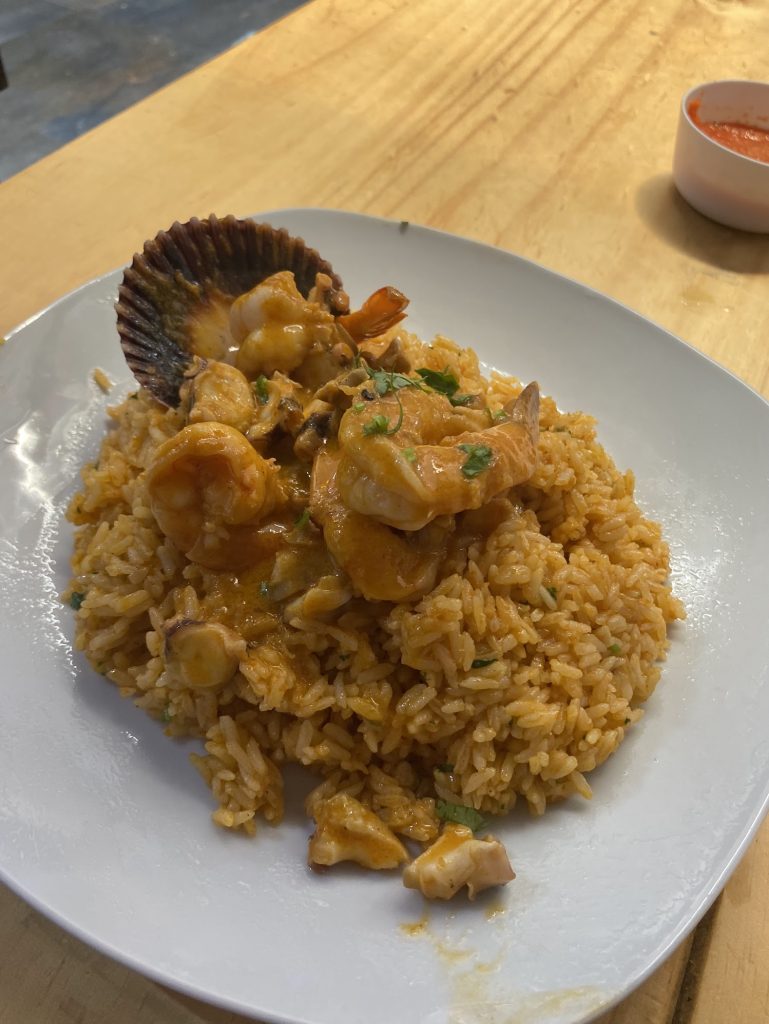
Peru is famous for its food, and Lima is a very good place to start eating your way through the country.
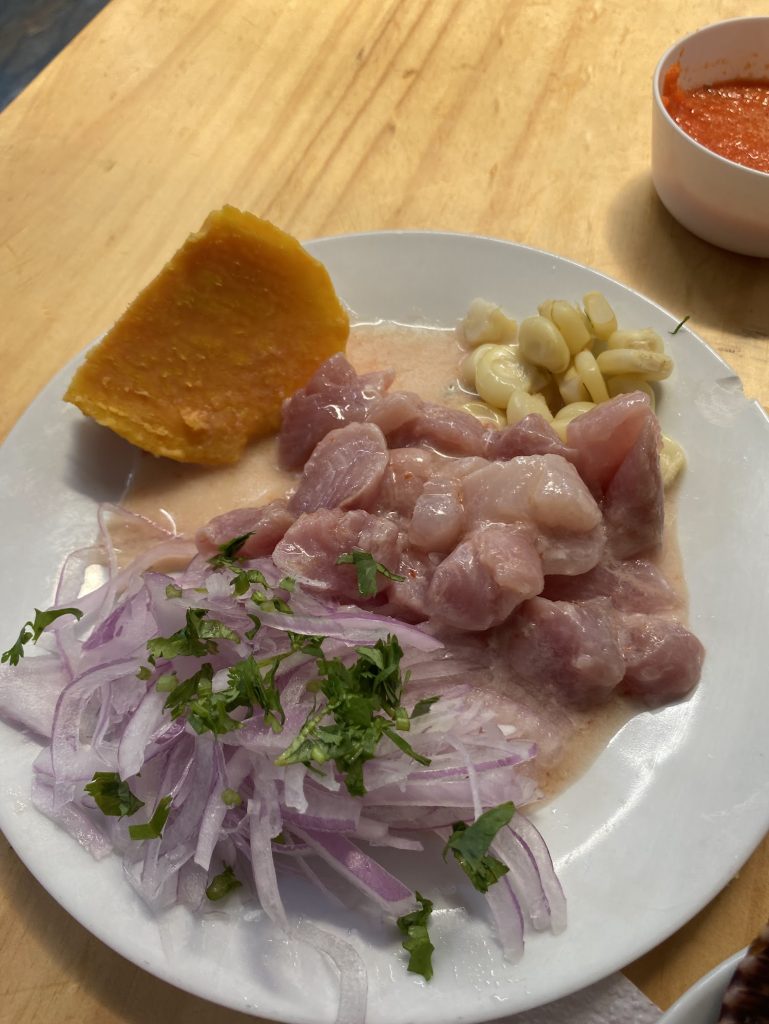
Naturally, I had to try ceviche.
Fresh fish, citrus, chilli and all those sharp, bright flavours make it one of those dishes that feels completely right when you are sitting near the Pacific.
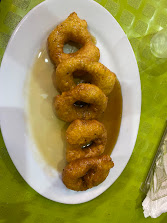
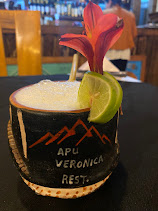
I also discovered Peruvian donuts, which were far too easy to keep eating and Inca Kola that tastes like yellow creaming soda.
Travel research is important.
So is dessert research.
The Water and Light Show
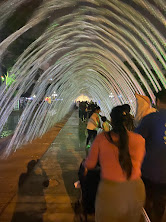
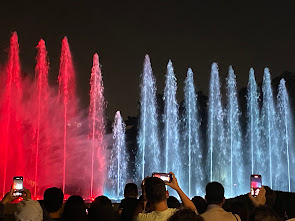
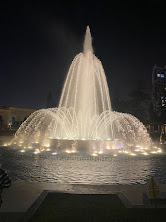
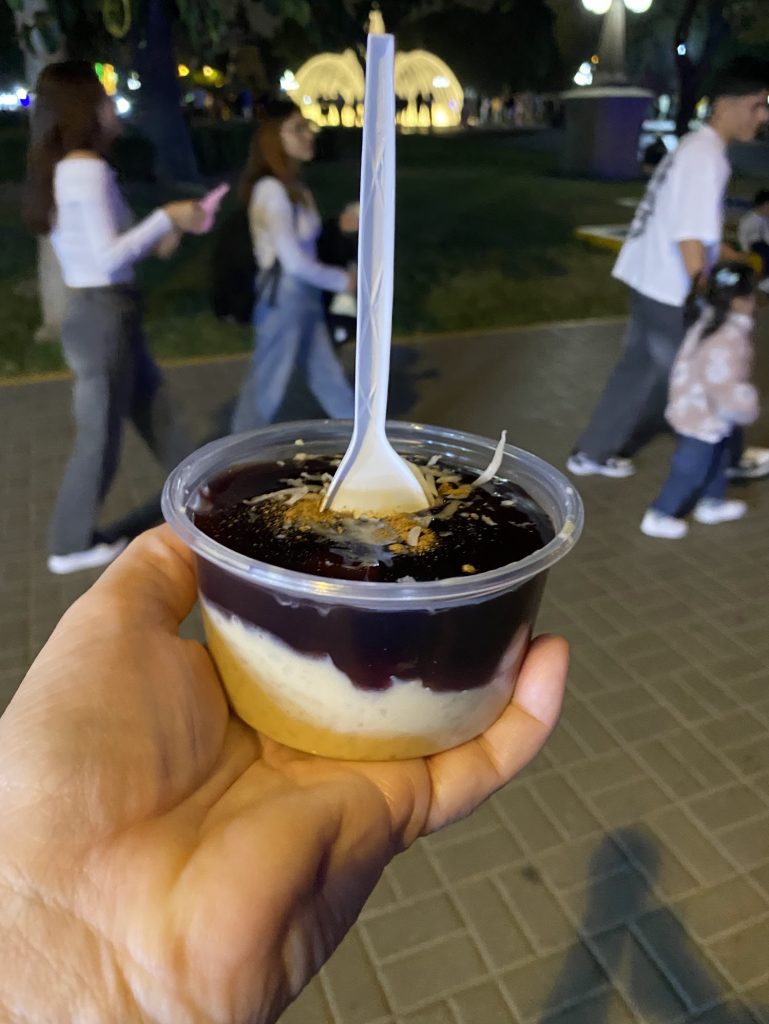
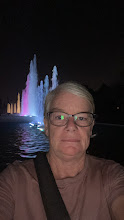
One evening I visited Lima’s water and light show. It happened to be the same night as a major band was playing so it was pretty busy. Lots of people around but lots of places to get a snack. I opted for desert for dinner because…why not?
After a day of colonial architecture, archaeological sites and catacombs, it was something completely different.
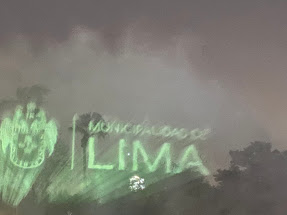
Huge fountains are illuminated with coloured lights, music and projections, transforming the park after dark.
It is colourful, theatrical and a fun way to finish an evening in the city.
Lima as a Solo Traveller
Lima turned out to be an excellent place to begin my journey through Peru.
It gave me history, food, coastline, archaeology, colourful neighbourhoods and plenty of opportunities simply to walk and explore.
Travelling alone did not mean being lonely.
Between buses, tours, hotels, cafés and sightseeing, I met some great people along the way while still having the freedom to make the trip entirely my own.
And that, for me, is one of the best things about solo travel.
You can spend the morning wandering through cat-filled parks, the afternoon exploring ancient ruins, eat ceviche for dinner and finish the night watching illuminated fountains dance across the sky.
Not a bad first stop. Want more information?
Paracas: Where the dessert and sea collide
Paracas: Wildlife, Desert Adventures and a Wild Pacific Coast
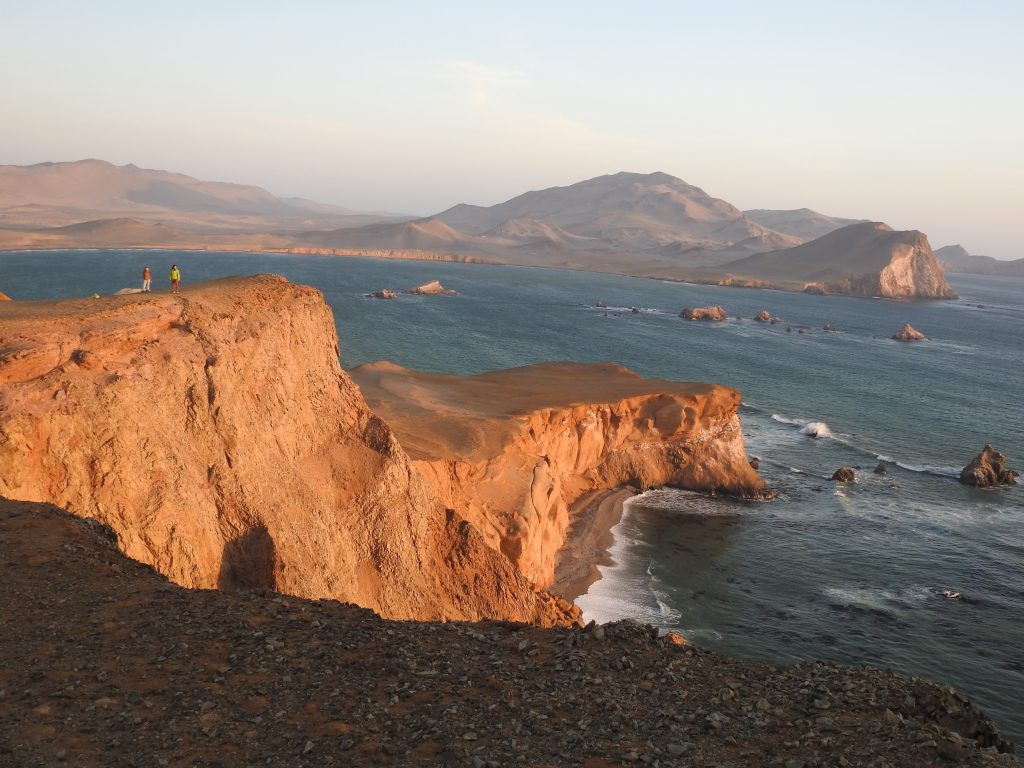
After Lima, Paracas felt completely different. The city gave way to open desert, dramatic coastline and the kind of landscape that makes you want to keep stopping for photos.
It is a place where the Pacific Ocean meets the desert, and that contrast is what makes Paracas so memorable.
Boat Trip to the Ballestas Islands
One of the highlights was heading out by boat to see the wildlife around the Ballestas Islands.
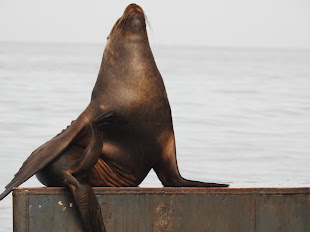
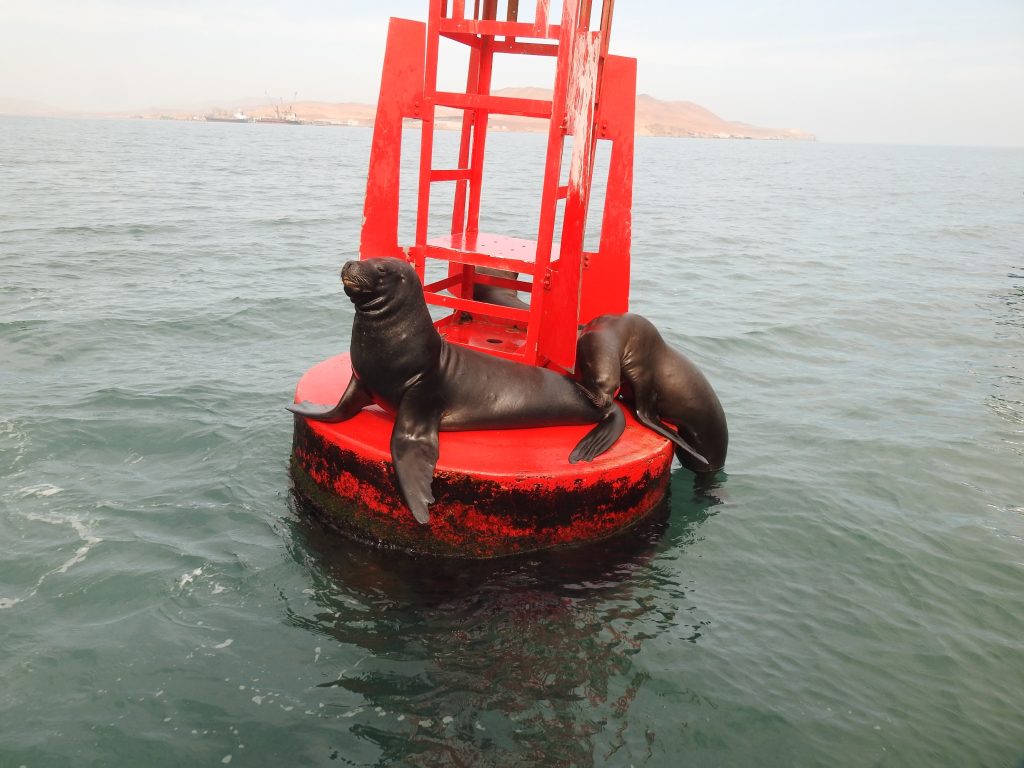
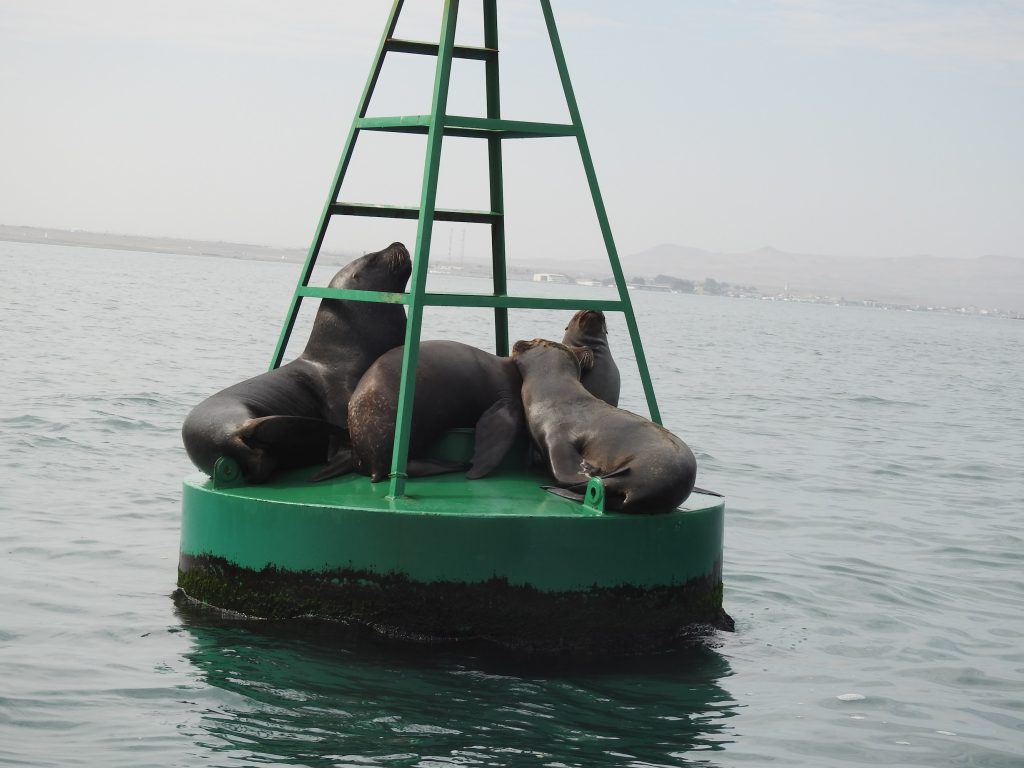
The cliffs and rocky outcrops are alive with birds, and the boat trip gives you a close look at sea lions, seabirds and penguins in their natural environment.
The sea lions were impossible not to watch. Some were stretched out across the rocks doing absolutely nothing, while others were noisy, energetic and clearly enjoying the attention.
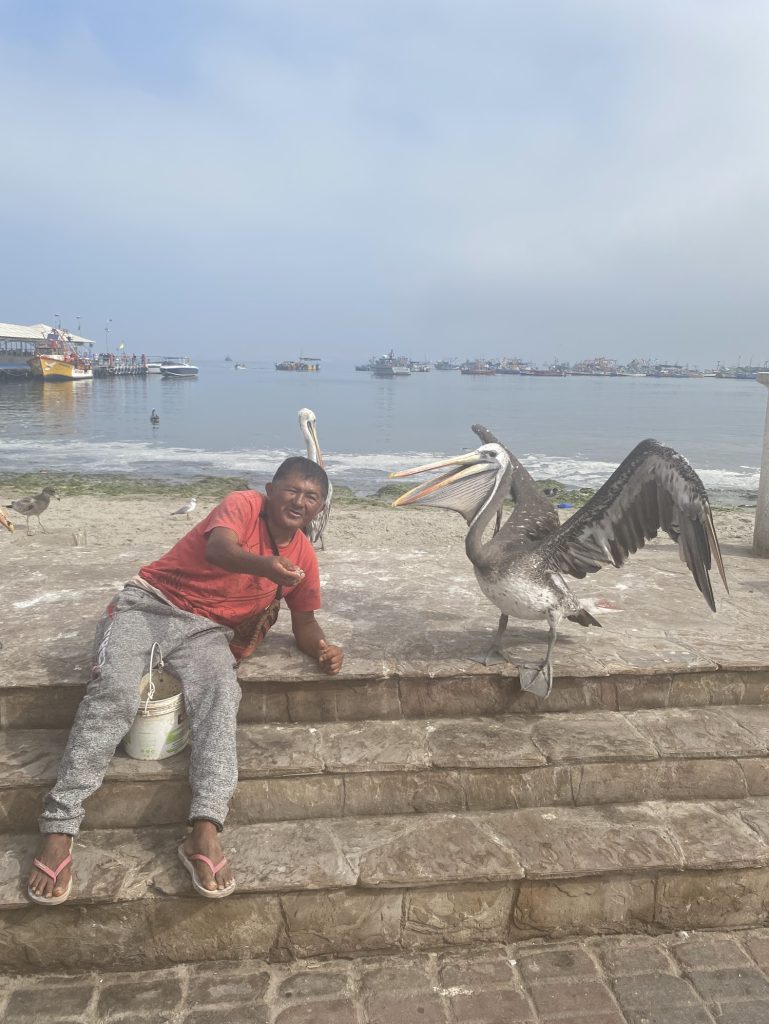
There were plenty of local characters on and around the boats too, which made the whole experience feel less polished and more real.
The Cathedral and the Coastal Cliffs
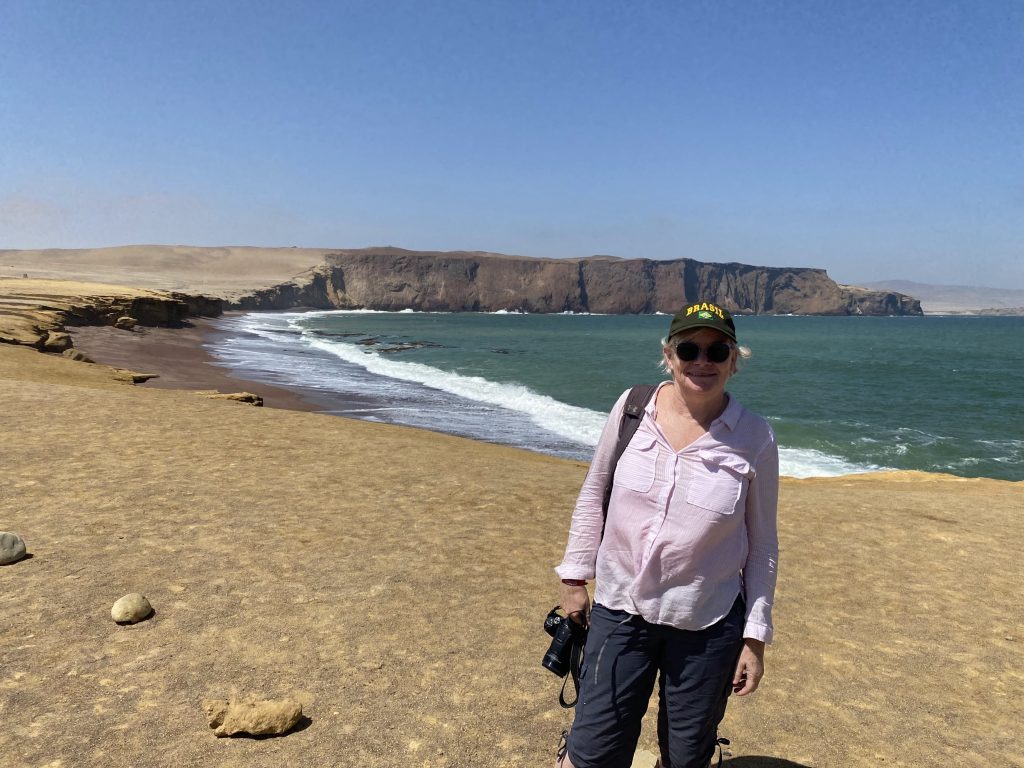
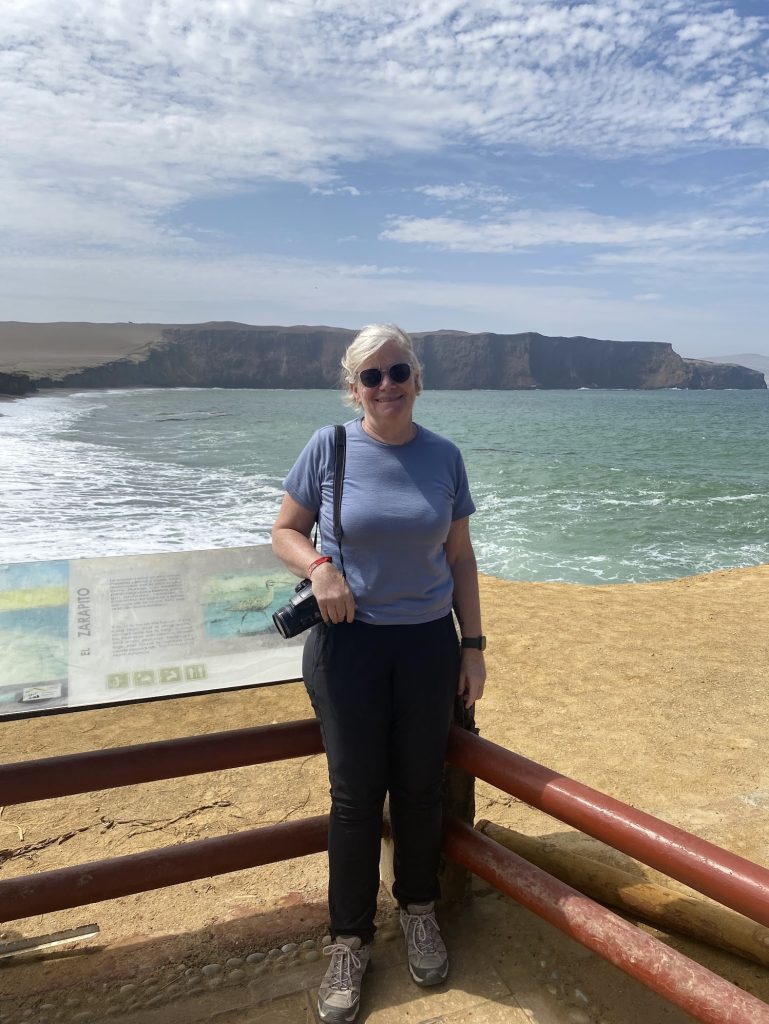
Paracas is also known for its extraordinary coastal formations.
The famous Cathedral, a natural rock formation on the coastline, is part of a broader landscape of cliffs, beaches and desert meeting the sea.
Even where erosion and time have changed the formations, the coastline itself remains spectacular.
It is rugged, windswept and very different from the greener landscapes many people associate with South America.
Kayaking the Coast
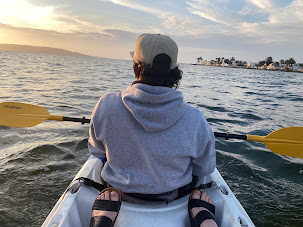
Kayaking was a much quieter way to experience Paracas.
After the noise and movement of the boat trip, paddling along the water gave me the chance to slow down and take in the coastline from a completely different perspective.
There is something particularly peaceful about being close to the water, with the desert behind you and seabirds moving overhead.
Dune Buggies and Desert Adventure
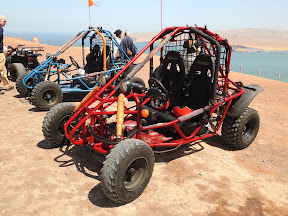
Then came the complete opposite of peaceful.
Dune buggies.
Flying across the desert dunes in a buggy is one of those experiences that is equal parts exhilarating and slightly ridiculous.
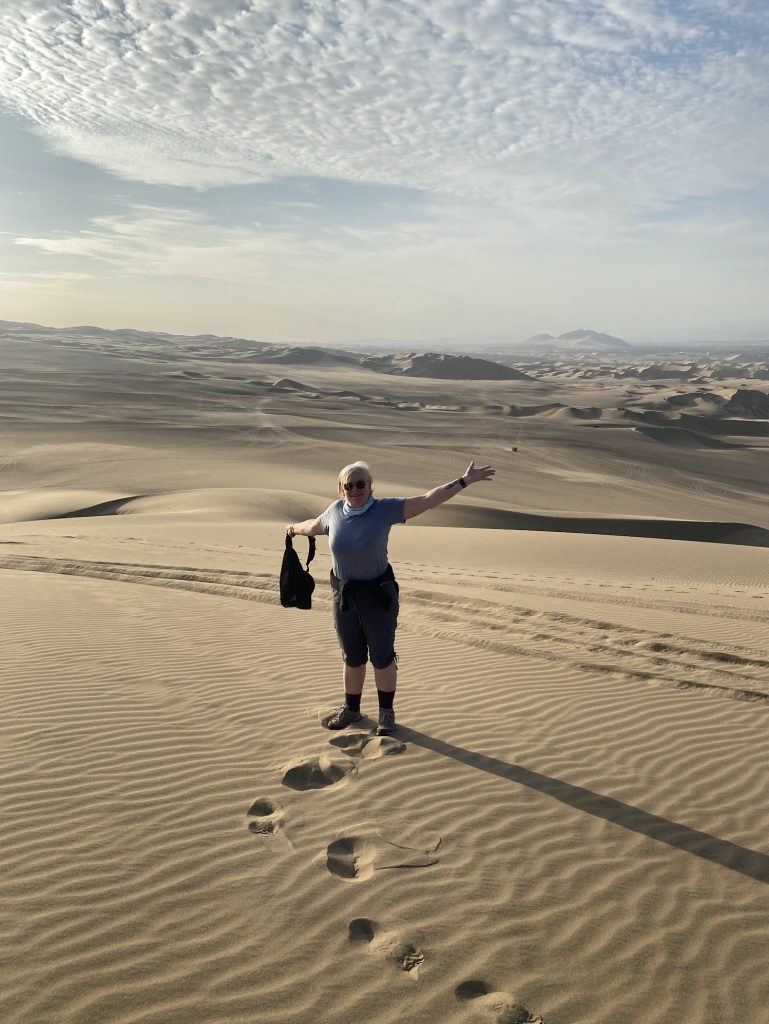
The dunes seem endless, and the views from the higher points are incredible.
It is a reminder that Paracas is not just a coastal destination. The desert is every bit as much a part of the experience as the ocean.
A Coastline Worth Exploring
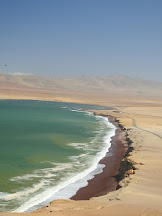
The coastline around Paracas is stunning.
There are sweeping views, cliffs, beaches and vast empty stretches where the desert seems to run straight into the Pacific.
It feels raw and open, and that is part of the appeal.
There are moments where you simply stand and look because there is not much else to do.
And sometimes that is exactly what travel should be.
Seafood by the Sea
Of course, being beside the Pacific means seafood.
Paracas was one of those places where sitting down to a plate of fresh seafood with a view of the water just made sense.
After a day of boats, wildlife, kayaking and dunes, good seafood and a cold drink were very easy to appreciate.
Paracas was a great contrast to Lima.
In a relatively small area, I could see penguins and sea lions, paddle along the coast, race across desert dunes and finish the day eating seafood beside the ocean.
It had wildlife, adventure and some of the most dramatic scenery of the trip so far.
And that combination of desert and sea made it feel unlike anywhere else I had been.
Huacachina: The Oasis I Nearly Skipped
I almost gave Huacachina a miss.
From the photos, I had assumed it was mainly a place for backpackers in their twenties—sandboards, dune buggies, loud hostels and late nights. Not really my scene, I thought.
I was wrong.
I had an absolute blast.
A Desert Oasis Surrounded by Giant Dunes
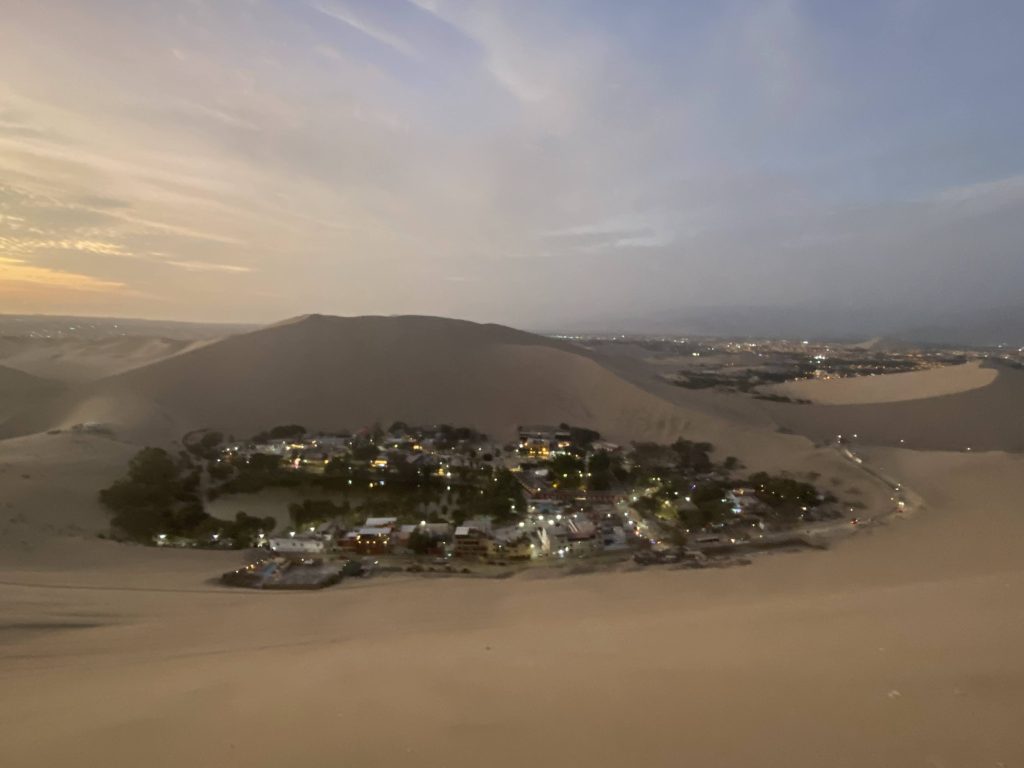
Huacachina is one of those places that hardly looks real.
A small oasis sits in the middle of enormous golden sand dunes, with hotels, restaurants and bars clustered around the lagoon.
It is compact, lively and very social.
You can walk around the oasis in no time, but the real adventure starts once you head up into the dunes.
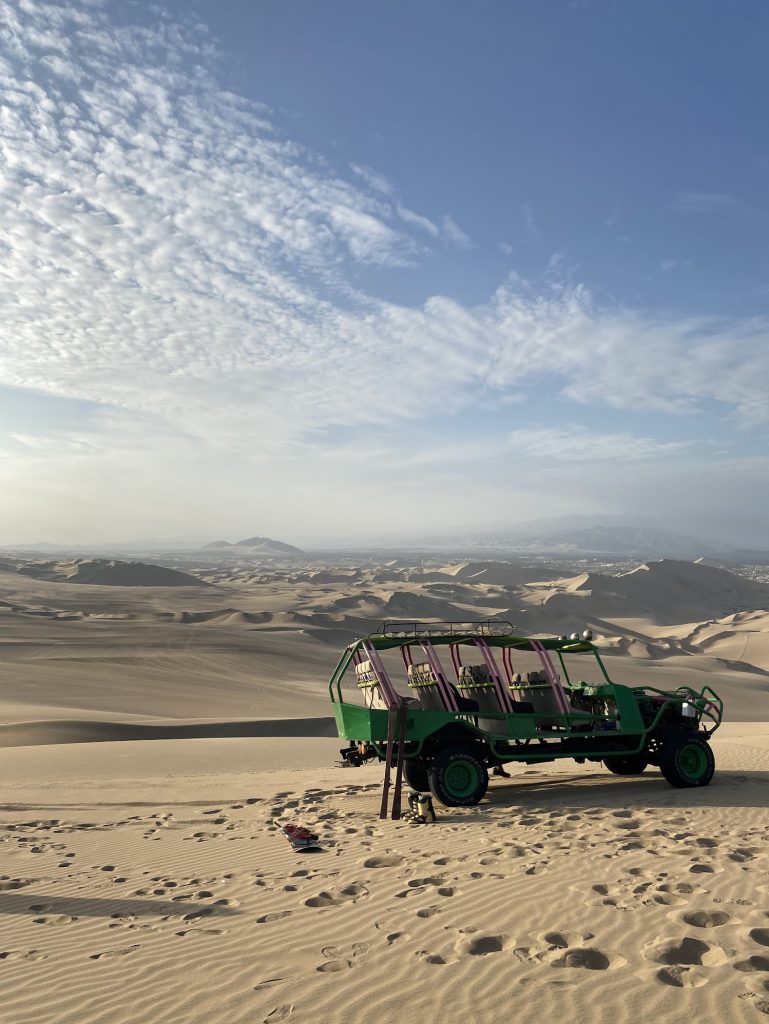
Dune Buggies: Much Faster Than Expected
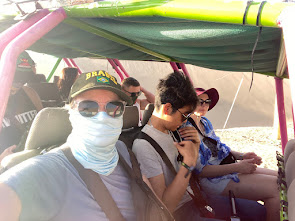
The dune buggy ride was completely wild.
These things do not gently potter over the sand.
They roar.
One minute you are climbing a dune thinking the driver will surely slow down, and the next you are hurtling over the other side with your stomach somewhere behind you.
It was terrifying, hilarious and far more fun than I expected.
Sandboarding: A Questionable Life Choice
Then came sandboarding.
Again, I had underestimated what this would involve.
Standing at the top of a steep dune and looking down, I suddenly became very aware that sand is not actually soft when you are travelling down it at speed.
There was definitely a moment of wondering why I had agreed to this.
But once I started, there was no going back.
Equal parts terrifying and exhilarating, it ended up being one of those travel experiences I was very glad I had not talked myself out of.
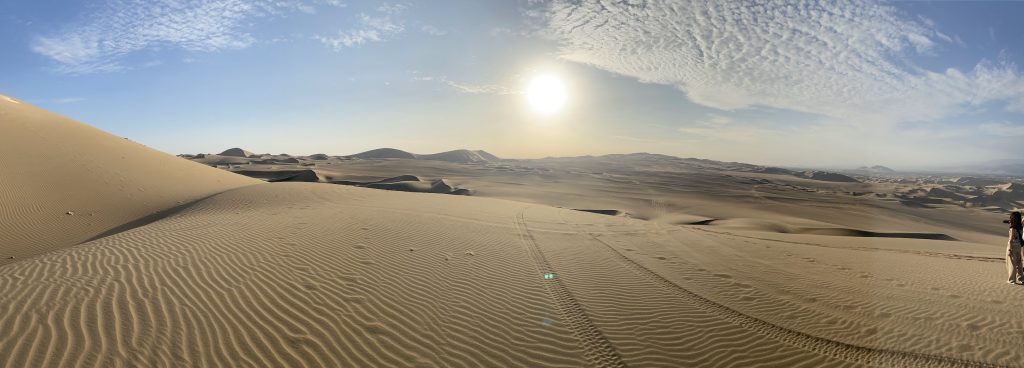
More Than Just an Adventure Stop
What surprised me most about Huacachina was how much I enjoyed simply being there.
There are loads of restaurants and bars, and because the town is so small, travellers constantly cross paths.
It is a brilliant place to meet people.
Over meals and drinks, conversations quickly turn into swapping stories about where you have been, where you are going next and which places are worth adding to the itinerary.
Solo travel seems to work like that.
You may arrive somewhere alone, but you rarely stay socially alone for very long.
Cañón de los Perdidos: The Lost Canyon
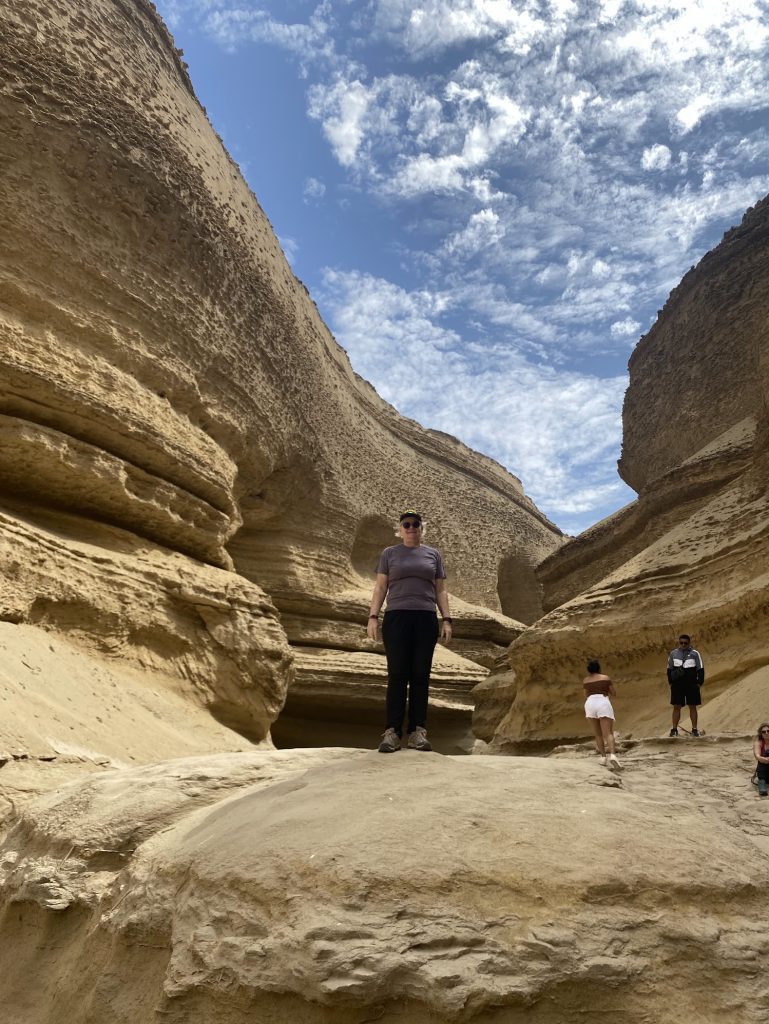
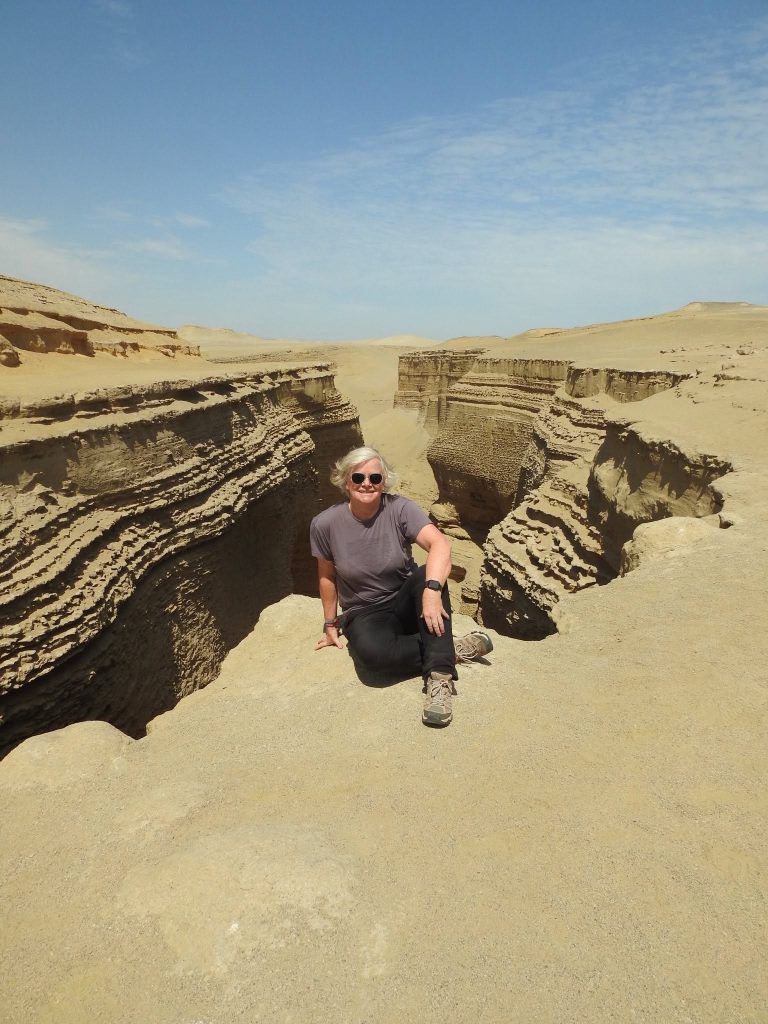
From Huacachina, I also took a side trip to Cañón de los Perdidos, or the Lost Canyon.
This was completely different from the oasis.
The landscape felt vast, isolated and almost otherworldly.
Huge rock walls rise from the desert, shaped by erosion into a dramatic canyon that seems to appear from nowhere.
Walking through it was breathtaking.
It had none of the energy or noise of the dune buggies. Instead, it was quiet, stark and beautiful—the kind of place that makes you stop talking for a while and simply take it in.
Glad I Didn’t Skip It
Huacachina taught me a useful travel lesson.
It is easy to look at a destination and decide it is “not for me” before actually experiencing it.
I nearly did exactly that.
Instead, I ended up racing across enormous dunes in a buggy, terrifying myself on a sandboard, meeting fellow travellers over drinks and exploring one of the most dramatic desert canyons I had seen.
Sometimes the places you almost leave off the itinerary turn out to be the ones you remember most.
Nazca: Ancient Lines, Desert History and One Very Awkward Dinner
Nazca was one of those stops that managed to be fascinating, slightly chaotic and very funny all at once. Of the people I spoke to whilst in Peru, many had skipped Nazca. The town itself isn’t much of a holiday destination but the lines, the ancient settlements and mummified remains are all worth a stop.
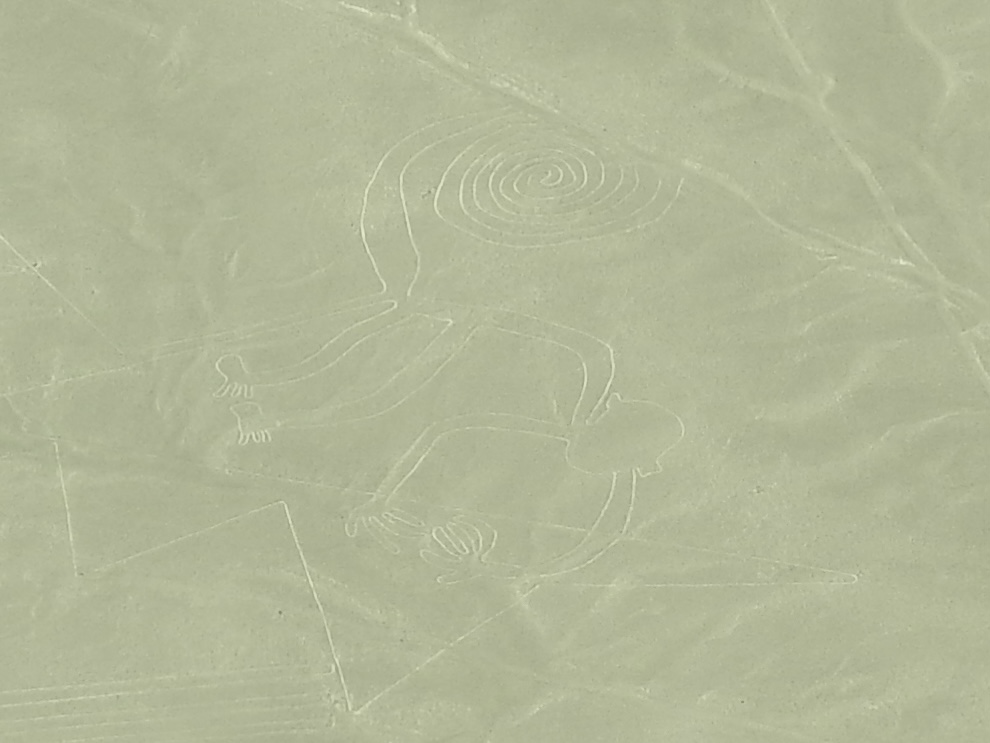
The main reason for coming was obvious: the Nazca Lines.
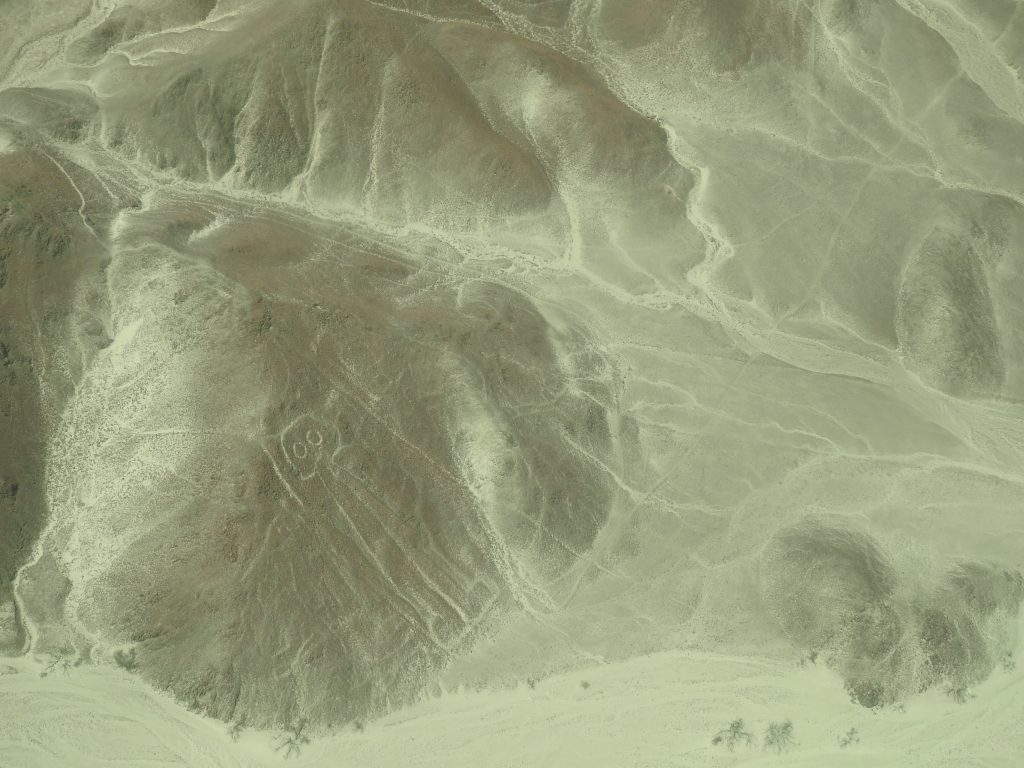
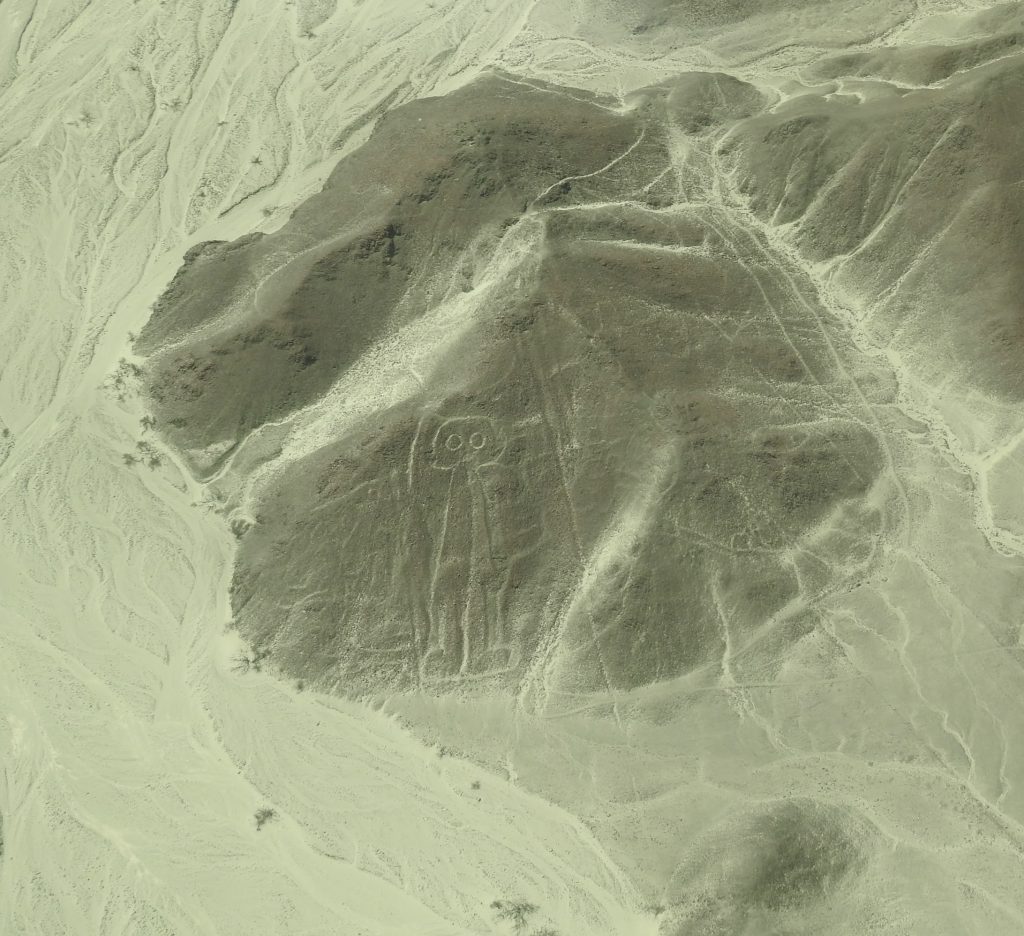
Seeing them from the air is the best way to appreciate just how strange and impressive they are.
Flying Over the Nazca Lines
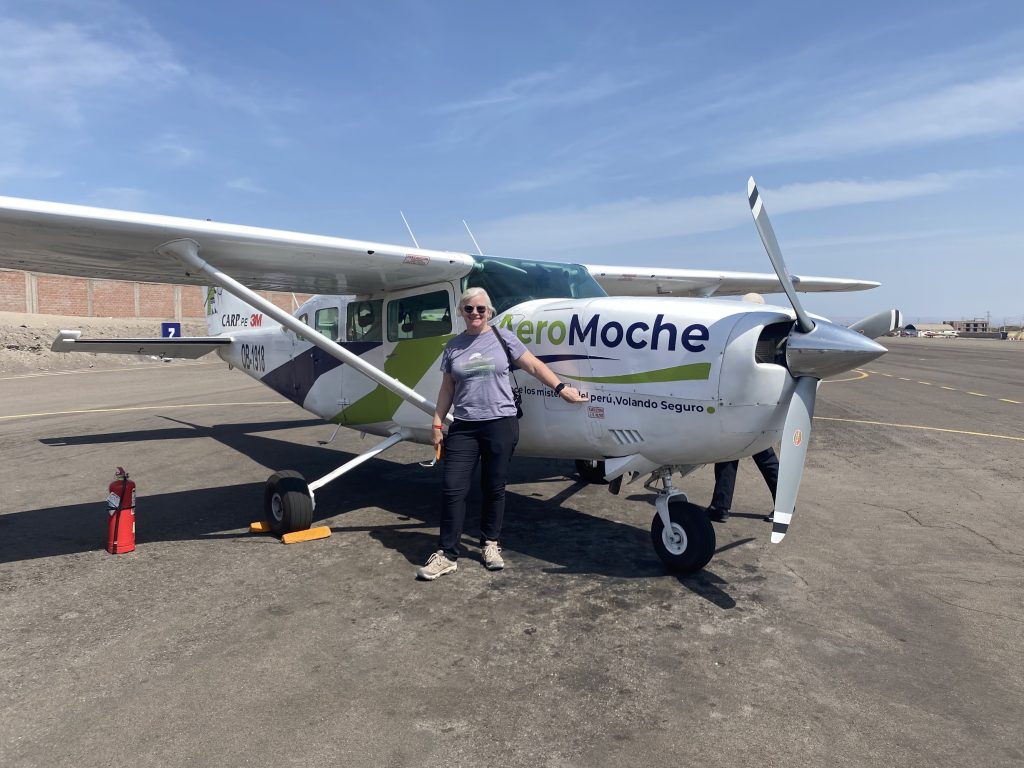
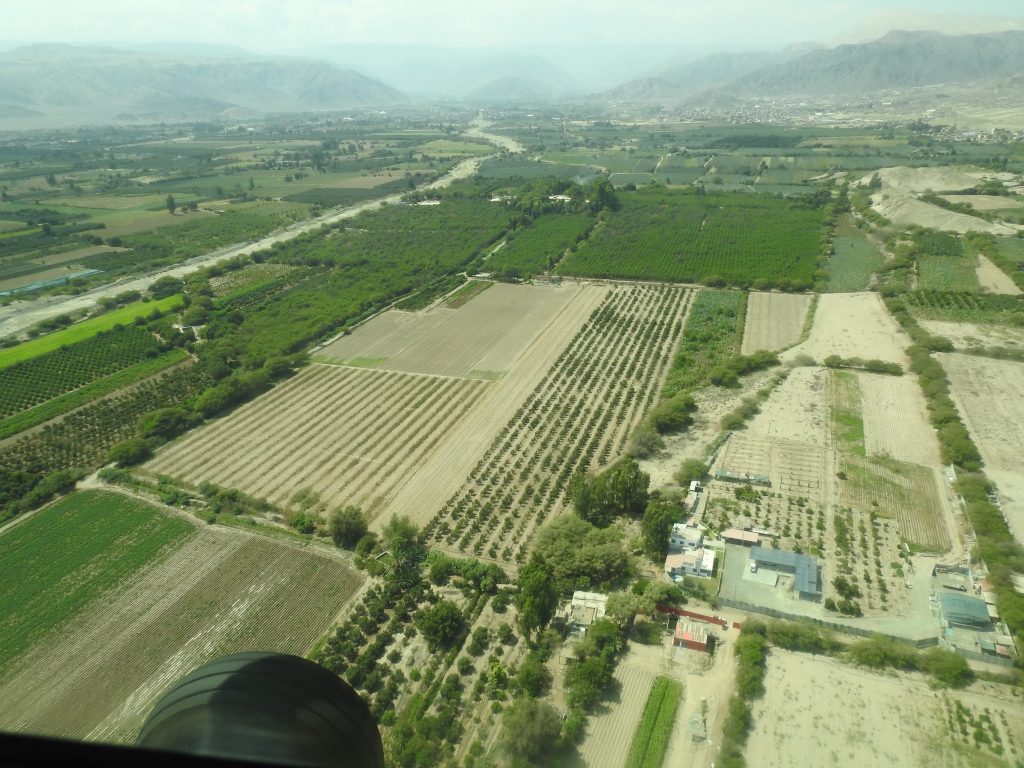
The flight itself was an experience before we even got to the lines.
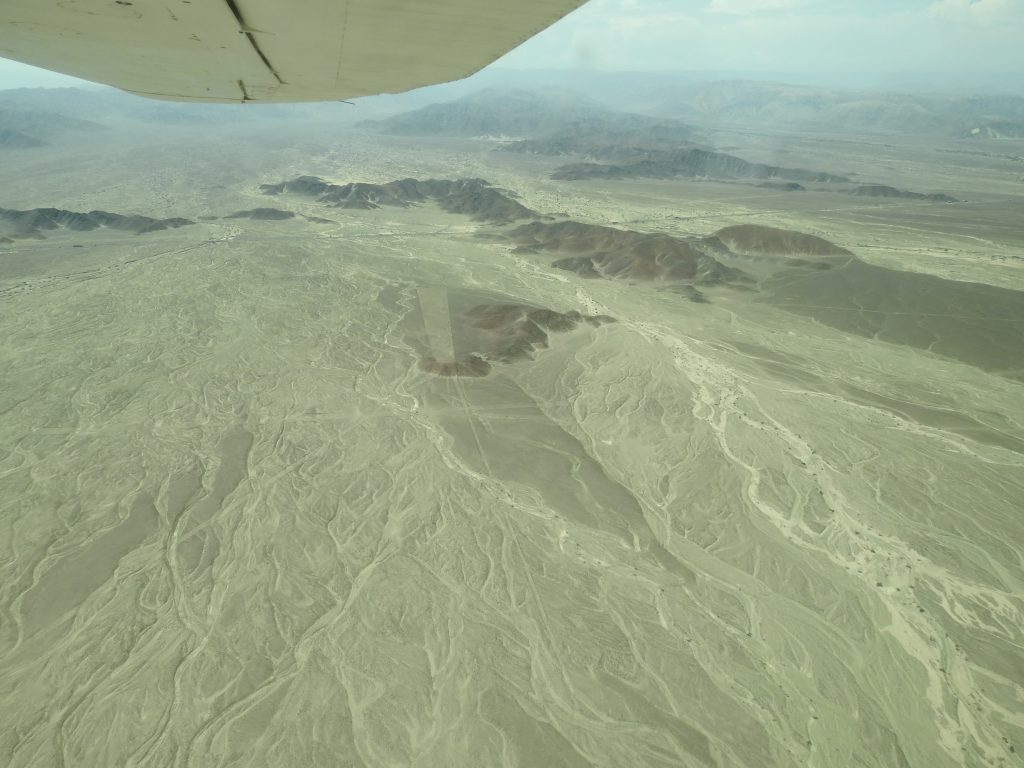
Small planes bank sharply from side to side so passengers can see the geoglyphs below, which is great for sightseeing and not always so great for stomachs.
The man sitting next to me spent part of the flight vomiting.
Not ideal.
But also, somehow, completely part of the experience.
Between trying to spot the famous figures below and pretending not to notice what was happening beside me, it became one of those travel memories that was impossible to forget.
The Lines Themselves
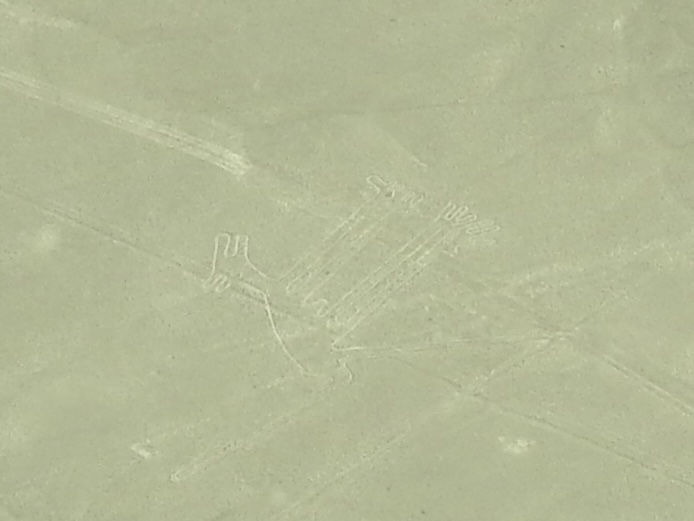
From the air, the scale of the Nazca Lines becomes much clearer.
Huge figures and geometric shapes stretch across the desert floor, created with remarkable precision despite their enormous size.
Seeing them from above raises more questions than it answers.
Who created them? Why were they made? How were they designed so accurately across such a vast landscape?
Whatever the explanation, flying above them gives you a much stronger sense of how extraordinary they really are.
Cahuachi
Nazca is about much more than the lines.
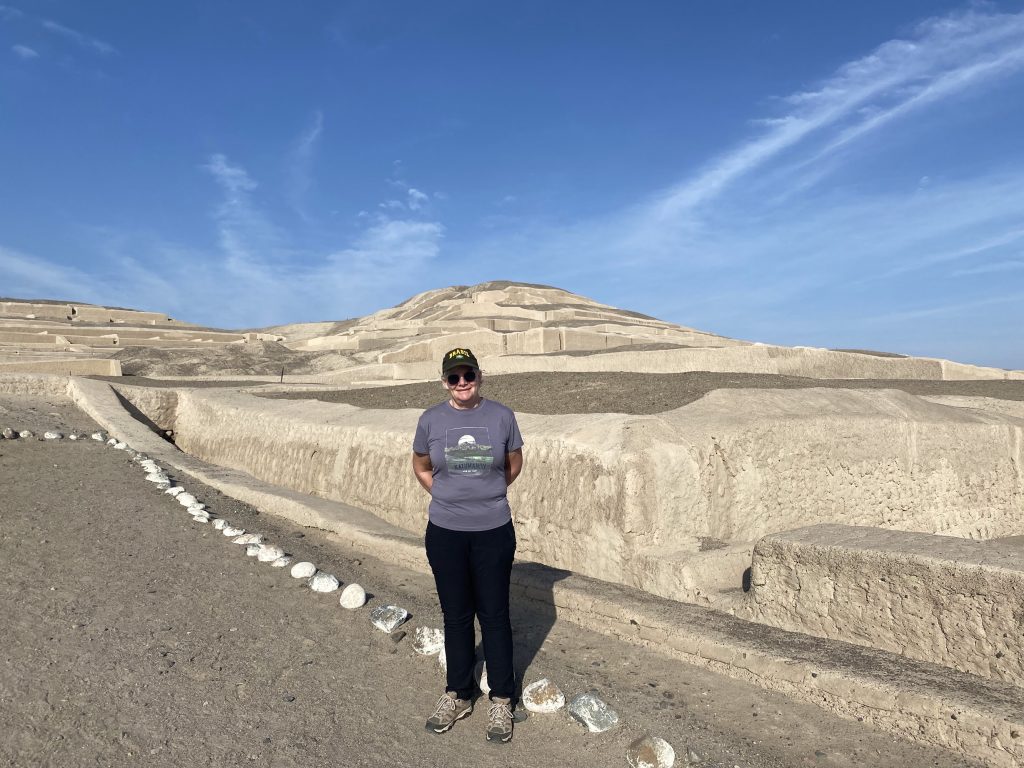
I also visited Cahuachi, an important archaeological site connected with the Nazca culture.
The remains of ceremonial structures spread across the desert, and the setting makes the whole place feel remote and almost forgotten.
It was much quieter than the major tourist attractions, which gave it a completely different atmosphere.
Chauchilla Cemetery
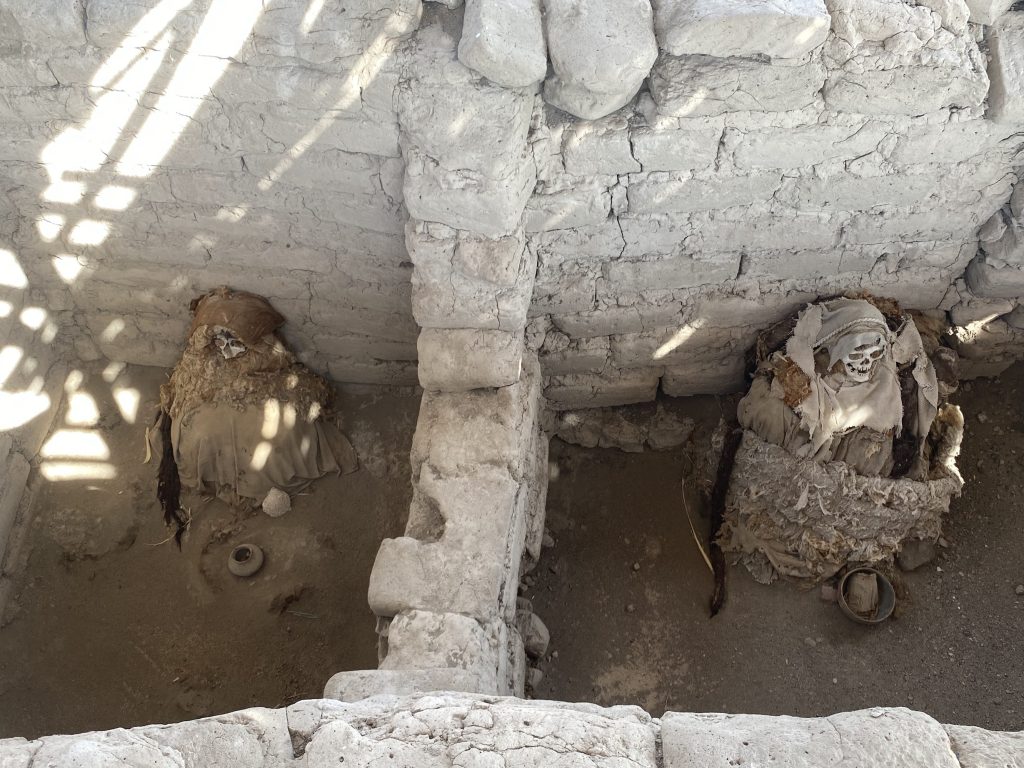
The Chauchilla Cemetery was another memorable stop.
Ancient burials remain visible in the desert, including human remains and preserved textiles.
It is confronting, but also fascinating.
The dry climate has preserved parts of the site remarkably well, and it gives a very different insight into the people who lived in this region centuries ago.
Ancient Irrigation Systems
One of the most impressive things about the Nazca region was learning how people managed water in such a dry environment.
The ancient irrigation systems show just how sophisticated local communities were in finding and moving water through the desert.
It is easy to focus only on the Nazca Lines, but these engineering systems are just as important in understanding how people survived here.
Friendly Locals and Everyday Nazca
What I also remember clearly were the friendly local people.
Nazca felt less polished than some other tourist stops, which made everyday interactions stand out more.
Sometimes the best memories come from simple conversations, asking directions, ordering food or just sitting somewhere watching the town go by.
The Vegetarian Disaster
One evening I was tired, hungry and just wanted food.
I walked into a restaurant, sat down and only then realised I had chosen a place specialising in roasted chicken.
Not particularly useful when you are vegetarian.
At that point, I had already started my drink and I was too tired to leave and too polite to cause a fuss.
So when the food arrived, I did what any mature and sensible traveller would do.
I tried to hide the chicken.
Under bread.
Under vegetables.
Anywhere it would fit.
I was desperately trying not to look rude while also trying not to eat it.
The whole situation became funnier the longer it went on.
Solo travel teaches you many useful skills.
Apparently, covert poultry concealment is one of them.
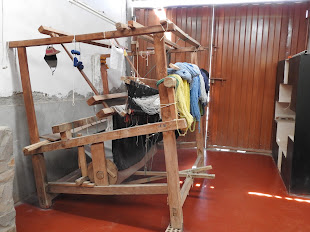
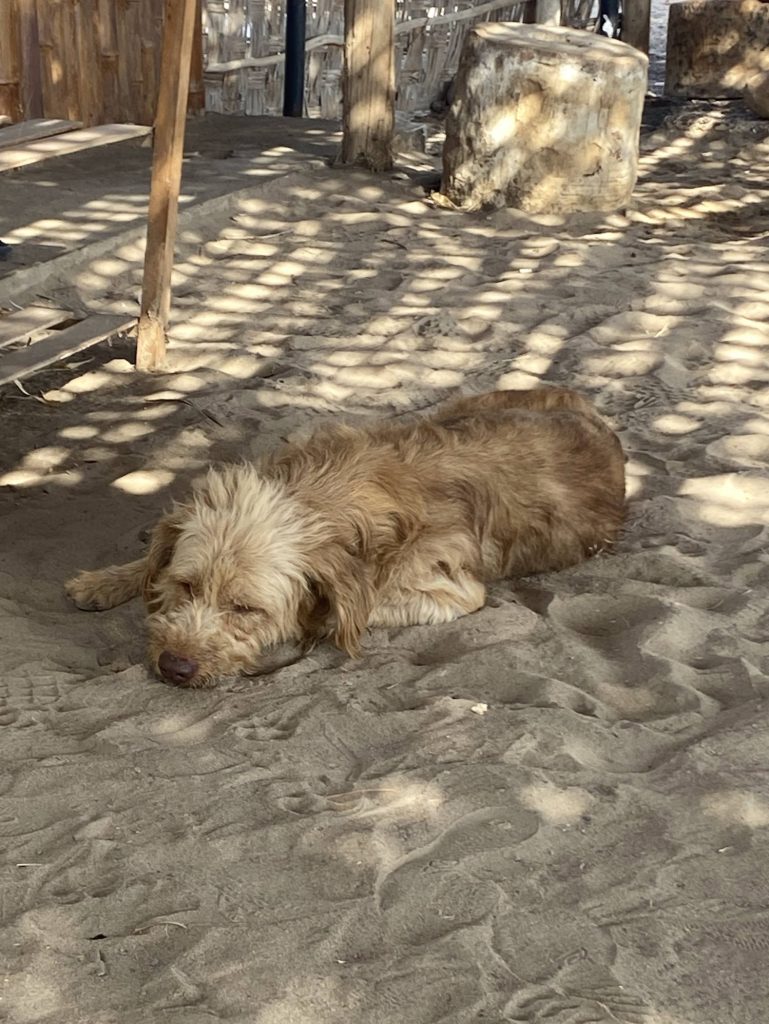
Nazca Was More Than I Expected
Nazca turned out to be much more than a quick stop for the famous lines.
There was archaeology, ancient engineering, desert landscapes, local history and plenty of unexpected moments.
And somewhere between flying over ancient geoglyphs with a vomiting passenger beside me and hiding roast chicken under bread, Nazca became one of the most memorable stops of the trip.
Not necessarily glamorous.
But definitely memorable.
Arequipa: The White City Beneath the Volcanoes
After the desert landscapes of Nazca, arriving in Arequipa brought another complete change of scenery.
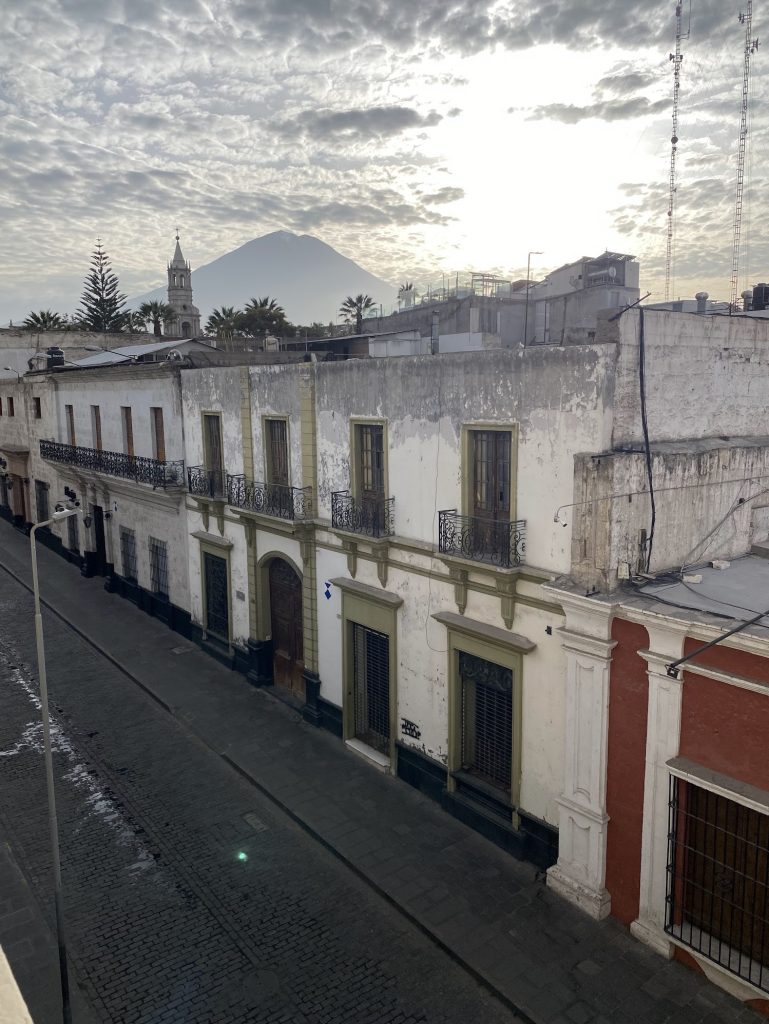
Known as La Ciudad Blanca — the White City — Arequipa is famous for its beautiful historic buildings constructed from pale volcanic stone. But what really gives the city its dramatic setting are the enormous mountains and volcanoes rising behind it.
The skyline is dominated by El Misti, the almost perfectly shaped volcano that seems to follow you around the city. Nearby are Chachani and Pichu Pichu, completing an extraordinary mountain backdrop.
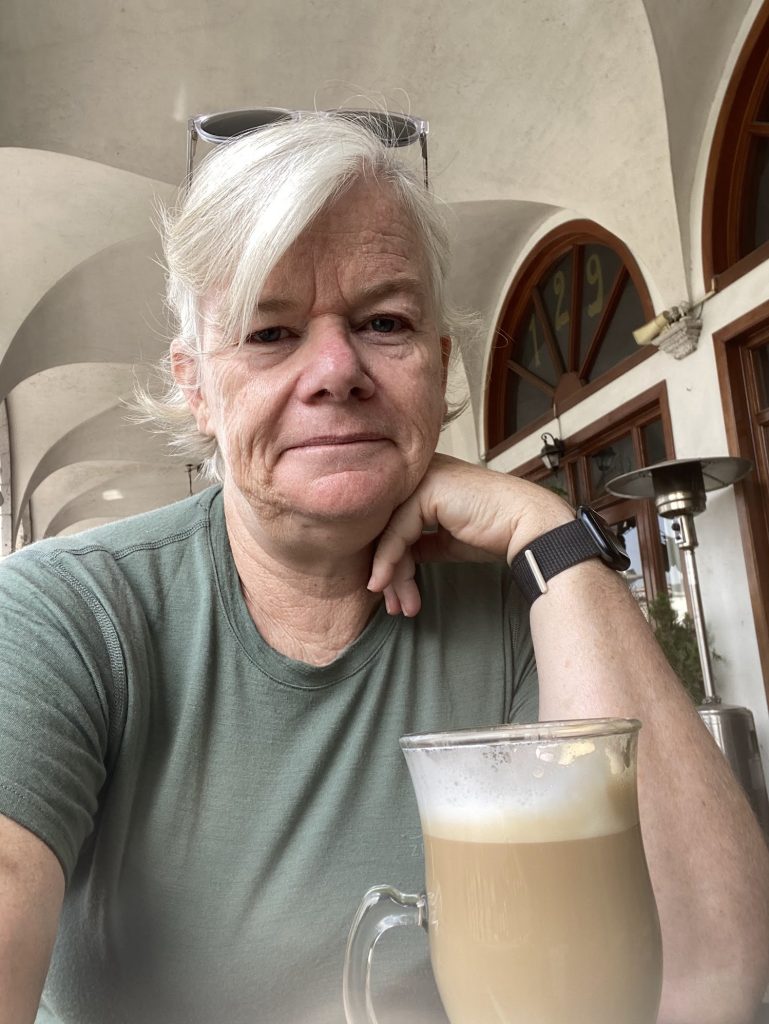
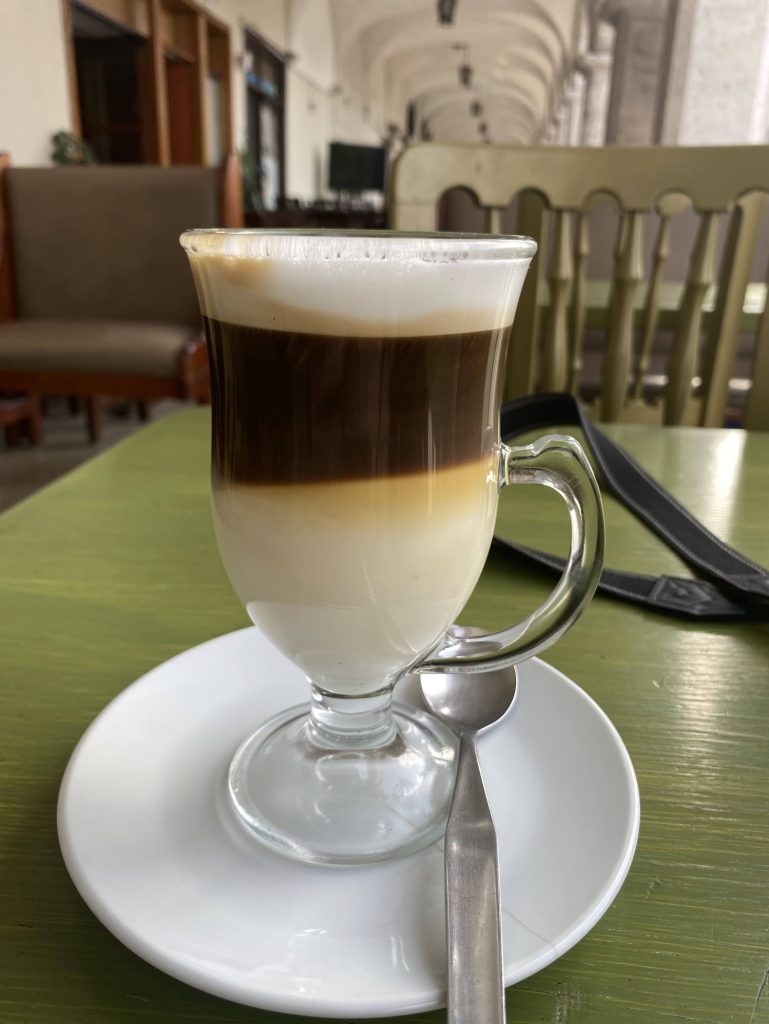
It is difficult to forget that you are in the Andes when volcanoes are looming over your morning coffee.
The White City
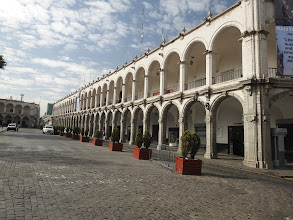
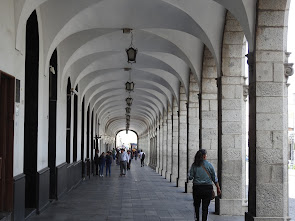
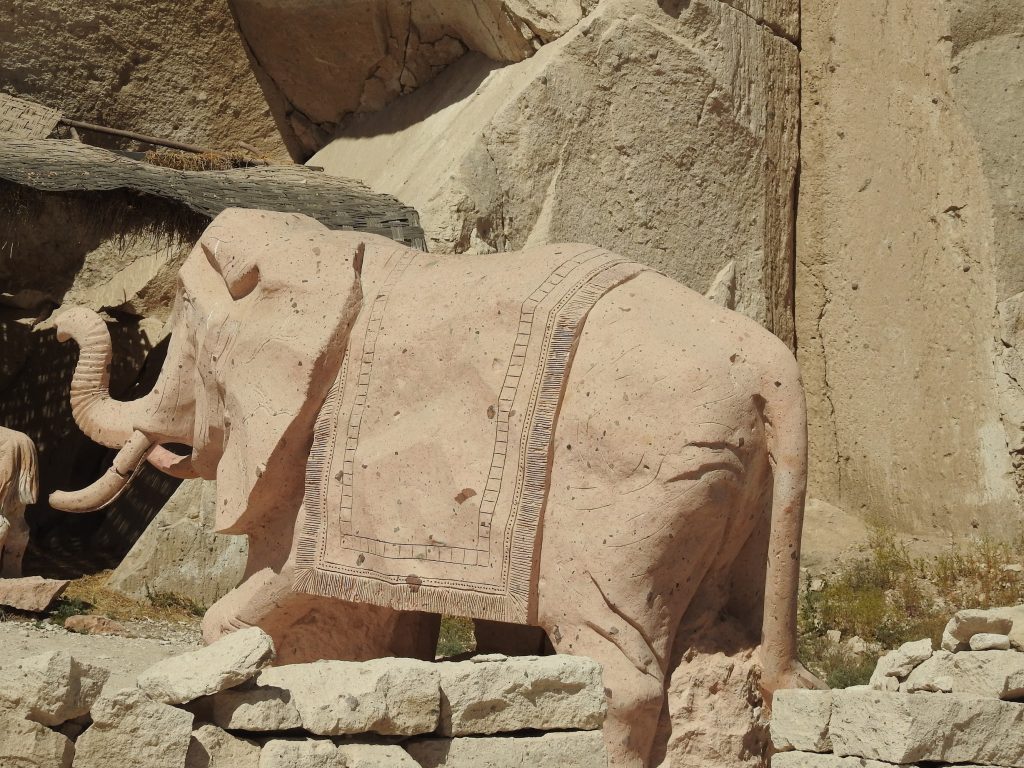
Arequipa’s historic centre is filled with buildings constructed from sillar, a pale volcanic stone that gives the city its distinctive white appearance.
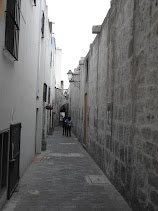
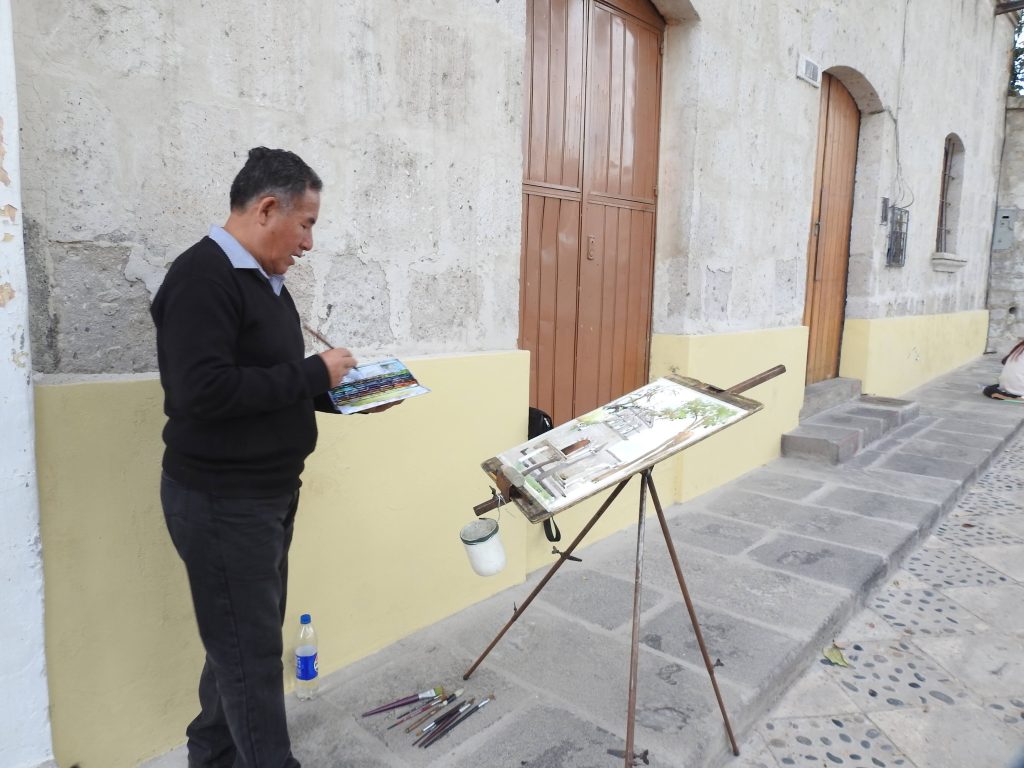
Walking through the centre, I found beautiful colonial buildings, courtyards, churches and narrow streets where there was always something interesting around the next corner.
It is a very walkable city, although at around 2,300 metres above sea level, you may notice the altitude when climbing stairs or walking uphill.
Taking things slowly is not a bad idea.
Fortunately, Arequipa provides plenty of excuses to stop for coffee or food.
Plaza de Armas
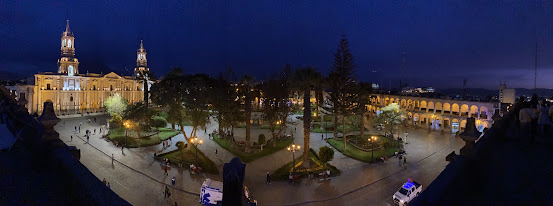
At the heart of the city is the beautiful Plaza de Armas.
This was one of those squares where I was perfectly happy to sit for a while and watch Arequipa go by.
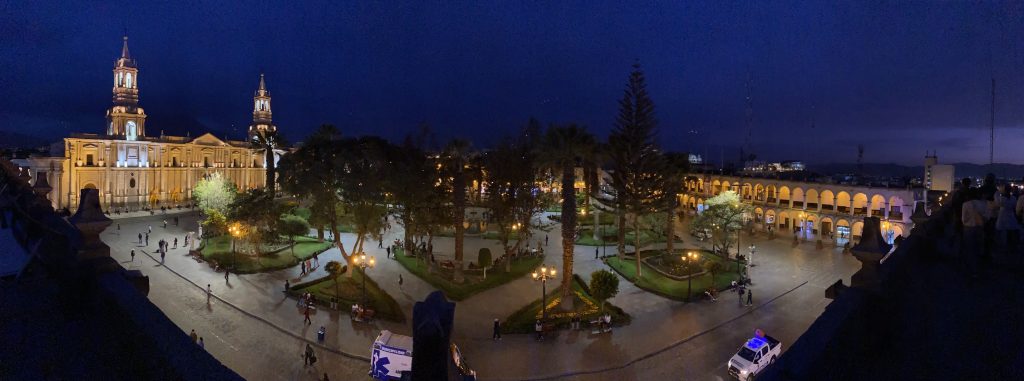
Elegant arcaded buildings surround the plaza, with palm trees, gardens and the impressive Basilica Cathedral of Arequipa dominating one side.
And behind it all sits El Misti.
The combination of colonial architecture, blue skies and a volcano rising in the background makes this one of the most memorable main squares in Peru.
The Cathedral
The Arequipa Cathedral is one of the city’s most recognisable buildings.
Its long white façade stretches across the Plaza de Armas, framed by twin towers and the mountains beyond.
Like much of Arequipa, it has survived earthquakes and rebuilding over the years, and it remains one of the defining sights of the historic centre.
Whether viewed from the plaza during the day or illuminated at night, it is impressive.
Markets, Colour and Everyday Life
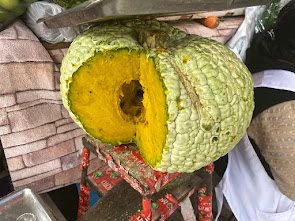
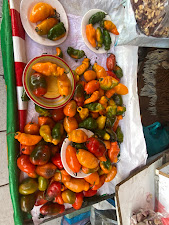
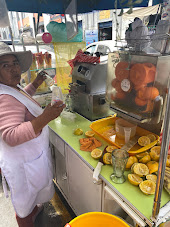
One of my favourite ways to understand a new city is through its markets, and Arequipa did not disappoint.
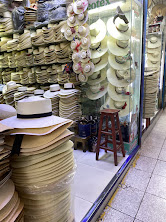
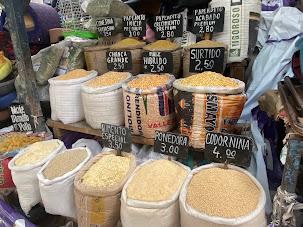
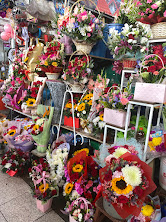
The markets were packed with fruit, vegetables, herbs, cheeses, breads, flowers, spices and unfamiliar ingredients.
There were stalls preparing juices, meals and snacks alongside others selling traditional products and everyday household goods.
This was also where Peru’s highland culture became much more visible.
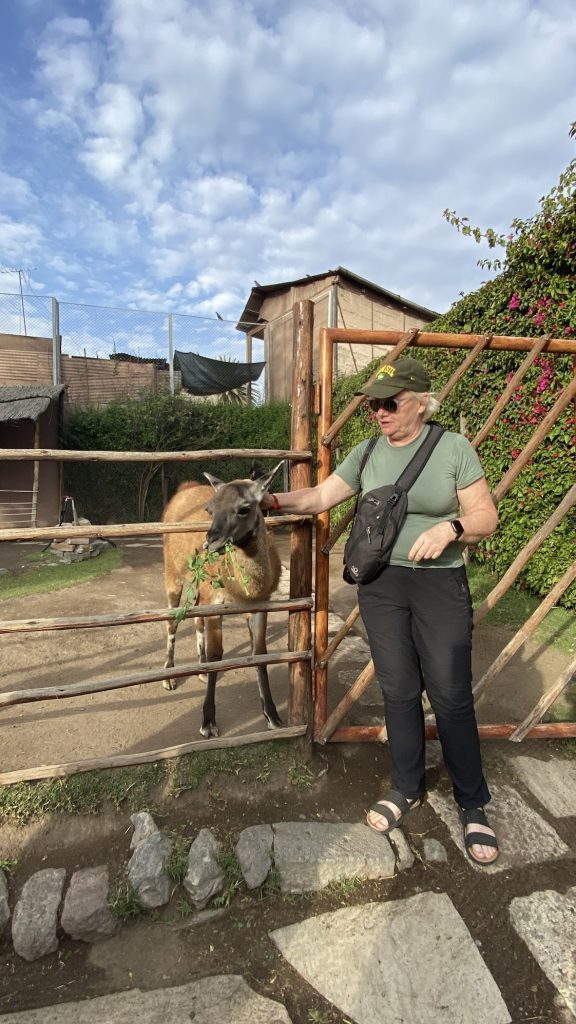
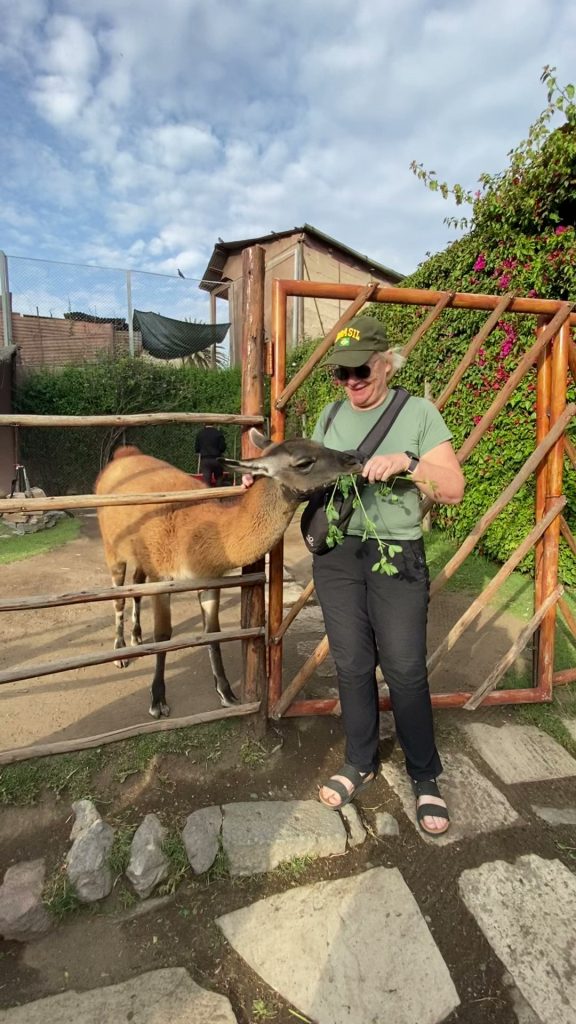
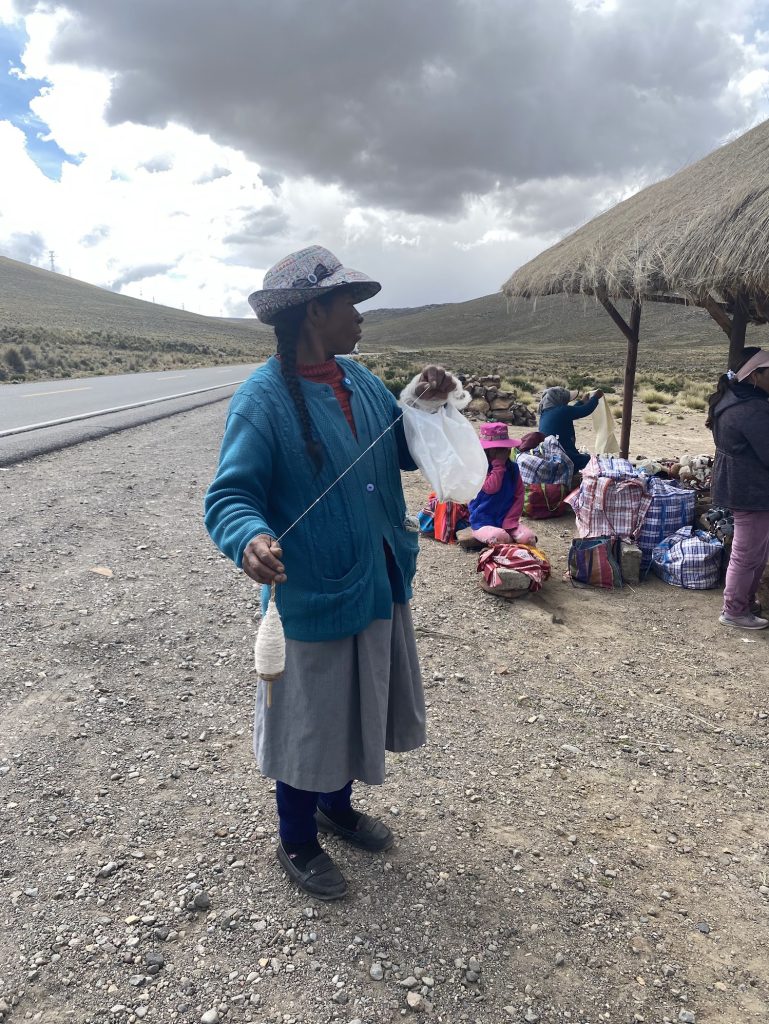
You start seeing more llamas and alpacas, along with wool products, colourful textiles and clothing associated with the Andean regions.

Llamas, Alpacas and the Andes
By this stage of the journey, I was properly entering the Andes.
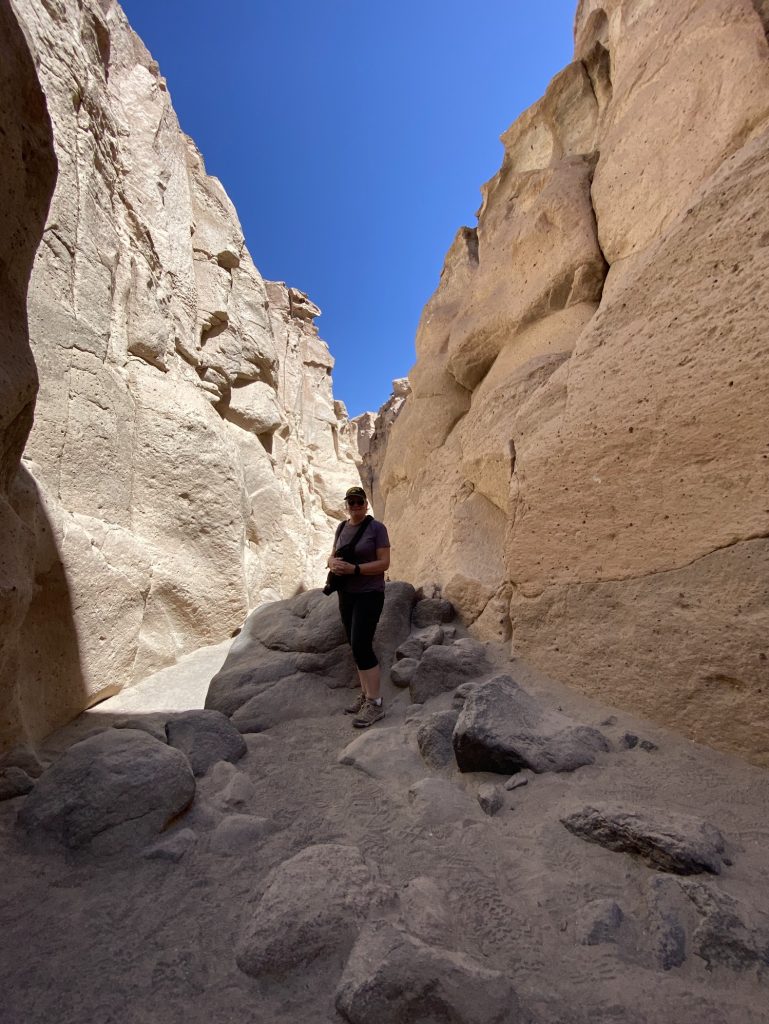
And naturally, that meant llamas and alpacas. Just out of town was Quebrada de Culebrillas and Ruta de Silla, both worth a visit.
They are such an iconic part of Peru that seeing them in the Andean landscape somehow makes you think, Right. I really am in Peru now.
You also begin seeing beautiful alpaca textiles everywhere—scarves, blankets, jumpers and brightly coloured woven goods.
Some were clearly designed for tourists.
Others were considerably more tempting than my luggage allowance needed them to be.
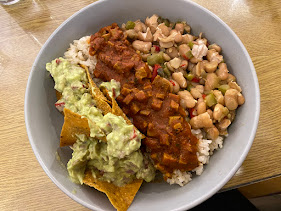
Arequipa Is a Very Good Place to Be Hungry
The food in Arequipa was another highlight.
The city has a particularly strong regional food culture, with traditional picanterías serving generous local dishes.
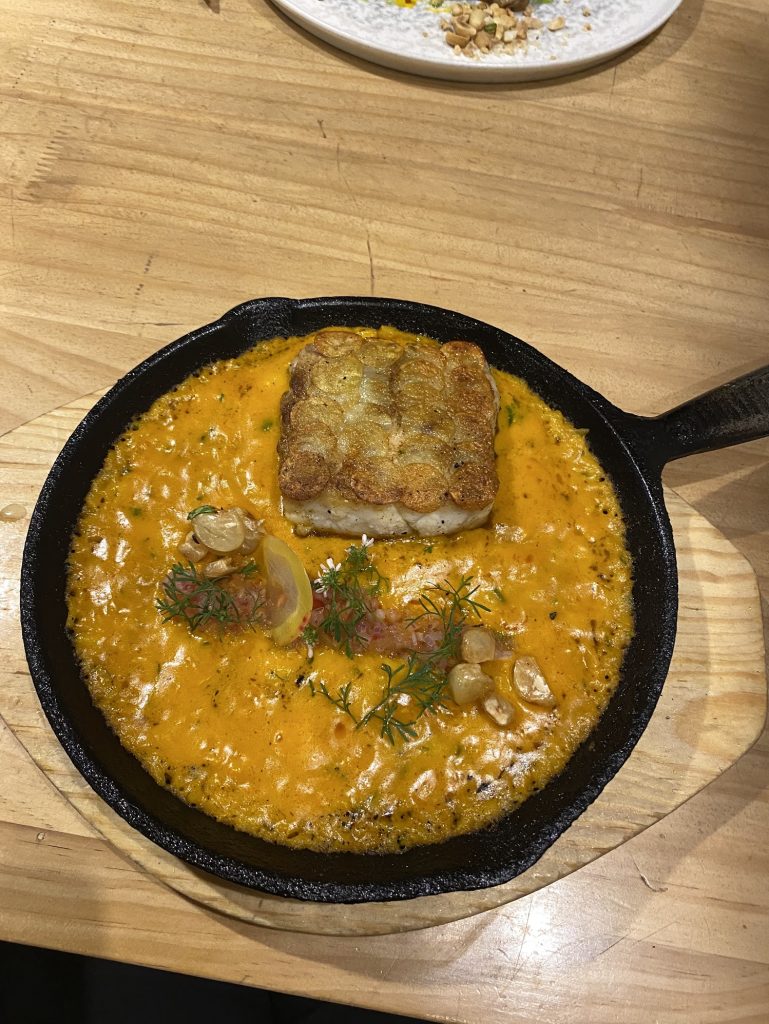
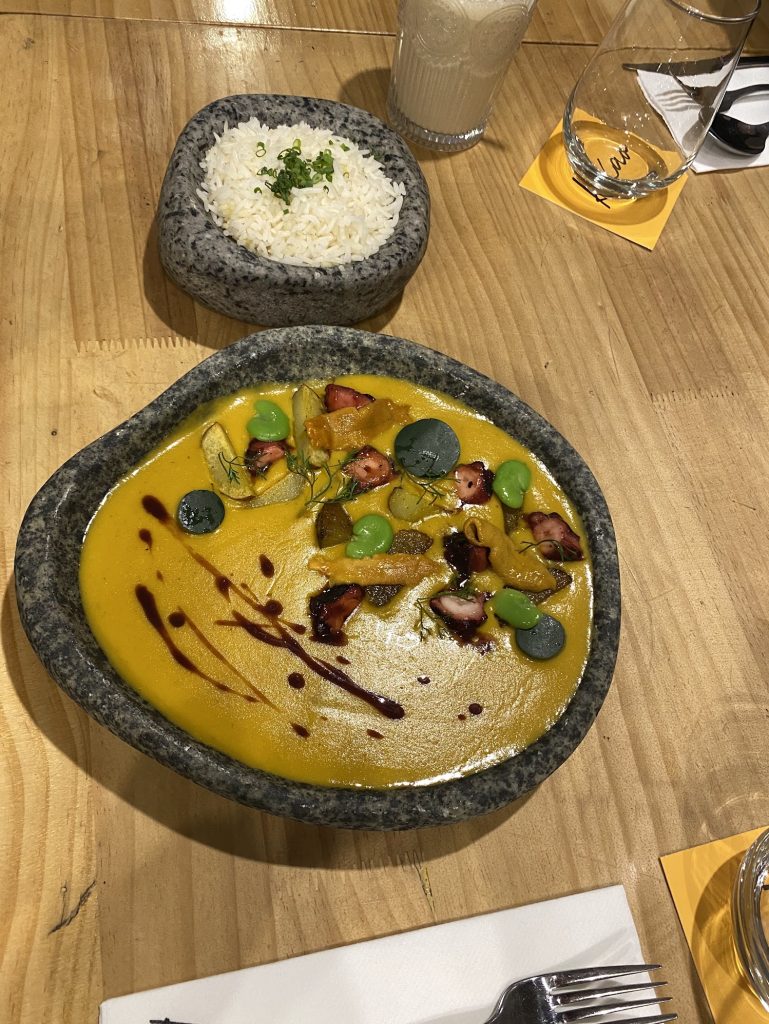
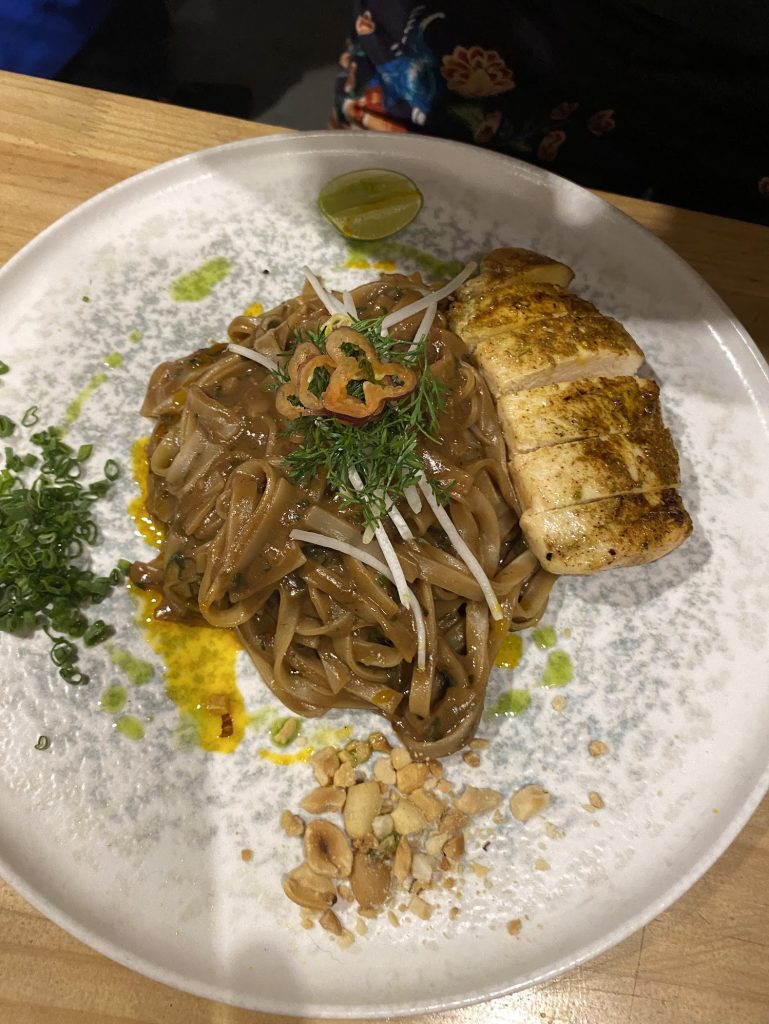
There were soups, potato dishes, corn, cheeses, fresh vegetables and plenty of flavours that were noticeably different from what I had eaten earlier in the trip.
As a vegetarian, travelling can occasionally lead to adventures involving unwanted roasted chickens, but Arequipa offered plenty to enjoy.
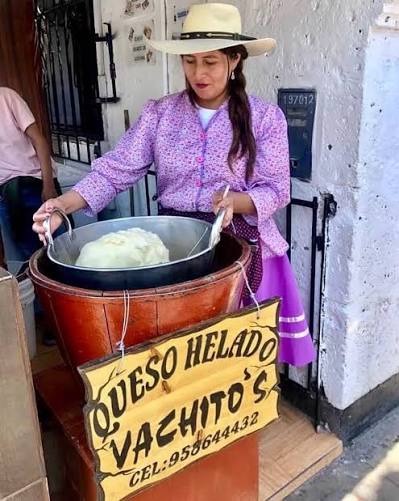
And the markets provided endless opportunities to try something unfamiliar, including cheese icecream.
A City Worth Staying In
Arequipa could easily be treated simply as the jumping-off point for Colca Canyon.
That would be a mistake.
It deserves time of its own.
There is something very appealing about the combination of beautiful white architecture, lively markets, excellent food, Andean culture and those enormous volcanoes constantly sitting on the horizon.
It also felt like another stage in the journey.
Lima had been coastal and cosmopolitan. Paracas and Huacachina were about desert and adventure. Nazca was ancient and mysterious.
Arequipa felt unmistakably Andeaan
The Volcano That Watches Over the City
Of all the things I remember about Arequipa, it is probably El Misti that stays with me most.
You turn down a street and there it is.
You sit in the plaza and there it is.
You look across the rooftops and there it is again.
At 5,822 metres, it towers above a city already sitting more than two kilometres above sea level.
Arequipa may be called the White City because of its volcanic stone, but it is the volcanoes themselves that give the city its personality.
Beautiful architecture, wonderful food, colourful markets, llamas, friendly people and three enormous mountains looking over everything.
Arequipa was another place where I could easily have stayed longer.
Colca Canyon: Condors, Altitude and a Very Cold Night
From Arequipa, I headed out on an overnight trip to Colca Canyon, one of those places where the landscape is so enormous that it is difficult to take in properly.
Because of a bad knee, I knew I was not going to attempt the steep climb down into the canyon. That turned out not to matter. There was still plenty to see from above, and the views alone were worth the journey.
Watching the Condors
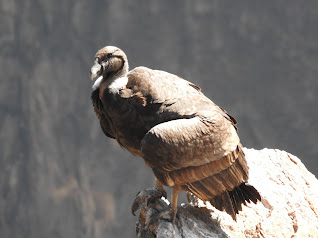
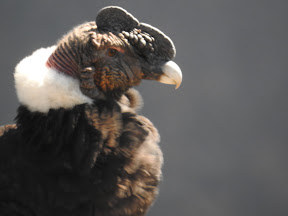
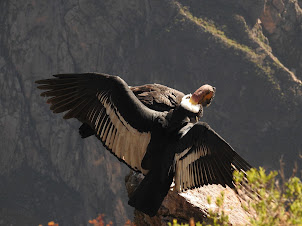
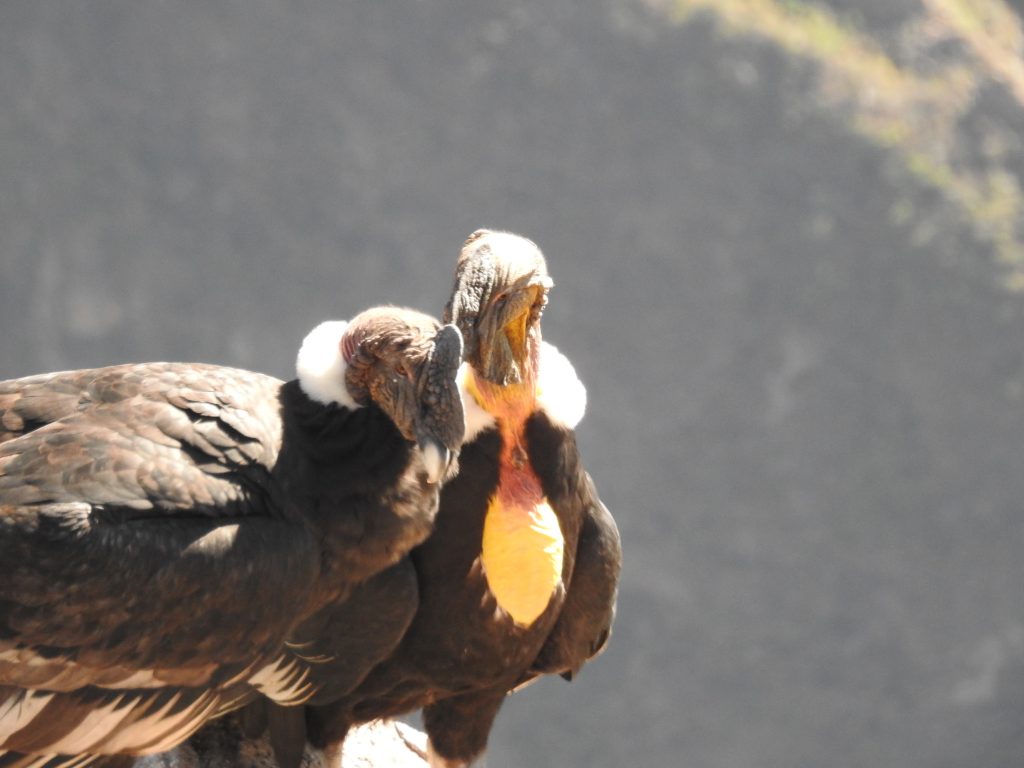
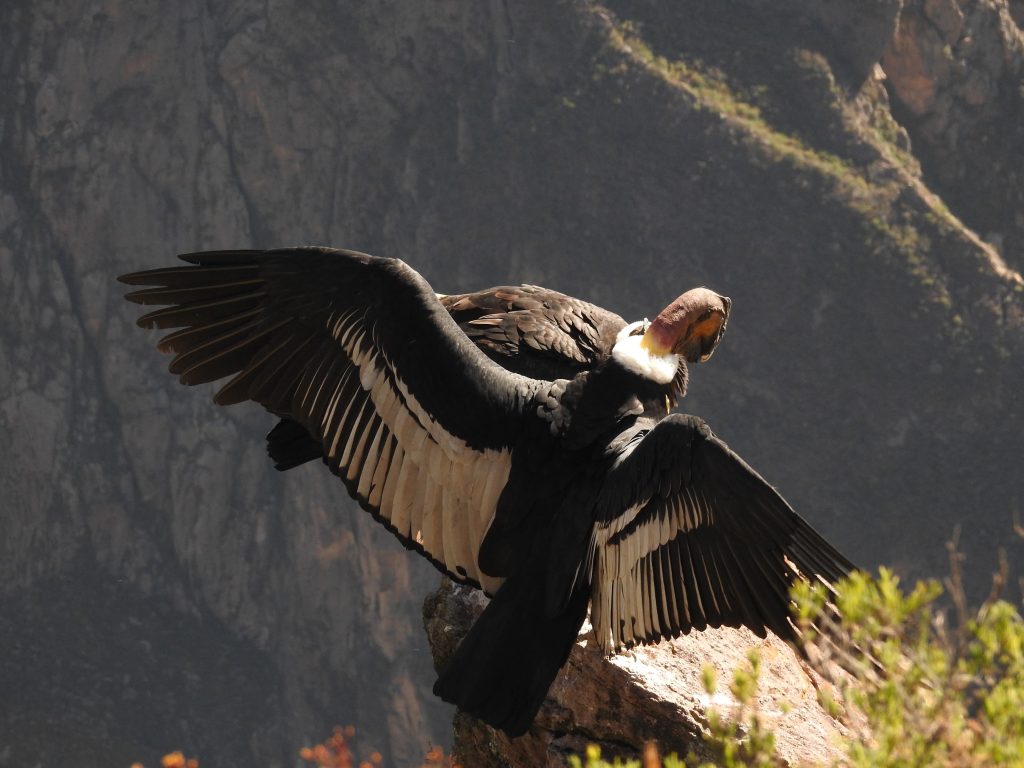
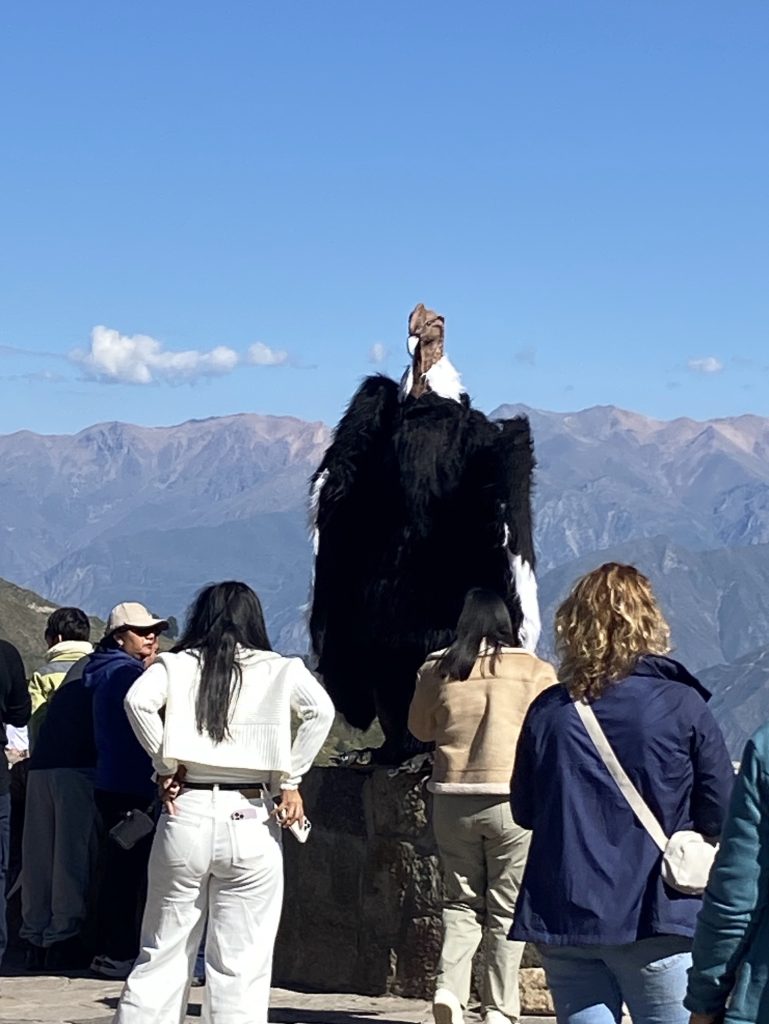
One of the great highlights was seeing the Andean condors.
They seem to appear out of nowhere, then glide across the canyon with barely a movement of their wings.
Watching them circle on the rising air currents was one of those moments that made everyone go quiet.
You can understand why people come all this way just to see them.
Llamas, Alpacas and One Confused Flamingo
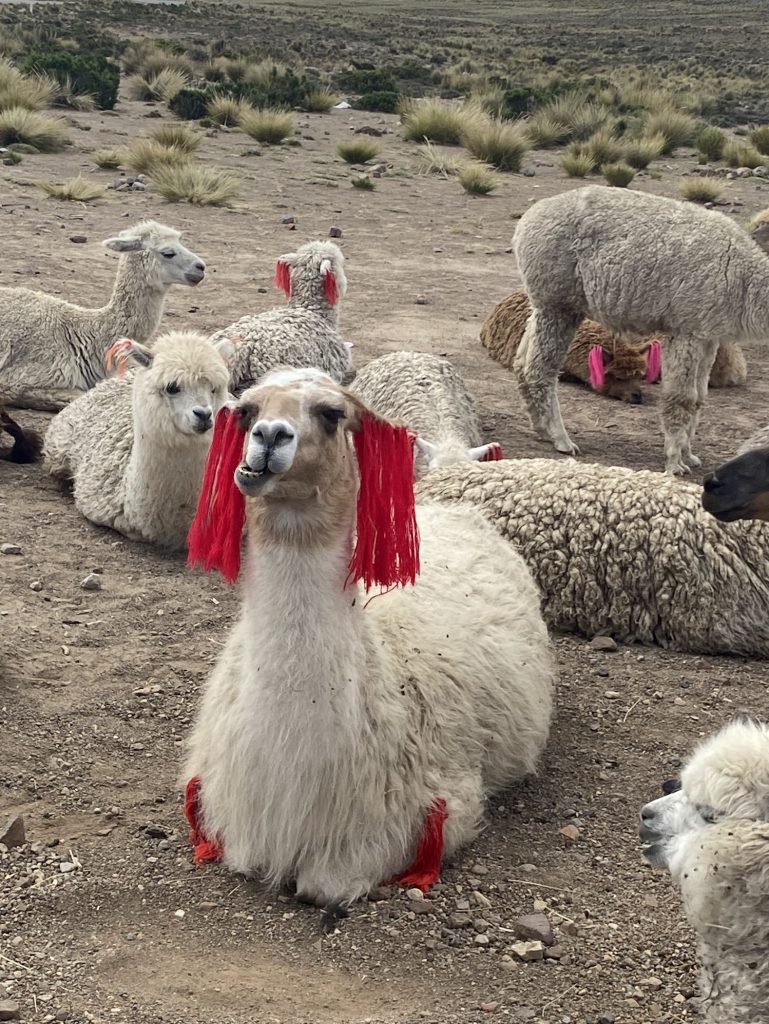
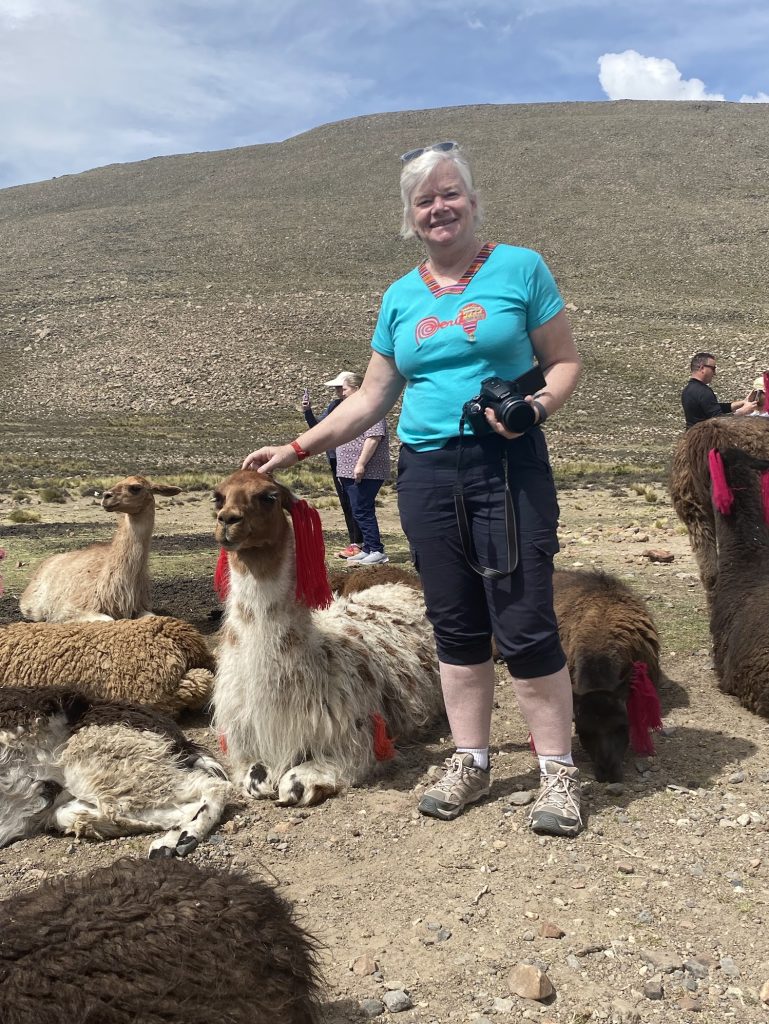
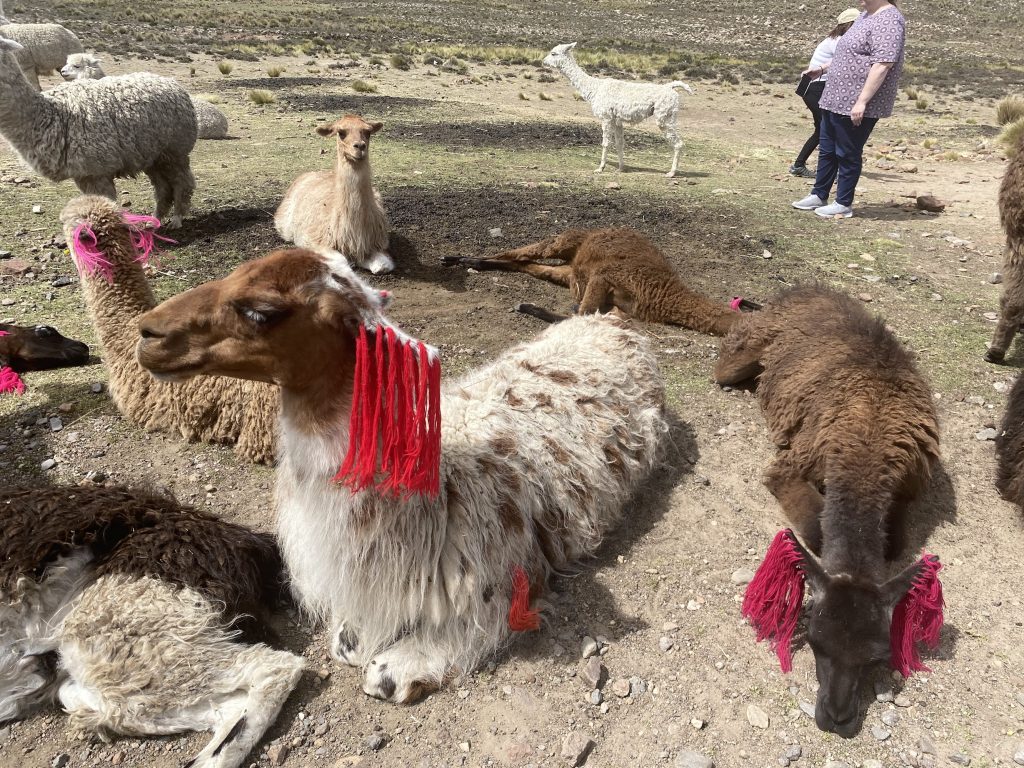
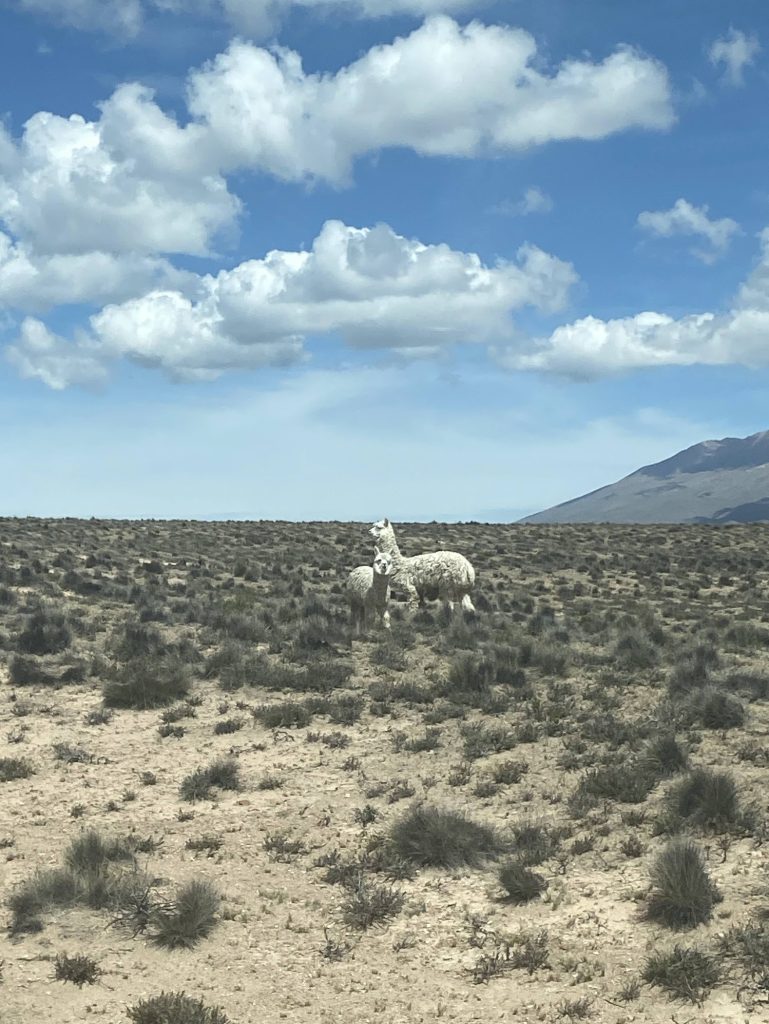
The high-altitude landscape was full of the animals you hope to see in Peru.
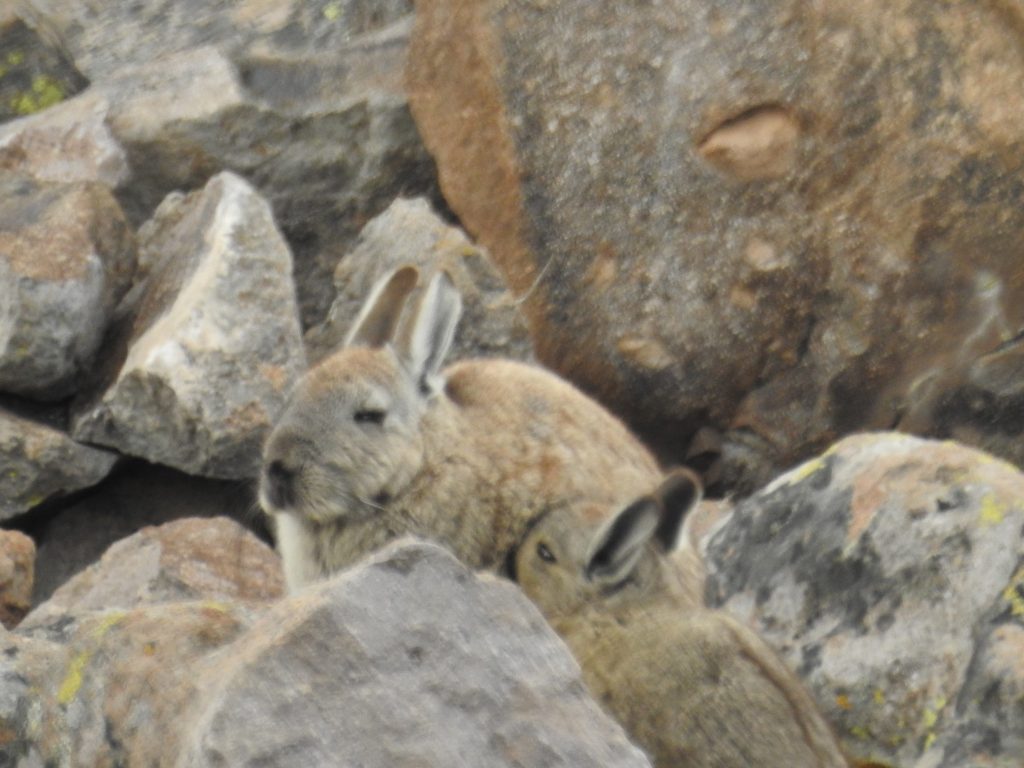
There were llamas and alpacas, looking completely at home in the cold, dry conditions.
And then there was one lone flamingo.
It seemed to have missed the memo about migrating.
Standing there by itself in the high-altitude landscape, it looked slightly ridiculous and completely memorable.
Reserva Nacional de Salinas y Aguada Blanca
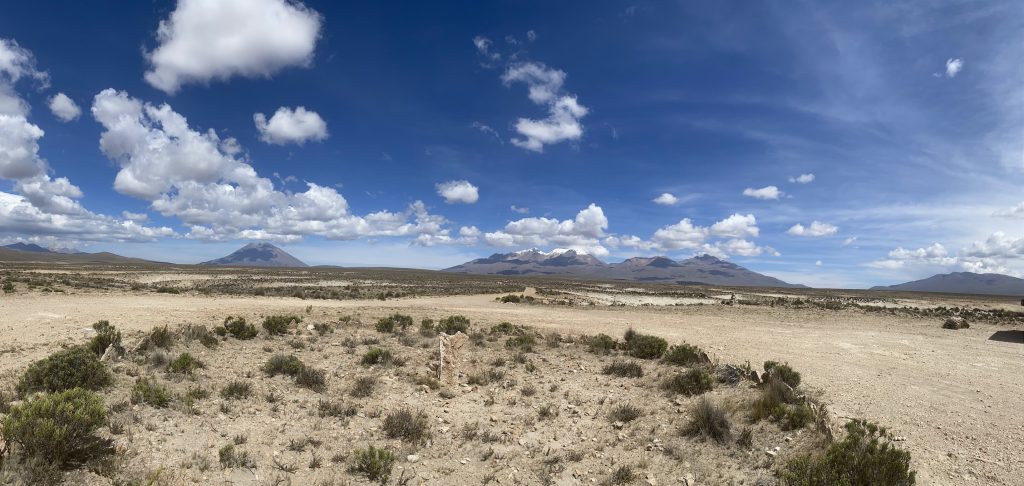
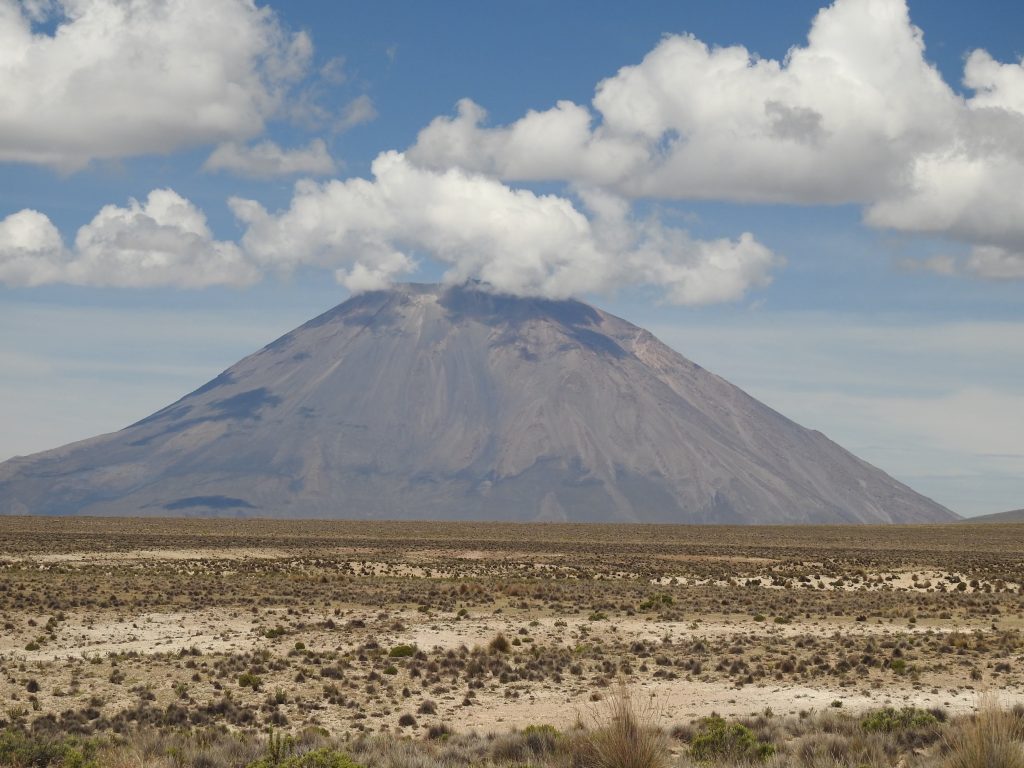
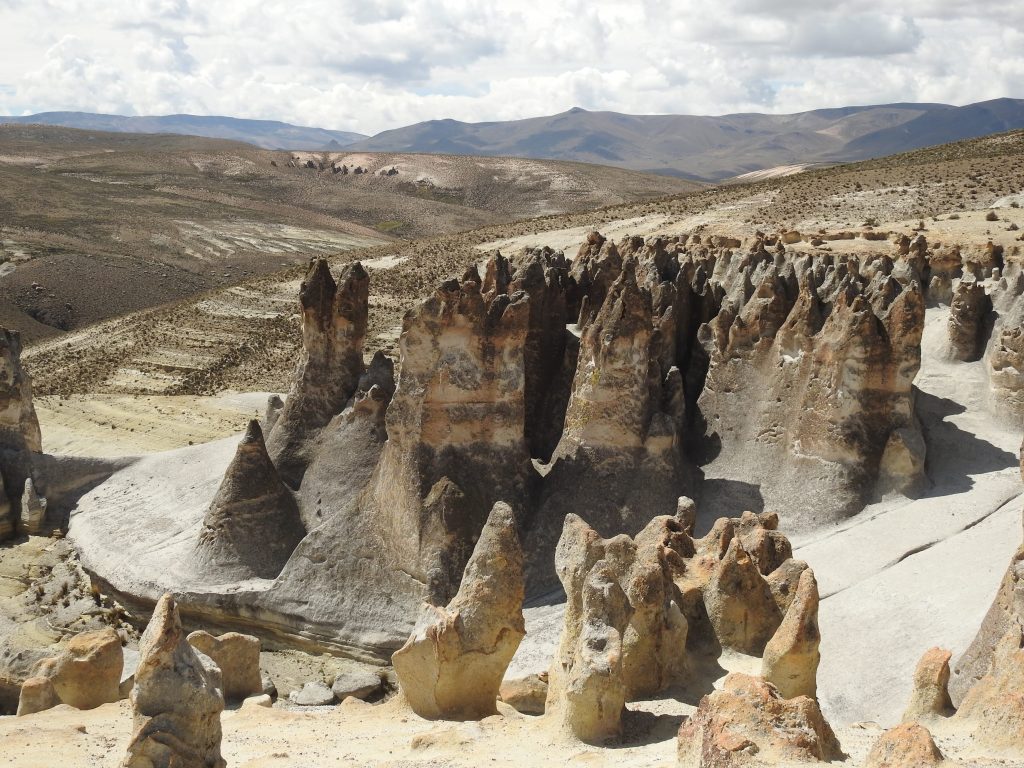
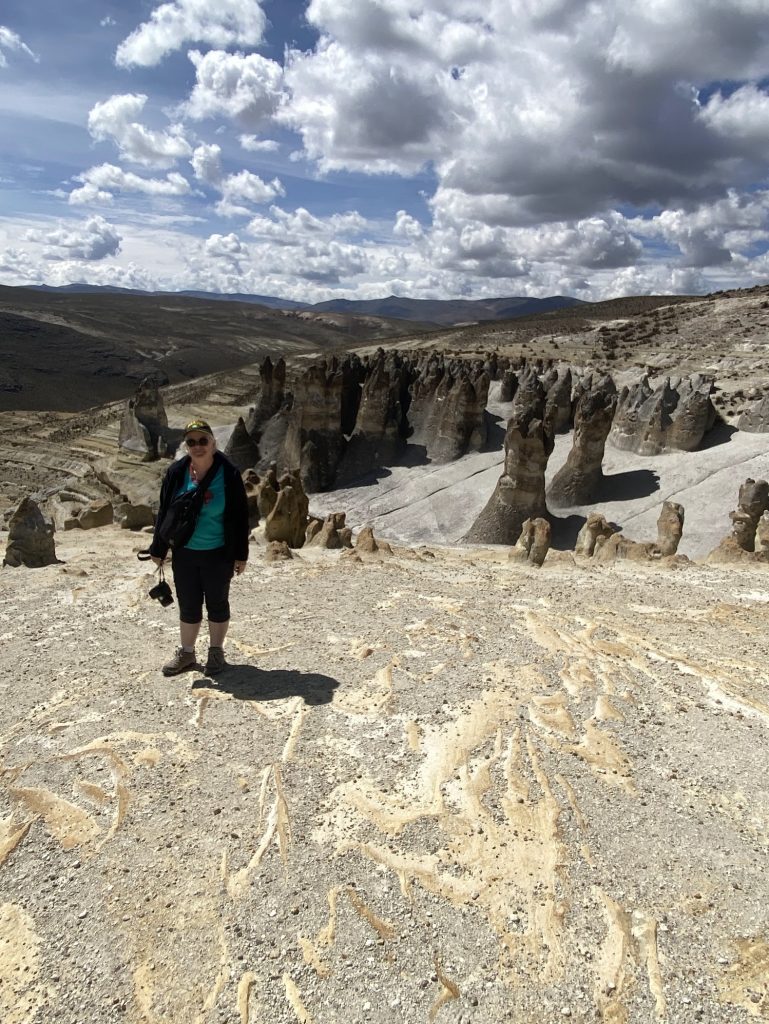
Travelling through the Reserva Nacional de Salinas y Aguada Blanca was another highlight.
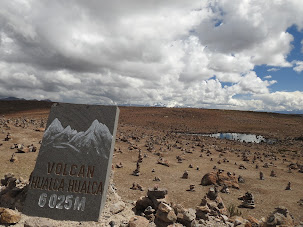
The landscape is vast, open and stark, with high plains, volcanoes, wetlands and huge skies.
At that altitude, everything feels more exposed.
The scenery is beautiful, but by this stage I was definitely beginning to notice the thin air.
Chivay and the Hot Springs
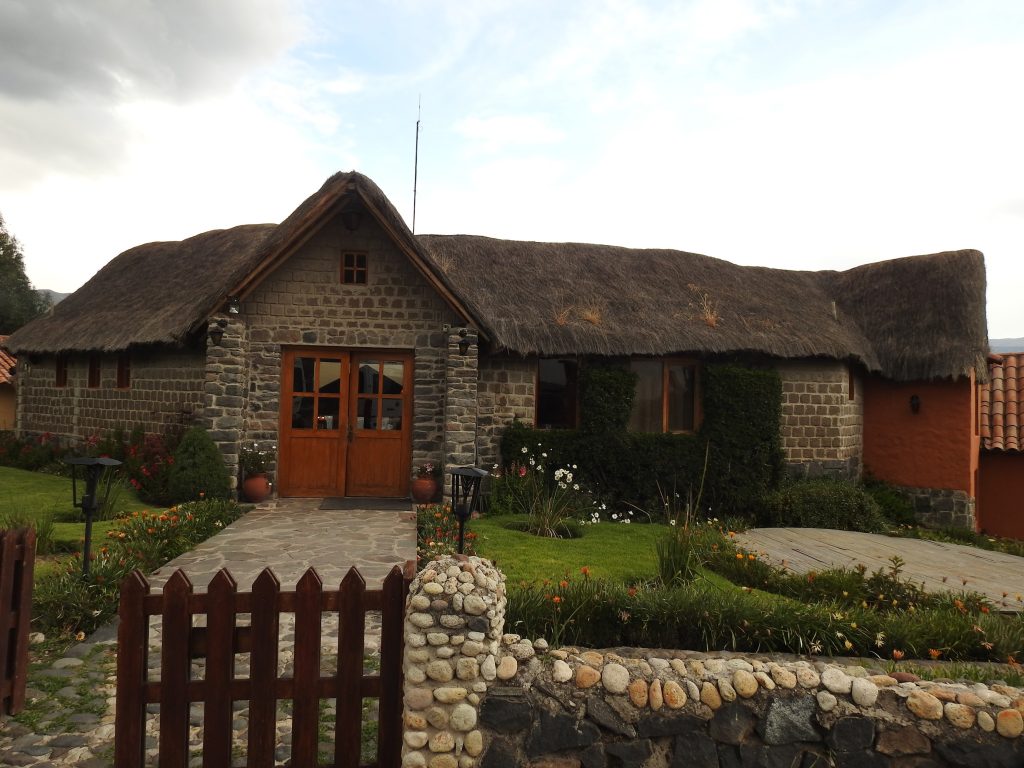
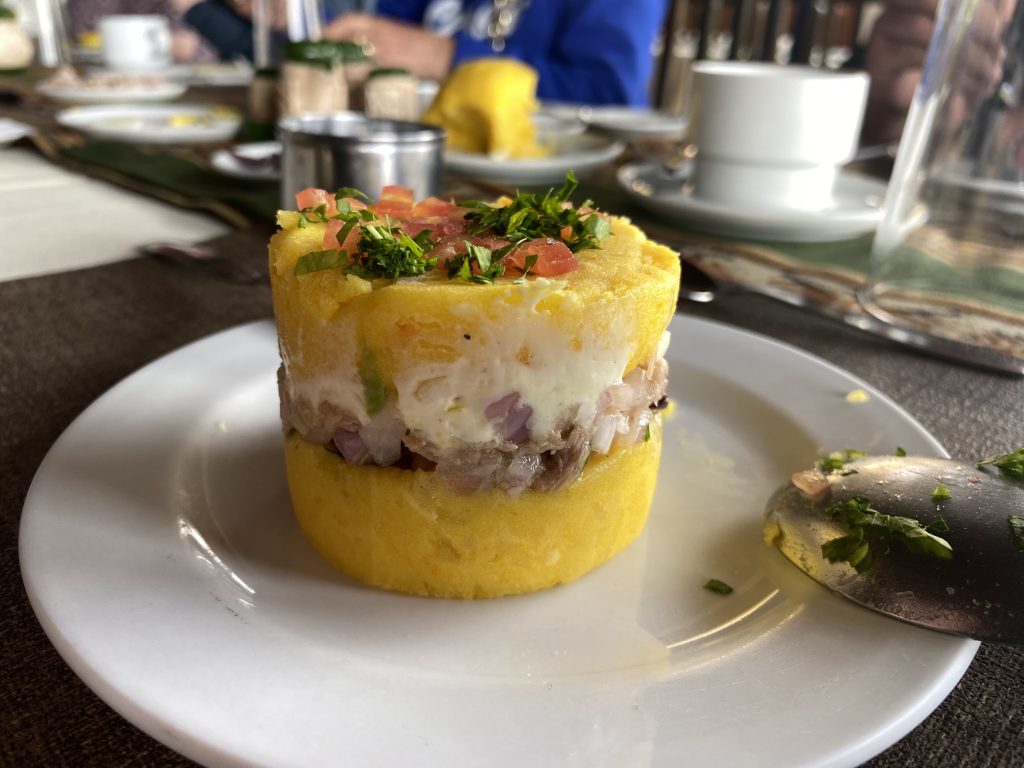
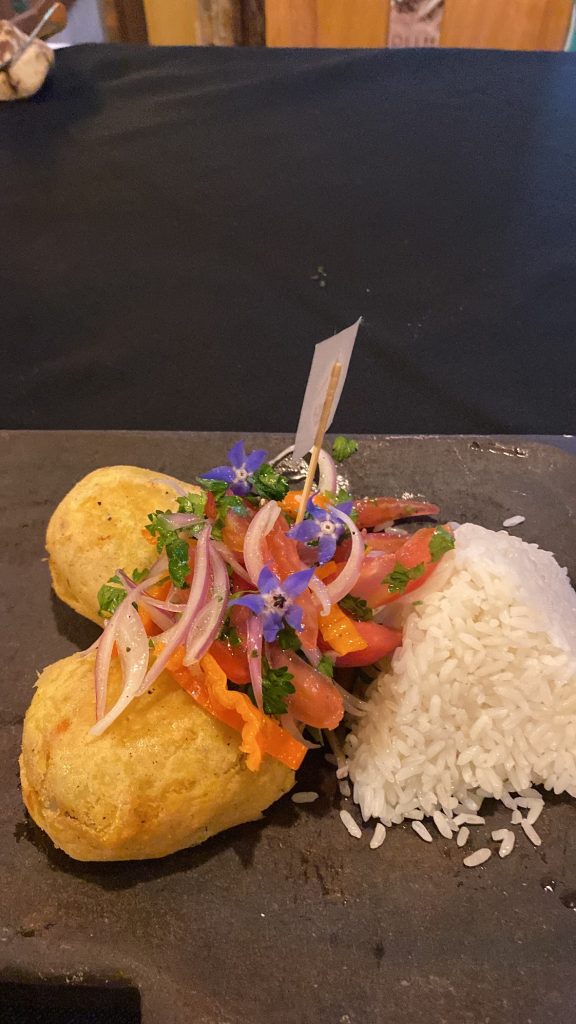
We spent the night in Chivay, the main town in the Colca Valley. We had a great lunch and learnt how to make Causa Rellena (or Causa Limeña). A traditional cold, tiered casserole. It features layers of seasoned, mashed yellow Andean potatoes (papa amarilla) infused with lime and aji amarillo pepper, stacked with fillings like avocado, chicken, or tuna.
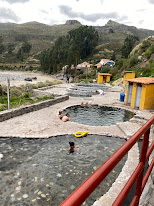
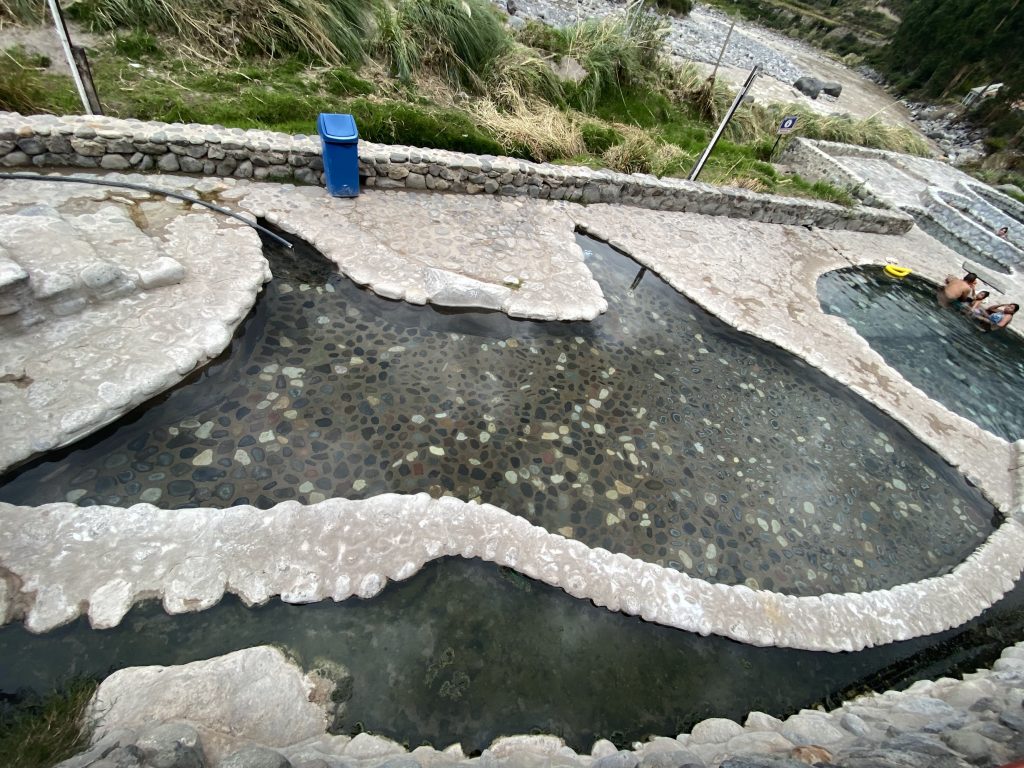
Before settling in, there was time for the local hot springs, which were very welcome after a long day of travelling.
Sitting in warm water surrounded by cold mountain air was one of the more relaxing moments of the trip.
Then night arrived.
And it was freezing.
Cold, Altitude and a Long Night
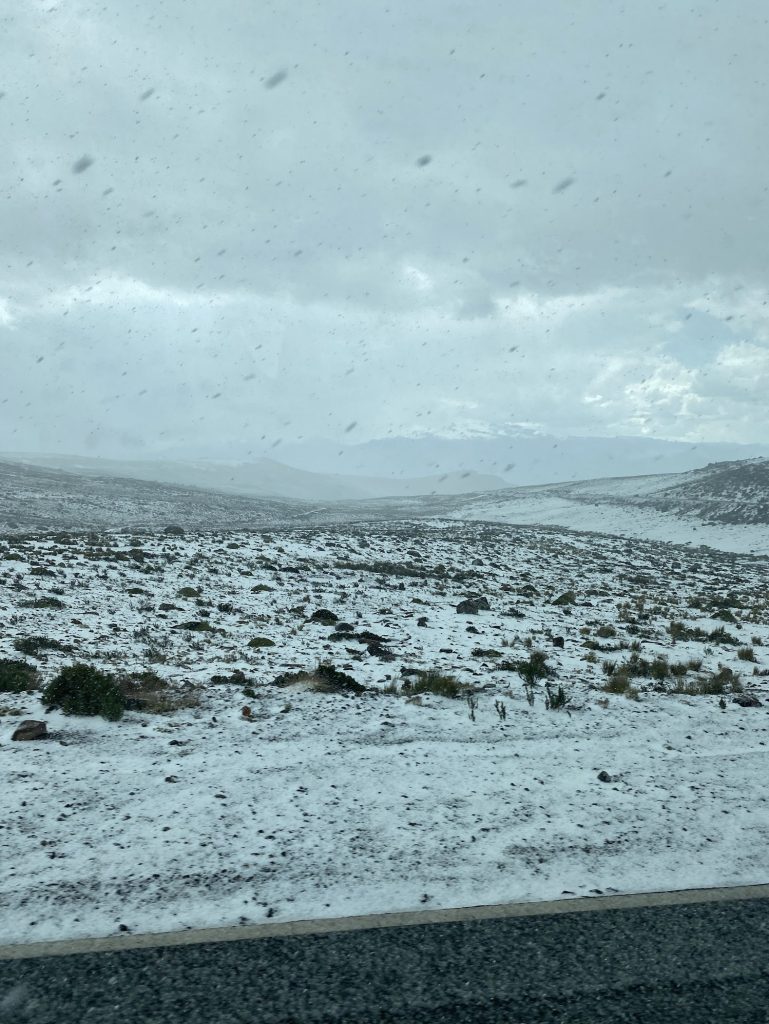
The combination of cold weather and altitude started to take its toll.
You feel it in simple things.
Walking becomes slower. Breathing feels harder. Even basic tasks seem to require a little more effort.
The overnight stay in Chivay was memorable partly because it was so cold, but also because it made me realise that altitude was no longer just a number on a sign.
My body had definitely noticed.
Maca and Snake Wine
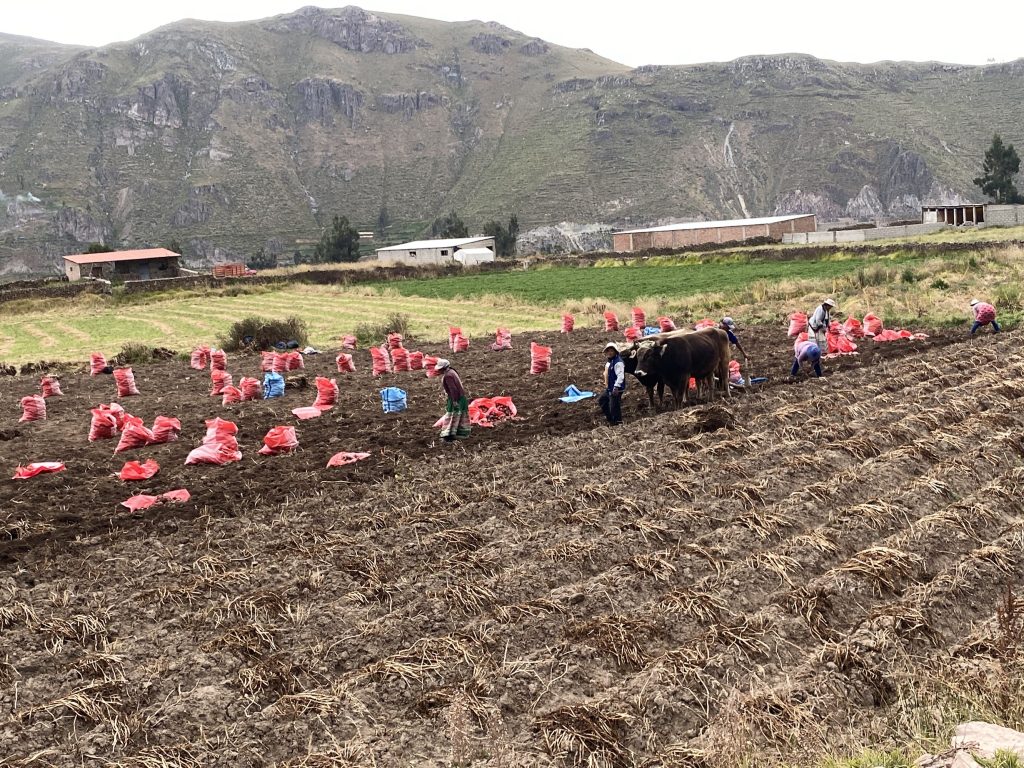
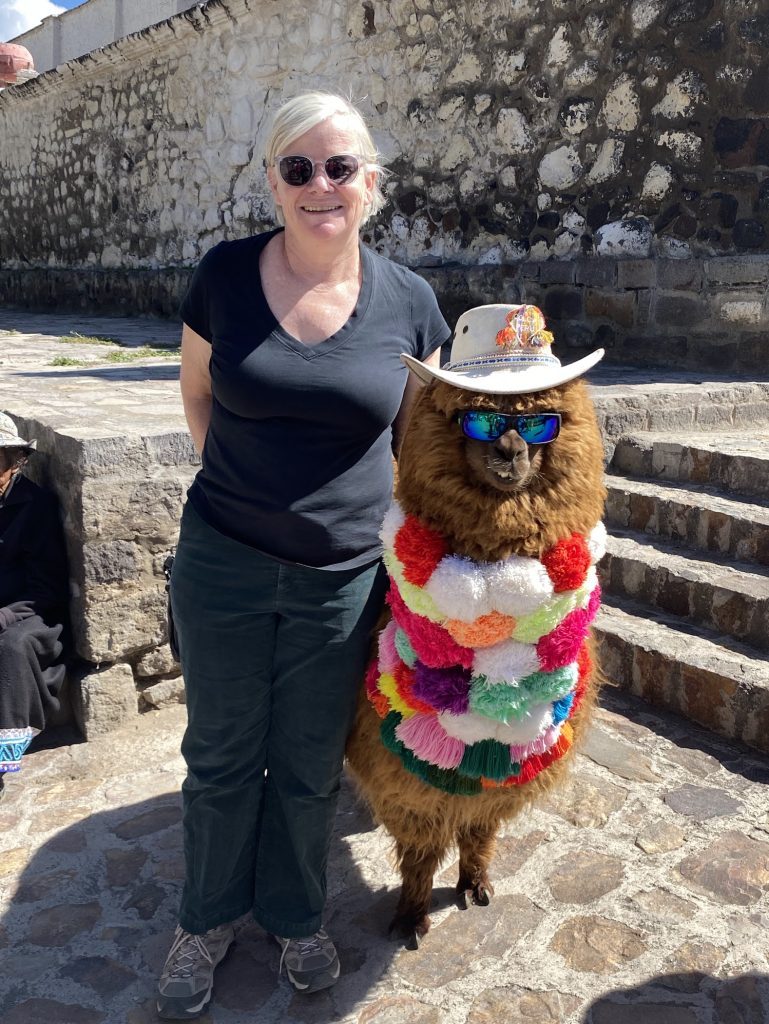
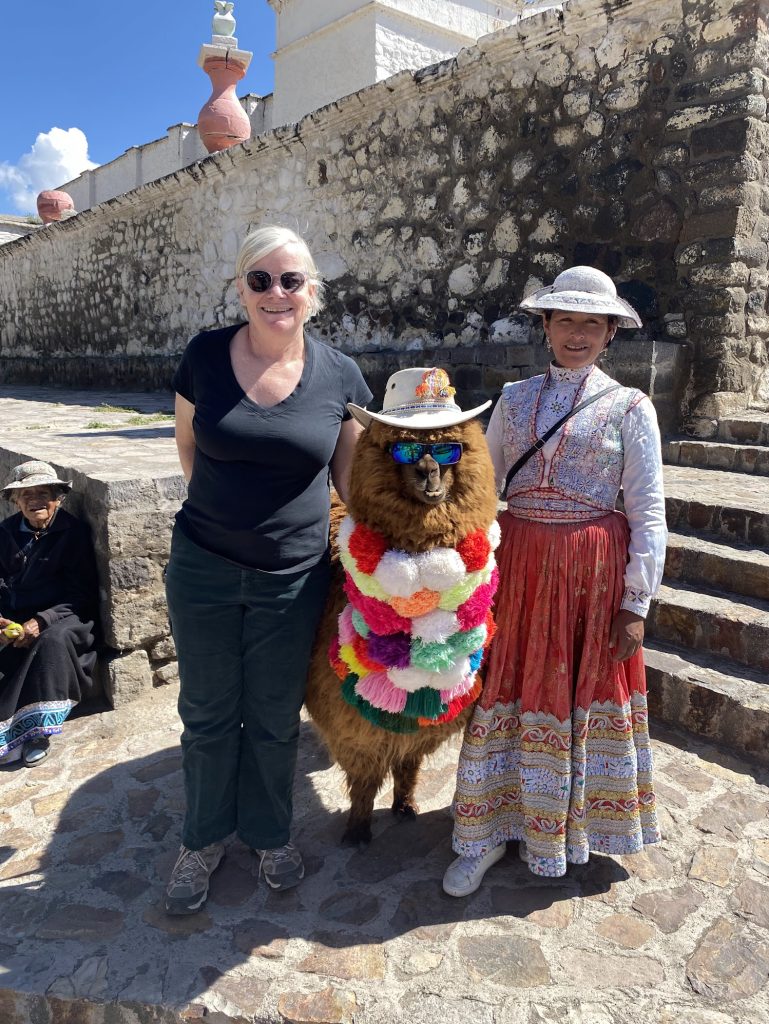
On the road through the Colca Valley, we stopped in the small town of Maca.
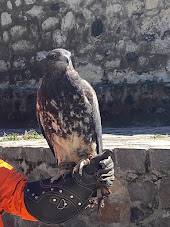
It was another chance to see a quieter side of the region, with local stalls, traditional dress and mountain scenery all around.
And then there was the snake wine.
Yes, actual snake wine.
I was happy enough to look at it.
Drinking it was another matter.
There are some cultural experiences I am perfectly comfortable admiring from a safe distance.
Onward to Cusco
From the Colca region, the journey continued across the high plains toward Cusco.
This was not a gentle transition.
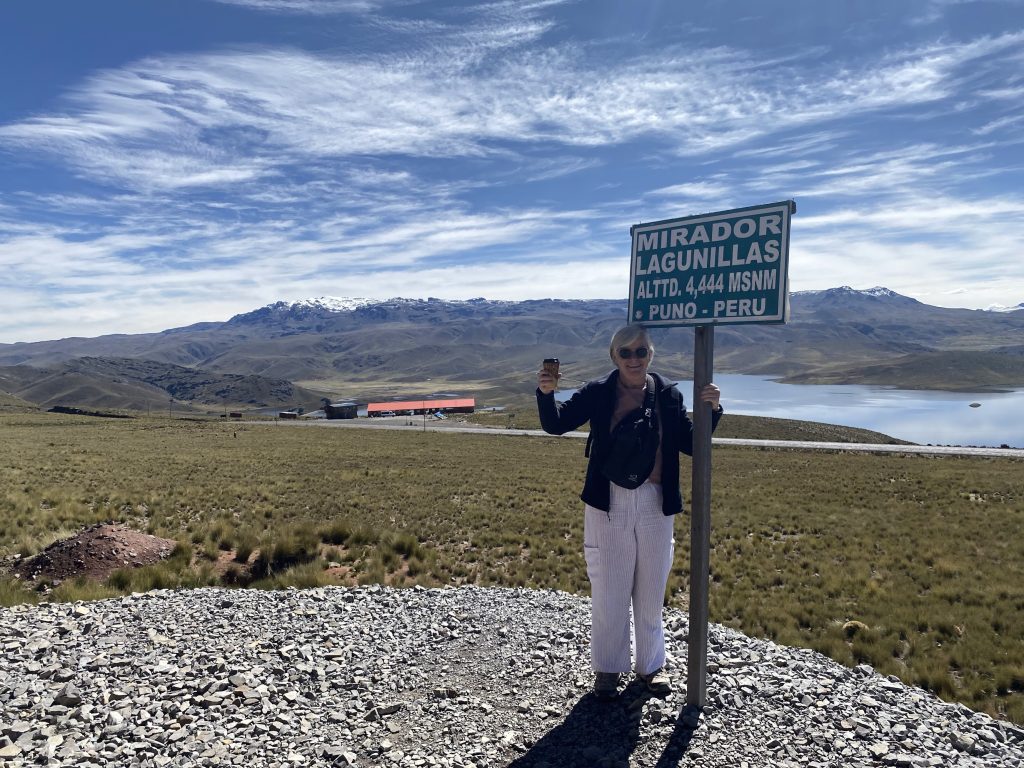
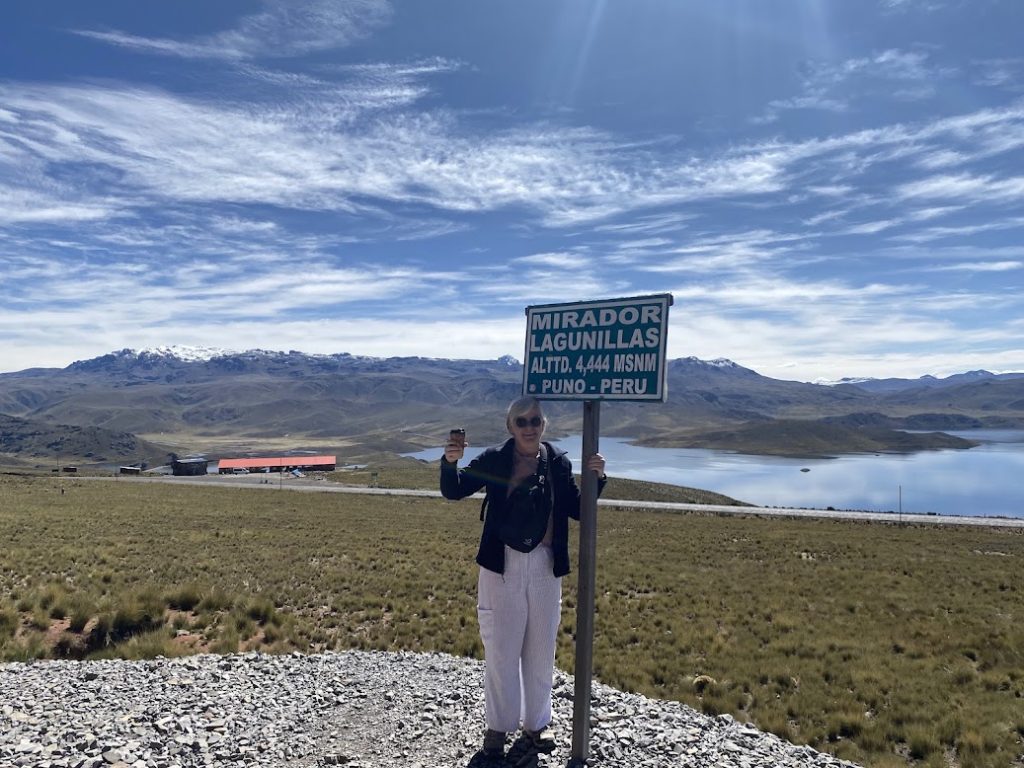
The road climbs to some serious altitude, and one of the stops was Mirador Lagunillas, at around 4,444 metres — about 14,580 feet above sea level.
At that height, the air is noticeably thin.
Even getting out of the vehicle and walking a short distance can feel surprisingly tiring.
Coca Tea Became Essential
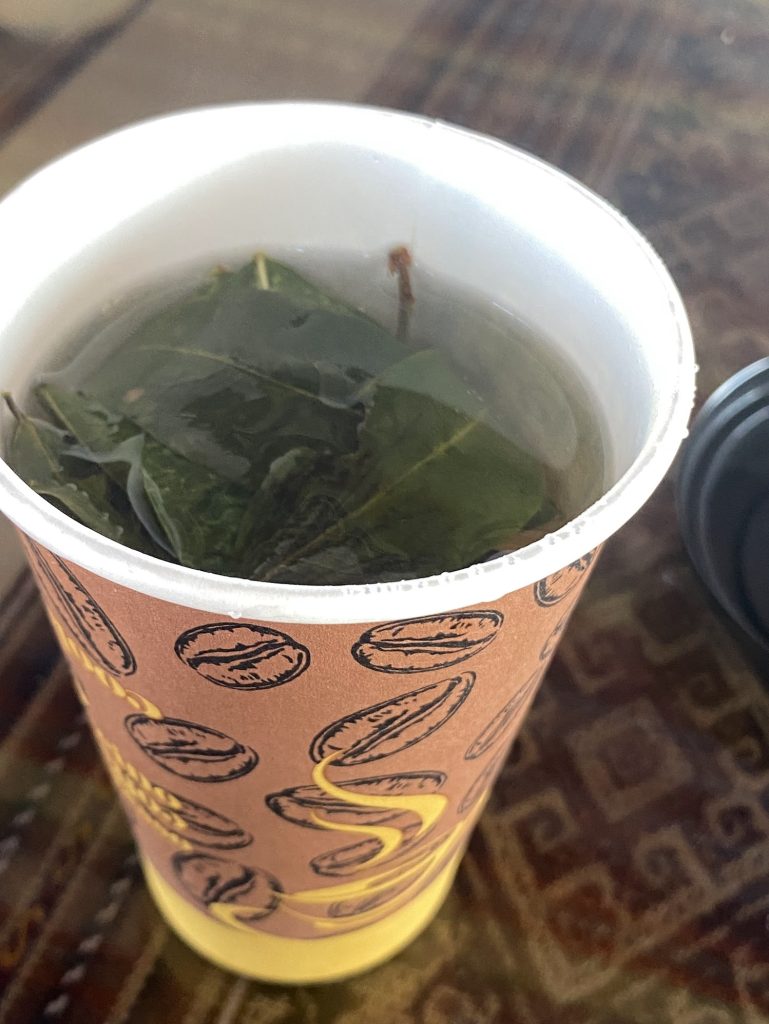
By this stage, coca tea had gone from being something interesting to try to something I was very glad to have.
Warm, simple and widely used in the Andes, it became part of the routine when the altitude started making itself known.
Whether it was the cold, the long travel days or being over four kilometres above sea level, I was definitely feeling it.
But that was part of the experience too.
A Journey Through the High Andes
The overnight trip to Colca Canyon was not really about one single sight.
It was the combination of everything.
The condors.
The canyon.
The llamas and alpacas.
The lonely flamingo.
The freezing night in Chivay.
The hot springs.
The strange snake wine.
The enormous empty landscapes.
And finally, the long road across the high Andes toward Cusco.
I may not have climbed down into Colca Canyon, but I certainly did not feel like I had missed out.
Sometimes the best way to experience a place is simply to accept your limits, slow down, and take in what is around you.
Cusco: History, High Altitude and the Sacred Valley
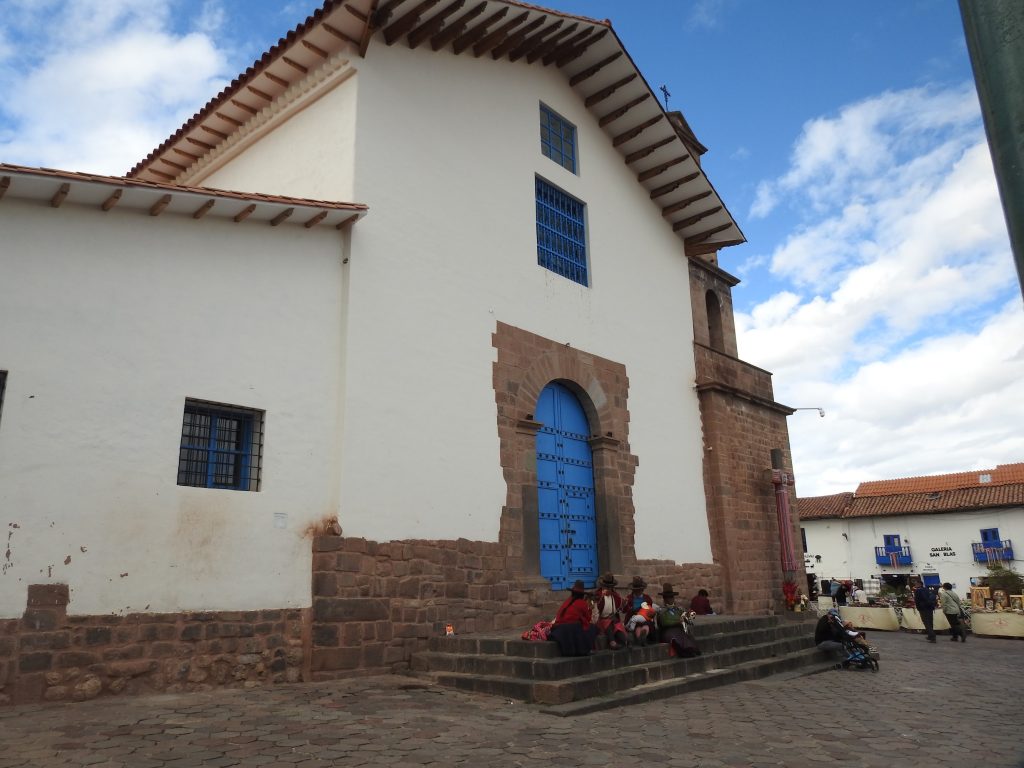
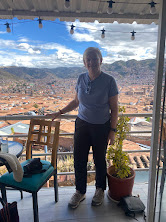
Cusco was one of those places I had been looking forward to for a long time, and it did not disappoint. The city is beautiful, historic and full of energy, but the first thing I noticed was the altitude. I was definitely more out of breath than usual, even just walking through the old streets. It made me slow down, which was probably a good thing because there is so much detail to take in.
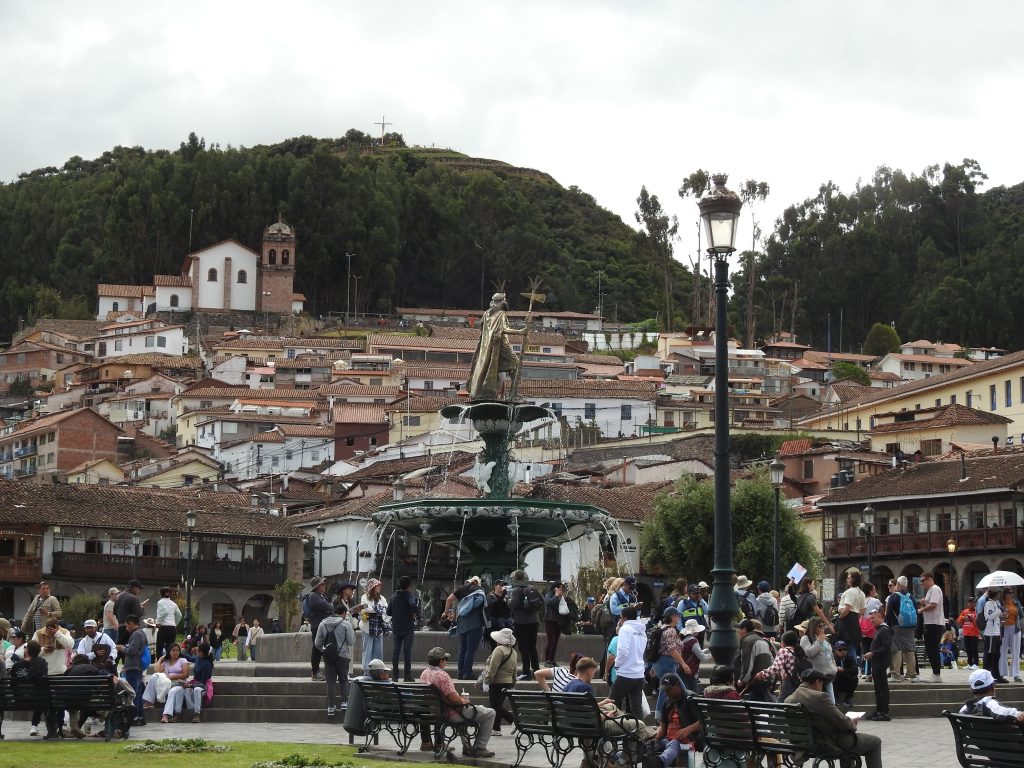
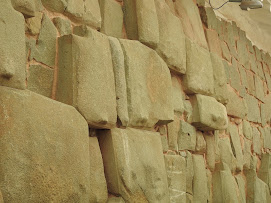
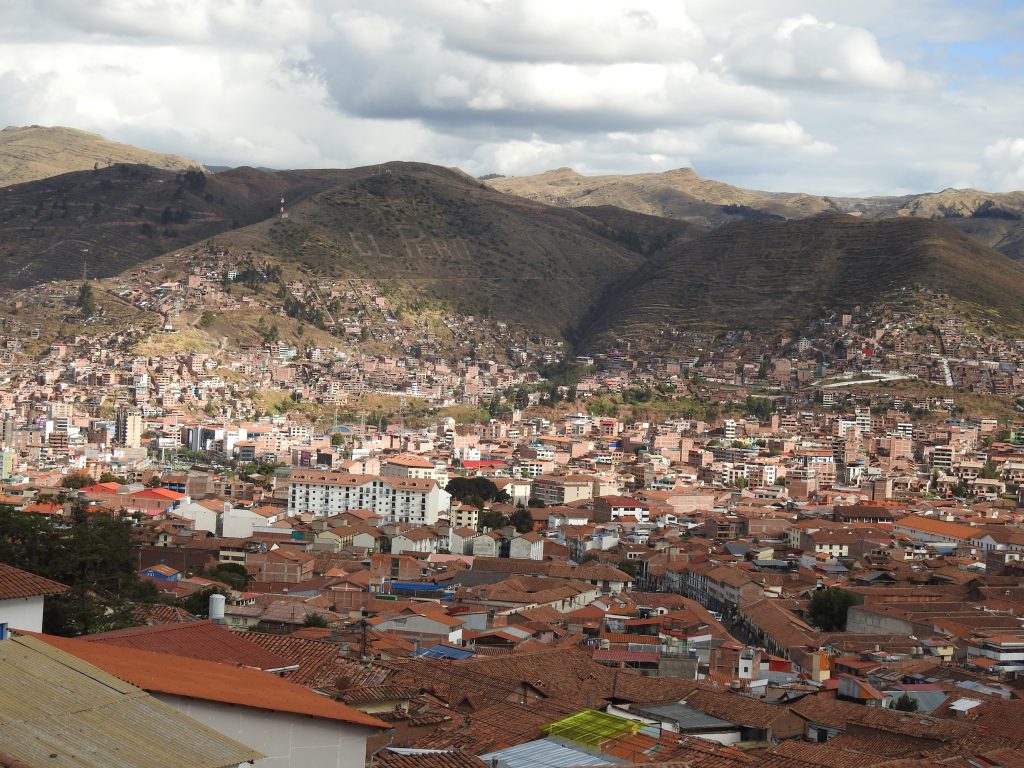
The historic centre is easy to explore on foot. I spent time around Plaza de Armas, visited Cusco Cathedral and Qorikancha, and wandered through San Blas with its steep streets, little shops and views over the city. San Pedro Market was another favourite, full of local produce, food stalls and everyday life. I also visited Sacsayhuamán above the city and some of the smaller archaeological sites nearby, including Q’enqo, Puka Pukara and Tambomachay.
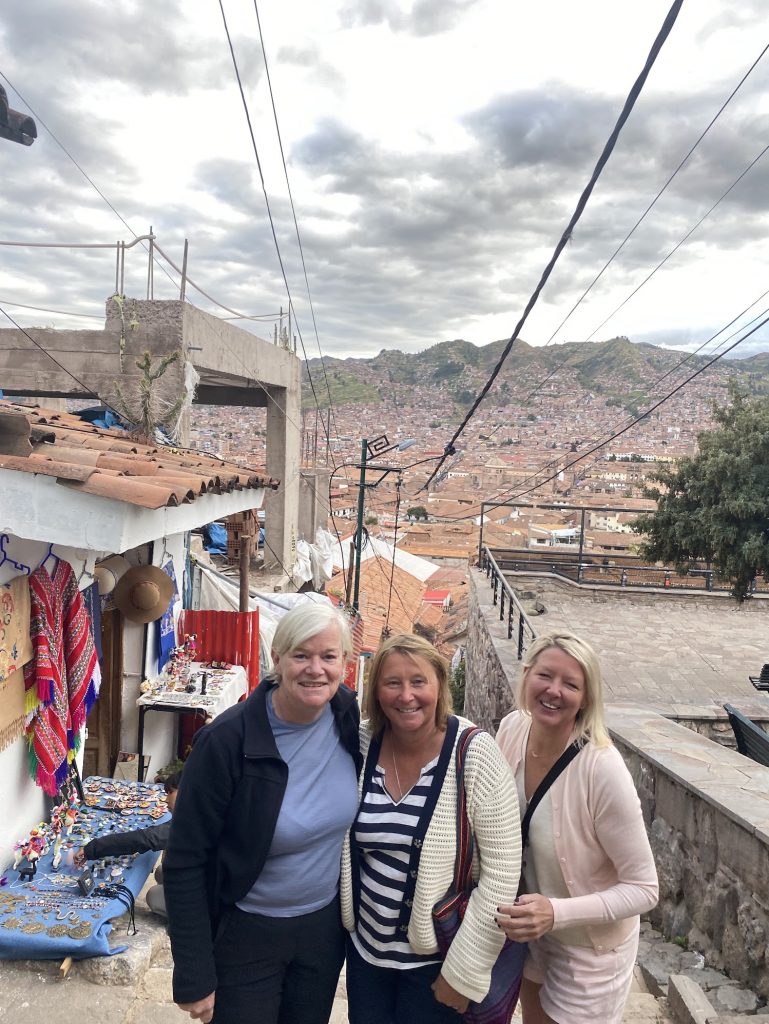
One of the best things I did was join a free walking tour, where you pay a tip at the end. It was a great way to understand the city and also to meet other travellers. That is one of the things I really enjoy about solo travel. You may arrive somewhere alone, but you are constantly meeting people through tours, buses, cafés and shared experiences.
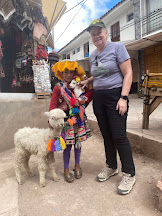
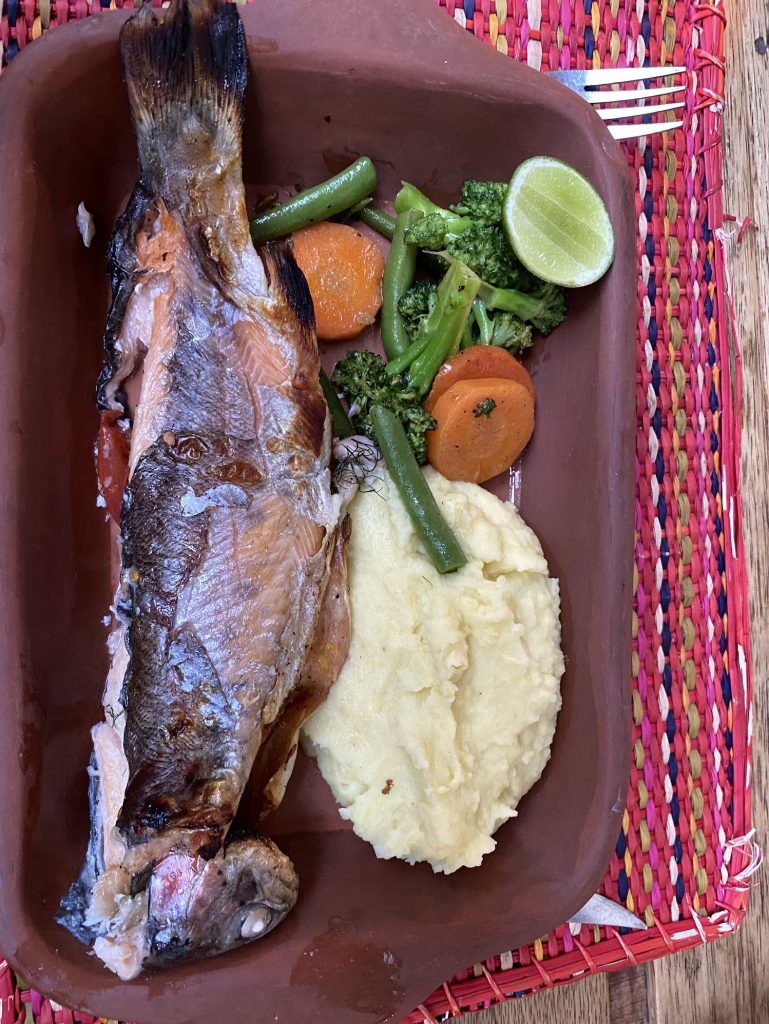
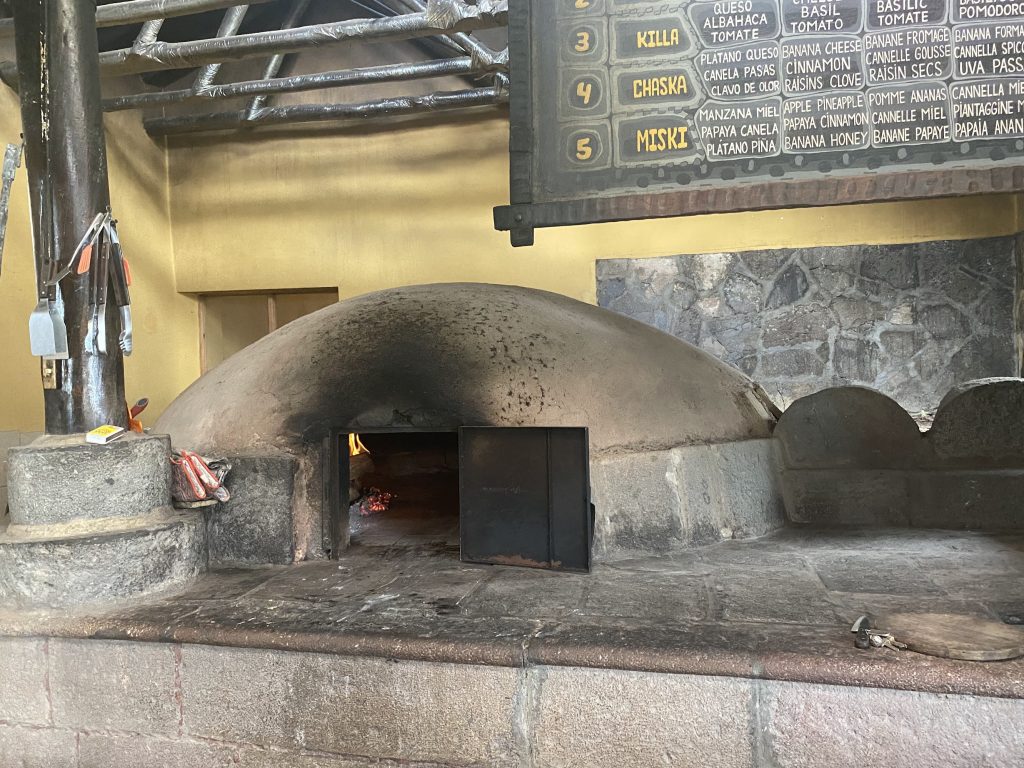
The food in Cusco was excellent. There were plenty of great restaurants and lots of traditional dishes to try. I did see people eating guinea pig, or cuy, which is a traditional Peruvian dish, but I was more than happy to let them have that experience while I stuck to vegetarian and fish options.
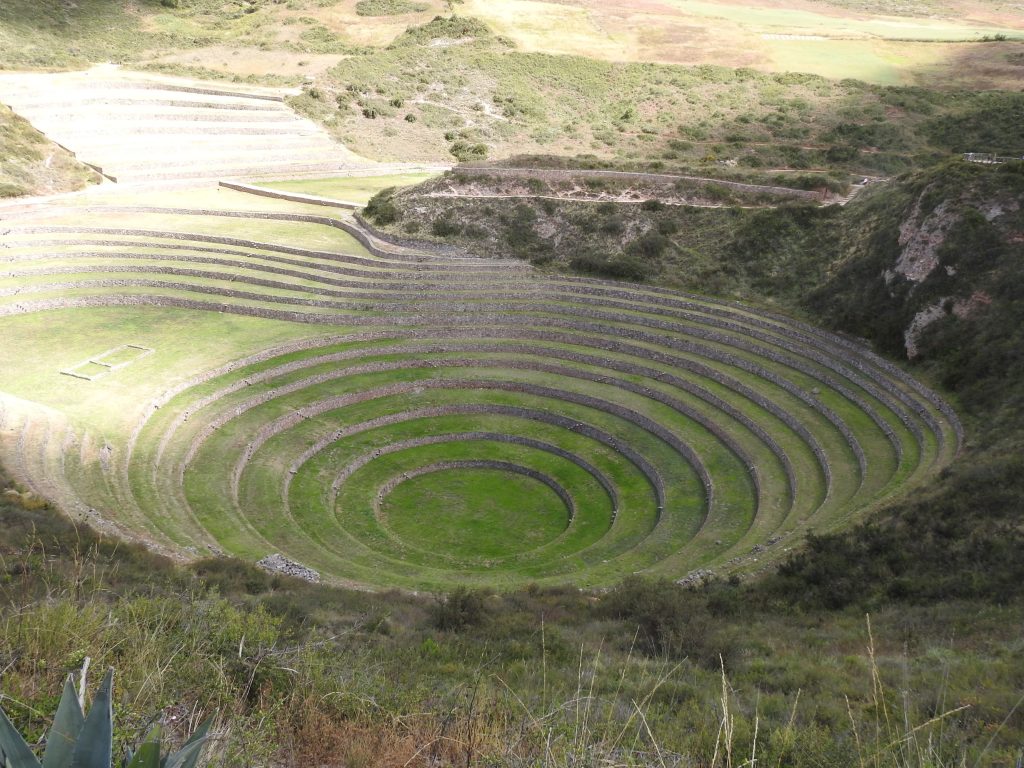
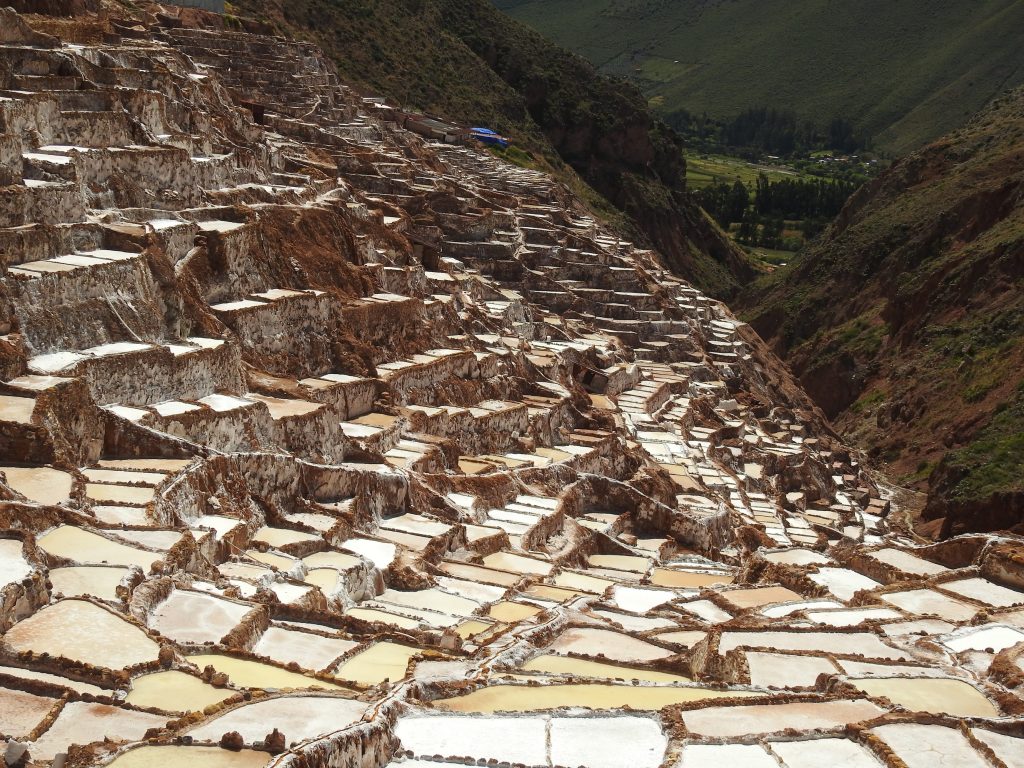
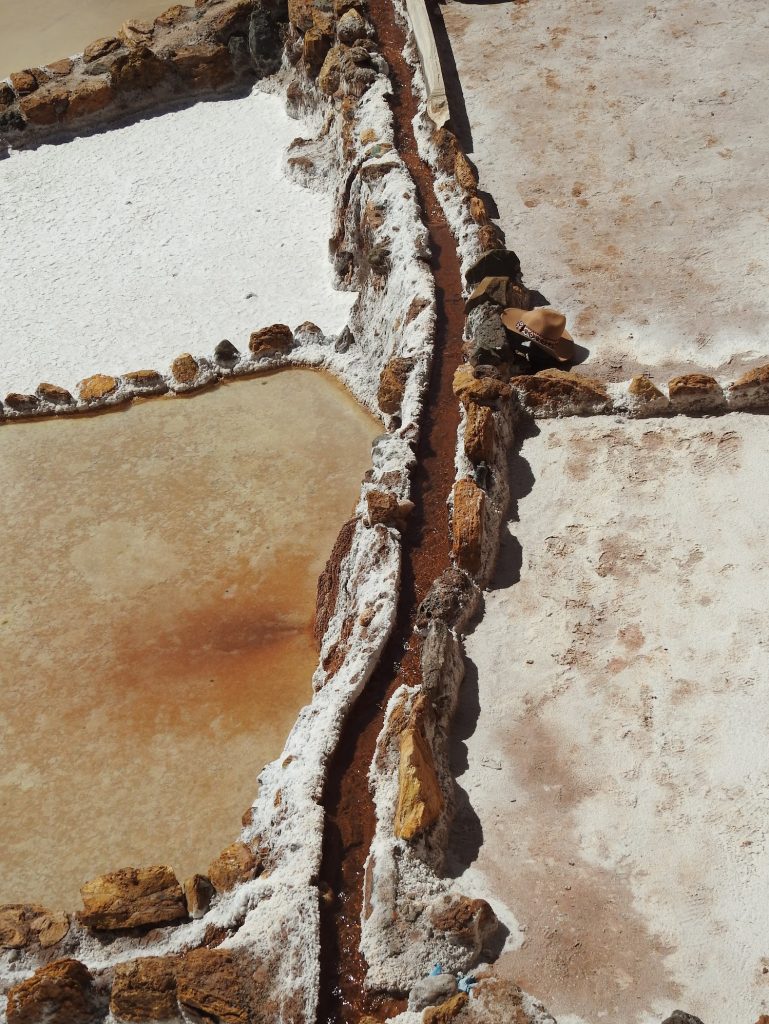
From Cusco, I visited Salineras de Maras, where hundreds of salt pools are built into the mountainside. It is an extraordinary sight and very different from anything else I had seen in Peru. Then onto Moray, believed to be an ancient agricultural laboratory where the Incas tested crops in varying microclimates.
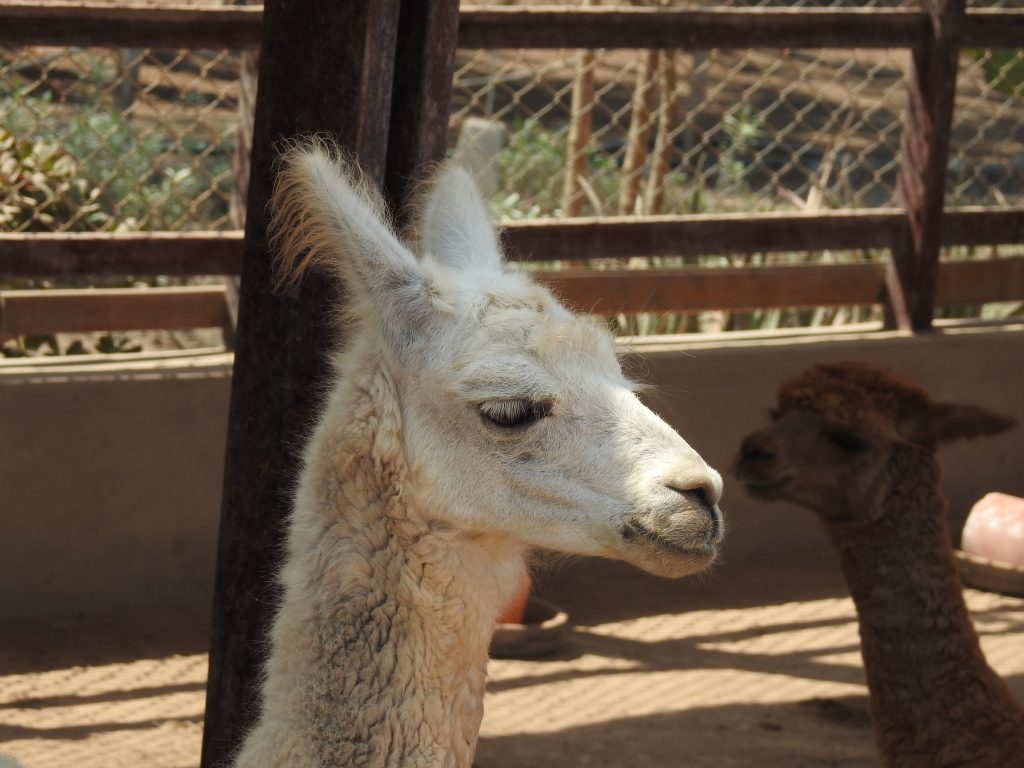
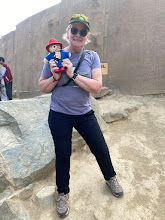
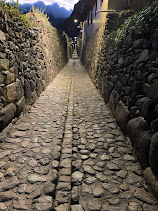
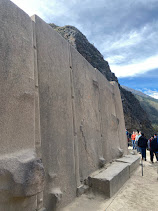
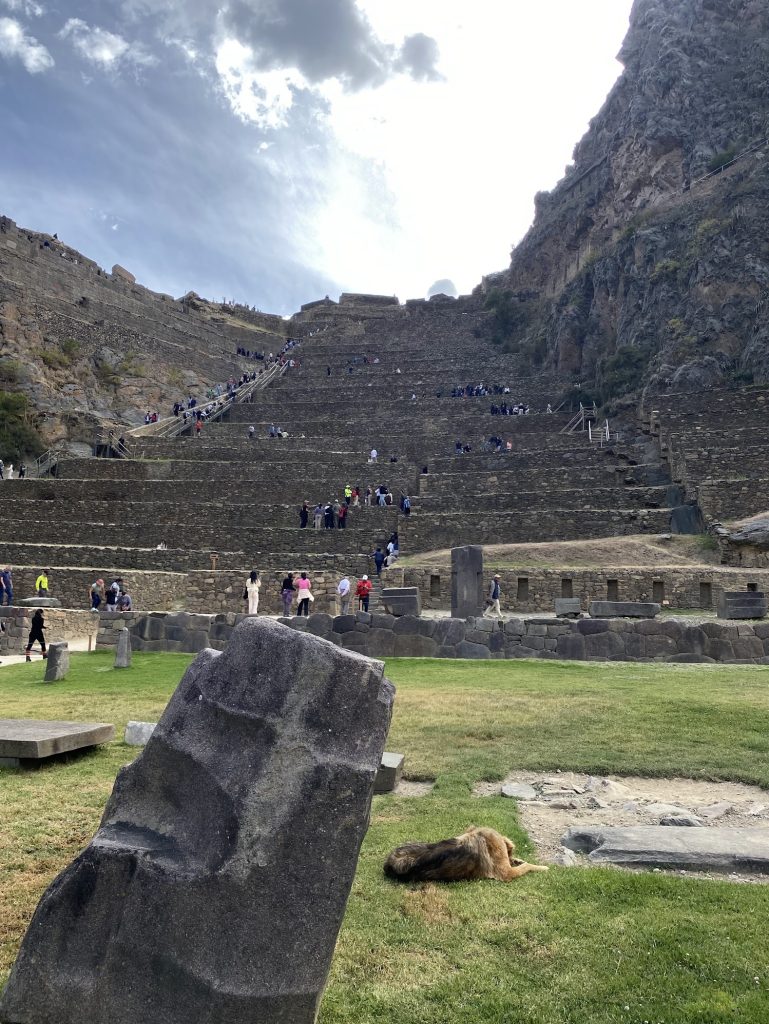
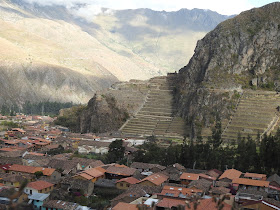
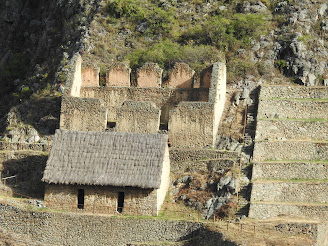
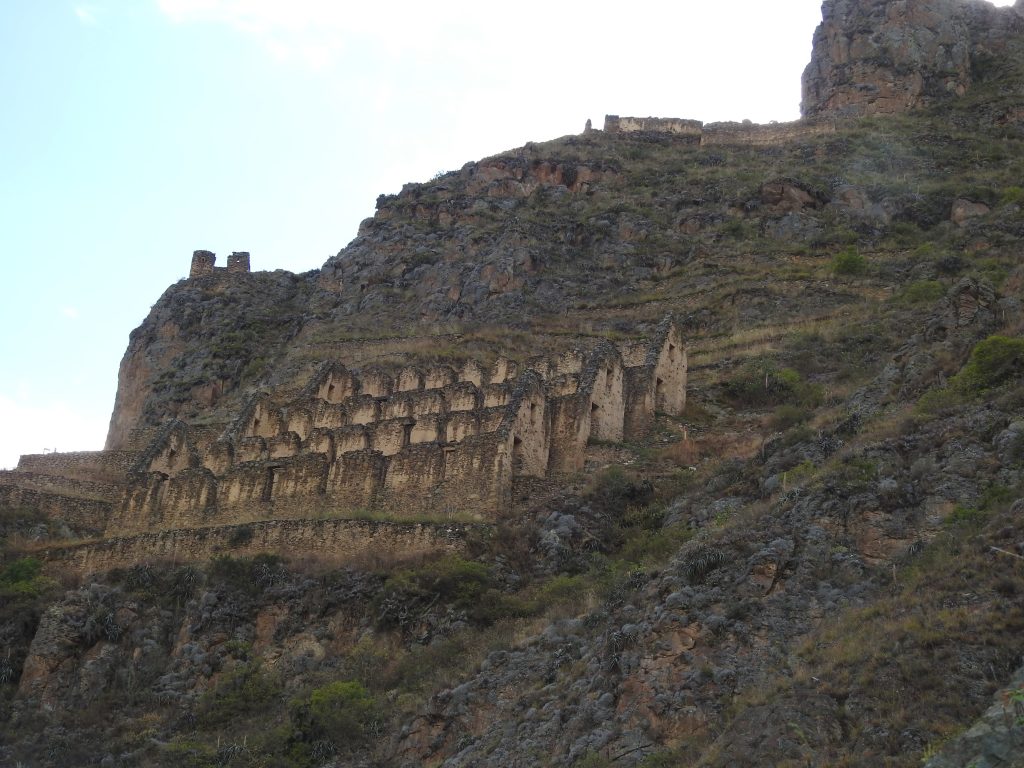
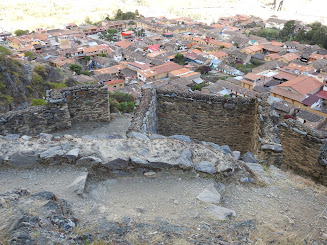
I also spent time in Ollantaytambo, and I would definitely recommend staying overnight rather than only visiting on a day tour. Once the tour buses leave, the town becomes much quieter and more atmospheric. I loved walking through the narrow stone alleyways and exploring the old streets without the crowds. I also hiked above the town, which was hard work at altitude but worth it for the views over the valley. The historic site is not to be missed. I even met up with Paddington Bear when I was there.


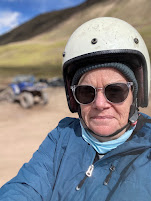
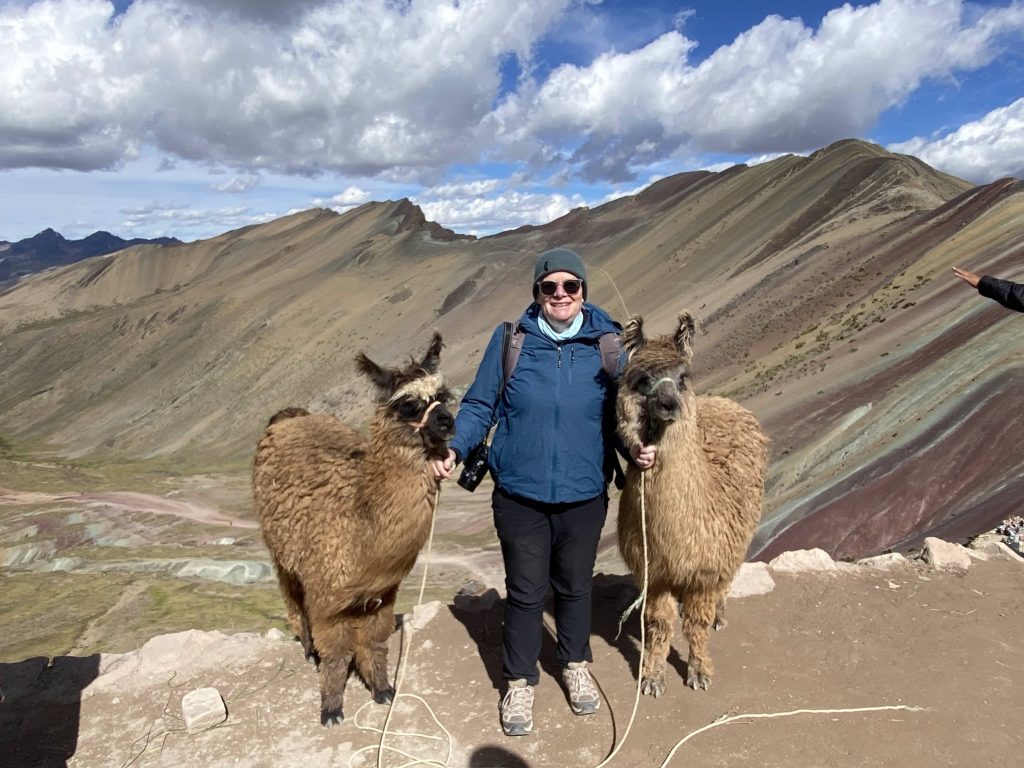
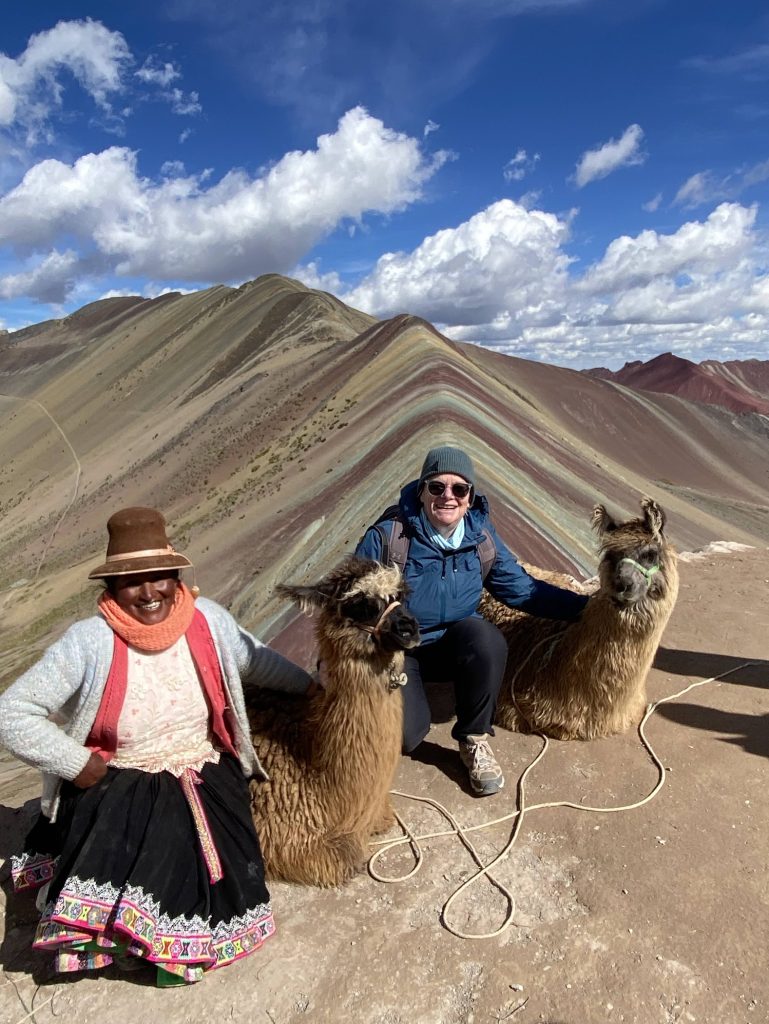
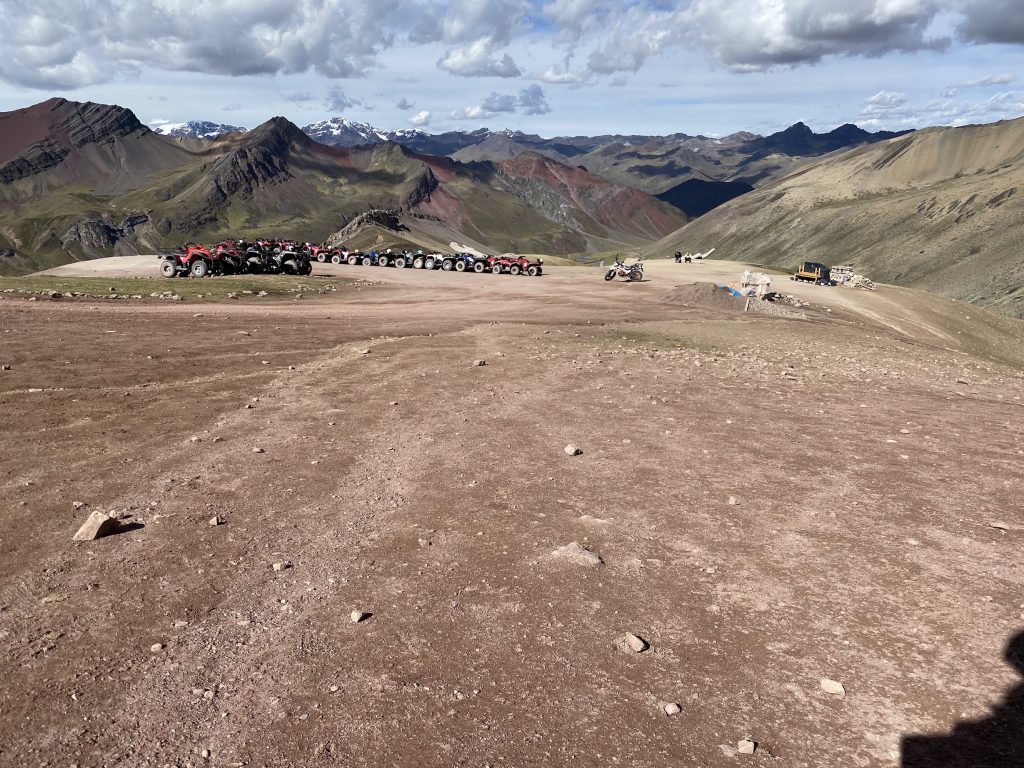
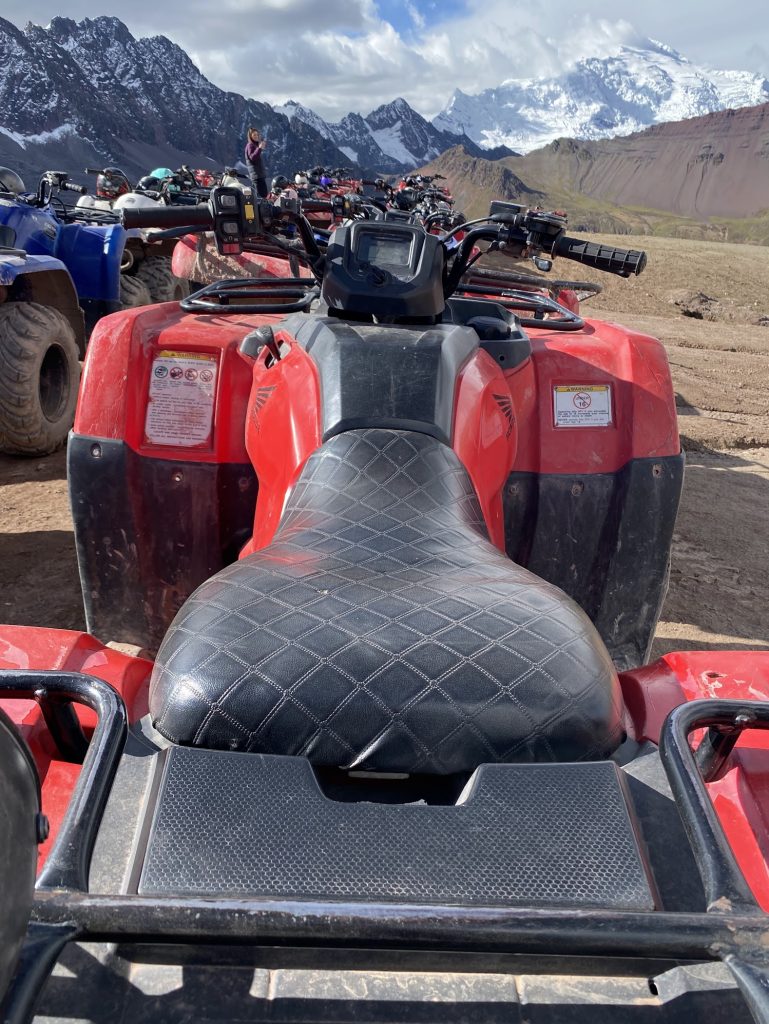
Another big day trip was Rainbow Mountain. It is beautiful, but the altitude makes the walk challenging. By then I thought I was getting used to being high in the Andes, but Rainbow Mountain quickly reminded me that I was not. It was a very long day and very beautiful when we finally arrived. I am not sure I felt safe in the Quad bikes but it is all part of the experience.
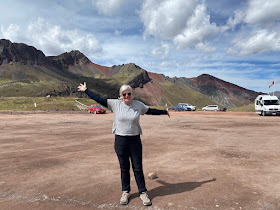
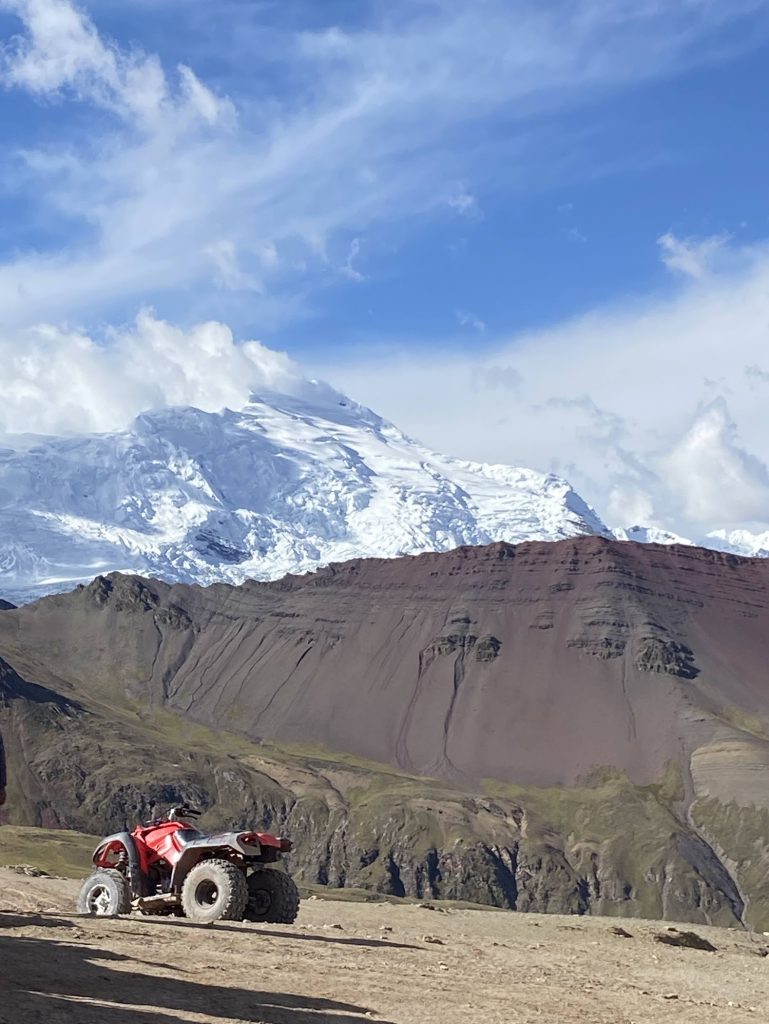
What I liked most about Cusco was the combination of everything. There was history around every corner, excellent food, great day trips, and plenty of opportunities to meet people. It felt like one of those places where I could have stayed much longer, even if I did have to stop occasionally just to catch my breath.
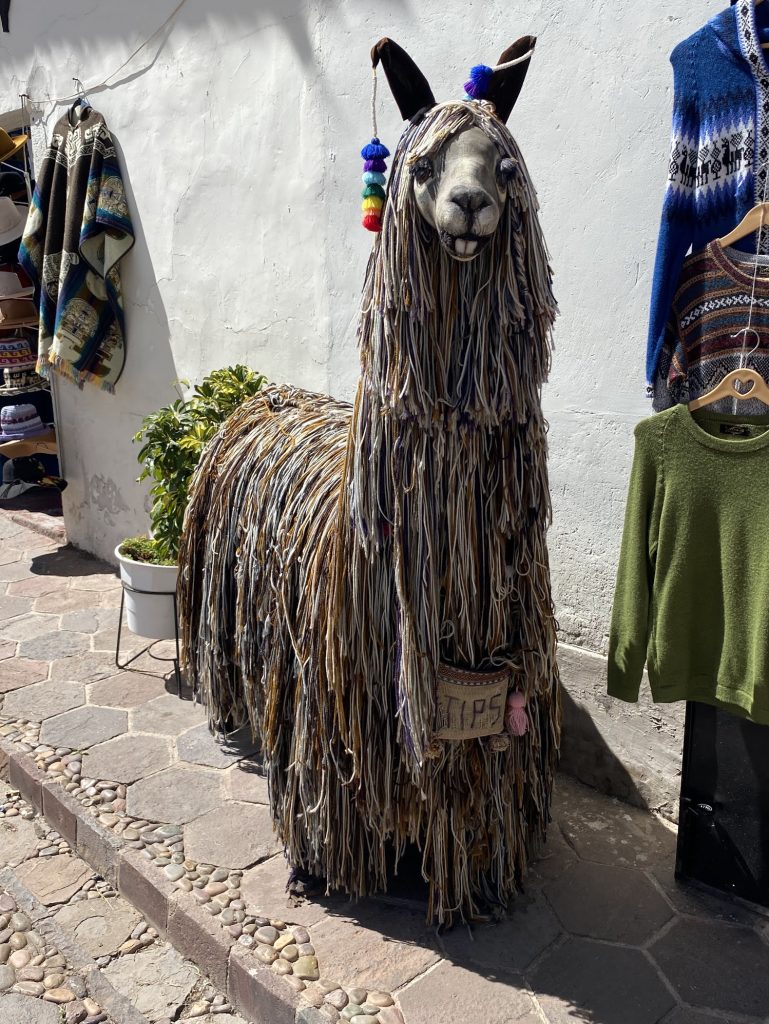
Machu Picchu: Not the Journey I Planned, but Still Unforgettable
Machu Picchu was always going to be one of the biggest moments of my trip through Peru.
Originally, I had booked the Salkantay Trek, which I had been really looking forward to. Then a motorcycle accident changed those plans completely. Hiking for days through the Andes was no longer realistic, so I had to rethink how I was going to get there.
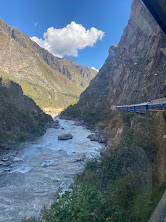
Instead of trekking in, I took the train to Aguas Calientes.
It was not the route I had imagined, but in the end I was just grateful that I could still make the trip.
A quick word on the difference between the two main trekking options: the Inca Trail is the classic historic route, following ancient Inca paths and passing archaeological sites before arriving at Machu Picchu. The Salkantay Trek is generally more about dramatic mountain scenery, high passes and a more remote feeling, with less focus on original Inca pathways. Both are challenging in different ways, and both require proper preparation.
For me, though, the train became the sensible option.
Aguas Calientes was much cuter than I expected. It is busy and very tourism-focused, but it also has a lovely setting tucked between steep green mountains. There are cafés, restaurants, shops and markets everywhere, and it has that slightly excited atmosphere of a town where almost everyone is there for the same reason.
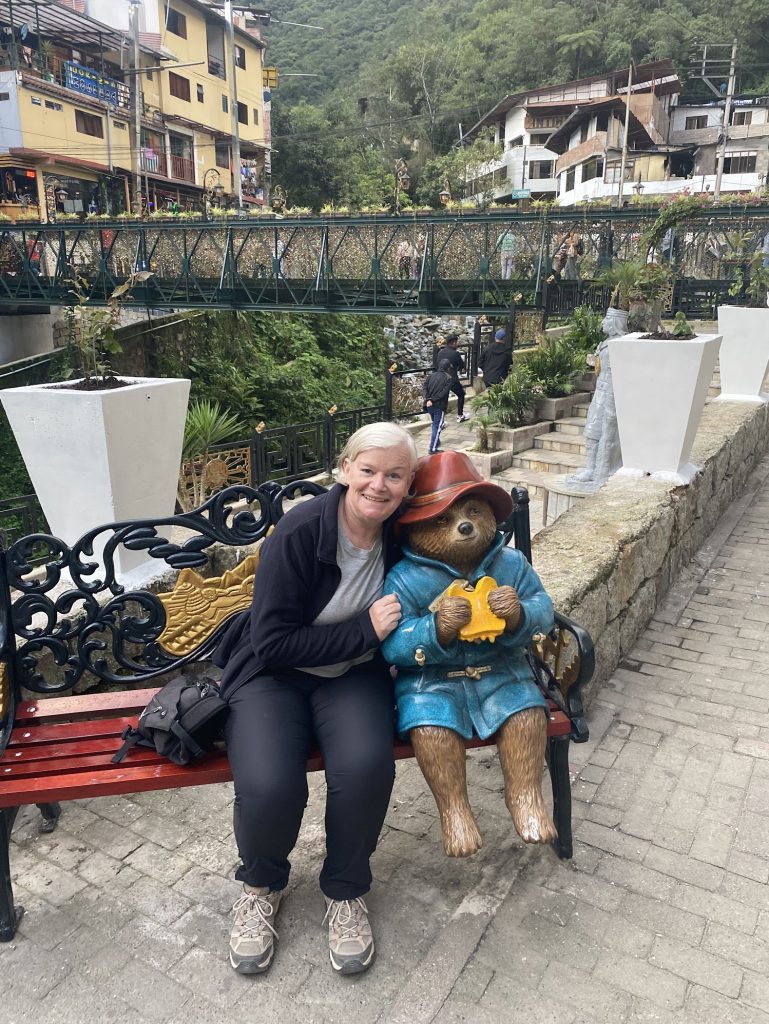
And somehow, I met Paddington Bear again.
Apparently he was following me through Peru.
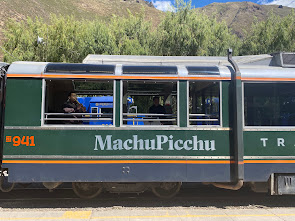
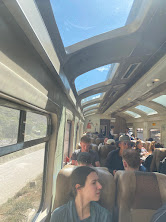
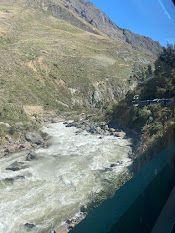
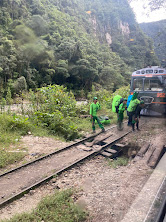
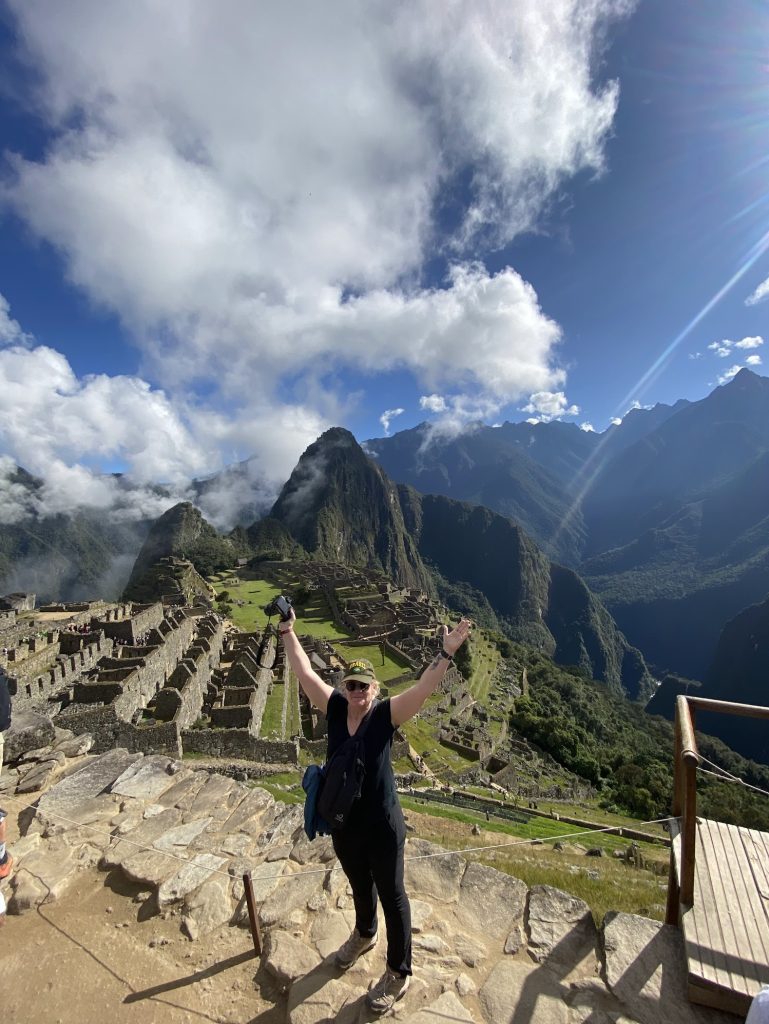
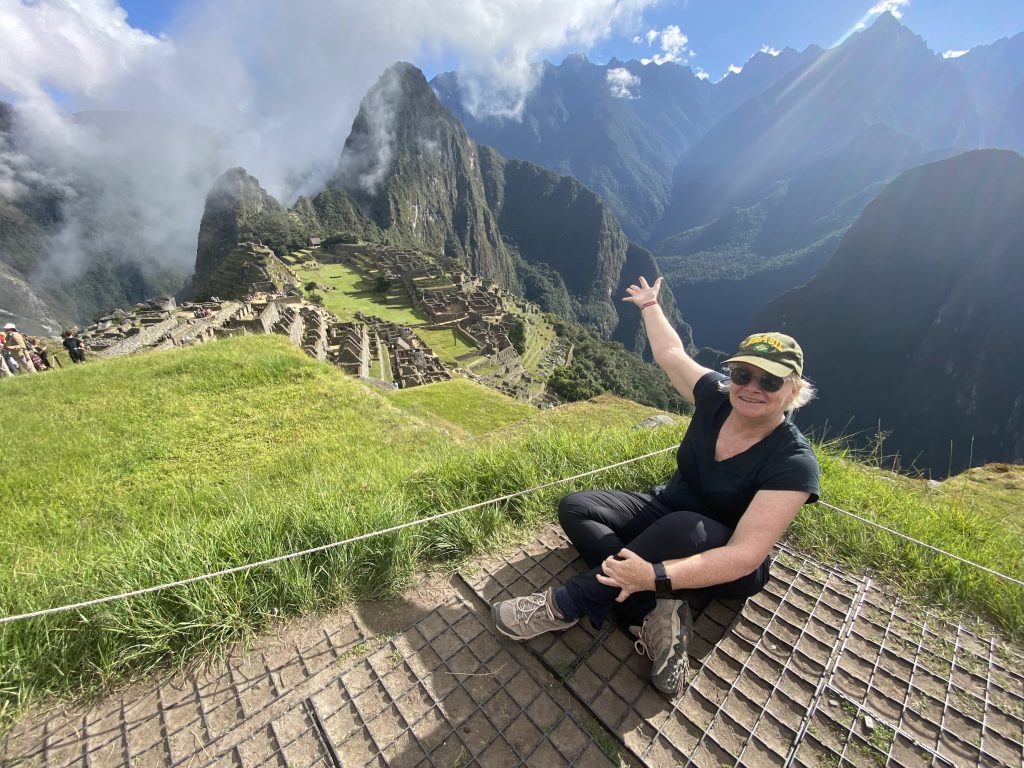
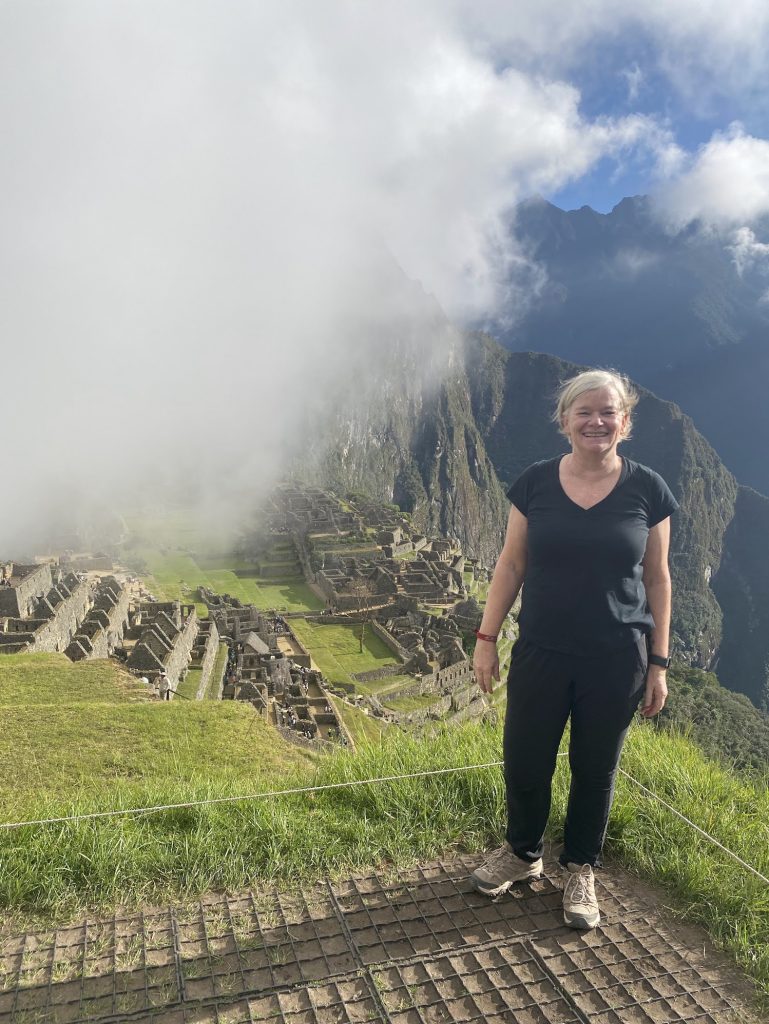
Then came Machu Picchu itself.
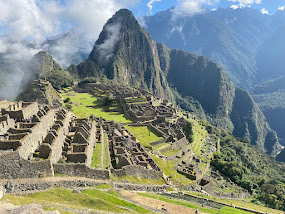
There are some places where the photographs almost ruin it because you think you already know exactly what it will look like.
Machu Picchu was not like that.
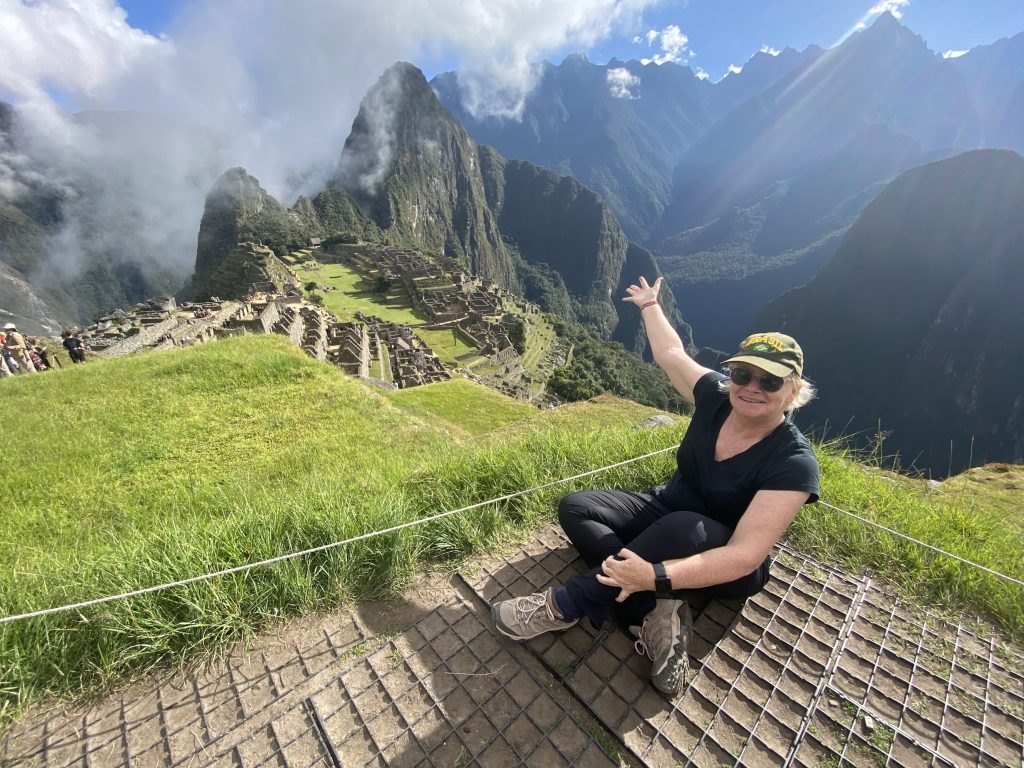
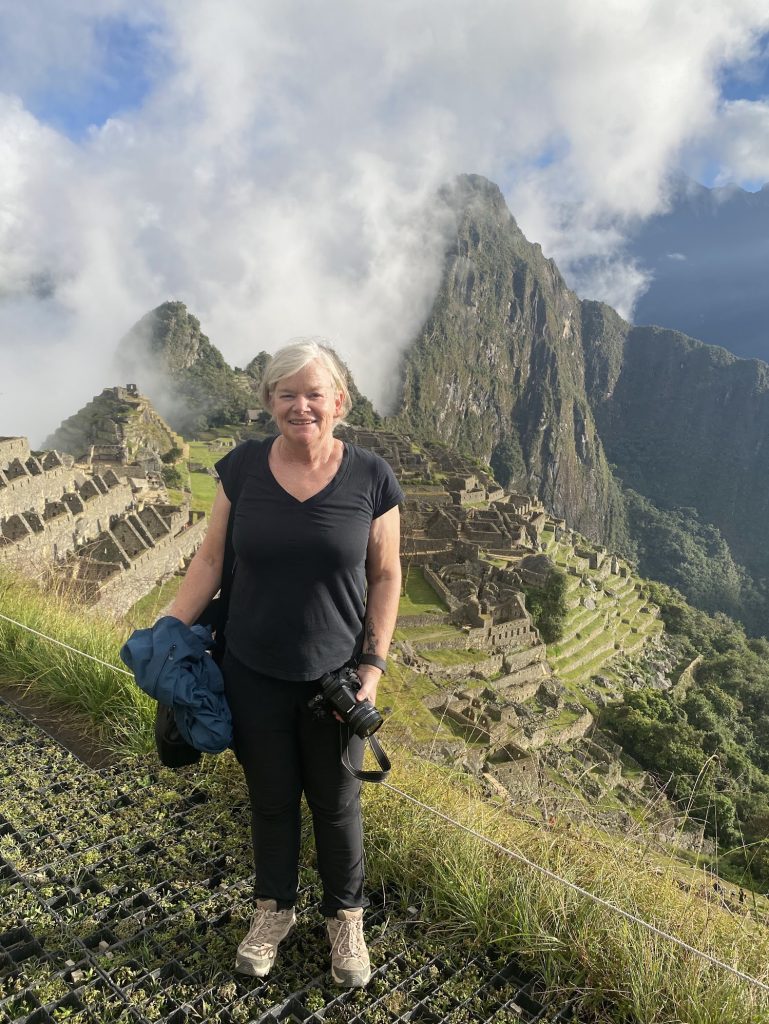
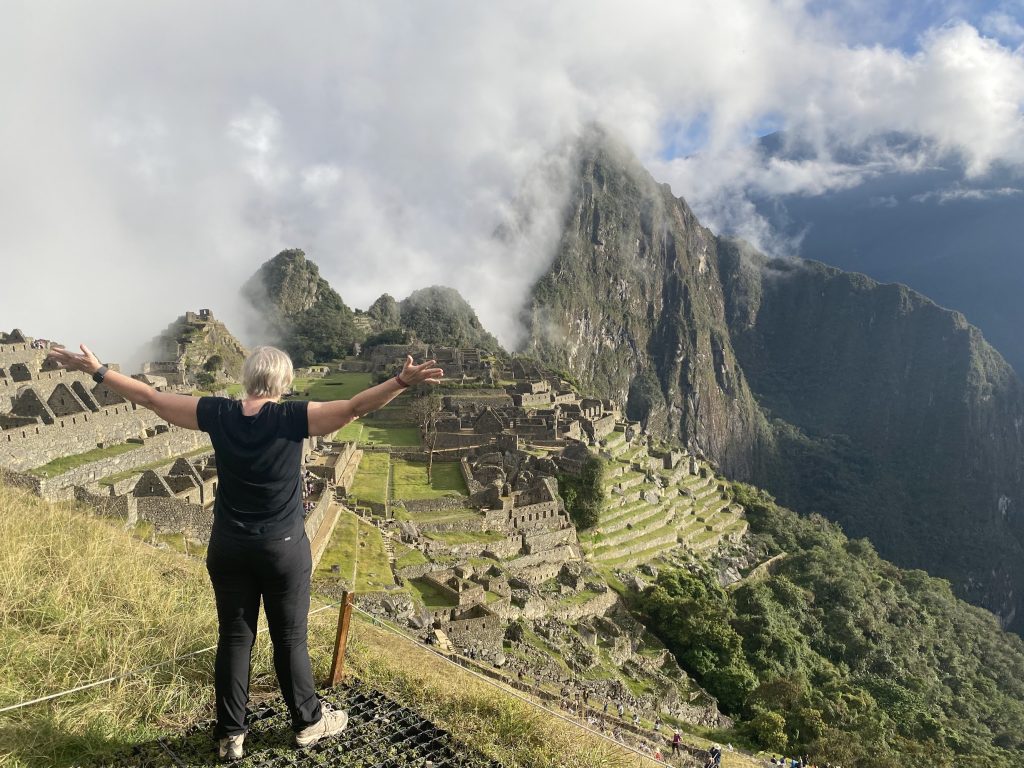
Standing there and seeing it properly for the first time was extraordinary.
The scale of the mountains, the stonework, the terraces and the way the entire site sits within the landscape are difficult to understand until you are actually there.
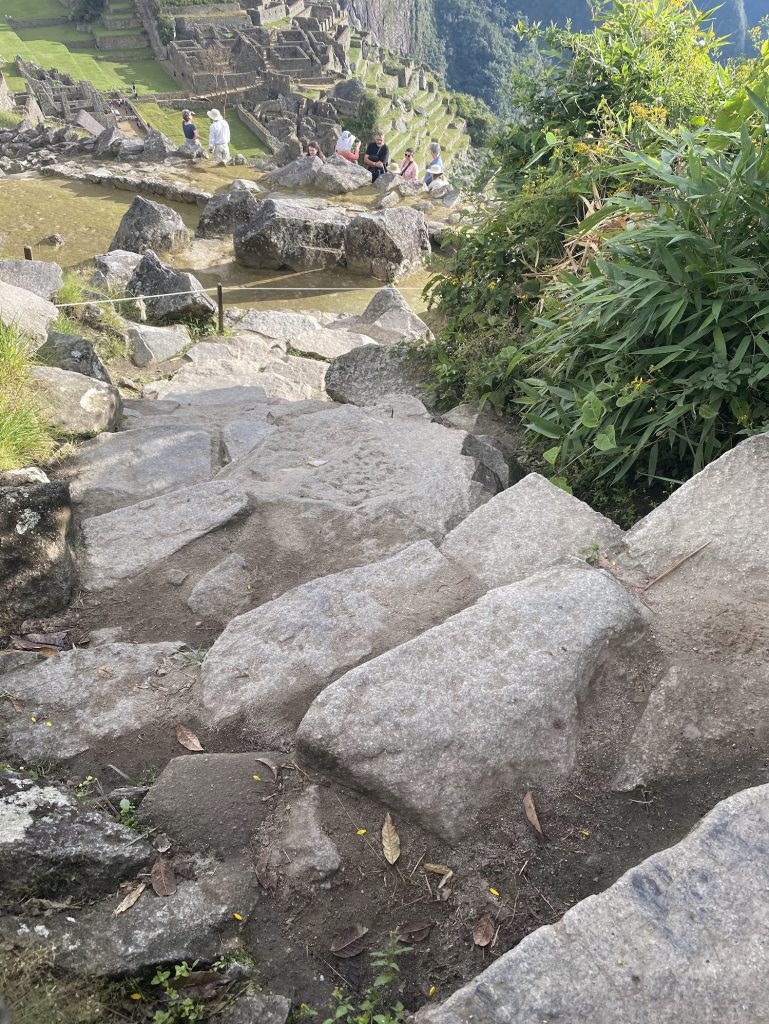
There were plenty of other visitors, but it never felt as chaotic as I had expected. The different visitor circuits, one-way sections and controlled routes helped spread people through the site, so even with large numbers arriving throughout the day, there were still moments where I could stop and actually take it in.
I would definitely recommend booking tickets well in advance. Machu Picchu is not somewhere to leave until the last minute, particularly if you want a specific circuit or time.
I would also strongly recommend having a guide.
You can certainly walk through and appreciate how beautiful it is on your own, but there is so much history and meaning hidden in the architecture that you would miss without someone explaining it. A good guide turns piles of stone into temples, astronomical features, ceremonial spaces and a much more complete picture of how the site may have been used.
Machu Picchu was not reached in the way I had planned.
There was no Salkantay Trek, no dramatic multi-day arrival on foot and no triumphant final hike.
Instead, there was a train, a change of plans and a body that was still recovering.
And none of that mattered when I finally stood there.
Sometimes travel does not go according to plan. You adapt, find another way and discover that the destination can still be every bit as special as you hoped.
Puno
Sitting high in the Peruvian Andes at around 3,800 metres above sea level, Puno is best known as the gateway to Lake Titicaca, but the real reason to spend time here is the combination of extraordinary landscape and living Indigenous culture.
Lake Titicaca
Straddling the border between Peru and Bolivia, Lake Titicaca is the world’s highest navigable lake used by large commercial vessels. At this altitude the light is unusually sharp, the surrounding mountains feel close, and the deep blue of the lake contrasts dramatically with the dry Altiplano.
For visitors staying in Puno, getting out onto the lake is the main event. The most accessible excursion is to the Uros floating islands, while a longer day trip can continue to Taquile Island. An overnight homestay or community-based visit gives you considerably more time away from the day-trip crowds.
The Uros and the Floating Islands
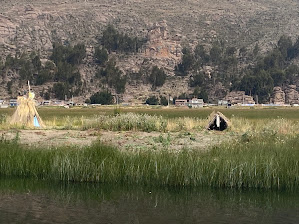
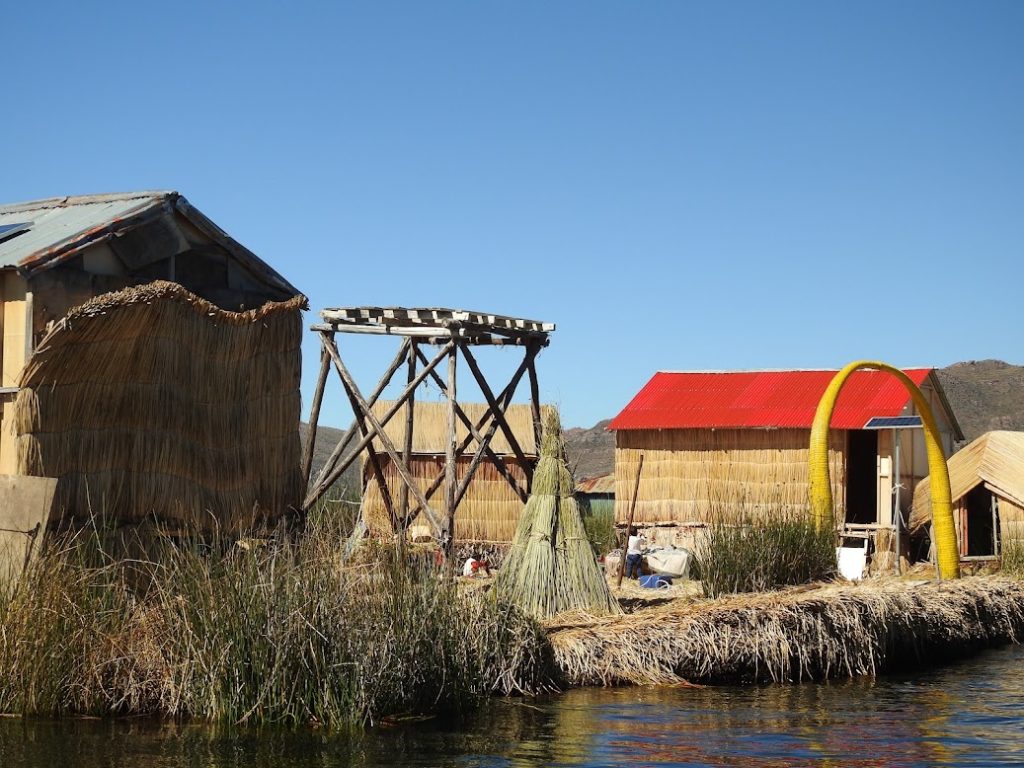
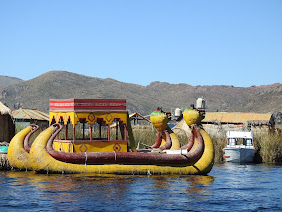
The Uros are an Indigenous people whose communities are associated with the lake’s famous floating islands. The islands are constructed from layers of totora reeds, which also traditionally provide material for houses, boats and handicrafts.
This isn’t simply a historical reconstruction. Families continue to live on islands on the lake, although tourism is now an important part of the local economy and some islands receive large numbers of visitors.
That makes the experience worth approaching with some awareness. Rather than treating the Uros as a tourist attraction, spend time listening to how the islands are built and maintained, how people use the lake and how contemporary life has changed. Buying handicrafts directly from residents is also one way visitors contribute to the community.
Taquile Island
Further across the lake, Taquile offers a rather different experience.
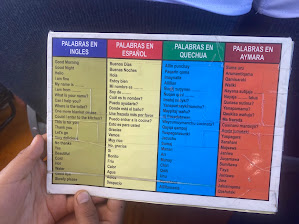
The island’s Indigenous Quechua-speaking community is particularly known for its textile traditions. Taquile textile art has been recognised by UNESCO as part of the Intangible Cultural Heritage of Humanity.
Walking across the island takes you through agricultural terraces and small settlements with enormous views across Titicaca. On a clear day, the snow-covered mountains of Bolivia can appear on the horizon.
It’s also physically demanding. At nearly 4,000 metres, hills and staircases that would normally be easy can leave you surprisingly breathless.
Explore Puno itself
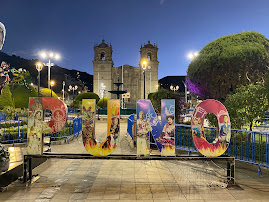
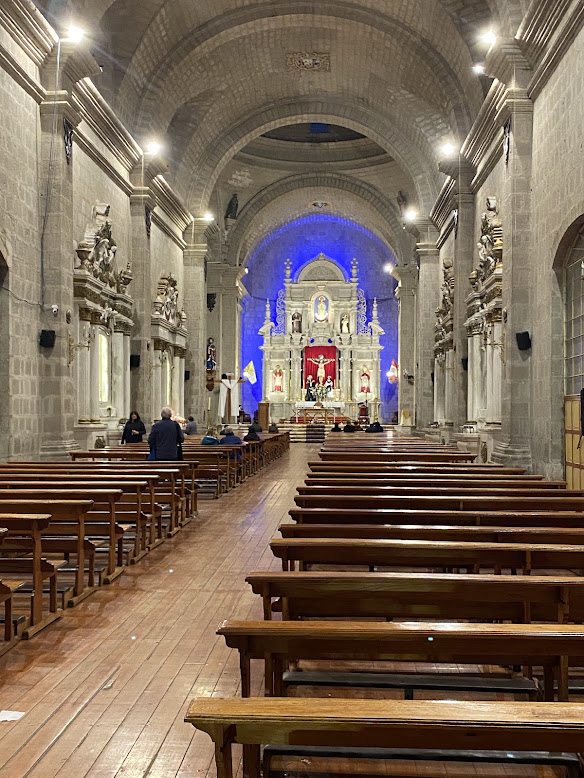
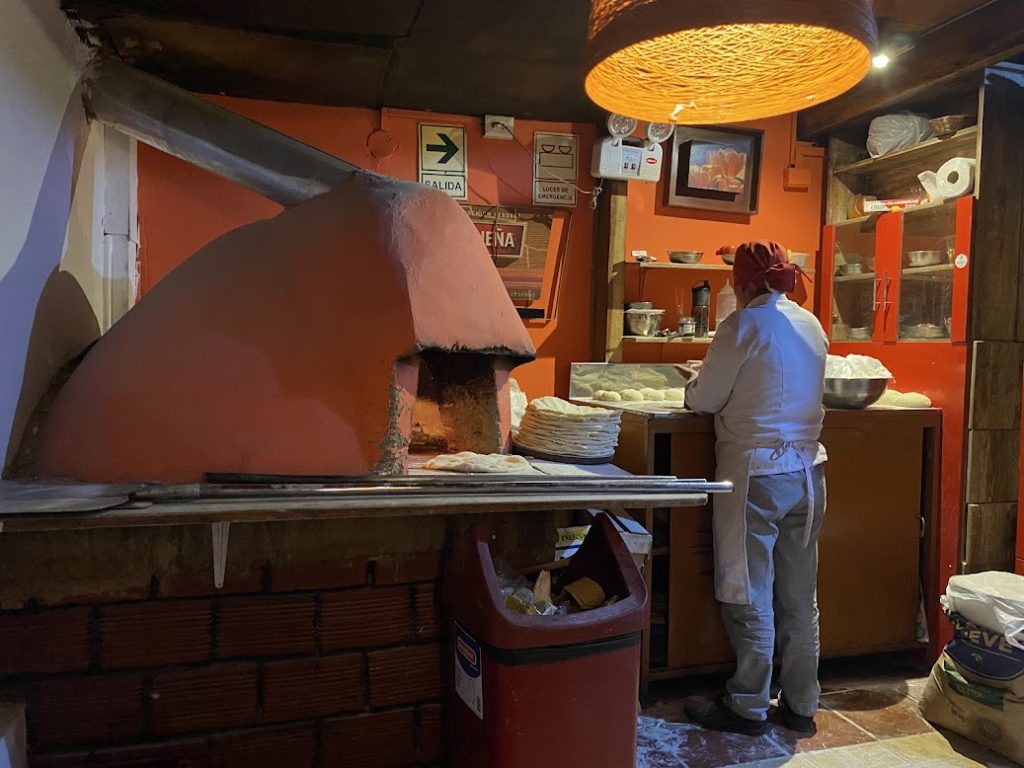
Back on the mainland, spend some time around Plaza de Armas and Puno Cathedral, then wander into the surrounding streets, markets and smaller restaurants. Puno is less polished than Peru’s major tourist centres, which is part of its appeal.
For a view over the city and lake, head up to one of Puno’s viewpoints. Just remember that you’re already at serious altitude before enthusiastically tackling hundreds of steps.
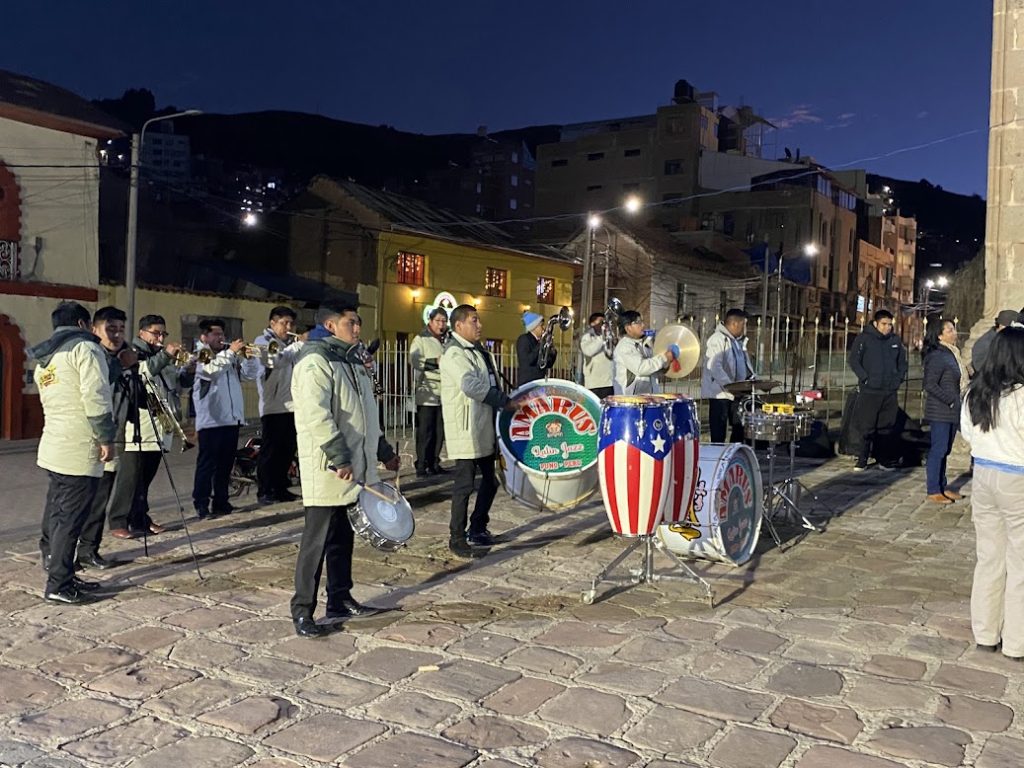
Puno is also regarded as one of Peru’s major centres of traditional dance and folklore. If your visit coincides with the Virgen de la Candelaria celebrations in February, the city becomes the setting for enormous processions, music and dance performances drawing on Indigenous Andean and Catholic traditions.
Allow for the altitude
Puno is considerably higher than Cusco. 3,800 metres is high enough that you shouldn’t treat altitude as an afterthought. On your first day, keep the pace slow, drink plenty of water and don’t immediately plan a strenuous walk.
I’d give Puno at least two nights. Three is better if you want to visit the Uros and Taquile without simply racing through Lake Titicaca as another stop on a Peru itinerary.
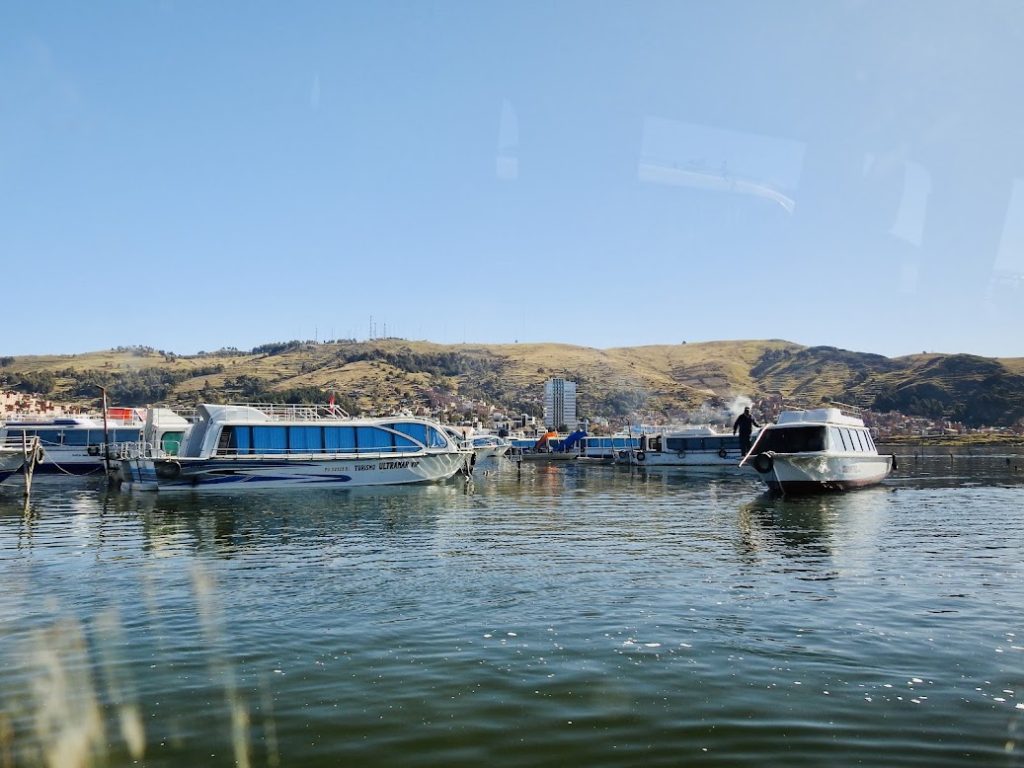
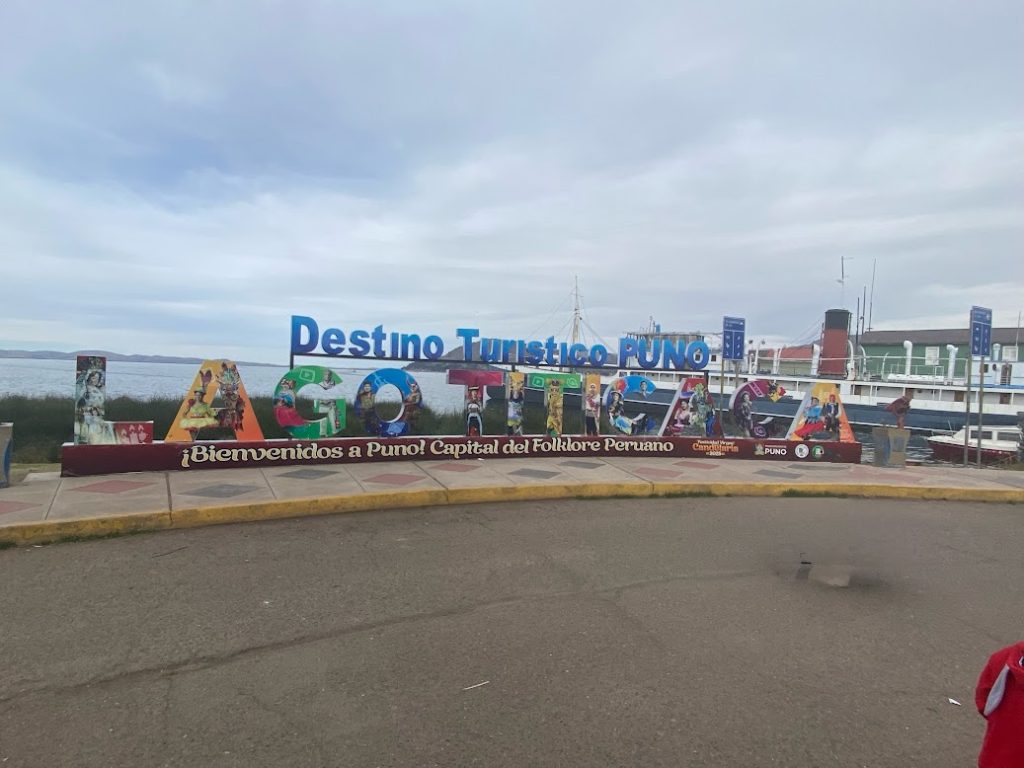
Lake Titicaca – Staying with a Local Family
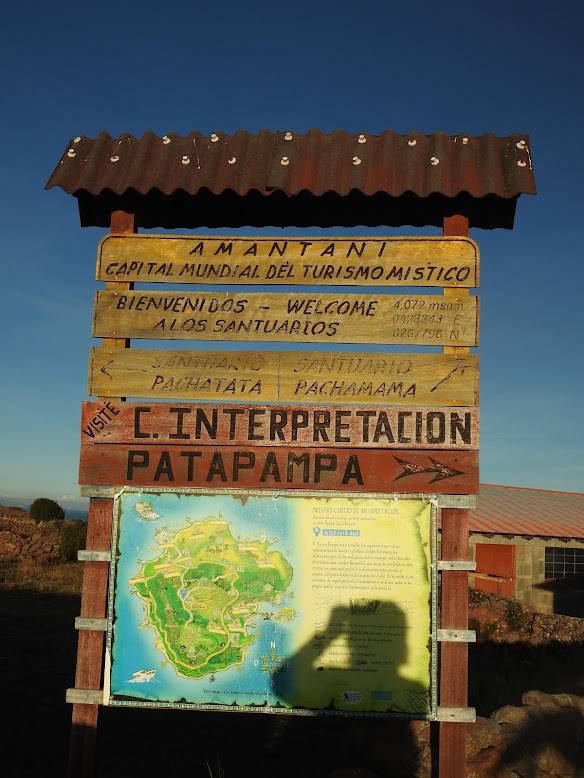
One of the highlights of our time around Puno was an overnight trip on Lake Titicaca, including a visit to the Uros floating islands and a night staying with a local family on Amantani Island.
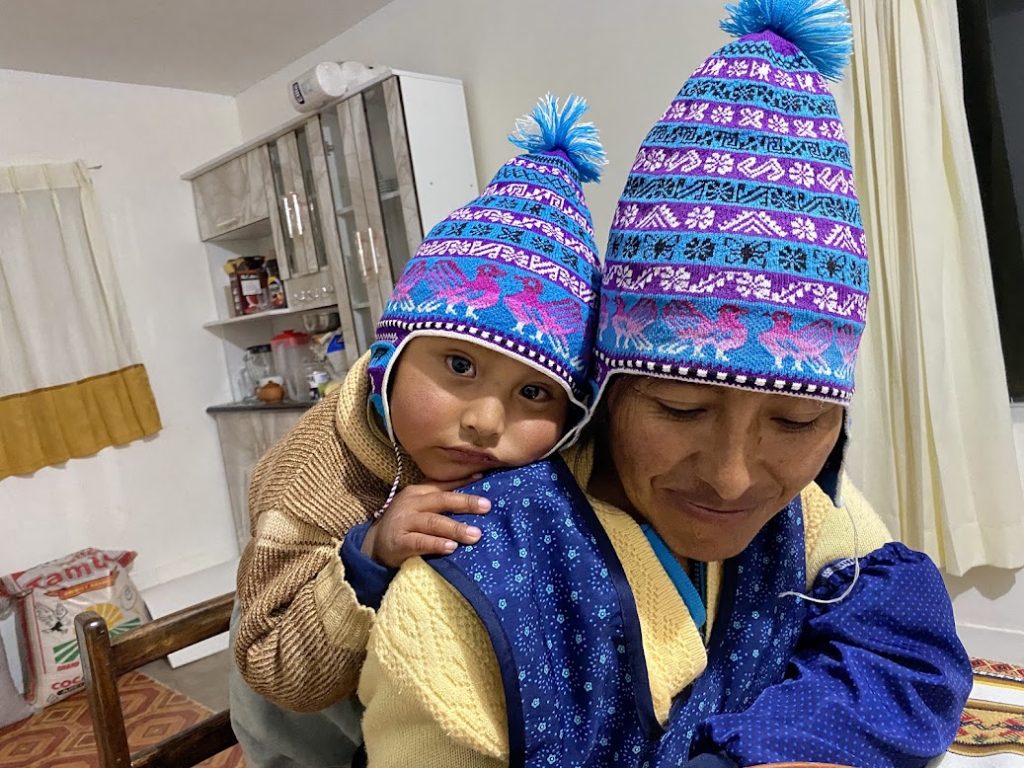
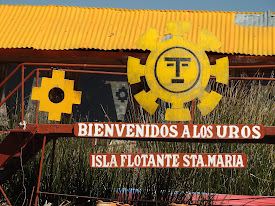
The first stop was the Uros Islands, where families live on floating islands constructed from layers of totora reeds. It is fascinating to see how the islands are built and maintained, and how the reeds are used for homes, boats and everyday life.
From there we travelled further across the lake to Amantani, where we were billeted with a local family for the night.
It was such a lovely stay.
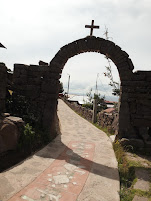
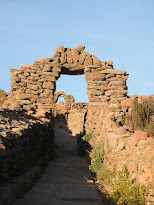
The island felt completely different from Puno. Quiet stone paths wound between homes and fields, with cobblestoned lanes and dry-stone walls that strangely reminded me of the English countryside.
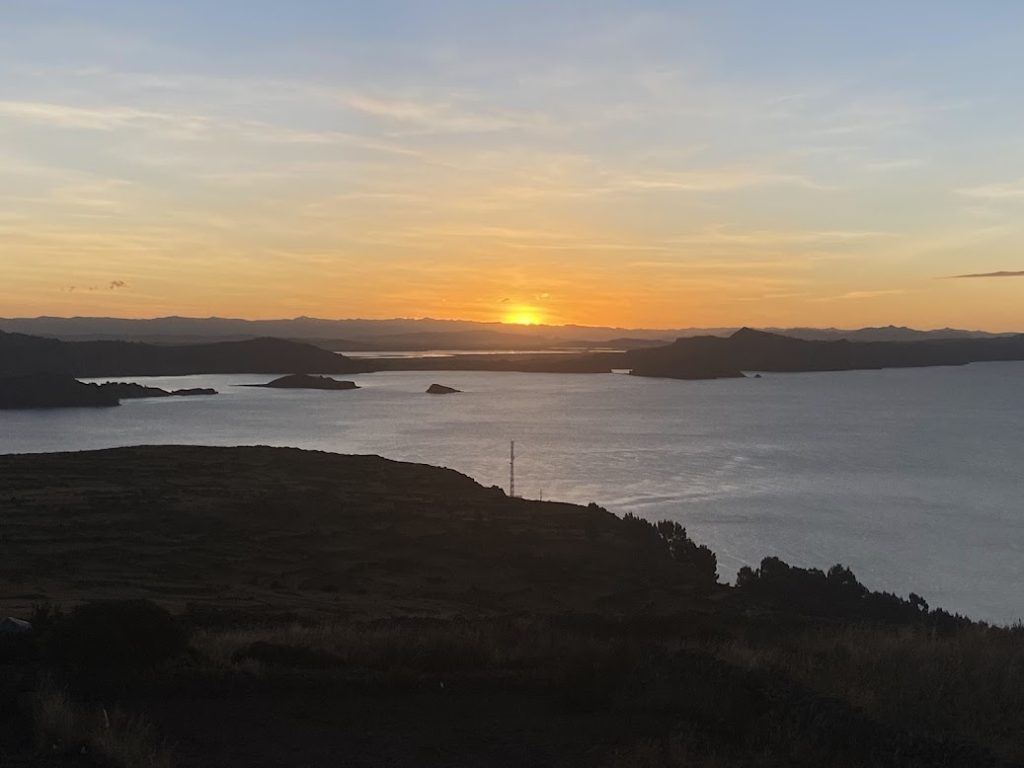
That afternoon we hiked towards the top of the island for sunset.
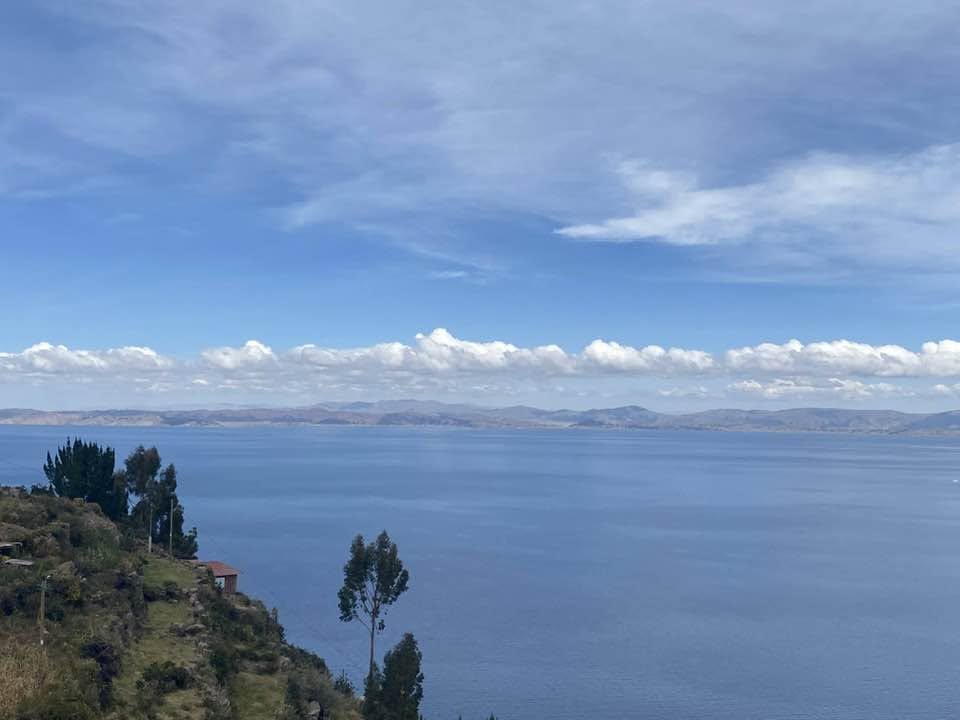
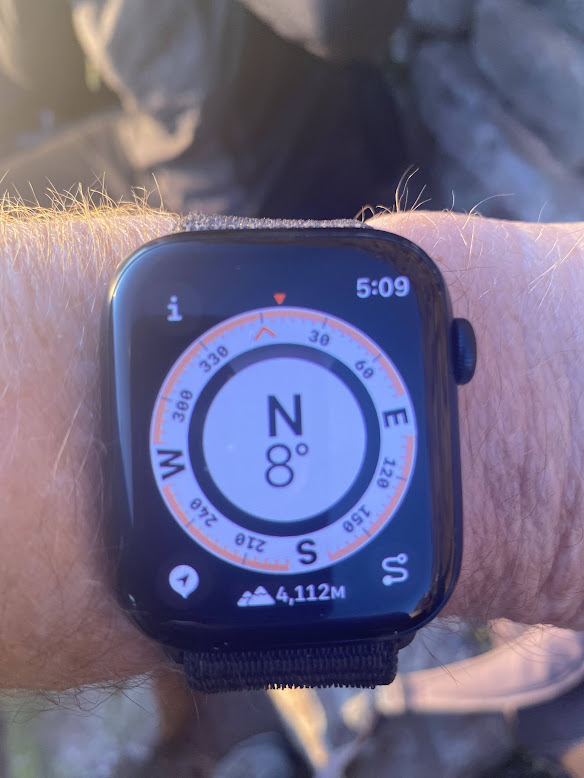
At nearly 4,000 metres above sea level, walking uphill takes considerably more effort than expected, but the reward was magnificent. From the top, Lake Titicaca seemed to stretch forever, with the light changing across the water as the sun disappeared behind the mountains.
On the way back down we stopped at the little local shop/bar for a glass of warm wine before returning to our homestay for dinner.
Once the sun disappeared, it became seriously cold.
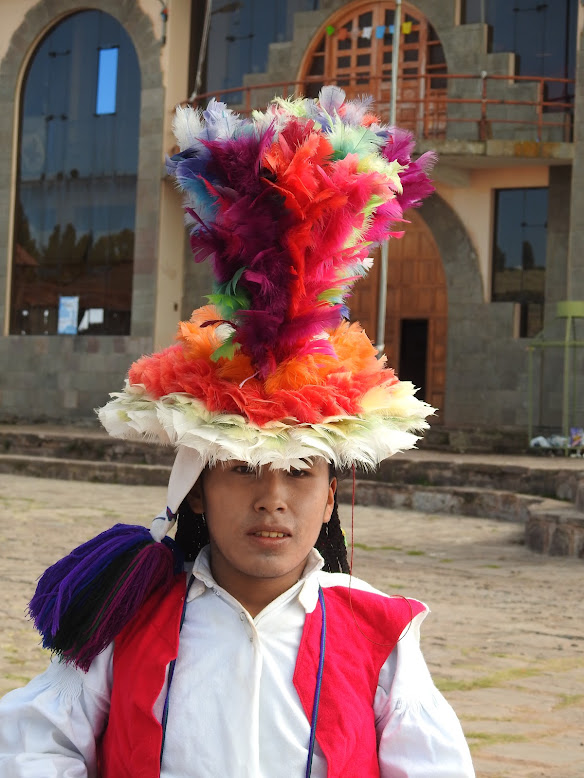
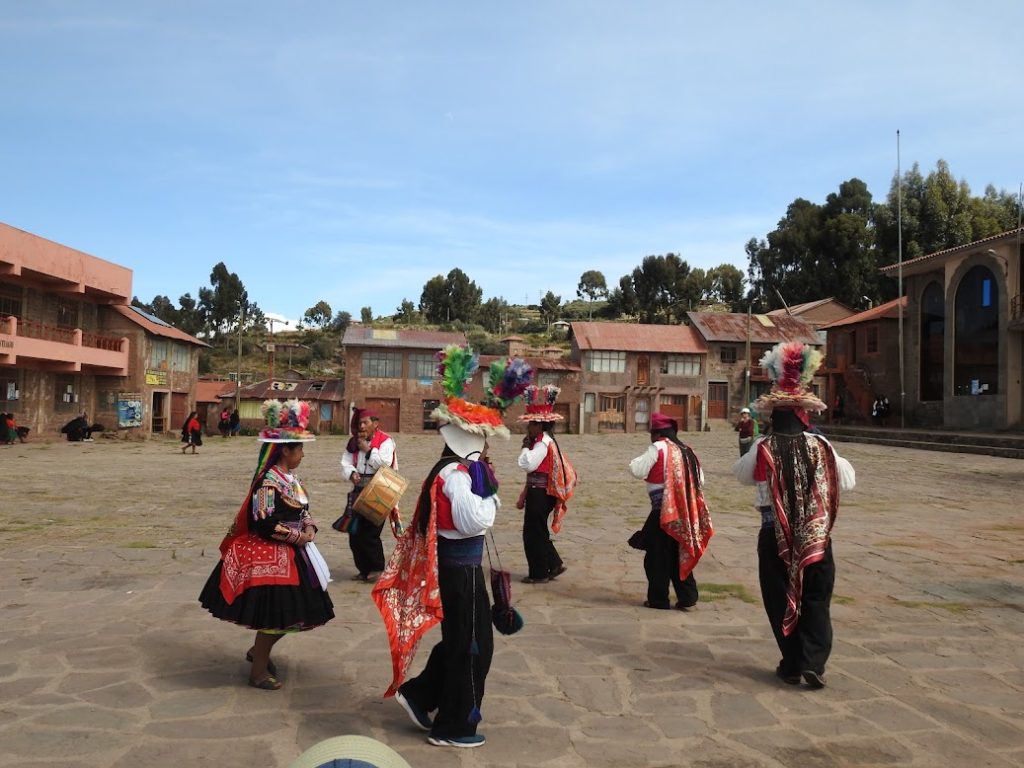
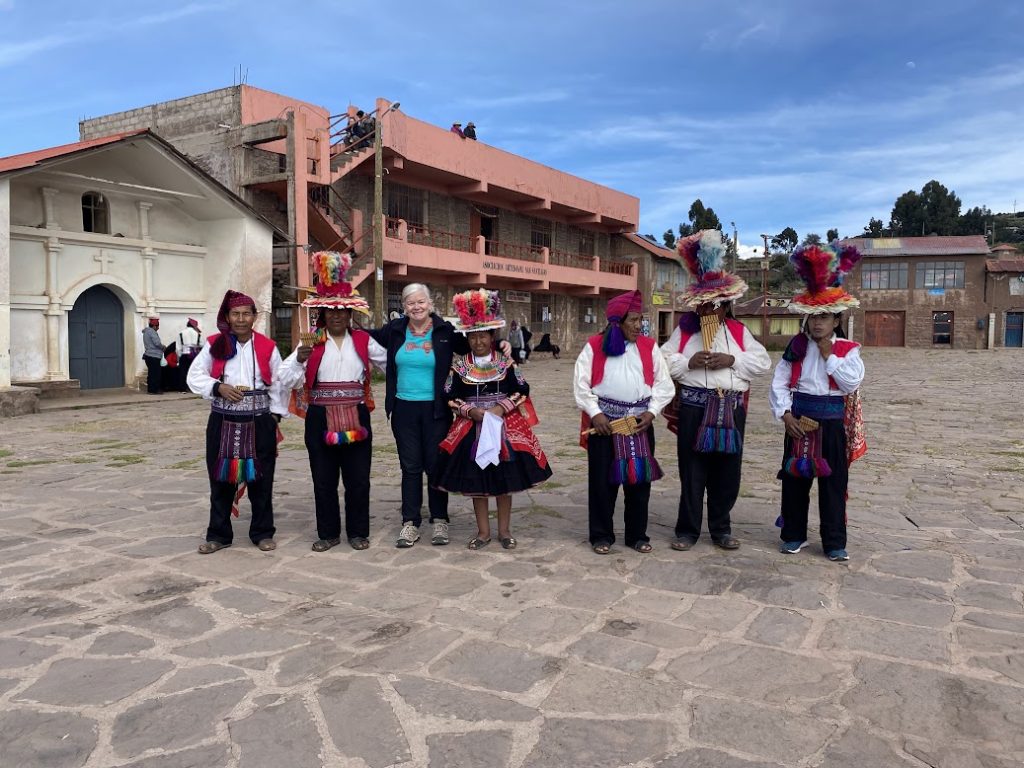
Later that evening our hosts dressed us in traditional local clothing and everyone headed to the community hall for music and dancing. There was something wonderfully awkward and entertaining about a group of travellers trying to follow the local dances while wrapped in unfamiliar clothes at high altitude.
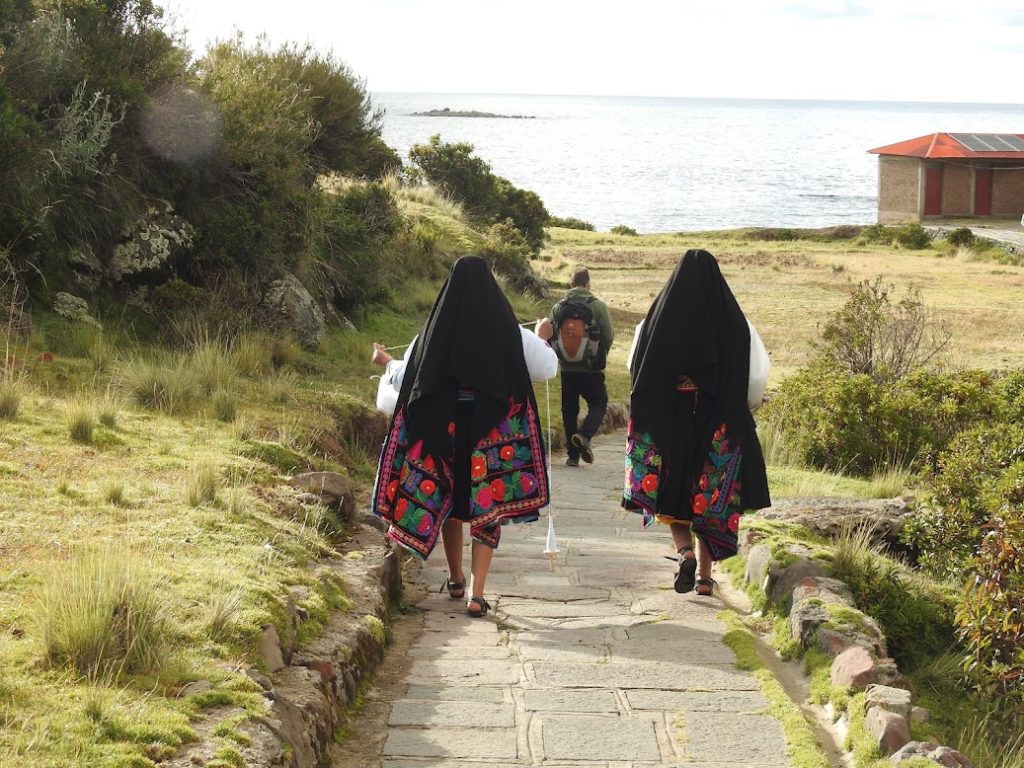
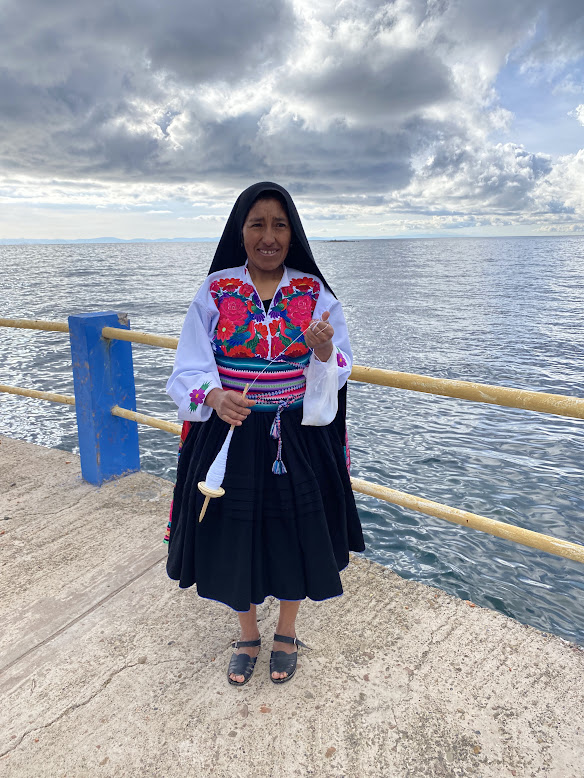
One thing I particularly liked about the tour was the way the overnight stays were organised. The tours operate regularly, but visitors are distributed between different island communities rather than sending everyone to the same place every night. It helps spread the economic benefit and reduces the pressure on individual families and communities.
The following morning we had breakfast with our host family before saying goodbye and heading back onto the lake.
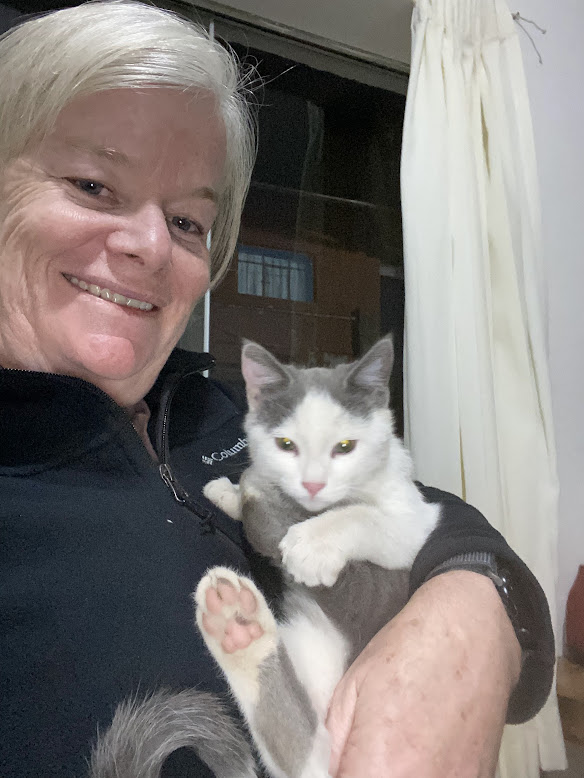
Taquile Island
Our final stop was Taquile Island, another community with a strong Indigenous identity and distinctive traditions.
We spent time learning about the island’s history and culture, visited a small museum and watched a traditional musical performance.
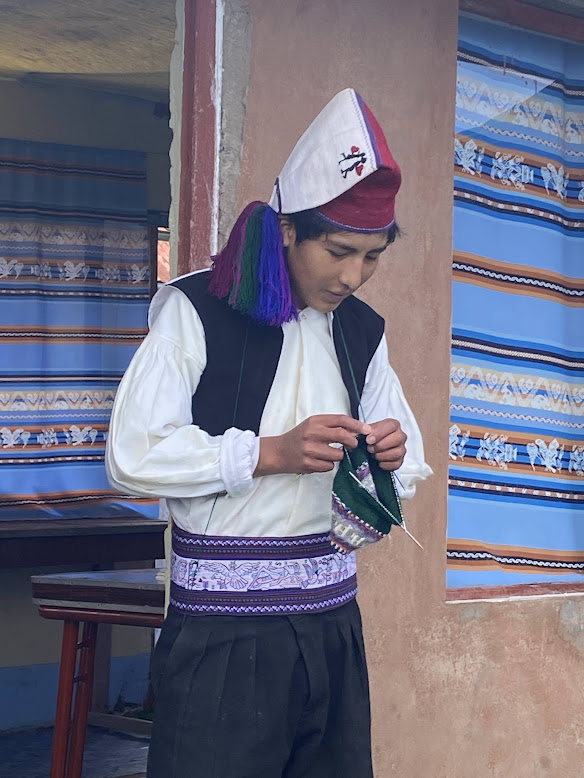
Taquile is particularly known for its textile traditions, with weaving and knitting forming an important part of community identity. Clothing and patterns can communicate information about age, marital status and social role, making textiles much more than simply souvenirs.
Then came lunch.
We sat overlooking Lake Titicaca with one of those views that makes you slow down and stay at the table longer than necessary.
After lunch it was time to return across the lake to Puno.
The trip was only one night, but it felt much longer because of how different the experience was from staying in a hotel.
The Uros islands were fascinating, Taquile was beautiful, but the night with the family on Amantani was what stayed with me most.
The sunset, the freezing night, the warm wine, the dancing and the simple kindness of being welcomed into someone’s home made it one of those travel experiences that felt far more meaningful than simply ticking another place off a list.