Sri Lanka – from adventure to hospital to adventure again.
Sri Lanka was supposed to be about winding mountain roads, tea plantations, beaches, ancient temples and the freedom of seeing it all from the back of a motorbike.
It was. Right up until the motorbike adventure went very badly wrong.
What followed wasn’t quite the Sri Lankan experience I’d planned: an accident, injuries, an unexpected introduction to the local medical system and the sudden realisation that the rest of the trip might be over before it had really begun.
But this is also where Sri Lanka surprised me.
The medical care I received was remarkable — efficient, compassionate and far better than I could have imagined while sitting injured thousands of kilometres from home. And once I’d been patched up, I had a decision to make: call it quits, or adapt the trip and keep going.
I chose the second option.
So this isn’t quite the Sri Lanka travel guide I expected to write. It’s about what happens when adventure goes wrong, the people who step in to help, and how I still managed to experience an extraordinary country — just not quite in the way I’d planned..
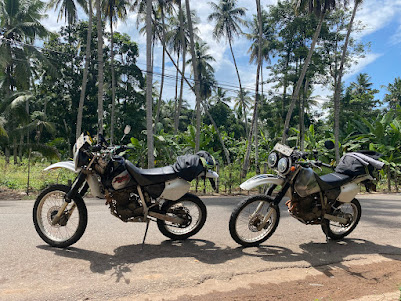
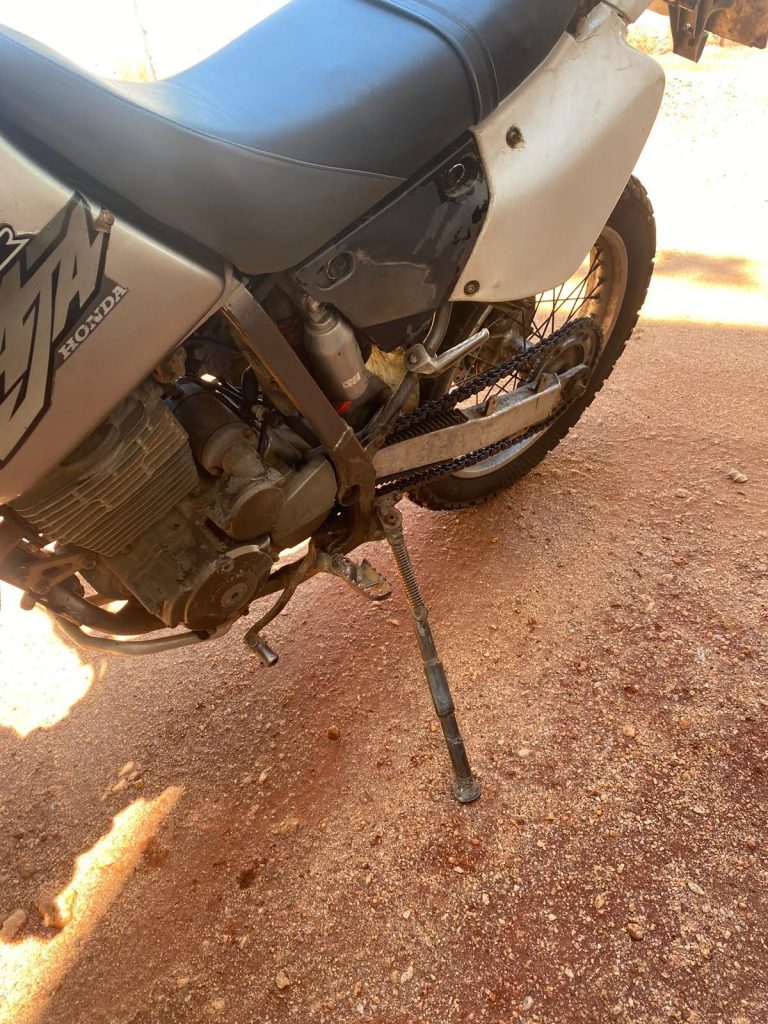
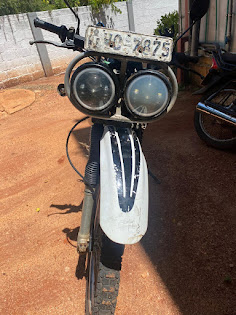
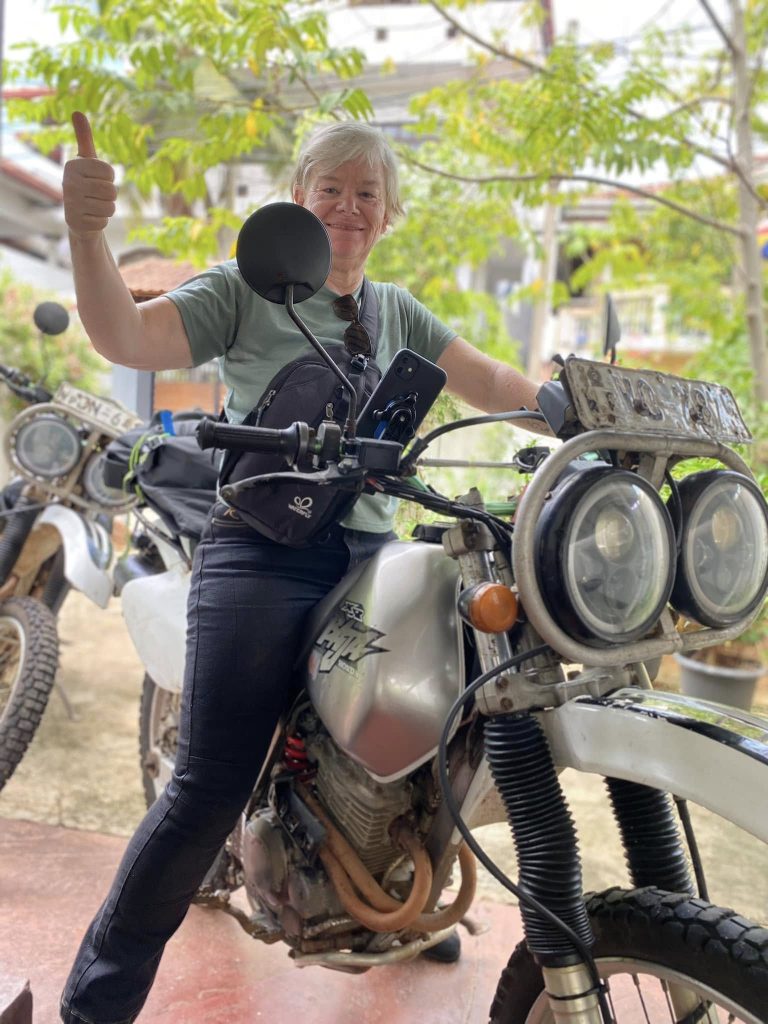
The first few days in this beautiful country were spent whizzing around on our motorbikes, getting used to the roads, the heat, the traffic and, in my case, a bike that was really too big for me. Neutral seemed to exist only in theory, the gears had a mind of their own, but I made do.
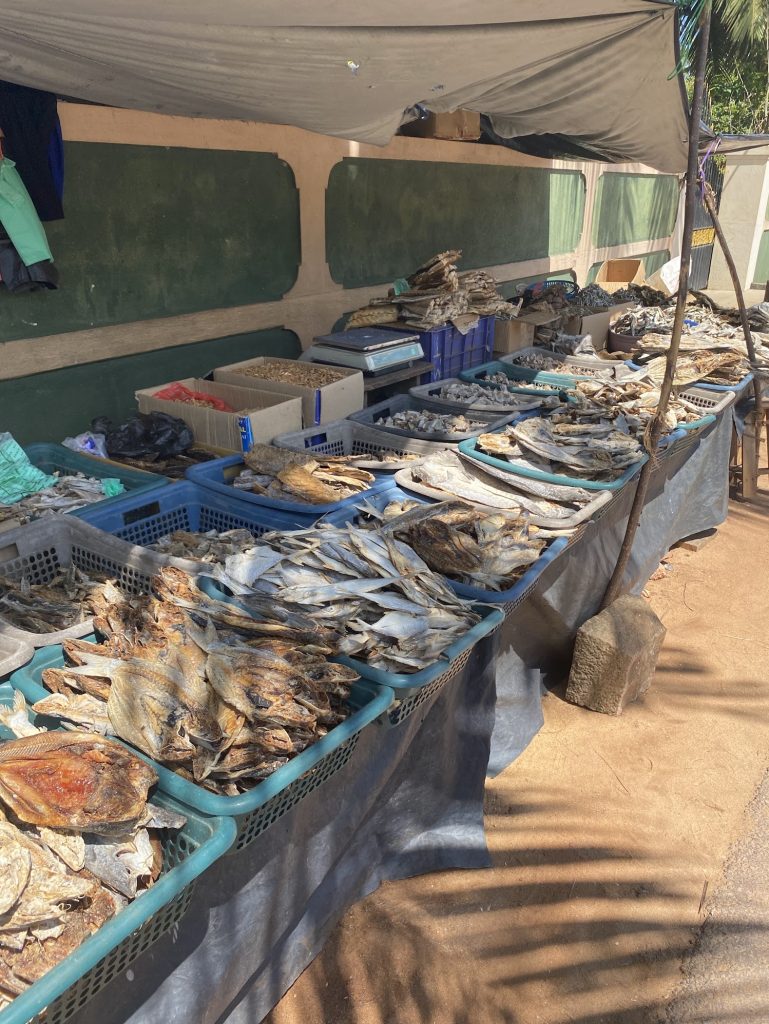
We started in Negombo, a lively beachside town just north of Colombo. It is an easy place to begin a Sri Lankan trip, but it is worth doing more than simply sleeping off the flight and moving on. Negombo has a long fishing tradition, and the early-morning fish market is one of the best places to see the town properly awake: fishermen bringing in the catch, traders bargaining and rows of fish drying in the sun. The old Dutch Canal runs through the area, while St Mary’s Church, the lagoon, local temples and the beachfront give you plenty to explore without needing any grand itinerary.
Then we pointed the bikes north.
The ride itself quickly became one of the best parts of the trip. We passed through small coastal towns and villages including Nalladarankattuwa and Marawila, with stretches of beach, roadside stalls, local markets and those everyday glimpses of Sri Lankan life you simply miss when travelling sealed inside a car or coach.
And then my bike decided it had had enough.
We were stopped at the side of the road trying to work out why the gears had apparently given up when a local man appeared. There was no lengthy diagnosis, no workshop and certainly no computer plugged into the bike. He had a look, produced a hammer and, with the sort of confident persuasion only a hammer can provide, fixed it.
That little encounter stayed with me. Sri Lanka was already starting to feel less about ticking off attractions and more about the people we met along the way.
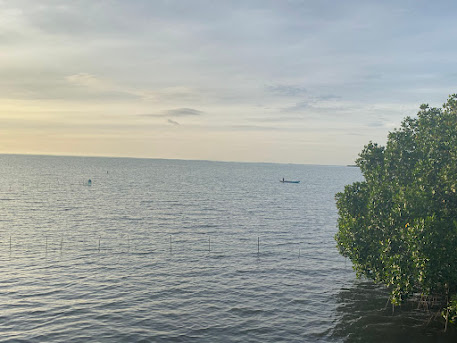
Eventually we reached Kalpitiya, a long, relatively undeveloped peninsula between the Indian Ocean and a huge lagoon. It has a completely different feel from Sri Lanka’s busier southern beach towns. This is somewhere to slow down, get onto the water and enjoy the fact that things still feel a little rough around the edges.
Kalpitiya is particularly well known for kitesurfing, with strong seasonal winds and the lagoon providing flat water that attracts both beginners and experienced riders. If flying through the air attached to a kite sounds slightly too adventurous, there are lagoon boat trips, kayaking and mangrove areas to explore instead.
It is also one of Sri Lanka’s better-known places for dolphin watching, particularly during the calmer season, when spinner dolphins can gather offshore in large groups. Whale sightings are also possible at certain times of year.
And if you have time, Kalpitiya works well as a base for a trip inland towards Wilpattu National Park, where safari trips offer the chance to see elephants, sloth bears, crocodiles and, with considerably more luck, Sri Lankan leopards.
For us, though, the motorbikes were still the adventure. We had the coast ahead of us, the bikes were more or less working, and after the roadside hammer repair I was beginning to think mine and I might finally have reached some sort of understanding.
I was wrong.
We were heading towards the old capital, and up until then the riding had been some of the most fun I’d had in Sri Lanka. The roads were busy, unpredictable and full of life, but by then I was starting to feel comfortable on the bike.
Then, in a few seconds, everything changed.
A motorbike cut across in front of me to turn left. I braked, but still clipped it, and once my bike started to go there was no holding it up. It was simply too heavy. I went down hard.
My left knee was crushed underneath the bike, while the back of my right knee was badly burned by the hot exhaust.
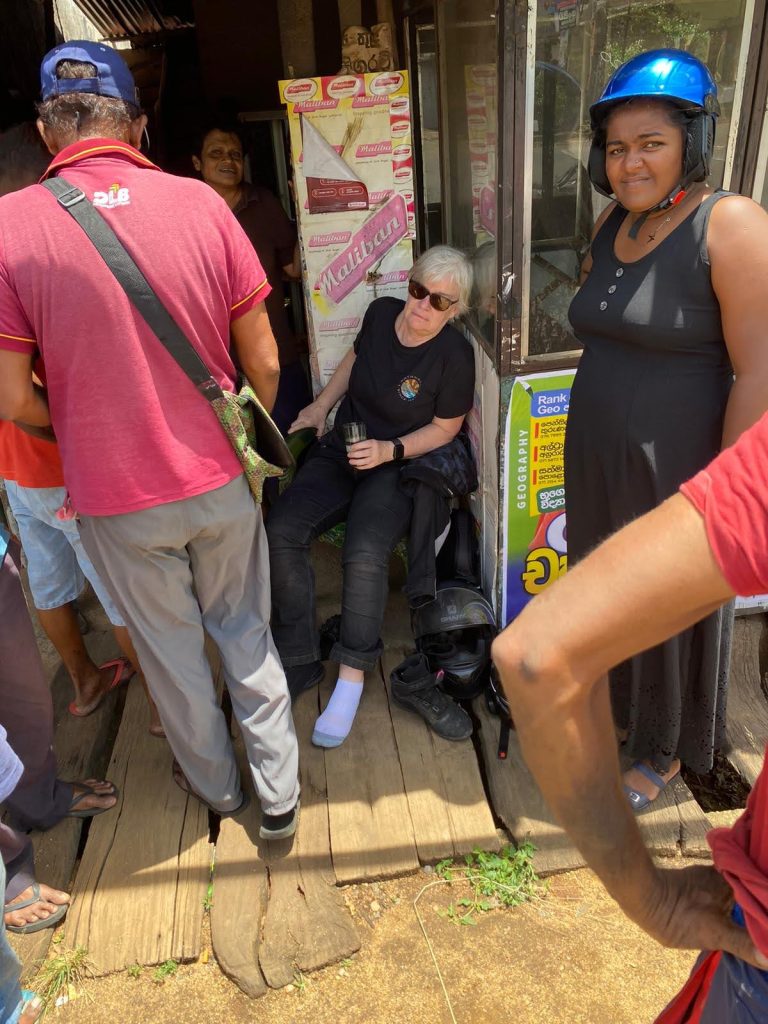
The next few minutes were chaotic. Locals gathered around, initially surprised when I took off my helmet and they realised that the rider lying in the dirt was not only a woman, but an older one at that.
Soon there was a lively discussion taking place around me in a tiny dirt-floored tea shop as everyone tried to decide what should happen next. People were talking over each other, pointing, offering suggestions and trying to work out the best way to help.
Then someone produced tea.
A cup all round seemed to calm everybody down.
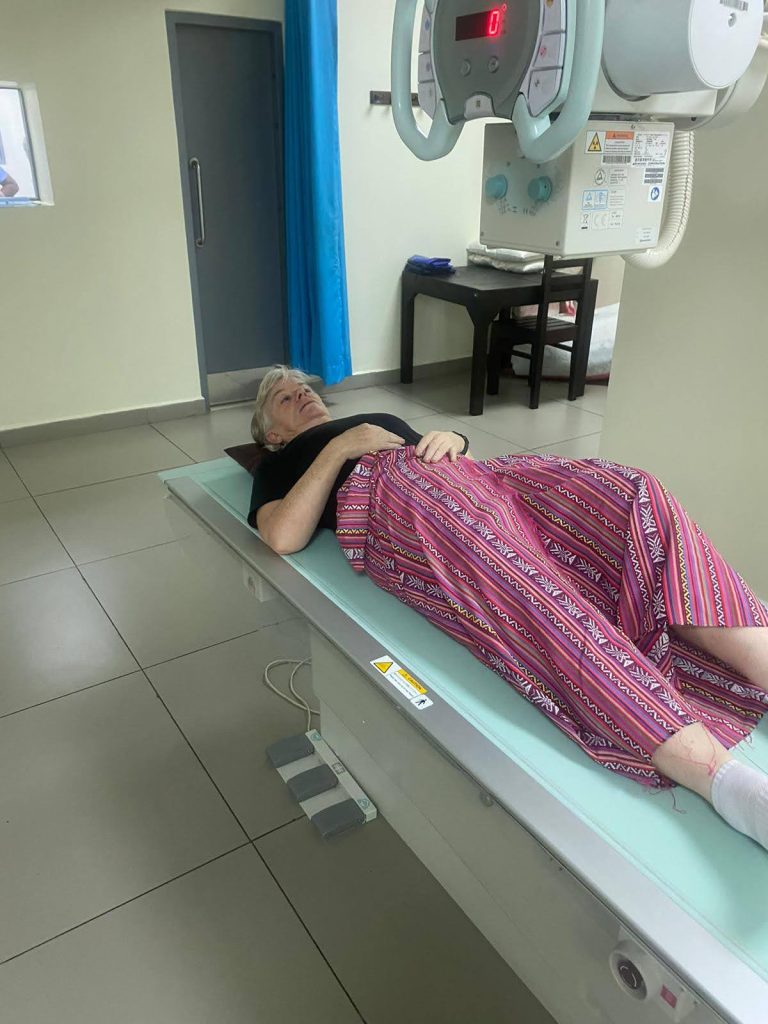
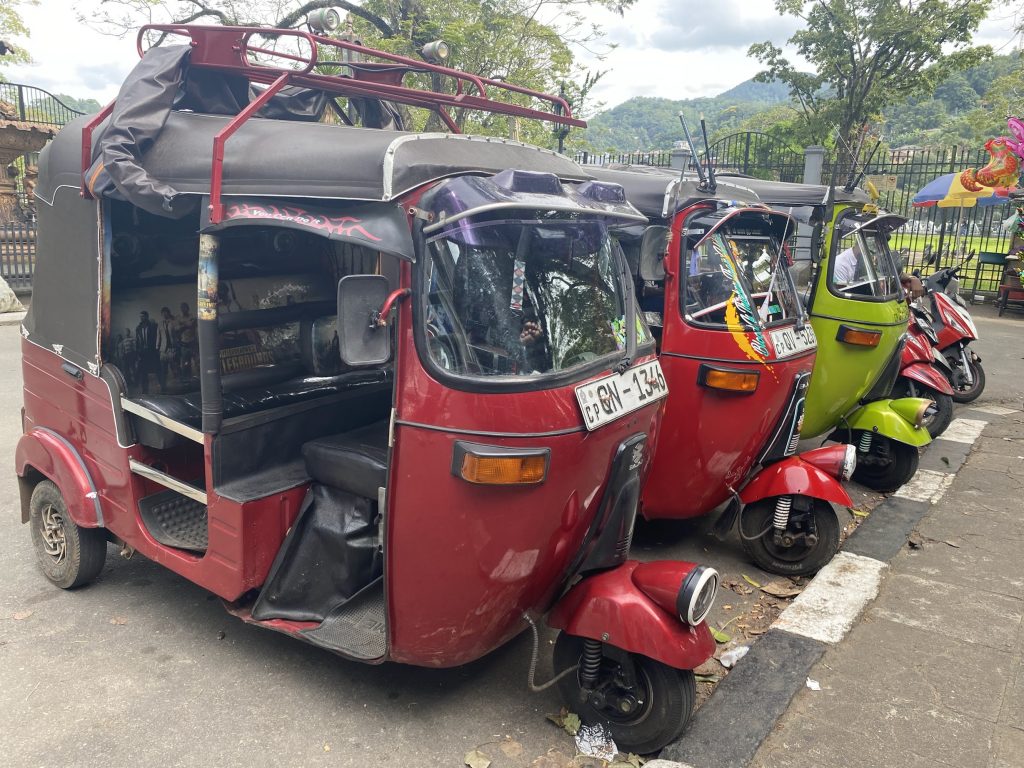
Eventually I was bundled into a tuk tuk and taken to hospital. I had an X-ray, the burn was cleaned and dressed, and I was given pain medication. The problem was the swelling. There was so much of it that there wasn’t much more the doctors could do immediately.
So suddenly the holiday had a very different question hanging over it.
Do I go home, or do I stay?
For the next 48 hours in Anuradhapura, the ancient capital I had been so looking forward to exploring, I saw very little of anything. Mostly I slept, helped along by pain medication, while the swelling slowly settled and we tried to work out what to do next.
Going home would have been understandable.
But I wasn’t ready to give Sri Lanka up.
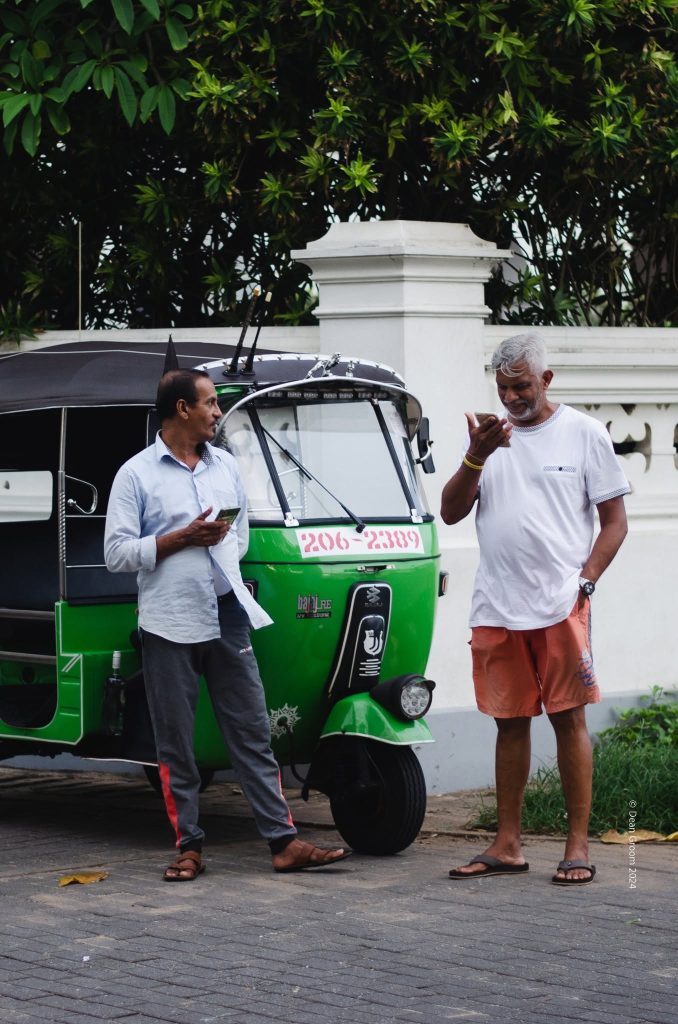
Then we found another option. The owner of our guesthouse was also a driver.
The motorbike adventure was over.
The Sri Lankan adventure wasn’t.
Onwards we went.
Next stop was Kandy, tucked into Sri Lanka’s central hills and a complete change from the beaches and coastal roads we had left behind.
By now I was getting around on crutches, limping my way through the city and doing my best to pretend it didn’t hurt nearly as much as it did. My husband had a rather different plan. He thought we should abandon the travelling, find a comfortable hotel by the beach and stay there for the rest of the holiday.
In hindsight, he was probably right.
But we were in Kandy.
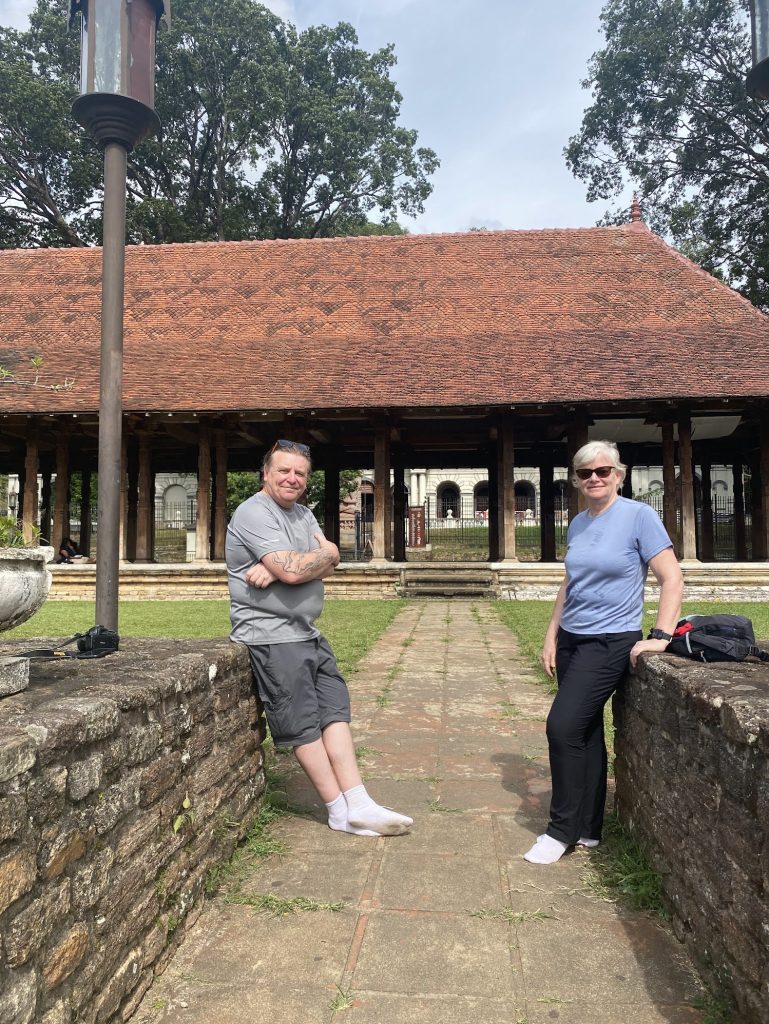
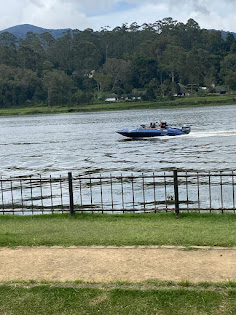
At the heart of the city is Kandy Lake, built in the early 1800s and surrounded by the busy streets of Sri Lanka’s last royal capital. A walk around the lake is normally an easy and lovely way to get your bearings. On crutches, it becomes considerably more ambitious.
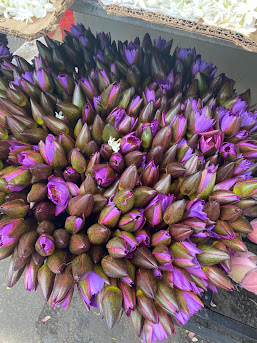
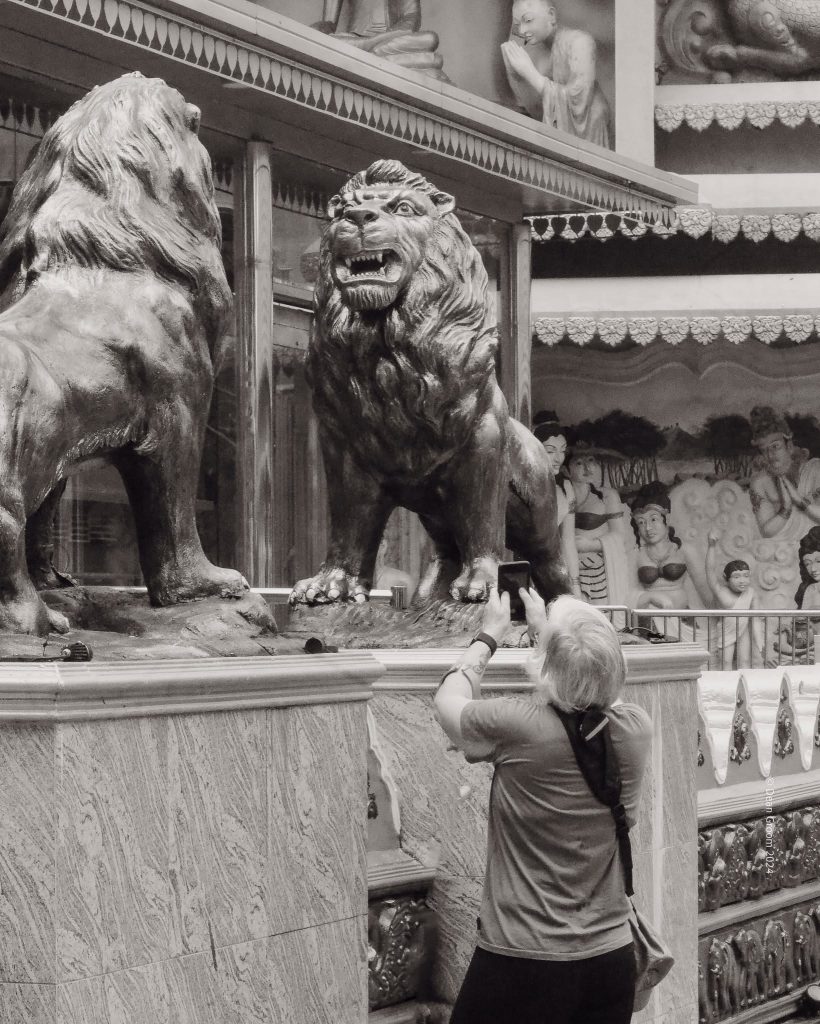
The major reason to visit is the Temple of the Sacred Tooth Relic, one of Sri Lanka’s most important Buddhist sites. The temple complex sits beside the lake and houses what Buddhists believe to be a tooth relic of the Buddha. Even if you aren’t religious, it is worth visiting for the architecture, history, ceremony and atmosphere. Time your visit for one of the daily puja ceremonies and the complex fills with drumming, offerings and worshippers.
Away from the temple, Kandy Central Market is worth exploring for fruit, spices, vegetables, textiles and the general chaos of everyday life. There are also smaller temples and museums scattered around the city, while the Royal Botanic Gardens at Peradeniya, a short drive away, offer more than 60 hectares of tropical gardens, palms, orchids and enormous old trees.
If your knees happen to work.
Kandy is also a good place to experience traditional Kandyan dance. Evening cultural performances combine elaborate costumes, drumming, acrobatics and fire walking and provide an accessible introduction to some of the traditions of Sri Lanka’s hill country.
For me, though, Kandy became another exercise in stubbornness. Every morning involved assessing the knee, taking the pain medication, picking up the crutches and convincing myself that I could manage one more thing.
My husband continued to suggest the beach.
I continued to ignore him.
This may become a recurring theme.
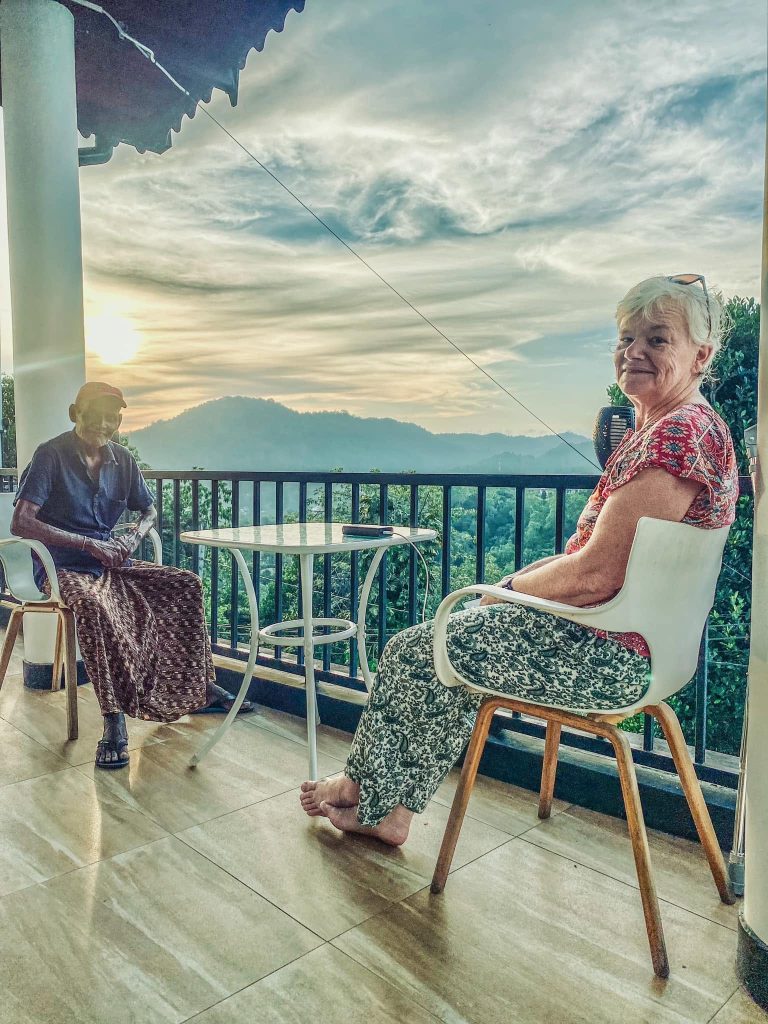
From Kandy we headed deeper into Sri Lanka’s hill country, winding our way through the tea plantations towards Nuwara Eliya and then on to Ella.
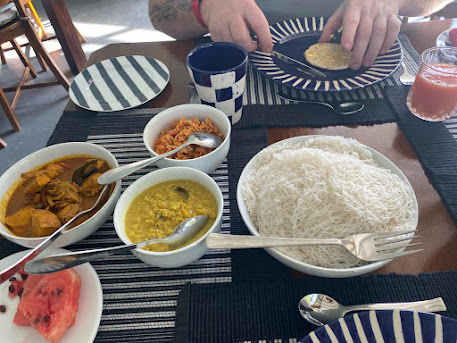
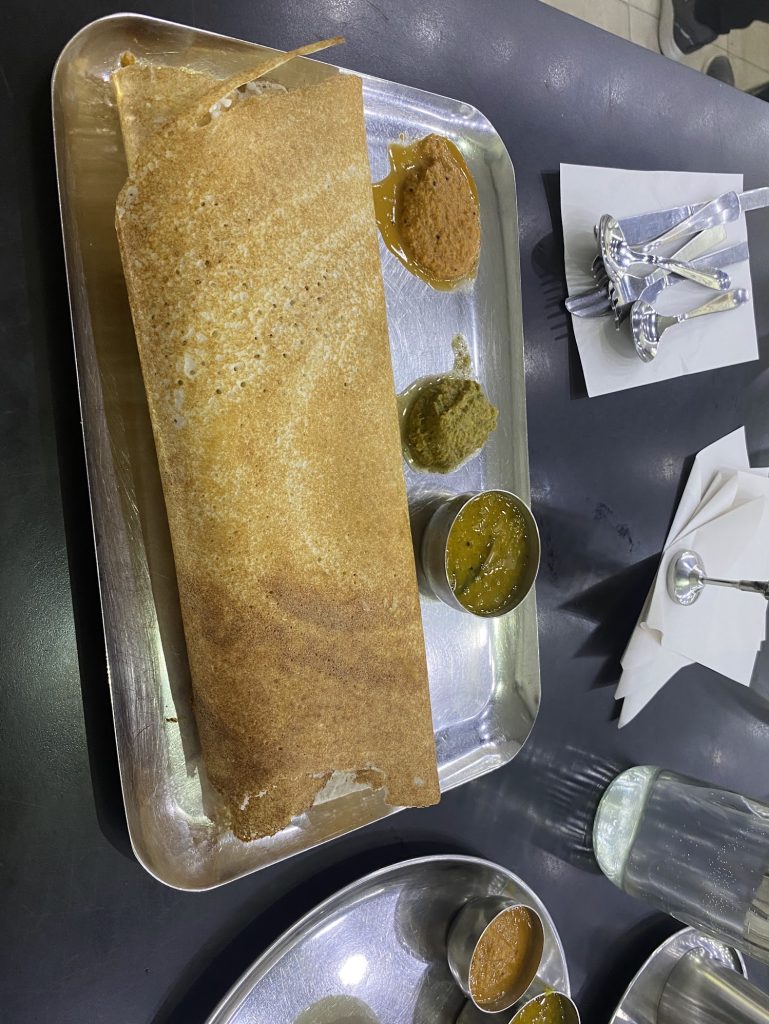
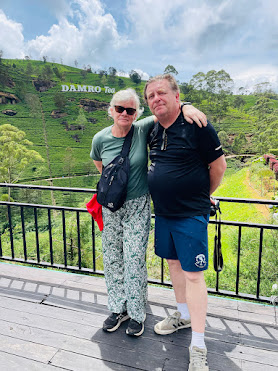
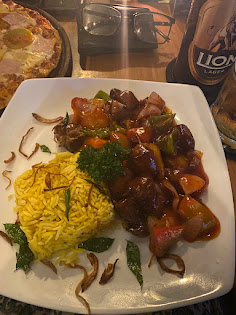
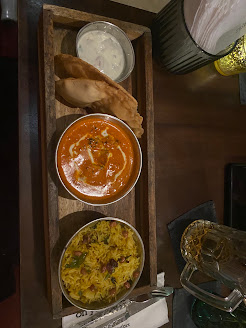
This was the Sri Lanka I had pictured before we arrived: rolling green hills, mist hanging over the valleys, tea bushes covering the slopes and small temples appearing beside the road. Everywhere we stopped, people were kind, curious and generous. The food was just as memorable — curries, hoppers, fresh fruit, strong tea and the sort of simple meals that somehow taste better when you are eating them halfway up a mountain.
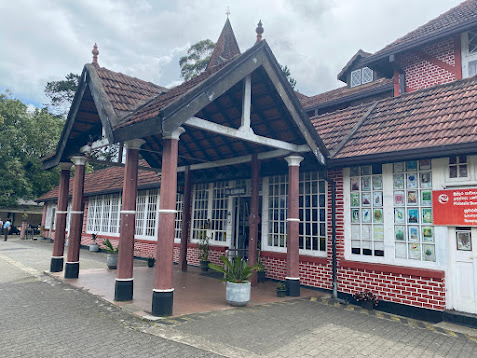
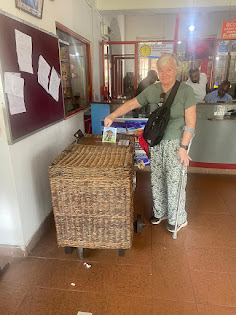
Nuwara Eliya had a completely different feel from the coast. Cooler, greener and more colonial in character, it felt almost like another country. I even managed to send a postcard from the town’s historic post office, trying not to wince too obviously while standing at the counter.
By then, the pain was becoming harder to ignore.
Crutches helped, but Sri Lanka is not always designed for injured knees. Steps became something to negotiate rather than simply climb, and every temple, lookout and roadside stop required a little more thought than it normally would.
Still, I kept going.
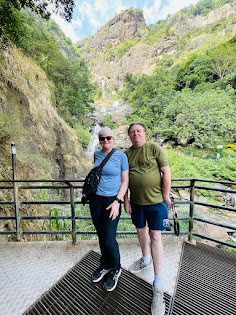
Ella brought more mountain scenery, more temples, more wonderful people and more reasons to be glad we had not abandoned the trip.
The steps were difficult.
They just weren’t enough to stop me.
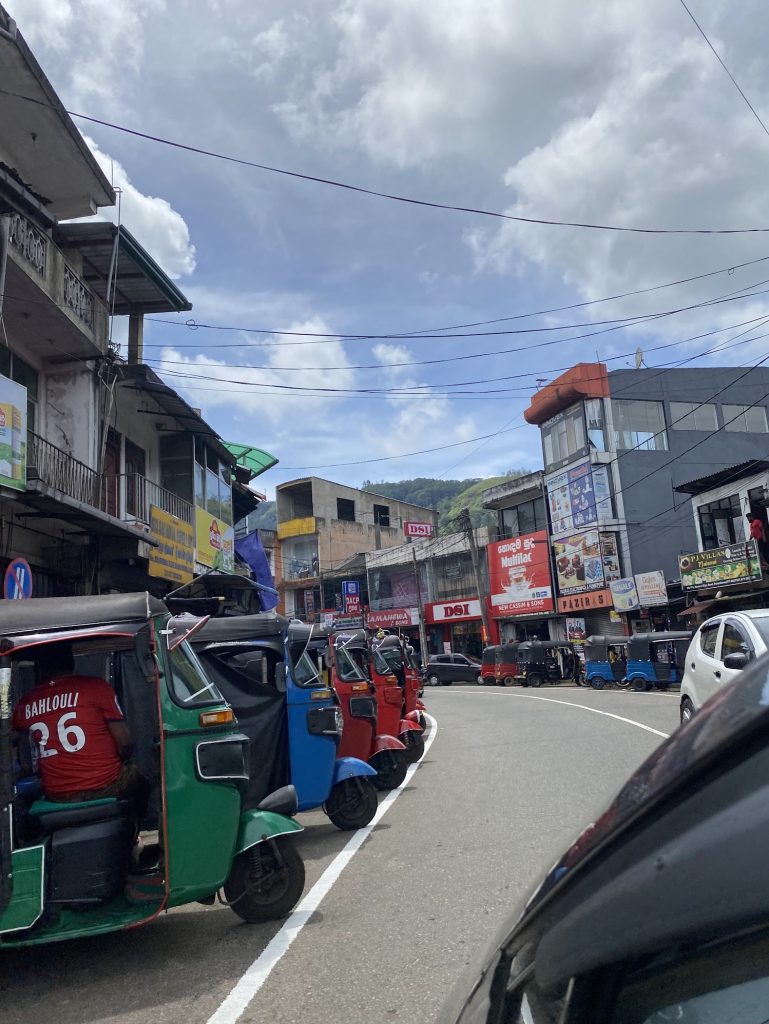
From Ella we headed south towards Udawalawe National Park, and suddenly the question wasn’t whether I could manage another temple or a few more steps.
It was: how exactly am I supposed to get into that jeep?
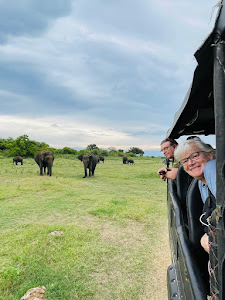
Safari jeeps are not designed with injured knees in mind. They are high off the ground, there are awkward steps to climb, and somewhere in the process you have to convince yourself that bending your leg is a good idea.
It wasn’t.
But there were elephants waiting.
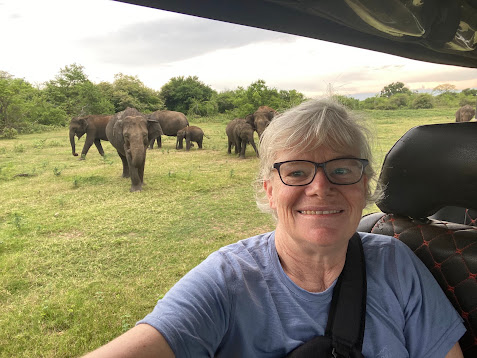
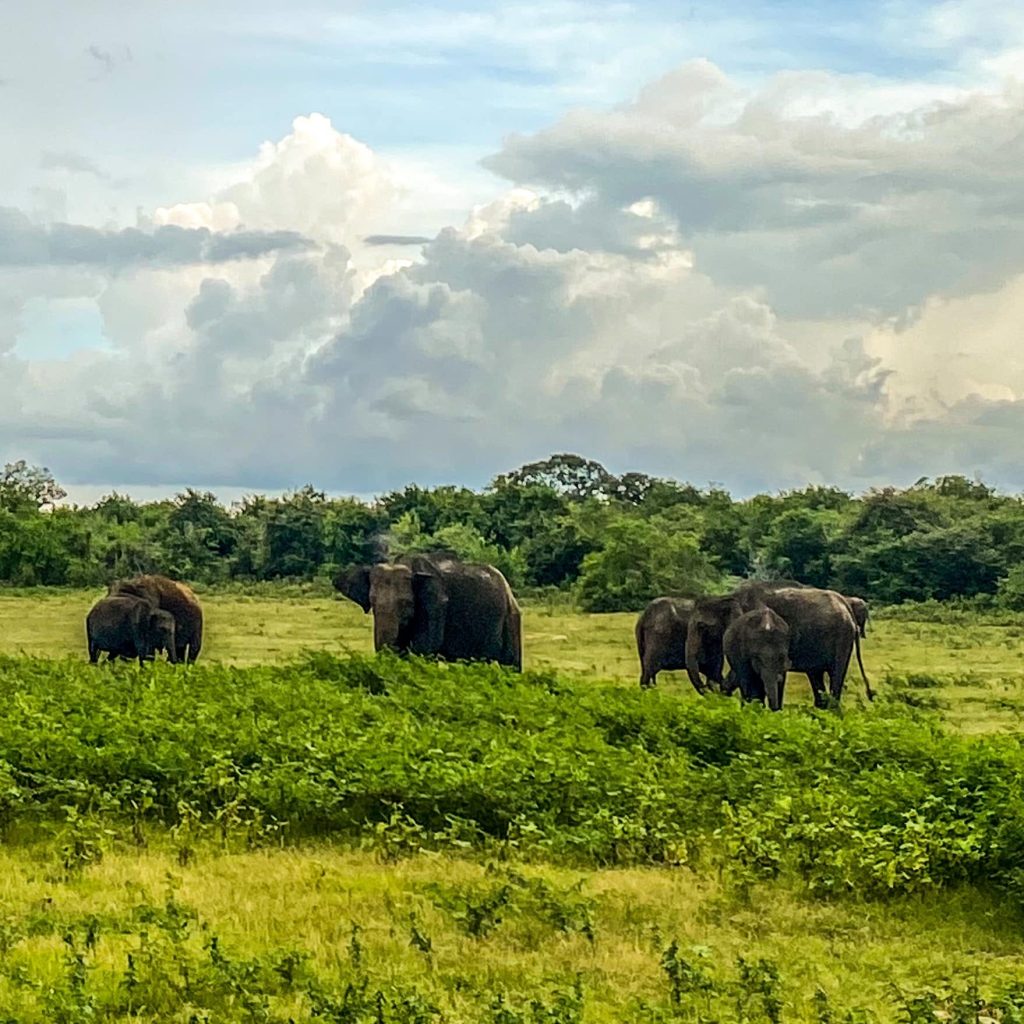
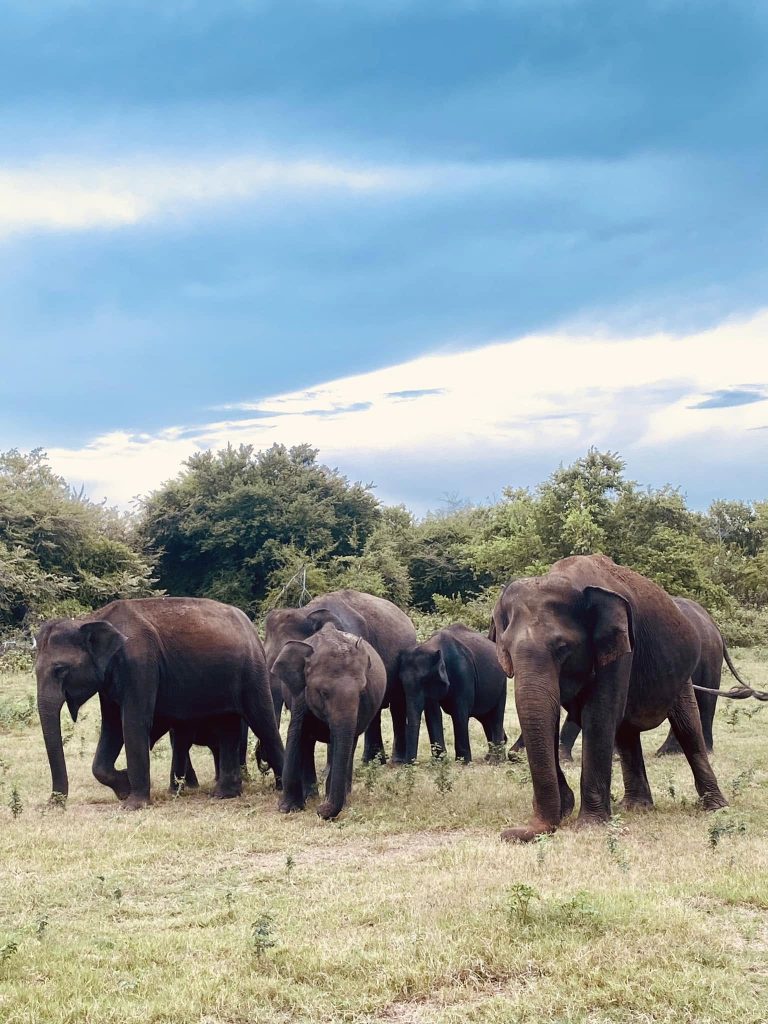
Udawalawe is famous for them, and it did not disappoint. We saw elephants moving through the grasslands, feeding beside the road and wandering between the scrub with that wonderful combination of size and complete calm. Seeing them in the wild was completely different from seeing them in a sanctuary or zoo. They were simply there, doing what elephants do, while we sat quietly and watched.
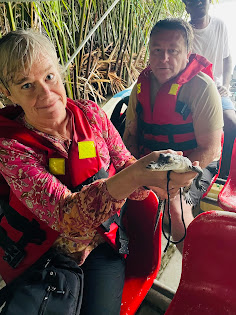
There were crocodiles too, half-hidden in the water and mud, barely moving and looking like they had been there for a thousand years. They were easy to miss at first, until someone pointed one out and suddenly you started seeing them everywhere.
By this stage every movement still hurt, and getting back out of the jeep was almost as entertaining as getting into it.
But sitting there watching elephants cross the landscape, the pain felt temporarily secondary.
This was exactly why I had decided to keep going.
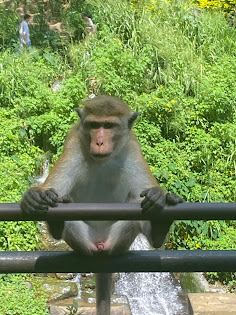
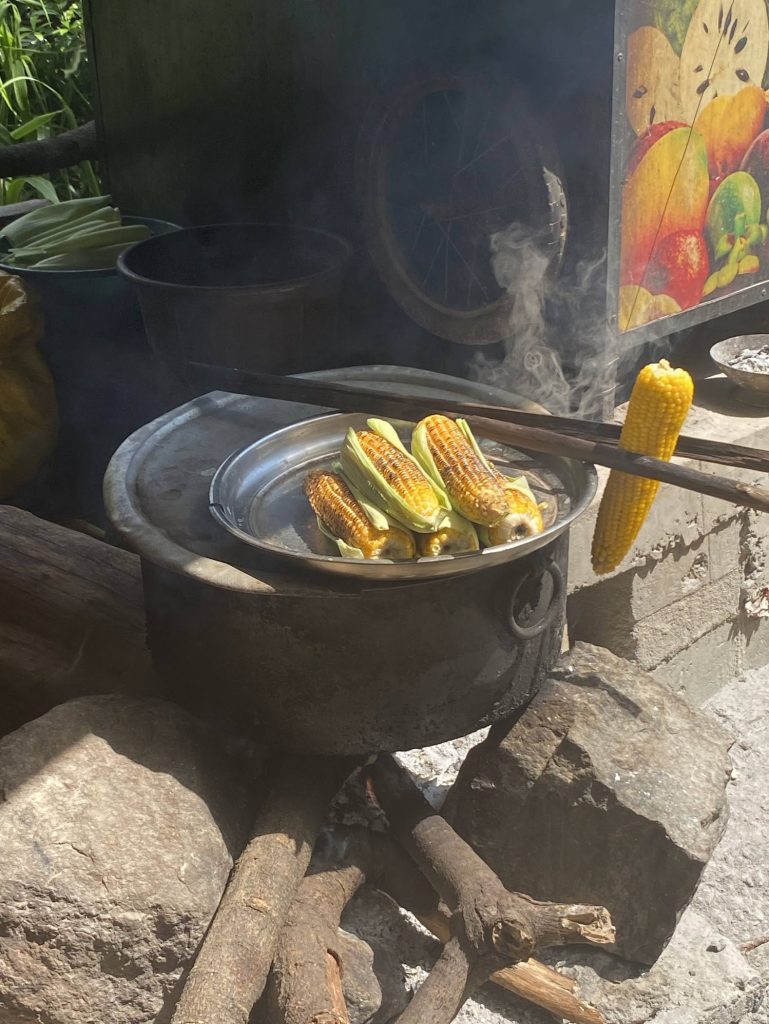
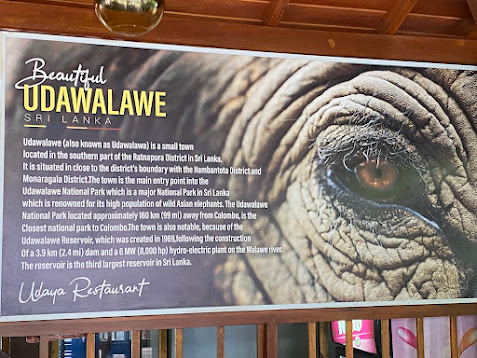
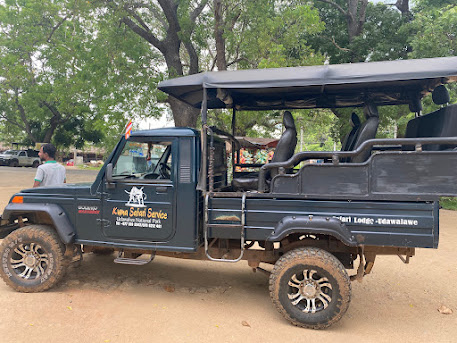
From Udawalawe we headed south towards Matara, where I was clearly still refusing to accept that an injured knee might require a quieter itinerary.
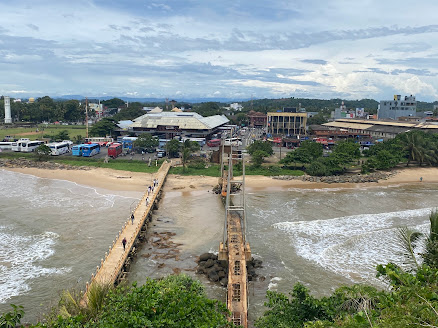
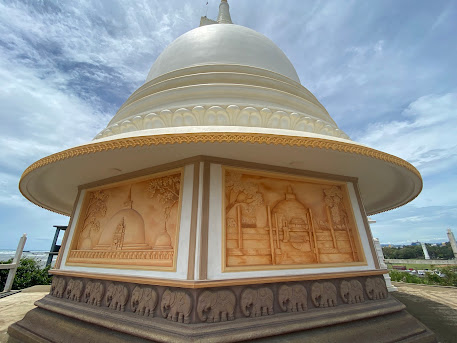
Matara has plenty worth seeing, particularly around the old town, coastline and temples. We visited some beautiful Buddhist sites and managed one of the elevated viewpoints over Matara — which, of course, involved stairs.
By this stage stairs had become my personal enemy.
Getting up them was slow, awkward and painful, but the view across Matara and the surrounding coastline made the effort worthwhile. Coming back down was another matter entirely.
Eventually we continued along the coast to Mirissa, where I finally did something sensible.
Very little.
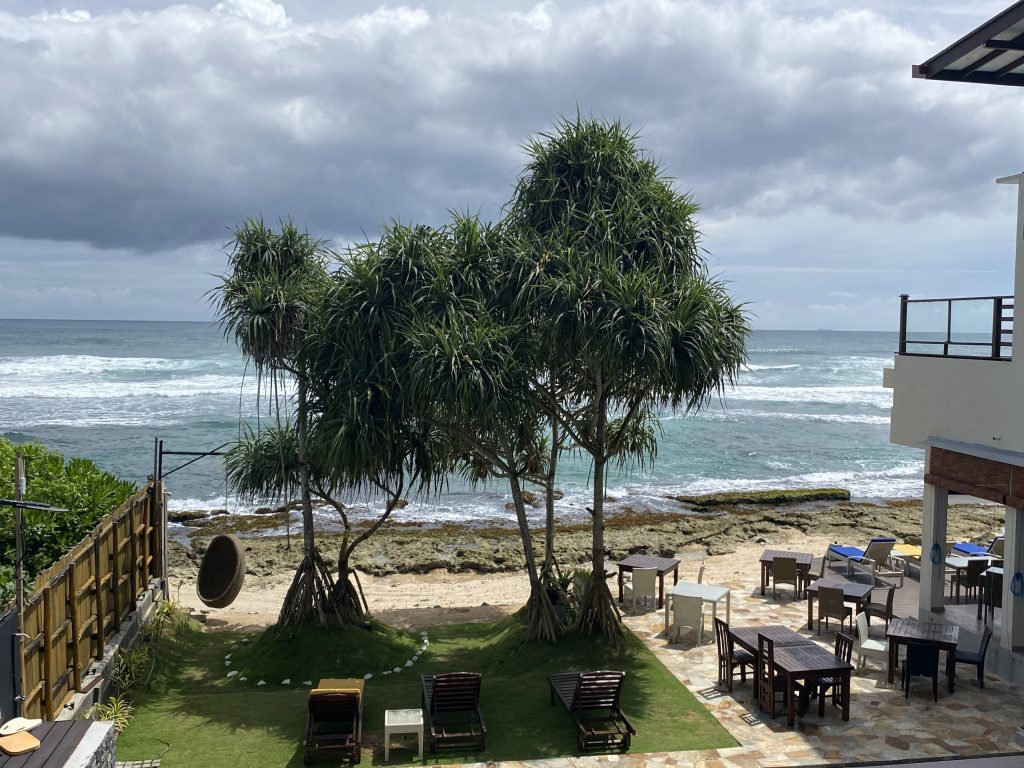
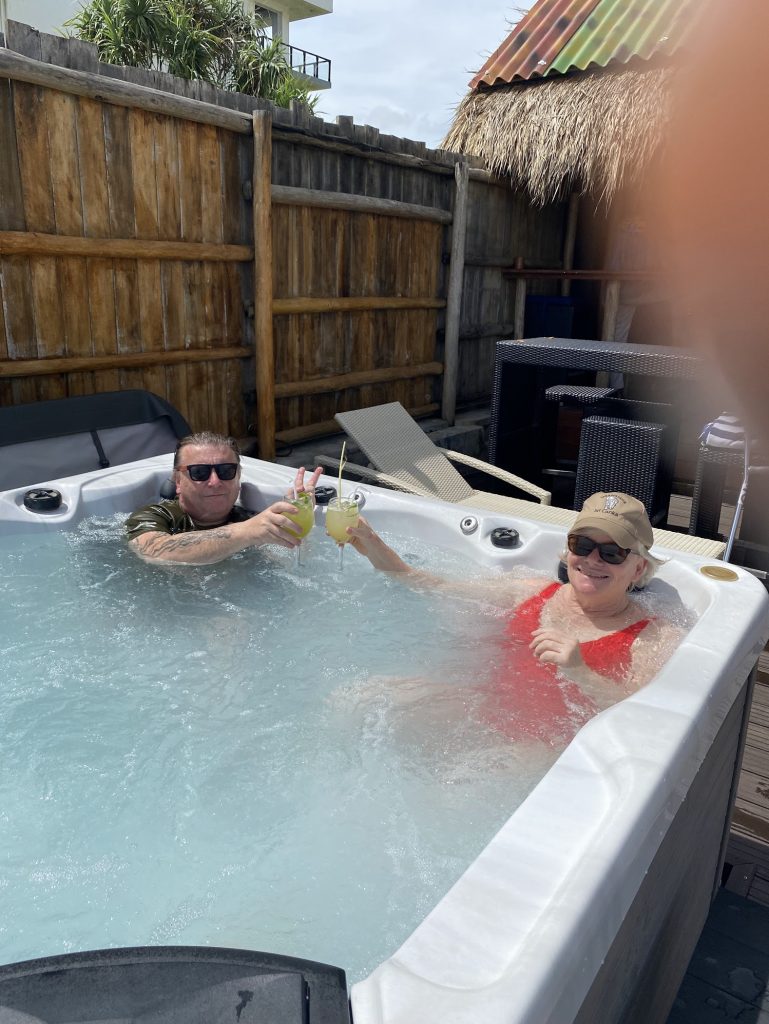
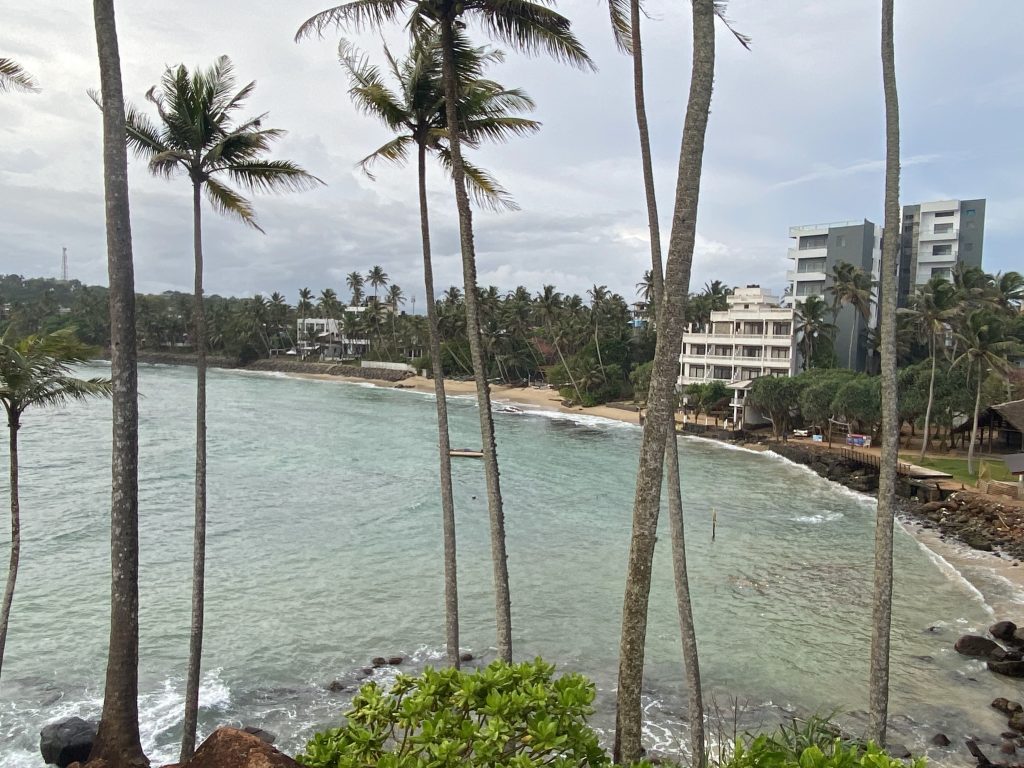
We checked into a lovely beachside hotel and, for once, I stopped trying to prove I could keep moving. From the hotel we could look out across the water and occasionally spot turtles swimming just offshore, which felt like entertainment enough.
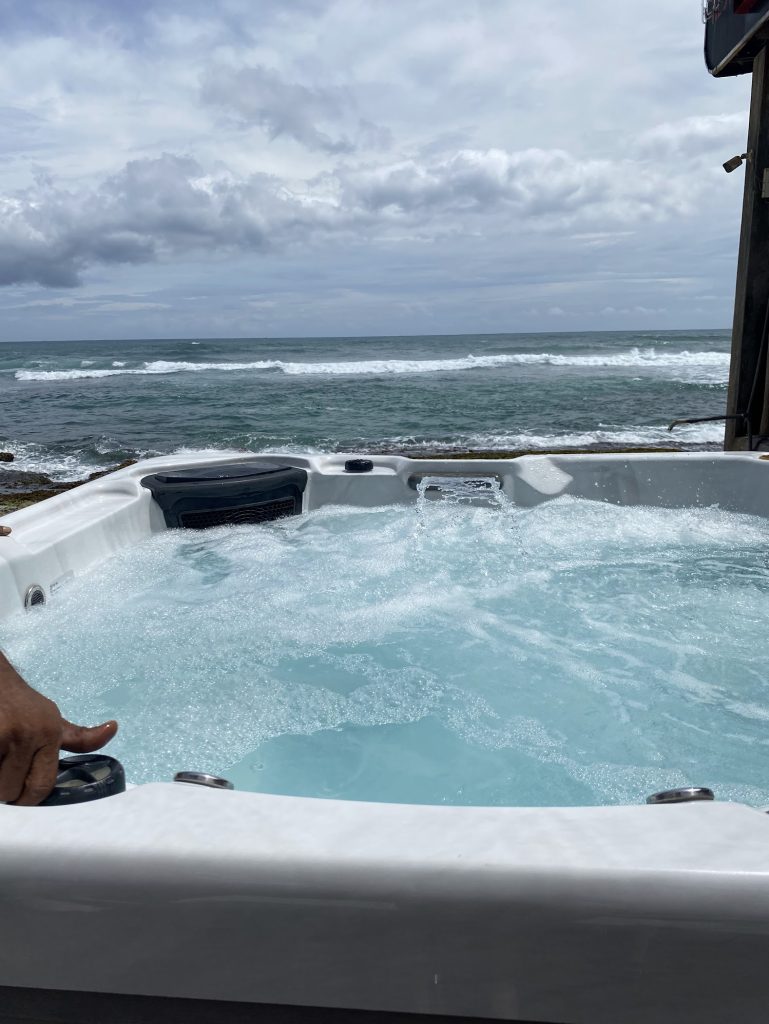
There were long stretches sitting by the water, time in the spa, cocktails, excellent Sri Lankan food and absolutely no enthusiasm for getting up unless there was a very good reason.
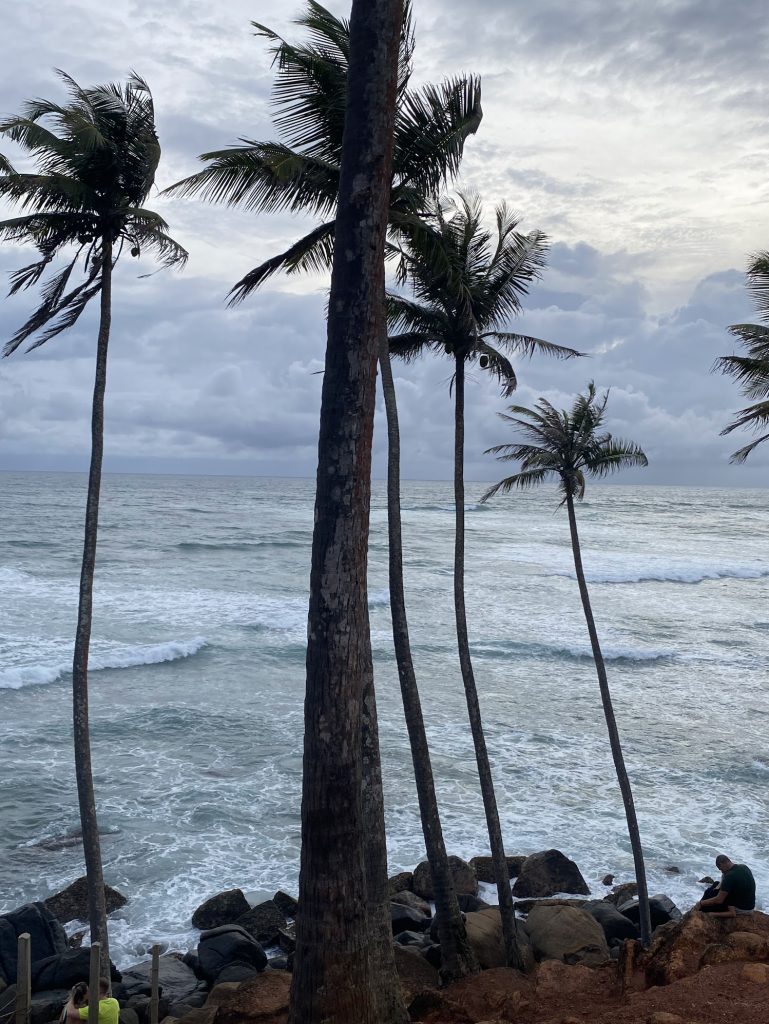
Mirissa is usually known for its beaches, whale-watching trips, surfing and places such as Coconut Tree Hill and Parrot Rock.
I saw considerably less of those than originally planned.
At that point, I was perfectly happy with turtles, cocktails and dinner.
There was just one flaw in this otherwise excellent recovery plan.
Our room was on the first floor.
More stairs.
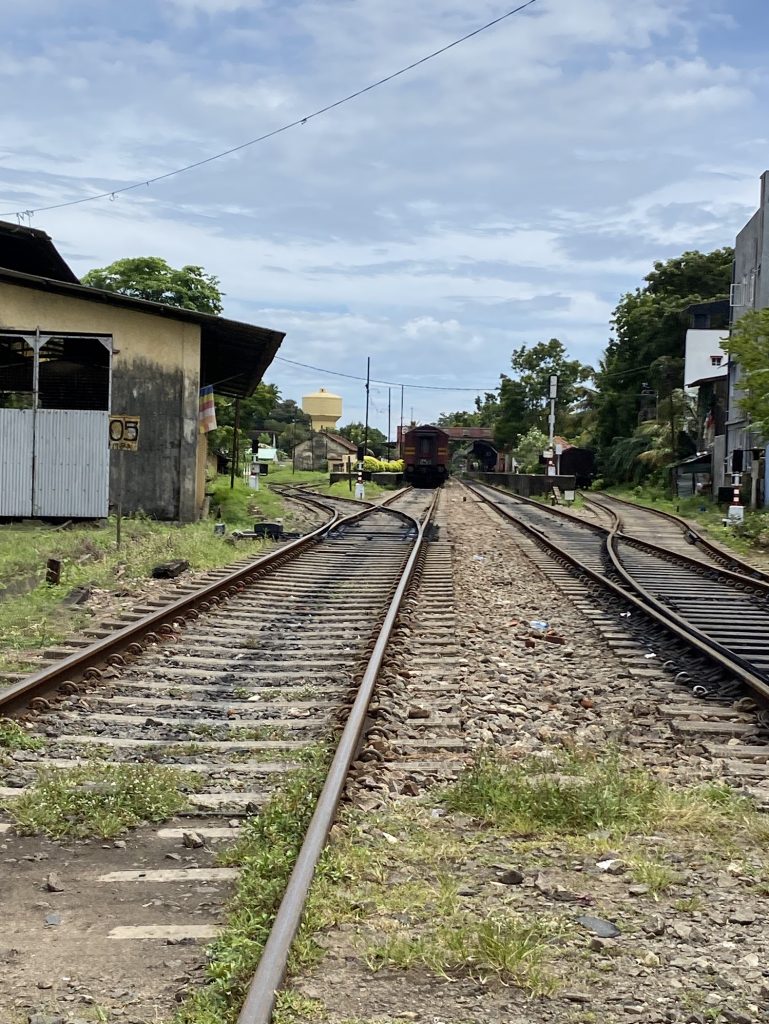
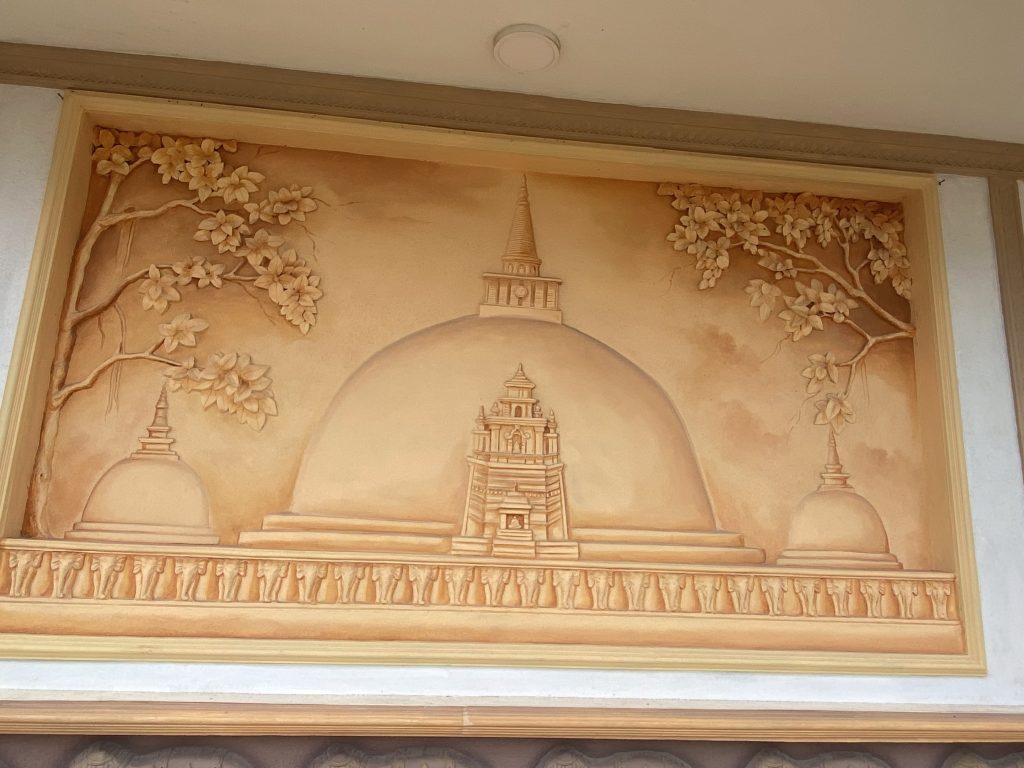
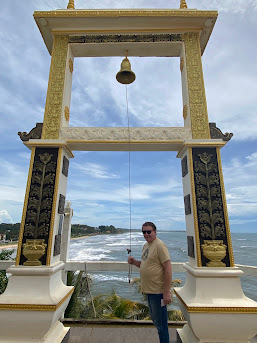
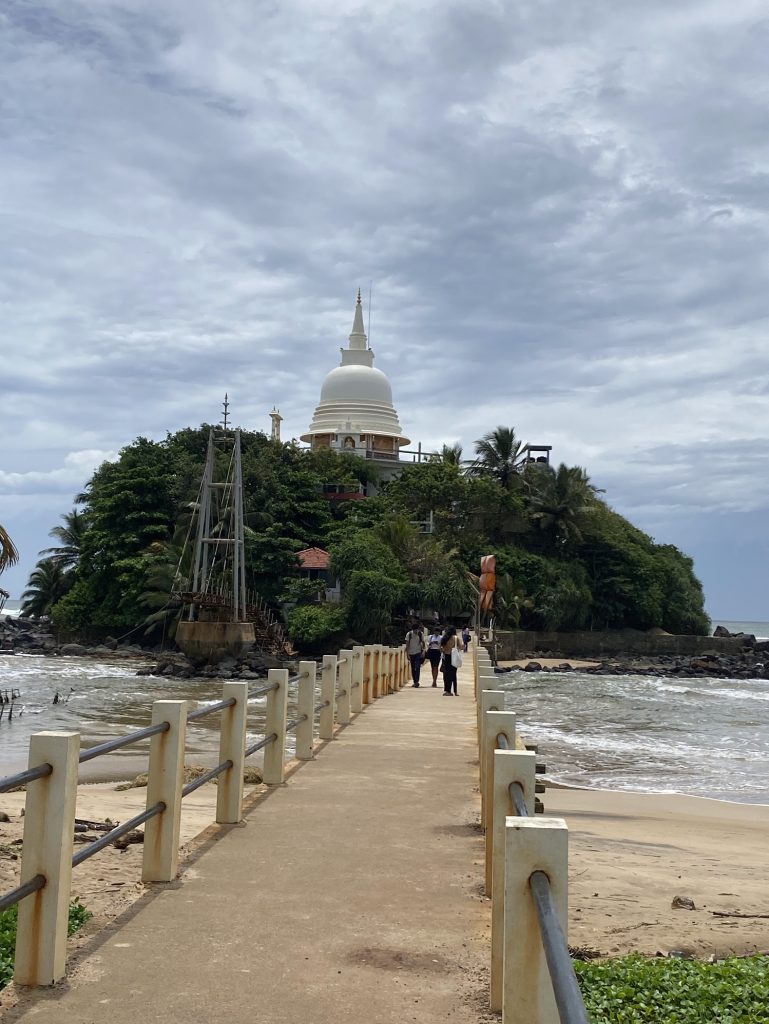
Before leaving Mirissa, we made the mistake of heading up to Coconut Tree Hill.
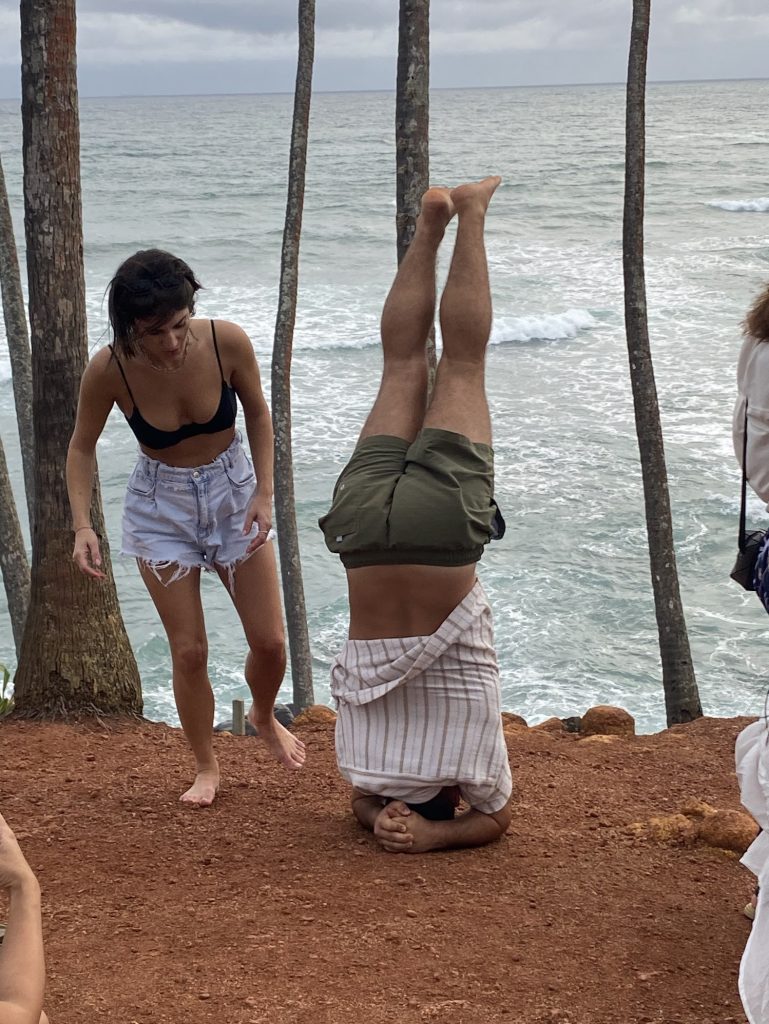
It is one of those places that looks peaceful and idyllic in photographs. In reality, it can feel more like an outdoor Instagram studio.
Selfie sticks everywhere. People taking turns with the same pose. Others waiting impatiently for someone to move out of “their” shot. At one point I nearly got knocked over by a man who had decided that standing on his head was the ideal way to capture the moment.
With one working leg and a pair of crutches, this was not my idea of relaxing sightseeing.
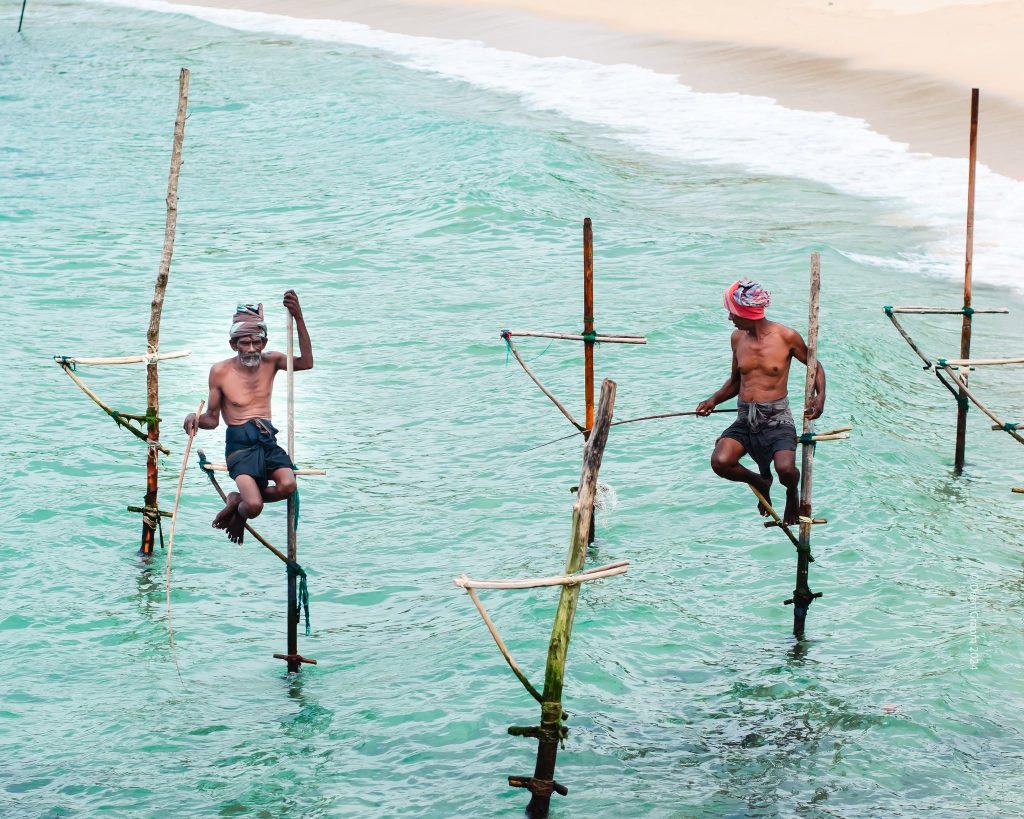
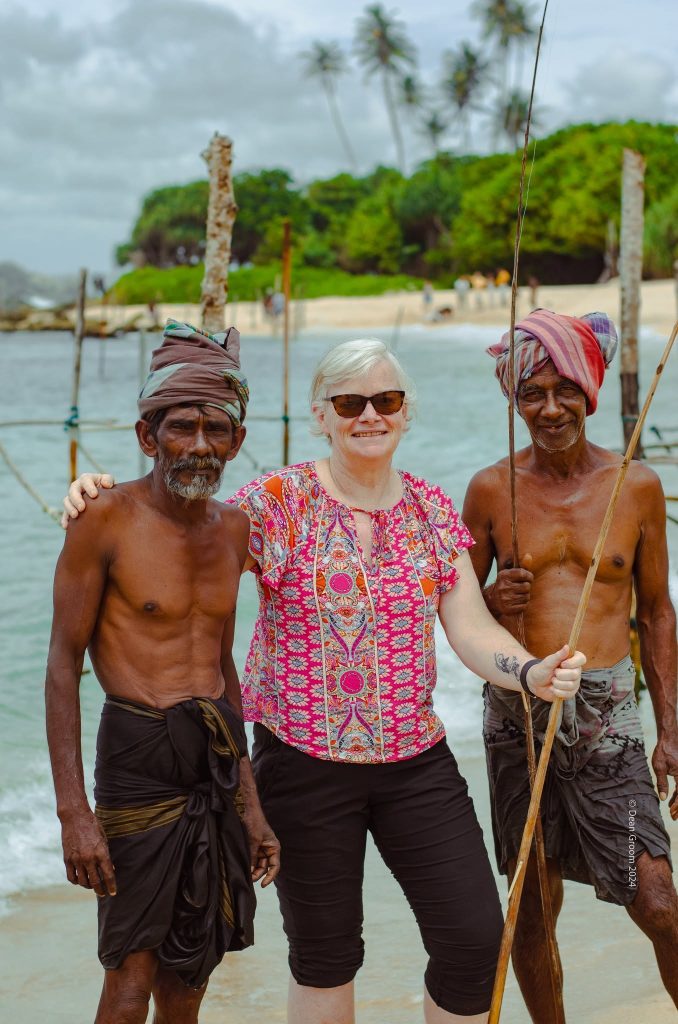
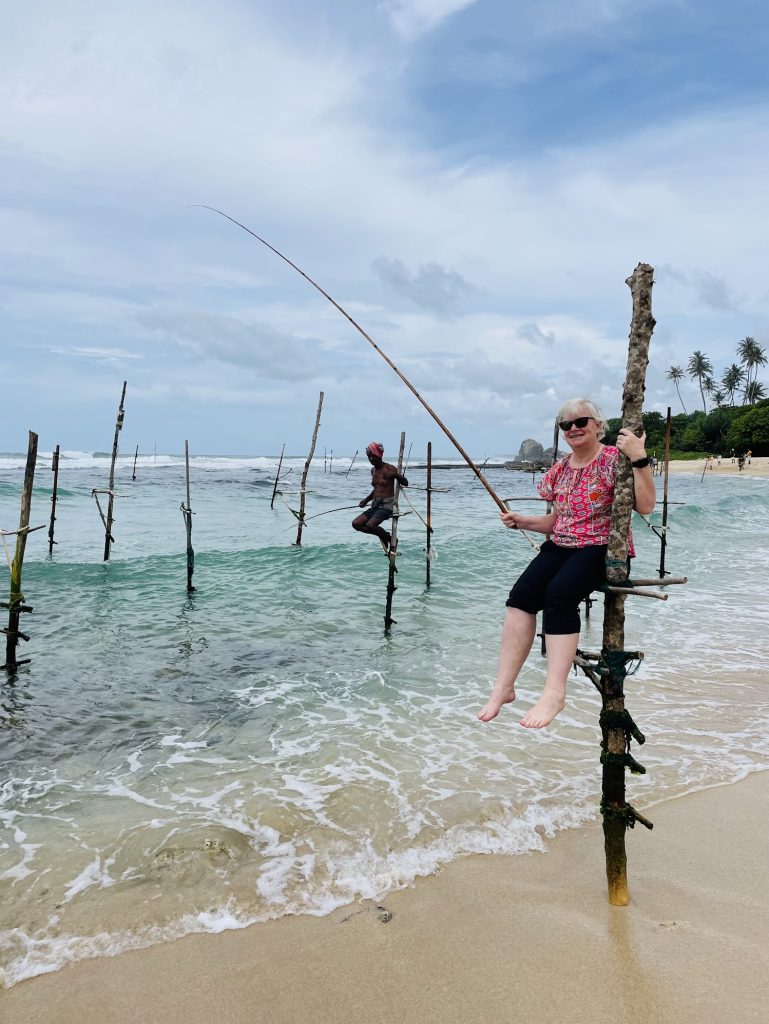
From there we continued west towards Koggala, where we stopped to see Sri Lanka’s traditional stilt fishermen. The image of fishermen perched above the water on narrow wooden poles has become one of the country’s most recognisable sights.
Naturally, I decided I should have a go.
Getting up onto the pole was surprisingly manageable.
Getting back down with only one properly functioning leg was a completely different problem.
There was that familiar moment when I realised I had committed to something without giving any thought whatsoever to the exit strategy.
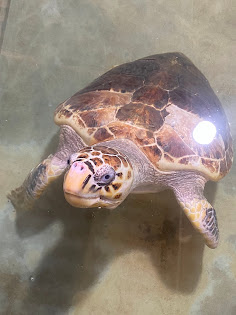
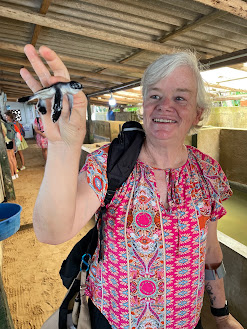
We also stopped at a turtle conservation centre, where injured and rescued sea turtles are cared for and visitors can learn more about the species found around Sri Lanka’s coastline. After seeing turtles swimming offshore in Mirissa, being able to see them close up added another dimension to the experience.
Then it was back in the car and onwards to Galle.
By now the motorbike was a distant memory, the crutches had become part of the luggage, and I had apparently replaced riding with finding increasingly creative ways to injure myself while sightseeing.
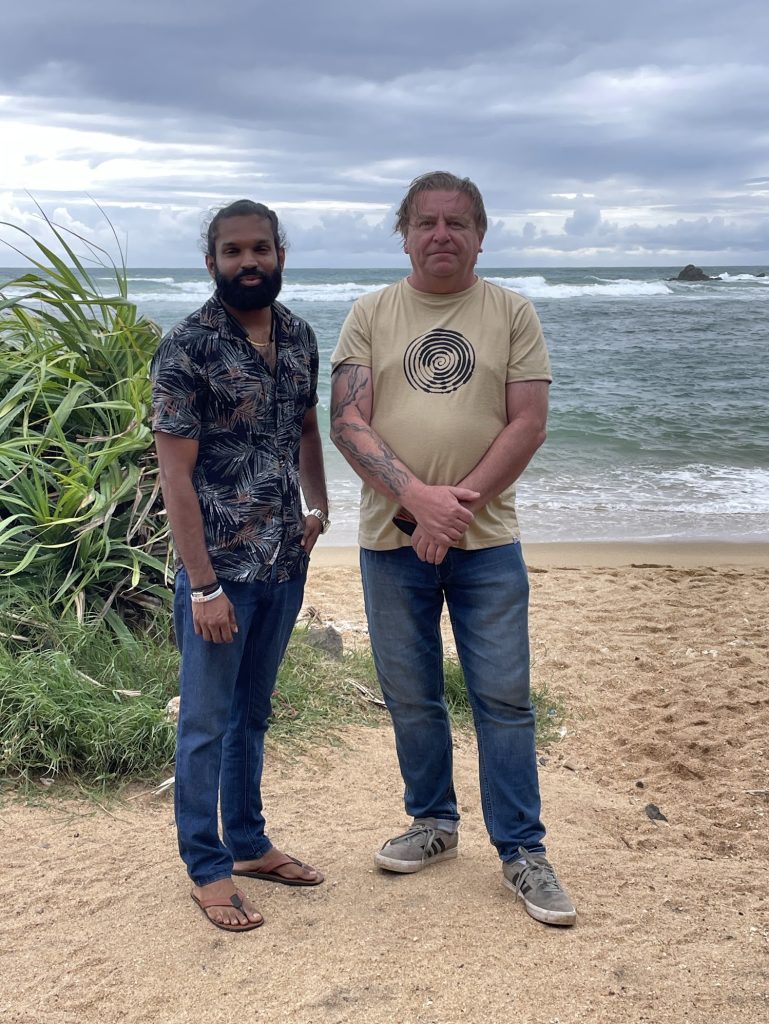
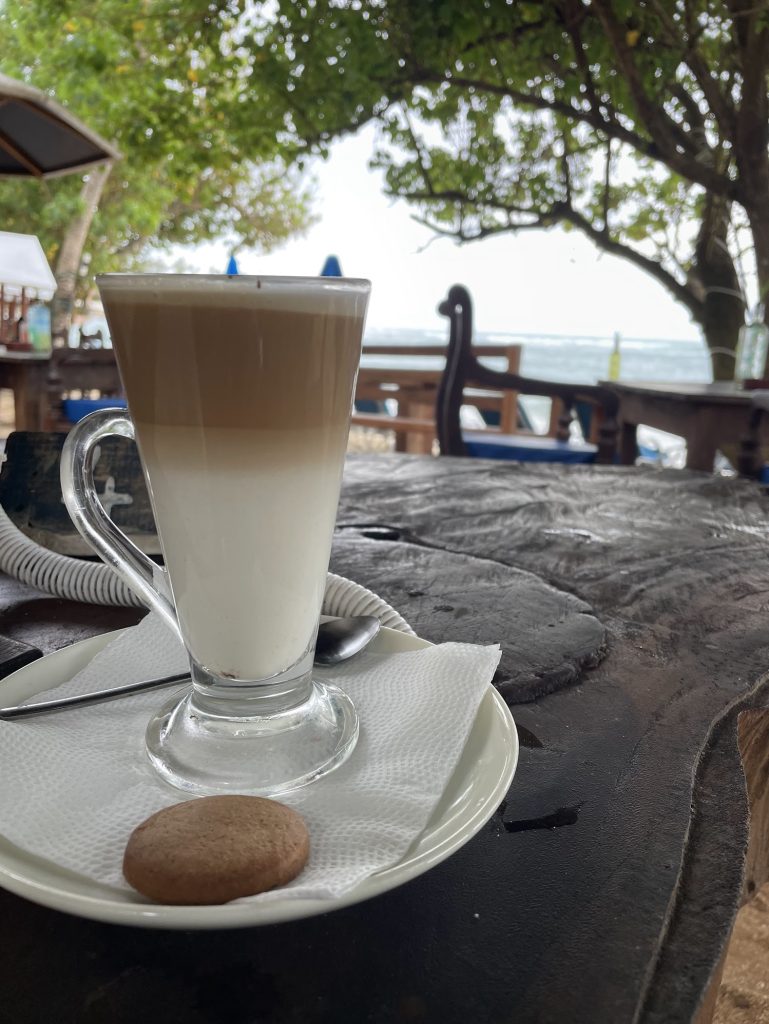
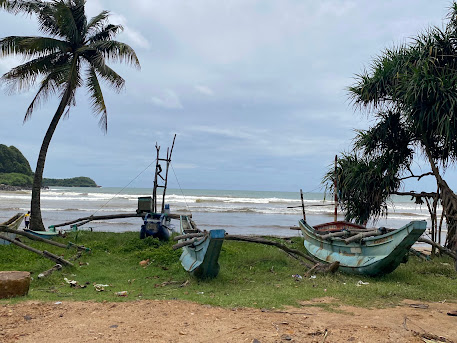
By the time we reached Galle, I was more than ready for somewhere that could be explored slowly.
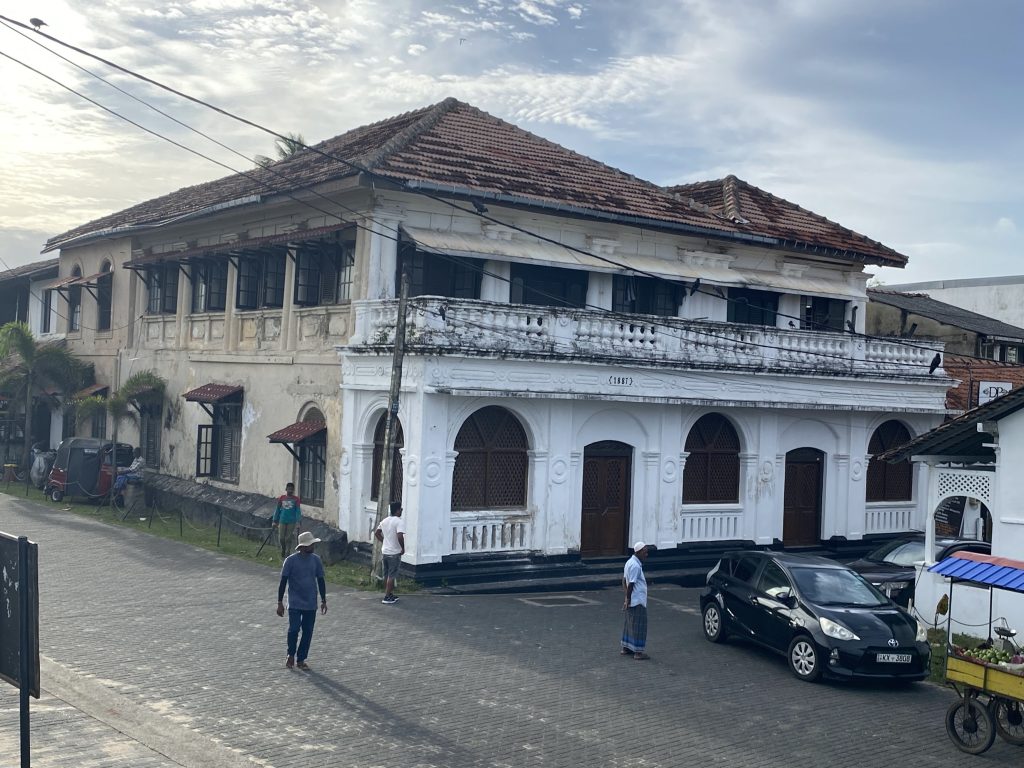
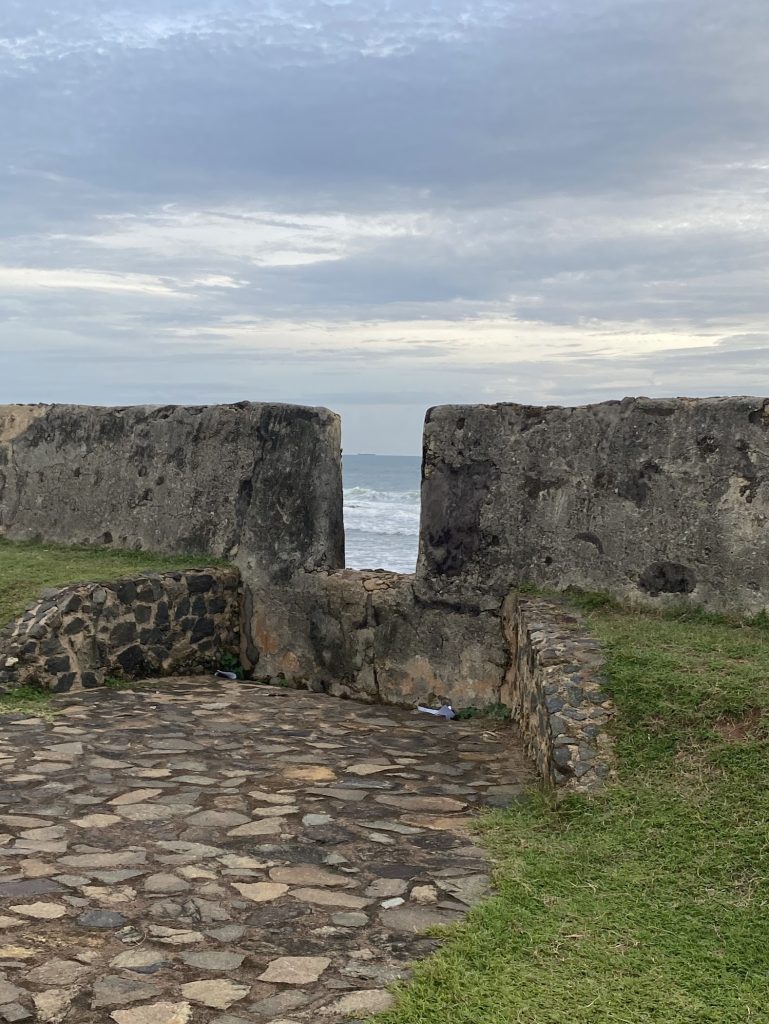
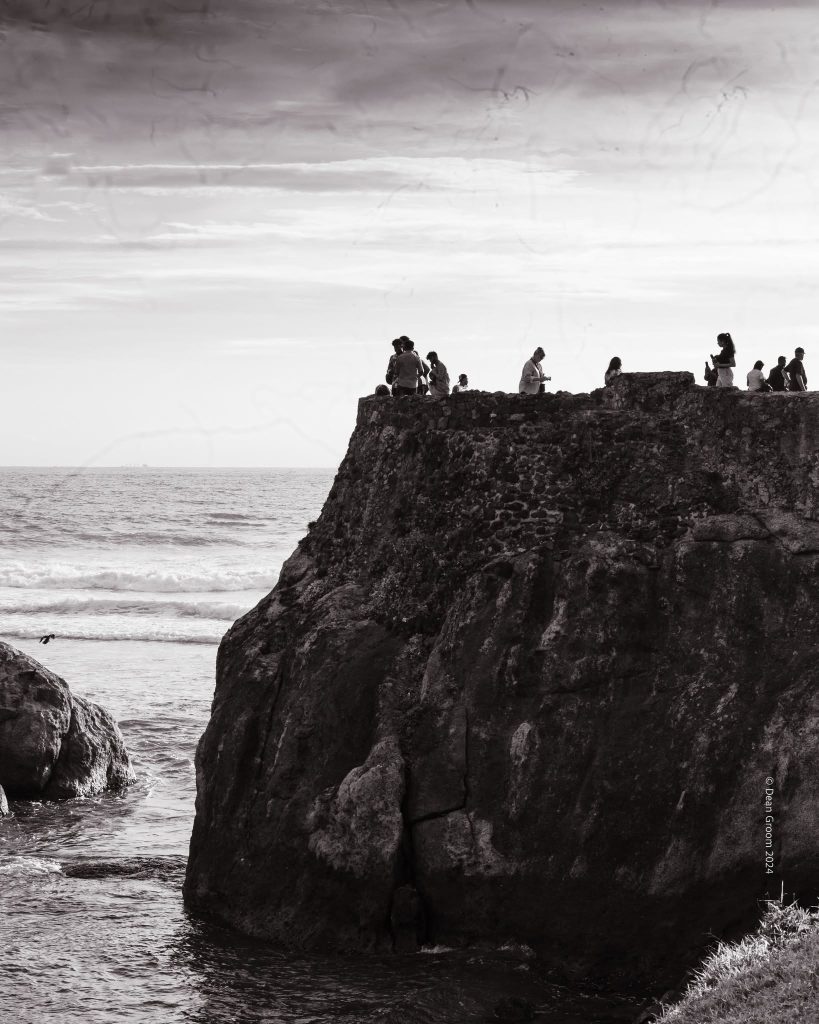
Galle Fort is one of those places where the history is impossible to miss. The Portuguese first established a fortified town here in the 16th century, before the Dutch took over and expanded it into the walled city that largely survives today. Later, the British inherited it. That layering of European influence with Sri Lankan architecture and culture is exactly why the old town and fortifications are now UNESCO World Heritage listed. (UNESCO World Heritage Centre)
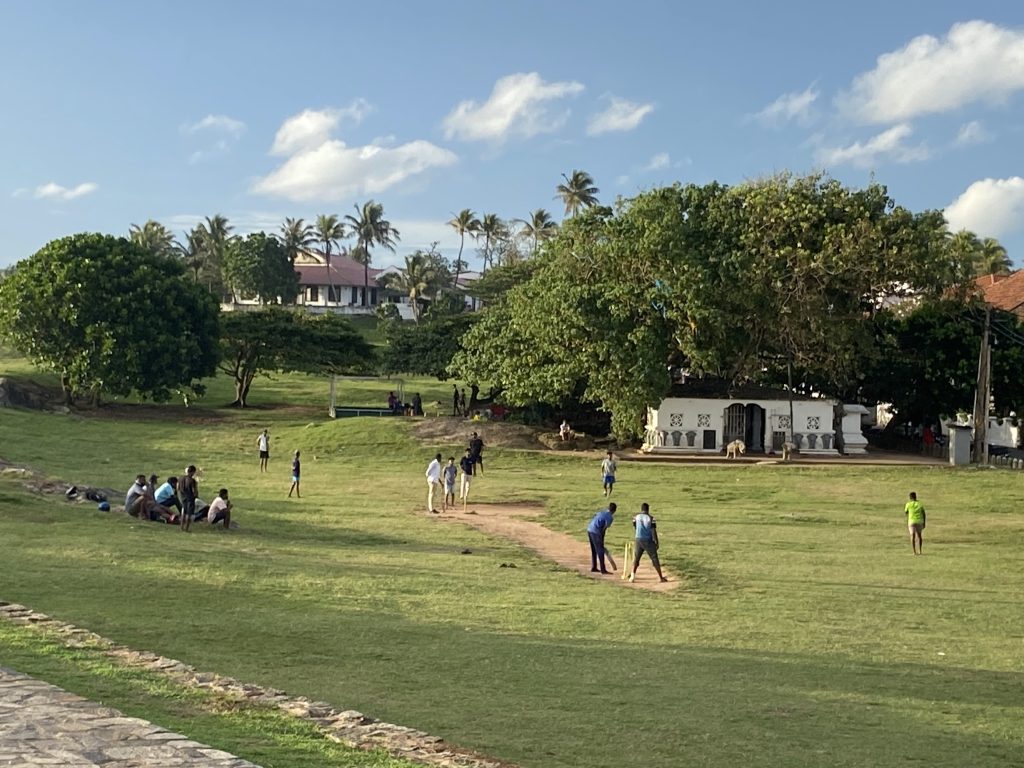
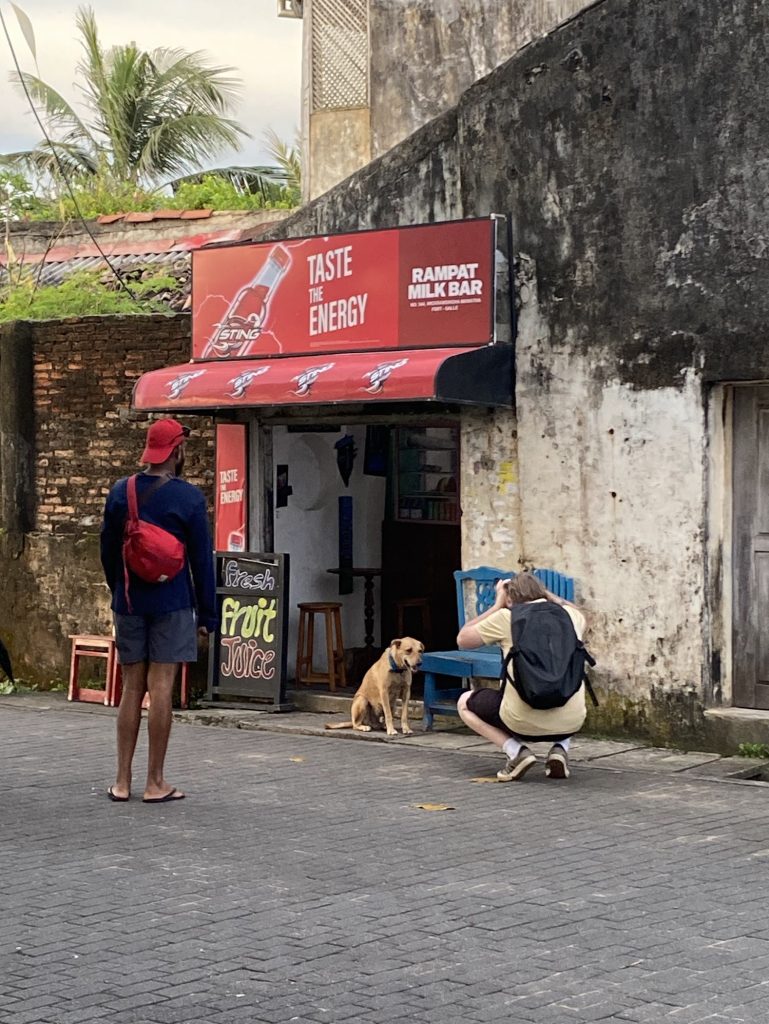
Inside the walls, the streets are lined with old colonial buildings, churches, mosques, cafés, boutiques and small hotels. It feels less like a museum and more like a living town that just happens to sit inside centuries-old fortifications.
The best thing to do is simply wander.
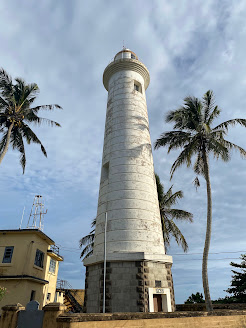
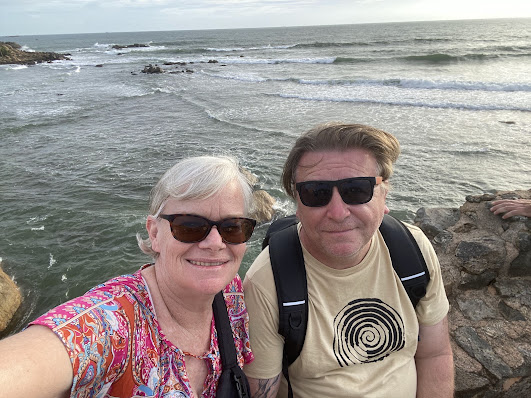
The ramparts run around the edge of the fort, with views across the Indian Ocean and back towards the old town. The lighthouse is probably Galle’s most photographed landmark, while the old Dutch Hospital, clock tower, churches and maritime history give plenty of excuses to stop along the way.
For me, “wandering” was still happening at crutch speed.
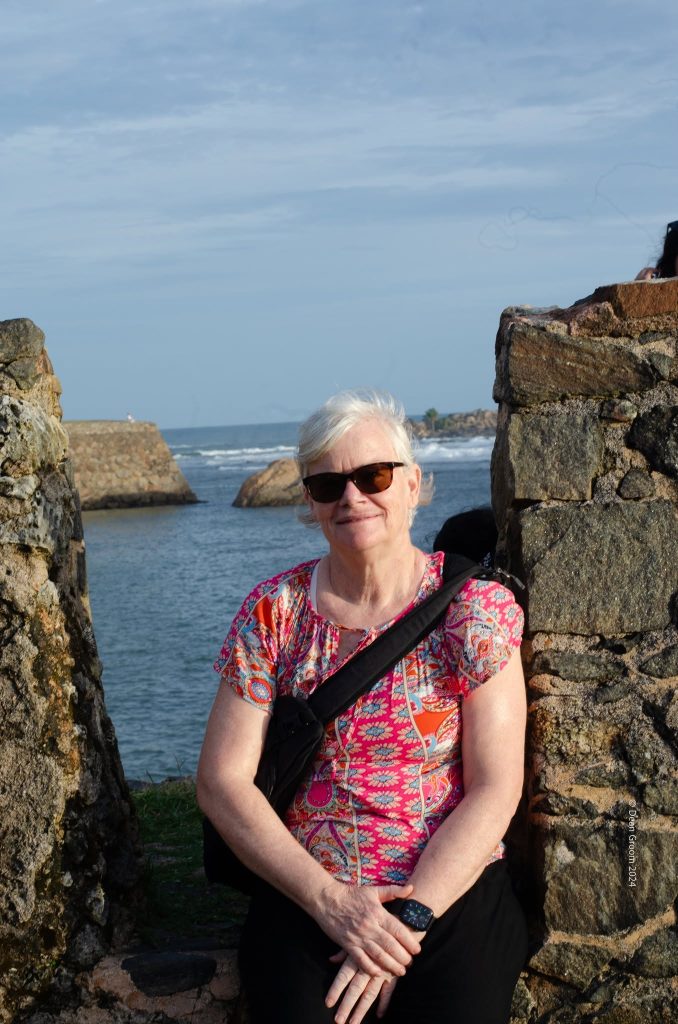
Cobblestones, uneven paths and steps were becoming familiar enemies, but Galle was worth the effort. It was the sort of place where you could walk fifty metres, find somewhere interesting, sit down with a cold drink, then convince yourself to tackle the next fifty.
And by this stage of the trip I had become very good at that.
History, ocean views, excellent food and plenty of places to sit down.
Galle and I got along very well.
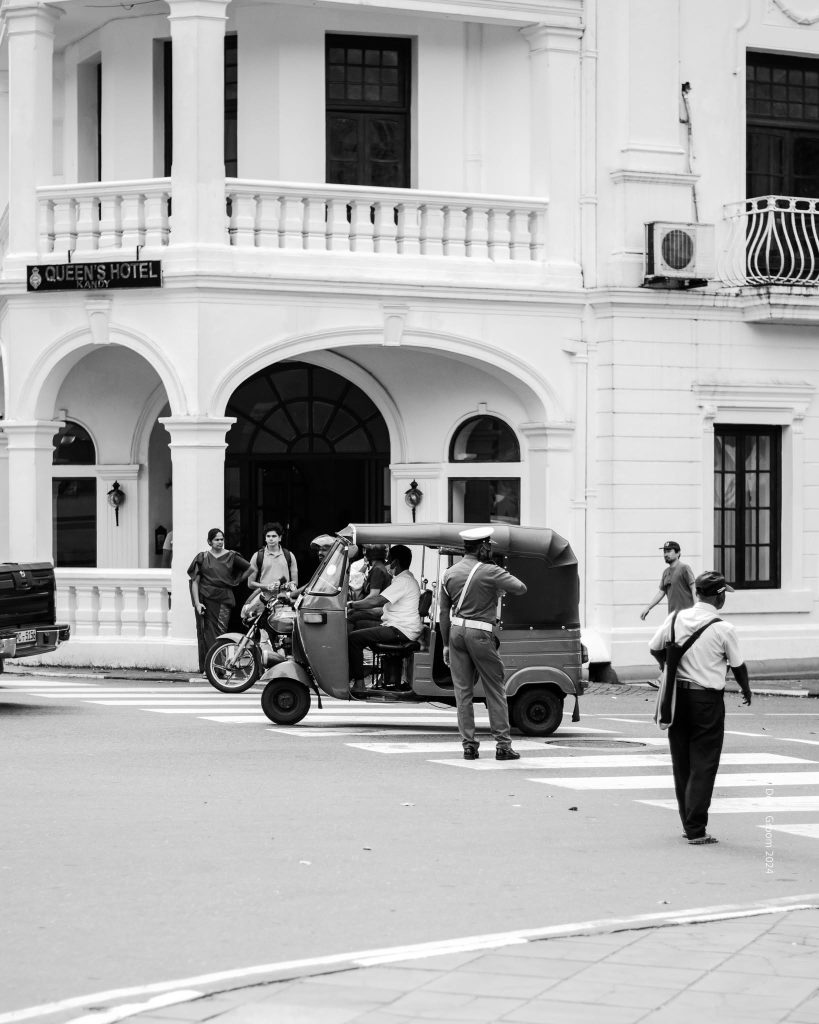
Leaving Galle, we began making our way back up the west coast towards Negombo, but Sri Lanka still had a few surprises left for us.
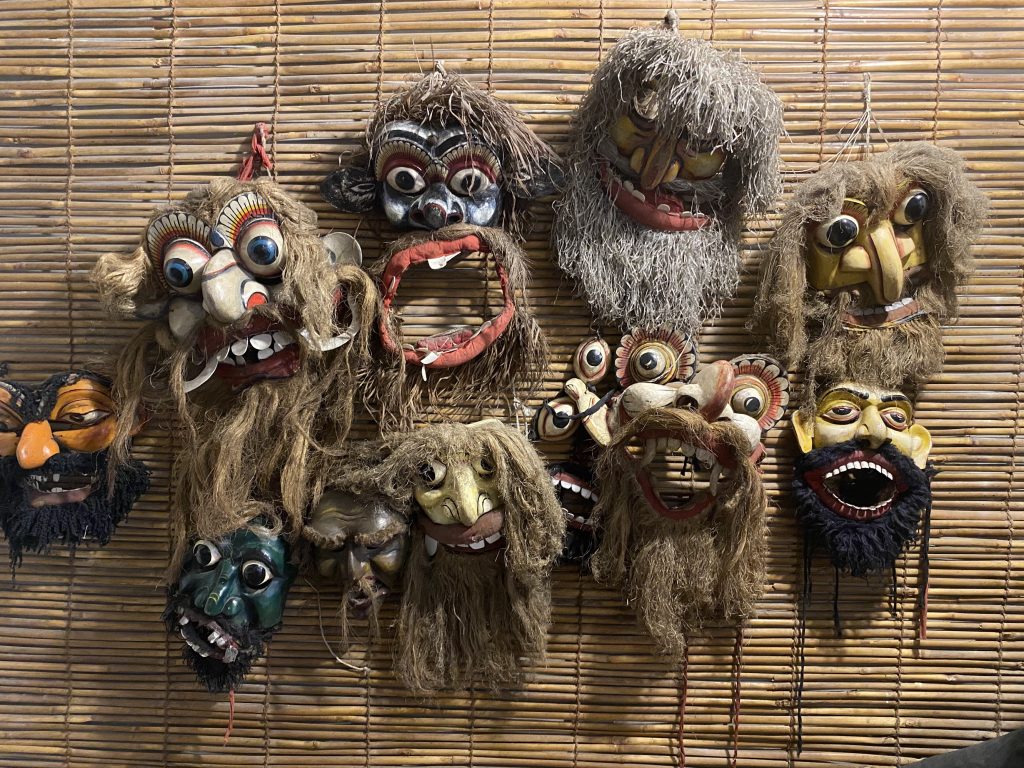
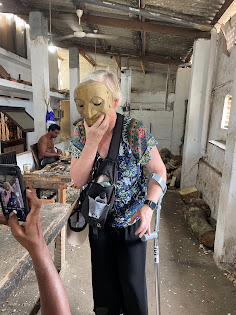
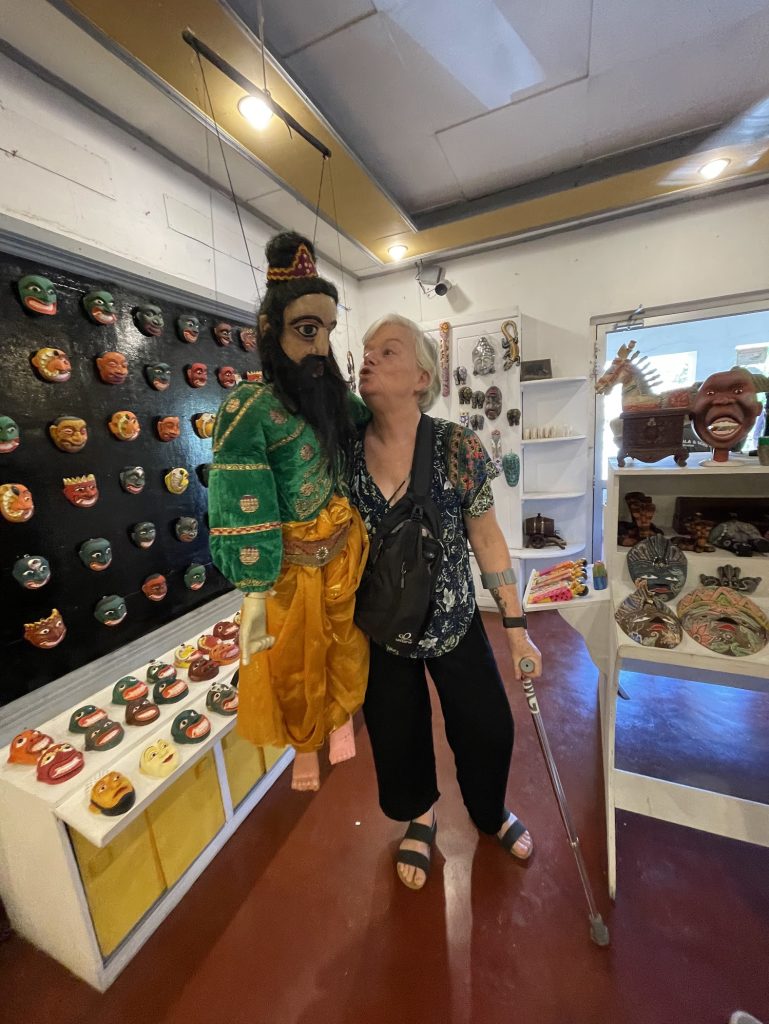
One of my favourite stops was the Ariyapala Mask Museum in Ambalangoda. Sri Lanka has a long tradition of carved wooden masks, particularly those associated with traditional dance, folklore and healing rituals. At the museum we could see the different characters and learn something about the stories behind them, but the best part was watching the craftsmen actually making the masks.
Seeing a piece of wood gradually transformed into one of these extraordinary faces made the inevitable gift-shop visit rather dangerous. A couple of masks came home with us as gifts — although I could quite easily have bought more.
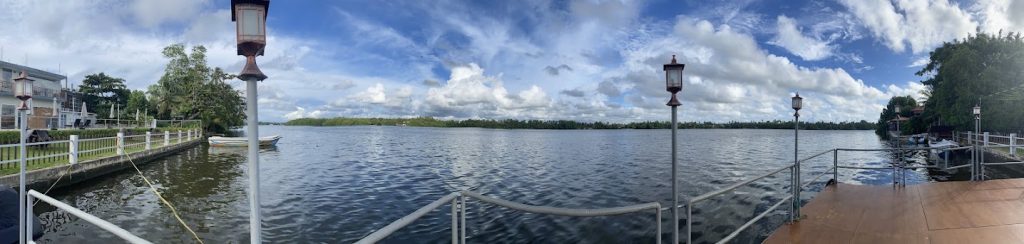
We continued to Aluthgama, where we stayed at a lovely hotel beside the river. By this stage, a comfortable room, a good view and somewhere I could put my leg up were becoming increasingly important considerations.
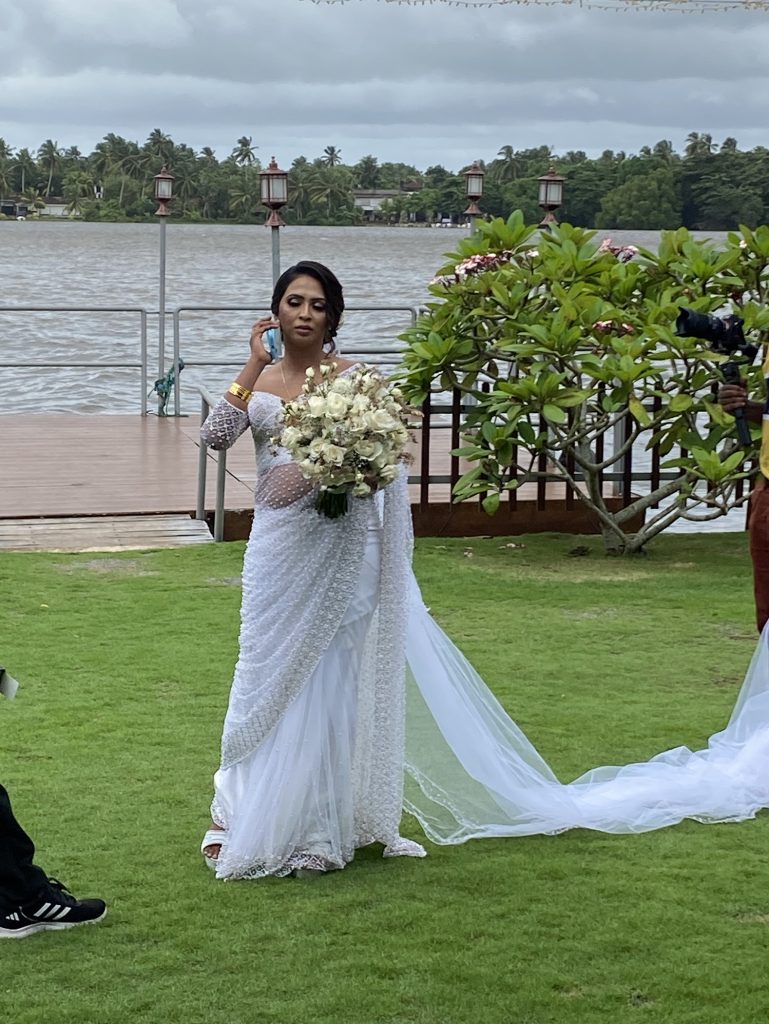
There was a wedding taking place at the hotel.
We weren’t invited.
Apparently that didn’t matter.
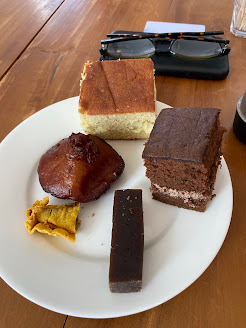
The wedding party insisted that we share some of their beautiful cakes, which was another example of the generosity we’d experienced throughout Sri Lanka. Complete strangers repeatedly seemed determined to make us feel welcome.
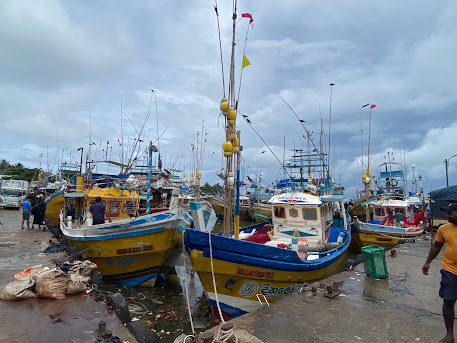
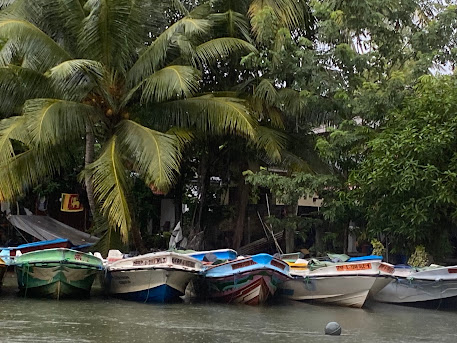
We also visited Beruwala Harbour, where the fishing boats, markets and activity around the waterfront offered another glimpse of everyday life on this coast, rather than something created specifically for tourists.
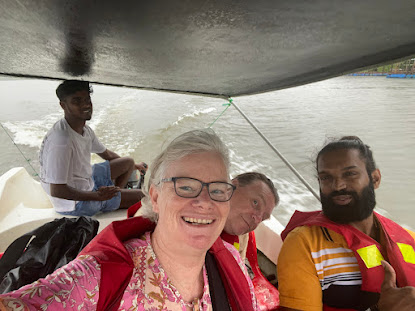
Then came Balapitiya and a boat trip through the waterways and mangroves.
It poured.
Not a little tropical shower. Proper, relentless rain.
We travelled along the waterways surrounded by thick vegetation, wildlife and small communities while becoming progressively wetter. By that stage of the holiday, though, getting soaked seemed relatively minor. I’d crashed a motorbike, acquired crutches and negotiated temples, mountains, safari jeeps and stilt-fishing poles with one useful leg. A bit of rain wasn’t going to finish me off.
One particularly interesting stop was with local cinnamon growers. Sri Lanka — historically known as Ceylon — is the home of true Ceylon cinnamon, and seeing how the bark is harvested, peeled and prepared gave me a completely different appreciation for something I’d previously regarded as just another jar in the kitchen cupboard.
They also had cinnamon oil.
Someone suggested trying a little on my battered knee. Whether it was the cinnamon, the massage, the warmth of the oil or simply wishful thinking, I don’t know — and I certainly wouldn’t claim it as medical advice — but at that moment it seemed to help with the pain.
I wasn’t arguing.
Eventually the road brought us all the way back to Negombo, where our Sri Lankan adventure had started.
Only a couple of weeks earlier we’d set off from there on motorbikes, excited about riding around the country. I had a bike that was too big for me, gears that barely worked and absolutely no idea what was coming.
I returned on crutches.
The motorbike hadn’t made it very far, but somehow I had.
And despite the crash, the pain and the rather sensible husband who repeatedly suggested I should simply sit on a beach, I wouldn’t trade what came afterwards. We’d travelled through ancient cities and tea country, seen elephants and crocodiles, climbed into safari jeeps, visited temples, eaten extraordinary food, met people who stopped what they were doing to help us, been fed wedding cake by complete strangers and watched Sri Lanka change from mountains to jungle to coastline.
It certainly wasn’t the holiday we’d planned.
It might have been more memorable because of it.
Before flying home, there was one final job to do: another trip to hospital for more pills, more dressings and an ultrasound on my knee to make sure I was safe to fly.
By this point, I had become far more familiar with the Sri Lankan medical system than I had ever expected to be.
The ultrasound was another surprise.
In Australia, you can have a scan and then wait days for the report to make its way through the system. In Sri Lanka, the doctor performed the ultrasound while another person sat in the room typing the findings as they went.
No long wait. No chasing results.
By the time the scan was finished, the report was essentially finished too.
About $30 later, I had the written report in my hand, the reassurance that I was fit to fly, and another bag of pills and potions to get me home.
It was one of the lasting impressions I took away from the trip.
I had arrived in Sri Lanka expecting temples, beaches, tea plantations, wildlife and a motorbike adventure.
I hadn’t expected to test the healthcare system.
But when I needed it, the care was quick, practical, affordable and remarkably efficient.
Not the souvenir I had planned on bringing home.
But probably one of the things I will remember most.