Russia 2019 — St Petersburg to Moscow
Russia had been on my travel list forever, so in July 2019 it finally felt slightly unreal to be flying from Venice into St Petersburg.
We caught a taxi into the centre of the city and settled into our apartment. Even better, there was a little bread shop downstairs that became our breakfast stop — fresh bread and pastries, and, surprisingly, they could make a decent coffee. We were off to a good start.
28 July — St Petersburg
Our first full day was enormous.
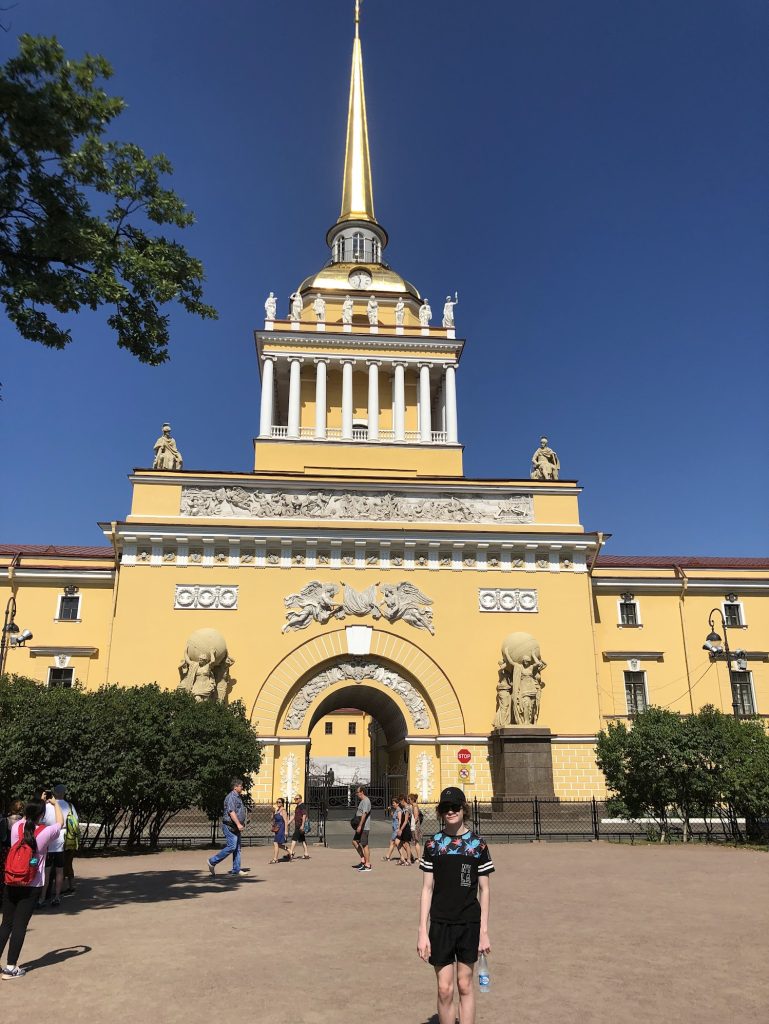
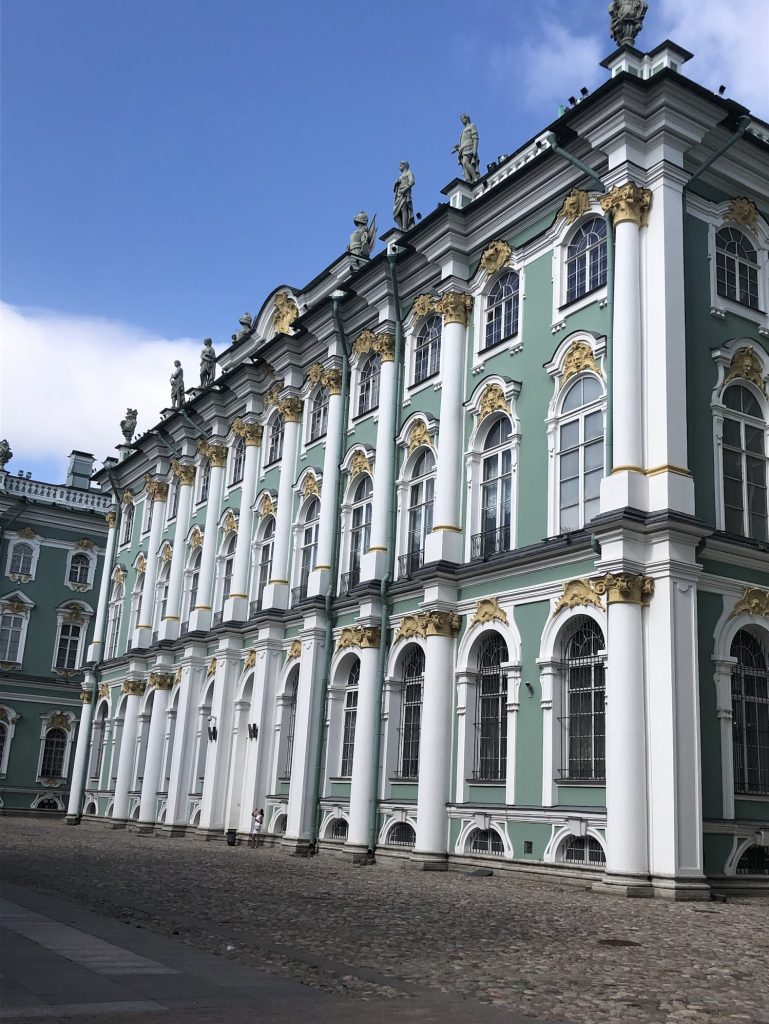
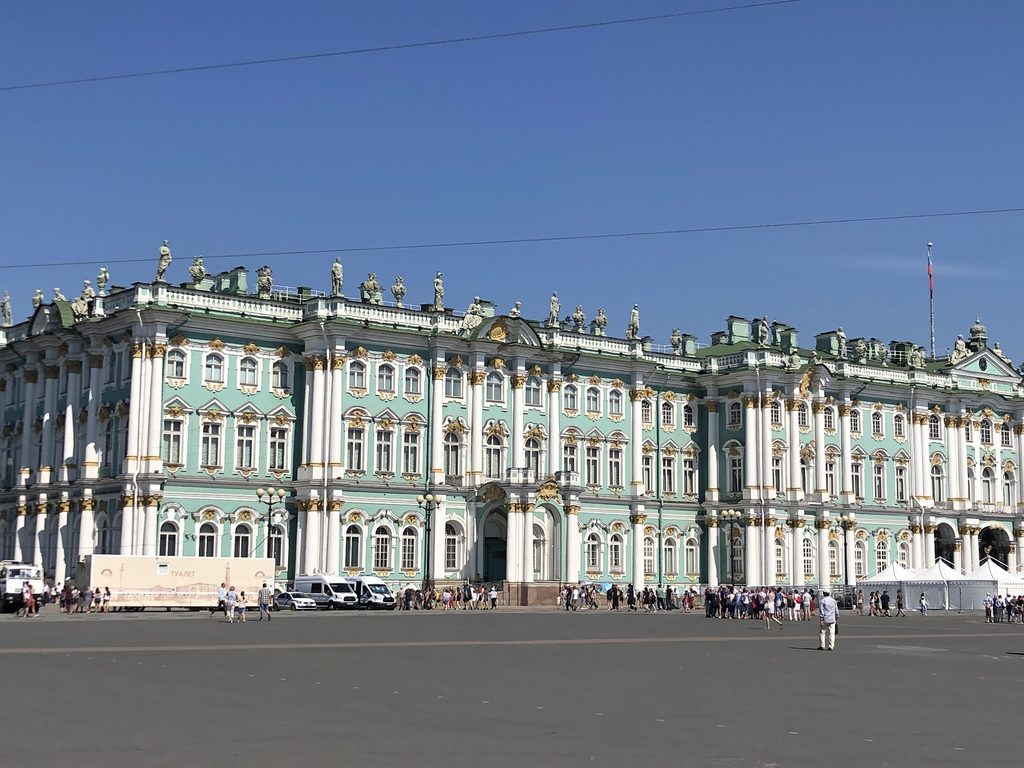
We began around Alexander Garden, the green space beside the Admiralty, before walking into the huge Palace Square. This is really the historic heart of St Petersburg, dominated by the enormous green-and-white Winter Palace, once the main residence of Russia’s emperors and now part of the Hermitage Museum. Palace Square itself has been the setting for some of the biggest events in Russian history, including revolutionary unrest in 1905 and 1917.
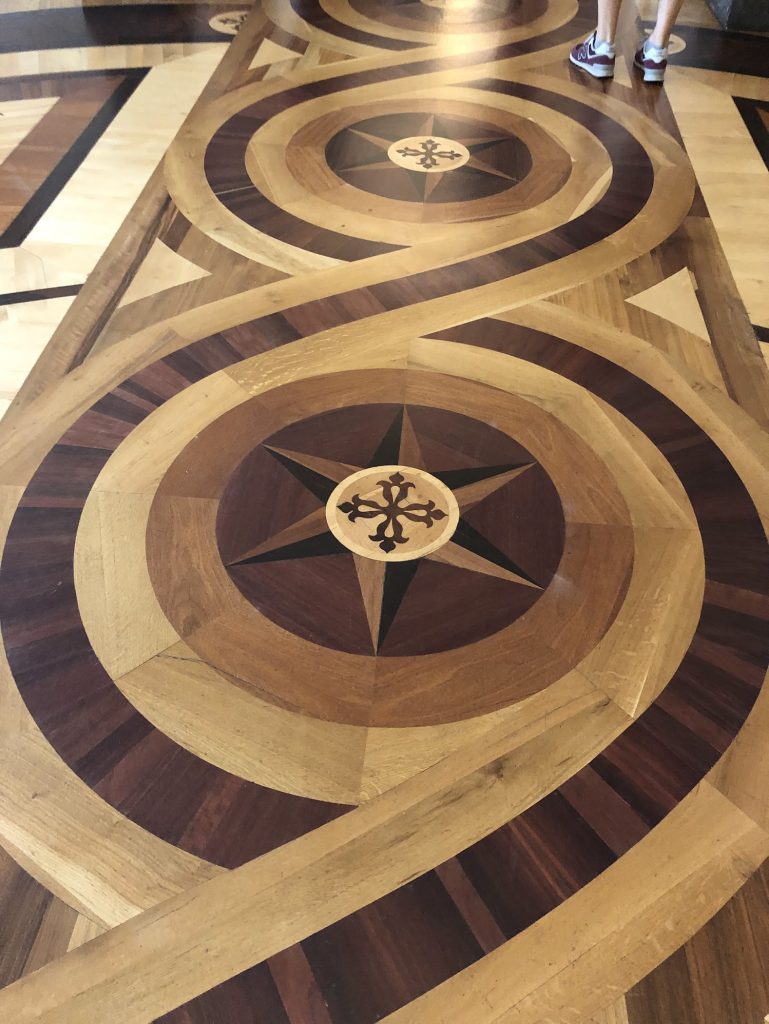
Inside the Hermitage Museum, the scale is difficult to comprehend. The buildings themselves are almost as interesting as the art — grand staircases, gilded rooms, chandeliers and former imperial apartments packed with collections from across centuries. The Winter Palace alone served as the ceremonial imperial residence for around 150 years.
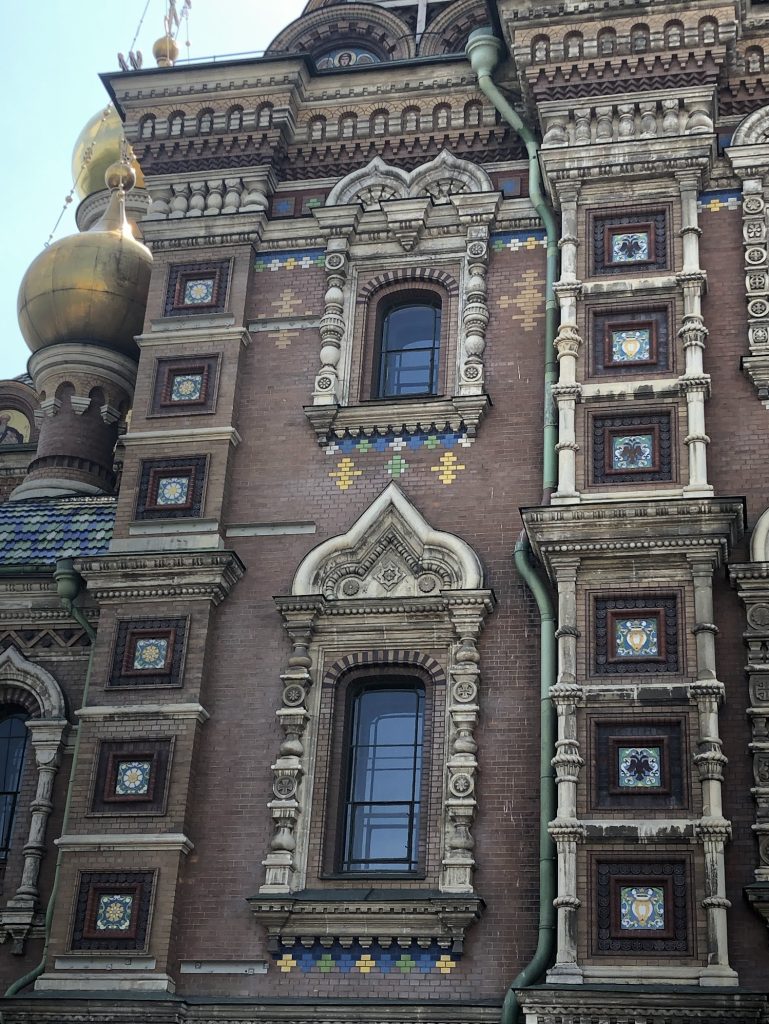
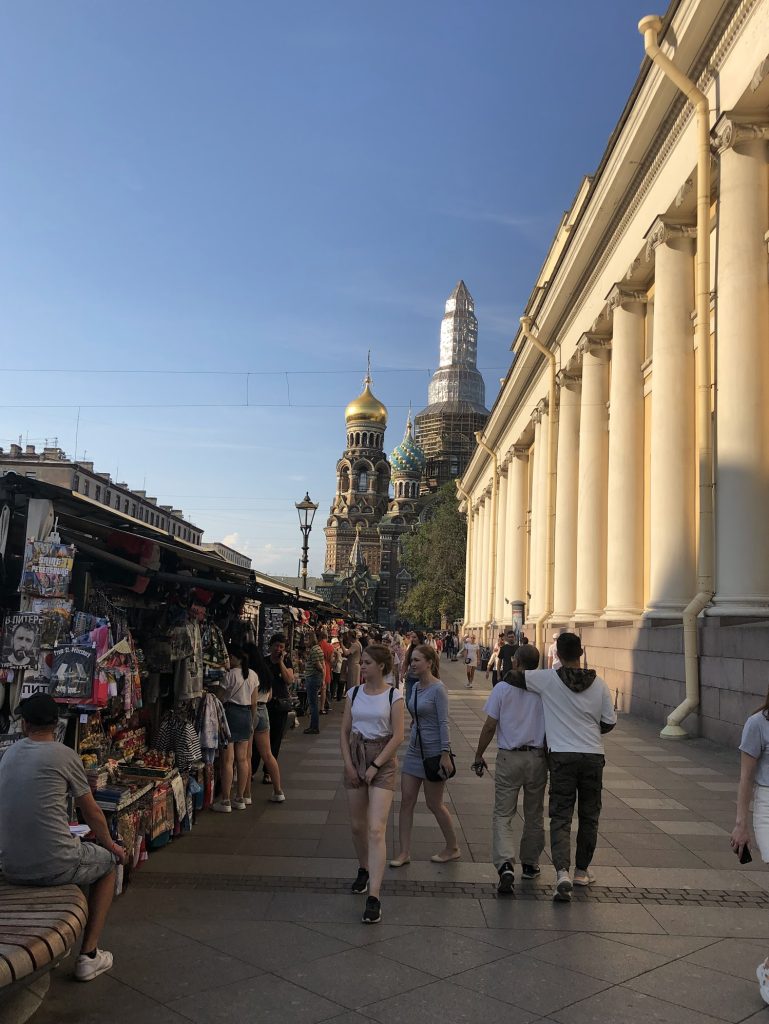
Then came the spectacular Church of the Savior on Spilled Blood, with its colourful onion domes and extraordinary mosaics. It was built on the site where Emperor Alexander II was fatally wounded in 1881 and looks almost like something from a storybook.
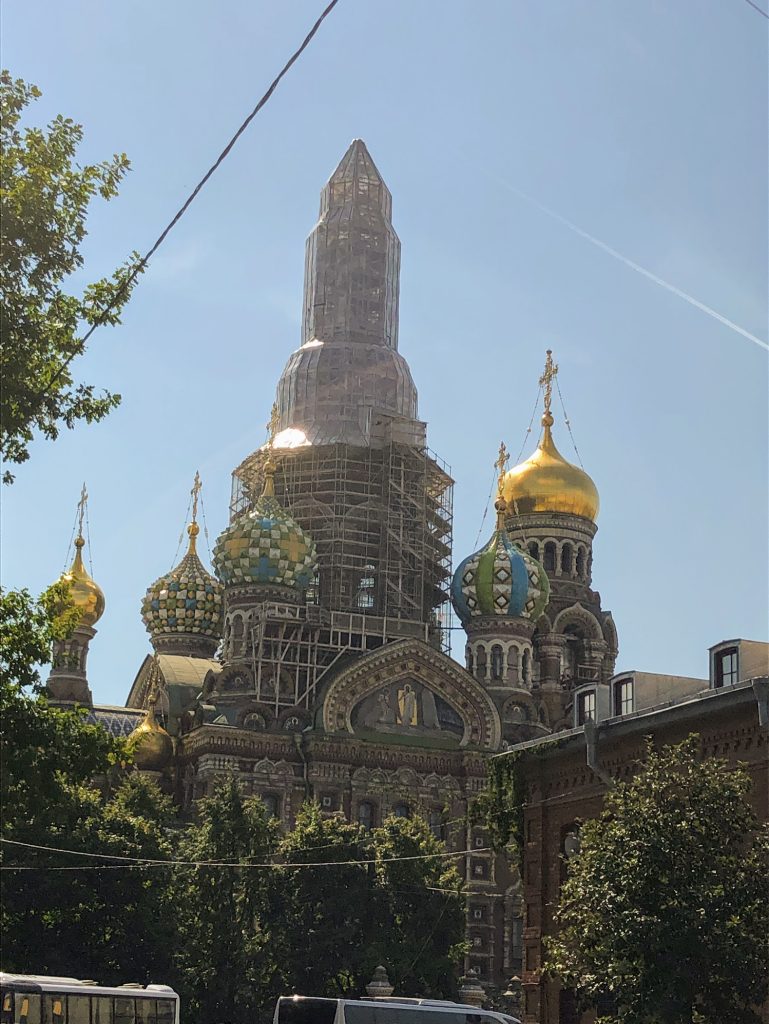
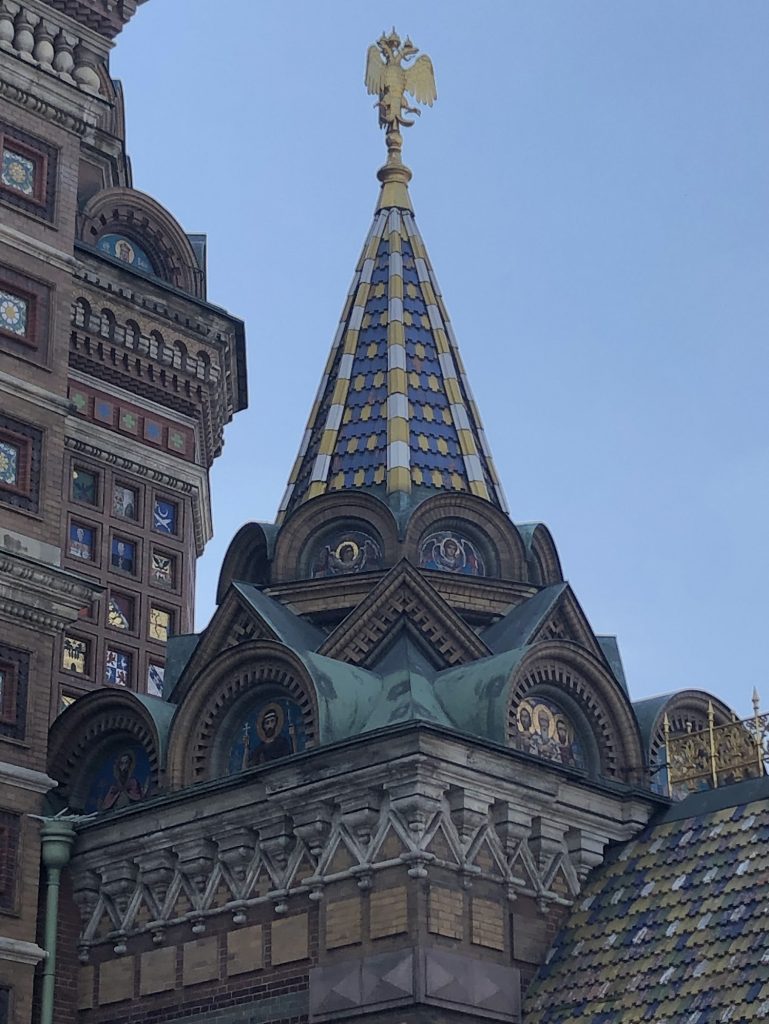
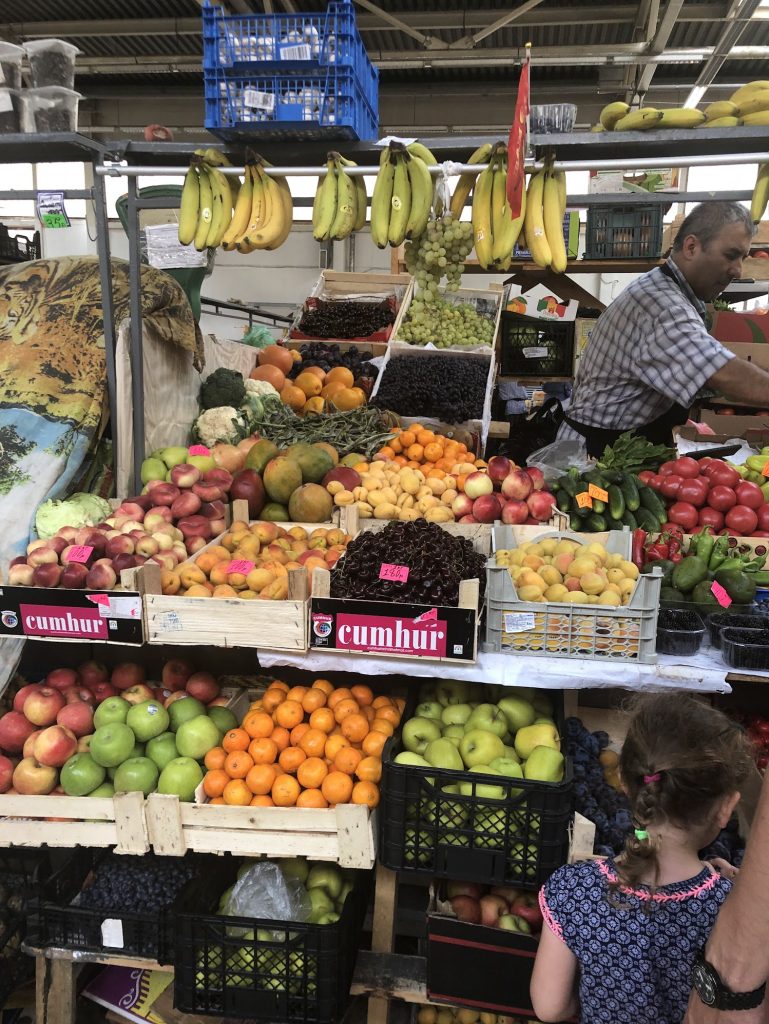
We continued through Voronikhinskiy Skver, markets and city streets, crossing canal after canal over elegant arched bridges. St Petersburg really is a city that is best seen on foot — every few streets there seemed to be another palace, church or stretch of water.
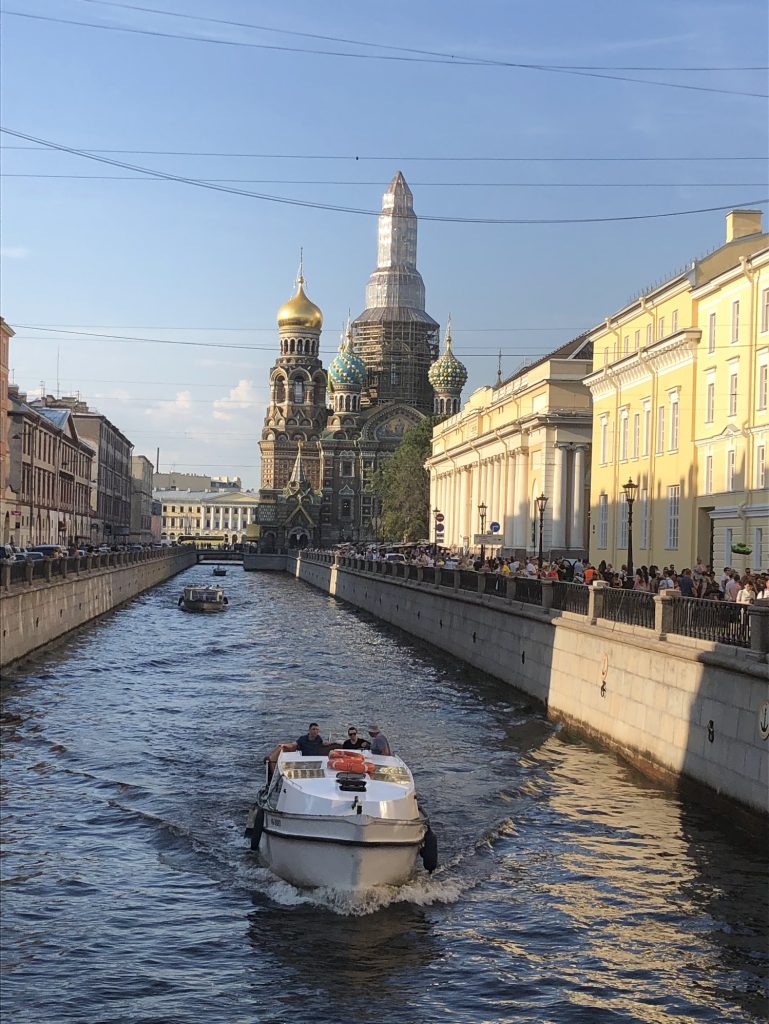
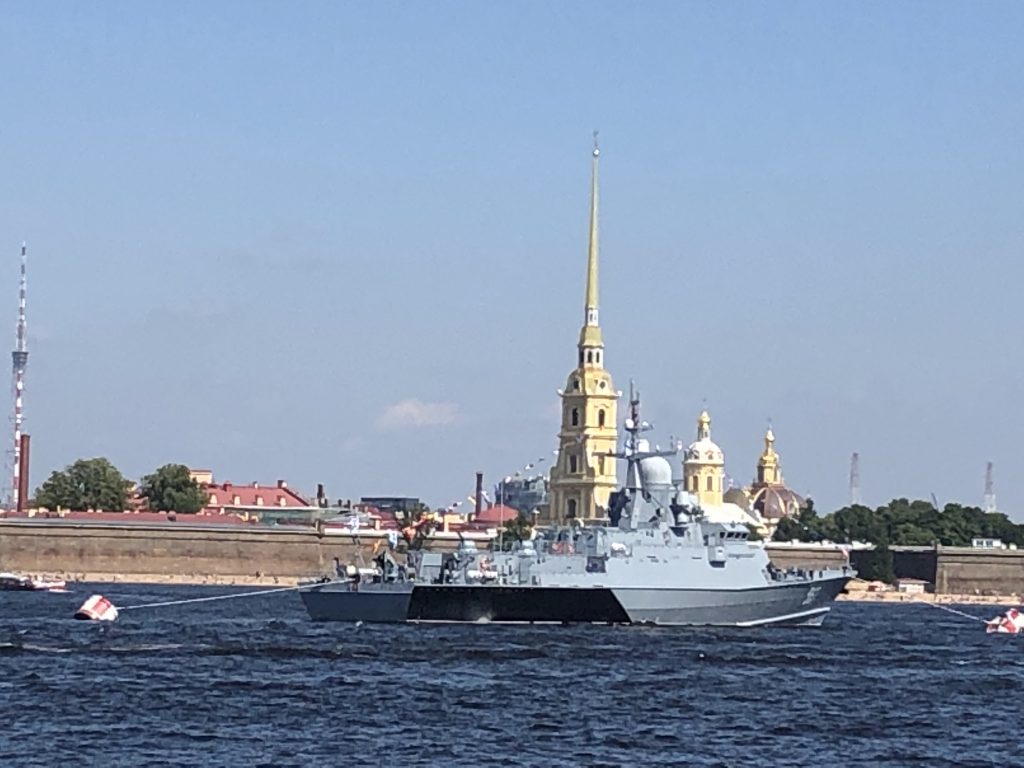
A river and canal cruise gave us a different perspective, passing beneath bridges and alongside some of the great buildings lining the Neva.
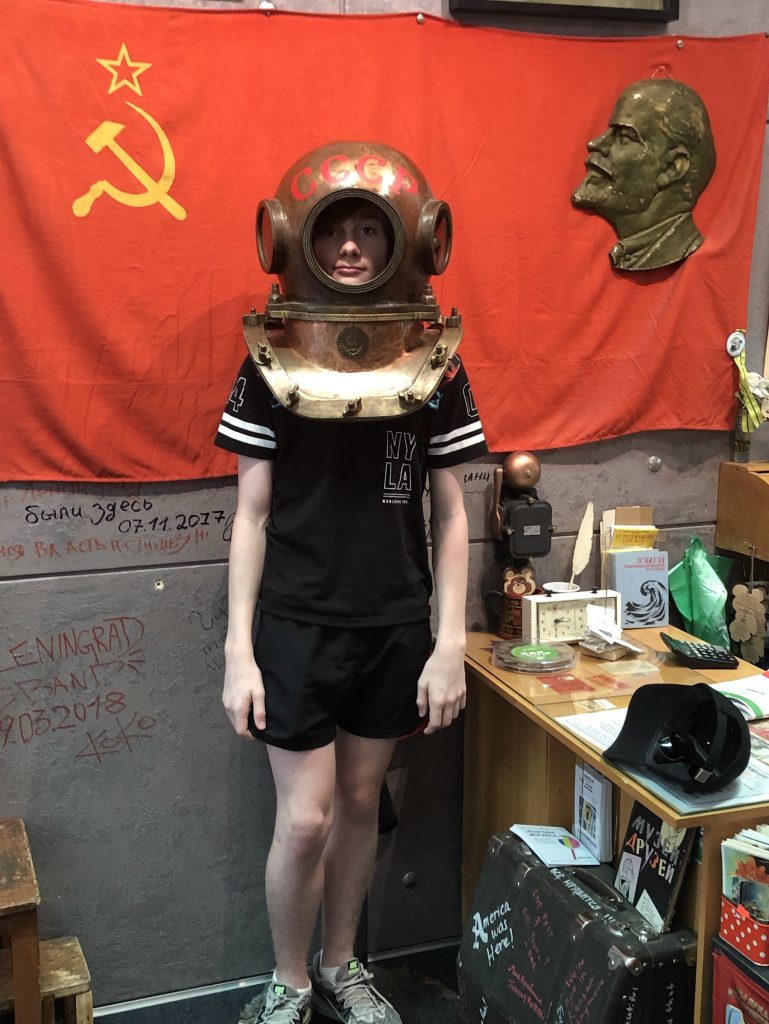
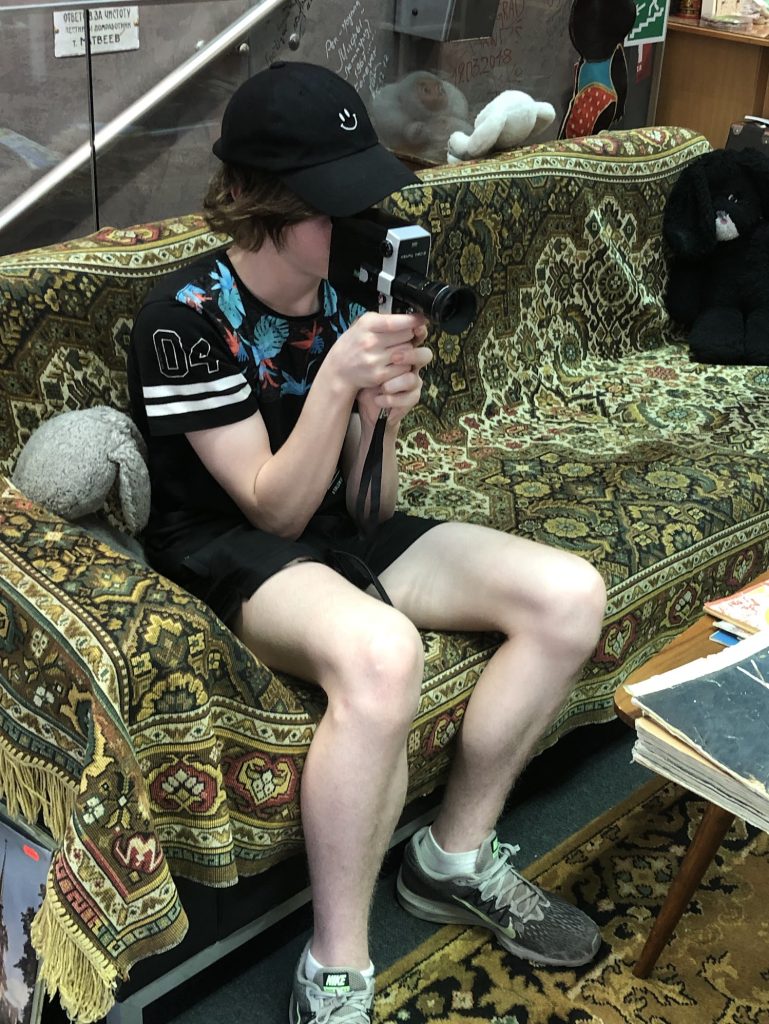
We also wandered into a museum filled with objects from more recent Russian life — the sort of everyday items that bring the 20th century to life rather than another room filled with imperial treasures.
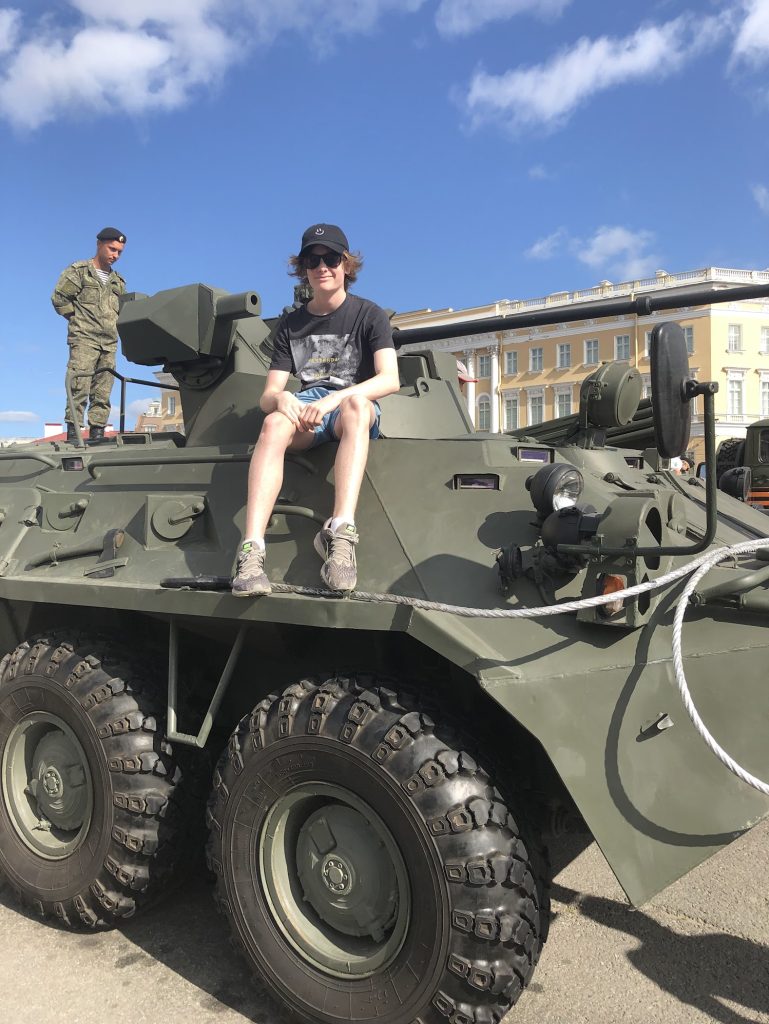
Around Vitebskaya Ploshchad and elsewhere in the city there was an added bonus: it was around Navy Day, so military displays were everywhere. Tanks, missile launchers, naval equipment and uniforms seemed to have appeared all over the place.
Somewhere in among all of that, I tried my first infused vodka.
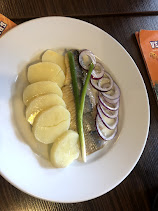
Quite nice, actually.
29 July — A 14th Birthday at Catherine Palace
The 29th was Ashton’s 14th birthday, which is a fairly memorable place to celebrate it.
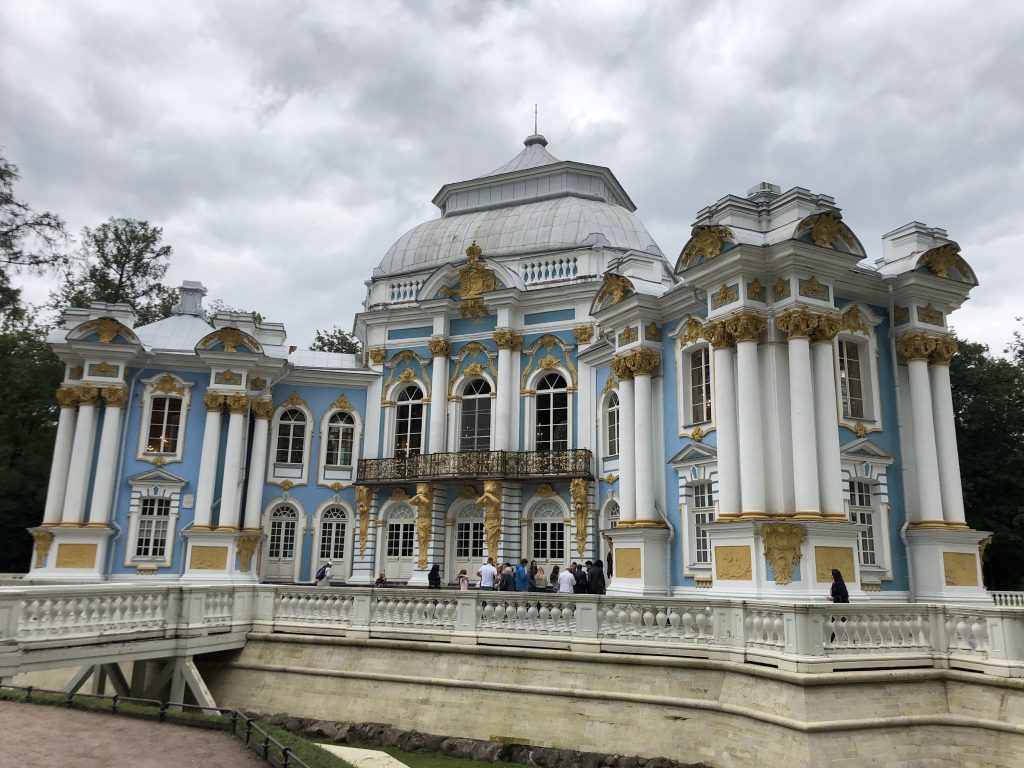
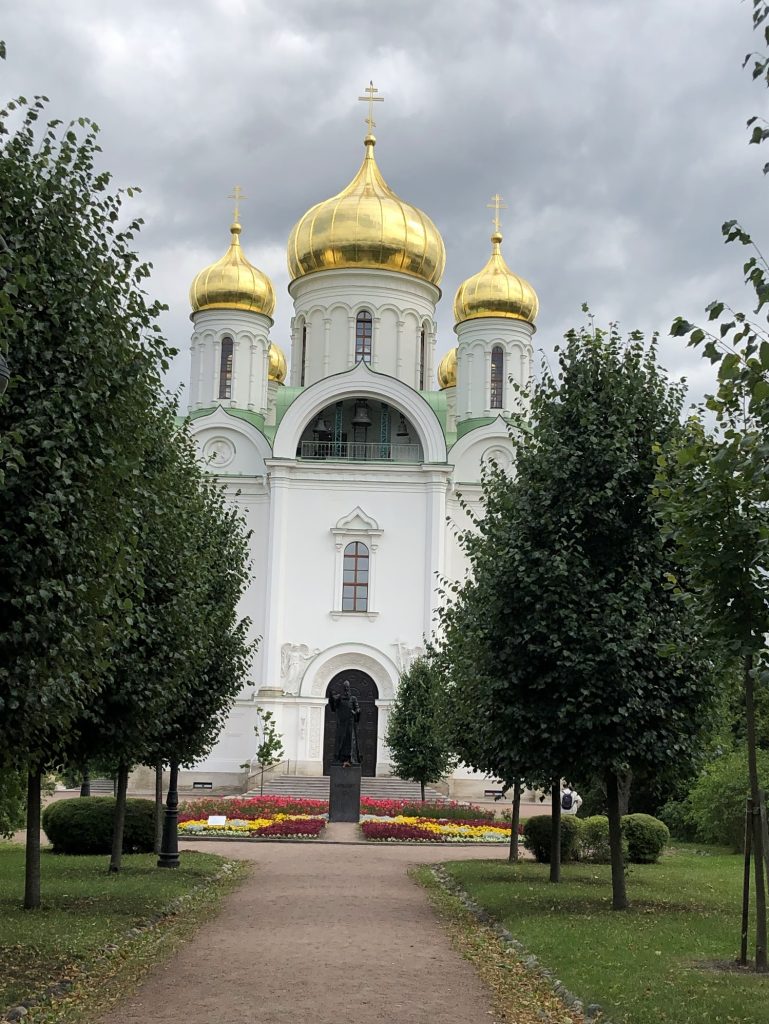
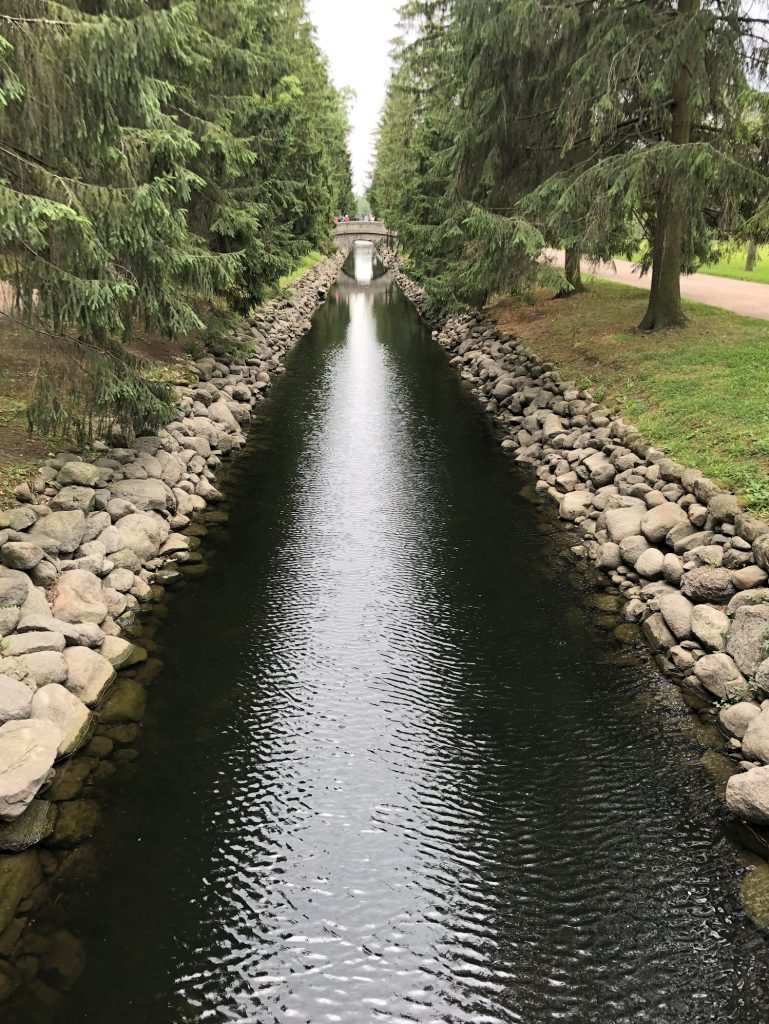
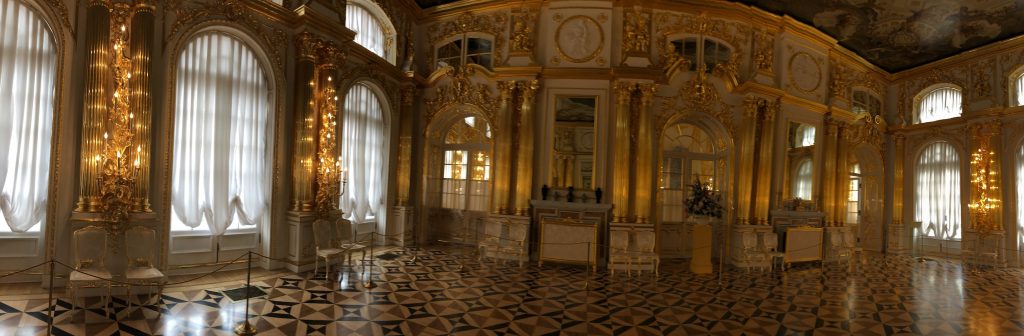
We spent the morning at the magnificent Catherine Palace at Tsarskoye Selo, the extravagant summer residence associated particularly with Empress Elizabeth and Catherine the Great. Its enormous blue, white and gold façade gives you some idea of what is waiting inside: gilded halls, mirrors, elaborate ceilings and, most famously, the recreated Amber Room.
It is gloriously over the top.
After several days of Russian history, Ashton was allowed to choose something considerably more appropriate for a 14-year-old.
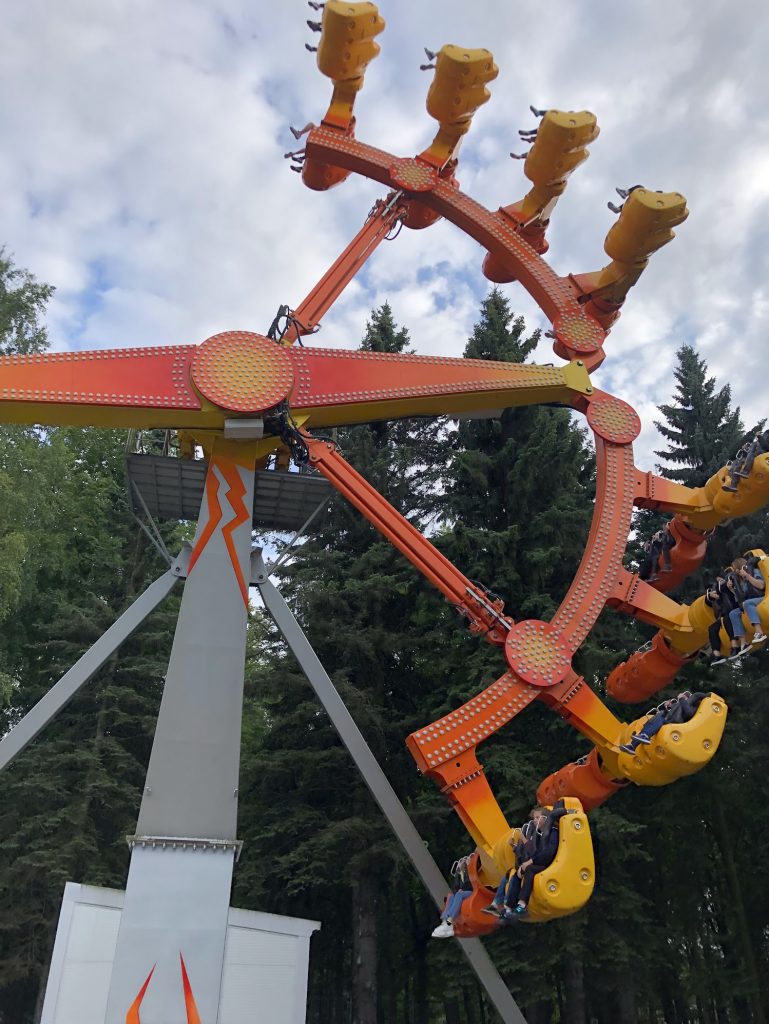
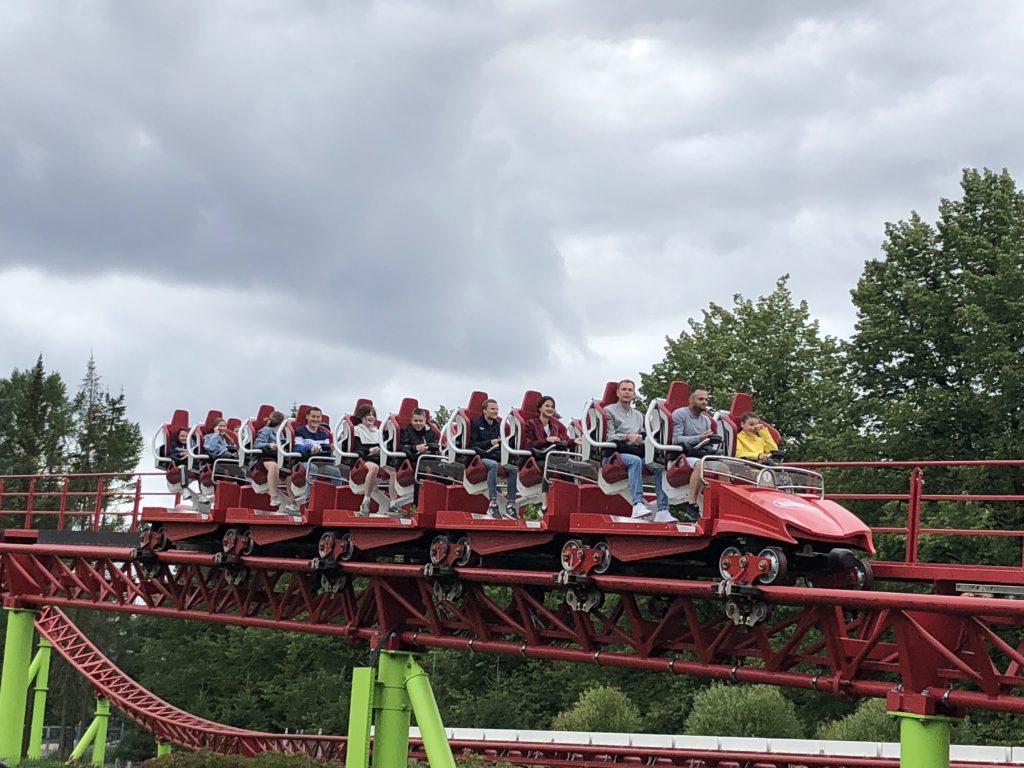
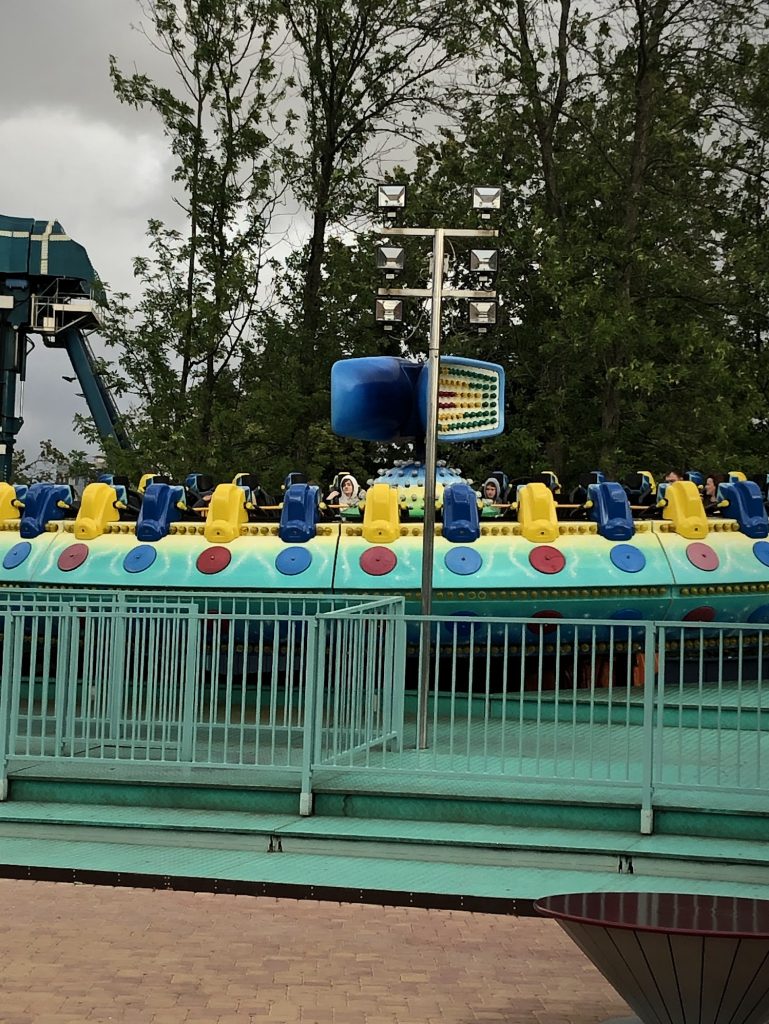
There was a steak dinner, after an afternoon and evening at Primorskiy Park, where we swapped palaces for roller coasters.
A pretty decent birthday.
30 July — Peterhof
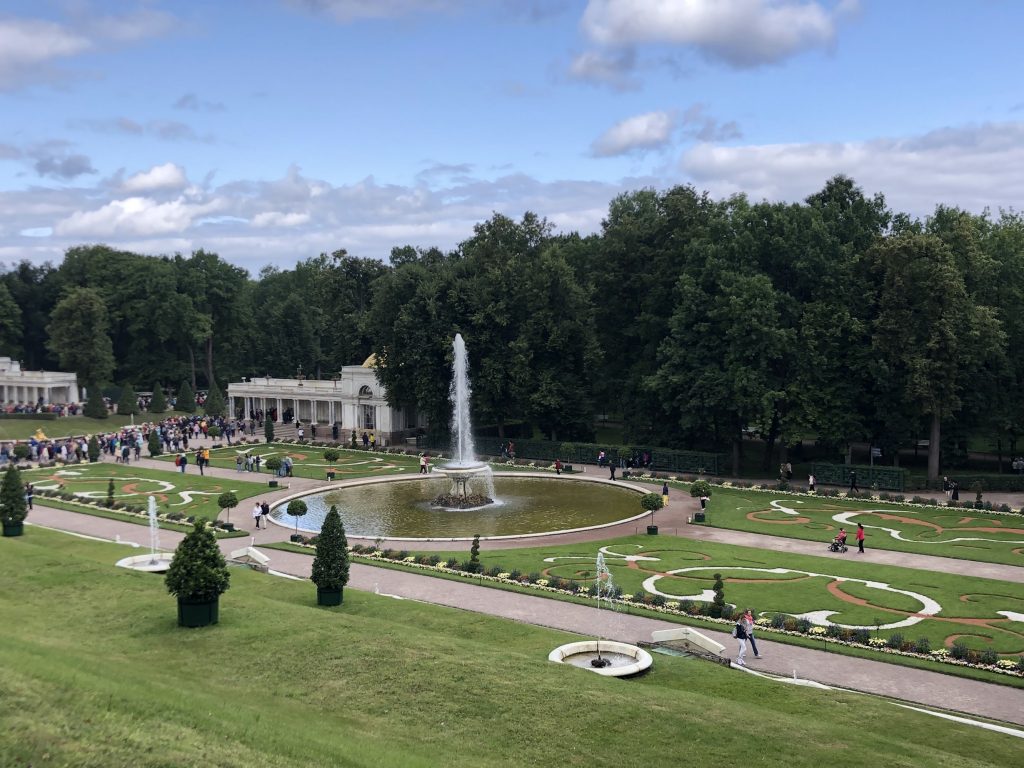
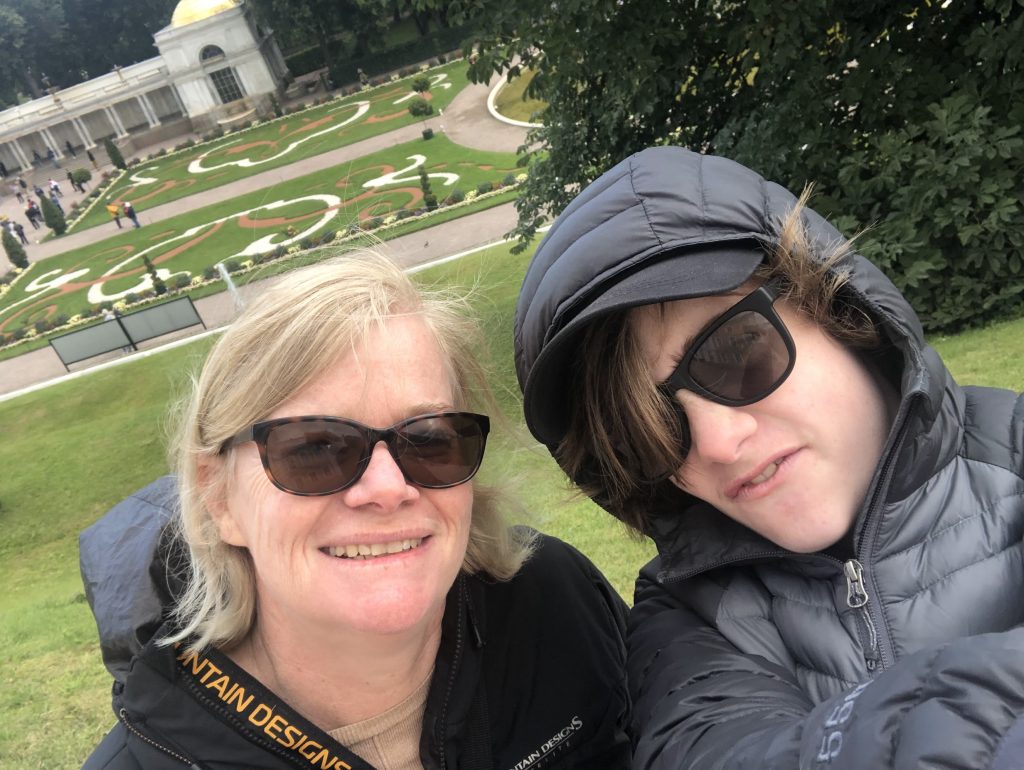
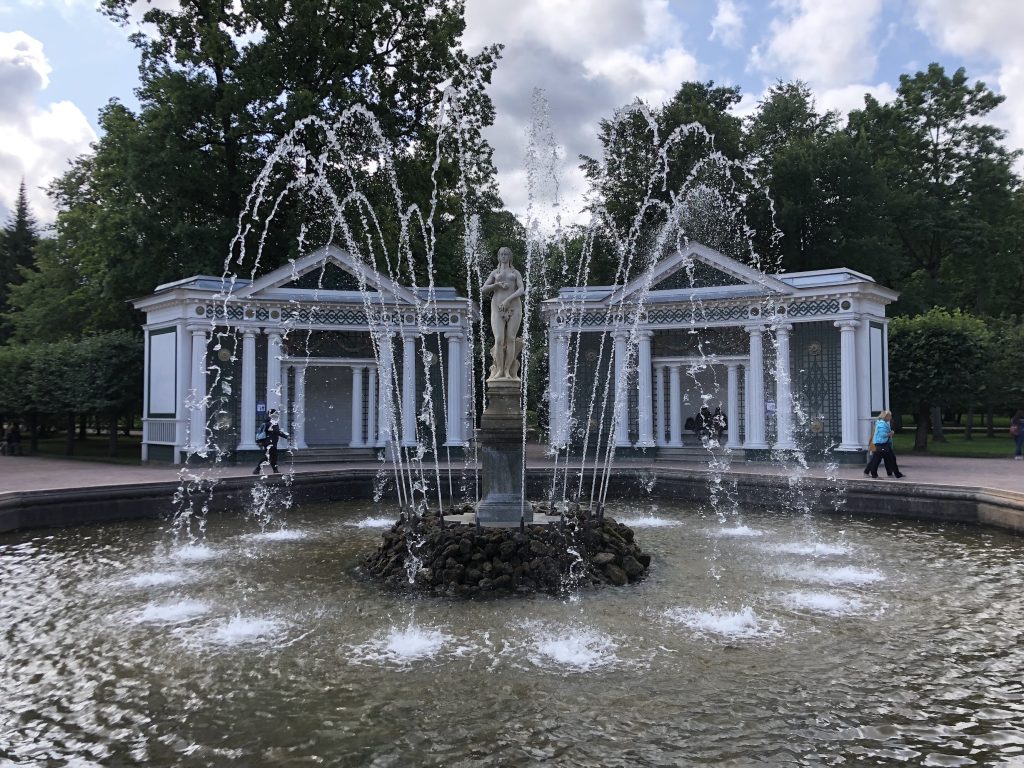
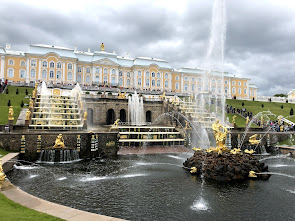
The following day we visited Peterhof Palace, Peter the Great’s spectacular palace complex on the Gulf of Finland.
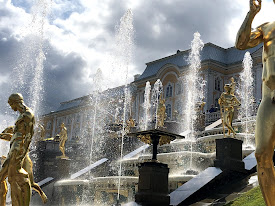
The palace itself is impressive, but it is the gardens and fountains that make Peterhof extraordinary. The Grand Cascade tumbles down from the palace towards the sea, filled with gilded statues and fountains. Hundreds of fountains are spread throughout the estate, many engineered without pumps, using the natural elevation of reservoirs above the palace.
It is often described as Russia’s answer to Versailles, and you can understand why.
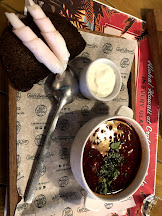
Lunch also brought another Russian first: borscht.
I wasn’t entirely sure what I expected from beetroot soup, but it was actually very good.
31 July — Train to Moscow
On the 31st we caught the train to Moscow.
Naturally, our first destination was Red Square.
Seeing it for the first time was another of those travel moments where a place you have seen in books and television suddenly becomes real.
On one side stood the enormous red walls of the Kremlin, on another the historic GUM department store, with its beautiful glass-roofed arcades.
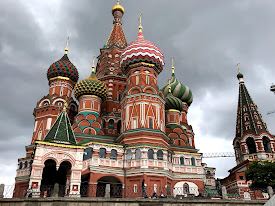
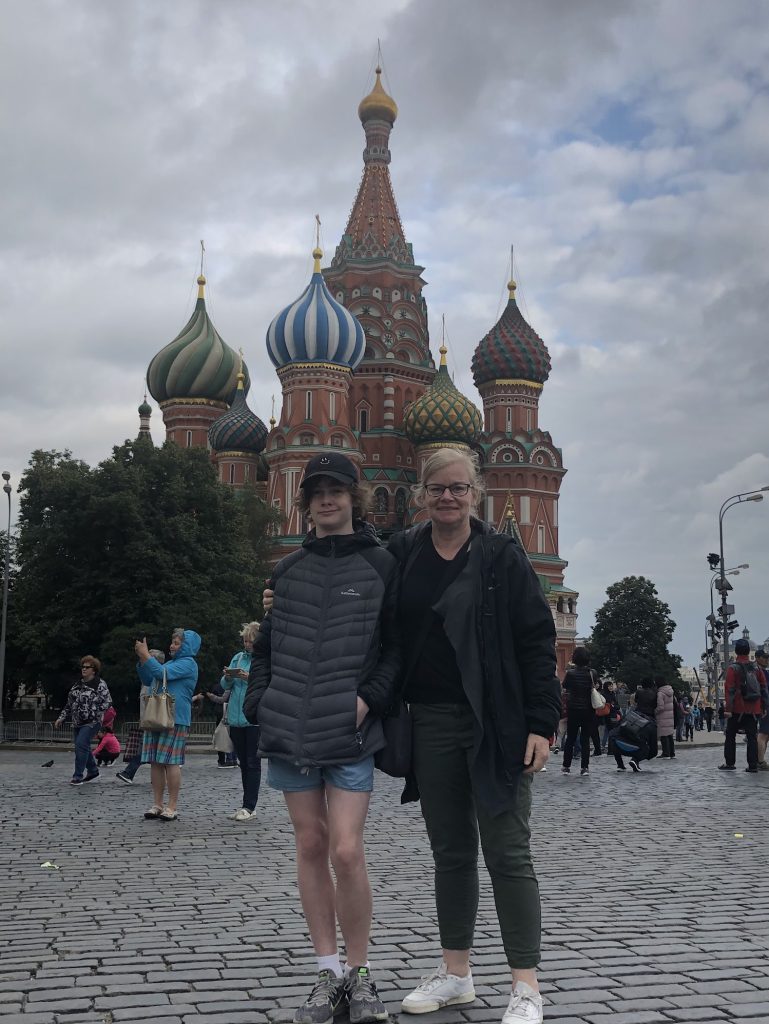
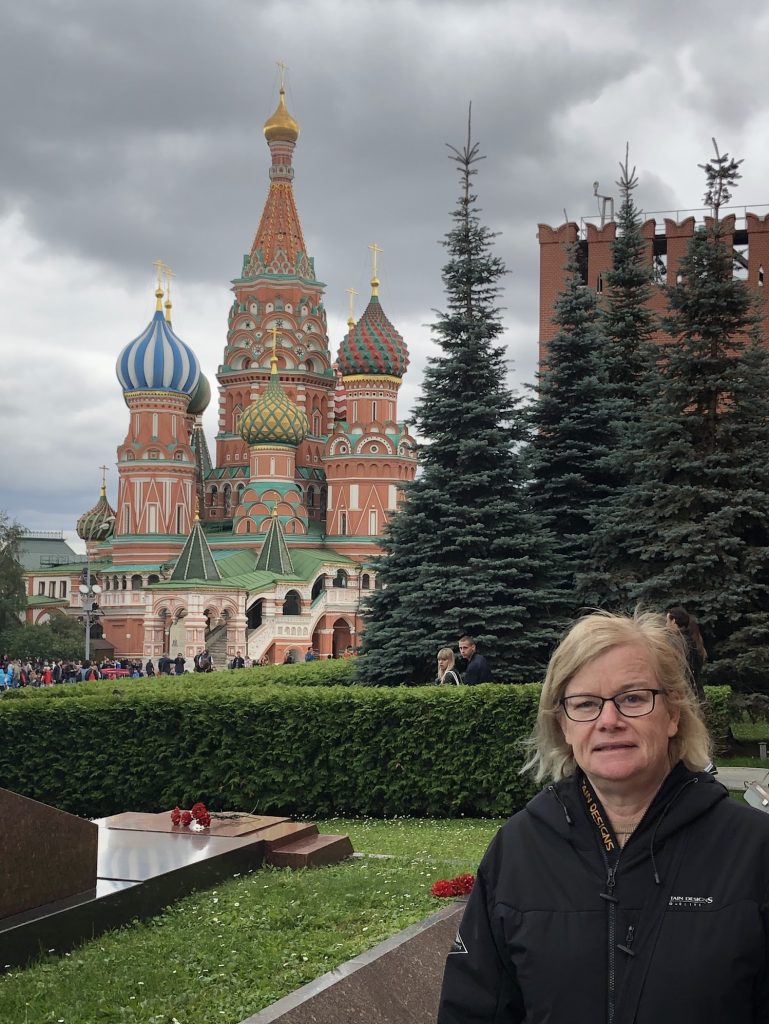
And then there was St Basil’s Cathedral.
It remains my favourite building in the world.
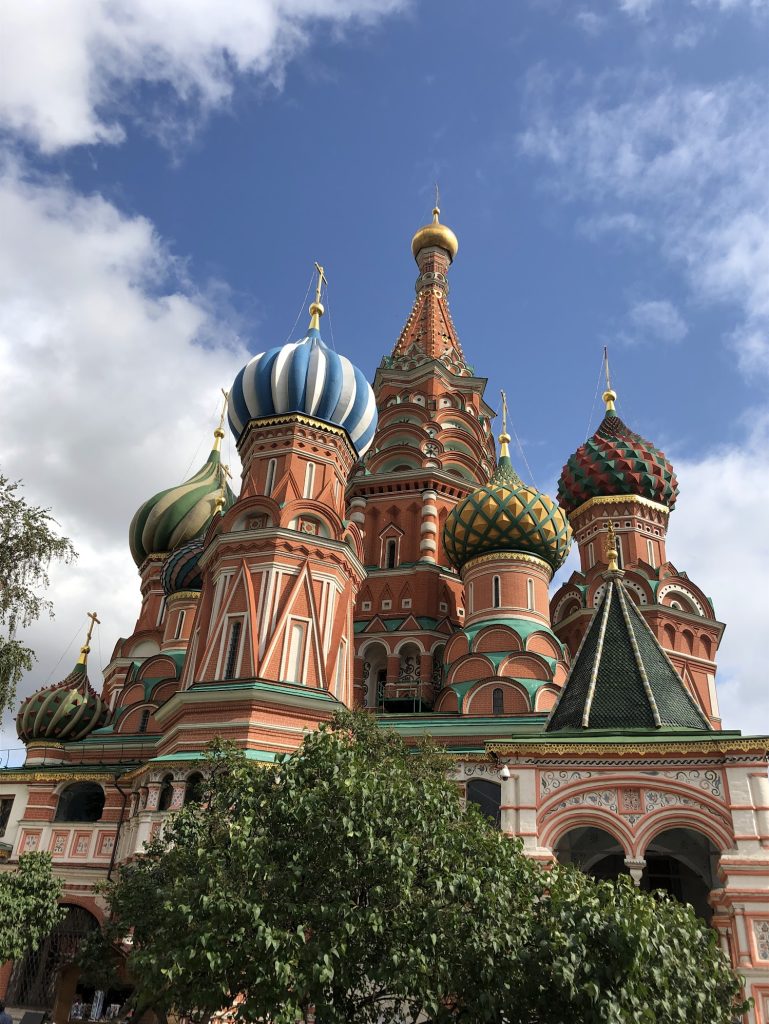
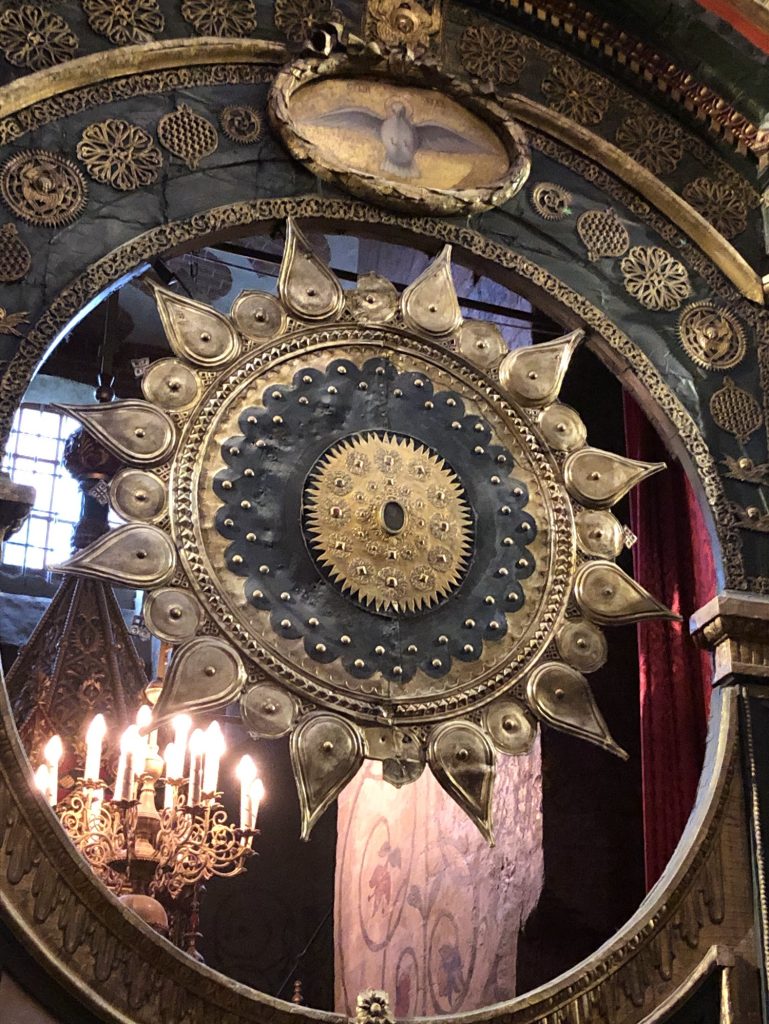
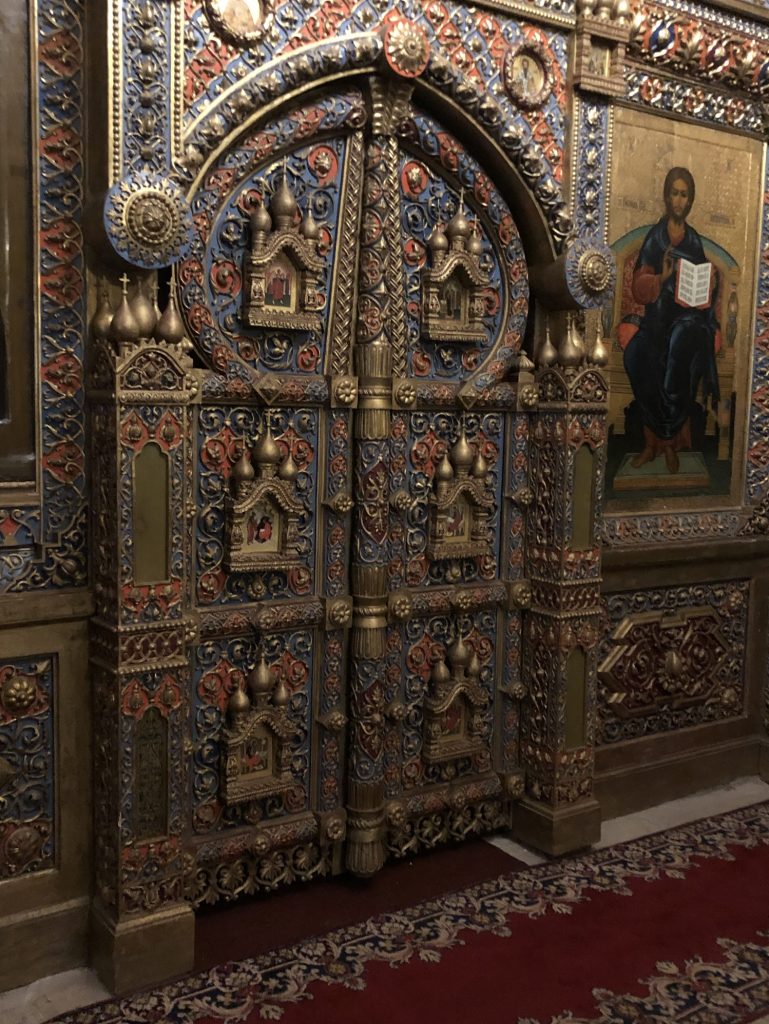
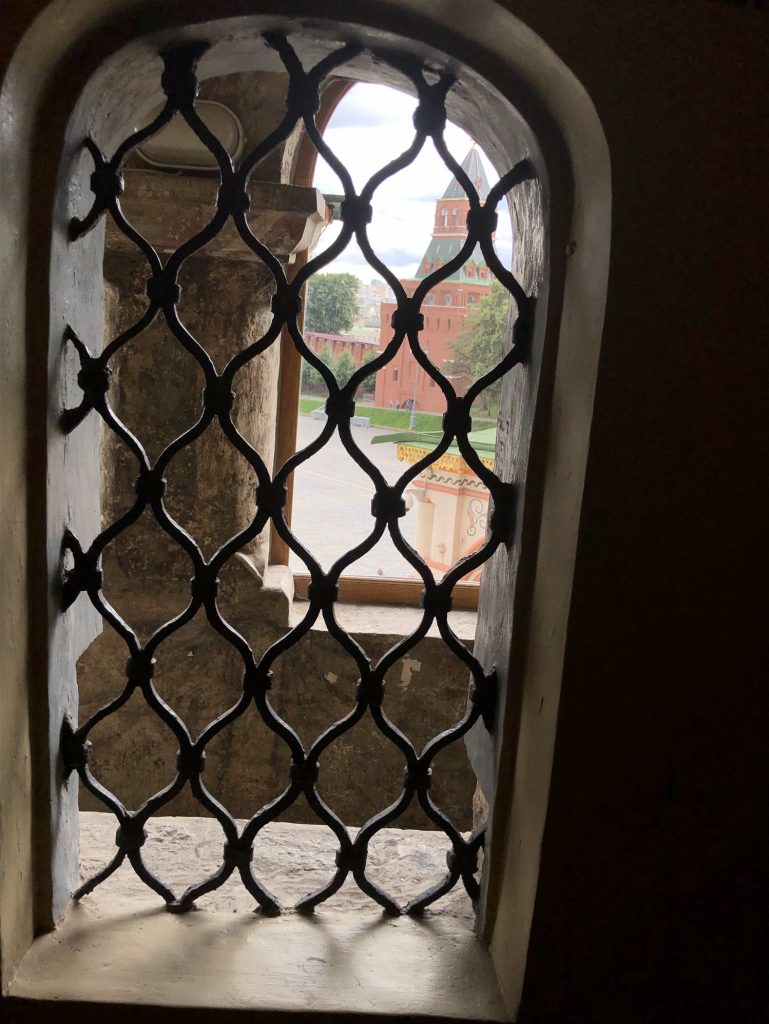
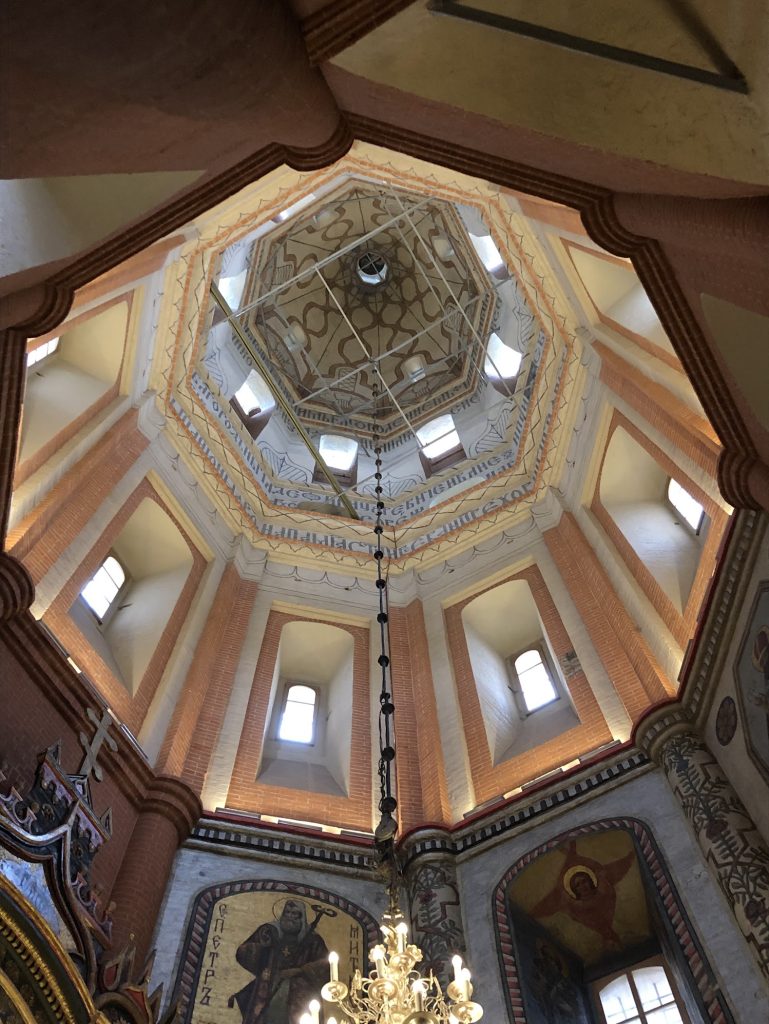
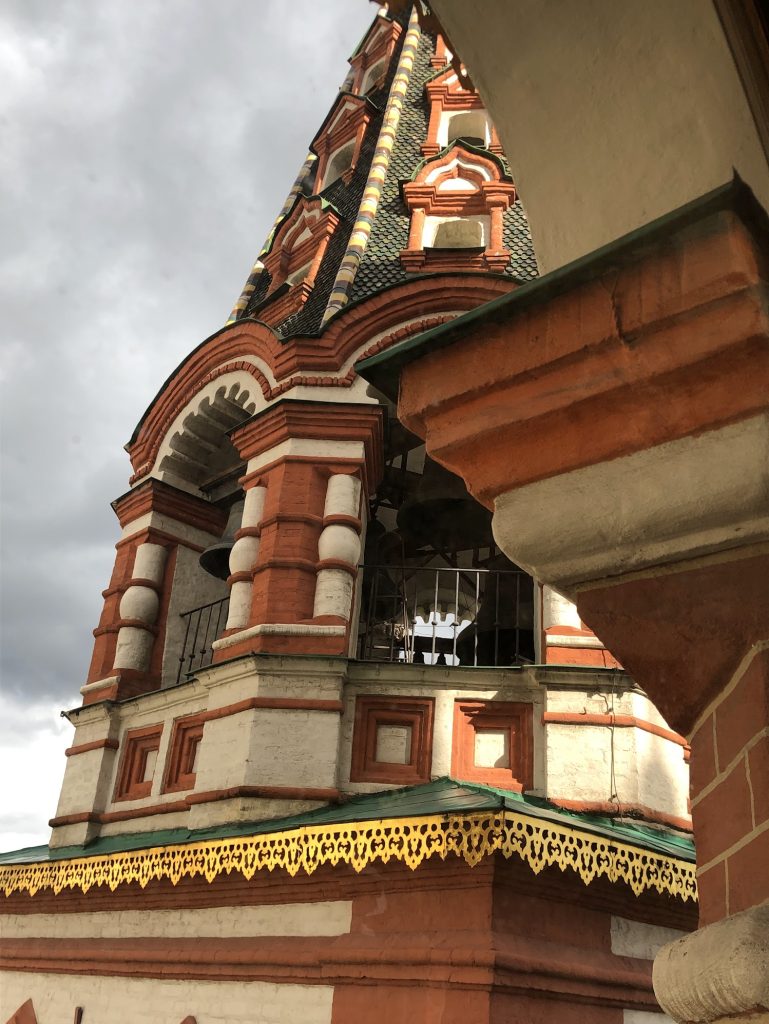
The colours, patterns and oddly shaped onion domes look almost impossible. Inside, it is nothing like one huge cathedral; instead, narrow passages link a series of small chapels.
While we were there, Russian singers began singing inside.
The voices echoed through the stone chambers and suddenly everyone became quiet.
It was magical.
1 August — Walking Moscow
We joined a walking tour to start making sense of the enormous city.
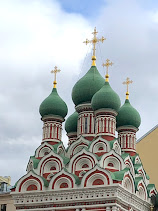
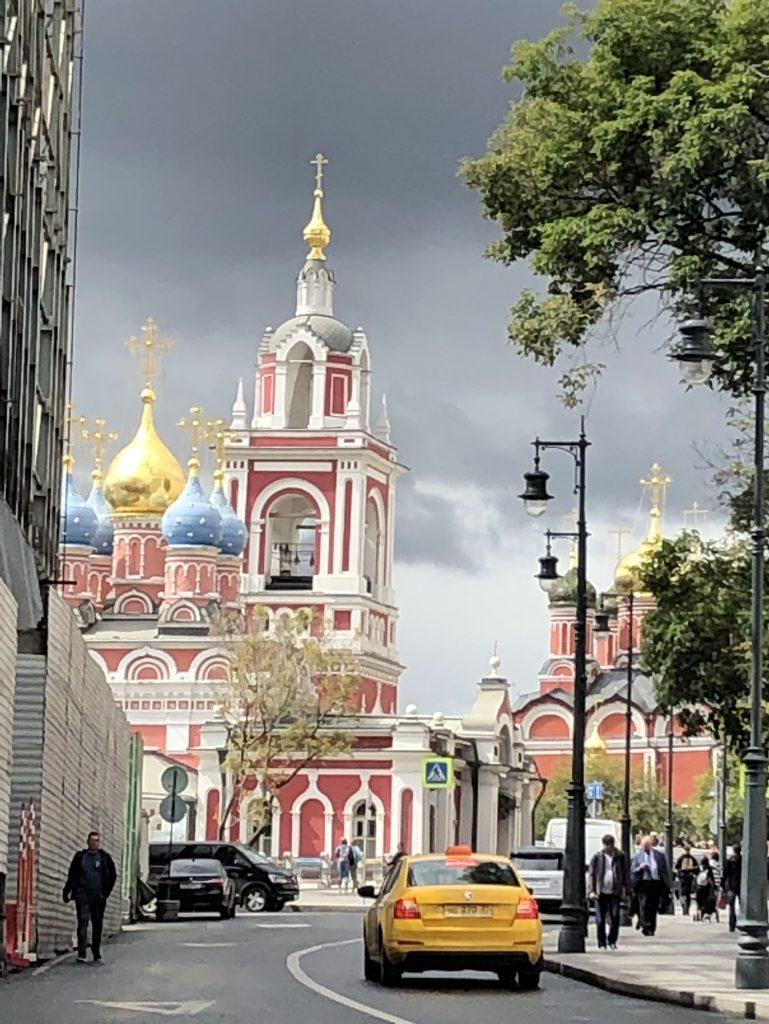
One stop was Khram Vsekh Svyatykh na Kulishkakh — the Church of All Saints on Kulishki, one of Moscow’s old Orthodox churches, standing not far from the historic centre.
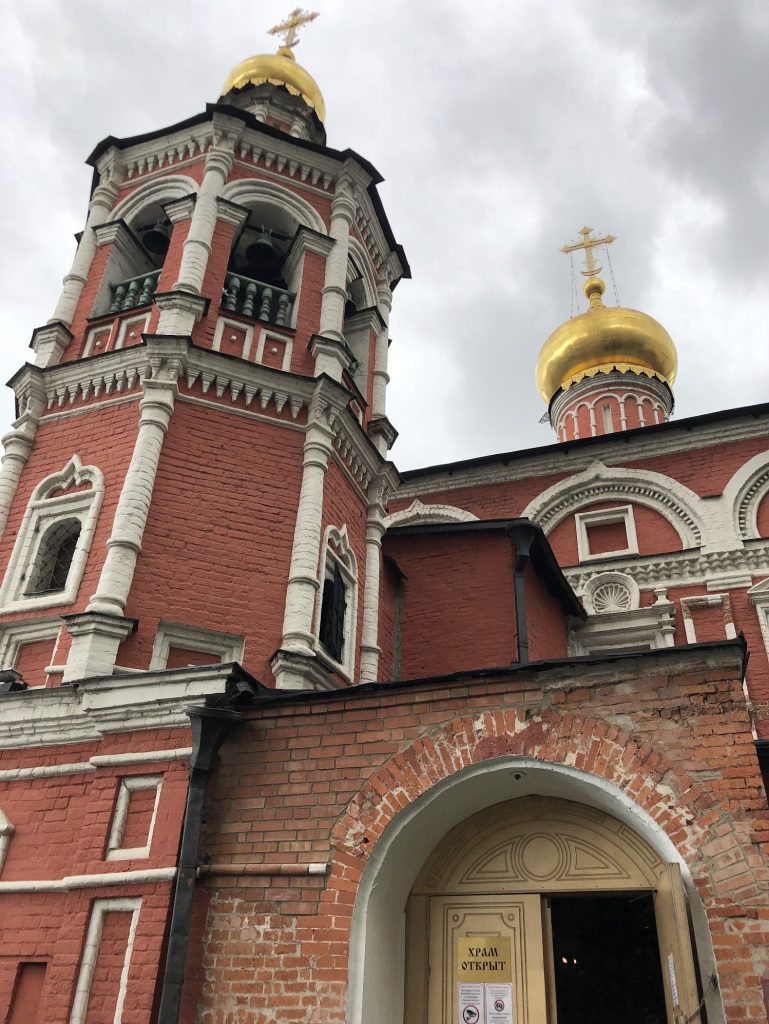
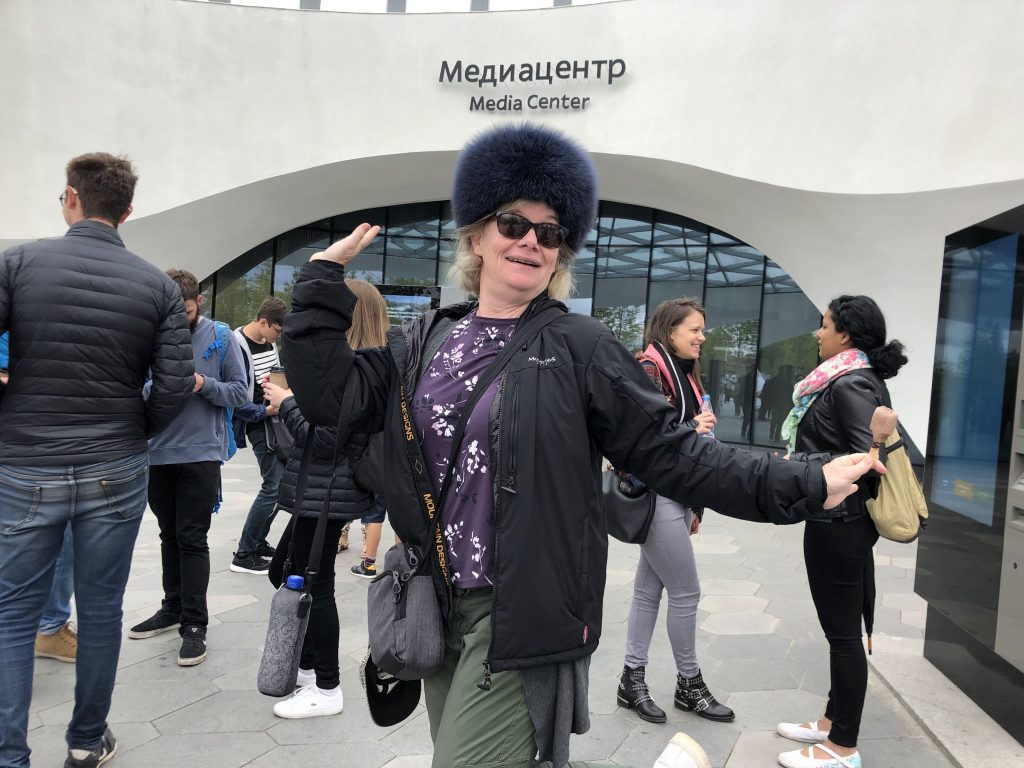
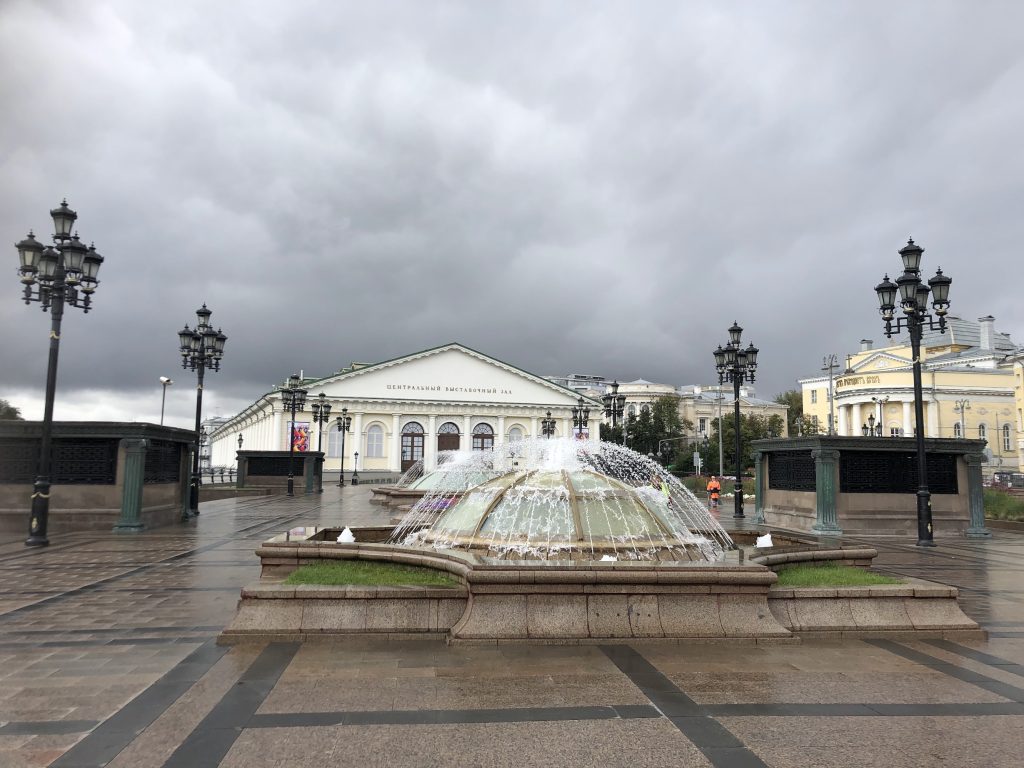
We walked through Zaryadye Park, the modern landscaped park beside the Kremlin, with its famous floating bridge projecting out over the Moskva River.
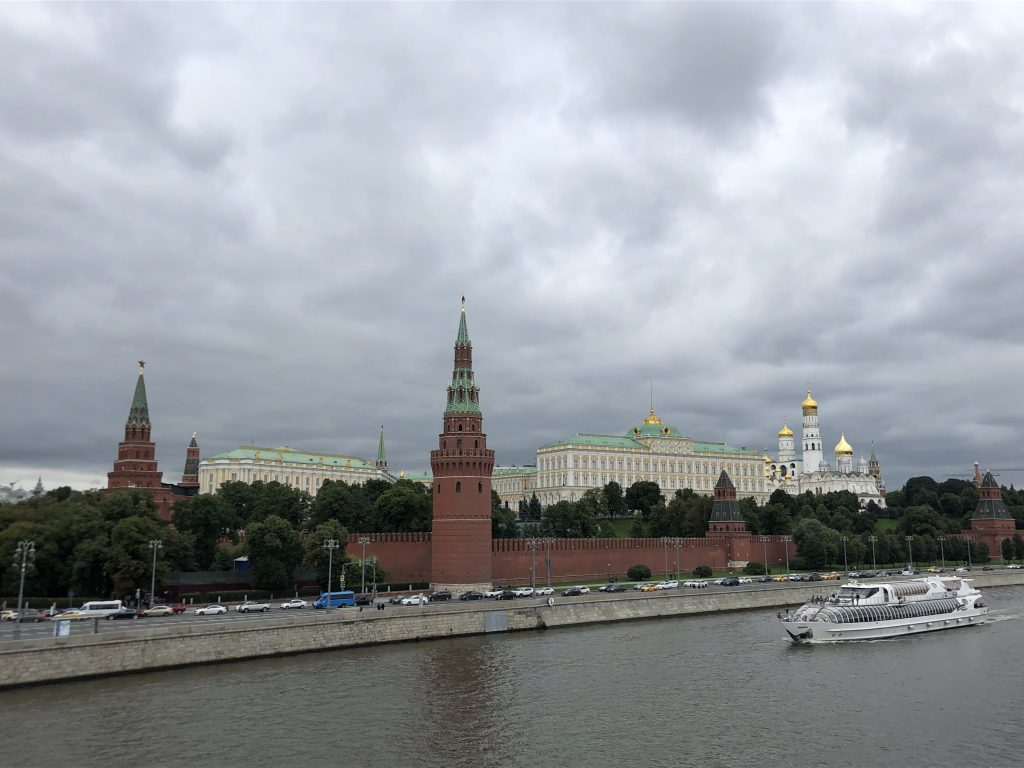
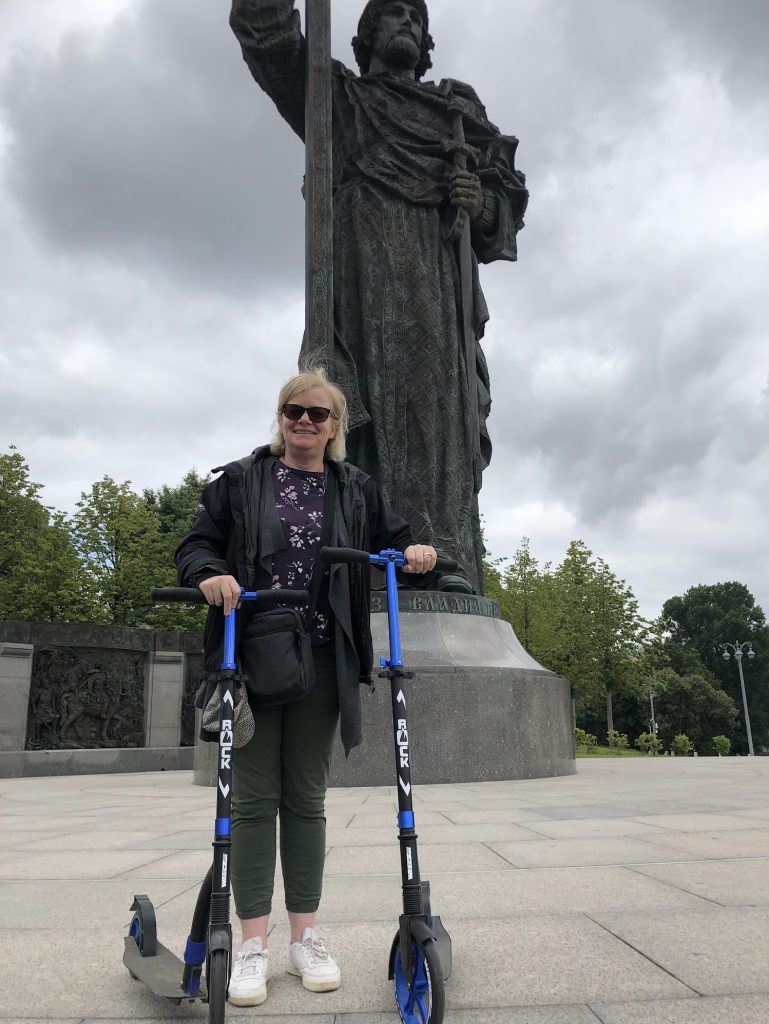
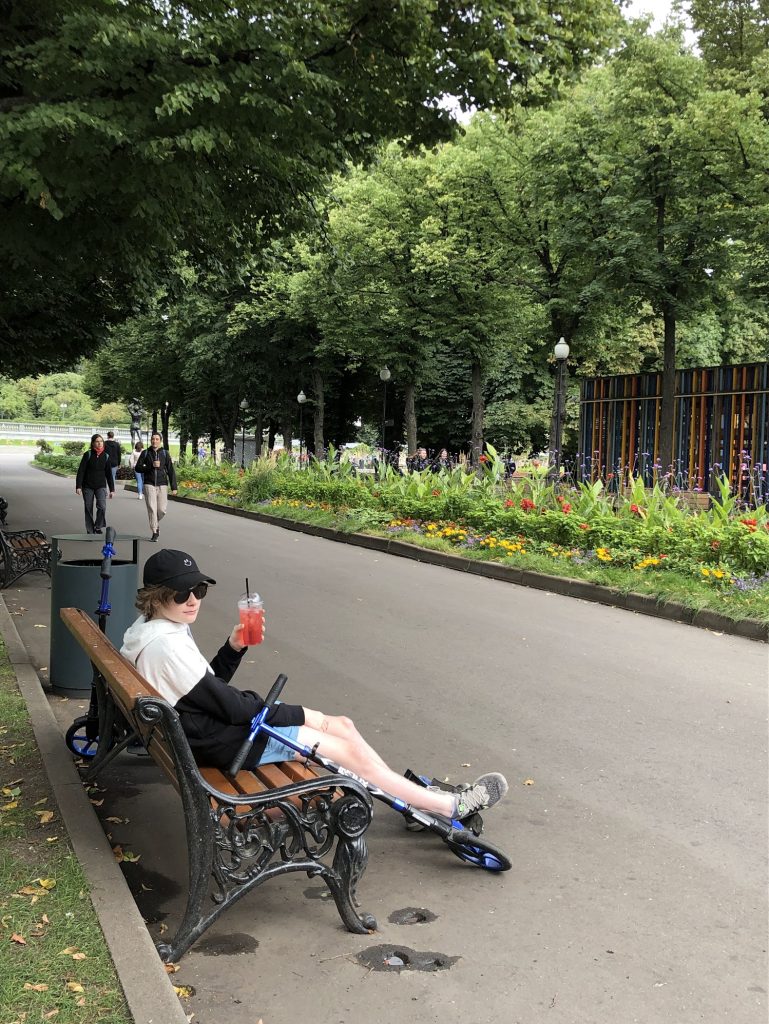
Later we hired scooters and explored Gorky Park, one of Moscow’s great public spaces. It stretches along the river and felt like an entirely different Moscow — green, relaxed and filled with people cycling, walking and enjoying summer.
Ashton even managed some aerial acrobatics and trapeze, because apparently normal sightseeing wasn’t quite enough.
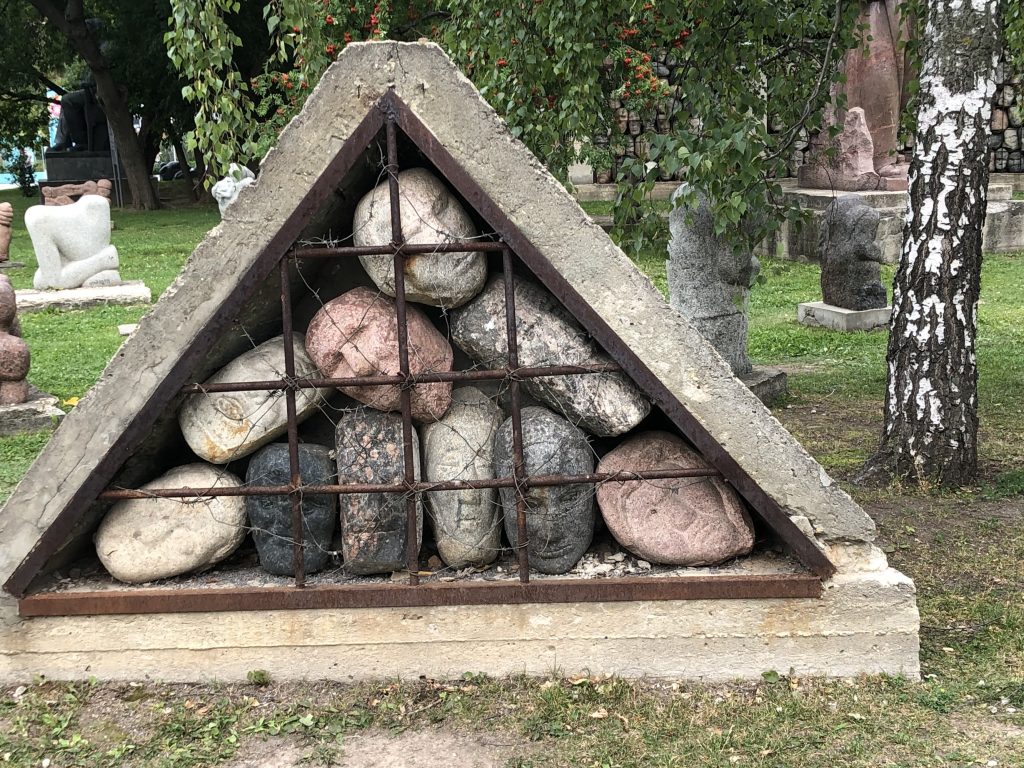
At Muzeon Park of Arts, we found what we jokingly called the place where statues go to die. After the Soviet Union collapsed, many statues of communist leaders and Soviet heroes were removed from their original locations. A number ended up here, creating a strange outdoor sculpture park filled with discarded pieces of Soviet history.
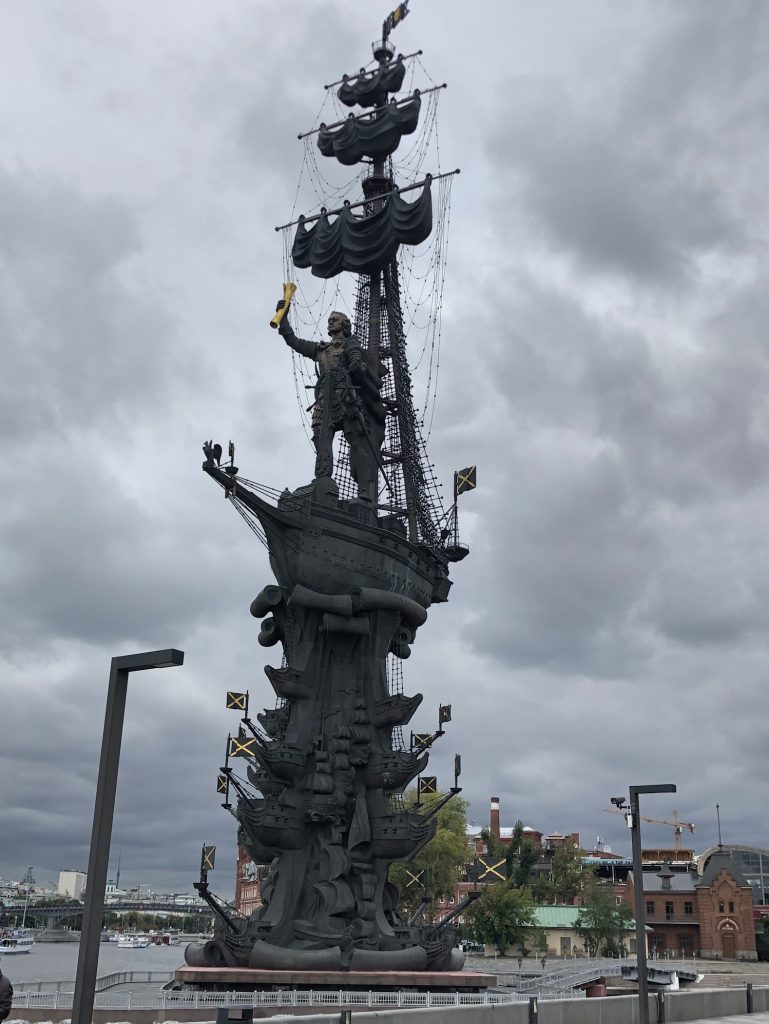
Nearby was the enormous Monument to Peter the Great — Памятник Петру I. The giant statue stands on the Moskva River and depicts Peter aboard a sailing ship. It is enormous, unmistakable and has certainly divided local opinion over the years.
Back near Red Square we saw Lenin’s Mausoleum, where Vladimir Lenin’s embalmed body has been displayed since shortly after his death in 1924. A weird experience…
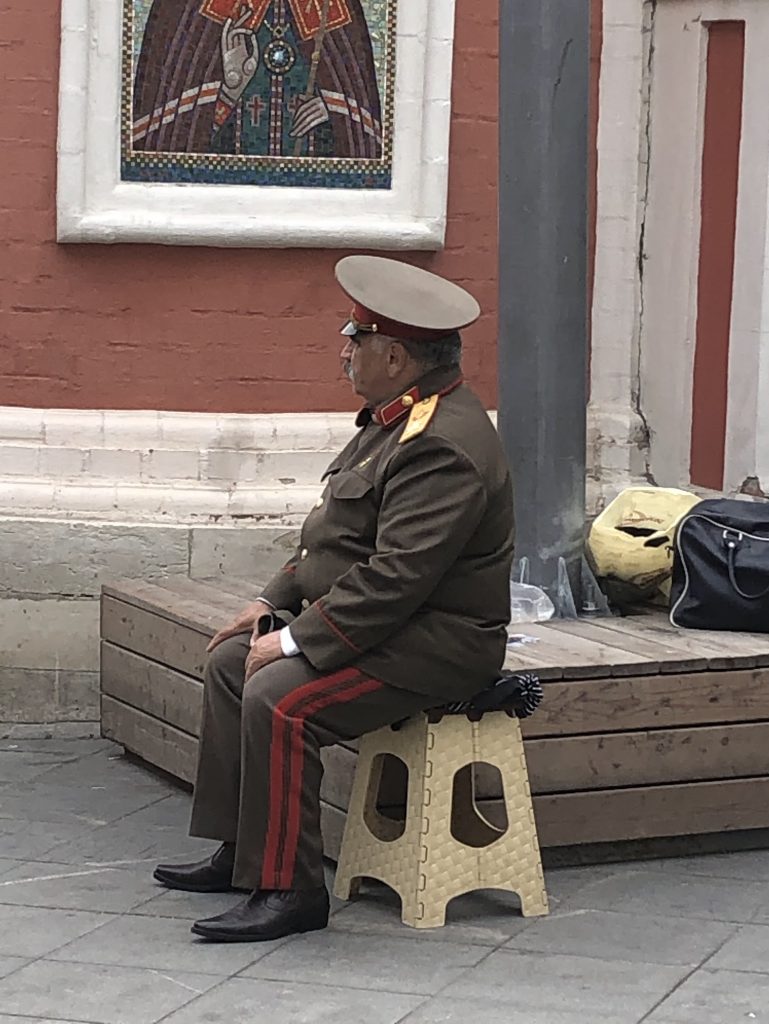
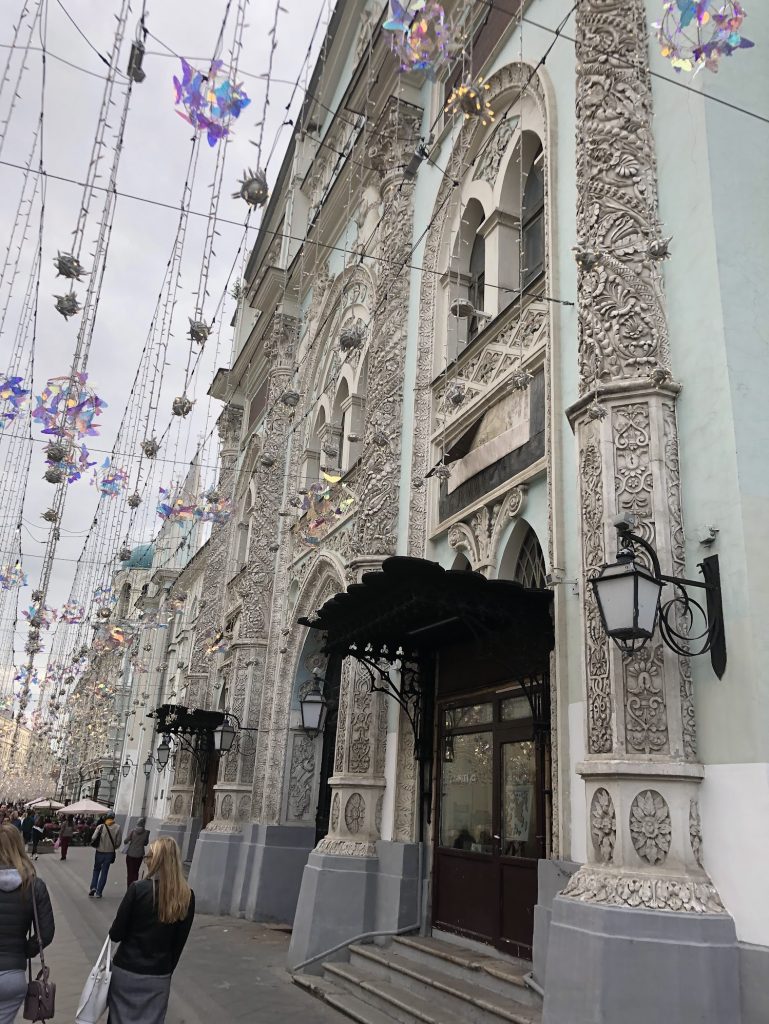
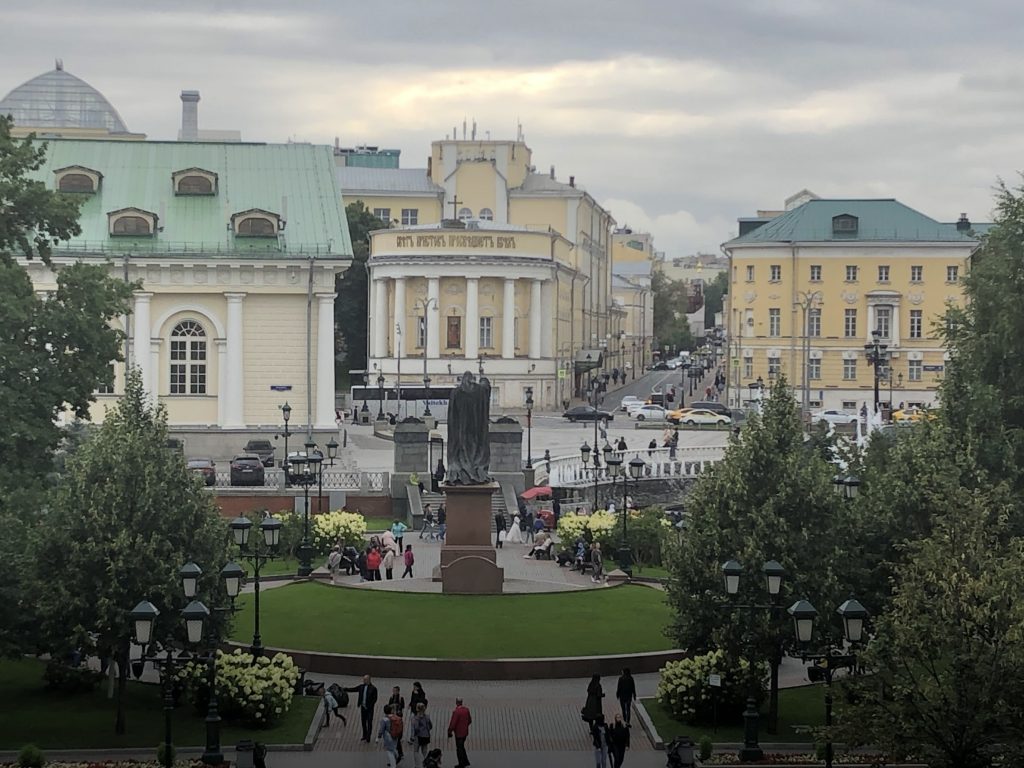
We walked beneath the Nikolskaya Tower and along Nikolskaya Street, one of the city’s most attractive pedestrian streets, before passing the famous Bolshoi Theatre. We didn’t see a performance, but even from outside it is one of those buildings you instantly recognise.
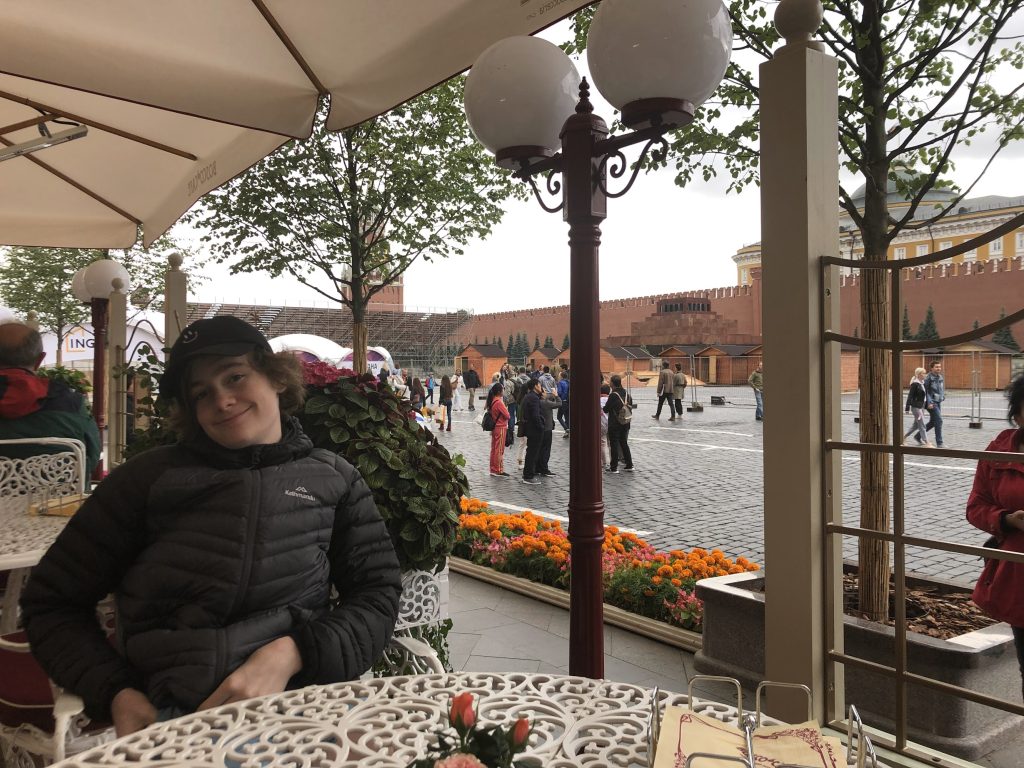
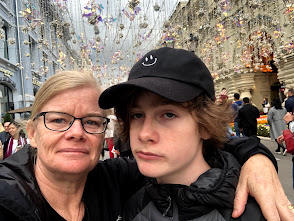
2 August — Moscow by Bike
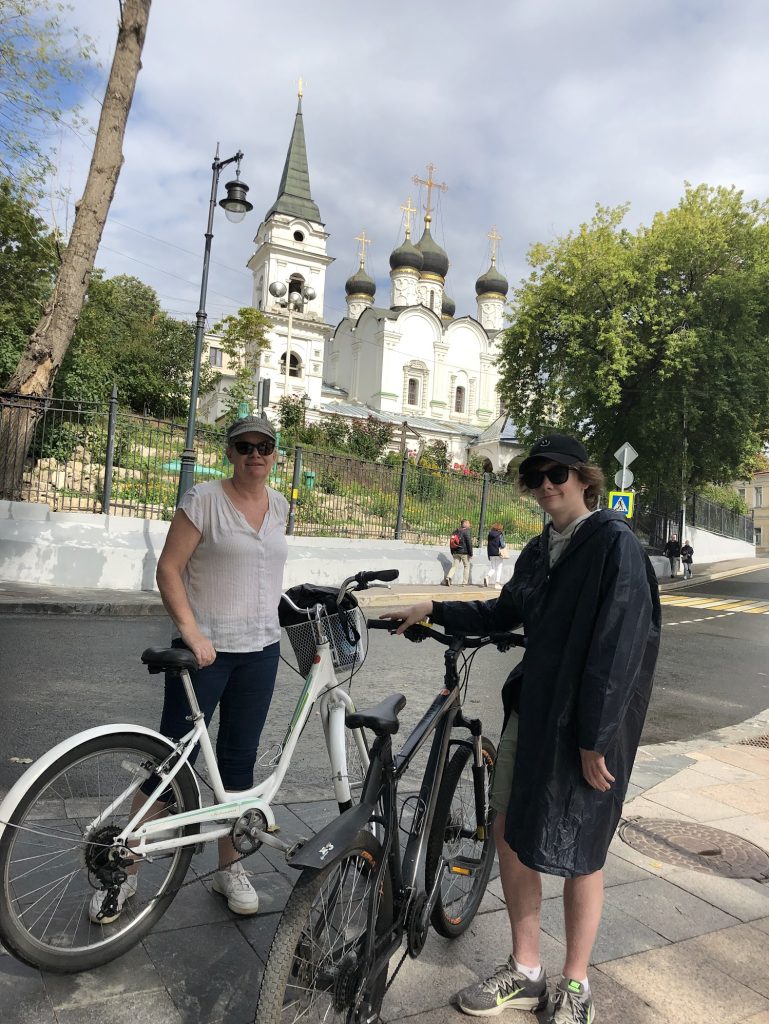
The following day we changed transport again and explored Moscow by bicycle.
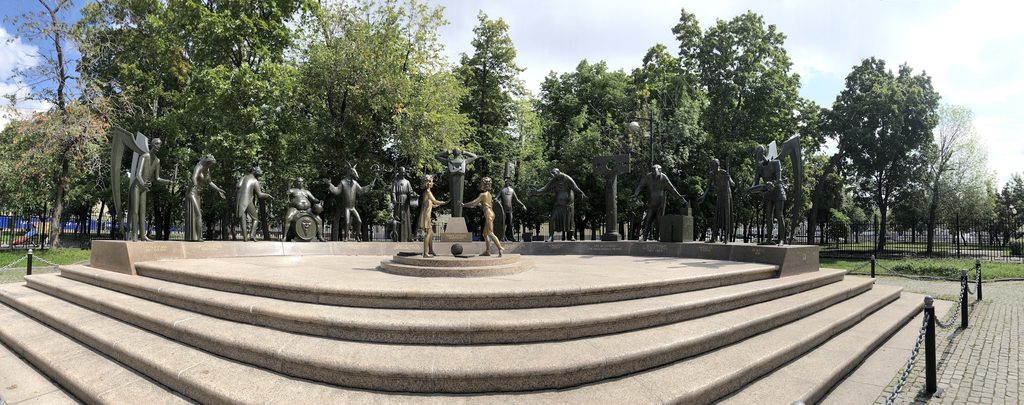
One of the strangest things we saw was Children Are the Victims of Adult Vices, a group of sculptures by artist Mikhail Shemyakin. Children stand blindfolded at the centre while grotesque adult figures around them represent problems such as alcoholism, drug addiction, violence, ignorance and exploitation. It is unsettling, which is very much the point.
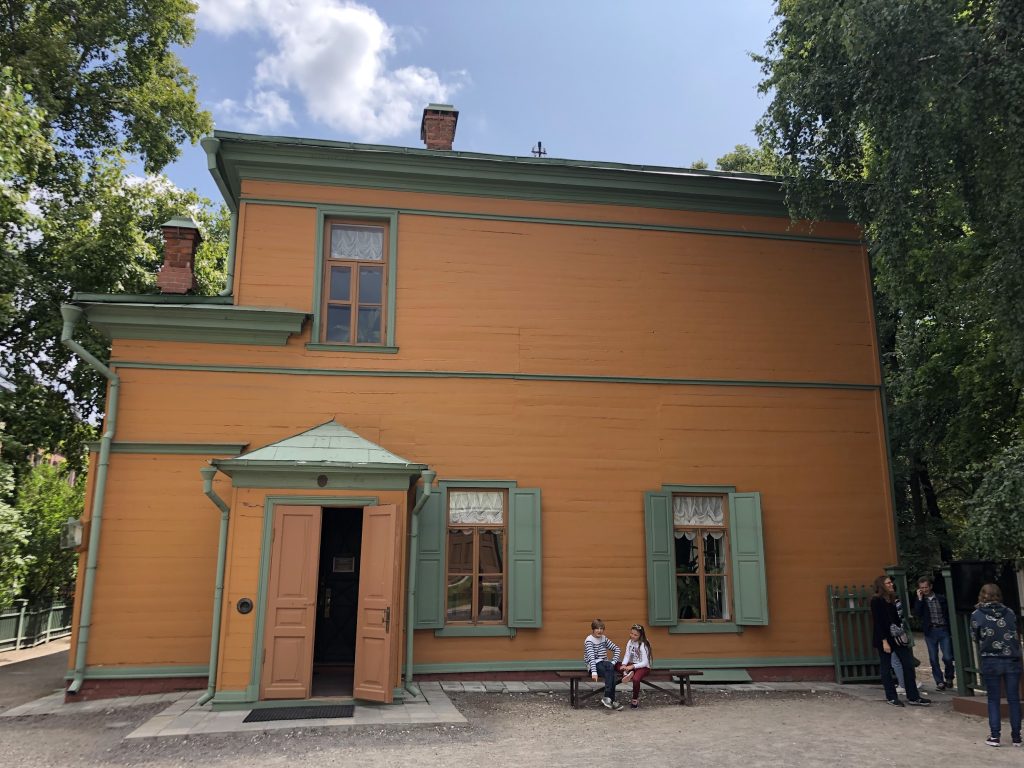
We visited the Leo Tolstoy Estate Museum, preserved in the house where the great Russian writer and his family lived during winters in Moscow. After so many palaces, seeing the domestic world of a writer felt refreshingly personal.
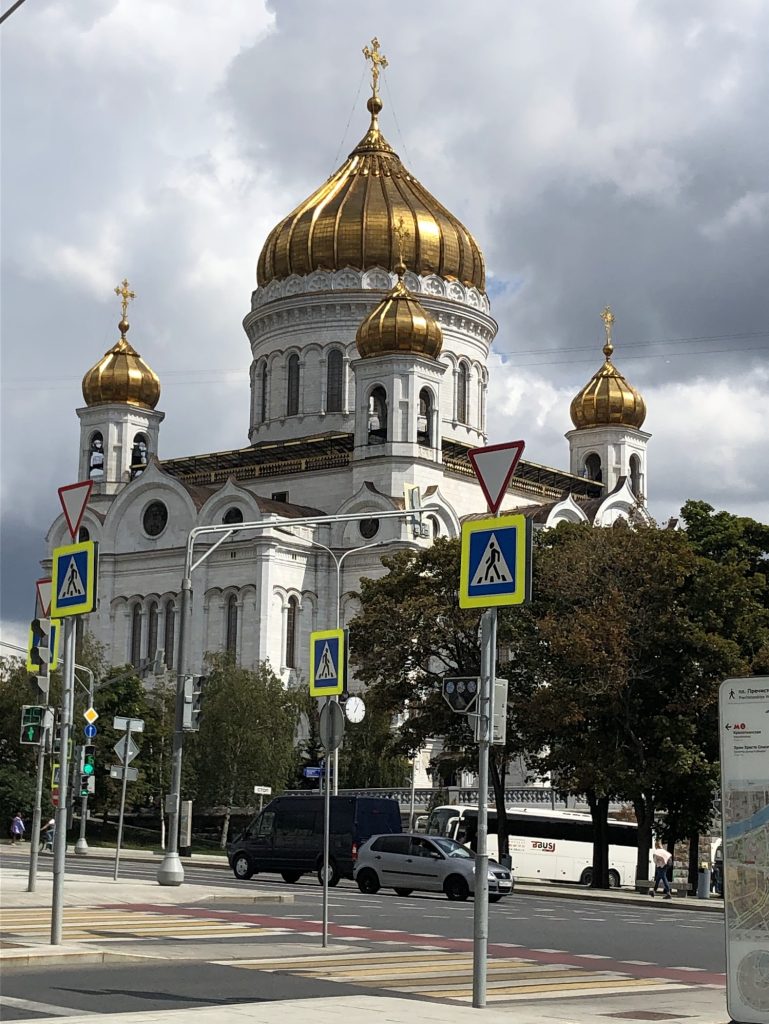
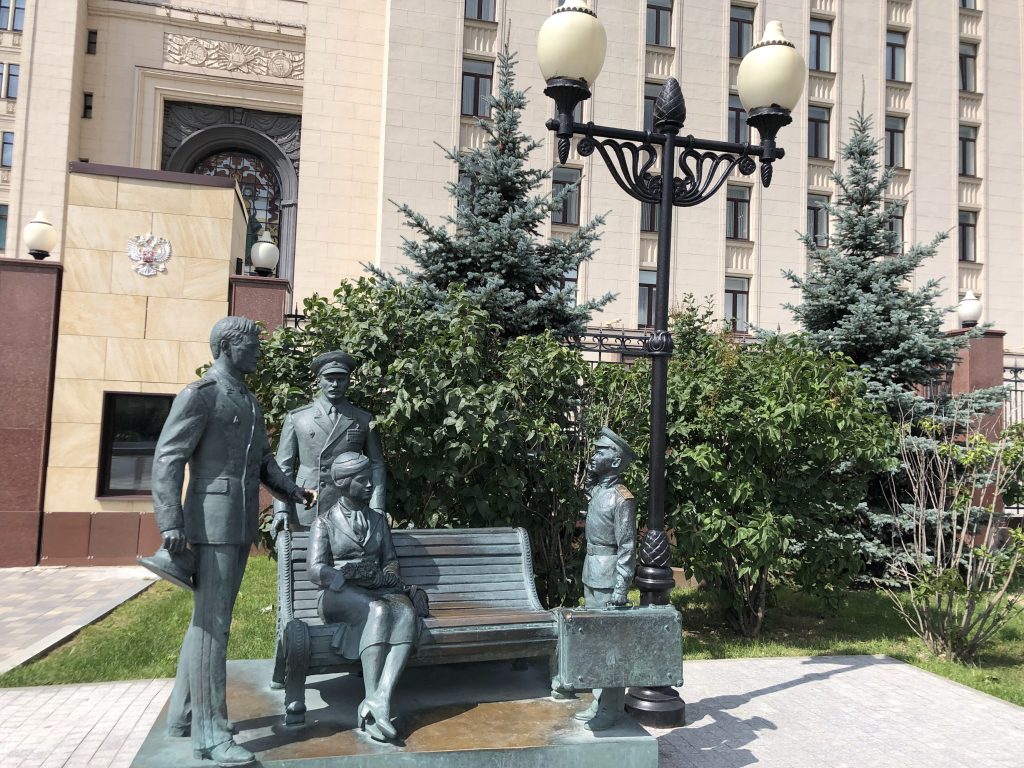
We also passed the Moscow Kremlin Museums excursion centre, another reminder that the Kremlin is not one building but a huge historic complex.
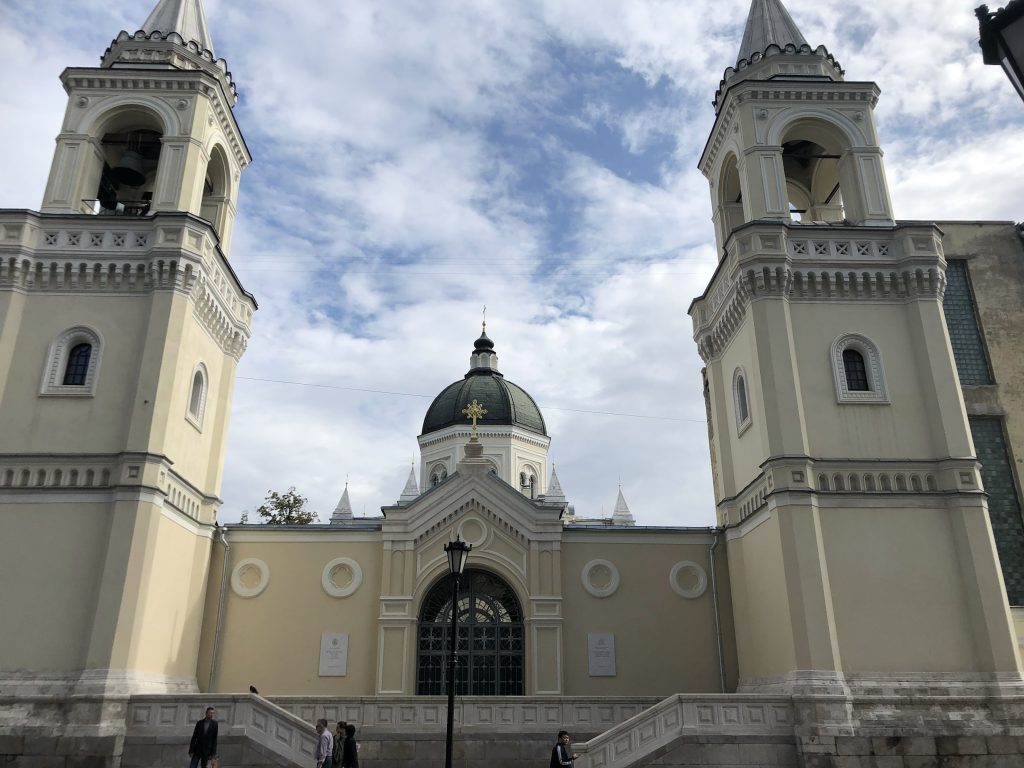
At the Ivanovsky Convent, we saw another quieter piece of old Moscow. The Orthodox convent dates back centuries and has a rather darker history too, at times being used as a place of confinement for women from noble families.
Cycling was a great way to see the city. Moscow is enormous, and on bikes we could move between the grand monumental areas and neighbourhoods we would never have reached on foot.
3 August — Inside the Kremlin
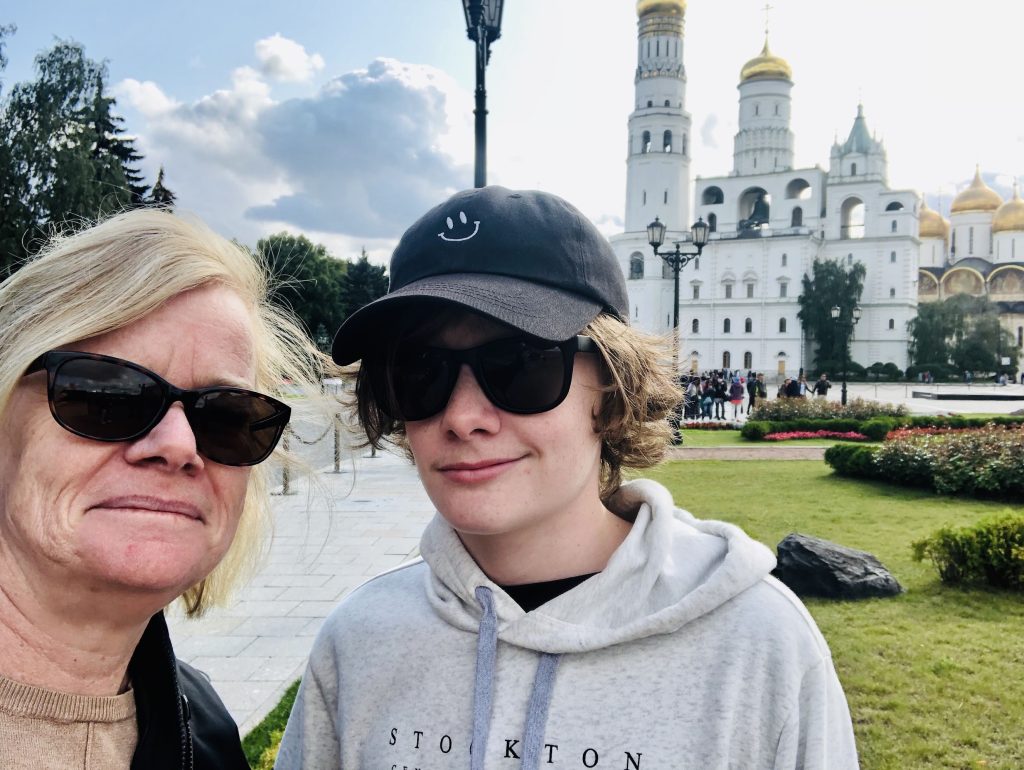
Our final big sightseeing day was dedicated to the Moscow Kremlin.
Thankfully, we had a guide and skip-the-line tickets, because it was seriously busy.
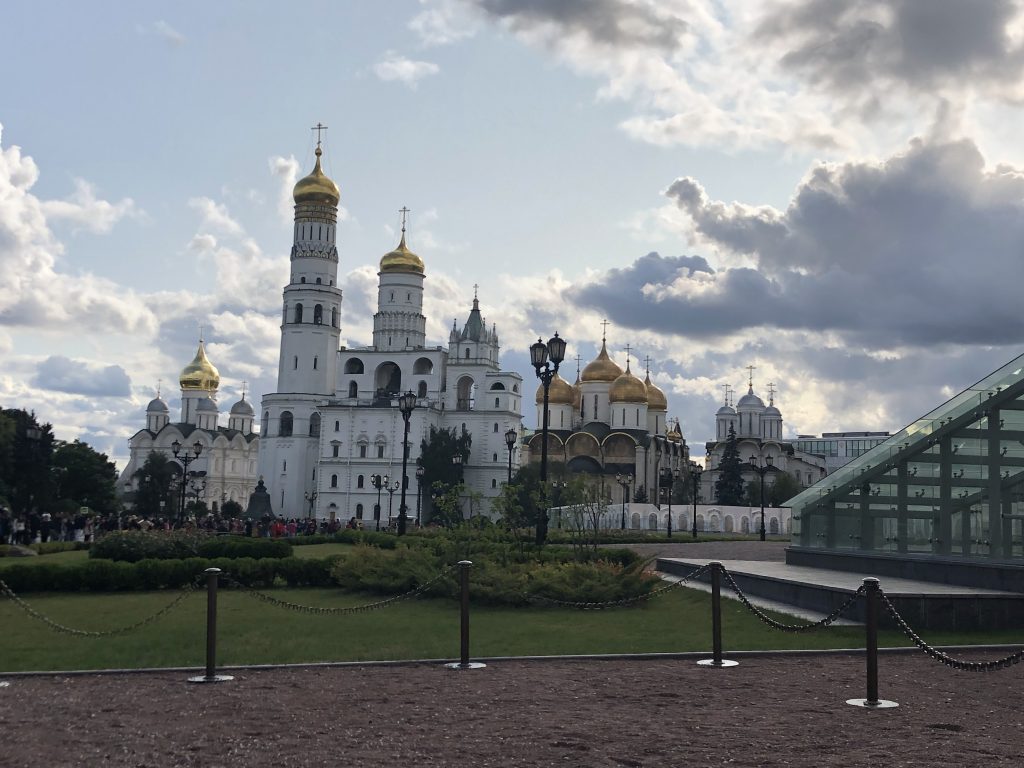
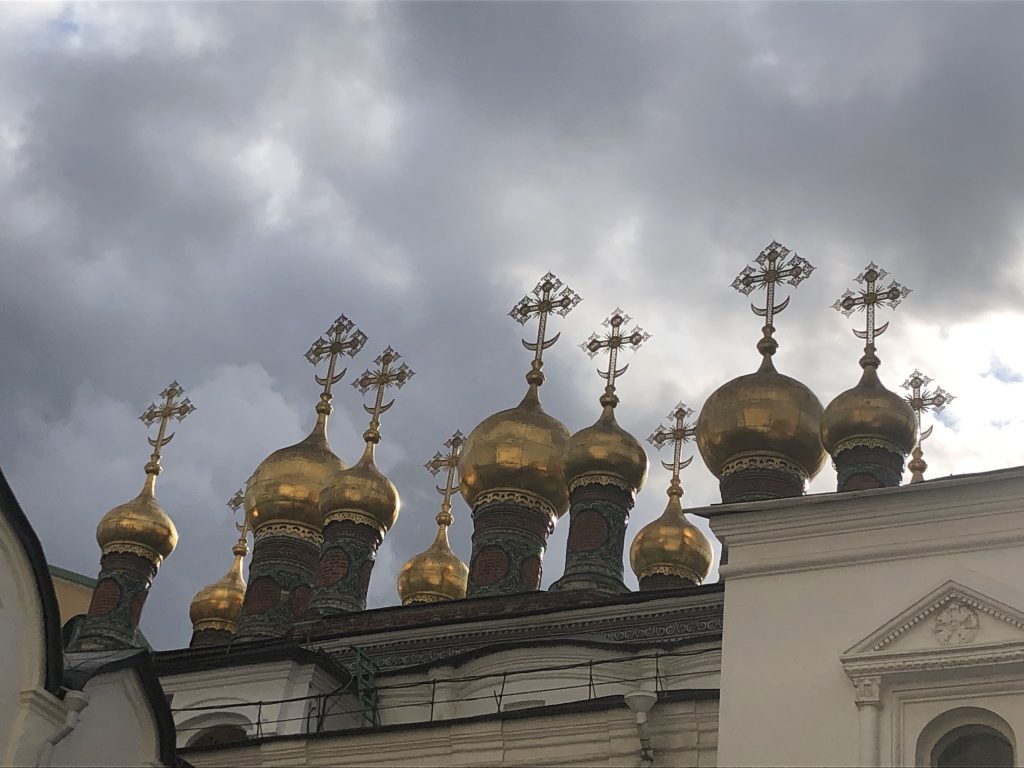
The Kremlin is essentially a fortified city within the city. Its red brick walls and towers surround palaces, government buildings and some of Russia’s most important cathedrals.
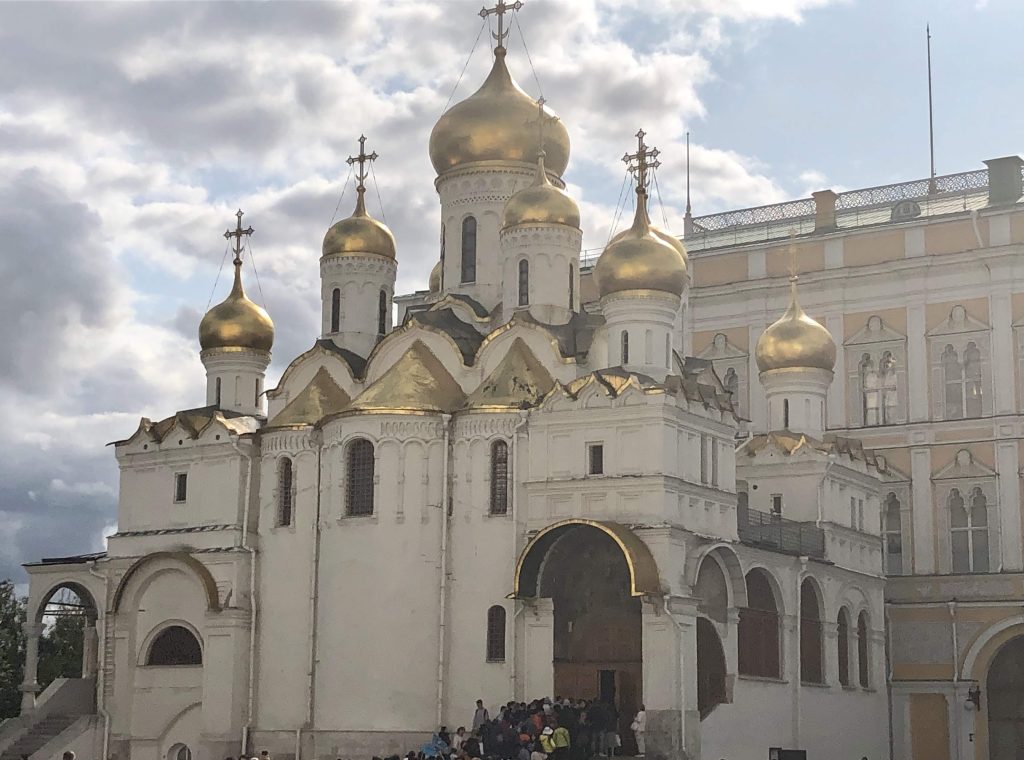
At its heart is Cathedral Square.
The Dormition Cathedral was where Russian tsars were crowned.
The Archangel Cathedral became the burial place of many Russian rulers.
The Annunciation Cathedral was the private church of the grand princes and tsars.
Nearby stands the Ivan the Great Bell Tower, which dominated Moscow’s skyline for centuries.
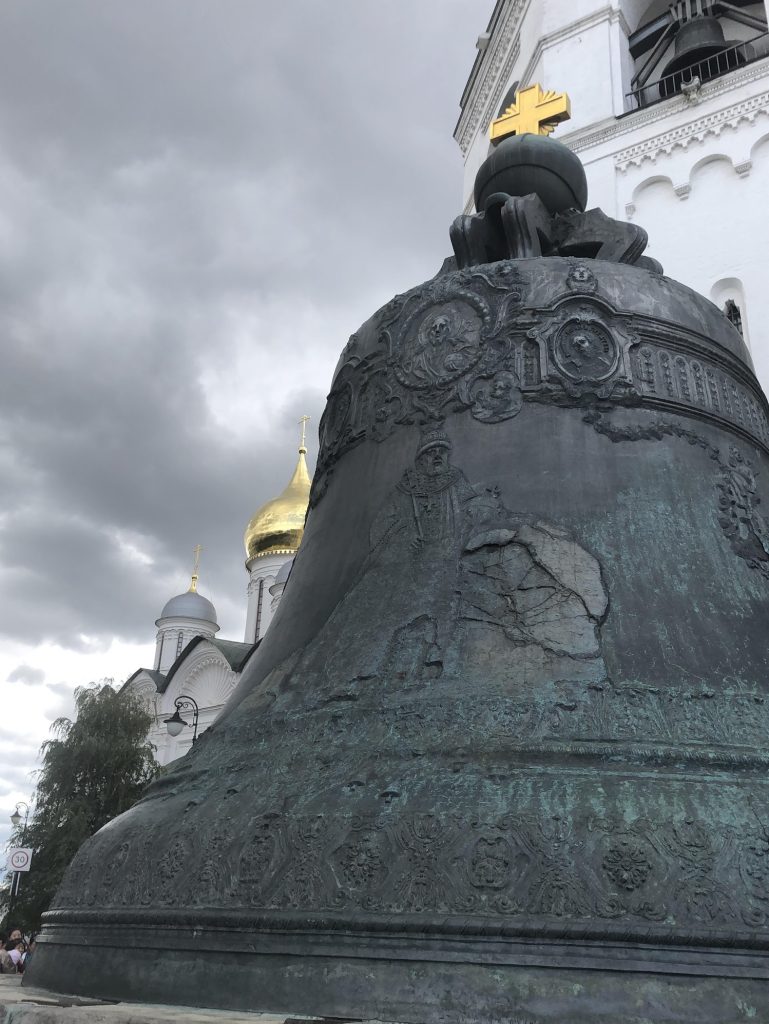
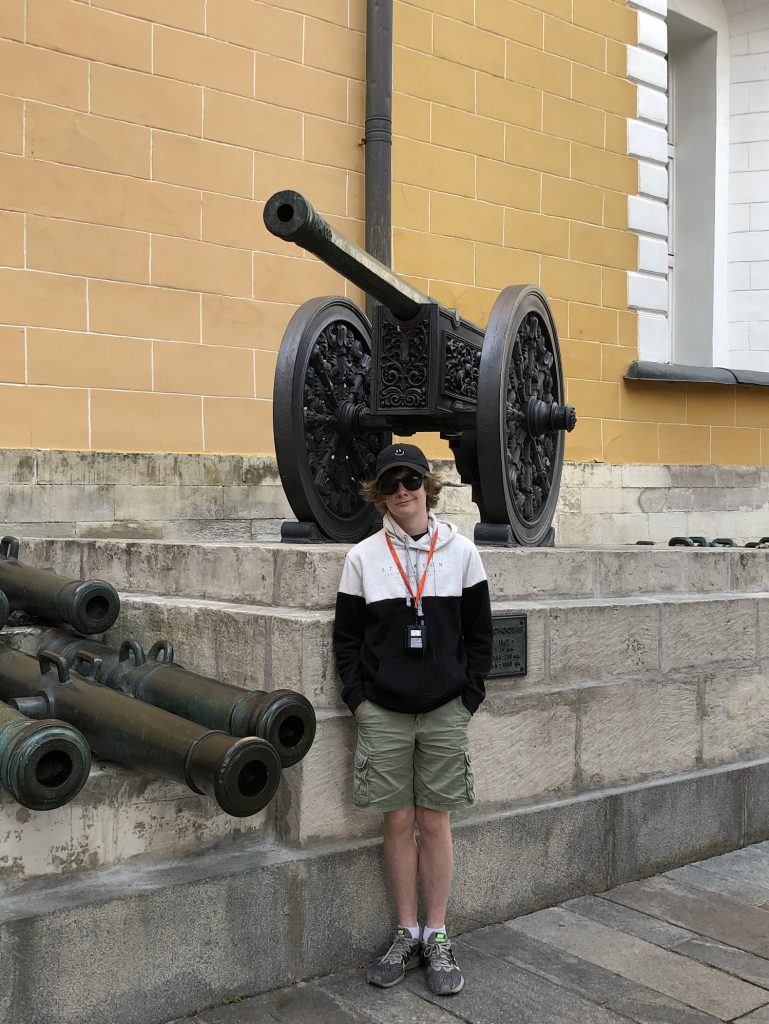
We also saw the enormous Tsar Bell, which weighs more than 200 tonnes but has never actually rung because a huge piece broke away during a fire, and the equally ridiculous Tsar Cannon, created in the 16th century and famous more for its size than for any military usefulness.
The Grand Kremlin Palace remains one of the most important ceremonial buildings in Russia, while the Senate building forms part of the modern seat of Russian government.
Then we went into the Armoury Chamber, which was one of my favourite parts of the Kremlin. It contains extraordinary treasures accumulated by Russia’s rulers: imperial crowns, thrones, Fabergé pieces, jewellery, weapons, armour, ceremonial clothing and beautifully decorated royal carriages.
We returned again to Red Square and went inside Lenin’s Mausoleum. Whatever your views on Lenin or Soviet history, walking through the darkened mausoleum past his preserved body is a strange experience.
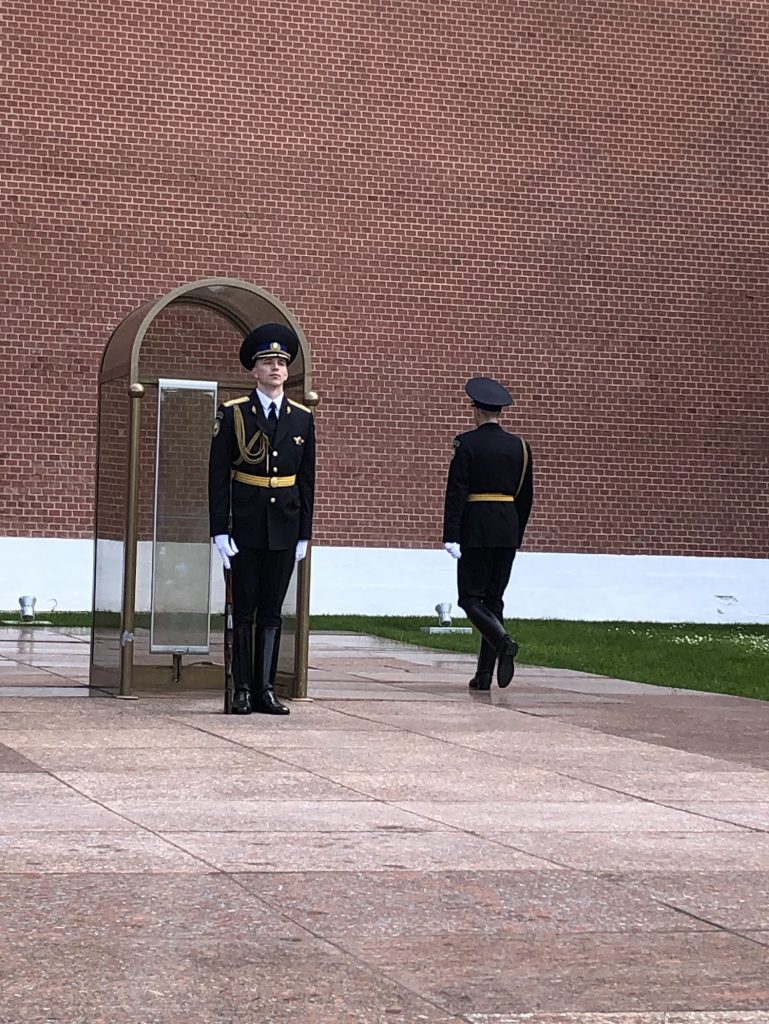
We also watched the changing of the guard at the Tomb of the Unknown Soldier beside Alexander Garden, commemorating Soviet soldiers killed during the Second World War.
And then there was St Basil’s again.
I couldn’t walk through Red Square without looking at it.
After years of wanting to visit Russia, we had finally done it: imperial palaces, Soviet statues, cathedrals, roller coasters, vodka, borscht, bikes, boats, trains and more history than we could possibly absorb.
But if you asked me for one image from the whole trip, it would still be those extraordinary colourful domes of St Basil’s Cathedral, with Russian voices echoing through the rooms inside.