India
India With My Best Friend — First Stop, Delhi
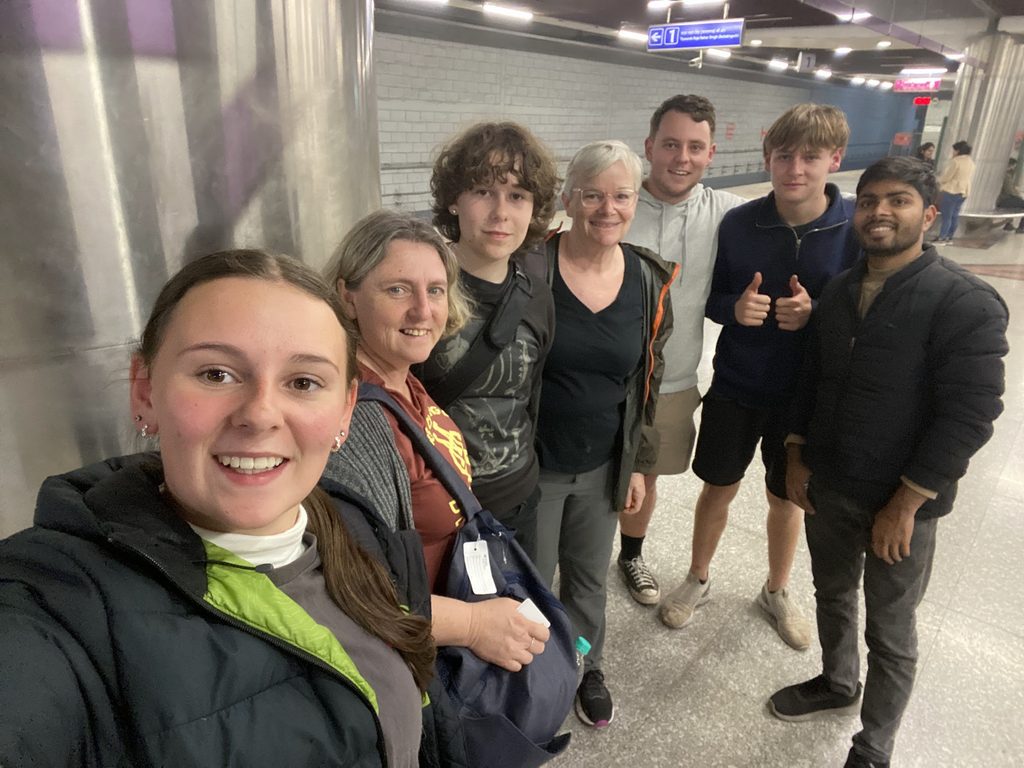
I wanted my best friend to come to India with me. Somewhere along the way, that simple idea grew legs and she ended up coming with her four adult — or almost adult — children. So there were six of us.
And what followed was a wild adventure.
There is something quite special about travelling with your best friend’s kids. You’ve watched them grow up, worried about them, laughed at them and with them, and loved them in that slightly different way that sits somewhere between family and friendship. They’re not technically yours, but you’d go into battle for them anyway. Having this much uninterrupted time together, somewhere as gloriously chaotic as India, was an absolute gift.
And India certainly didn’t ease us into it. And did I mention that this was their first trip overseas!
Delhi: An Attack on Every Sense
New Delhi hits you before you’ve really worked out where you are.
The first thing I remember was the smell. Not one smell — hundreds of them fighting for attention. Exhaust fumes. Dust. Incense. Spices. Smoke. Food frying at the side of the road. Flowers. Animals. Sewage. Perfume. Something delicious followed immediately by something you definitely didn’t want to investigate.
Then came the noise. Horns are apparently not used in Delhi as a warning. They are a language.
I’m coming through.
Move over.
I’m behind you.
I’m beside you.
I’m driving directly towards you and somehow this will all work out.
And, amazingly, it usually does.
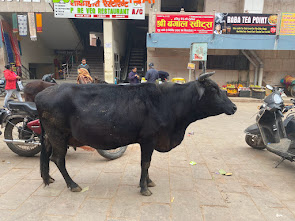
The roads seemed to operate according to rules that none of us understood. Cars, buses, motorbikes and tuk-tuks squeezed into spaces that simply did not exist. People wandered between them. Cows stood in the middle of the road with the calm confidence of creatures who knew perfectly well that everyone else would go around them.
Nobody seemed particularly bothered.
Except us. Initially.
Welcome to Delhi
Our first tuk-tuk rides were somewhere between public transport and an amusement-park ride without the safety inspection. Six Australians discovering Delhi from the back of tuk-tuks is a fairly efficient cure for jet lag.
You are completely exposed to the city.
There is no window separating you from it. You can smell the food cooking beside the road, hear conversations from the next vehicle and find yourself almost close enough to shake hands with the person riding the motorbike beside you.
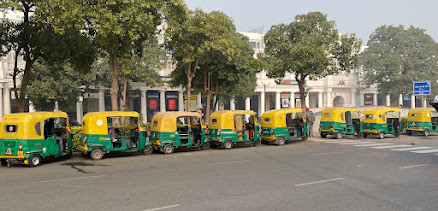
Then there were the open-air men’s urinals.
Nobody had put those in the travel brochure.
They are just… there.
After the first one you wonder whether you’ve misunderstood what you’re looking at. After the fifth, you realise you haven’t.
India has a wonderful ability to remove any lingering sense that the world should operate according to your expectations.
Old Delhi
If New Delhi was an introduction to sensory overload, Old Delhi turned the volume up.
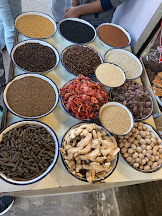
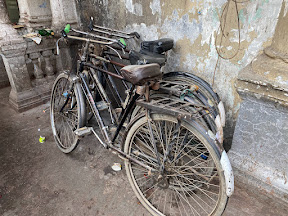
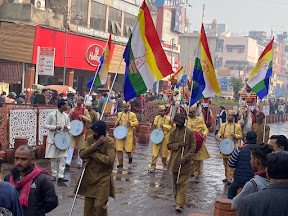
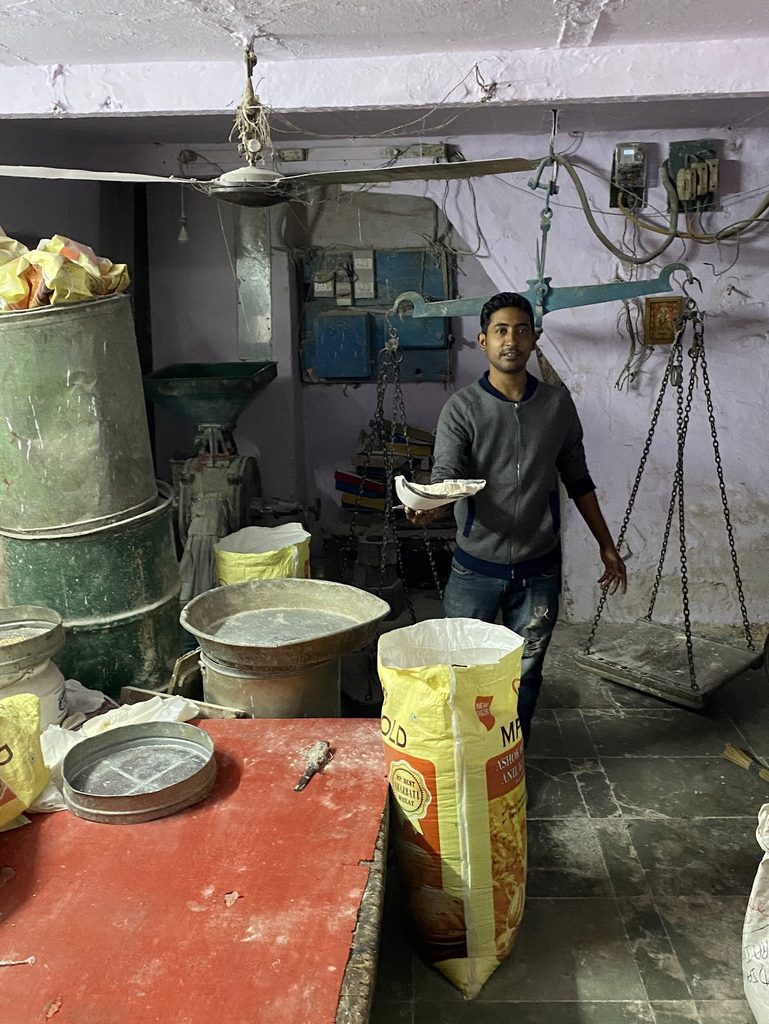
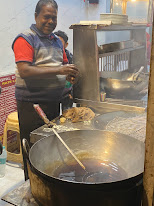
Around Chandni Chowk, narrow streets were packed with people, market stalls, scooters, cycle rickshaws and tiny shops selling everything imaginable. Electrical wires hung overhead in impossible tangles. The smell of spices poured from shops. Street vendors cooked beside the road while people negotiated, shouted, laughed and somehow moved through the congestion.
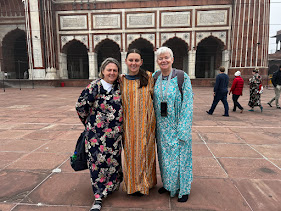
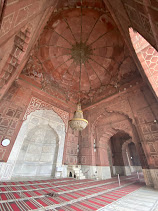
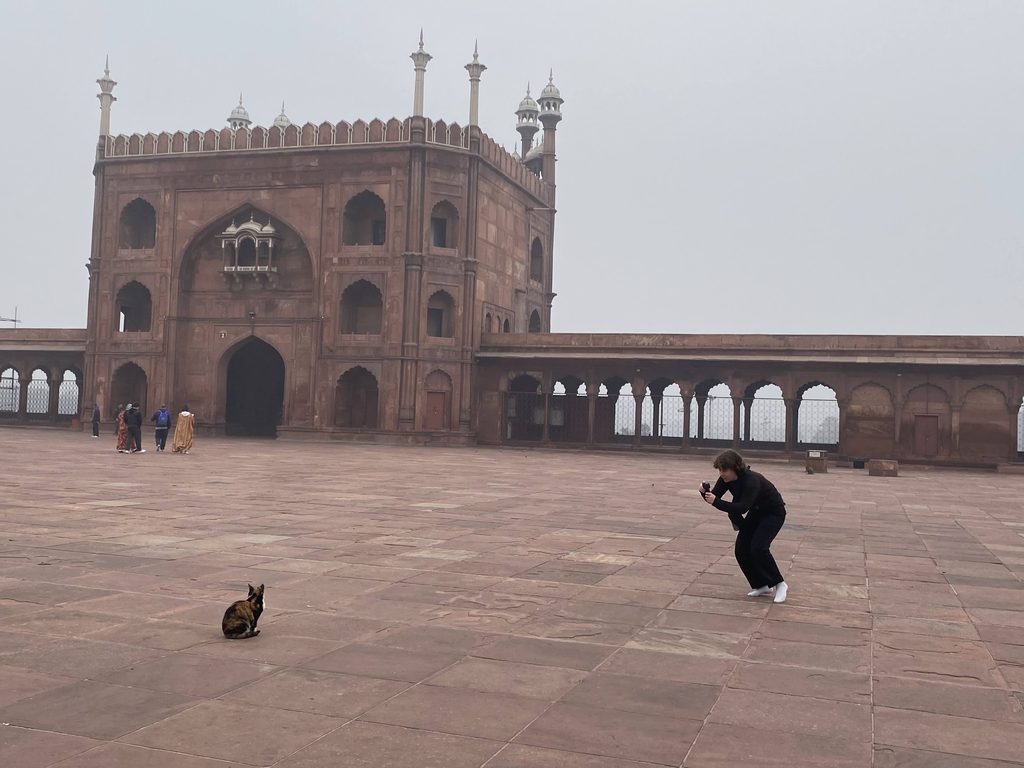
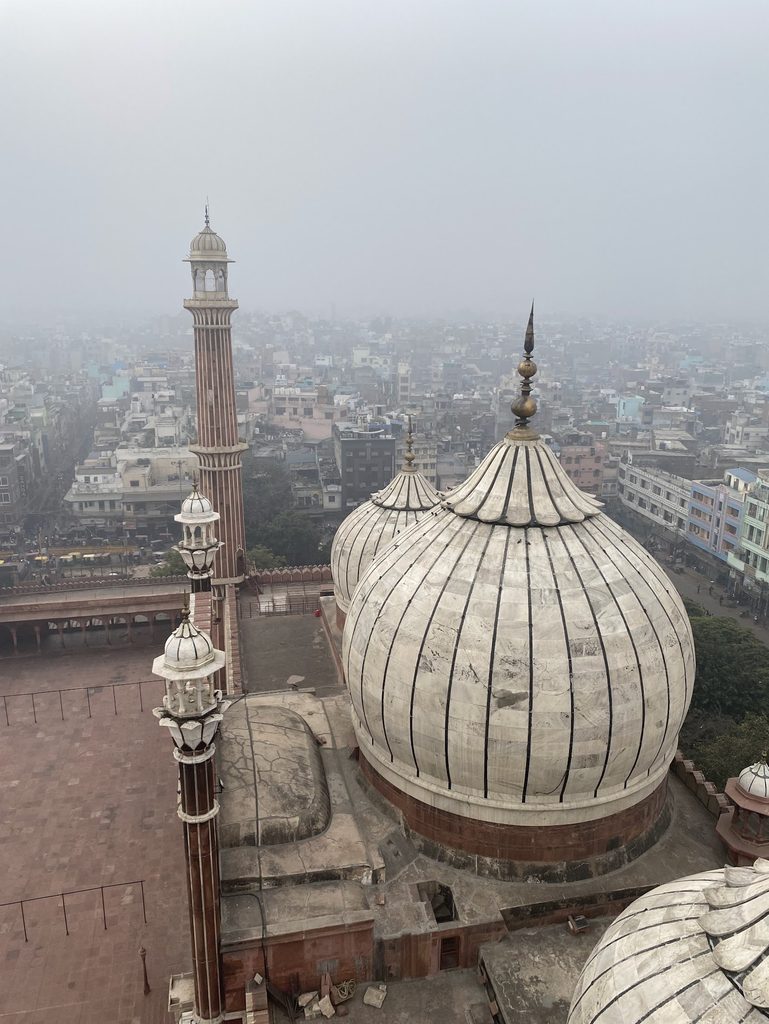
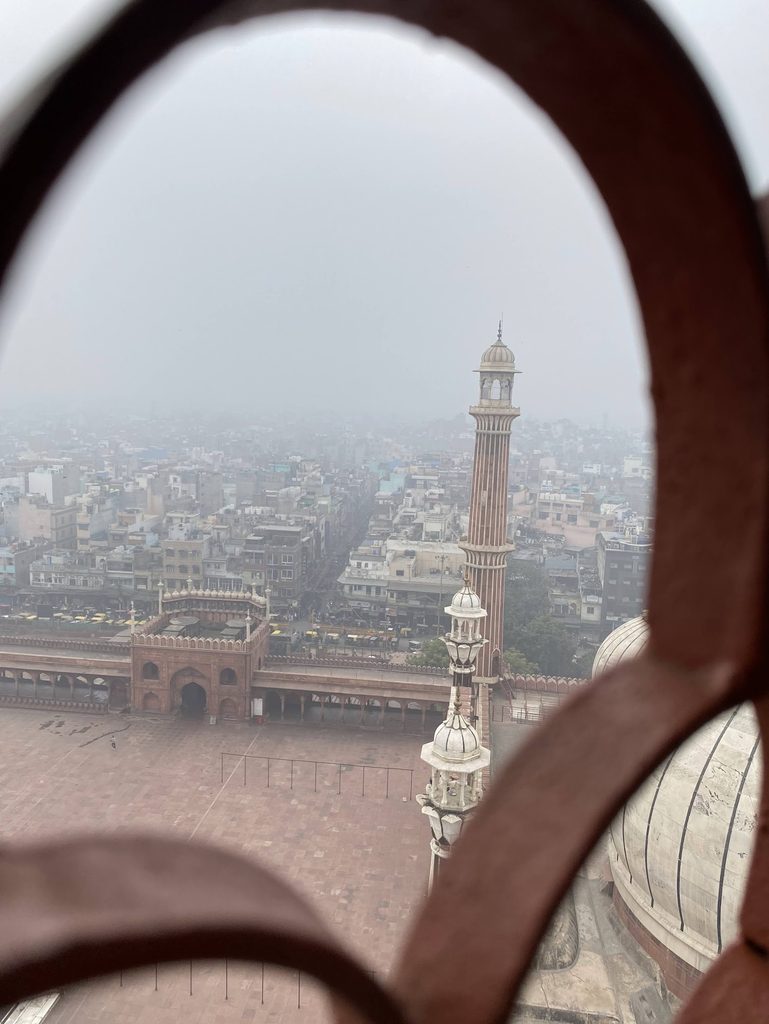
Nearby, Jama Masjid gave us a completely different perspective. One of India’s largest mosques, it rises above the chaos of Old Delhi and feels almost impossibly spacious after the streets around it.
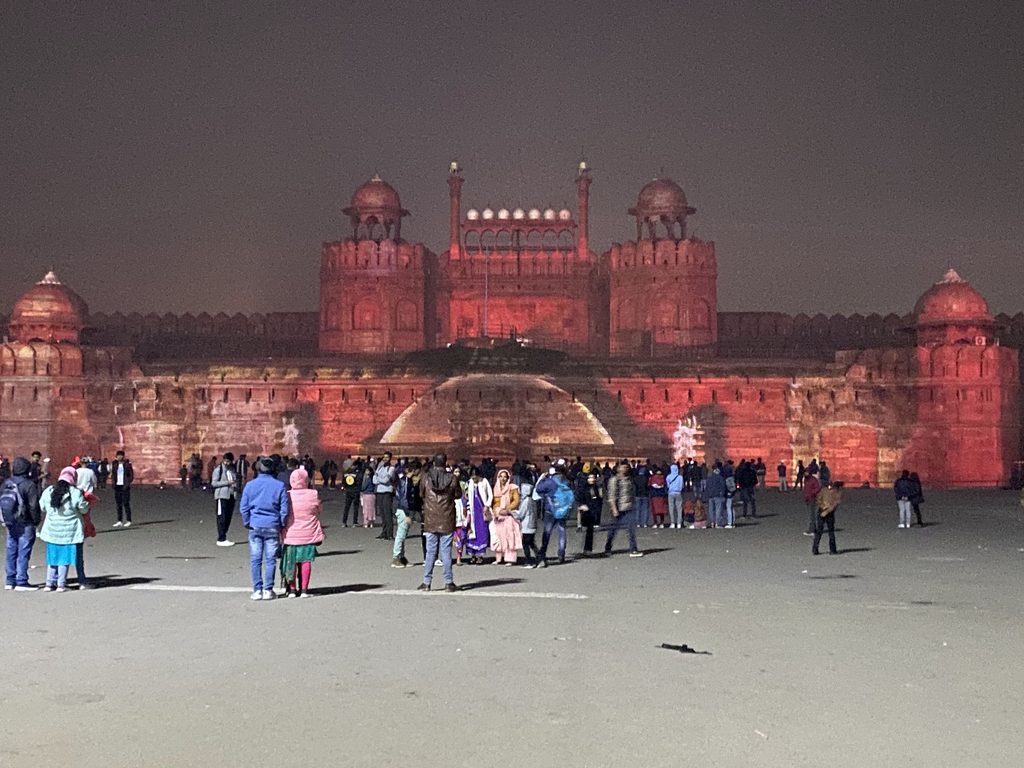
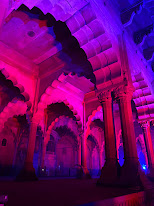
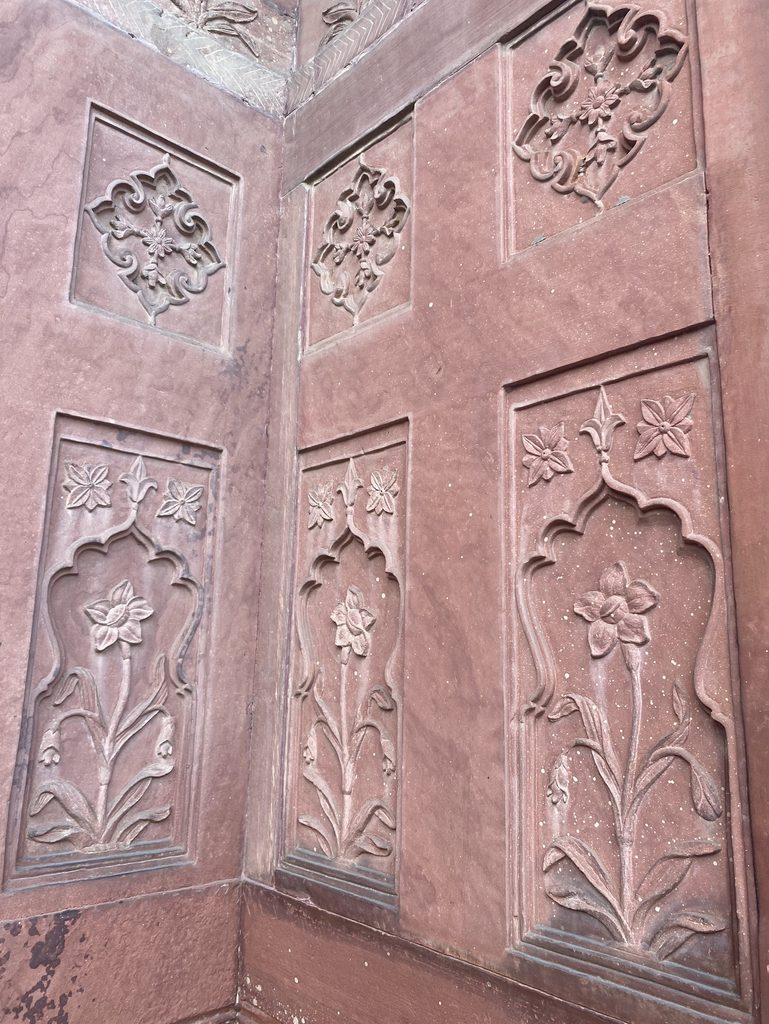
Then there was the Red Fort, the enormous Mughal fortress that once sat at the heart of imperial Delhi. India has a habit of casually placing extraordinary pieces of history in the middle of everyday life. A trip at night for the light and sound show was also great.
The Other Delhi
Delhi constantly changes character.
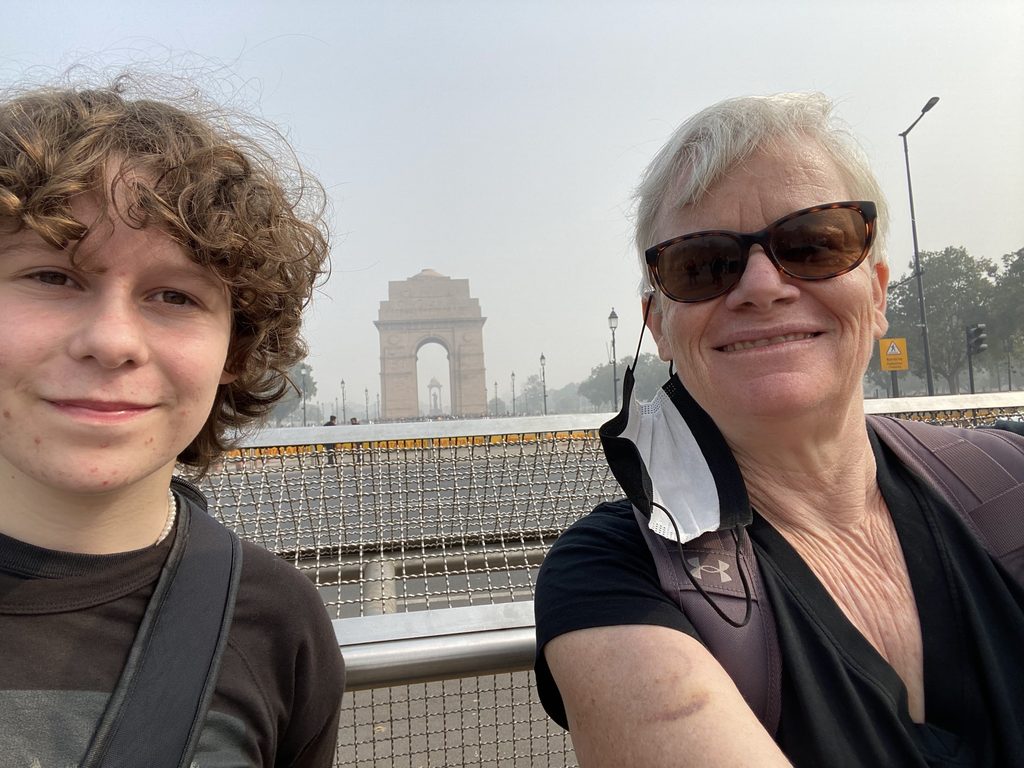
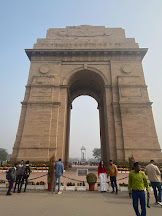
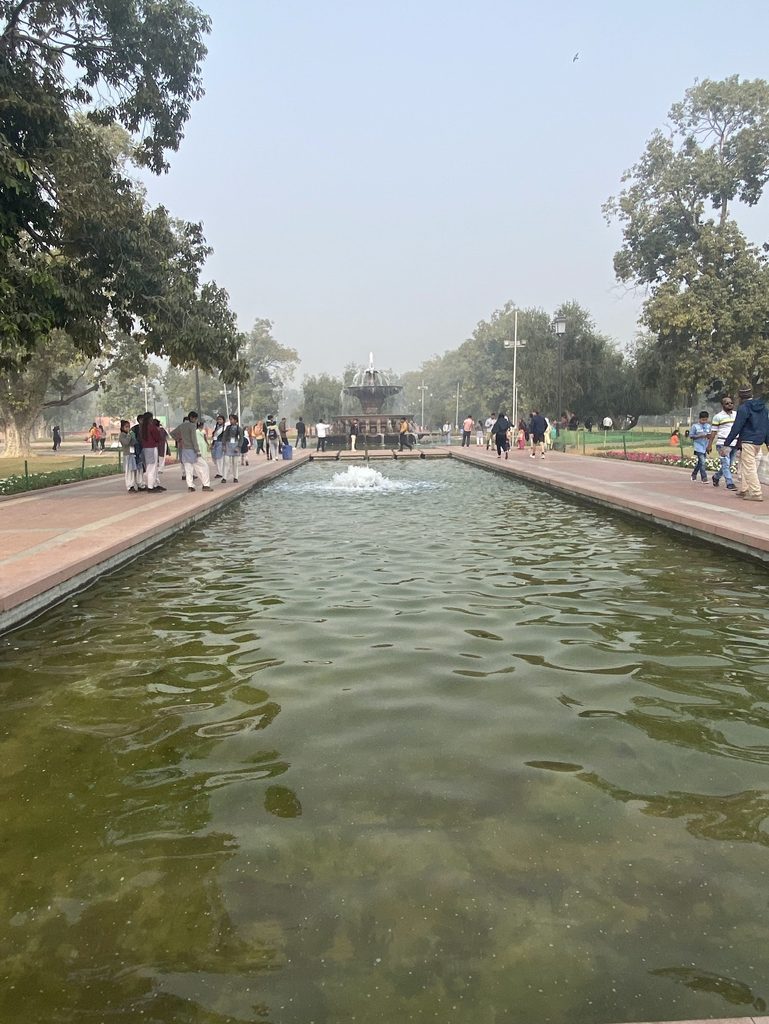
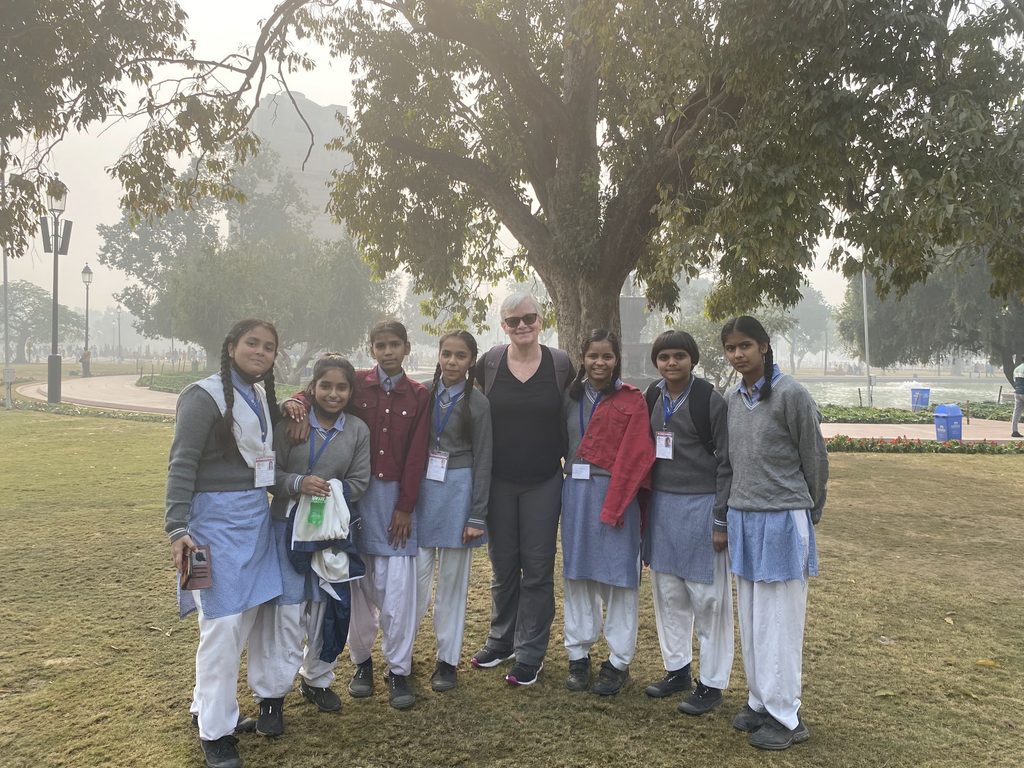
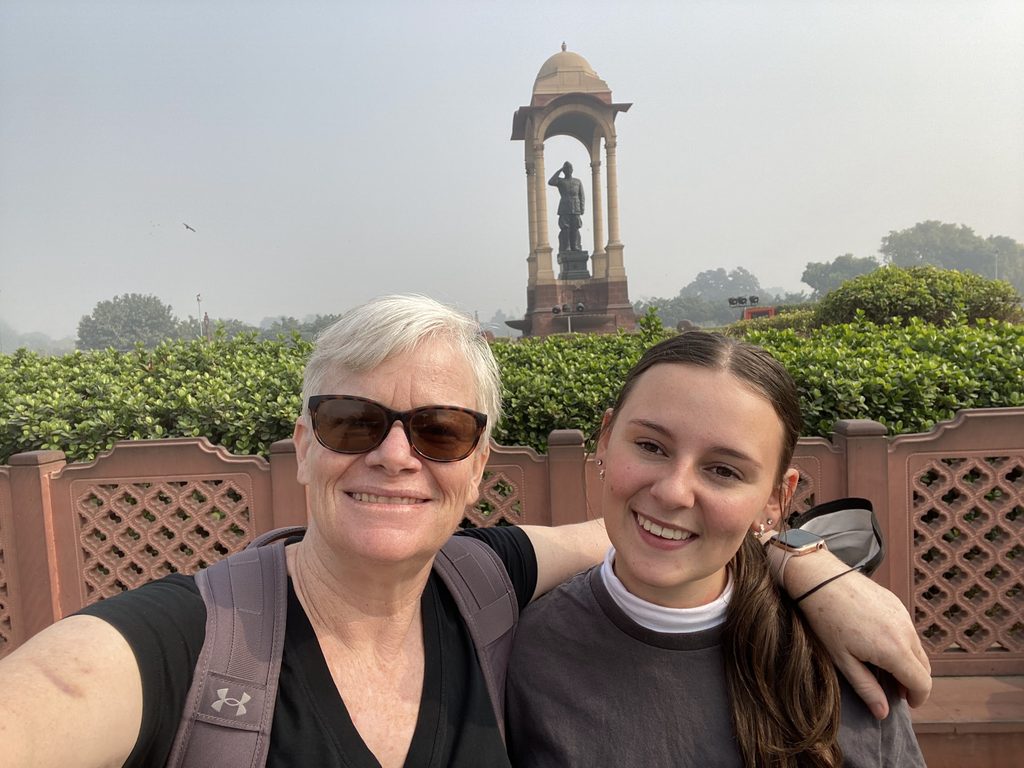
At India Gate, broad avenues and monumental architecture showed us the grander face of the capital. Humayun’s Tomb, with its gardens and beautiful Mughal architecture, offered a much quieter experience and gave us an early glimpse of the architectural style that would eventually reach its most famous expression at the Taj Mahal.
Then there’s Qutub Minar, towering above the remains of centuries-old buildings and making you realise just how many different versions of Delhi have existed before the current one.
But some of my strongest memories aren’t actually of the famous sights.
They are of standing beside a road watching a cow wander through traffic.
Of squeezing into tuk-tuks.
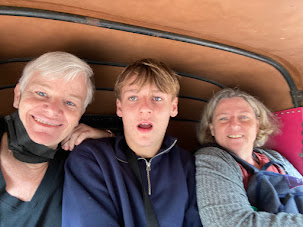
Of trying to cross roads while questioning every decision that had brought us to that moment.
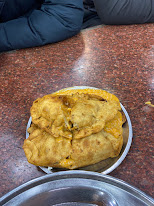
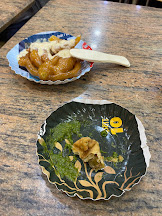
Of buying food we weren’t completely sure we could identify.
And eating extraordinarily well.
The Food
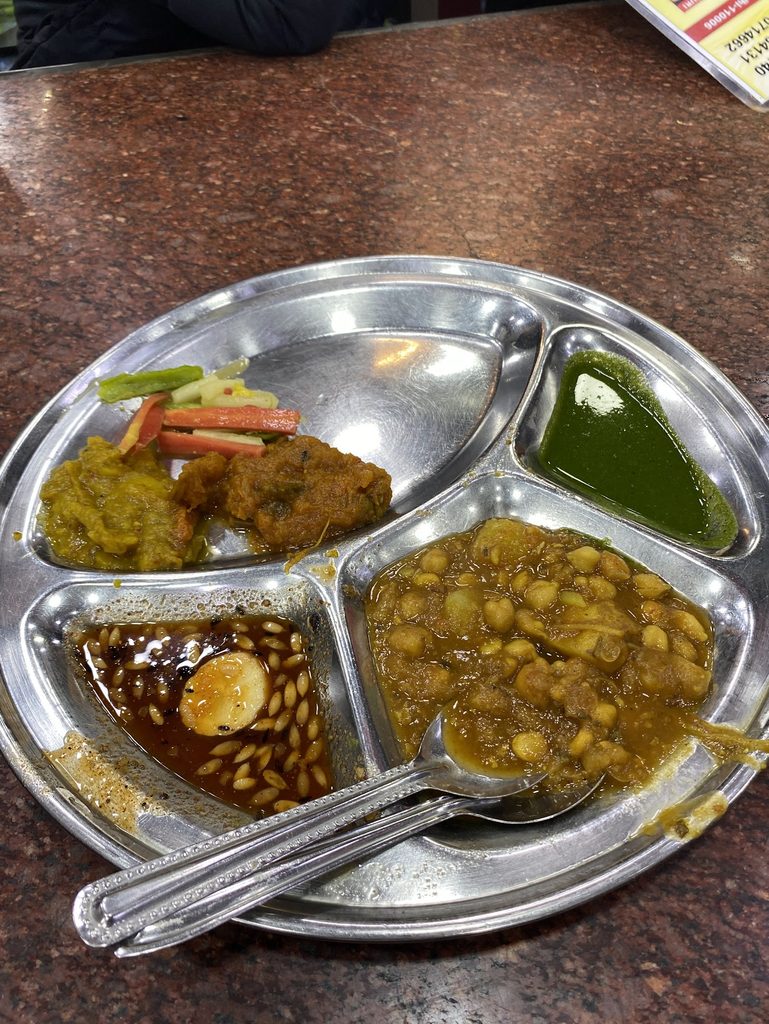
Indian food in India bears only a passing resemblance to what many of us had thought of as Indian food back home.
Everything seemed fresher, sharper and more complex.
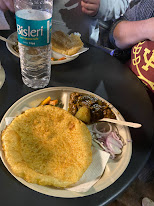
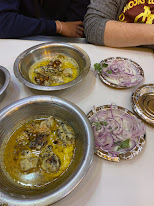
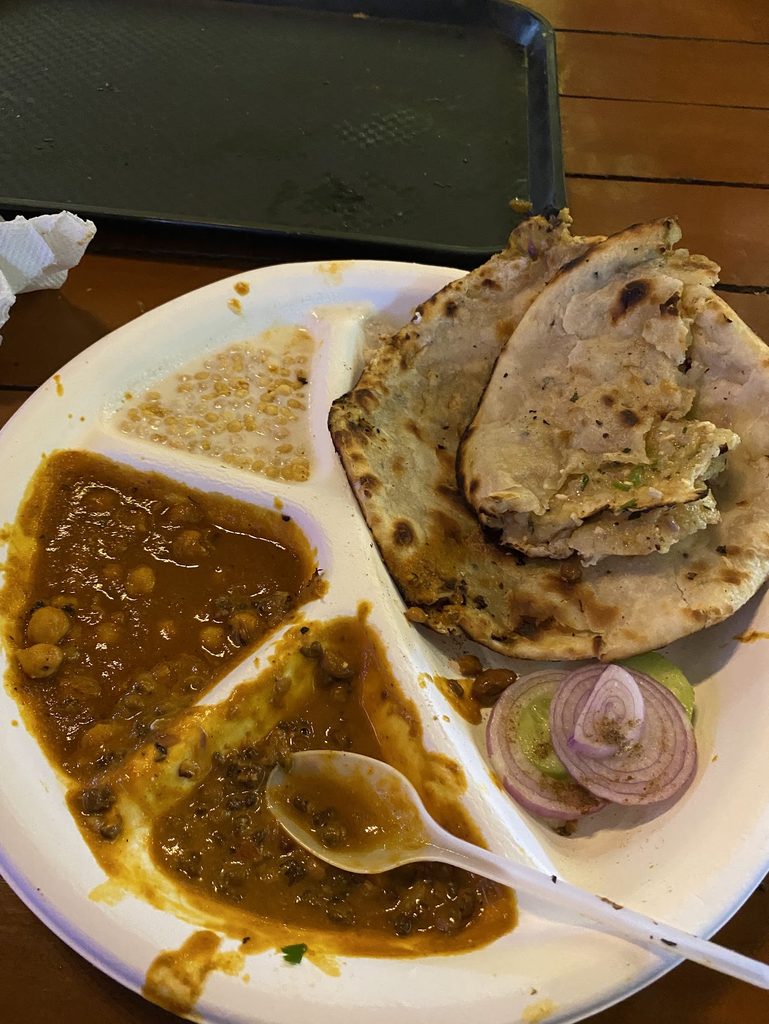
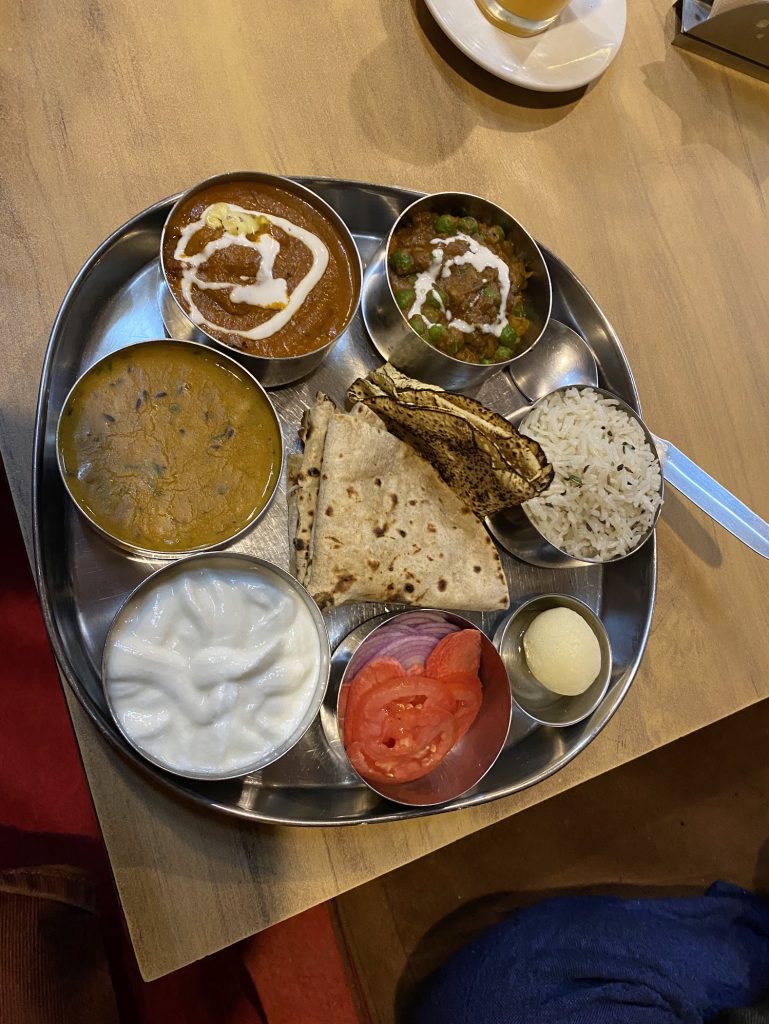
There were buttery breads straight from the tandoor, rich curries, smoky kebabs, fragrant rice, yoghurt, pickles and dishes we ordered simply because somebody pointed at them and said, “Try this.”
We did.
That became something of a theme for the trip.
Not everything was familiar. Not everything looked particularly reassuring. Occasionally we had absolutely no idea what we’d ordered.
But that’s half the point.
You don’t travel to India to eat what you could have eaten at home.
Jessica Turns 18
And then Delhi gave us something else to celebrate.
Jessica turned 18.
There are probably calmer places in the world to mark the official beginning of adulthood, but there can’t be many more memorable ones.
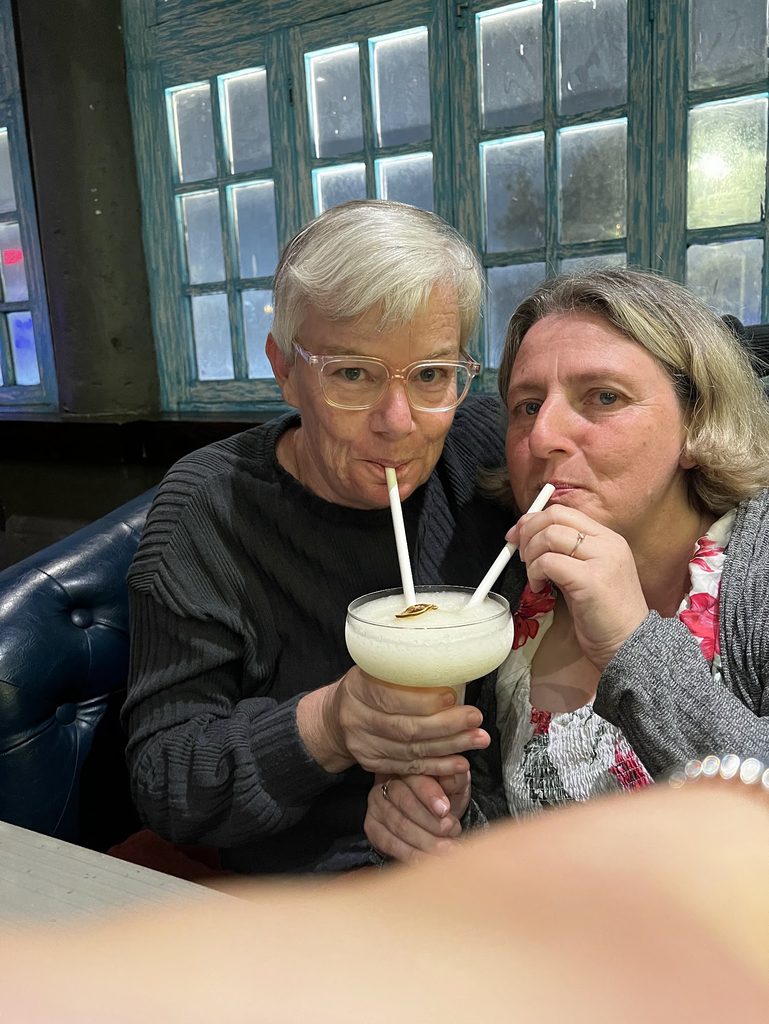
We got dressed up and headed out for a proper night together — six of us celebrating an eighteenth birthday thousands of kilometres from home, still slightly stunned by the country we’d landed in.
There was great food, drinks, laughter and the slightly surreal feeling of looking around the table and thinking: We’re actually in Delhi.
That night also summed up why I’d wanted this trip in the first place.
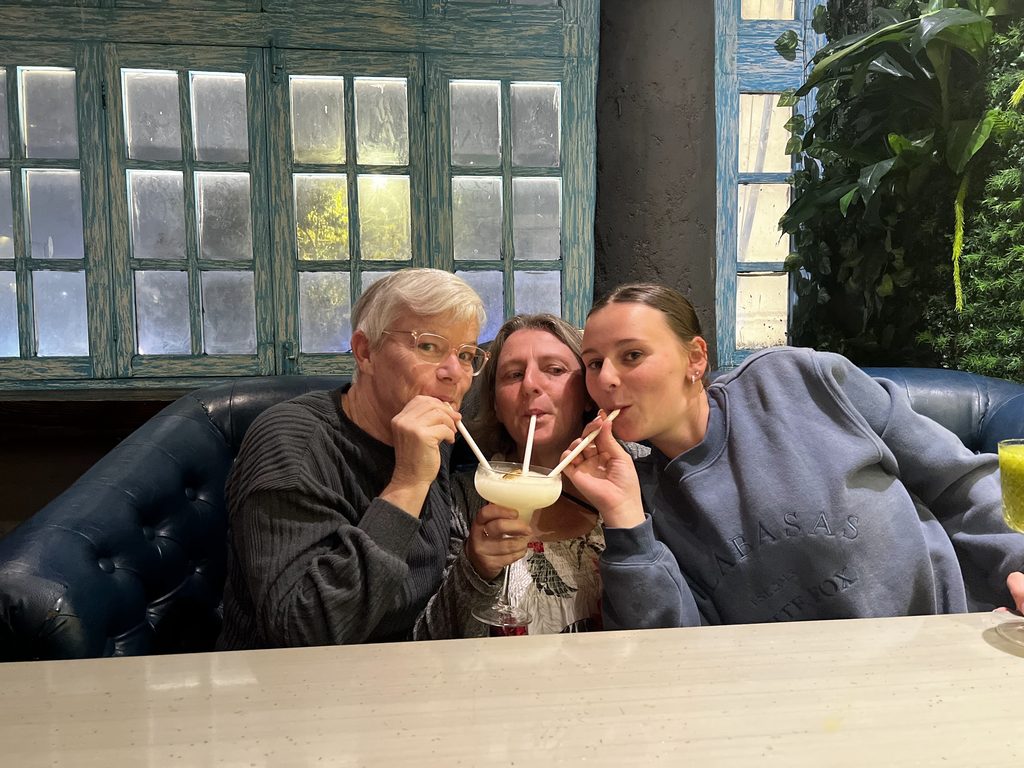
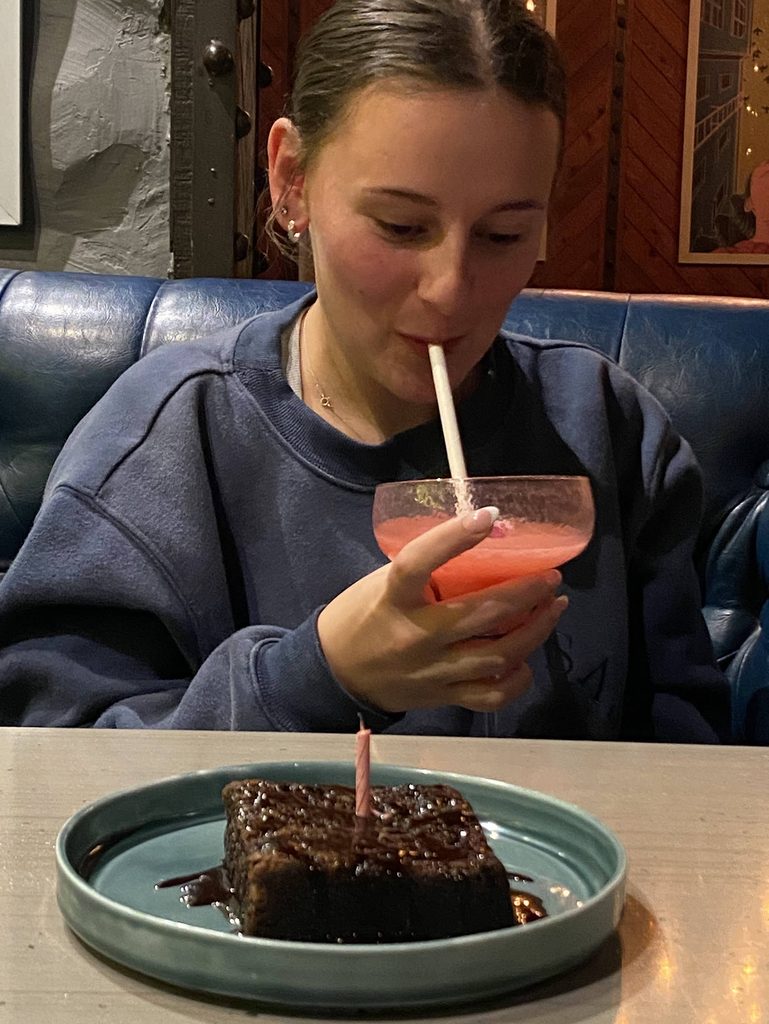
Travel isn’t really about ticking monuments off a list.
Years later, I might struggle to remember the exact sequence in which we visited Delhi’s landmarks. But I’ll remember Jessica’s eighteenth birthday. I’ll remember the kids laughing in tuk-tuks. I’ll remember looking across at my best friend amid the absolute madness and wondering what on earth we’d got ourselves into.
Six people had arrived together.
Already, India was giving us stories.
And we’d barely started.
A Different Side of Delhi
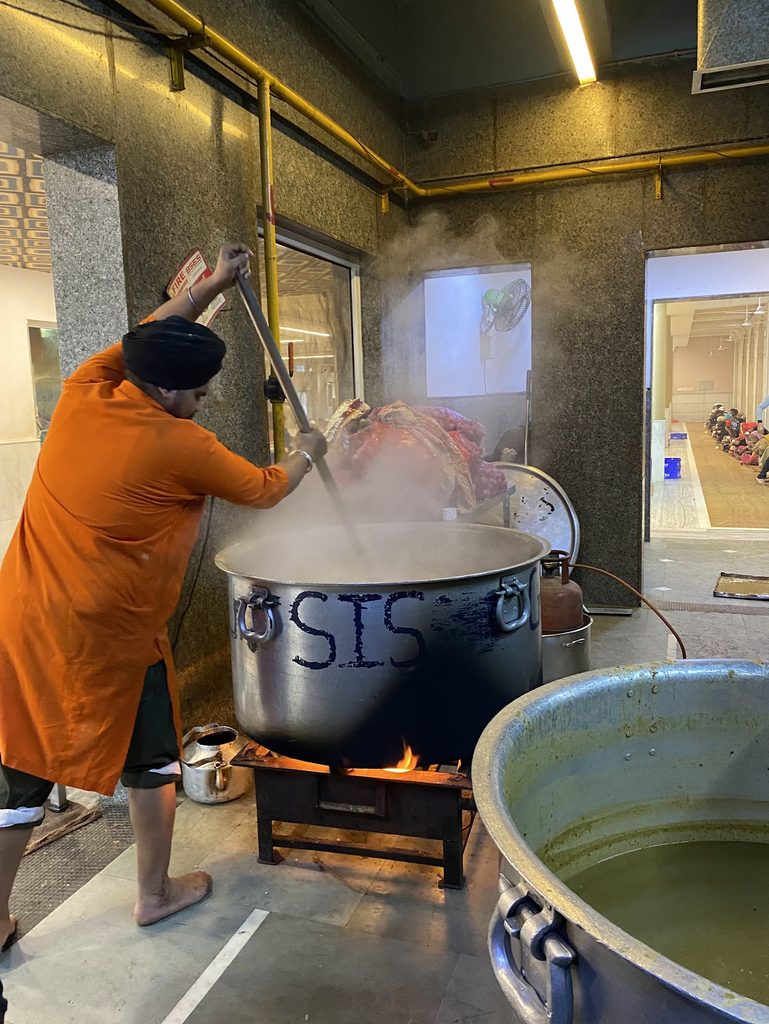
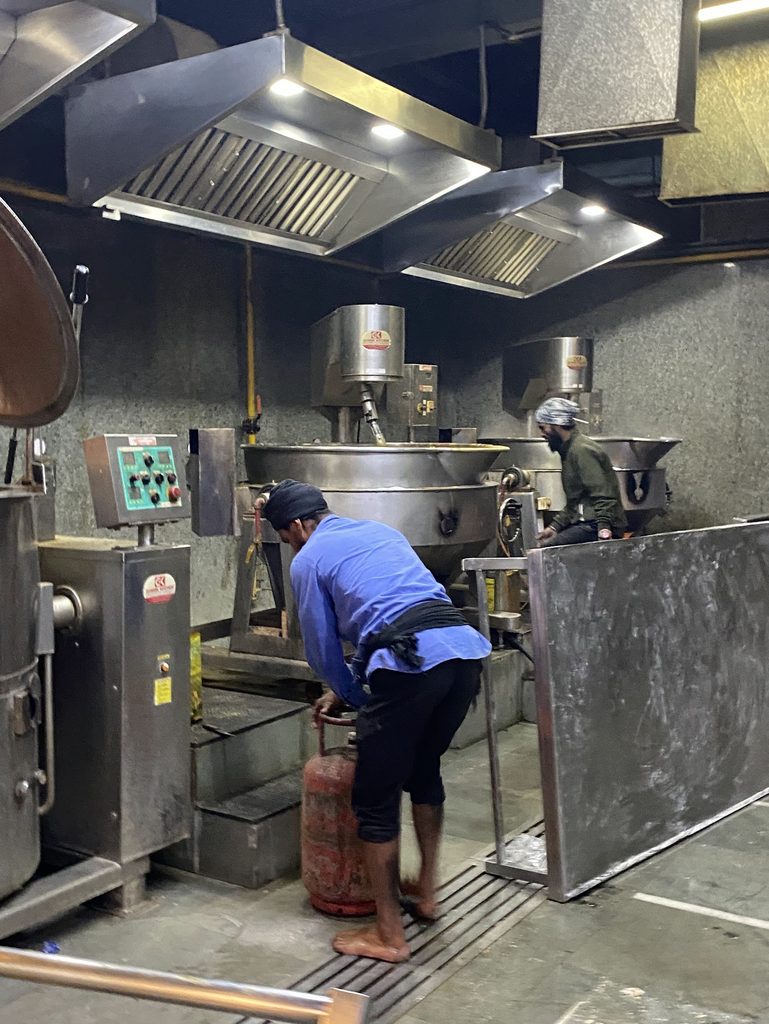
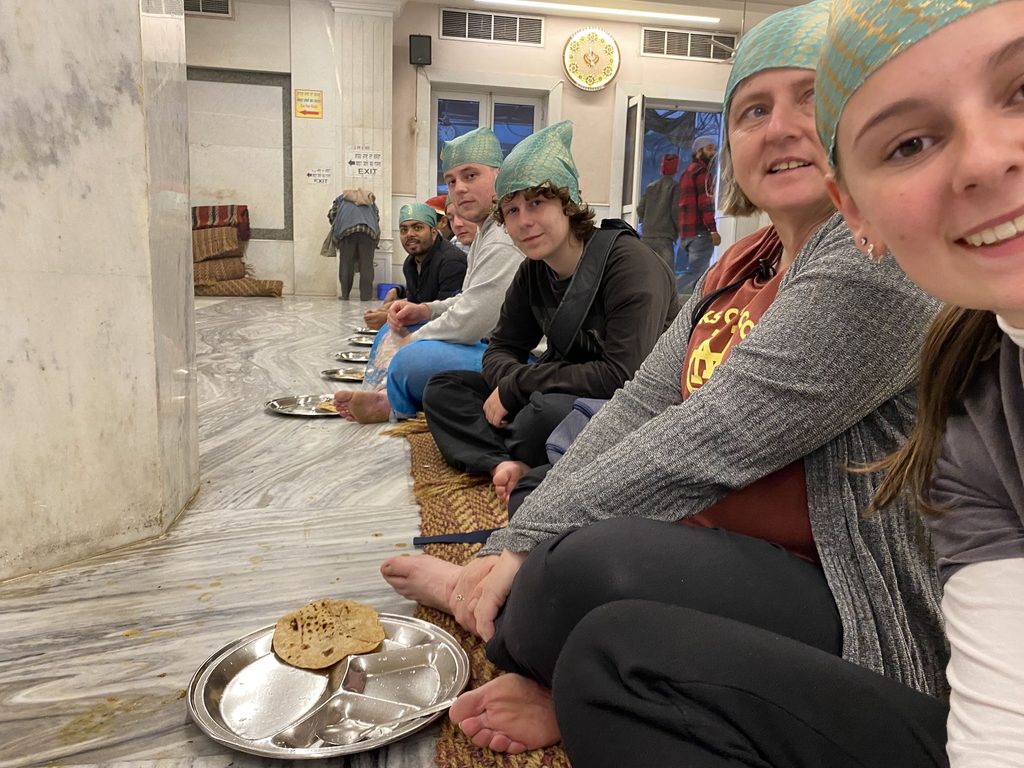
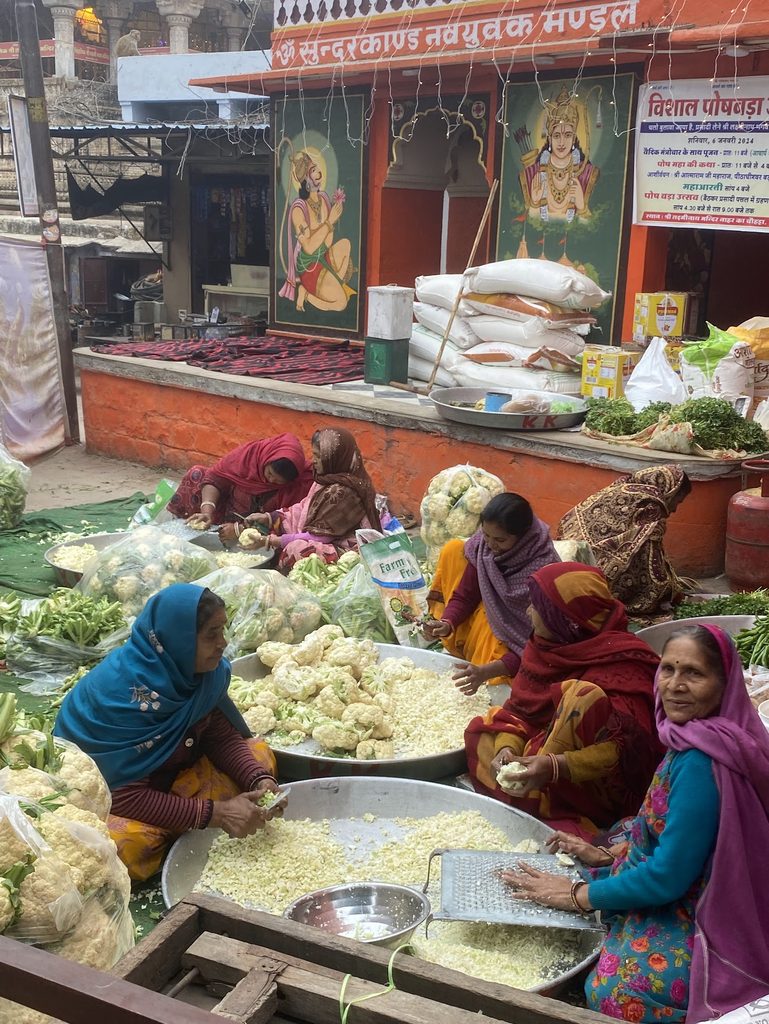
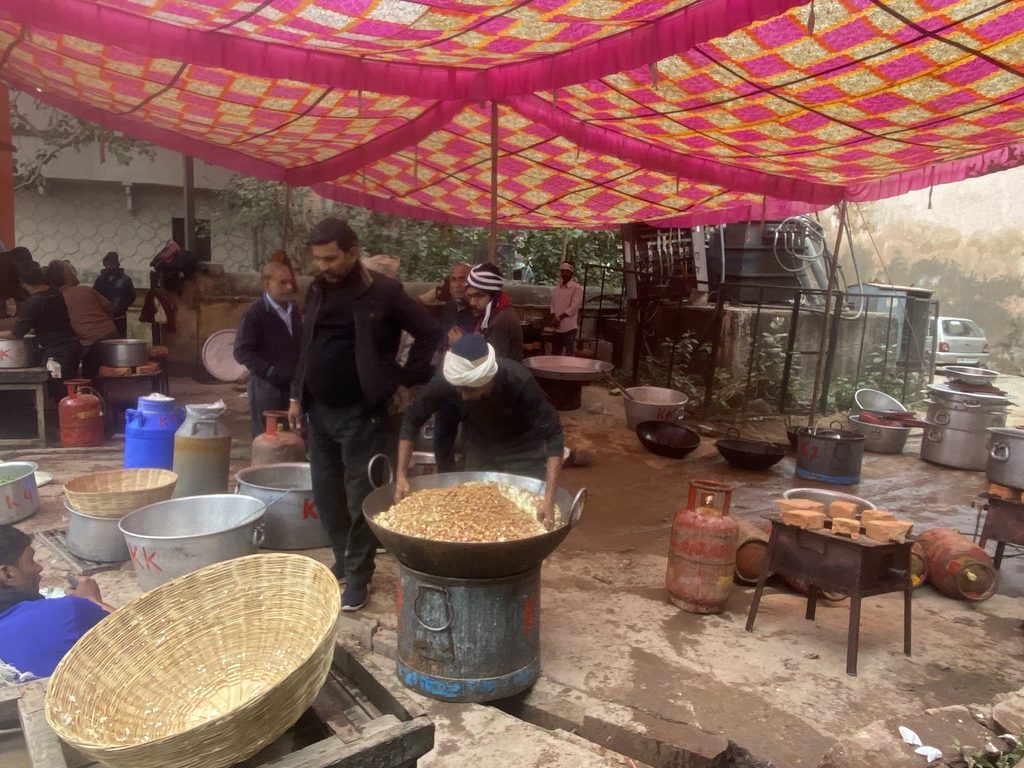
One of the most memorable stops was the Shaheed Baba Jiwan Singh Rangretta Langar Hall, where we saw the Sikh tradition of langar in action — free vegetarian meals prepared and served by volunteers to anyone who comes through the door, regardless of religion, caste or background. Delhi’s major gurdwaras can serve tens of thousands of free meals every day, an extraordinary demonstration of equality and community service.
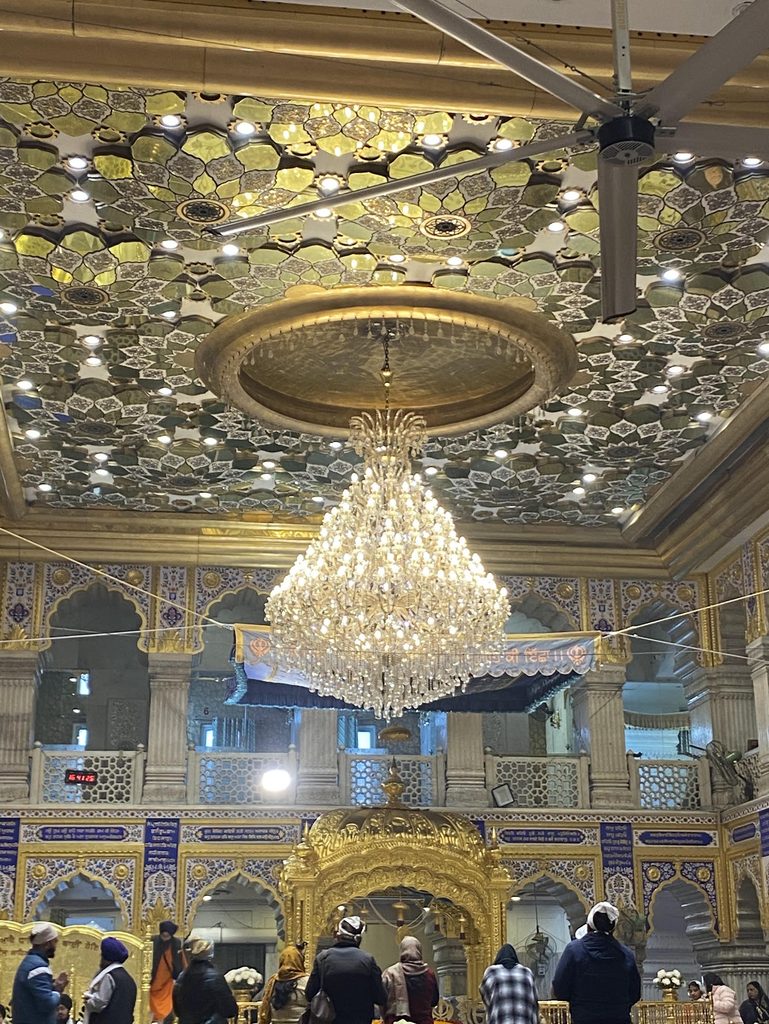
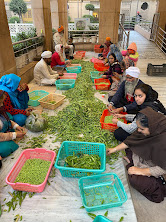
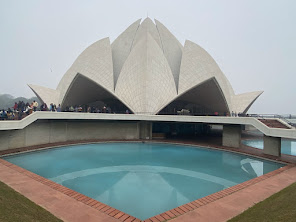
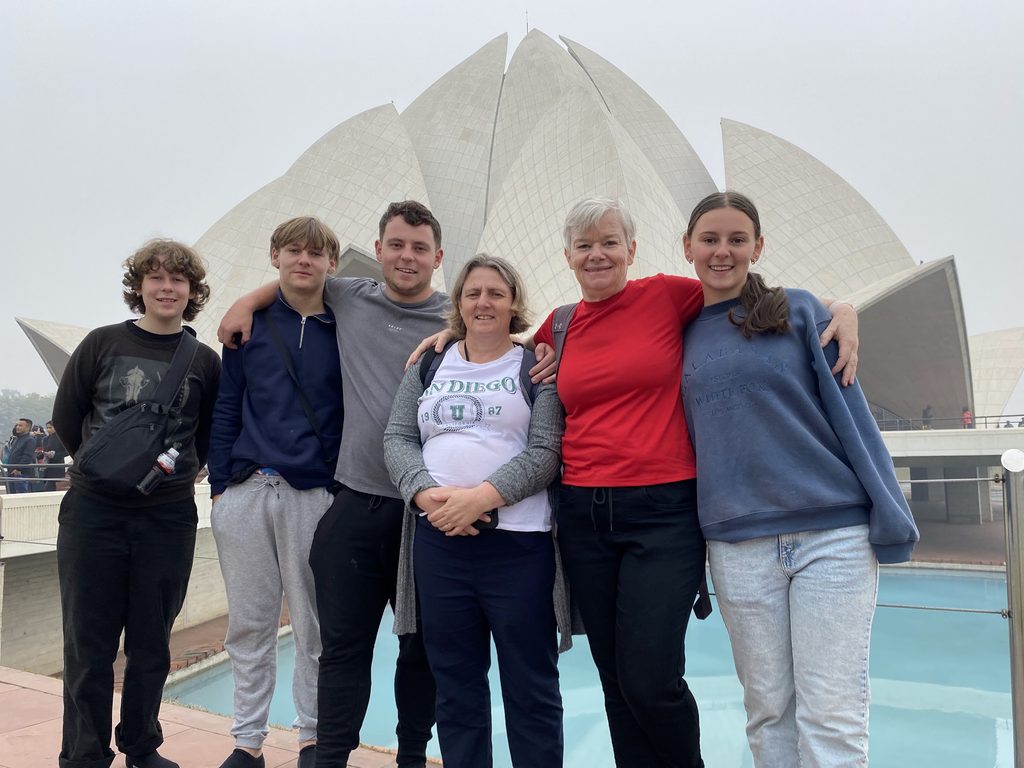
The Lotus Temple was the complete opposite of Delhi’s street chaos. This beautiful Bahá’í House of Worship, shaped from 27 marble “petals”, welcomes people of every faith and represents unity and the oneness of humanity.
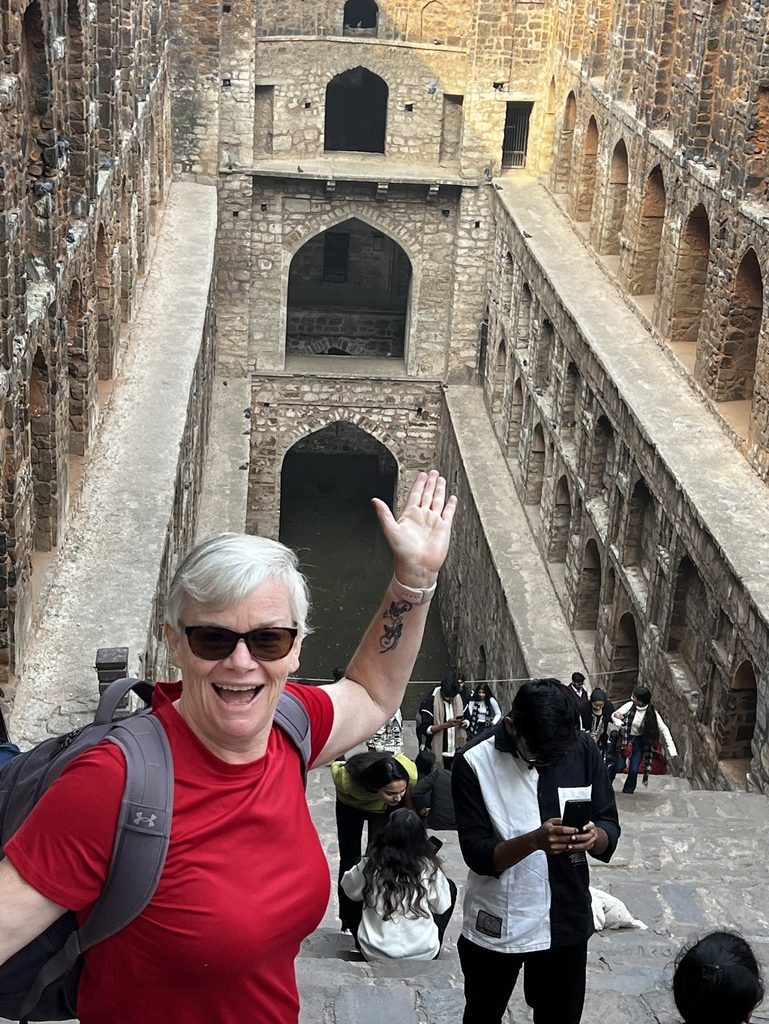
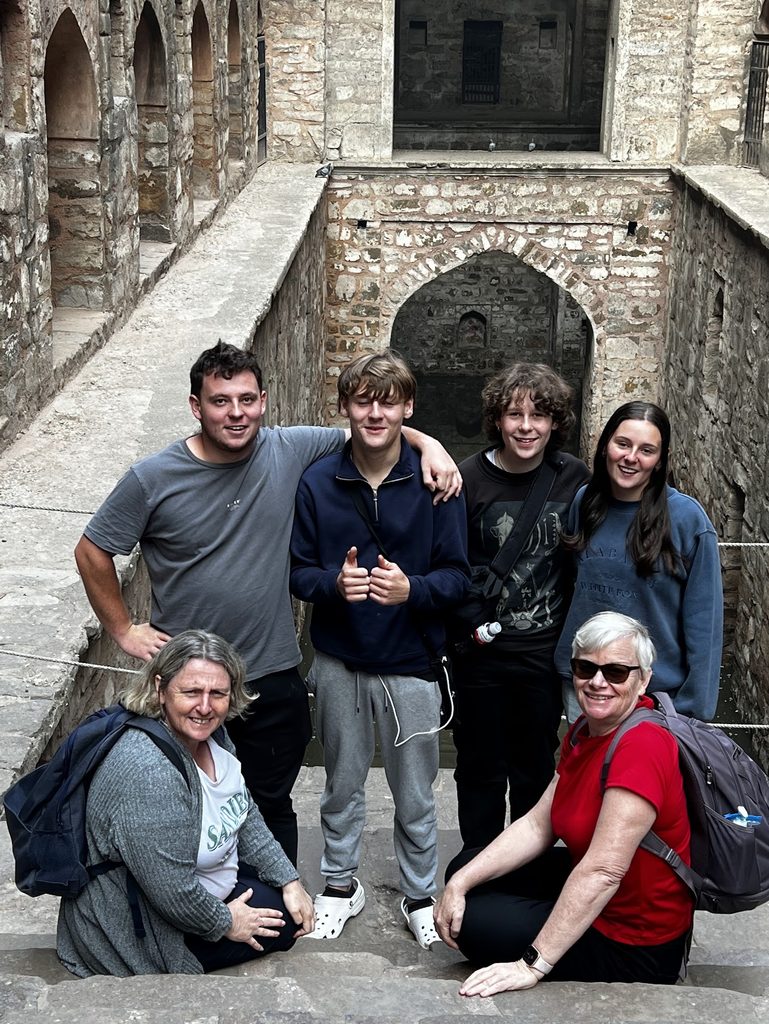
At Agrasen ki Baoli, we descended the 108 steps of an ancient stepwell once used to store water and as a community gathering place. Its exact origins remain uncertain, which only adds to its atmosphere.
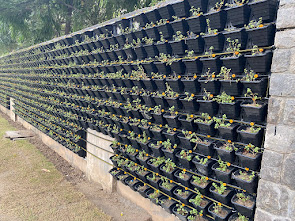
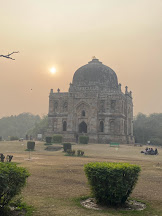
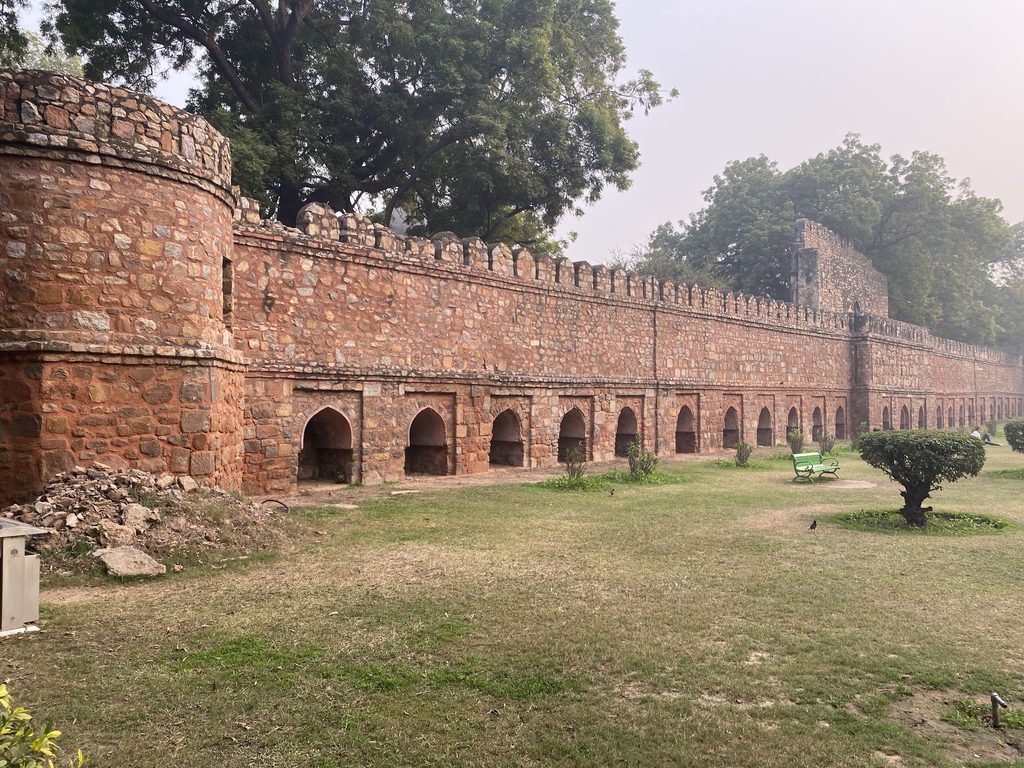
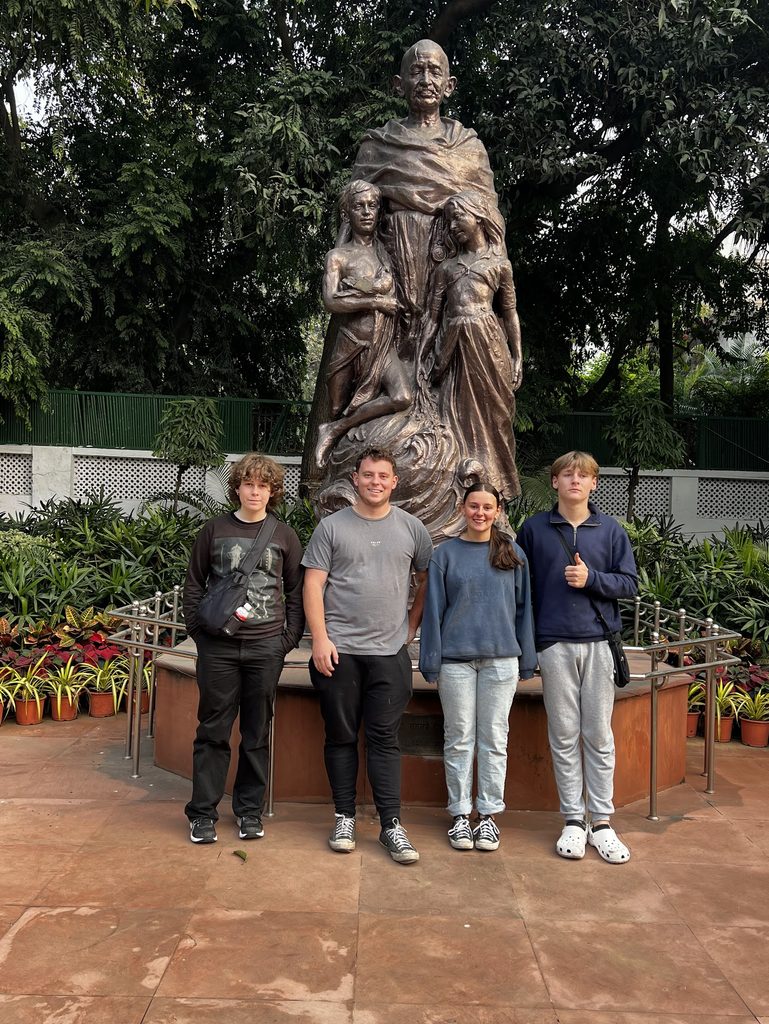
We also visited the Gandhi museum, confronting the story of his life, independence and assassination, before finishing at Lodhi Garden, where 15th-century tombs sit among lawns and trees — another reminder that in Delhi, centuries of history are simply woven into everyday life.
Varanasi — Into the Chaos
We flew into Varanasi, and somehow Delhi suddenly felt like the warm-up act.
Varanasi was another full assault on the senses. The lanes were narrow, crowded and constantly moving. People, motorbikes, cows, incense, food, smoke, bells, chanting, horns — everything seemed to be happening at once and within touching distance.
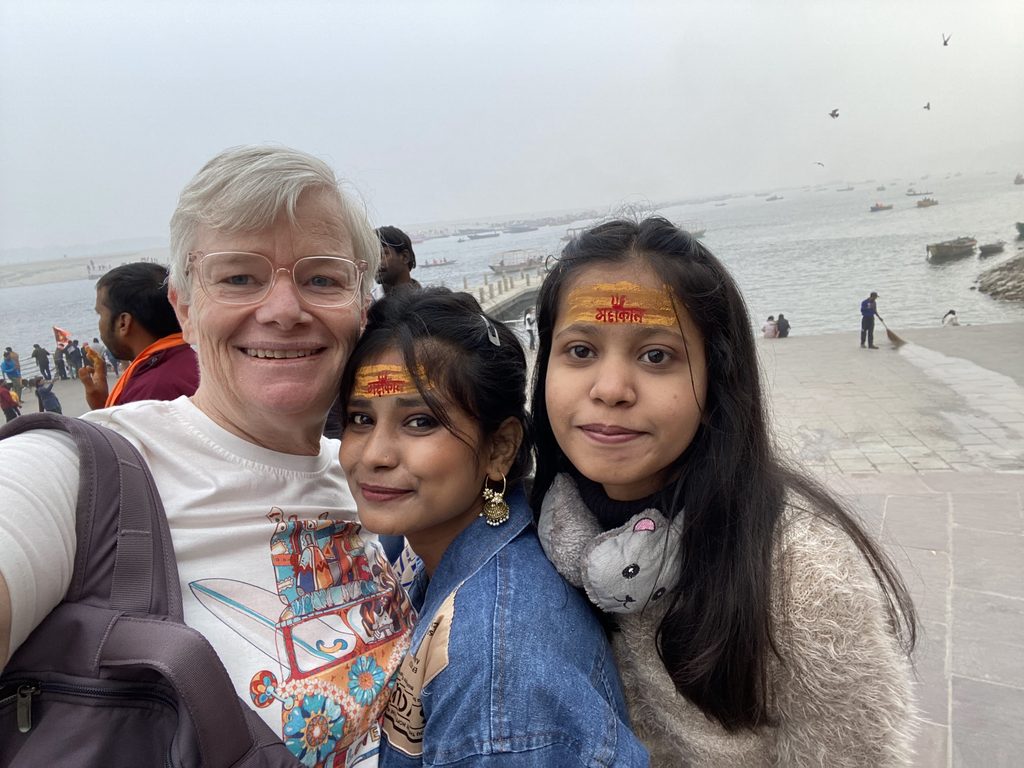
At one point, I managed to lose everyone. My friends, the kids, our guide — gone. I had that brief sinking feeling of being completely alone in one of the most chaotic places I had ever been. Thankfully, a group of lovely young women realised I was lost and helped me find my way back. It was one of those small travel moments that stays with you.
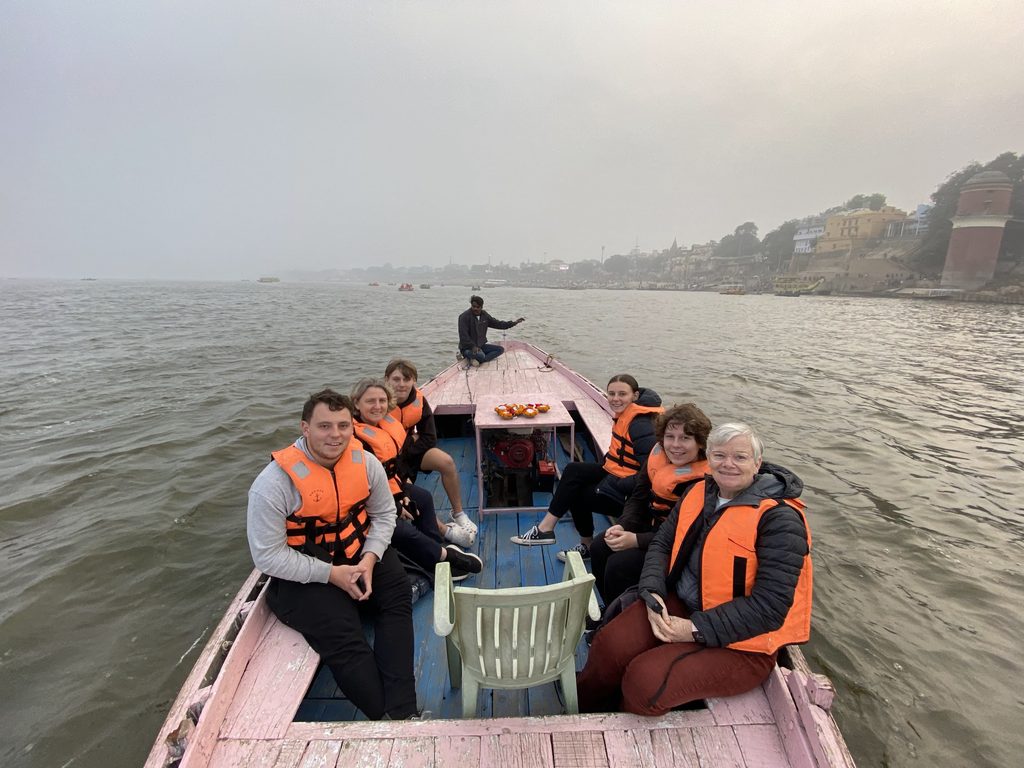
Later, we went out onto the Ganges by boat, each of us holding a small offering of flowers and a candle. The idea was to gently place them on the water and watch them drift away. In practice, we mostly concentrated on not immediately sinking them. Seeing those tiny lights floating on the dark river was beautiful.
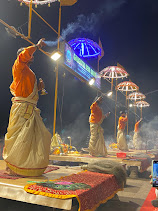
At Dashashwamedh Ghat, we experienced the extraordinary evening Ganga Aarti. Priests moved in synchronised ritual, raising huge lamps through clouds of incense as bells rang and chanting echoed across the river. Boats packed the water and crowds filled the steps. It was theatrical, spiritual and completely mesmerising.
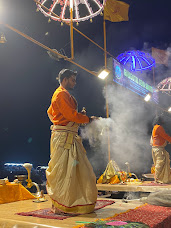
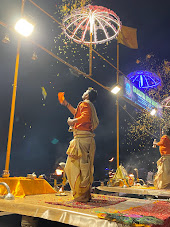
The Ganges is sacred to Hindus, and bathing in it is believed to cleanse spiritual impurities. At dawn we watched people enter the water to pray, bathe and perform rituals as they have for generations.
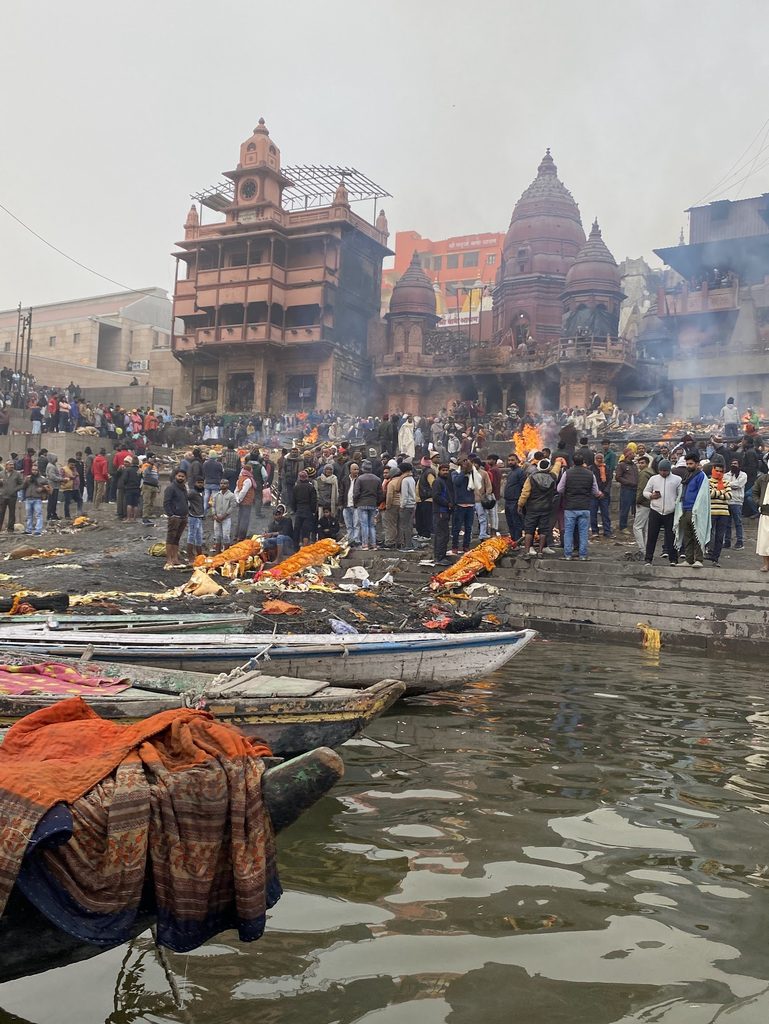
Not far away were the cremation ghats, where funeral pyres burn openly beside the river. Bodies are brought through the lanes, wrapped in cloth and prepared for cremation before the ashes are placed into the Ganges. It is confronting to watch, but there is no attempt to hide death here. It sits alongside ordinary life.
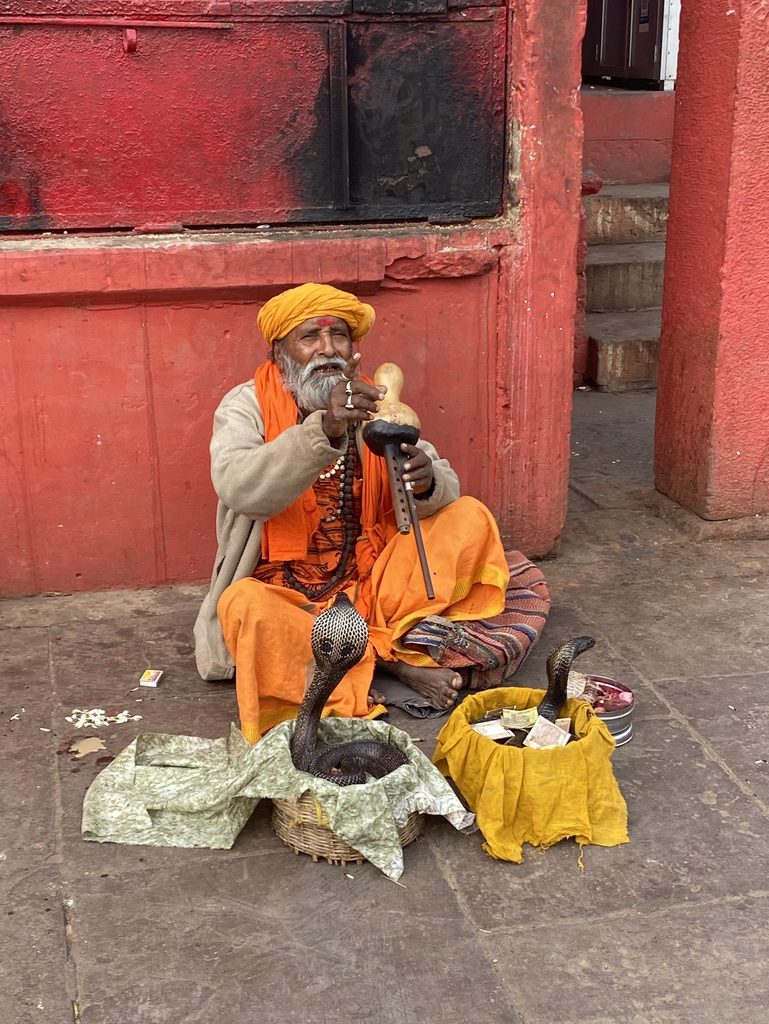
Then, as if Varanasi needed another layer of surrealism, there was a cobra swaying to the music while we stood watching from the street.
We also visited Shri Kashi Vishwanath Temple, one of Hinduism’s most important temples, dedicated to Shiva. The intensity of devotion around it was impossible to miss.
We spent New Year’s Eve in the hostel, which felt wonderfully ordinary after everything we’d seen. The next morning, we started the new year with an early yoga session while the city slowly woke around us.
Then we packed our bags again.
Next stop: Agra.
Agra — Love, Power and Survival
Leaving Varanasi, we met the man who would become a huge part of the next couple of weeks — our driver Mukesh who quickly became the seventh member of our family. He was wonderful: patient, funny, calm in traffic that looked completely insane to us, and somehow always knew where we needed to be. From this point on, India became a road trip.
First stop: Agra.
And then there was the Taj Mahal.
You see it in photographs your whole life, so you think you know what it looks like. You don’t. Walking through the gateway and seeing that enormous white marble building appear in front of us stopped us in our tracks. It was too beautiful for words.
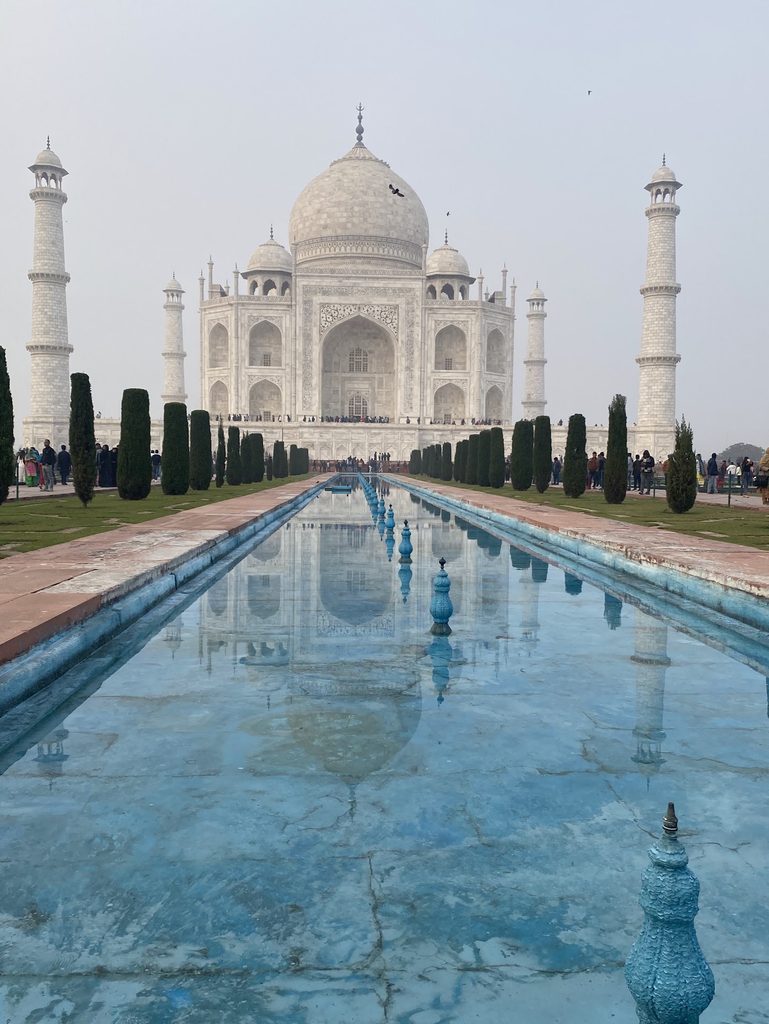
The Taj Mahal was commissioned by Mughal emperor Shah Jahan after the death of his wife Mumtaz Mahal, who died in 1631. Construction of the mausoleum began soon afterwards, creating what became one of the world’s great monuments to love and loss.
There is something almost unreal about its symmetry, the marble, the gardens and the way the building changes with the light. For once, even our noisy little travelling group went quiet.
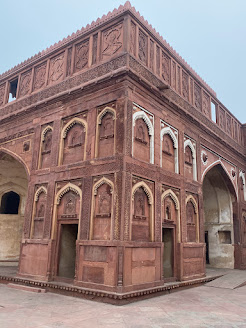
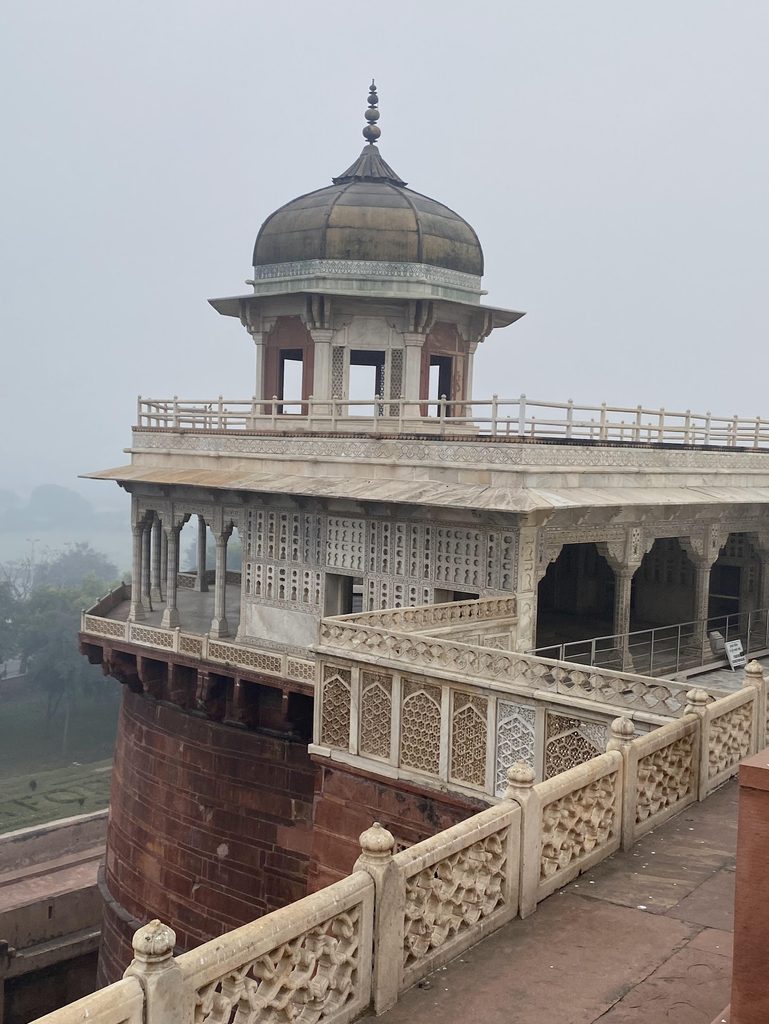
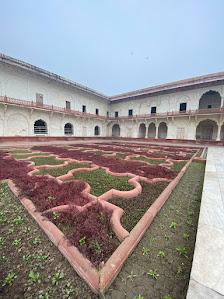
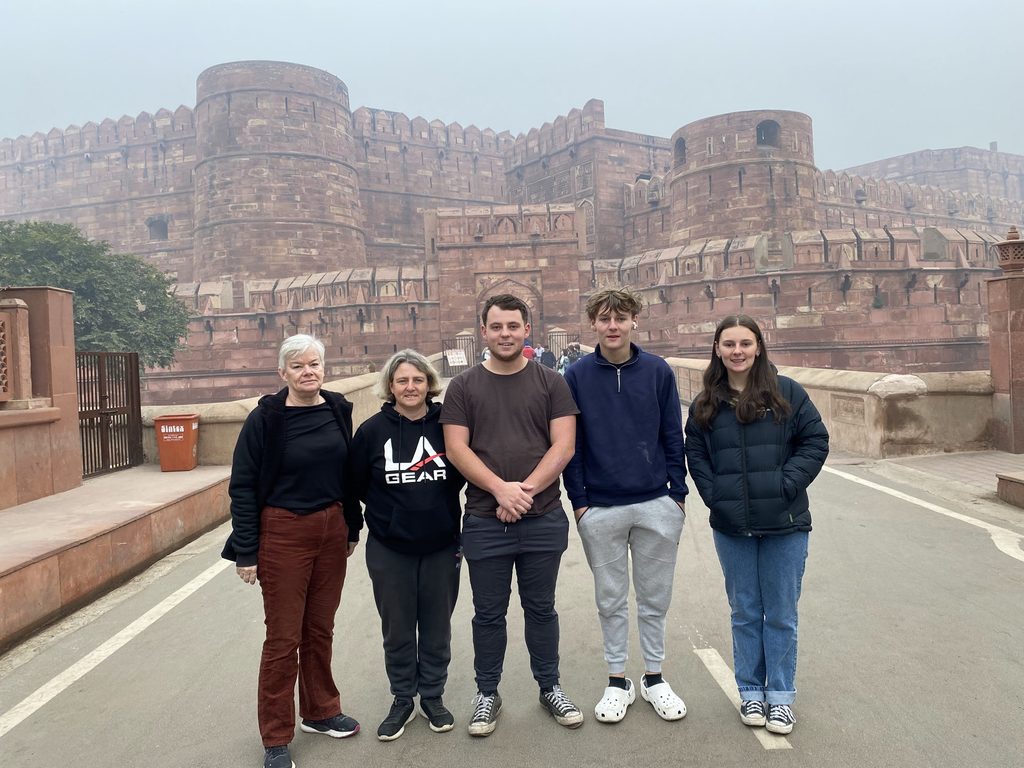
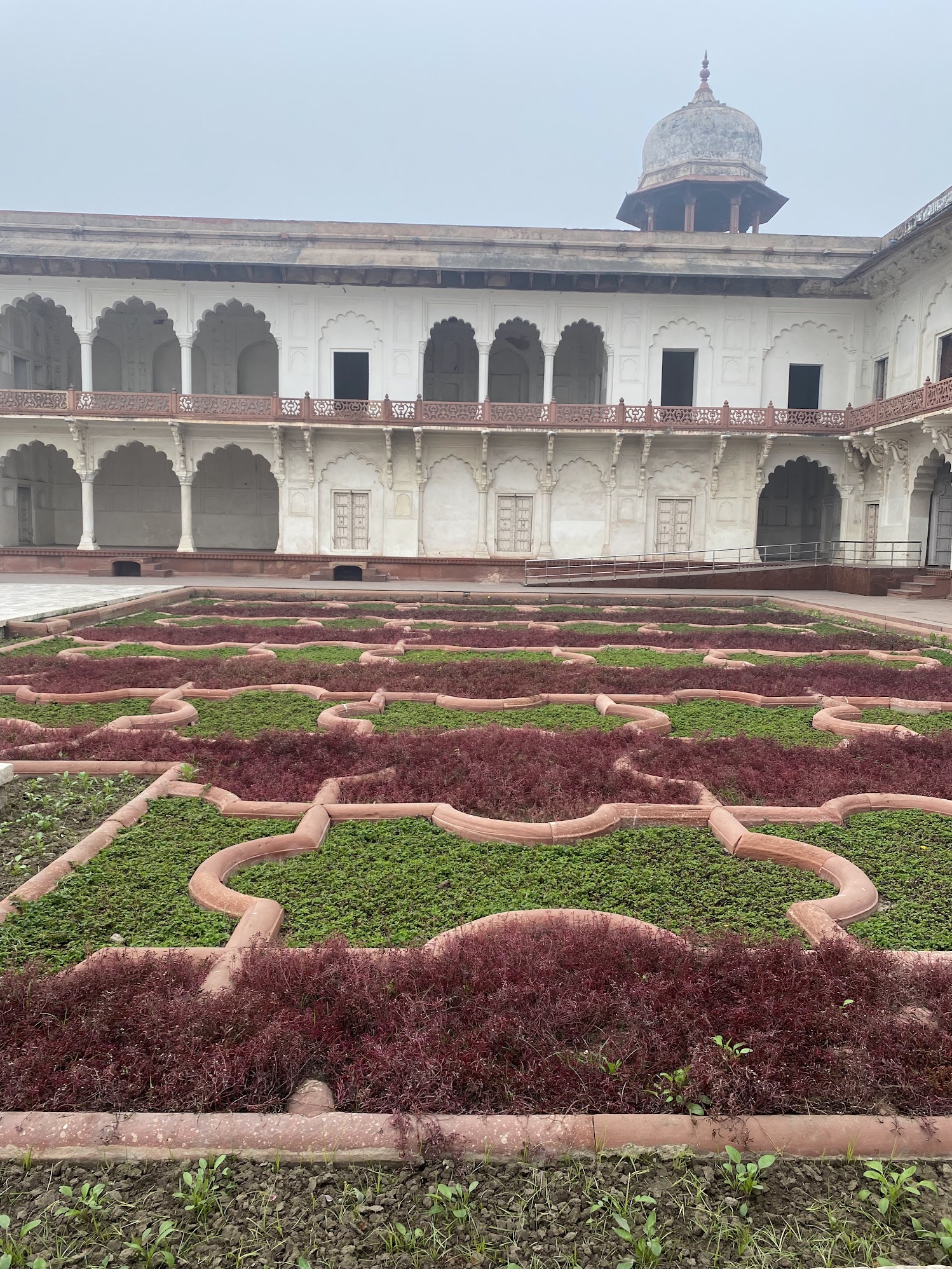
Not far away, Agra Fort showed us another side of Mughal India. Behind massive red sandstone walls is effectively an imperial city, filled with palaces, courtyards, audience halls and mosques. Parts were later rebuilt in white marble by Shah Jahan. The fort’s walls stretch for around 2.5 kilometres, and from parts of the complex you can look across towards the Taj Mahal.
One of our most important stops, though, wasn’t a palace.
At Sheroes Hangout, we met a very different India. The café was created to support women who had survived acid attacks, providing employment, community and a public space where survivors could be visible on their own terms. Sitting there eating and talking, knowing what some of these women had lived through, made it far more than another dinner stop.
We were lucky enough to have a lovely hotel in Agra too, with a beautiful garden that gave us somewhere to retreat after the dust, traffic and intensity outside. India could exhaust you during the day and then somehow give you a peaceful garden, a cold drink and the chance to sit together and process everything we’d seen.
Before moving on, we visited Fatehpur Sikri, the remarkable fortified city built by Emperor Akbar in the 16th century. Its huge courtyards, palaces, gateways and intricate red sandstone buildings once formed the Mughal imperial capital.
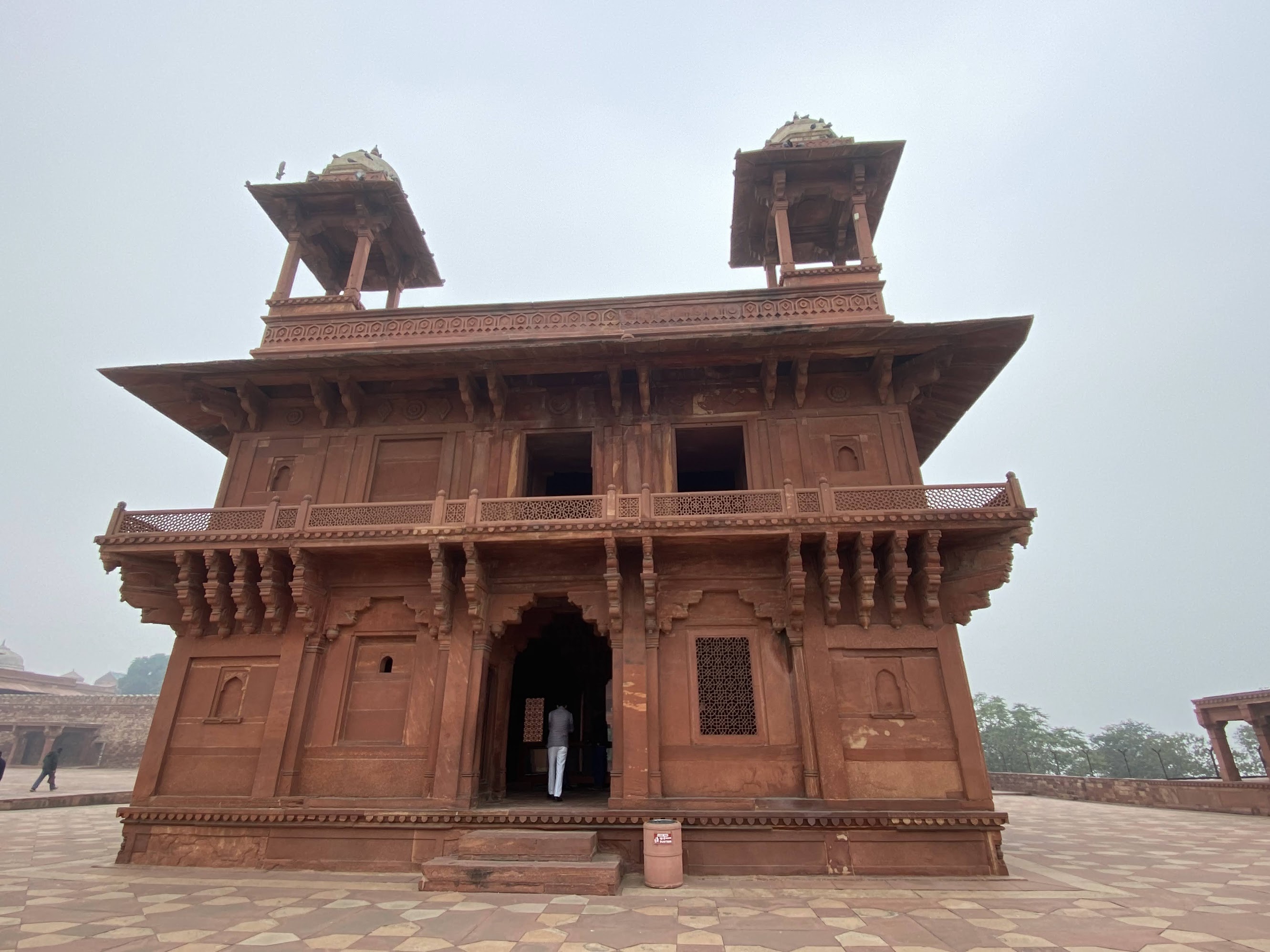
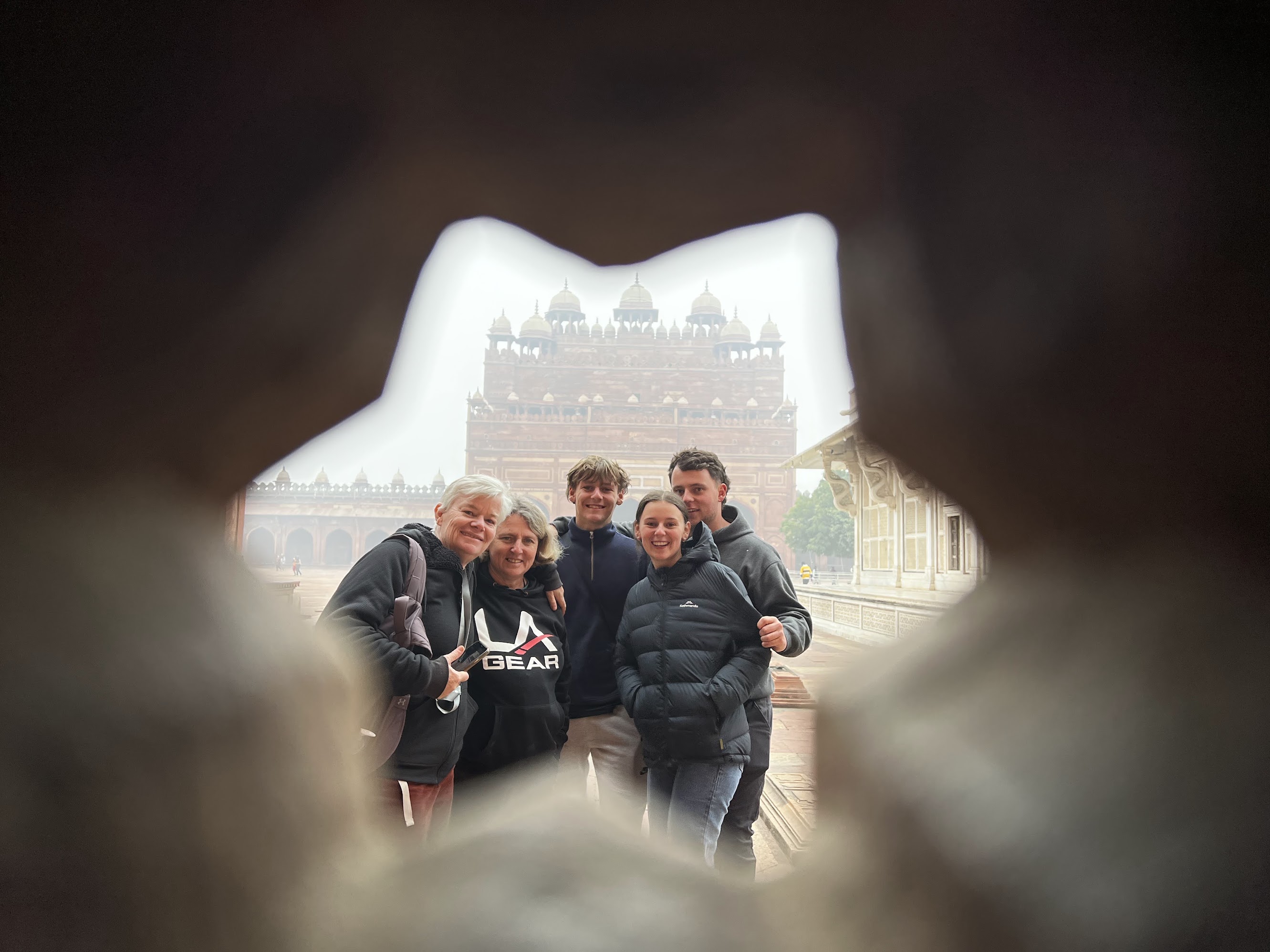
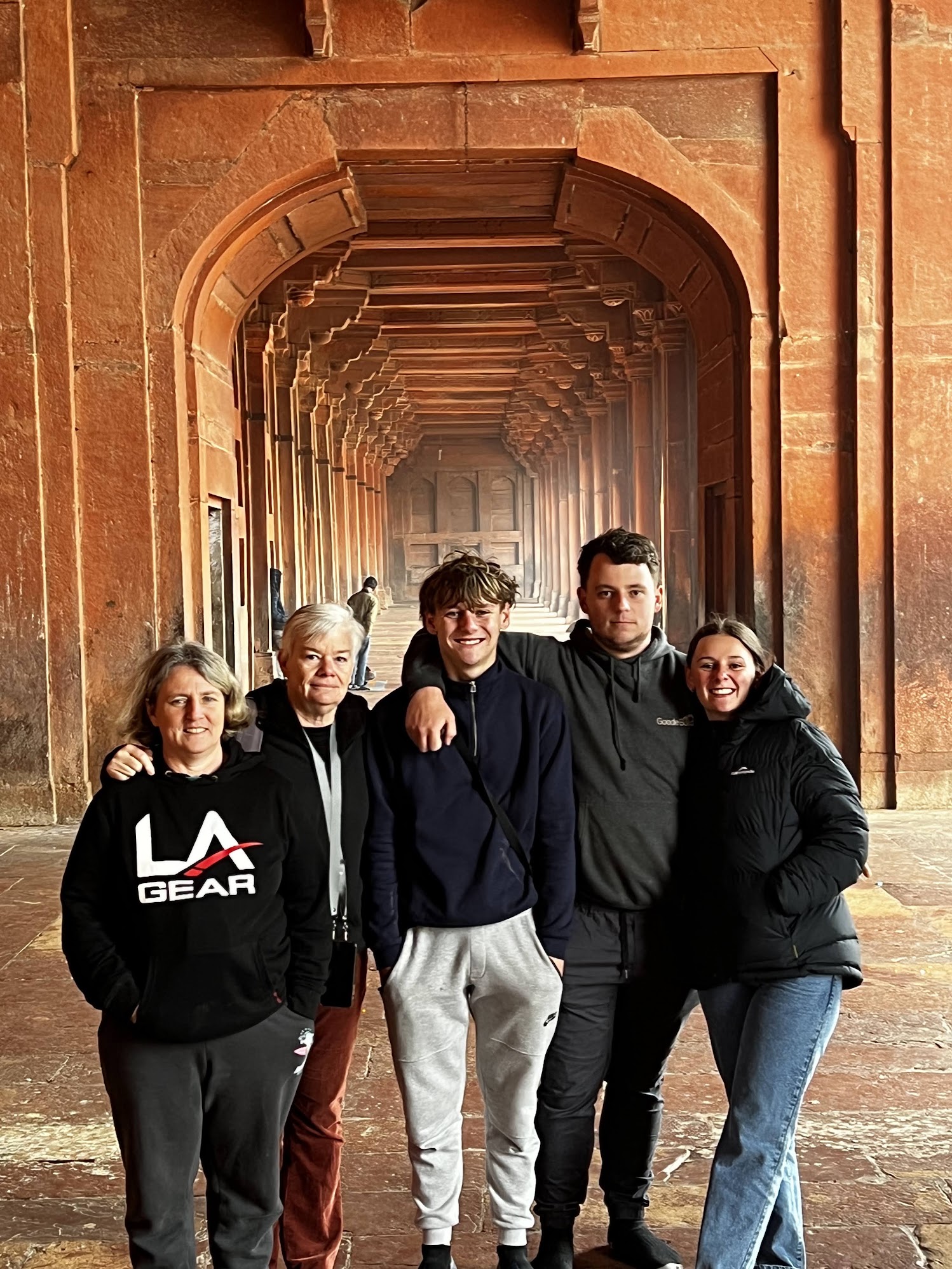
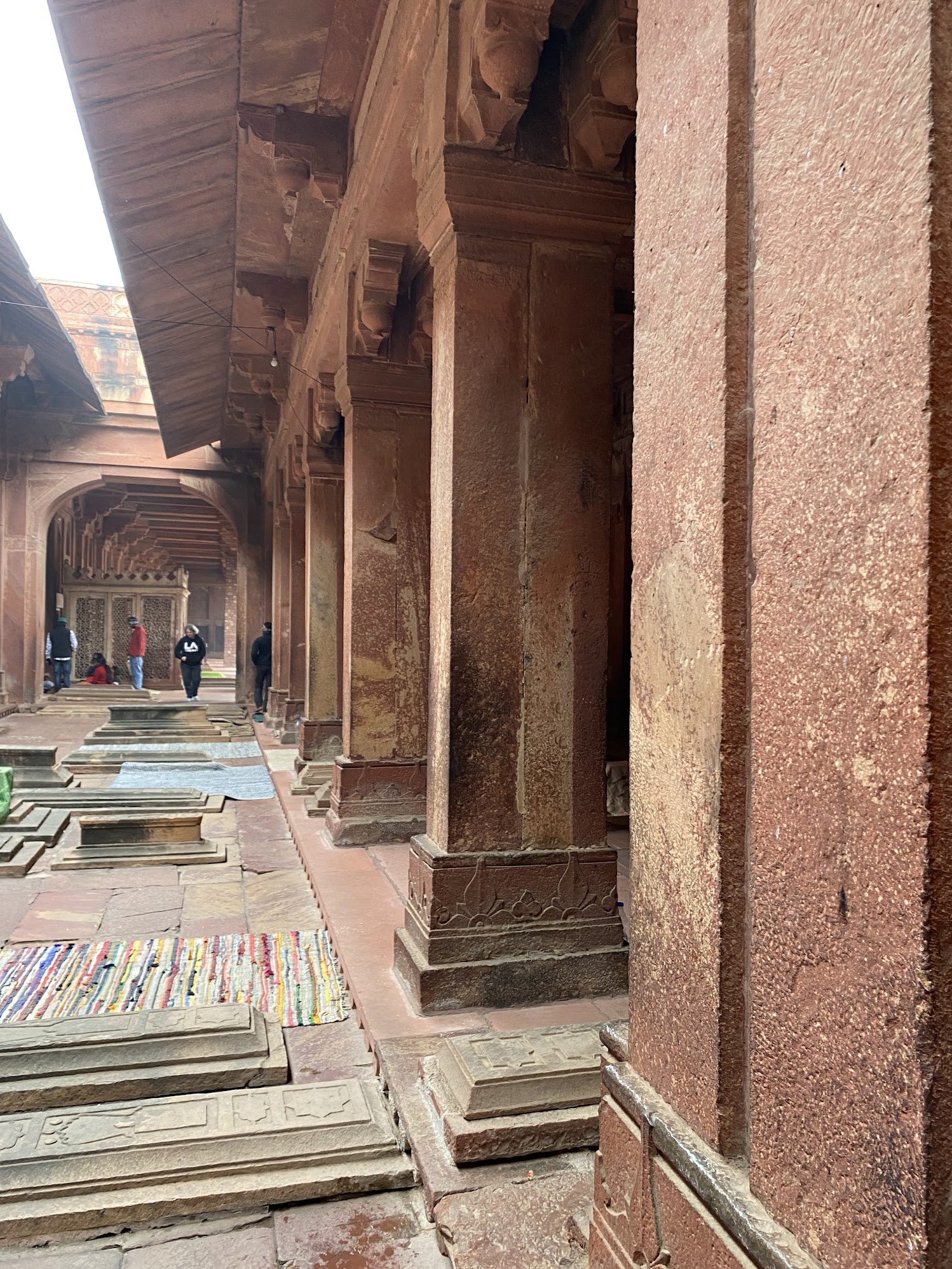
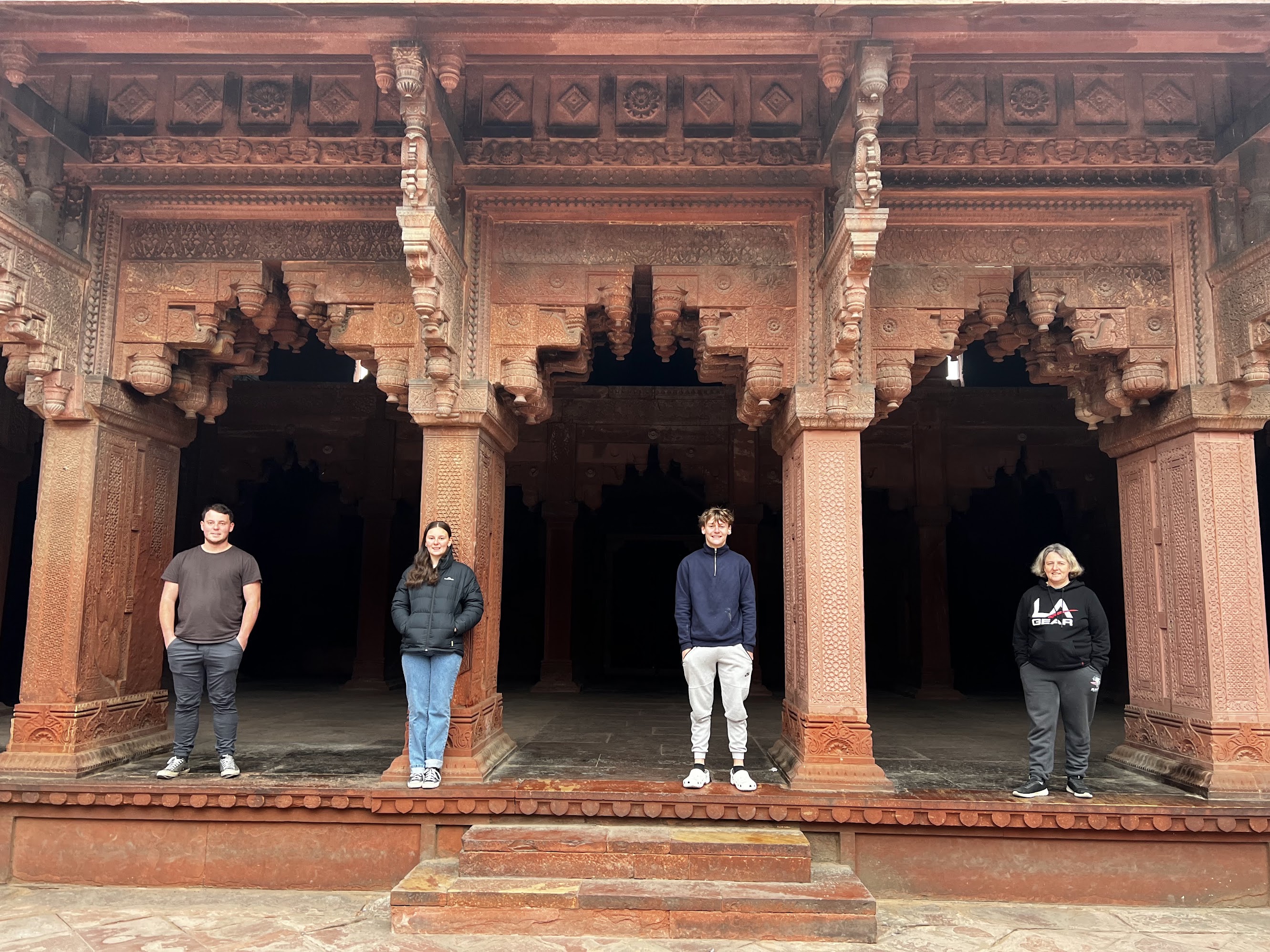
Walking through it felt like wandering through an abandoned city.
Agra had started with perhaps the most famous building in India, but what stayed with me was the contrast: extraordinary beauty, enormous imperial power, heartbreaking stories and remarkable resilience — sometimes all within a few kilometres of each other.
Ranthambore — Tigers at Last
Next stop was Ranthambore National Park, and this was one we had all been looking forward to.
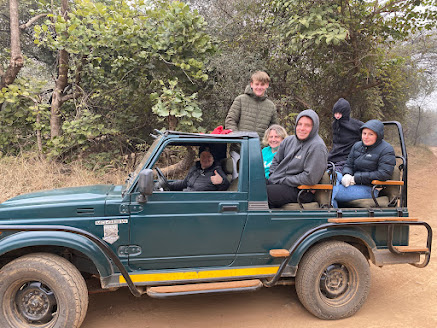
We were up before sunrise for an early morning jeep safari, rugged up against the surprisingly bitter cold. Rajasthan is not somewhere I had imagined feeling freezing, but bouncing around in an open jeep at dawn quickly changed that.
We searched and searched.
Tracks in the dirt. Alarm calls from animals. Guides scanning the bush.
No tigers.
It was still beautiful, but there was definitely a sense of disappointment as we left the park.
Then came the second safari.
This time, everything changed.
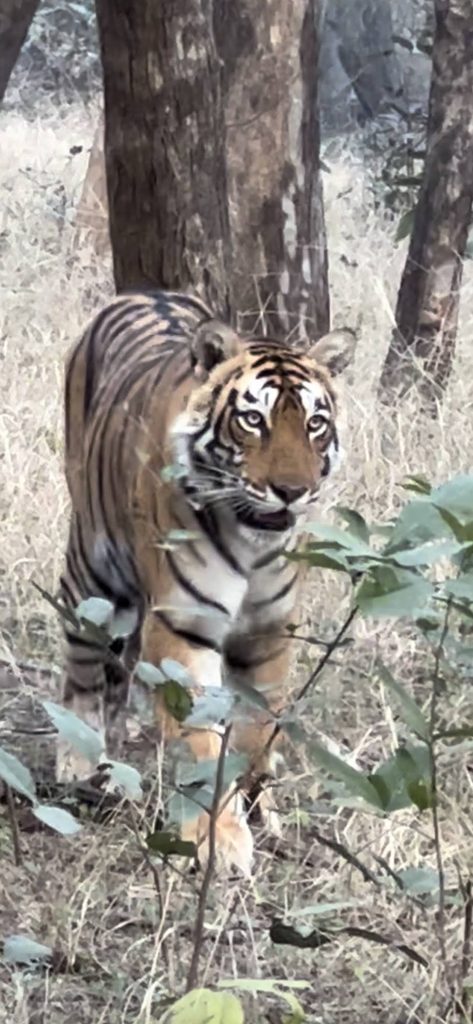
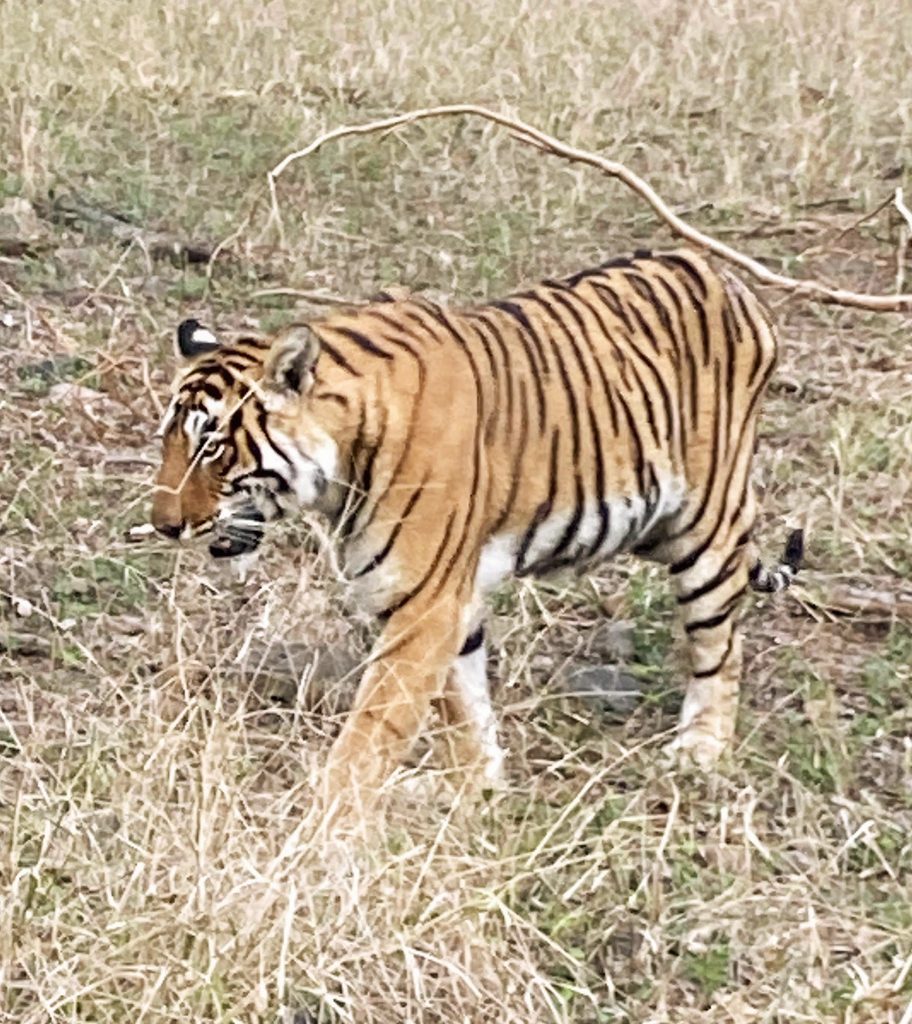
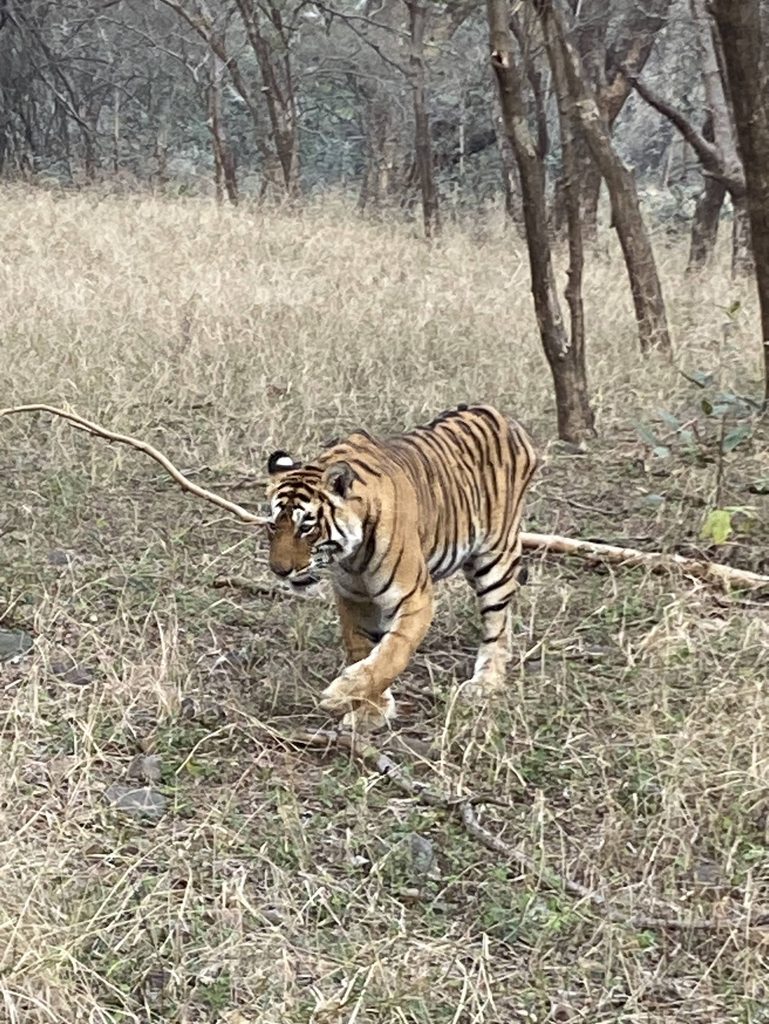
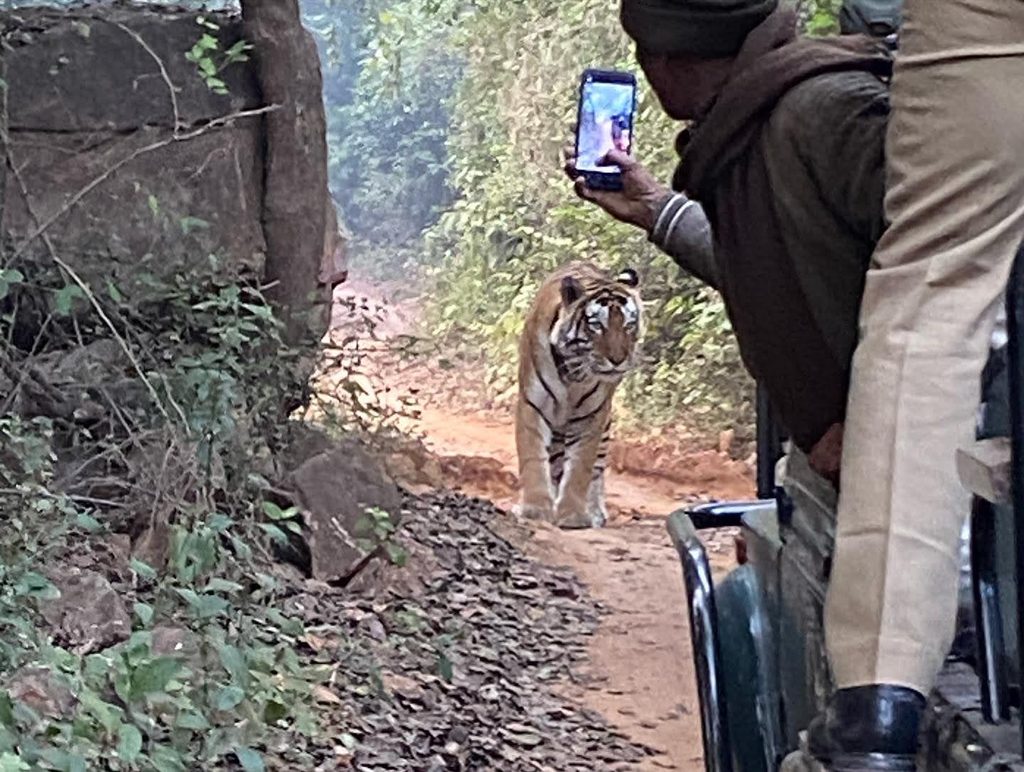
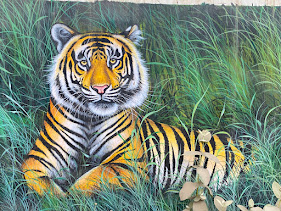
We saw four wild tigers.
Nothing really prepares you for seeing a tiger in its natural environment. They are huge, powerful and impossibly beautiful, moving through the landscape with complete confidence. No cages, no zoo barriers — just us sitting quietly in a jeep while these magnificent animals went about their lives.
We were ridiculously excited.
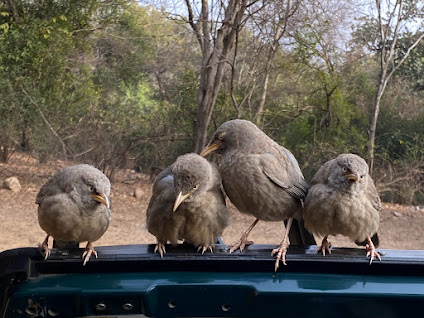
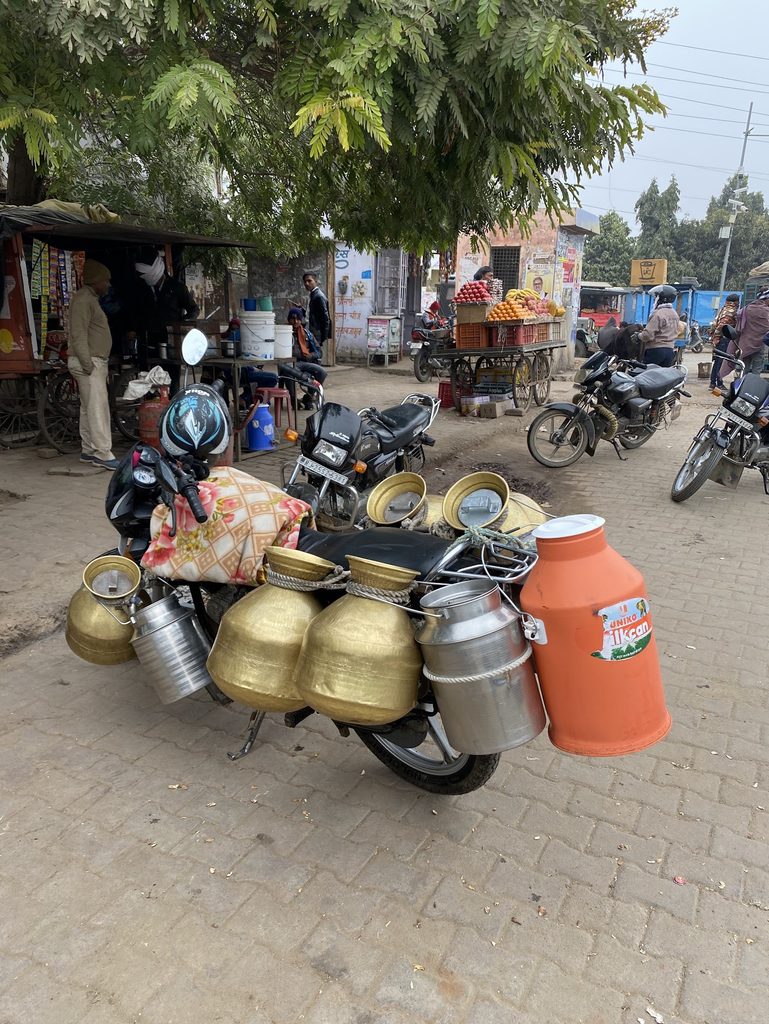
Outside the park, the town felt like a much more everyday version of India: busy streets, small shops, traffic and people simply getting on with their day.
One of our favourite discoveries was a local eating area that reminded us of a collection of food trucks, with different stalls around a shared communal seating space. It was casual, noisy and a brilliant place for dinner.
While we were there, a man came over and asked if I was from the James Bond movies.
For one glorious second I considered whether he had mistaken me for a Bond girl.
Realistically, I think he meant M.
I’ll take it.
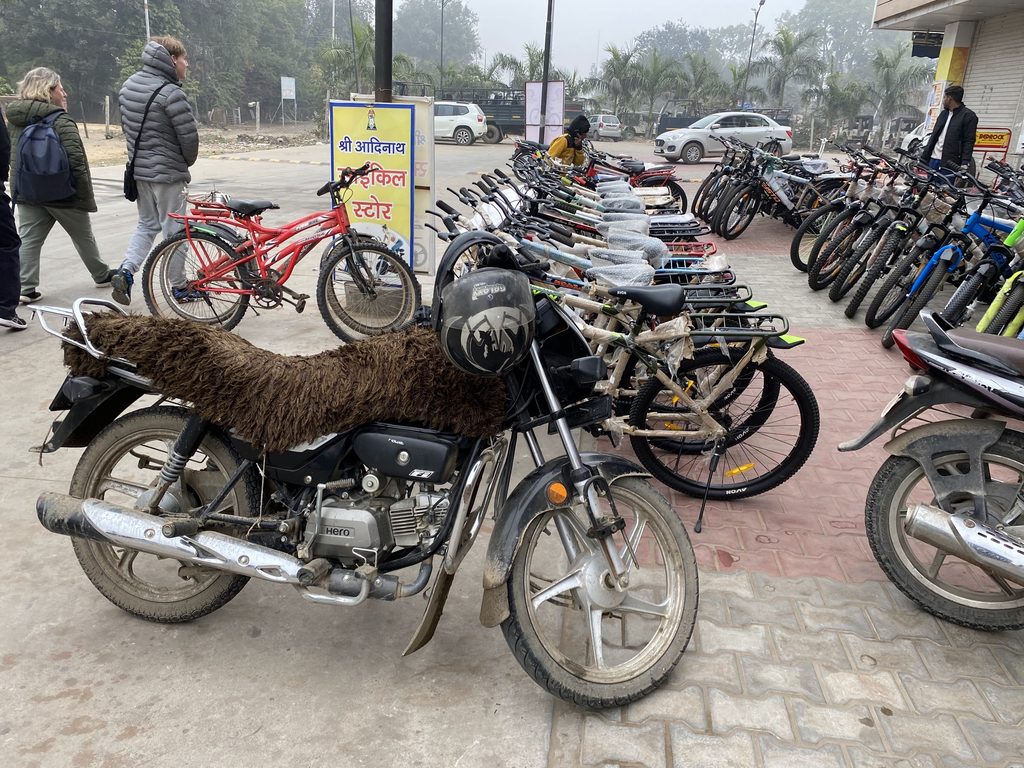
Bundi — Cricket, Cows and a Slightly Dodgy Homestay
On the way, we stopped in Indergarh, where somehow we ended up playing cricket with locals. It was one of those completely unplanned travel moments that becomes more memorable than many of the things you actually organise. There was plenty of laughing, very questionable technique and absolutely no concern about the score.
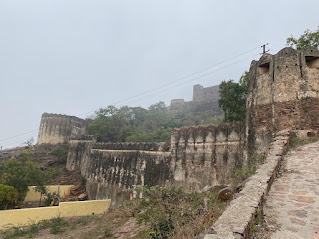
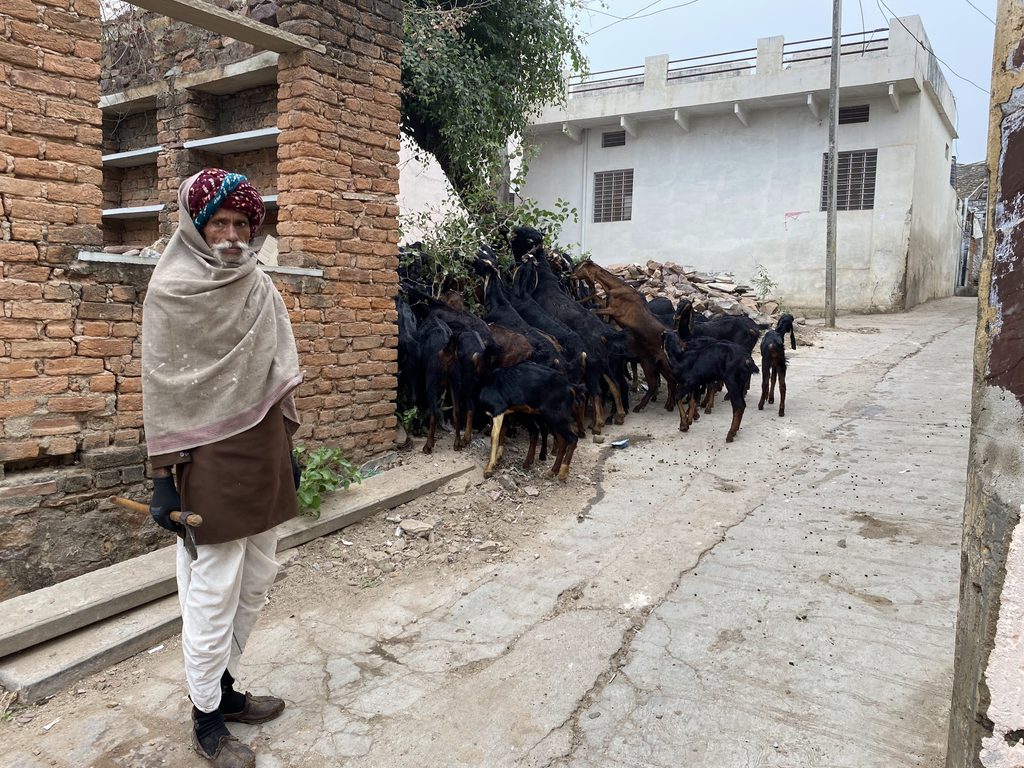
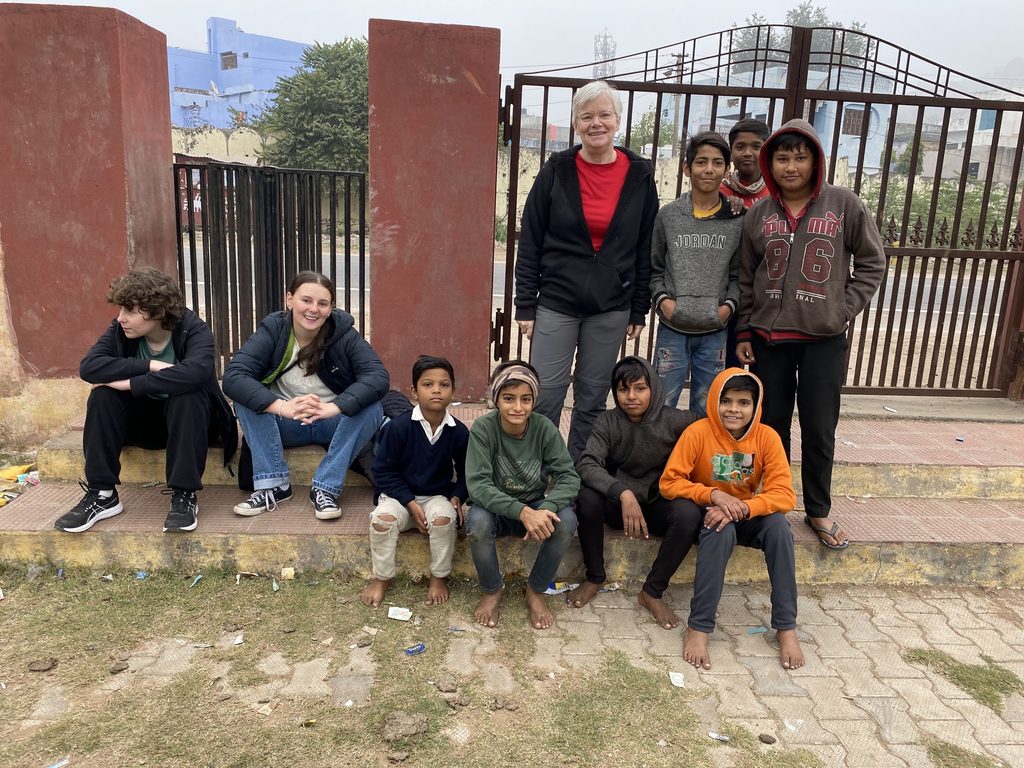
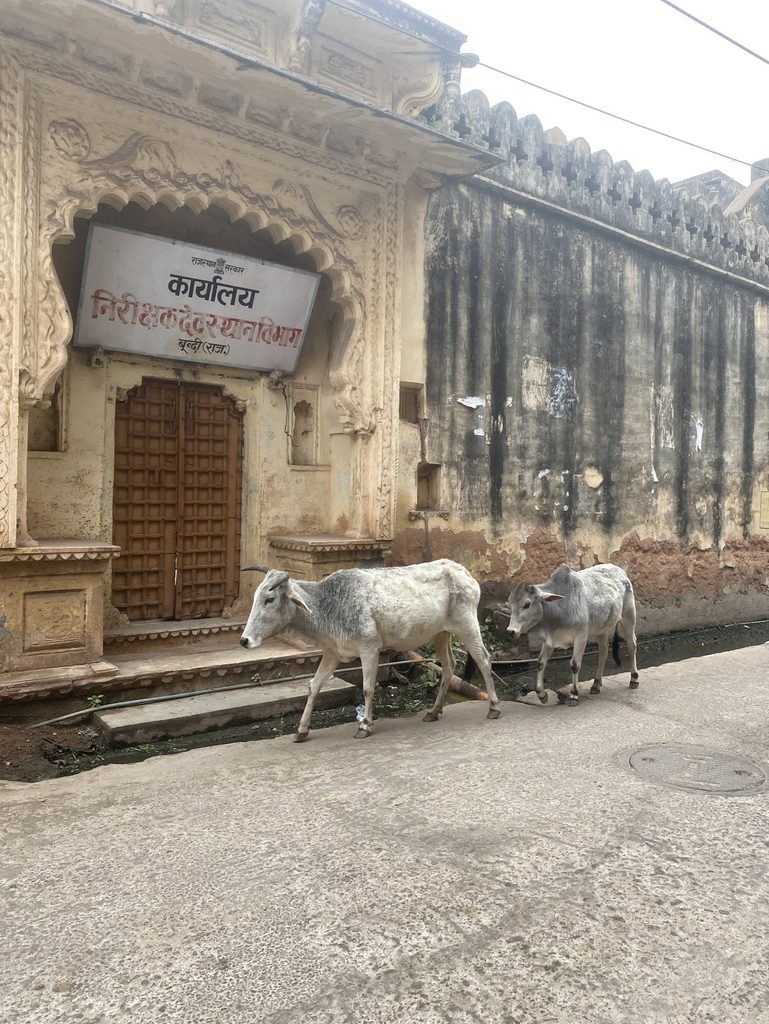
Then we reached Bundi, a smaller Rajasthani town that felt far less polished than some of the better-known tourist stops, and that was part of its charm. The old town is a maze of narrow lanes, faded blue houses, temples, cows, scooters and little shops, all sitting beneath the huge Taragarh Fort.
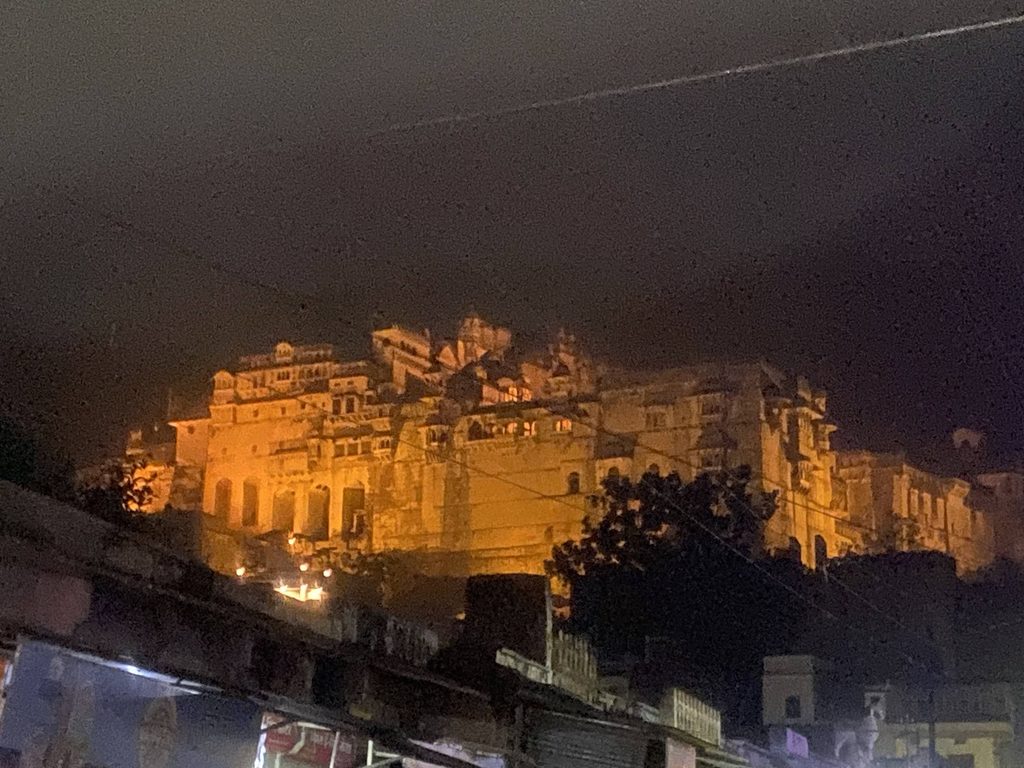
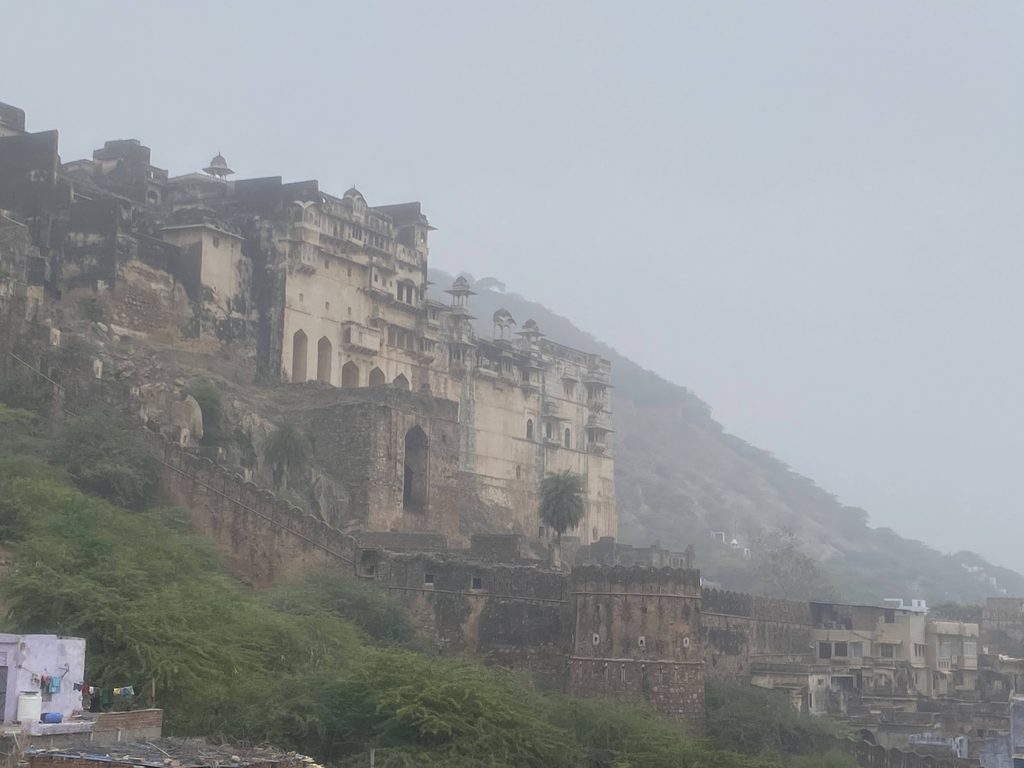
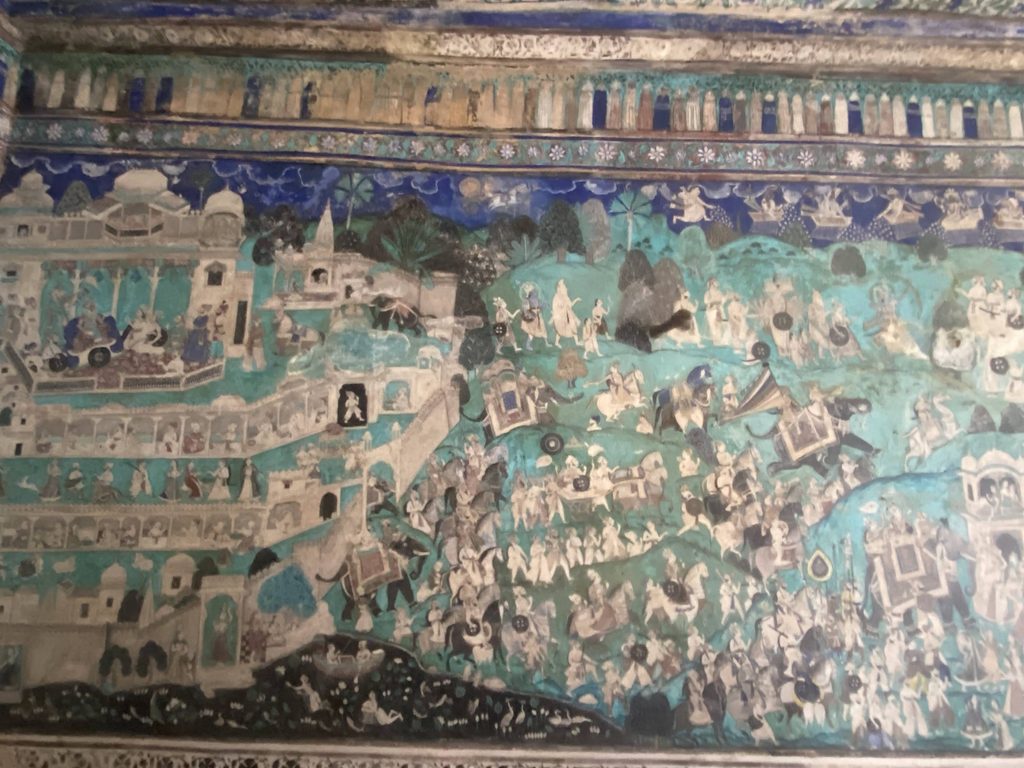
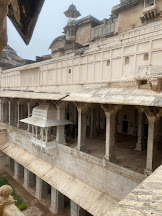
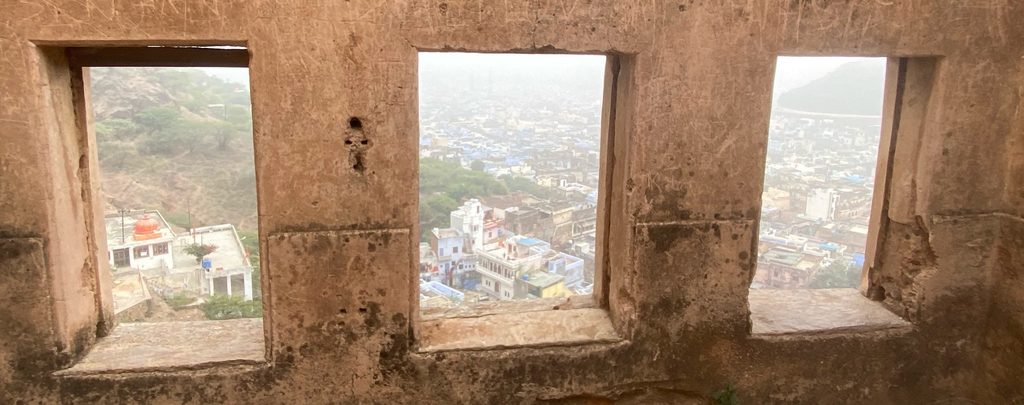
The fort dominates the hillside above Bundi. Built from the 14th century onwards, it is less manicured than many of Rajasthan’s famous forts, which somehow makes it more atmospheric. We wandered through old gateways, walls, courtyards and ruined sections while looking down over the town and Nawal Sagar Lake below.
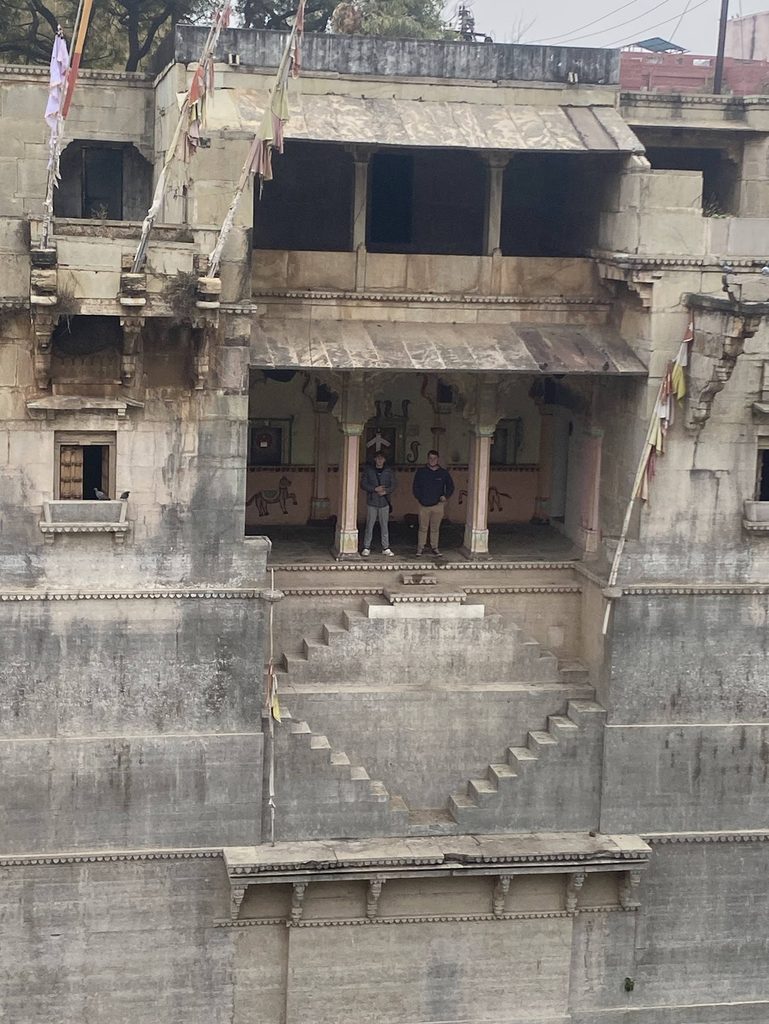
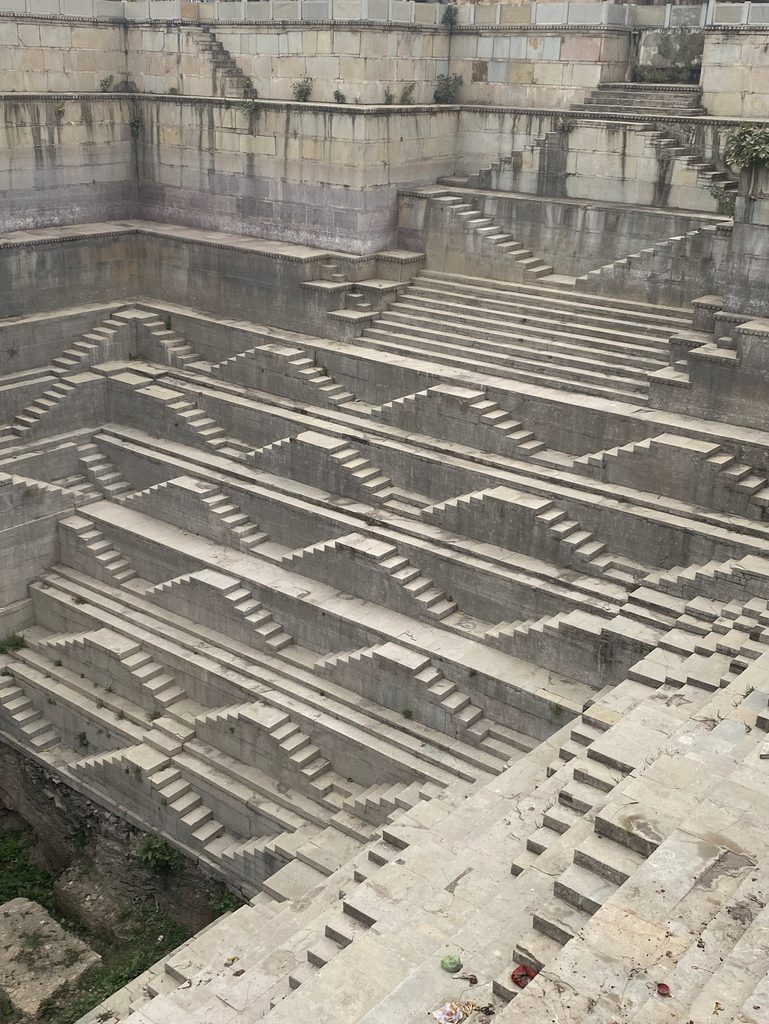
Near the centre of town, we also visited Nagar Sagar Kund, the twin stepwells with their geometric flights of stone steps. Like many stepwells in India, they were practical structures for collecting water but were also important community spaces.
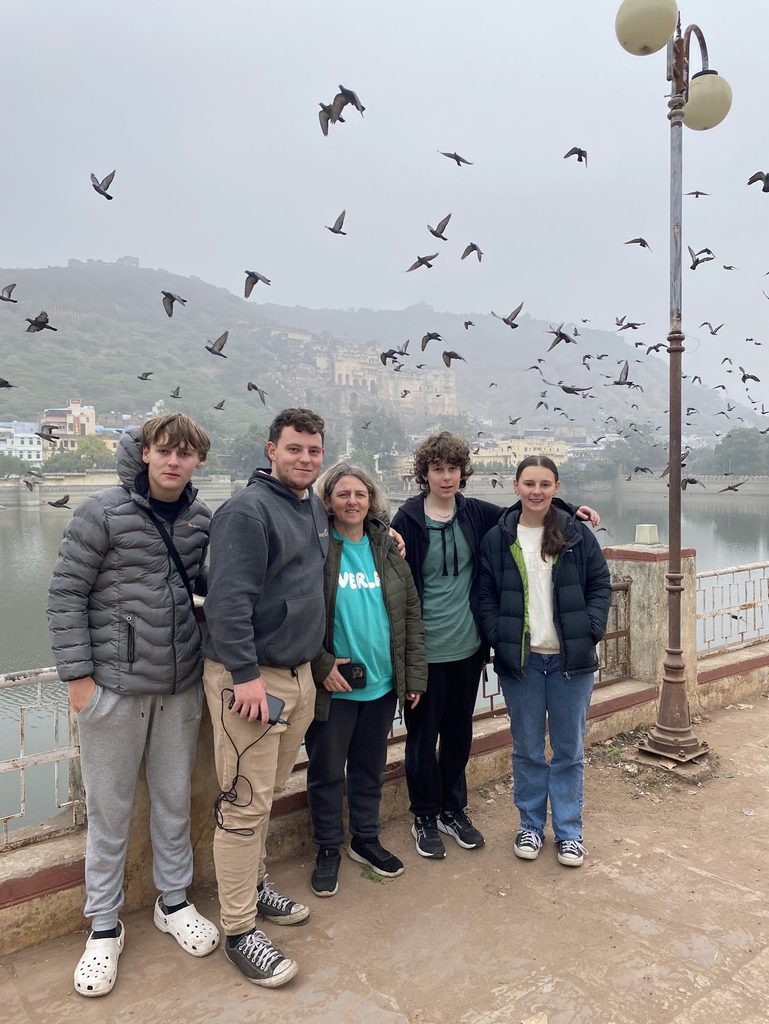
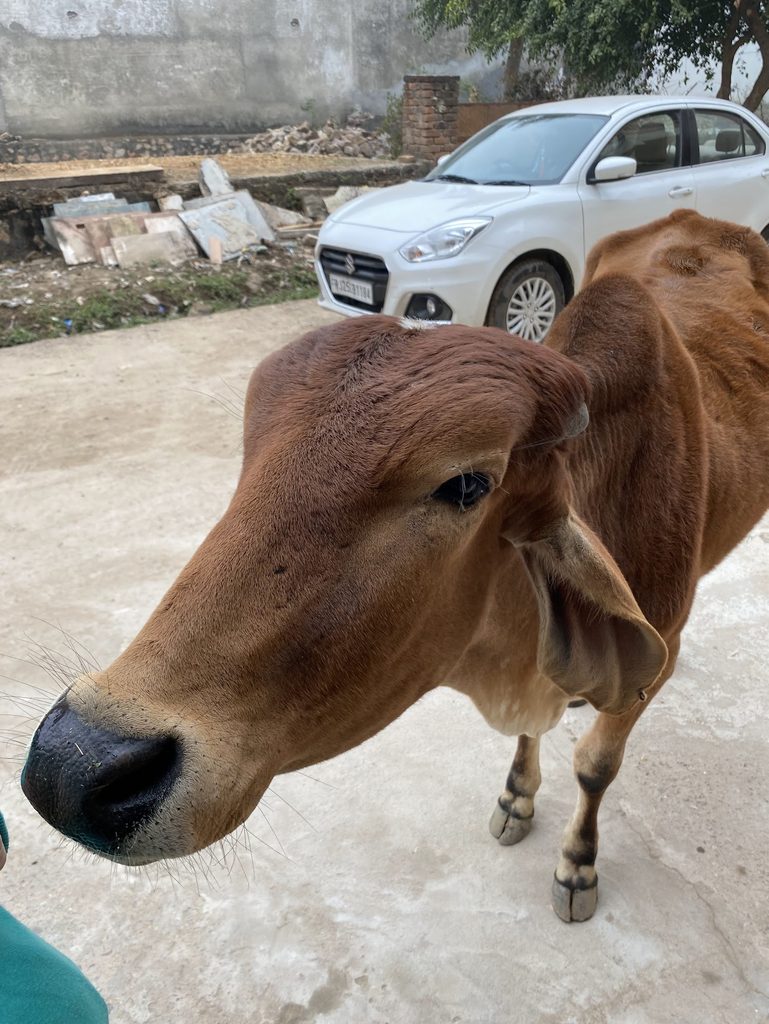
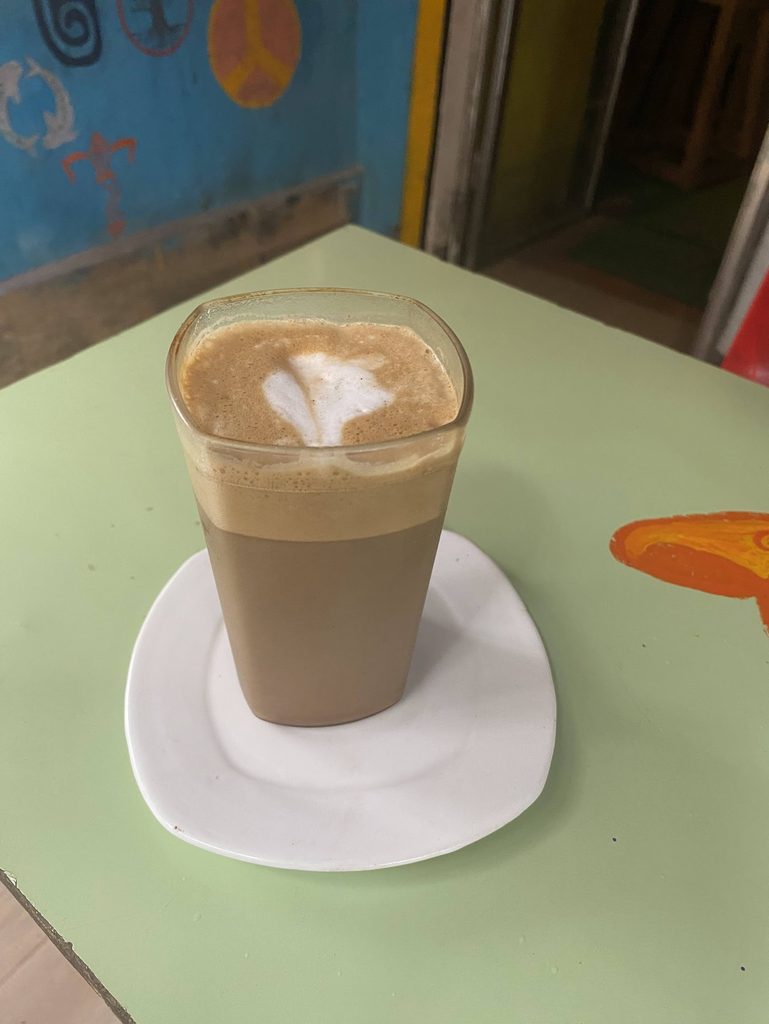
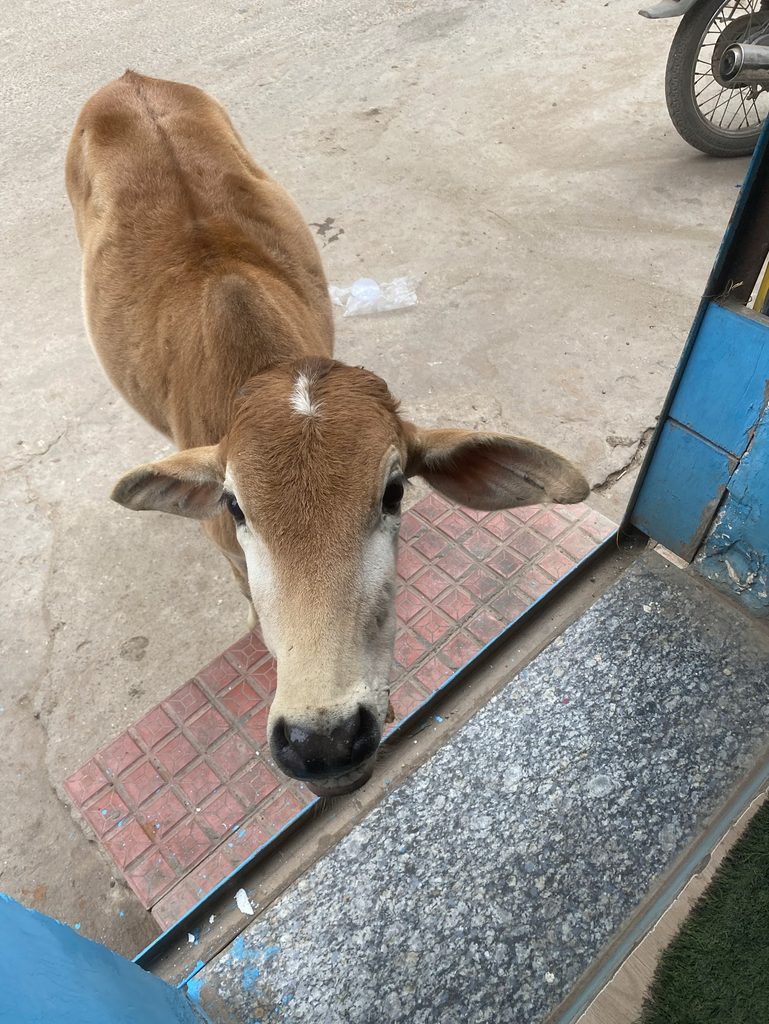
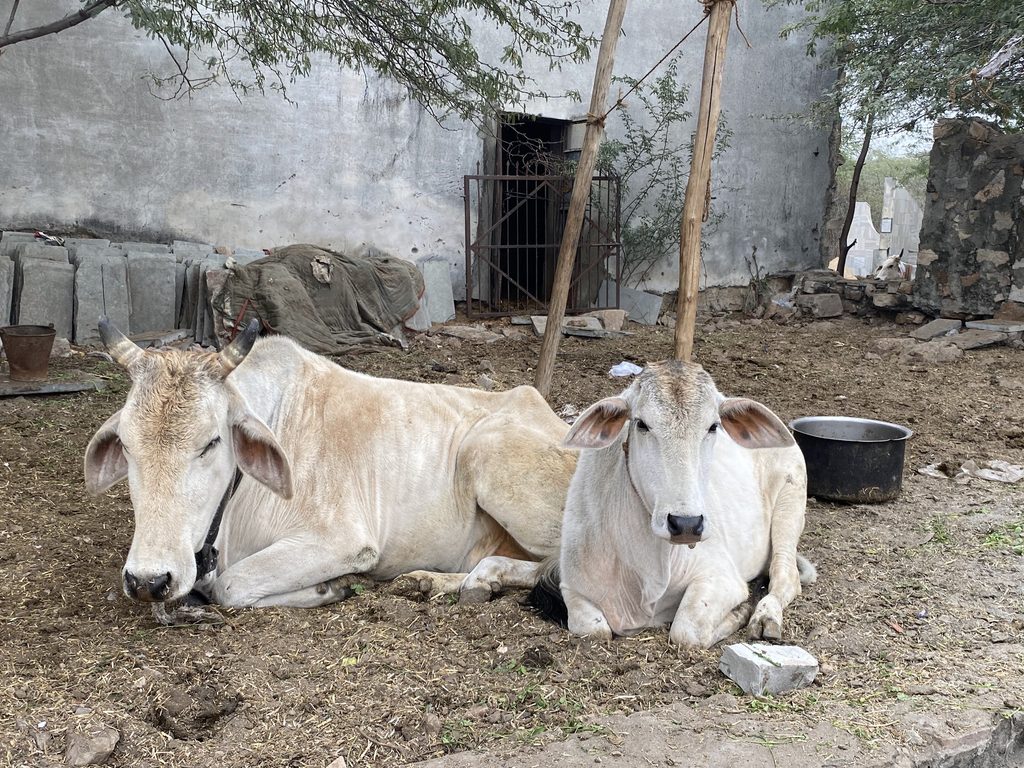
Bundi gave us another classic India moment when we found genuinely good coffee and shared the experience with a very friendly cow nearby. By this stage, having cattle involved in breakfast barely seemed unusual.
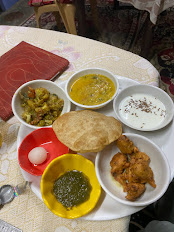
Dinner at Jay’s was excellent and operated on a pay what you want basis, which sounded slightly suspicious but turned out to be one of our best meals.
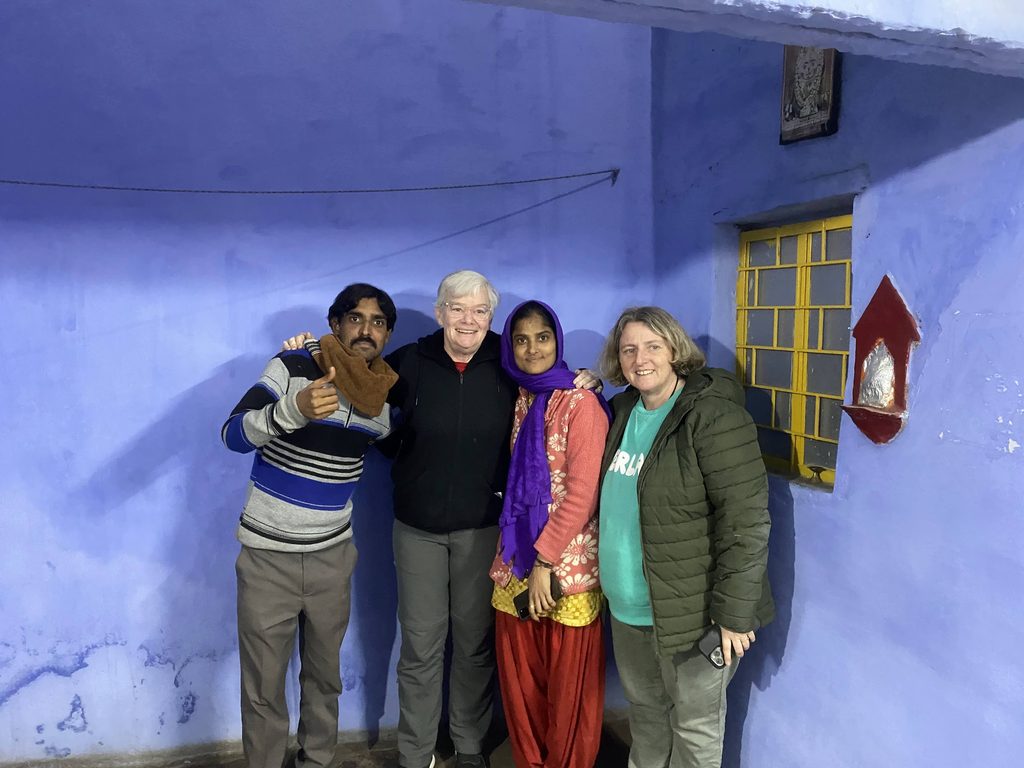
Our homestay, unfortunately, was rather less impressive. Calling it “rustic” would probably be generous. It was definitely leaning towards dodgy, but by then we had become fairly adaptable.
While we were there, a major Hindu celebration was taking place and we were invited to join in. We would have loved to, but unfortunately we were leaving.
That was Bundi really: cricket, ancient forts, stepwells, lakes, questionable accommodation, excellent food, cows with your coffee and another invitation into local life that made us wish we had just one more day.
Jaipur — Palaces, Elephants and a Pink Tuk-Tuk
Jaipur felt bigger, busier and even more colourful than the towns we had just come through. This was the Pink City, and once again India seemed determined to give us several completely different experiences in the space of a few days.
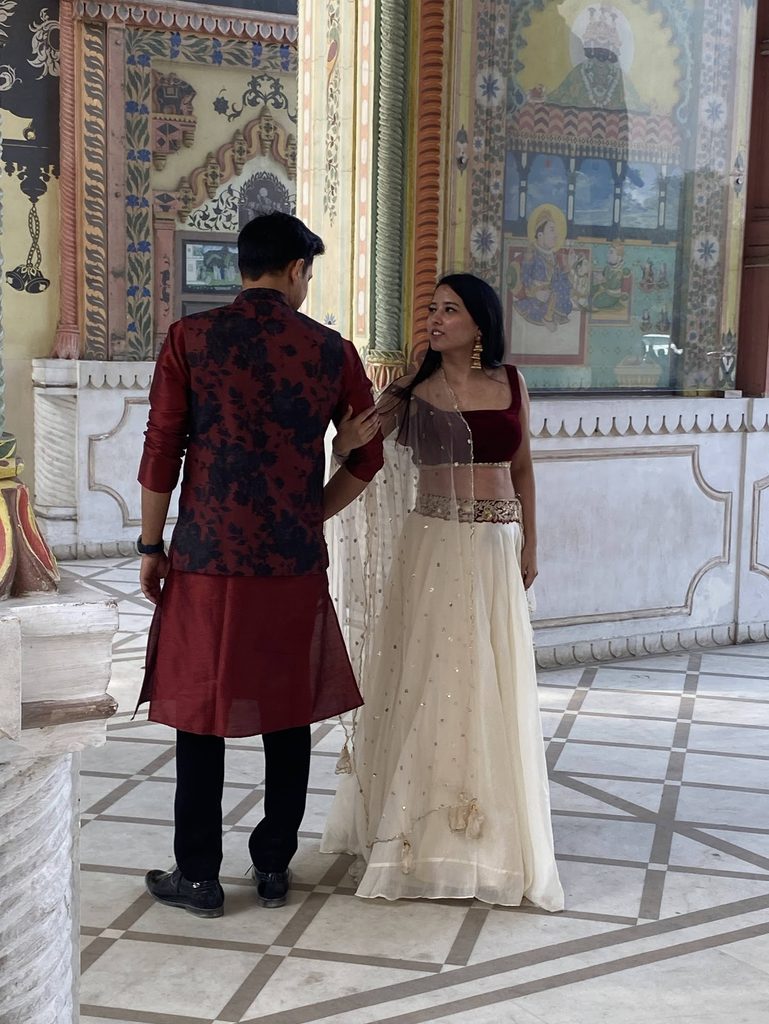
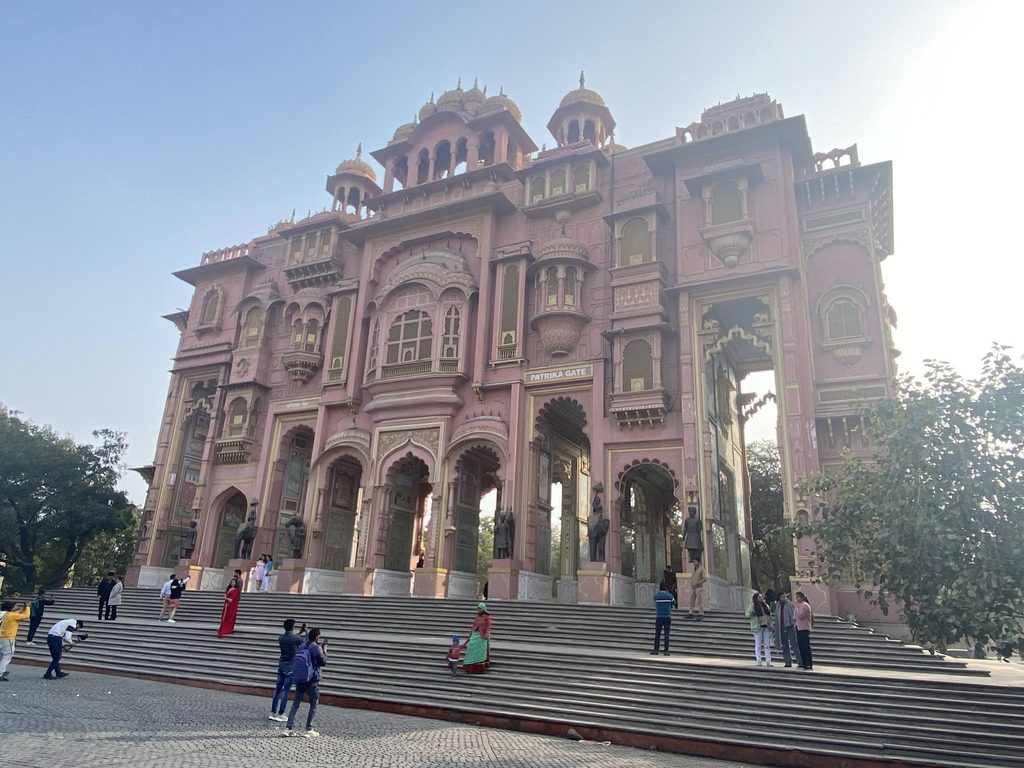
Our first stop was Patrika Gate, one of Jaipur’s most photographed entrances. From the outside it is impressive enough, but inside the arches are covered in extraordinarily detailed paintings and designs representing Rajasthan’s architecture, landscapes and traditions. It was a very colourful introduction to the city.
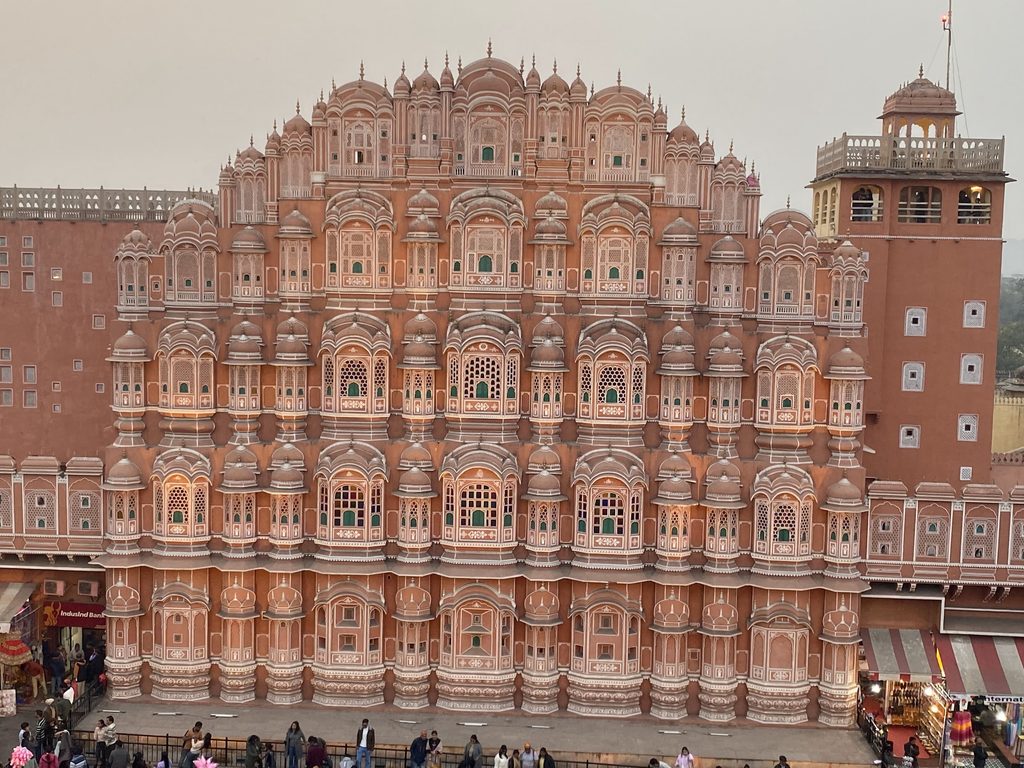
Then came the unmistakable Hawa Mahal — the Palace of Winds. Built in 1799, its famous pink façade is filled with hundreds of small latticed windows. These allowed women of the royal household to watch the life and processions of the streets below without being seen themselves, while also allowing air to circulate through the building.
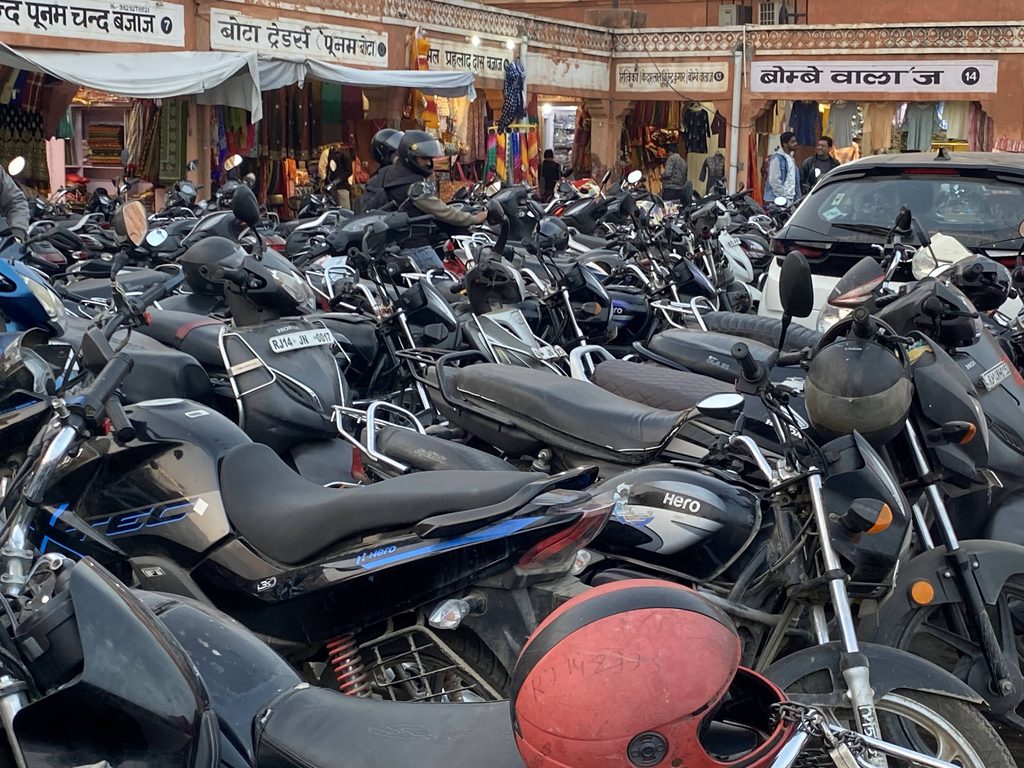
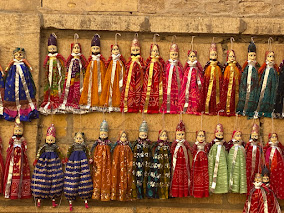
The streets and markets around it were another matter entirely. At times there were so many people we simply couldn’t move. Add tuk-tuks, scooters, vendors, noise, smells and the occasional slightly spooky-looking traditional puppet hanging from a stall and Jaipur’s markets became an experience in themselves.
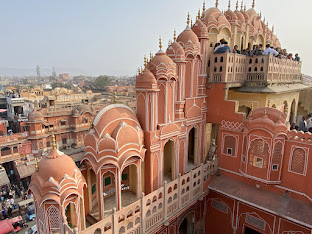
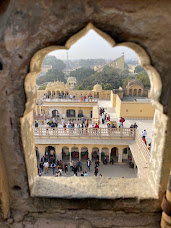
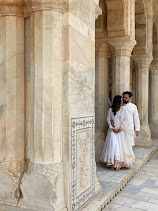
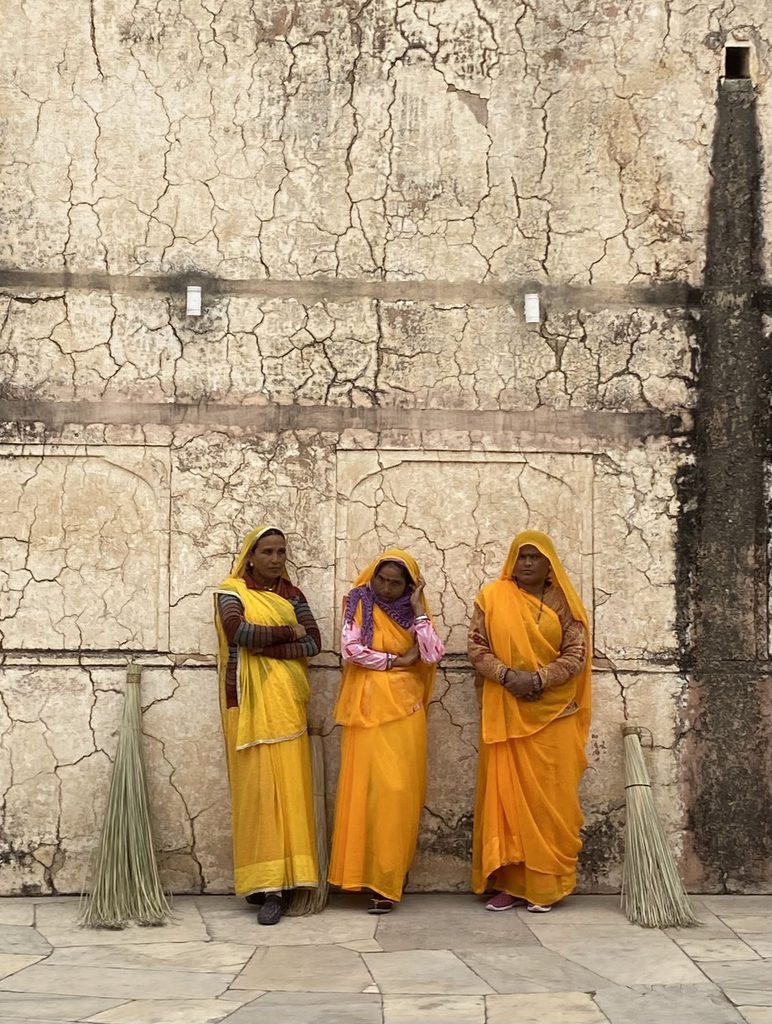
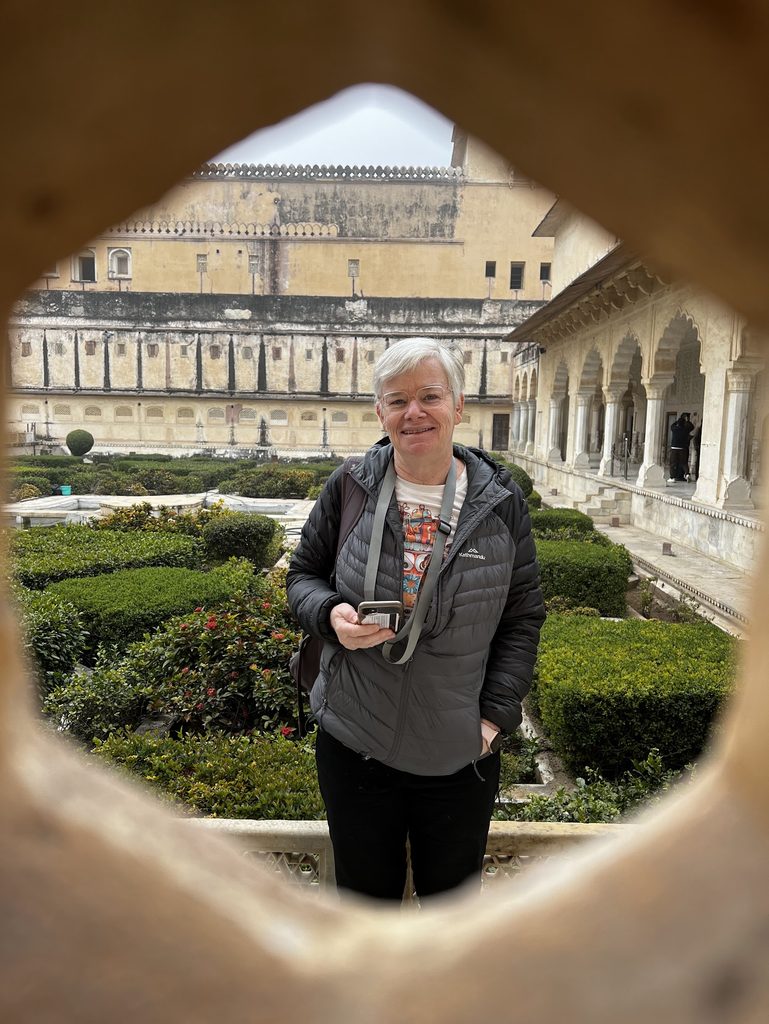
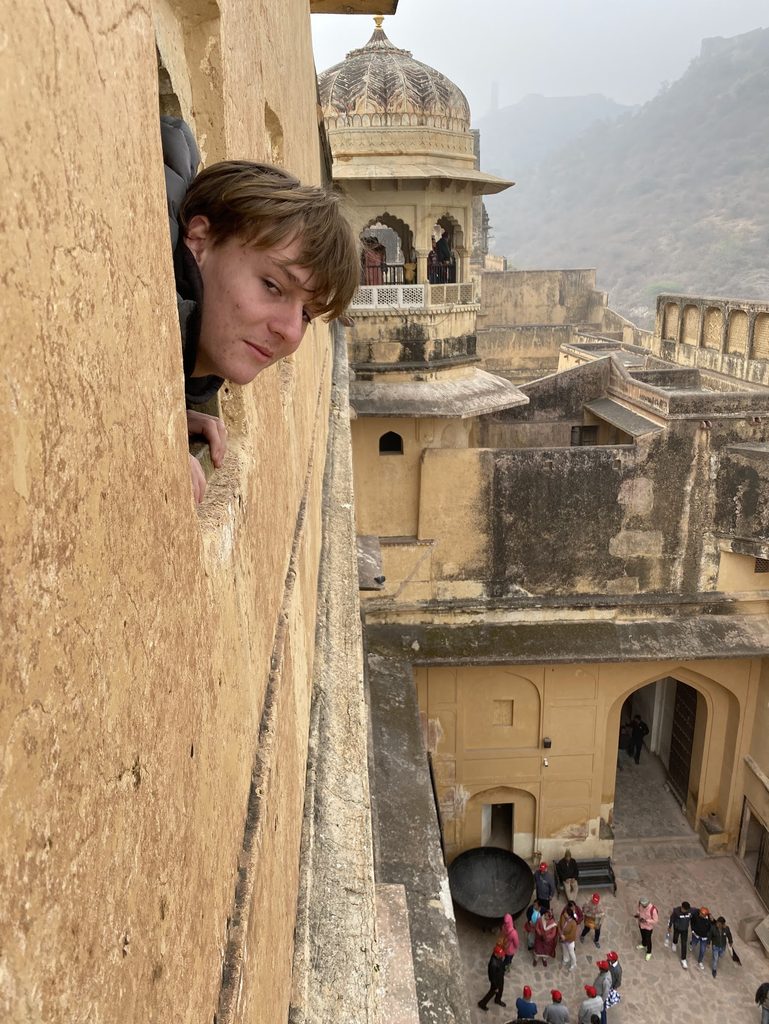
We visited Amber Palace, sitting high above the city in the hills. Built from sandstone and marble, it is really an enormous fortified palace complex of courtyards, royal apartments, temples, gardens and the beautiful mirrored Sheesh Mahal.
One thing I didn’t like was that elephants were still being used to carry tourists up to the palace. Whatever the tradition or tourist appeal, watching them work in that environment didn’t sit comfortably with me.
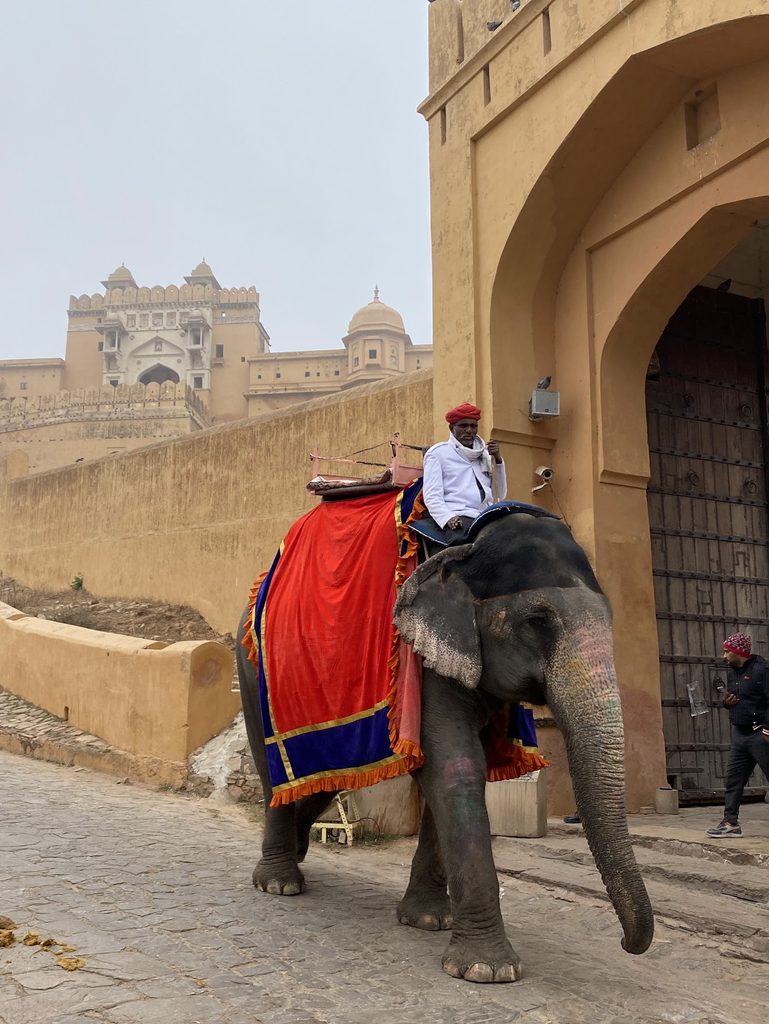
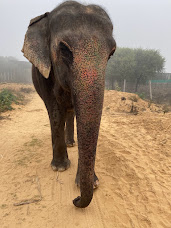
Later we visited Hathi Gaon — Elephant Village. Spending time around the elephants at ground level was fascinating, but it also made us think much more about the complicated relationship between tourism, employment, tradition and animal welfare.
As part of that visit we were taken into someone’s home for lunch. These are often my favourite travel experiences: sitting in an ordinary family home, eating home-cooked food and getting a glimpse of daily life rather than another restaurant created for tourists.
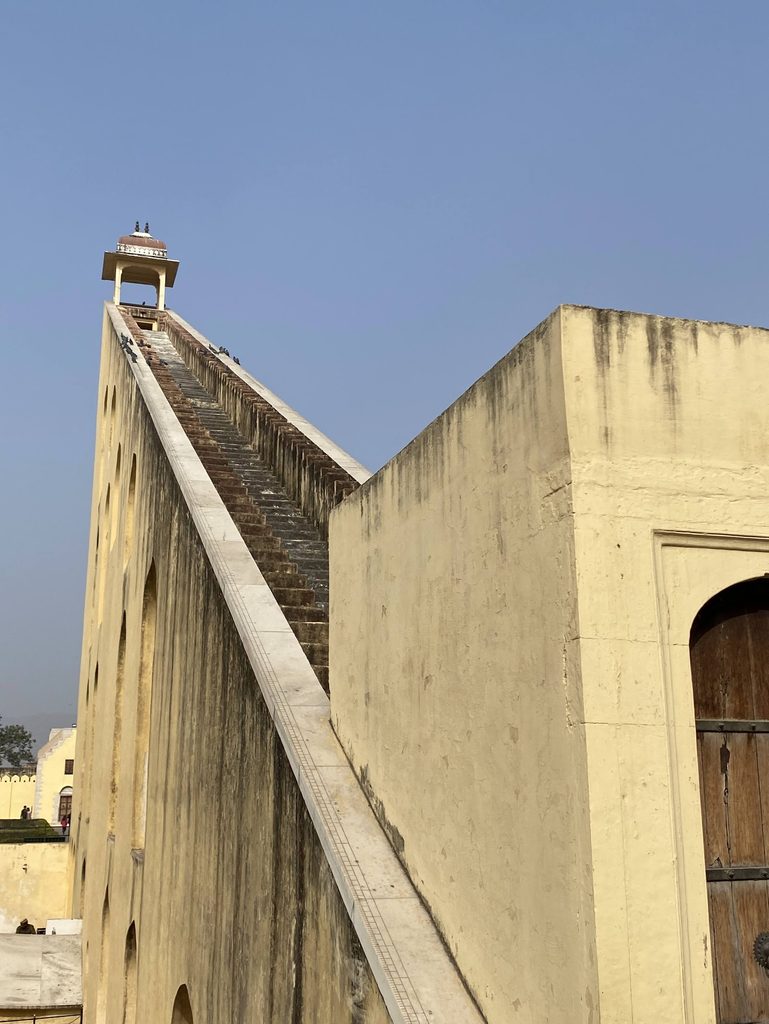
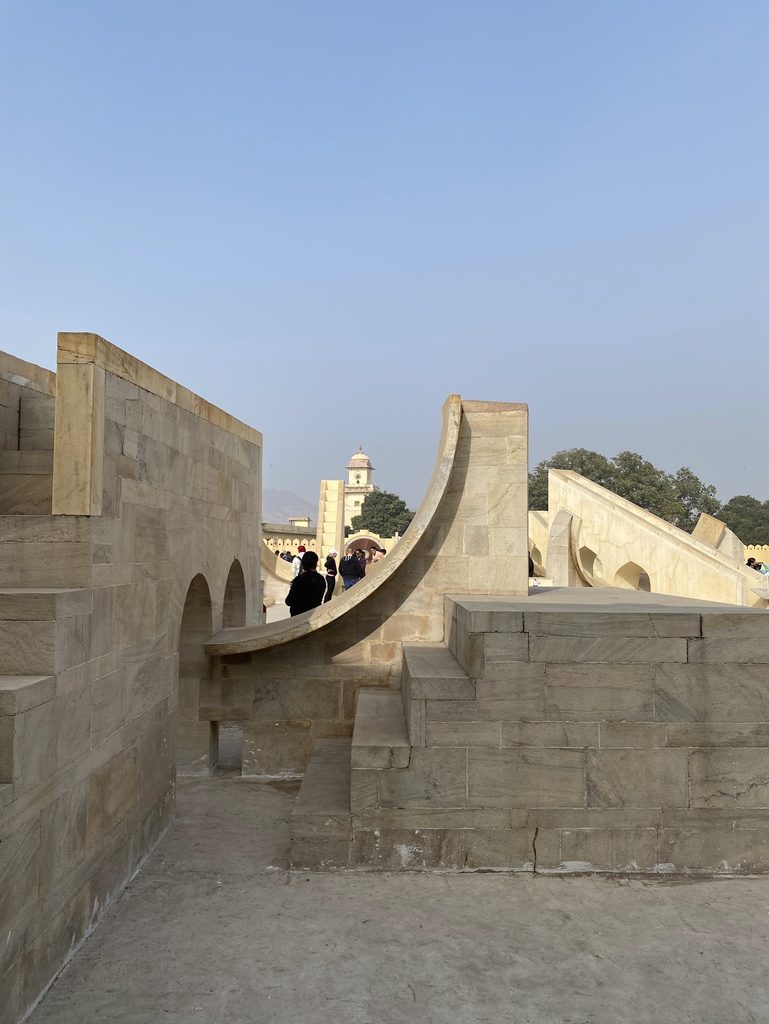
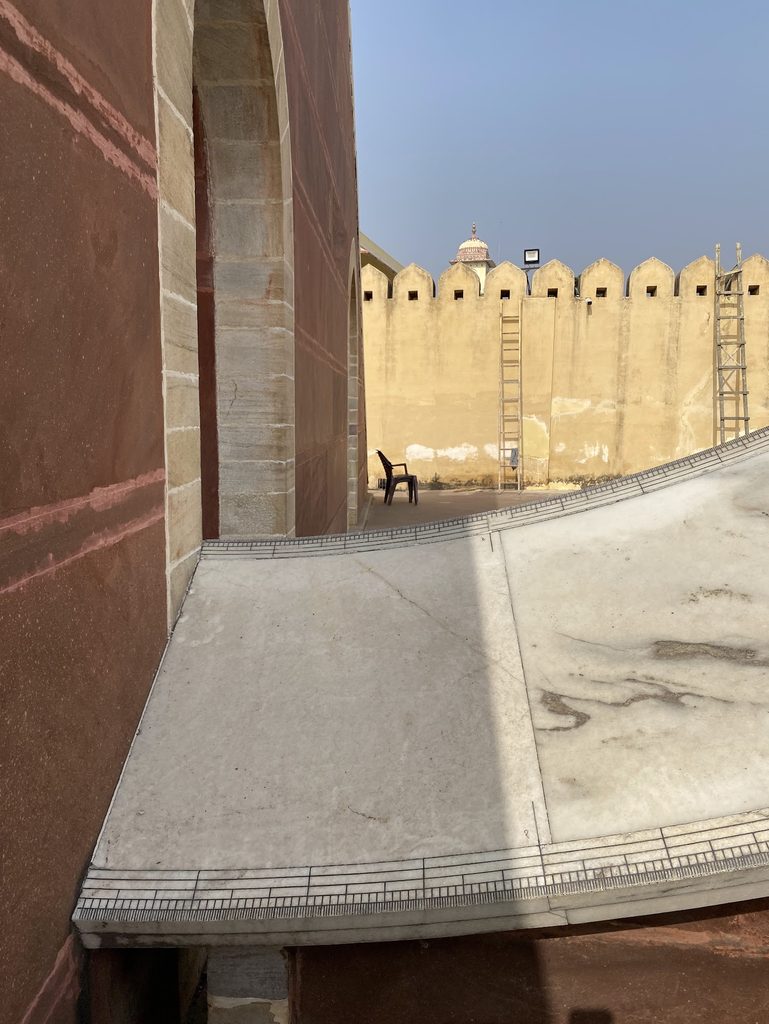
One of Jaipur’s biggest surprises was Jantar Mantar. I hadn’t expected to find an 18th-century astronomical observatory quite so fascinating. Maharaja Sawai Jai Singh II created an extraordinary collection of huge geometric instruments that could measure time and track the movement and position of celestial bodies. It includes the world’s largest stone sundial. Hundreds of years later, the precision of it is remarkable.
I also escaped from the group for a while and made a solo visit to the Albert Hall Museum, Jaipur’s oldest museum. The Indo-Saracenic building itself is worth seeing, but inside is an enormous collection ranging from paintings and textiles to weapons, sculptures, carpets and decorative arts.
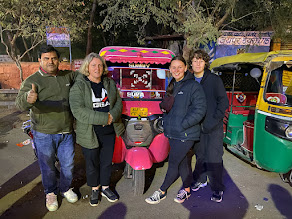
One evening after dinner we climbed into a pink tuk-tuk for the ride home. We liked our drivers so much that we organised for them to take us out again, this time to what we called Monkey Mountain.
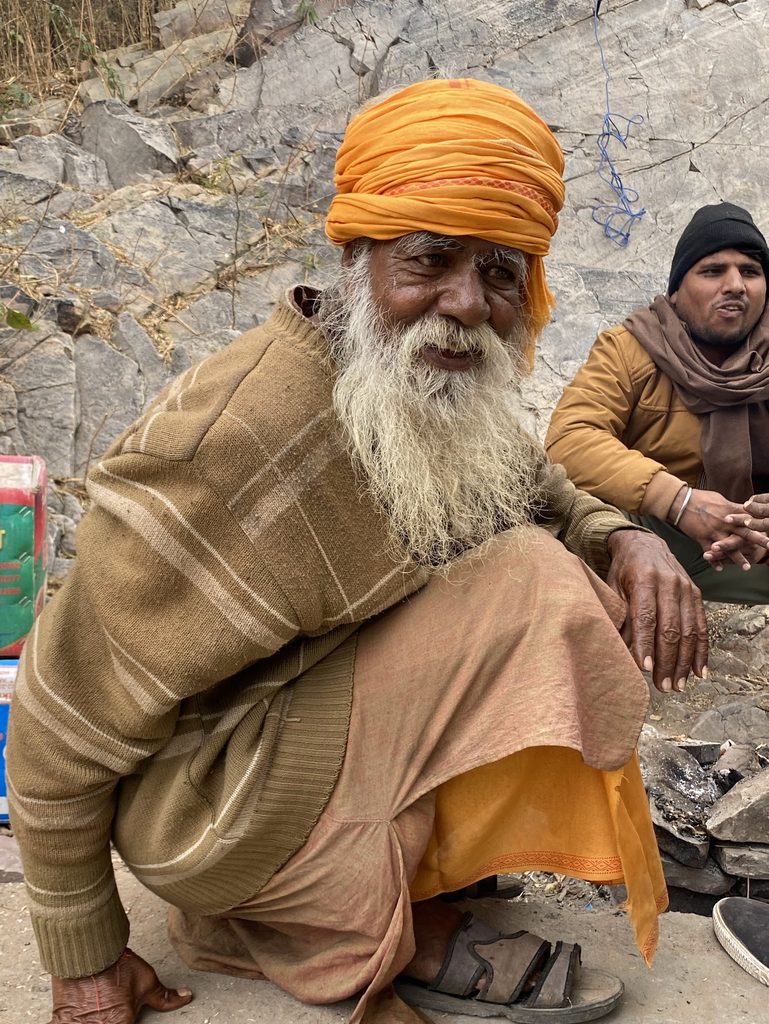
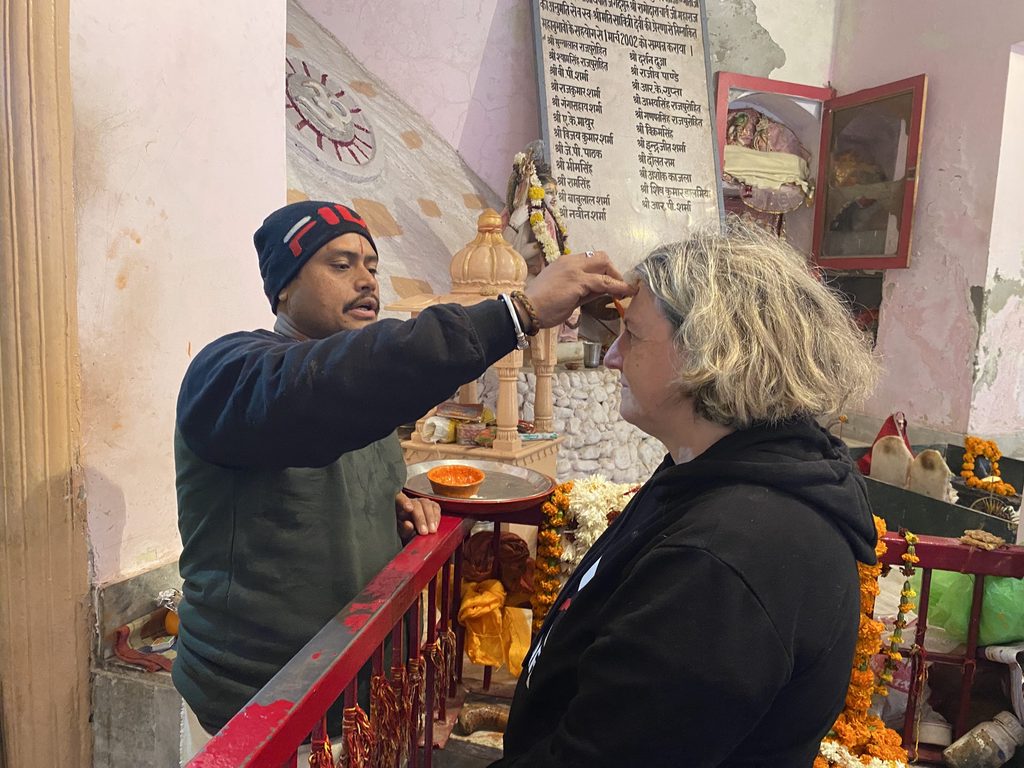
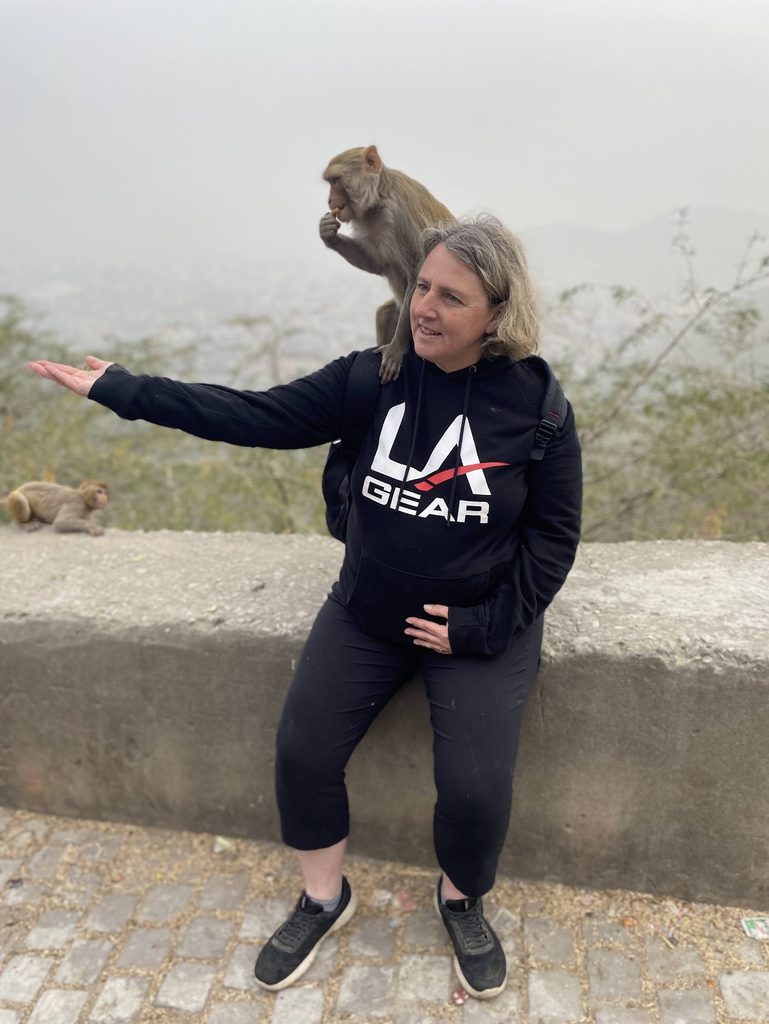
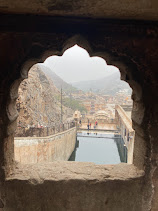
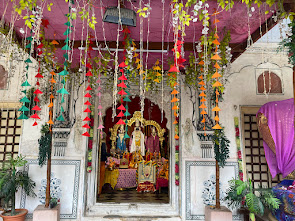
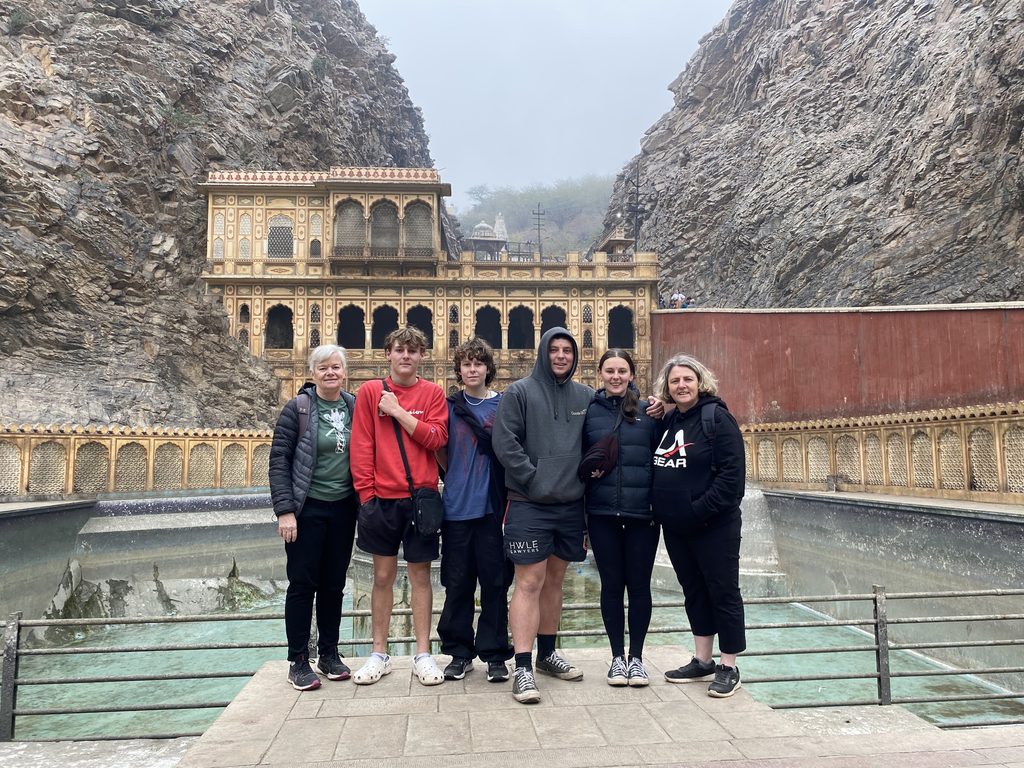
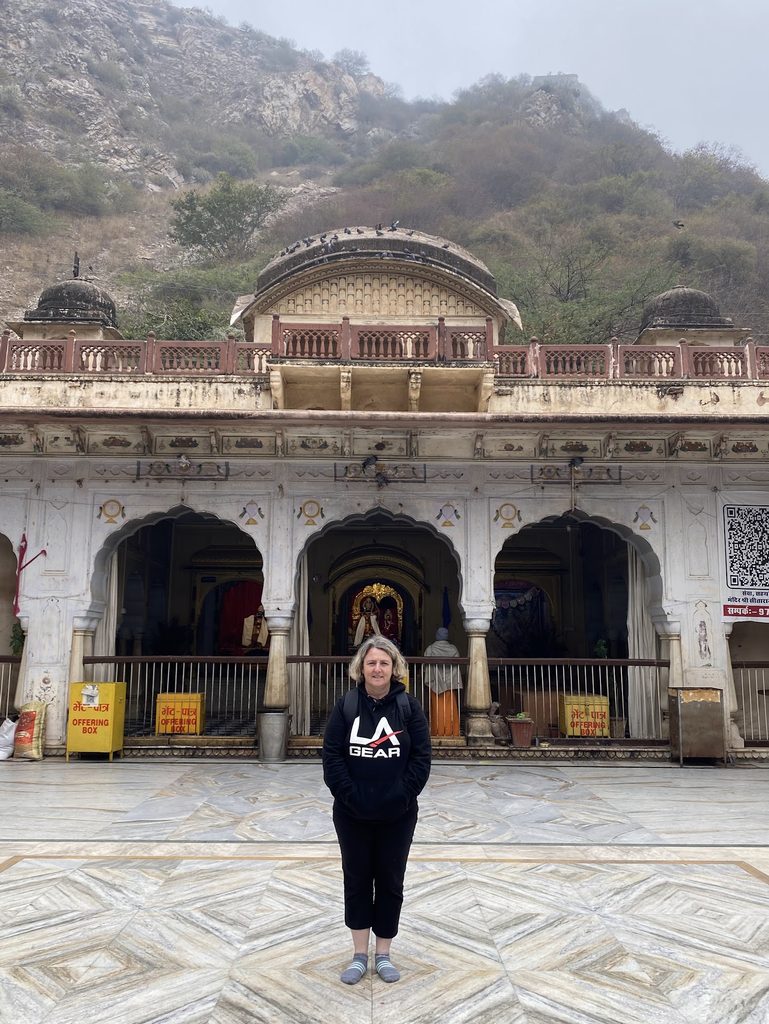
Its proper name is Galtaji, an old Hindu pilgrimage complex tucked into the hills outside Jaipur. Temples and sacred water tanks sit between rocky cliffs, with monkeys absolutely everywhere. After the palaces and packed city streets, being among temples built into the landscape felt like yet another version of Jaipur.
That was becoming the pattern of India.
You could start the day in a royal palace, spend lunch sitting in someone’s home, find yourself studying an enormous 300-year-old sundial in the afternoon and finish it rattling through the streets in a pink tuk-tuk on the way to a mountain full of monkeys.
Completely normal by now.
Jaipur — Pakoras, Saris and Block Printing
We were still in Jaipur, and some of the best moments came away from the palaces and monuments.
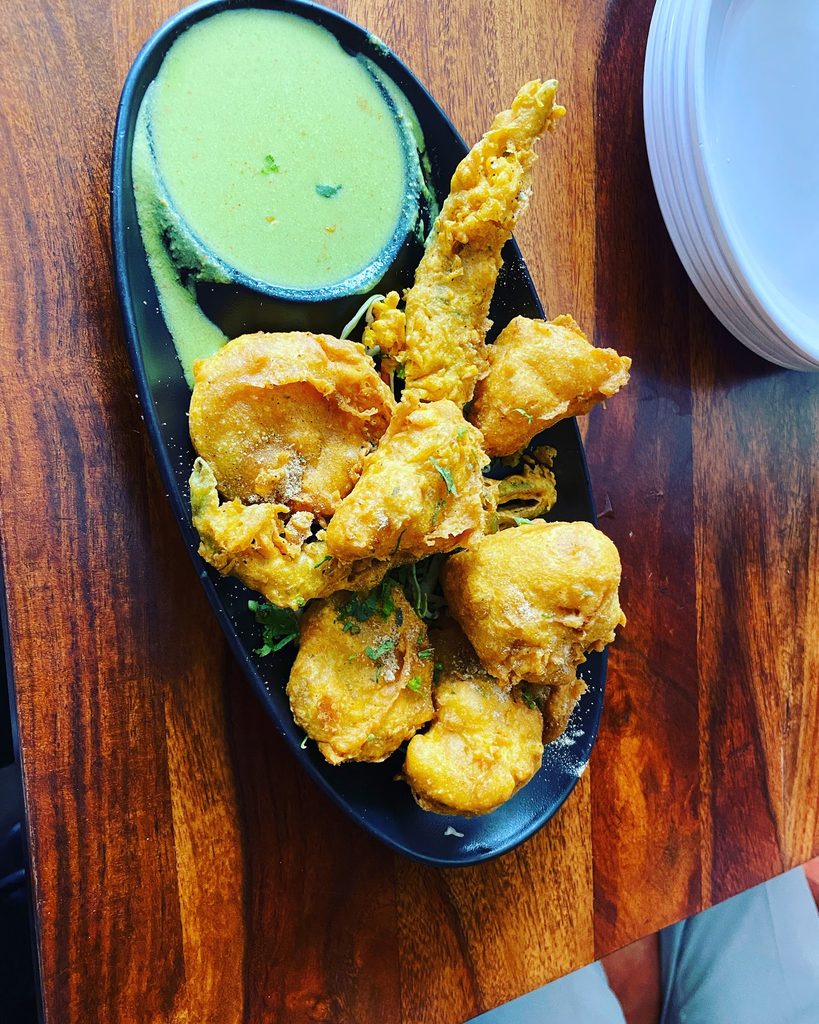
First, the food. Somewhere along the way we found what I still think was the best vegetable pakora I ate during the entire trip. Crisp, hot, spicy and straight from the fryer — one of those simple meals you keep comparing every other pakora to afterwards.
We also visited a workshop where clothes were being made. What started as a look around quickly became shopping. I had a couple of pairs of pants made, while my friends all decided they needed pyjamas. Measurements were taken, fabrics chosen and suddenly we had a small production line happening.
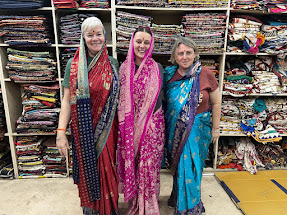
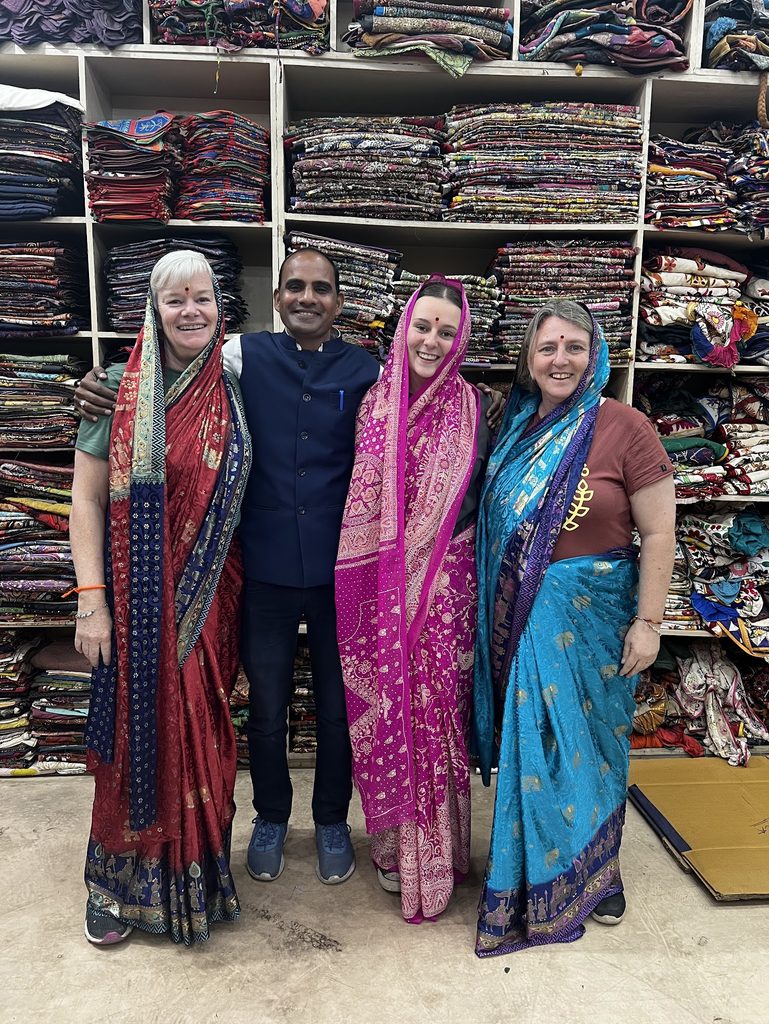
Of course, we couldn’t leave without trying on saris. There was a lot of fabric, a lot of wrapping and considerably less elegance when we tried to do it ourselves. Fortunately, there were people there who actually knew what they were doing.
There was also tea. Lots of tea. By this stage, sitting down with another cup of chai while somebody showed us fabrics felt completely normal.
Then we had a go at traditional block printing, using carved wooden blocks dipped in dye to build up repeating patterns on fabric. Watching someone experienced do it made it look ridiculously easy.
Doing it ourselves proved otherwise.
Getting the pressure right, lining up the next block and creating a clean repeated pattern took far more skill than we’d expected.
It was another side of Jaipur that I really enjoyed — not just looking at beautiful things in museums and palaces, but meeting the people still making them, having a go ourselves, drinking tea, buying far too much fabric and laughing at our attempts along the way.
Sambhar Lake and Ajmer
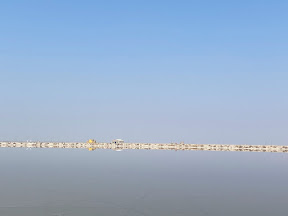
On the road again, we stopped at Sambhar Lake, India’s largest inland salt lake. The wide, flat landscape felt almost empty after Jaipur — salt pans, pale water and a huge open horizon. It is an important wetland and a major salt-producing area, with flamingos and other migratory birds visiting when conditions are right.
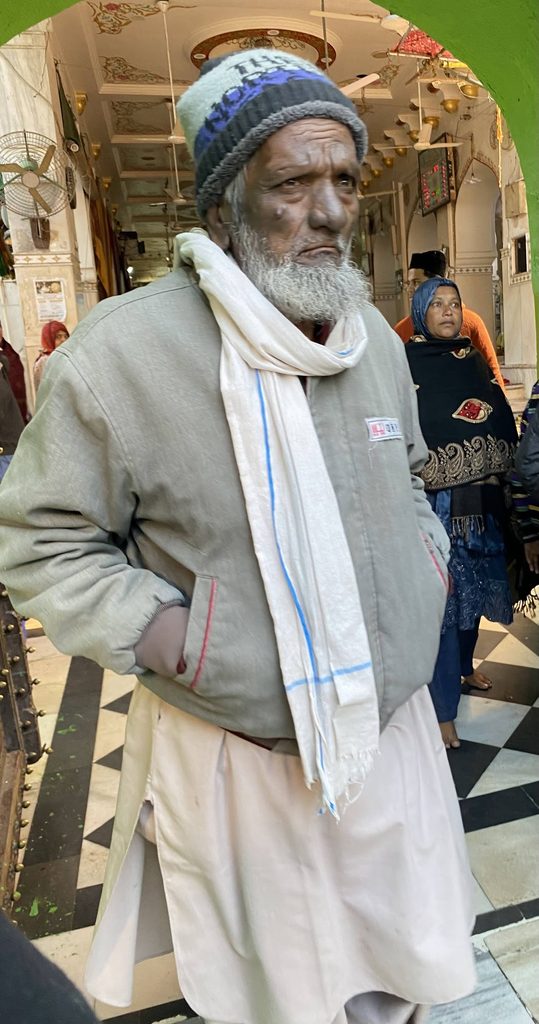
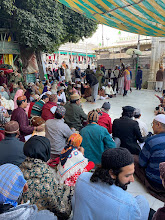
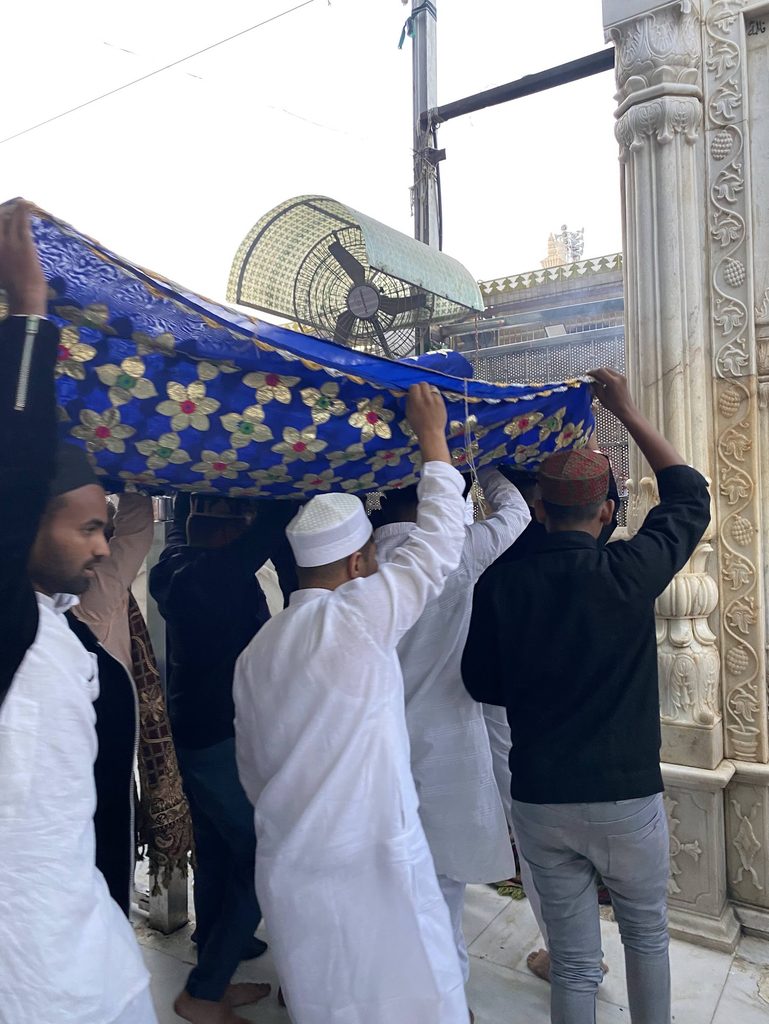
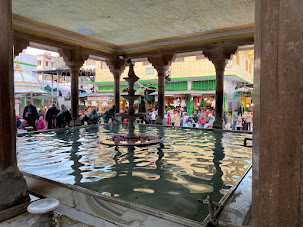
Then we reached Ajmer and visited Ajmer Dargah Sharif, the shrine of the Sufi saint Khwaja Moinuddin Chishti. It is one of the most important Muslim pilgrimage sites in India and attracts people of many different faiths.
It was absolutely packed.
The narrow approaches were crowded with pilgrims, flower sellers and people carrying offerings. Inside, the atmosphere was intense — prayers, music, movement and bodies pressed together as everyone tried to get closer to the shrine.
After the open space of Sambhar Lake, Ajmer felt like being dropped straight back into India at full volume.
Pushkar and Osian
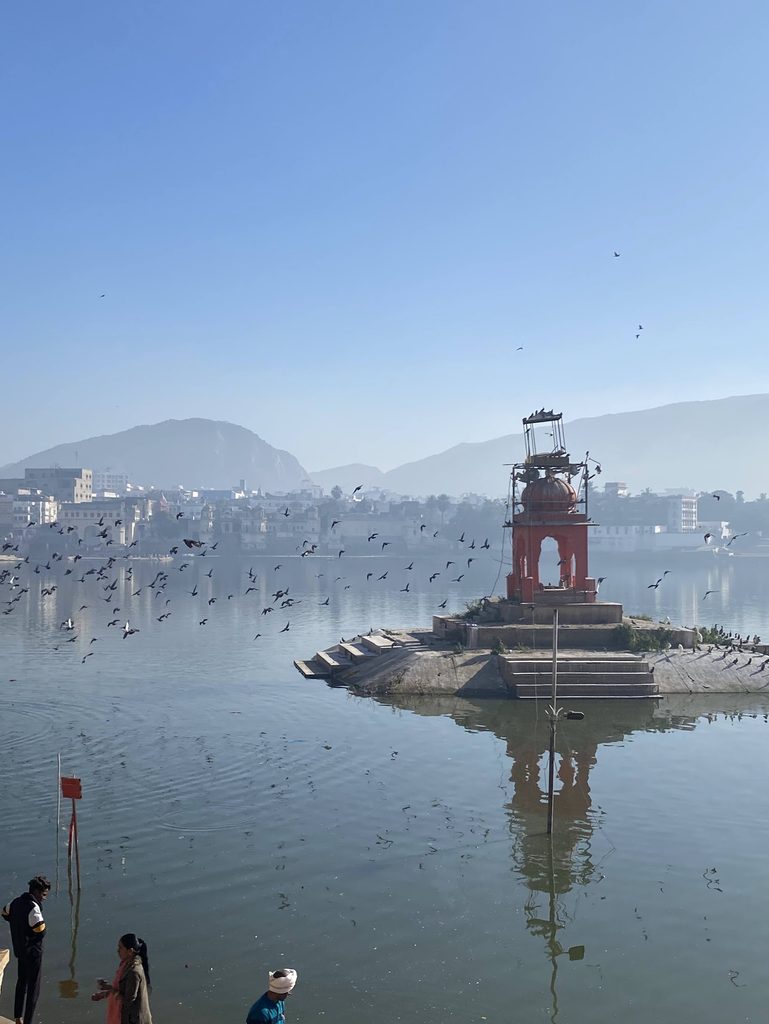
I really enjoyed Pushkar. After the intensity of some of the bigger cities, it felt slower and easier. The town wraps around Pushkar Lake, with ghats, temples, cafés and narrow streets that are much easier to wander without feeling completely overwhelmed.
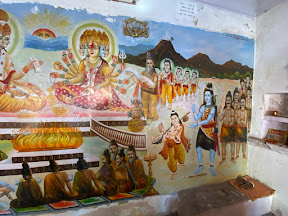
Pushkar is an important Hindu pilgrimage town, particularly associated with Brahma, and the lake itself is considered sacred. We did have one less spiritual experience when someone tried very hard to convince us to make what felt like an obscene donation to a temple and charity. There can be an assumption in tourist areas that foreign travellers are wealthy, and sometimes the pressure is fairly direct.
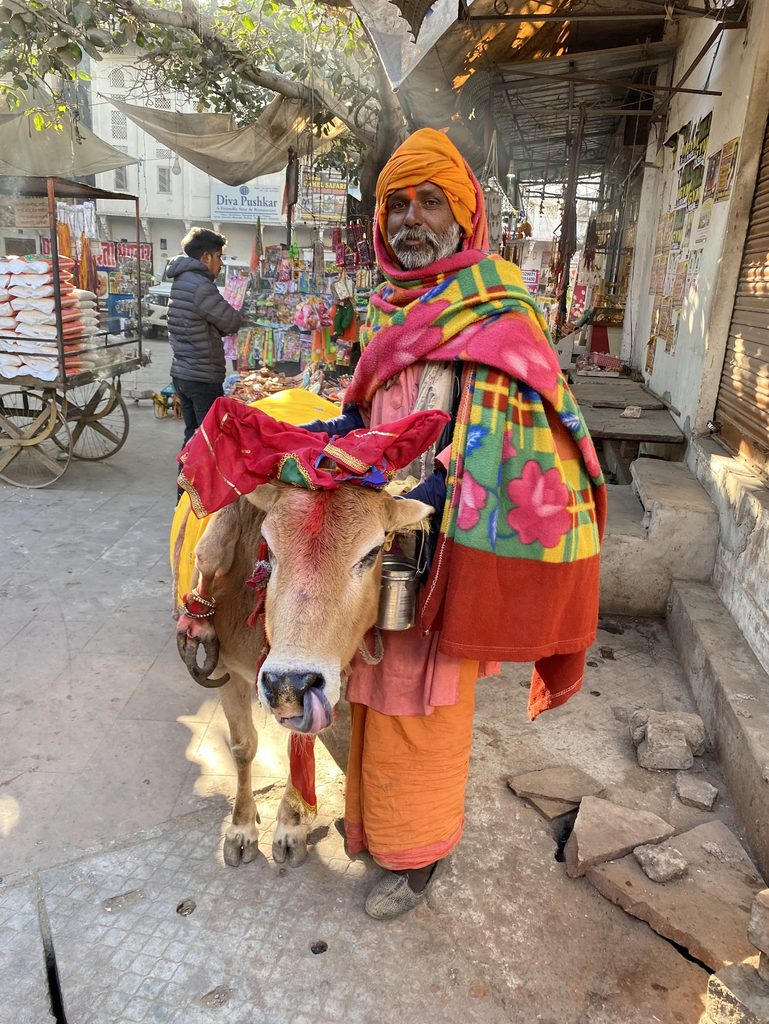
We also saw a five-legged cow, which we were told was lucky. In India, cows are already sacred in Hindu tradition, so animals with unusual features can attract even more attention and be treated as especially auspicious.
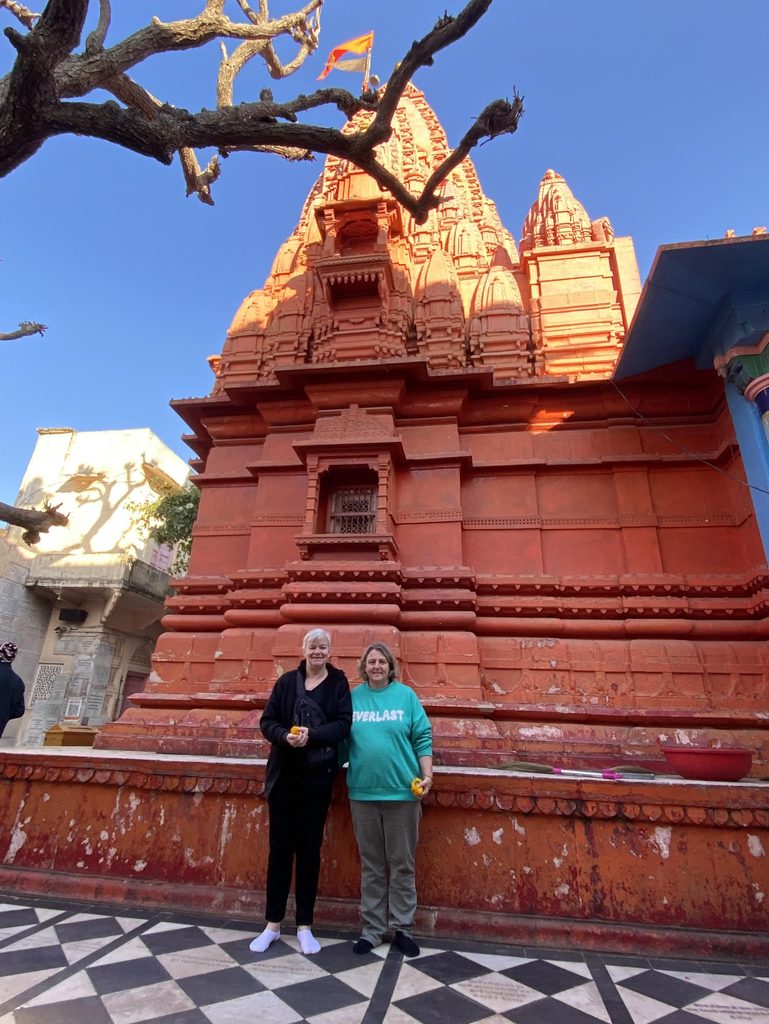
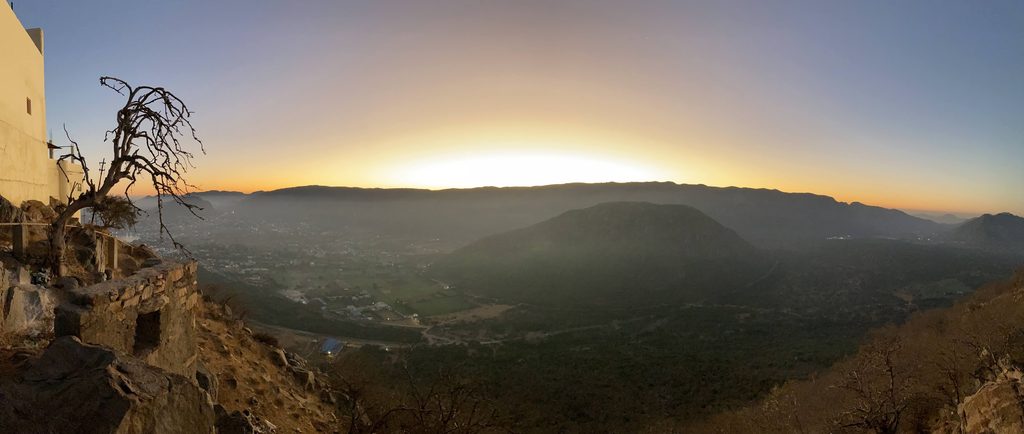
One of my favourite moments was hiking up to the Savitri Temple on the mountain before dawn to watch the sunrise. The climb was worth it. Looking down over Pushkar as the light came up was beautiful.
We also loved our hotel there, which made it one of those places I could easily have stayed longer.
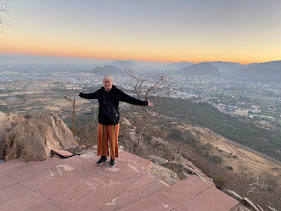
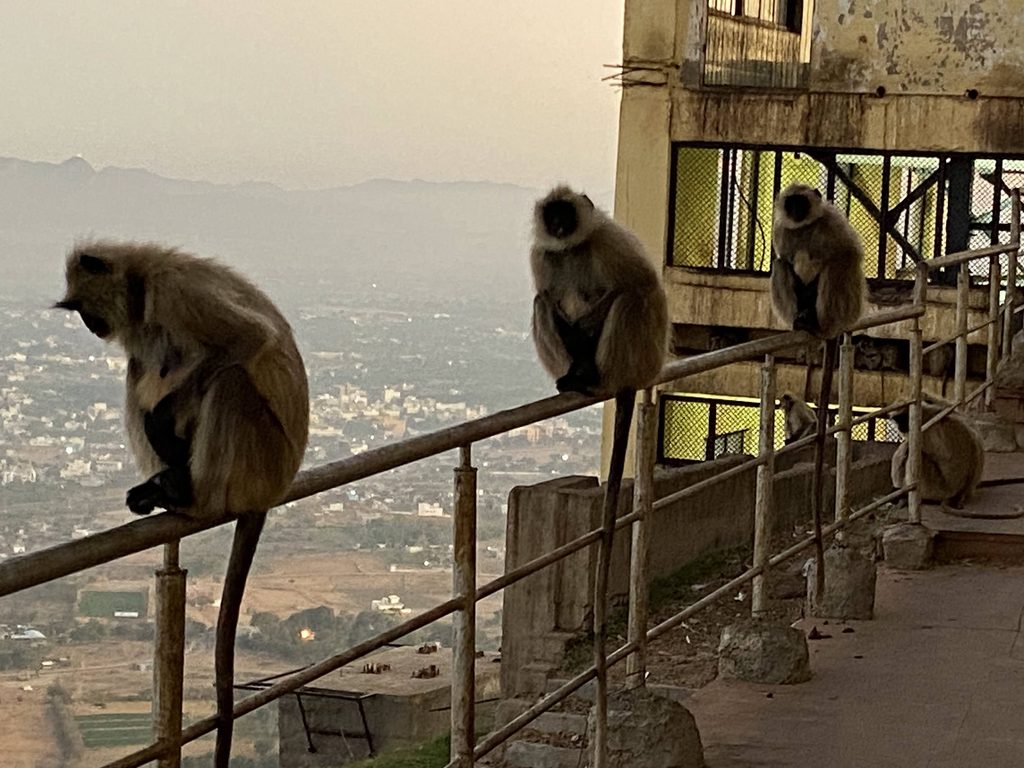
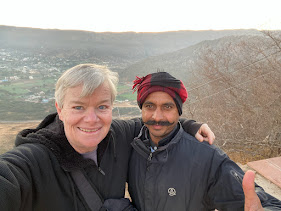
Then it was on to Osian, where we visited one of the town’s historic temples before heading out for dinner together at a local restaurant.
Our accommodation that night was quite different.
We appeared to be the only guests in an enormous resort.
Huge buildings, empty corridors, no other tourists and far too much silence.
After weeks of crowded Indian streets, having an entire resort seemingly to ourselves should have felt luxurious.
Instead, it was slightly spooky.
Jaisalmer — Golden Streets and Rooftop Views
Before heading into Jaisalmer, we stopped at Gadisar Lake, a peaceful man-made lake once used as an important water source for the city. Temples, shrines and carved gateways sit around the water, making it a quiet contrast to the busy streets ahead.
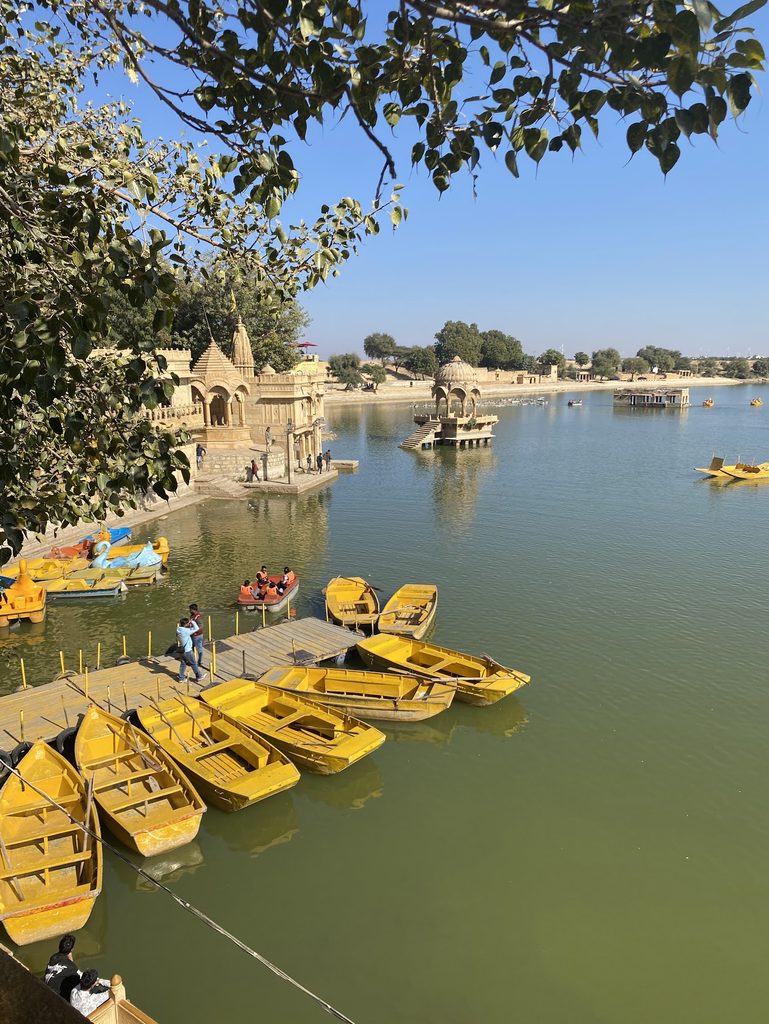
Then we entered Jaisalmer, dominated by its extraordinary golden sandstone fort. Jaisalmer Fort is unusual because it is still very much alive, with homes, shops, temples, guesthouses and restaurants packed inside its walls.
We spent hours wandering through its maze of narrow alleyways, never entirely sure where we were going. Around every corner there seemed to be another temple, carved doorway, tiny shop or viewpoint across the desert city.
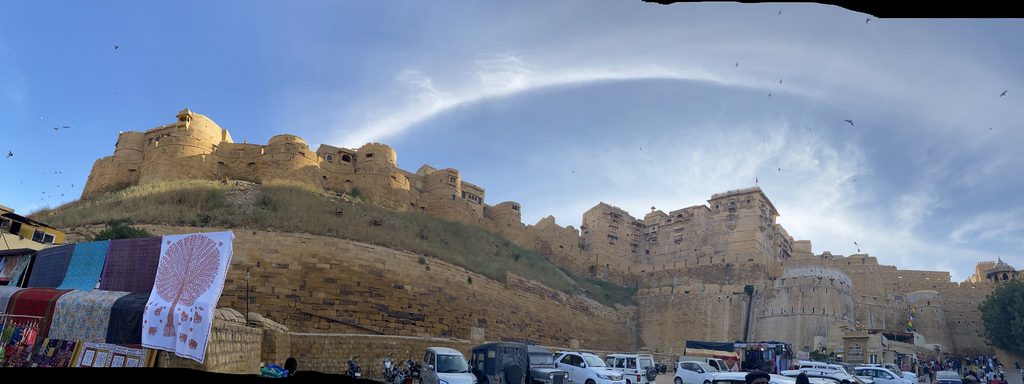
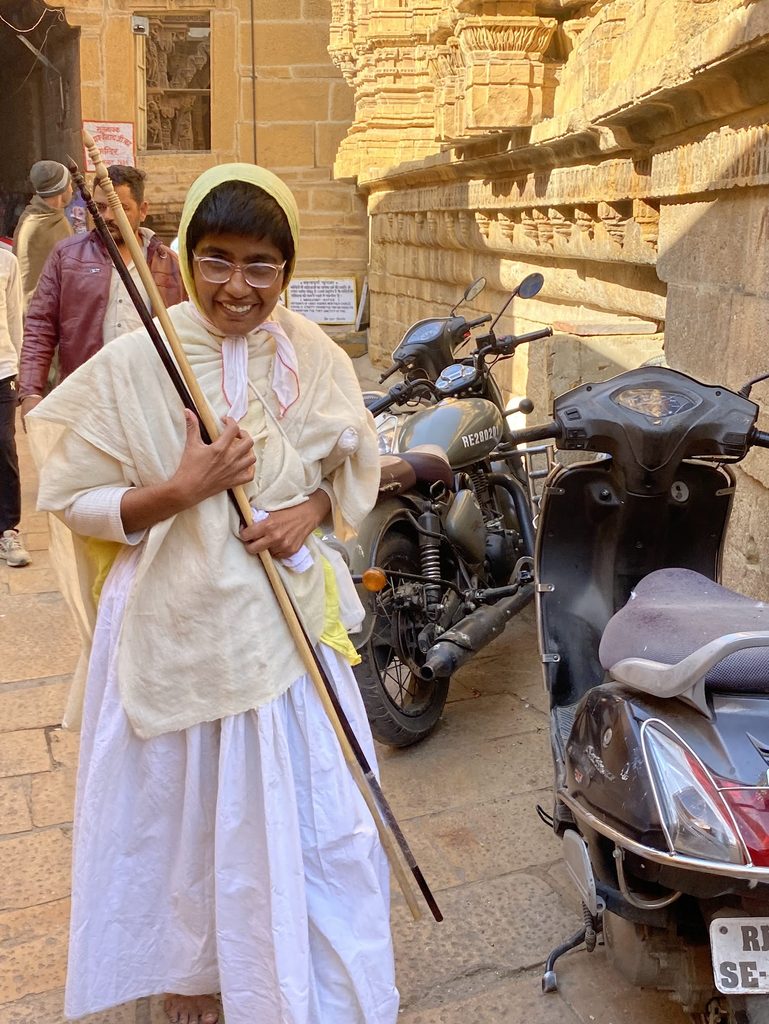
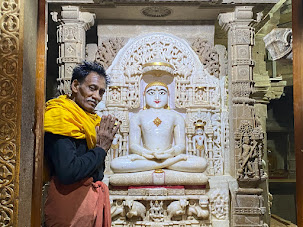
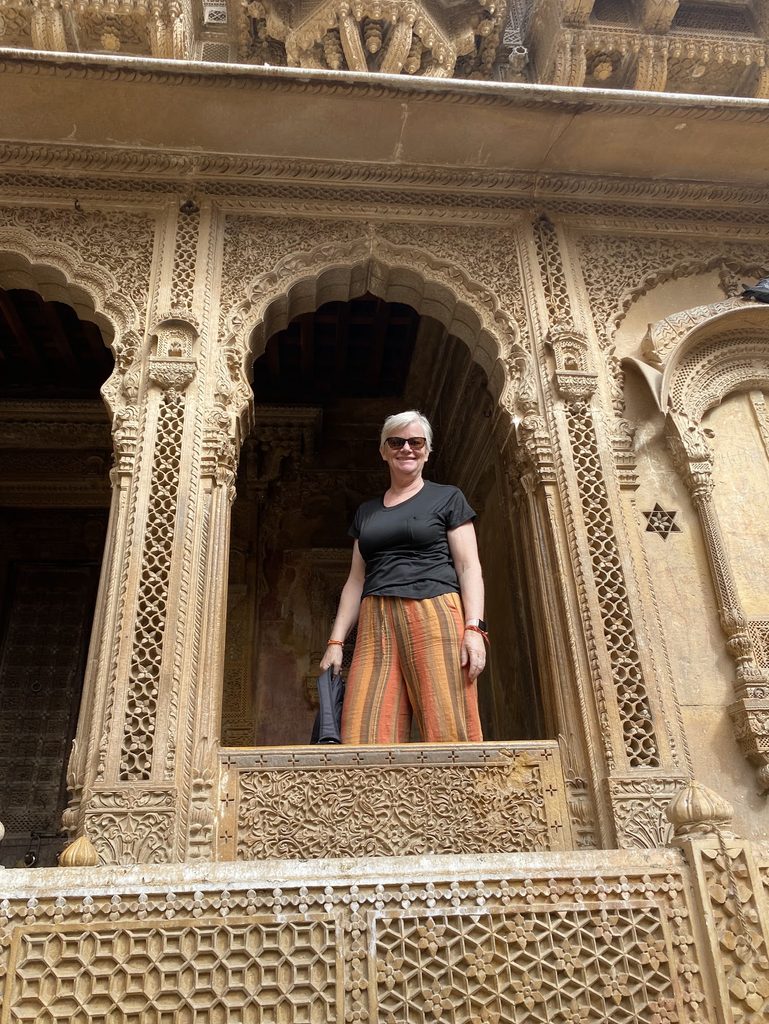
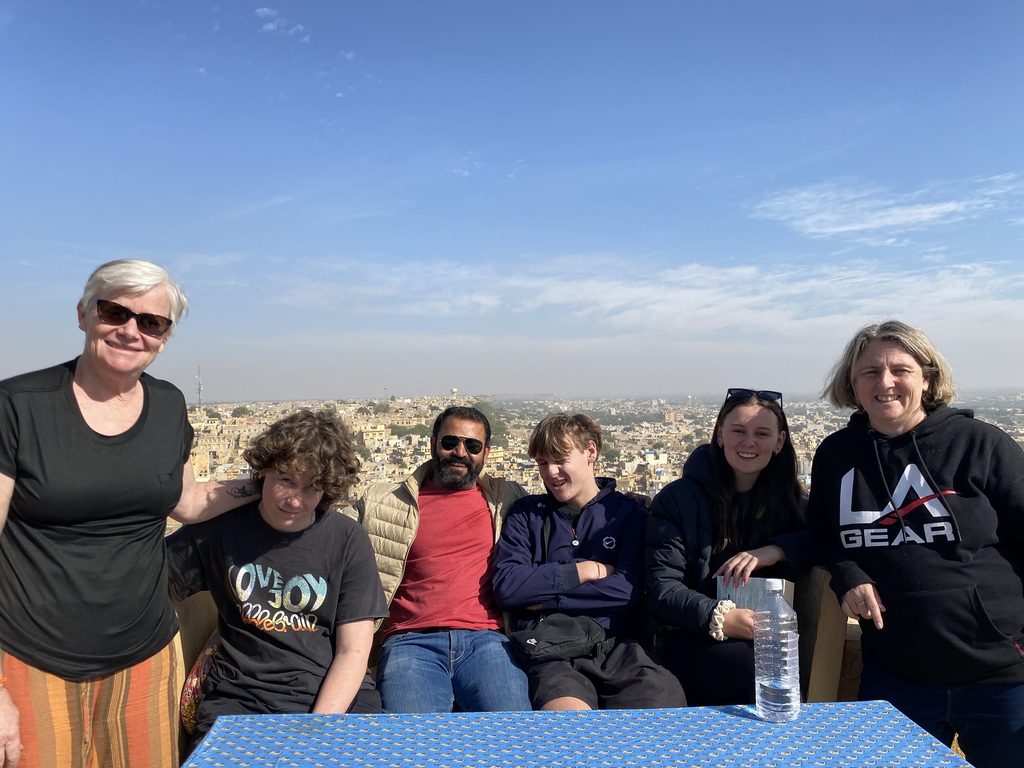
Our hotel had a rooftop restaurant with a fantastic view over the fort and surrounding buildings, especially as the sandstone changed colour in the late afternoon light.
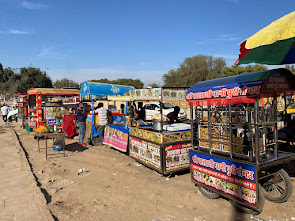
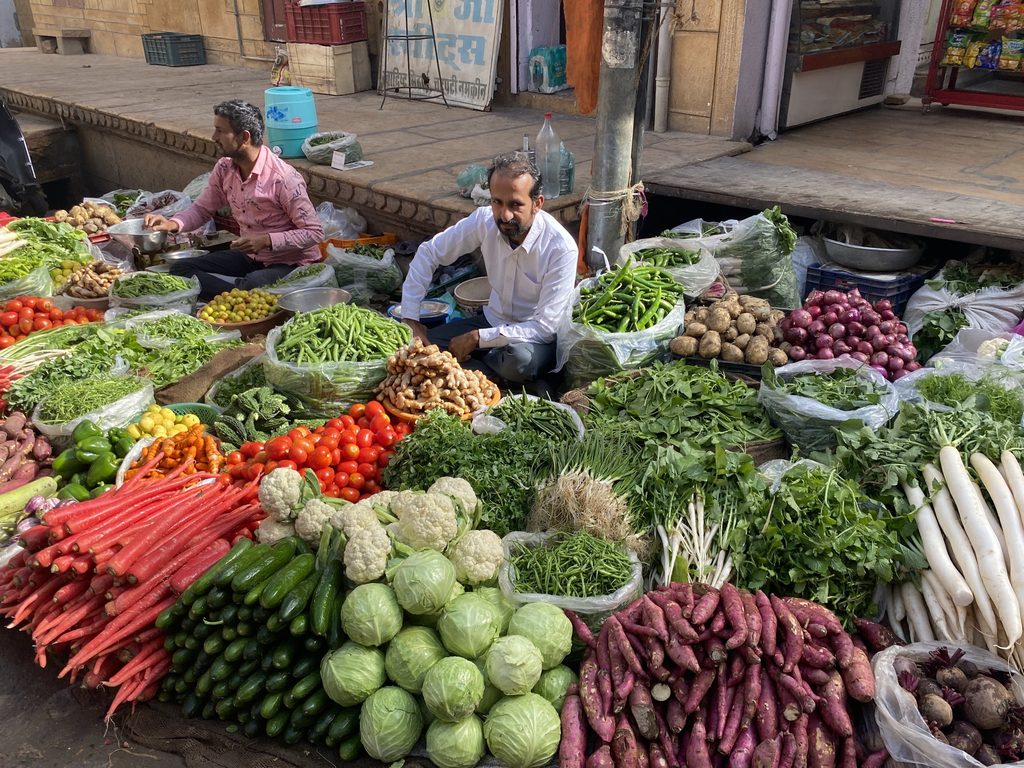
The local markets were full of colour, with vegetables, fabrics, spices and leather goods spilling out towards the street. The cows were particularly interested in the vegetable stalls and seemed quite happy to help themselves to the greens whenever the stallholders looked away.
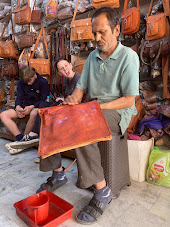
Jaisalmer is also known for its leatherwork, and we found plenty of bags, shoes, belts and handmade goods tucked into small workshops and market stalls.
It was one of those cities where simply wandering was the attraction.
Into the Desert
Our next adventure took us out into the Thar Desert, and subtle it was not.
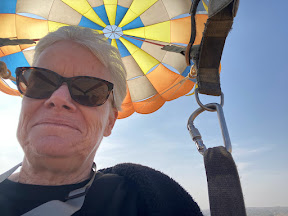
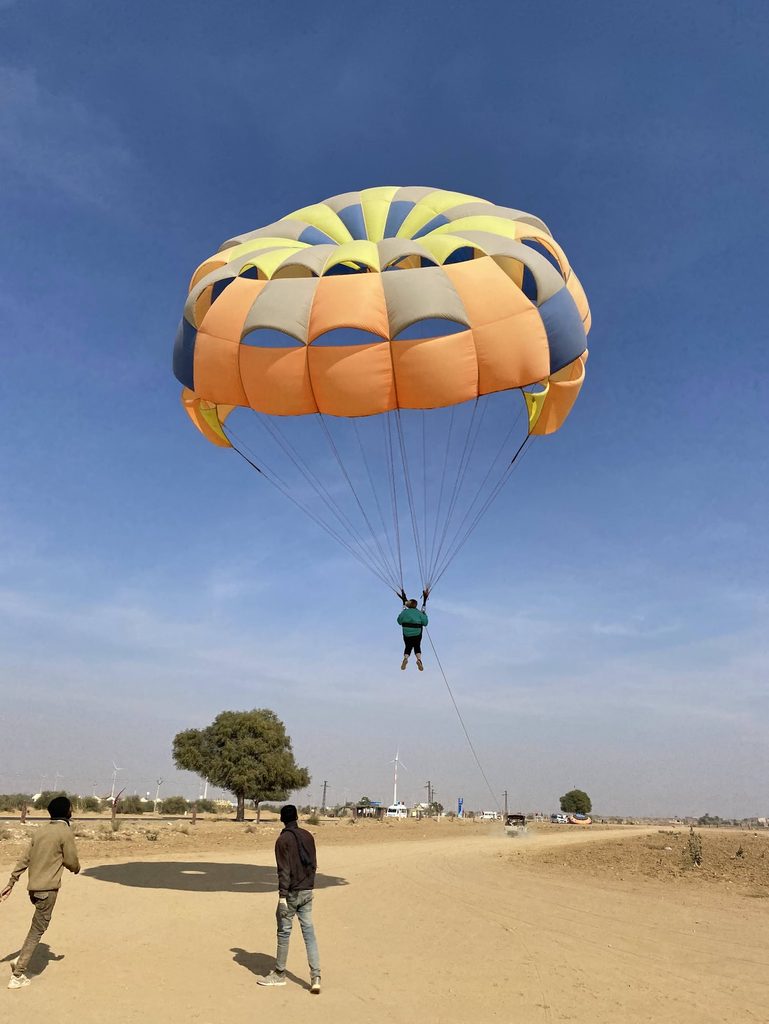
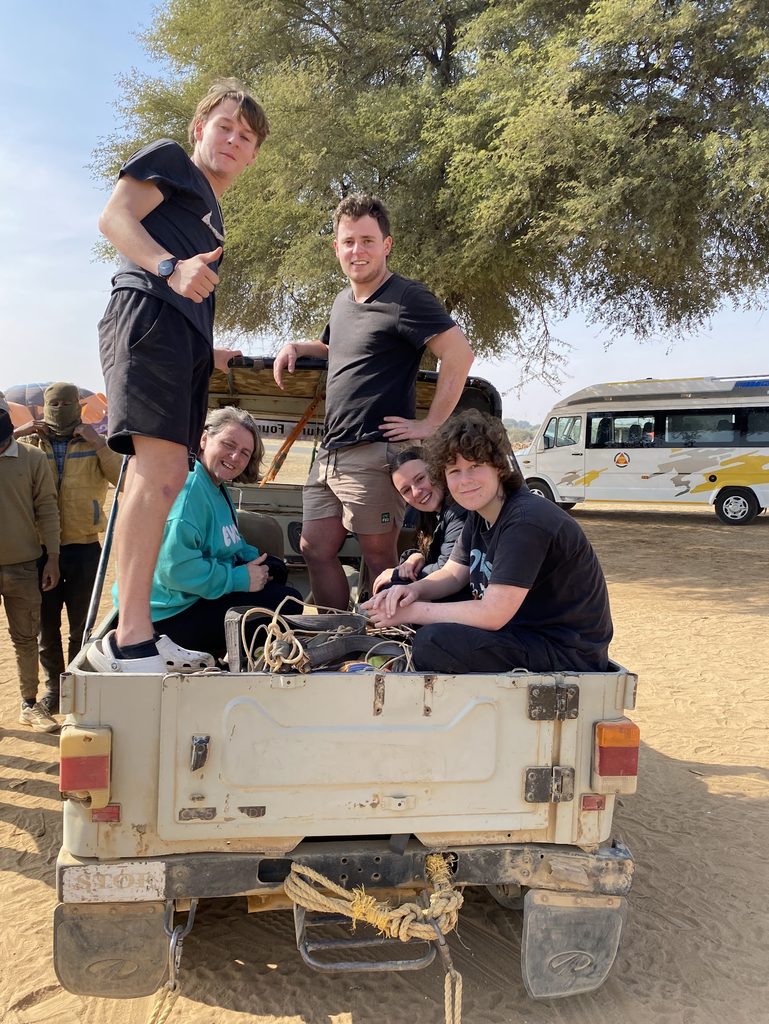
We started with parasailing behind a jeep, which in hindsight may not have been the smartest travel decision we ever made. At the time, though, it was enormous fun. There is something slightly ridiculous about being dragged into the air over the desert while a jeep tears across the sand below you.
Then came more jeeps.
We roared across the dunes, bouncing over ridges and sliding down the other side in a way that was equal parts exhilarating and terrifying. It felt less like sightseeing and more like being inside an action sequence.
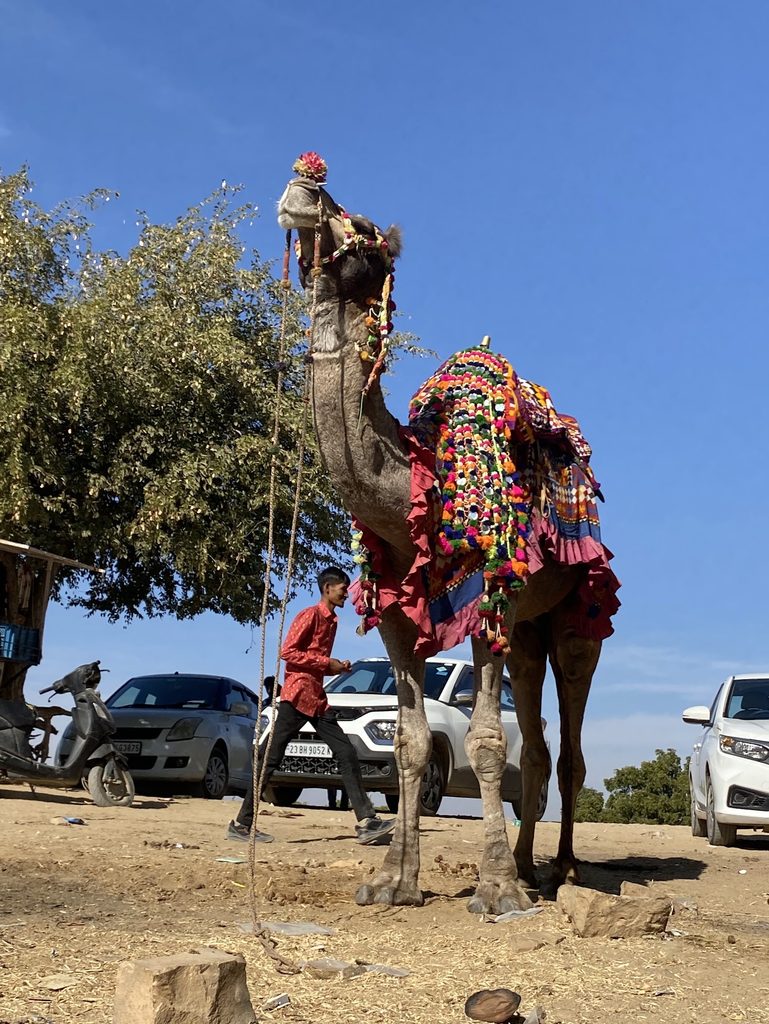
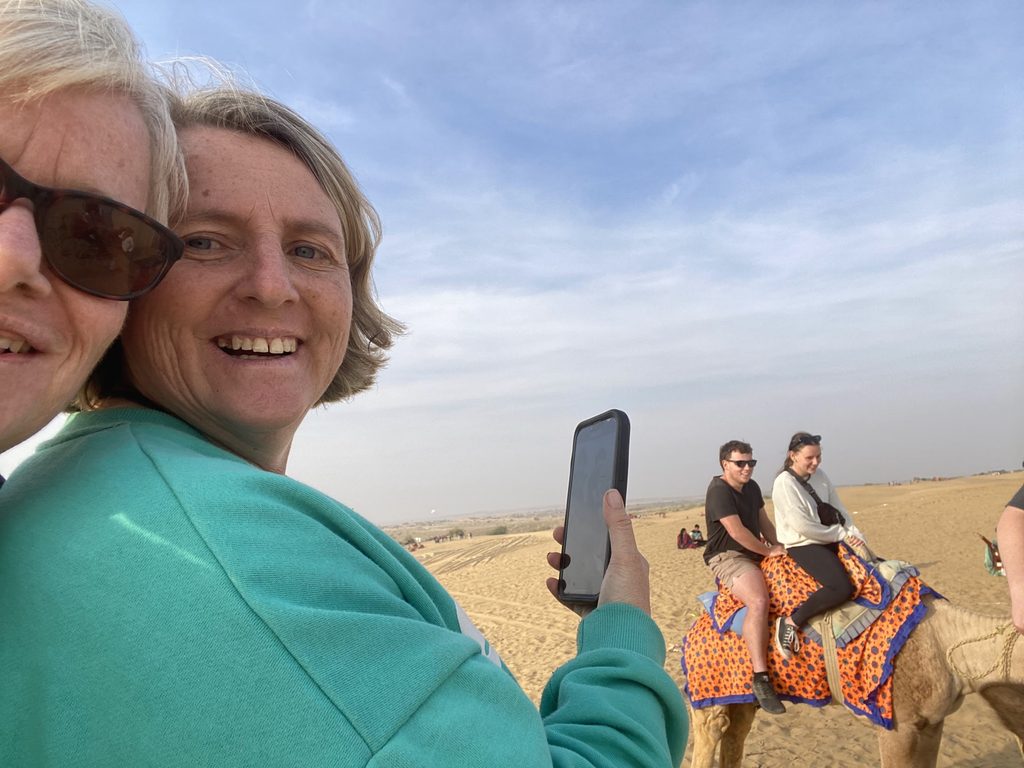
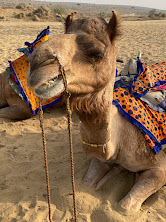
As the day cooled, everything slowed down for a sunset camel ride. The noise disappeared, the light softened and the dunes stretched out around us. After the chaos of the jeeps, plodding through the sand on camels while the sun dropped towards the horizon was quite beautiful.
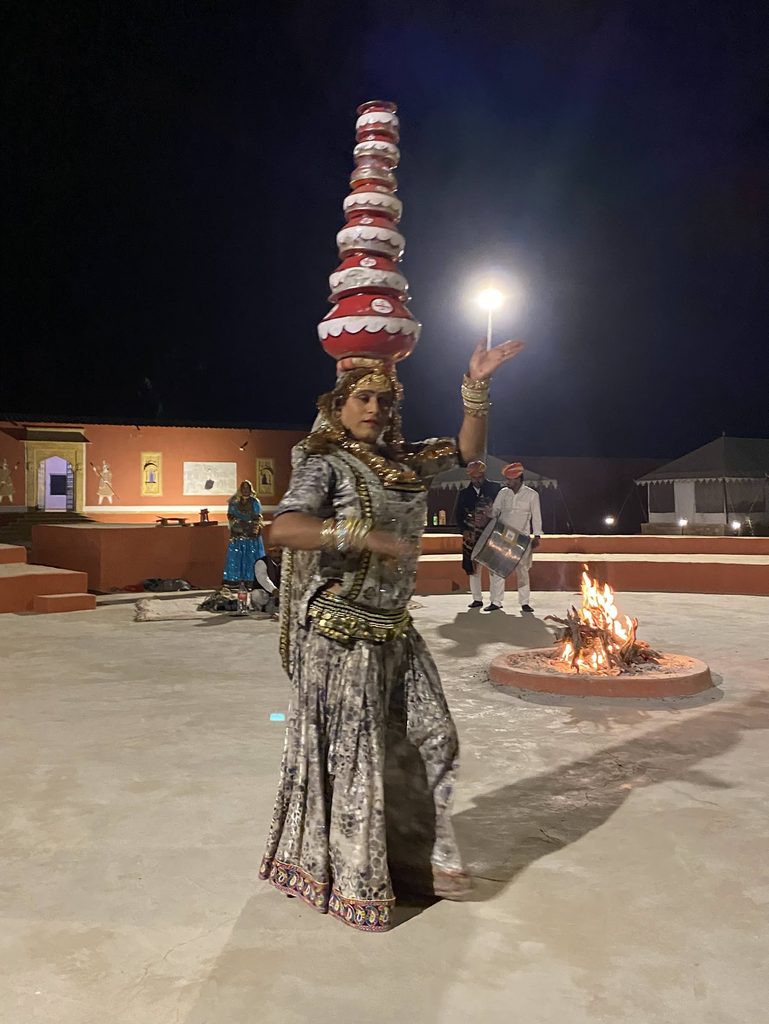
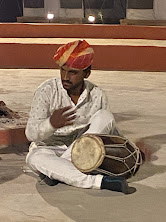
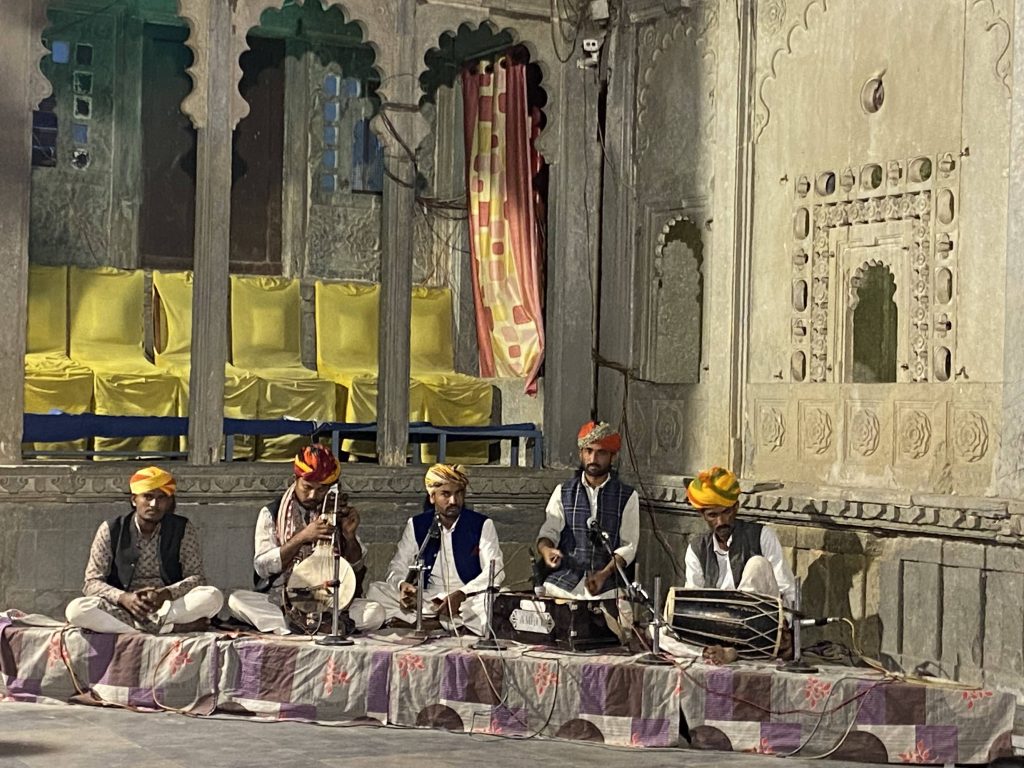
That evening we watched a traditional music and dance performance under the desert sky, sitting together after another completely surreal day.
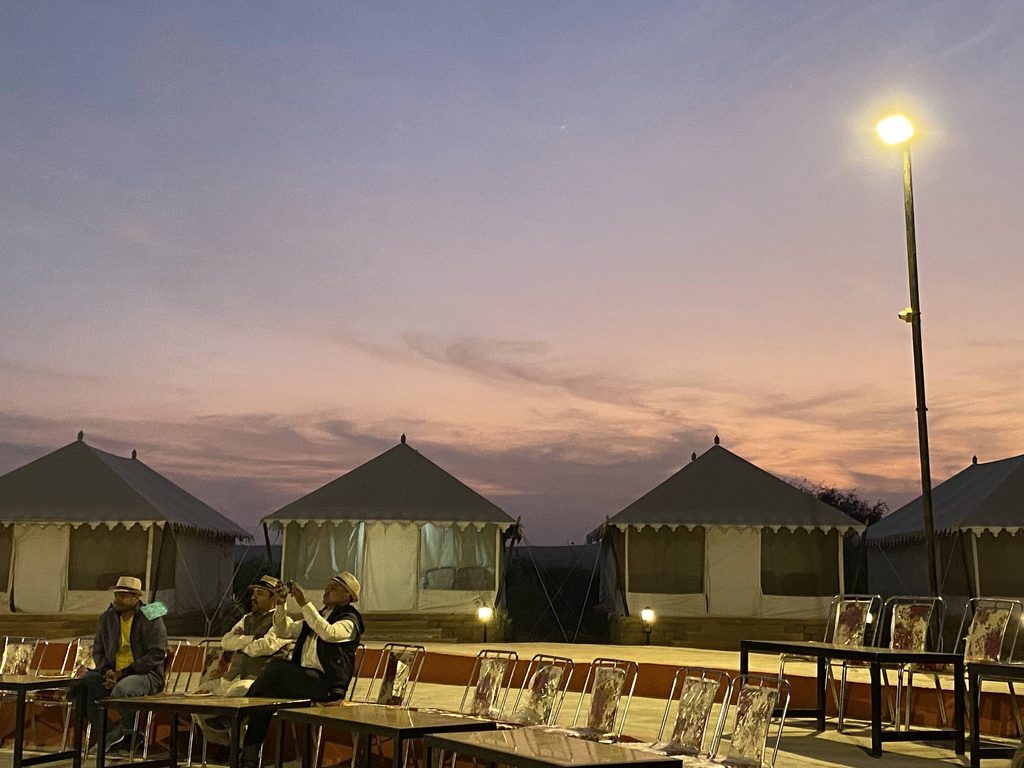
Then it was back to our glamping tents for the night.
It was still camping, technically, but with actual beds, proper facilities and considerably less suffering.
A very civilised way to sleep in the desert.
Jodhpur — Blue Streets, Forts and Flying Through the Sky
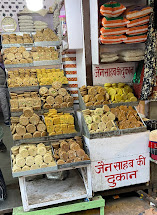
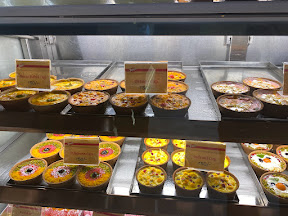
On the way to Jodhpur, our driver stopped at a traditional Indian sweet shop and bought us some of his favourite things to try. By now he knew us well enough to know we were always happy to eat.
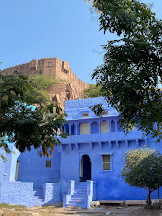
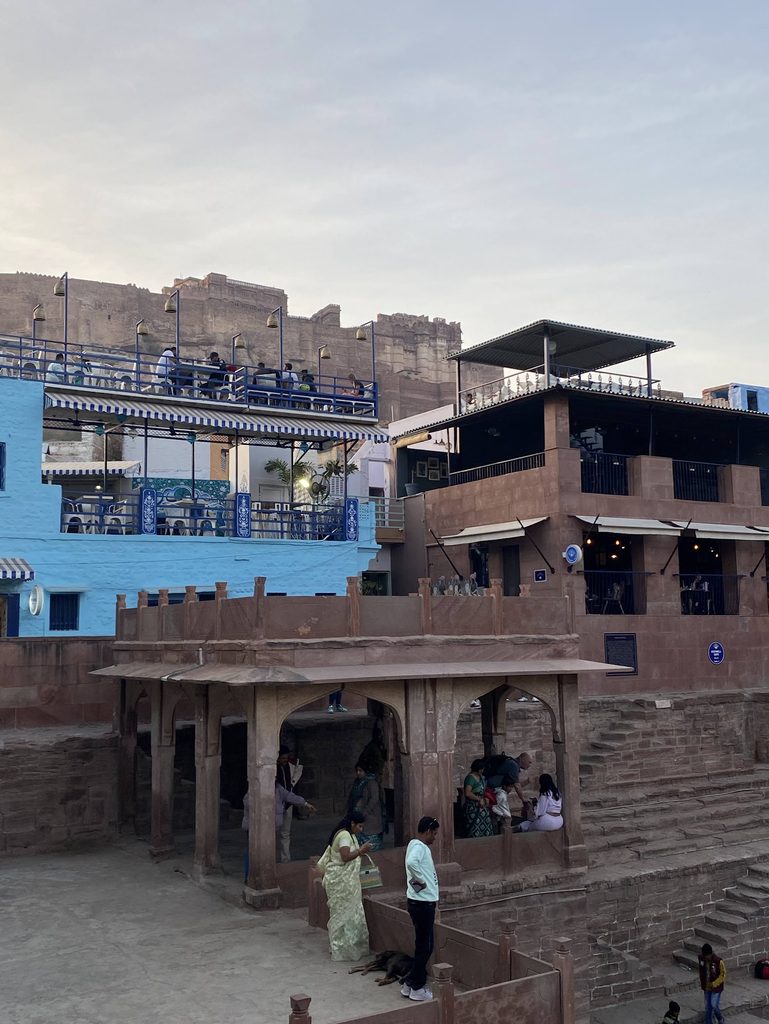
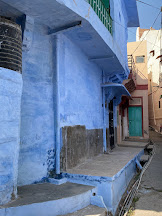
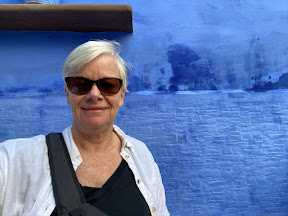
I loved Jodhpur. The old city was easy to wander and the famous blue houses looked magnificent from above. We stayed in a lovely old family home, where the owner taught us how to cook an Indian meal. Eating something we had helped prepare, with views across the city, was one of those simple experiences that felt very special.
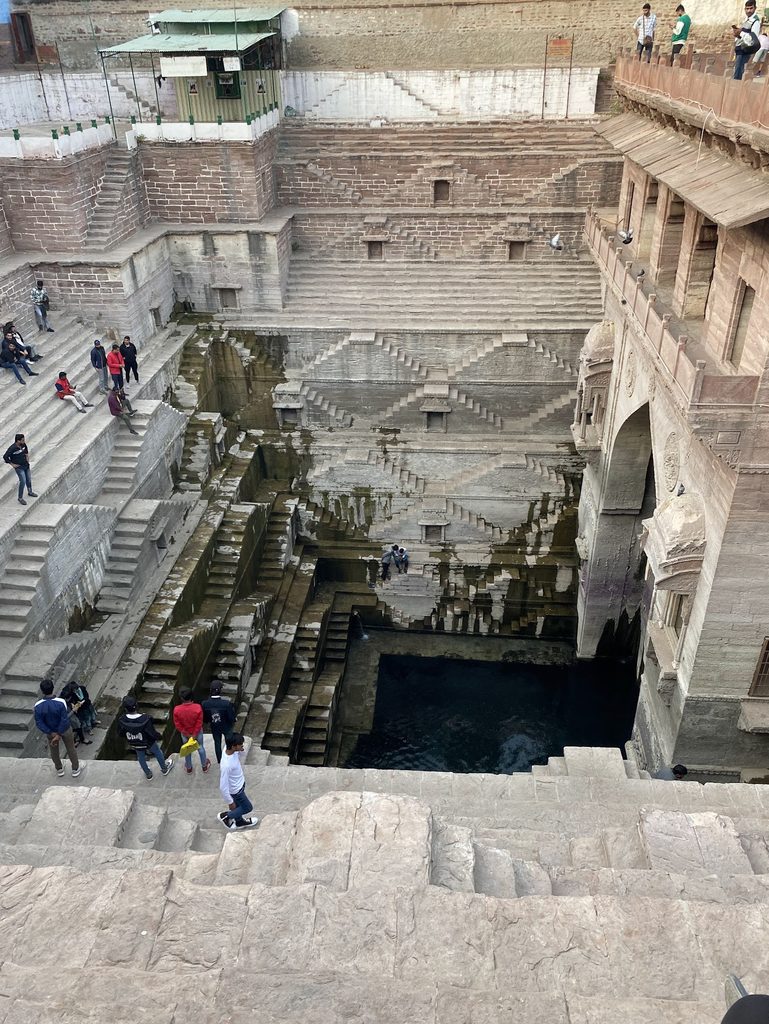
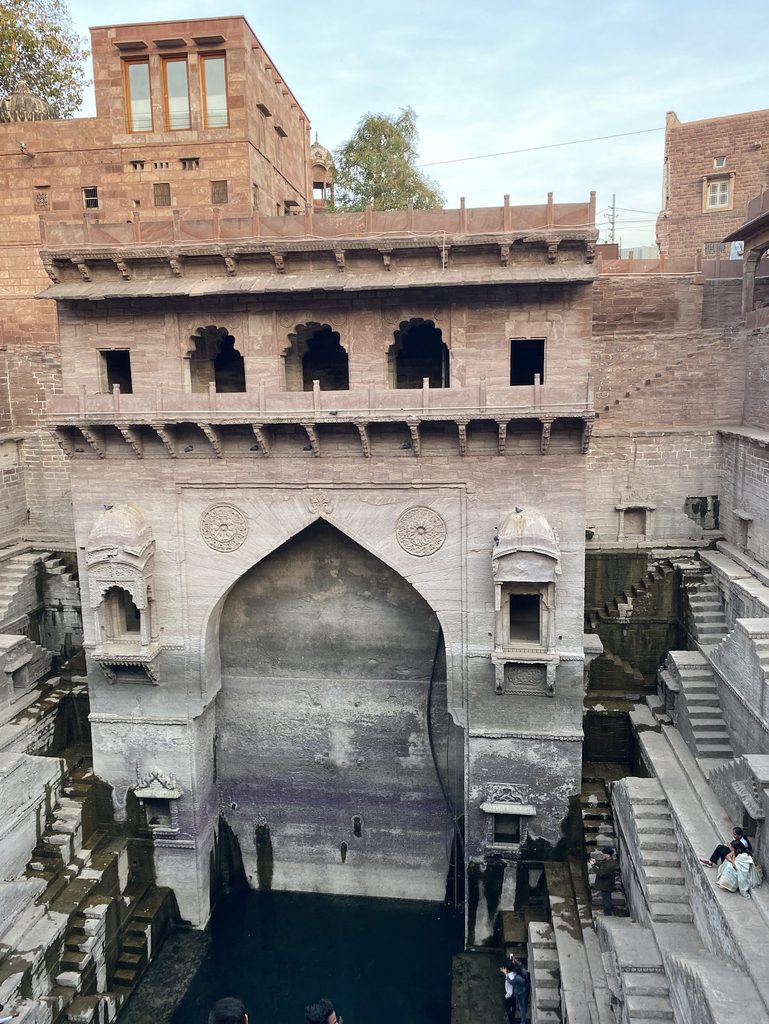
The stepwells were incredible too. At Toorji Ka Jhalra, local kids were launching themselves into the water from heights that made us nervous just watching them.
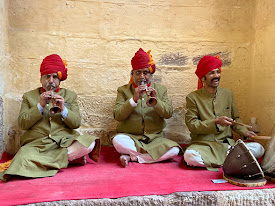
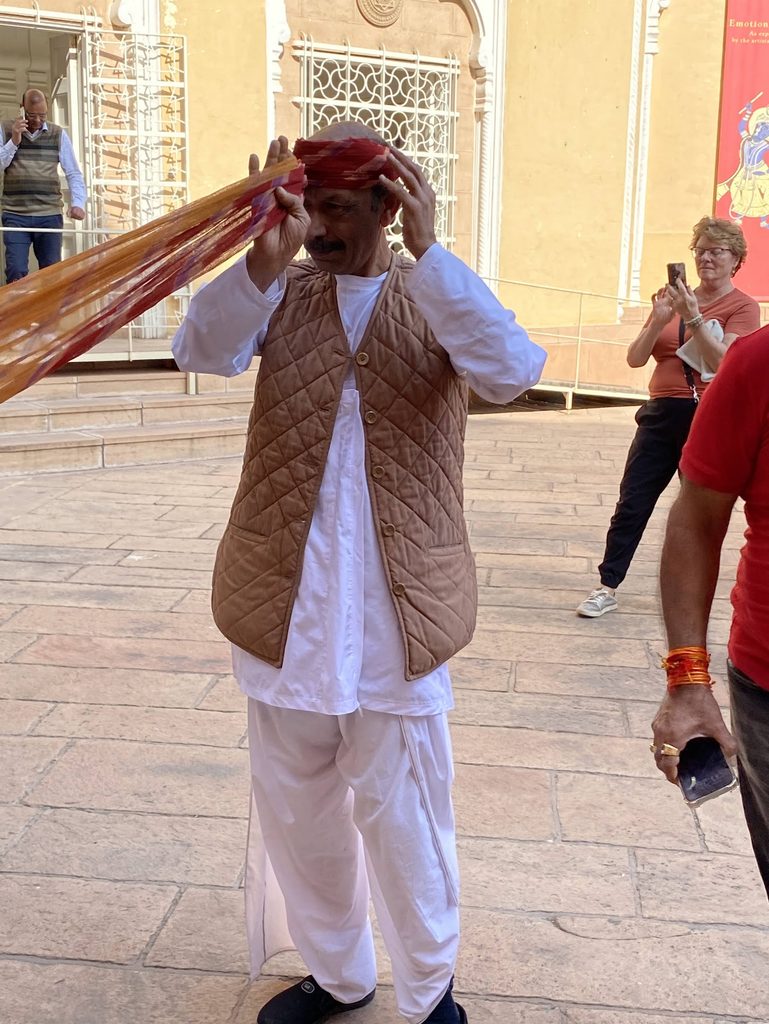
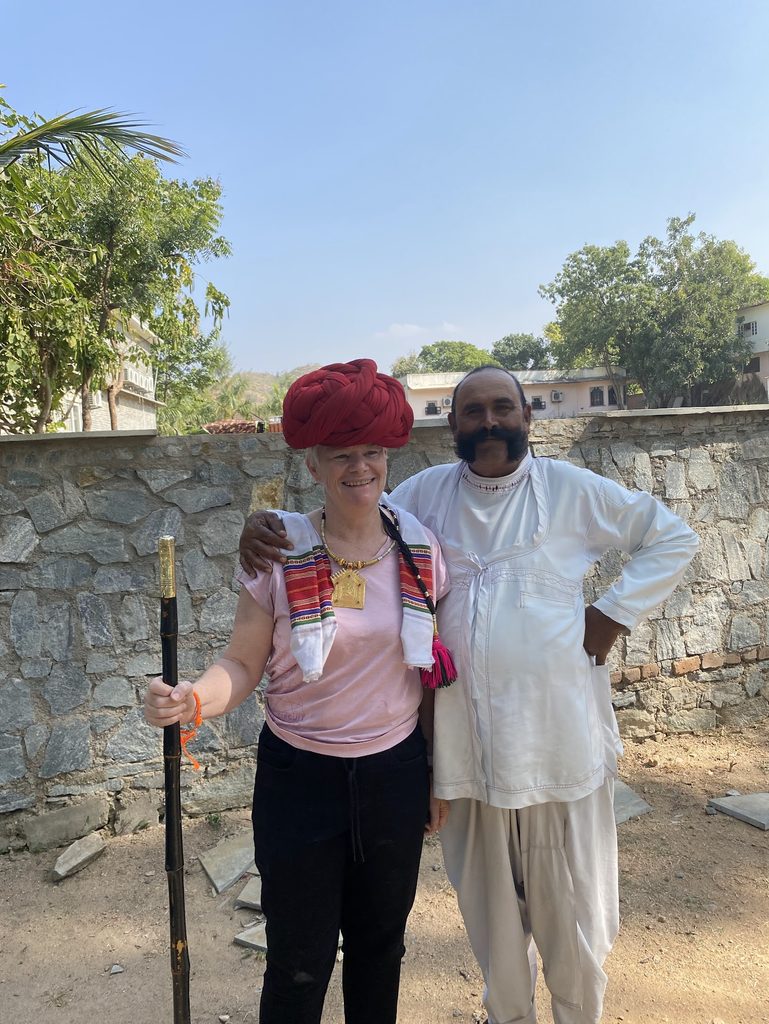
Then came Mehrangarh Fort, one of the most impressive forts we visited in India. It towers above Jodhpur and is filled with palaces, courtyards, galleries and extraordinary views over the blue city. We learnt how to tie turbans there, although I am fairly sure ours would not have passed close inspection.
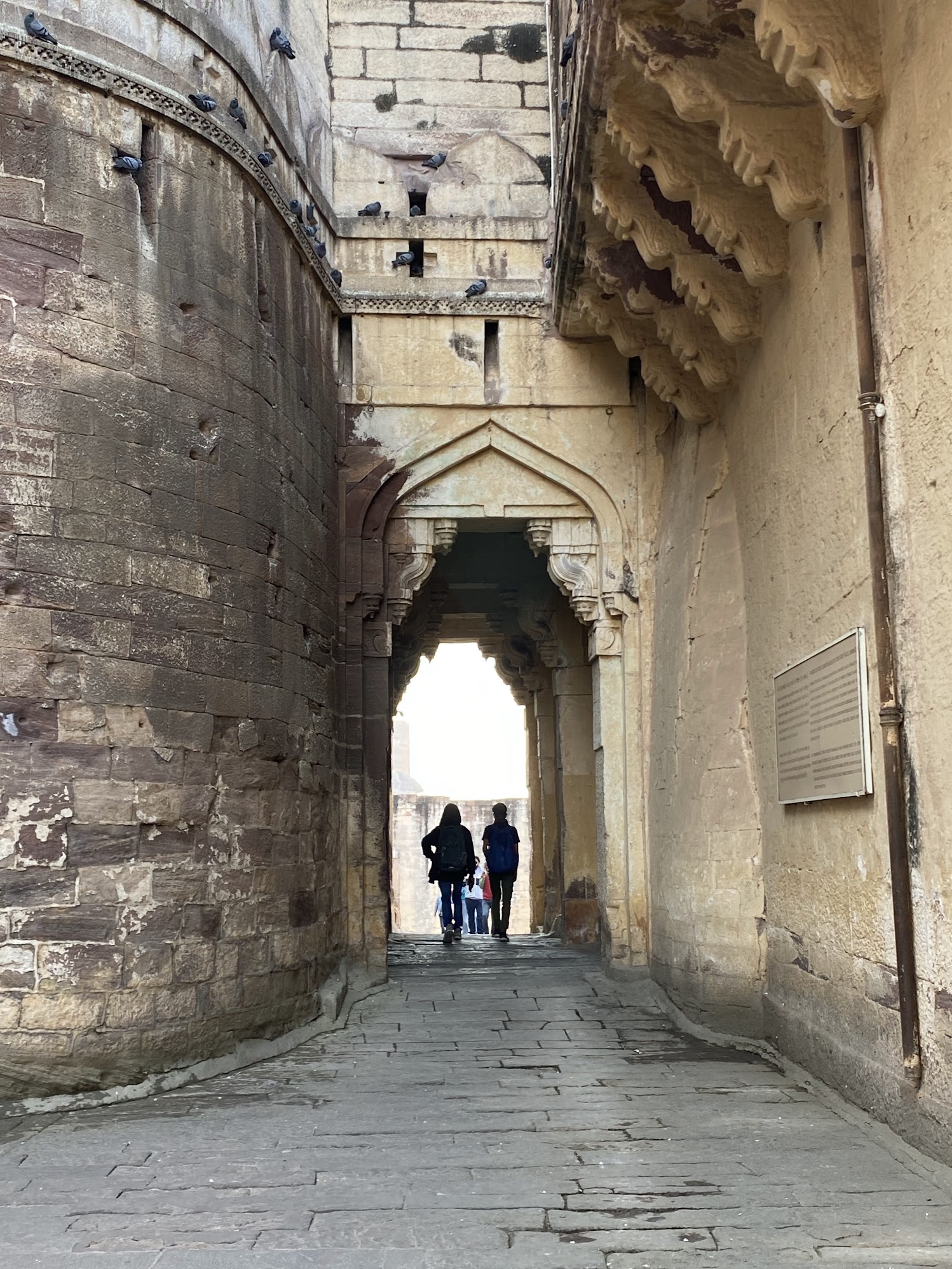
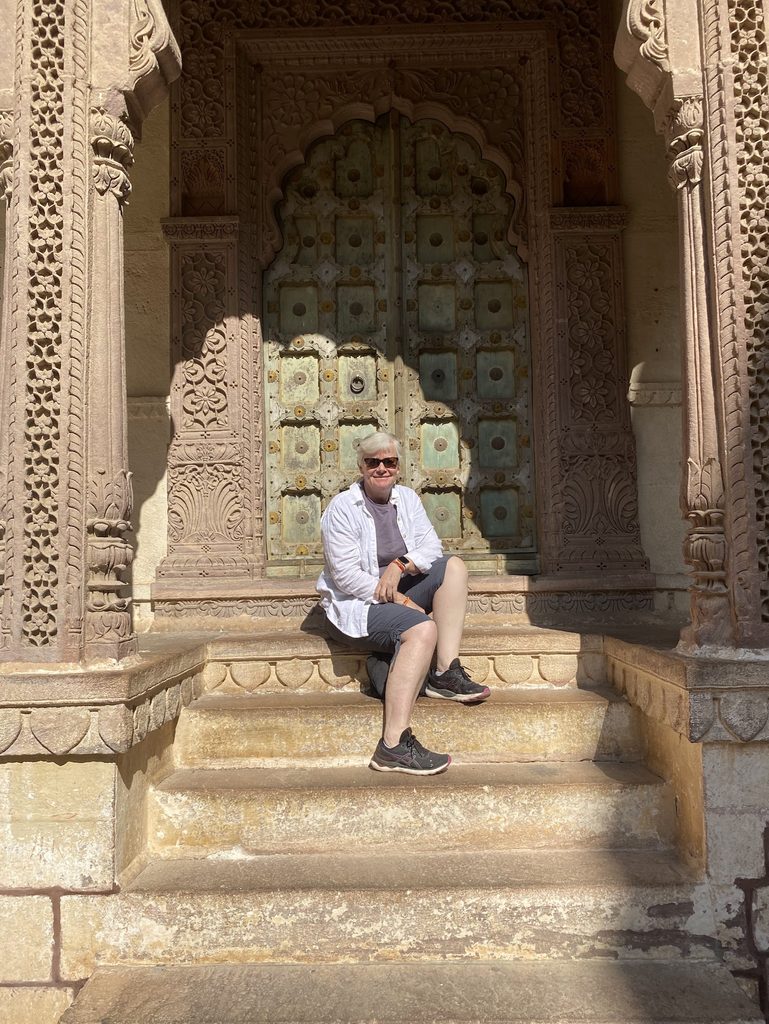
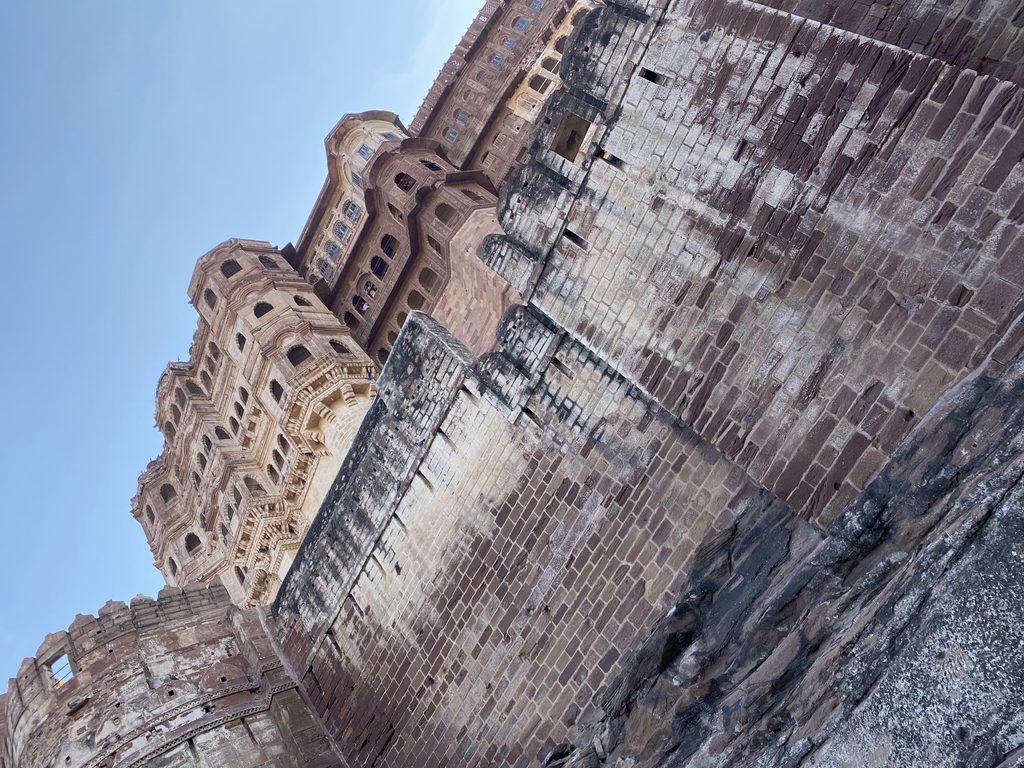
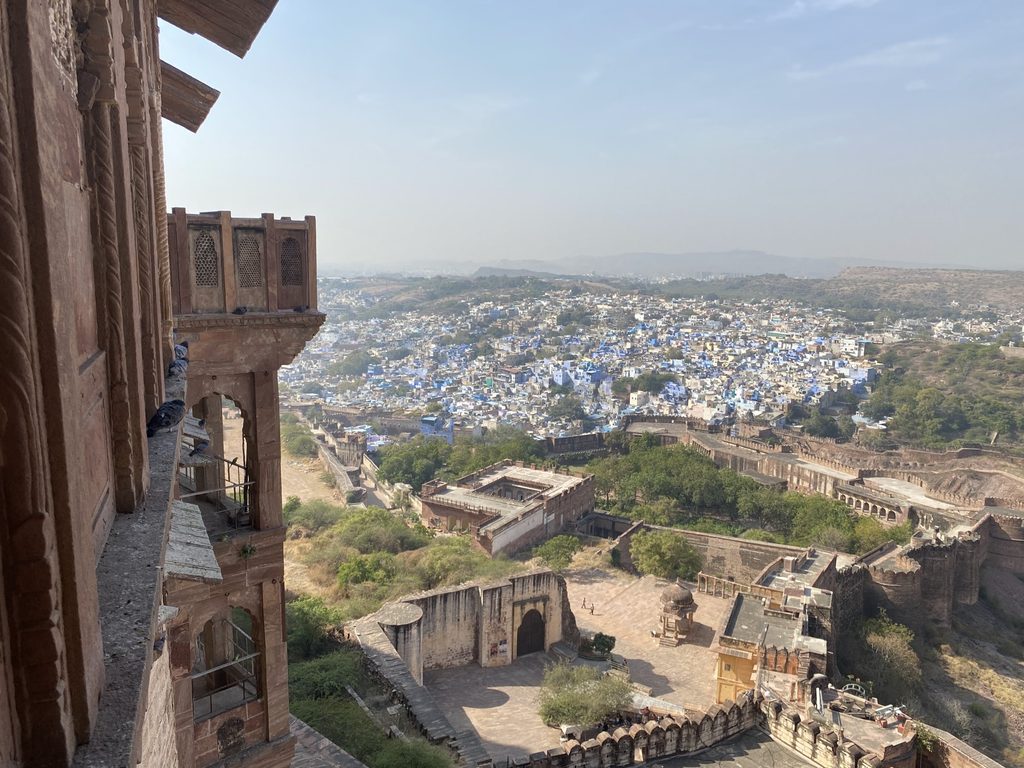
The highlight was the zip-line course around the fort. Flying across the rocky landscape with Mehrangarh behind us was ridiculously good fun.
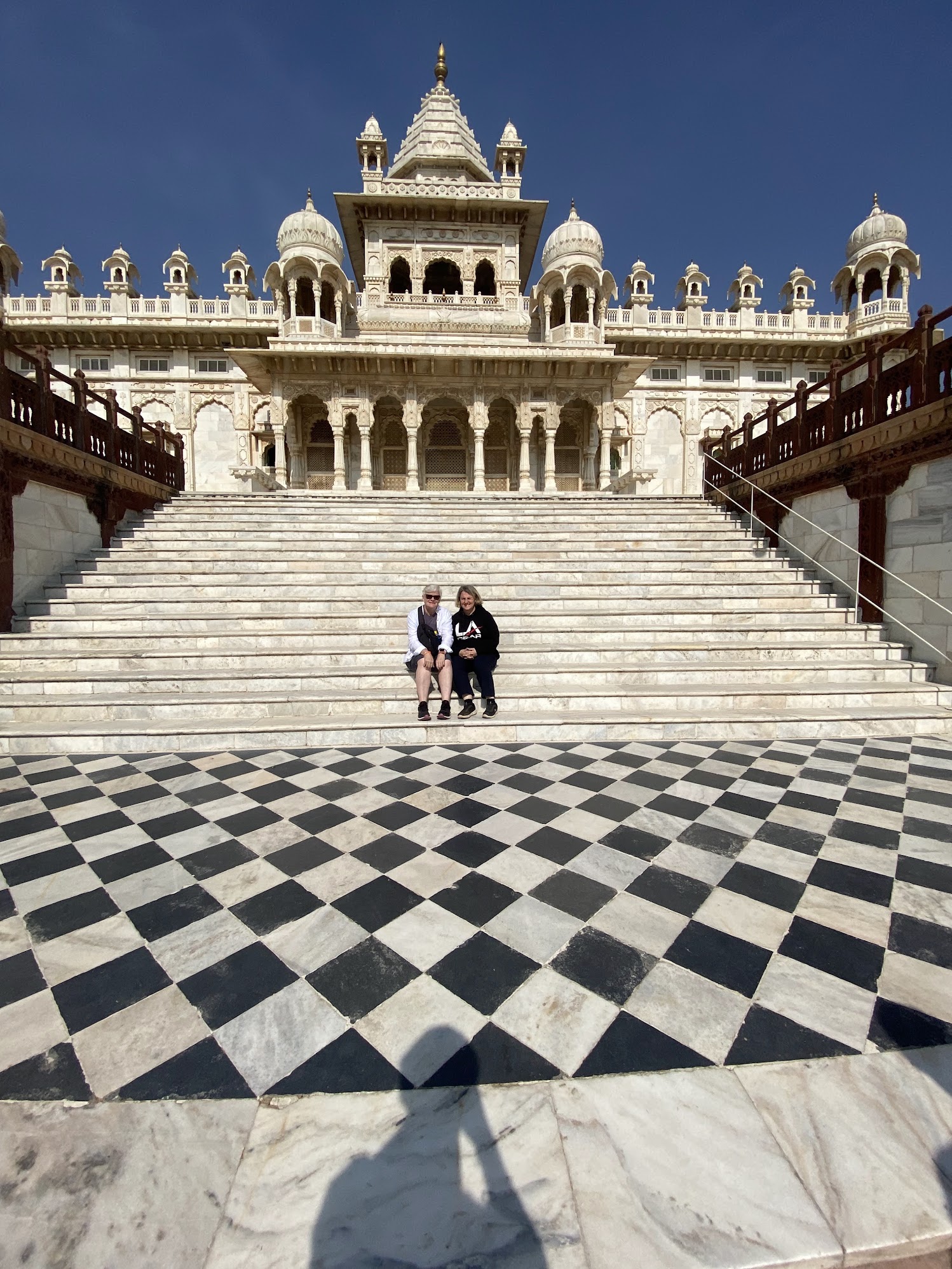
We also visited the peaceful white-marble Jaswant Thada memorial.
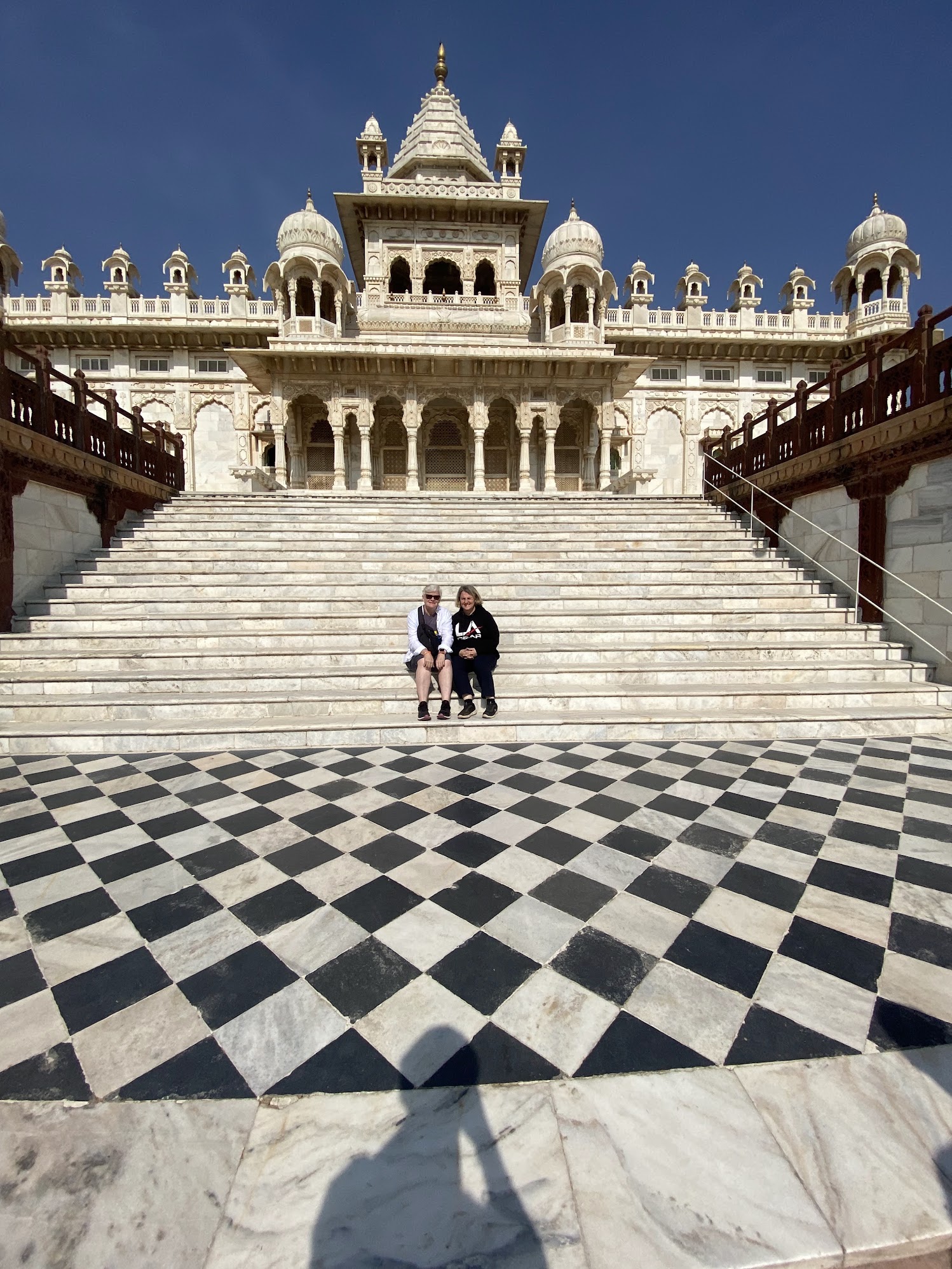
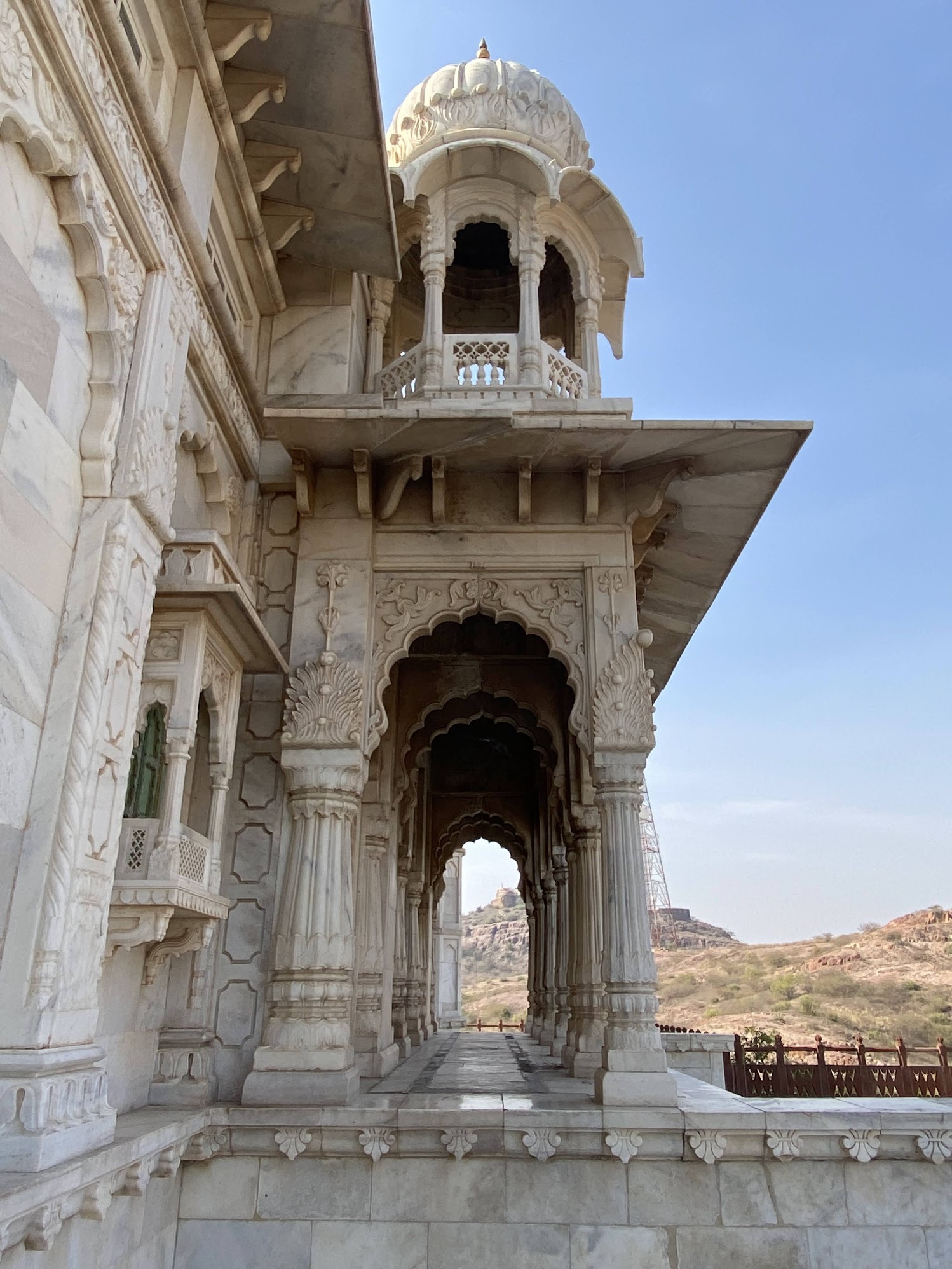
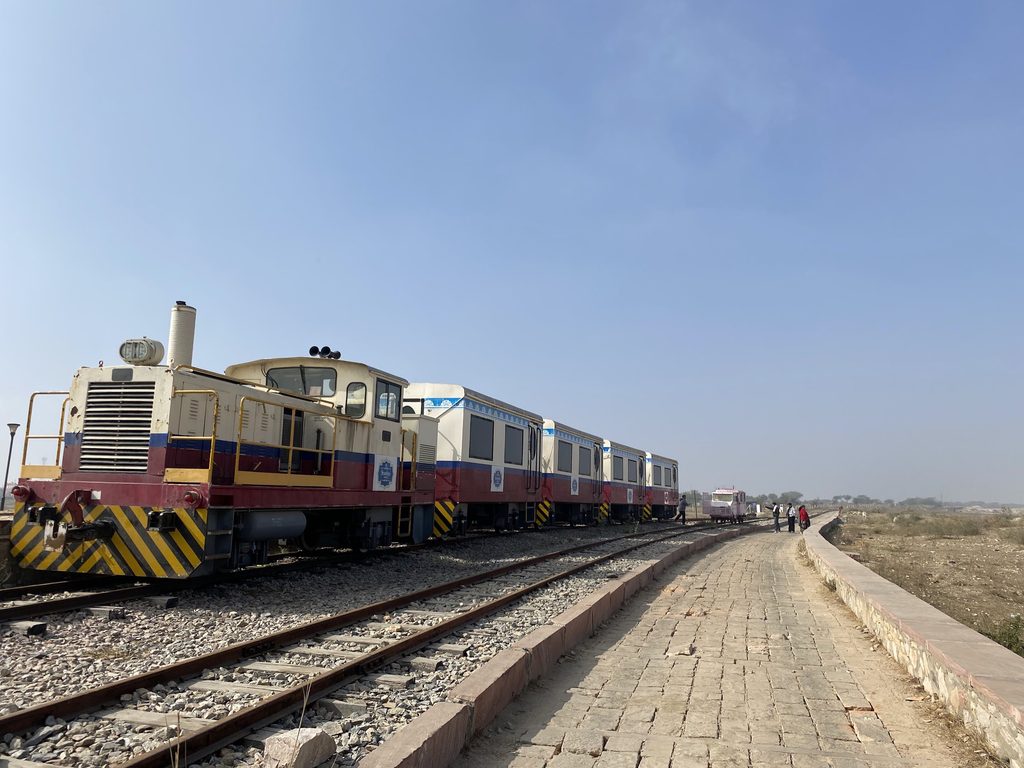
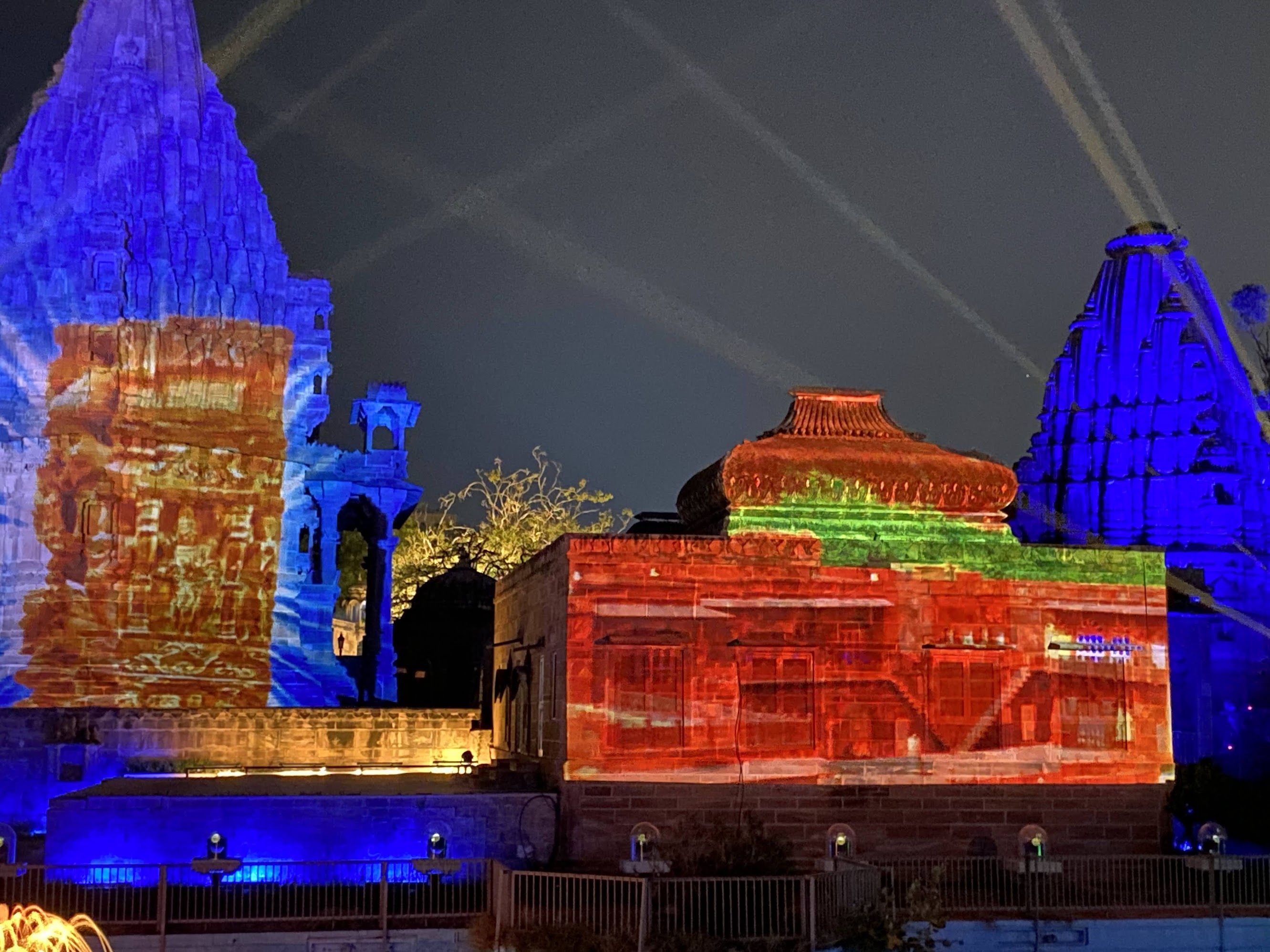
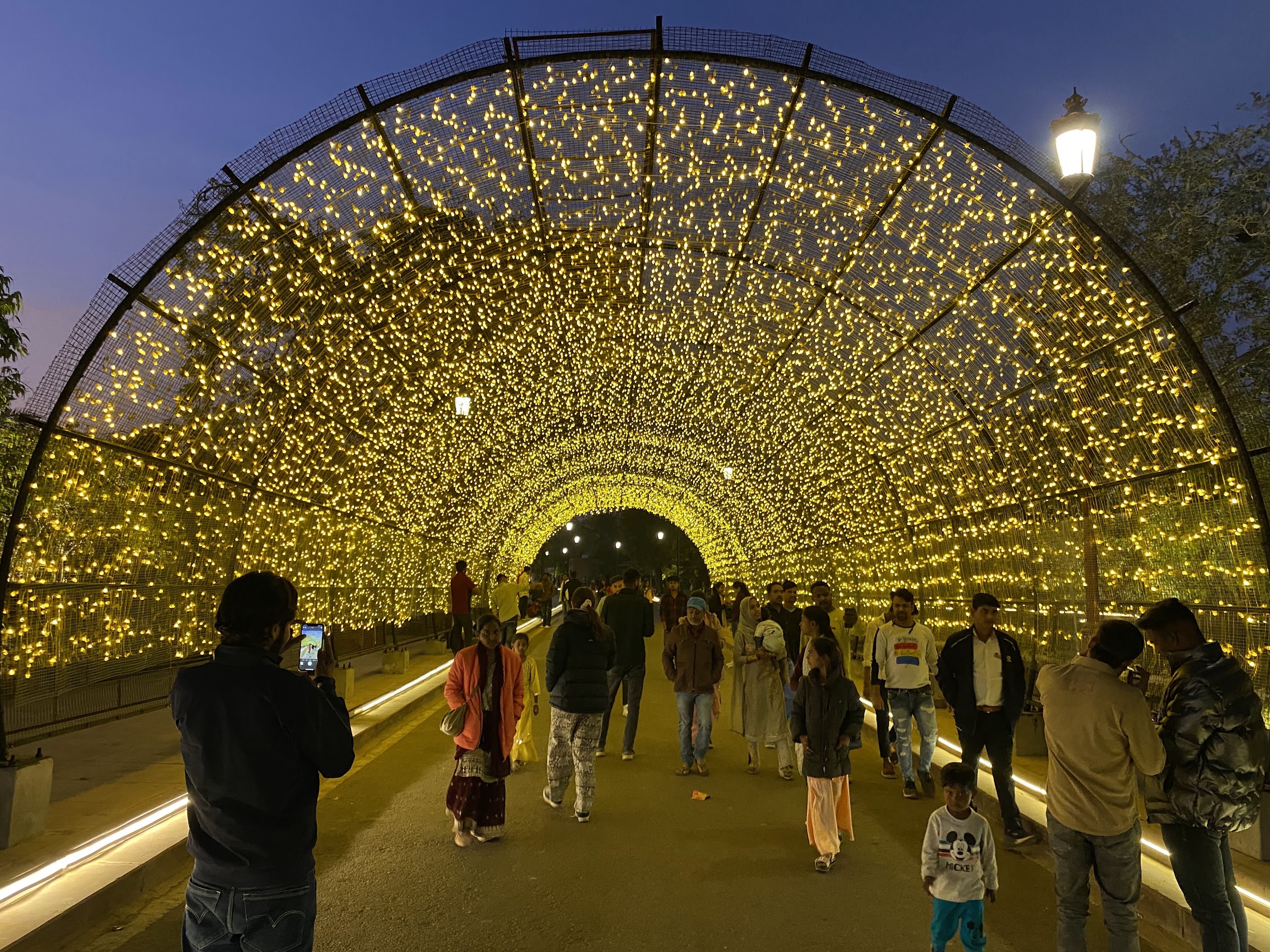
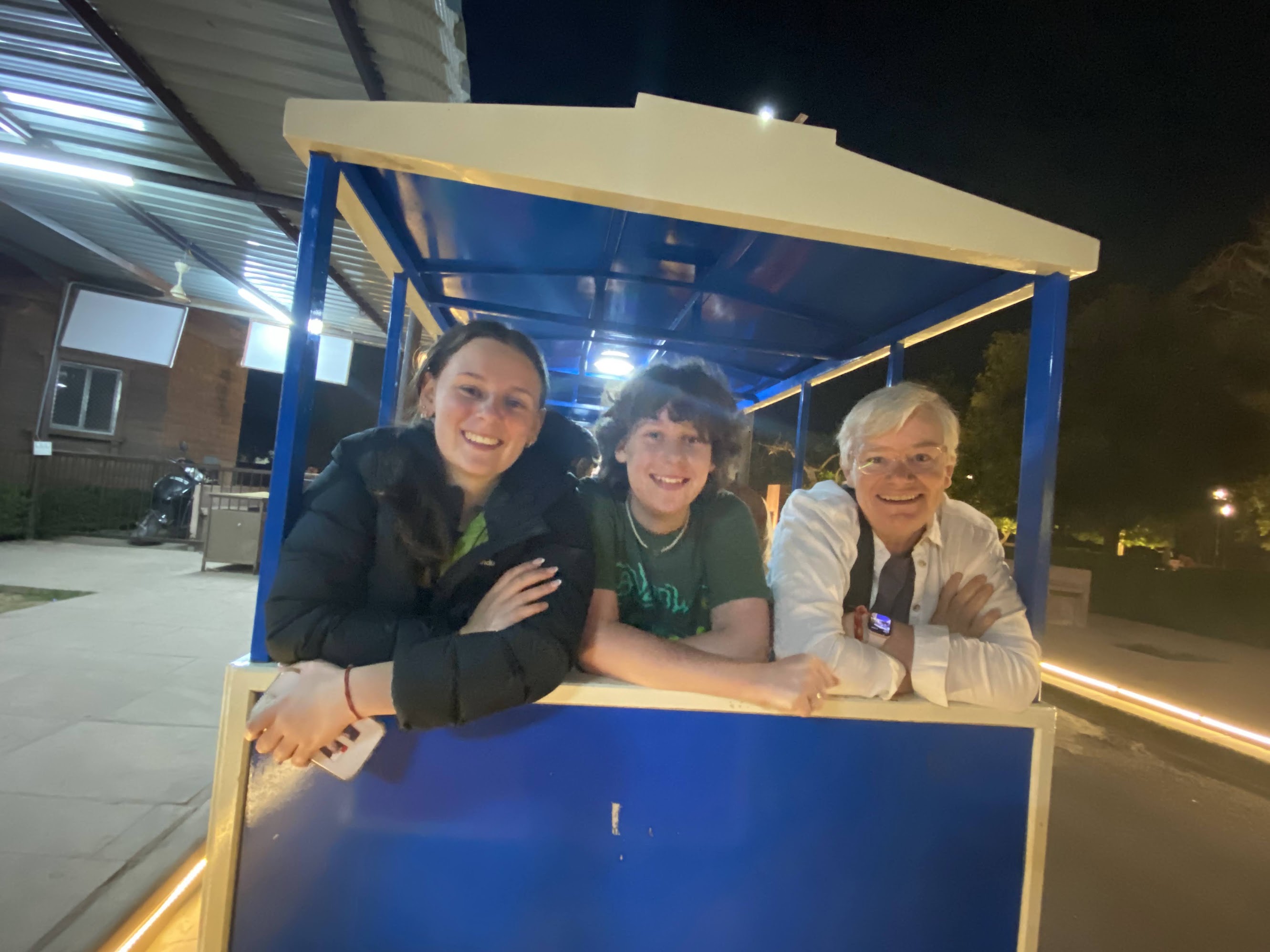
We visited Mandore Gardens for the evening light and sound show and a couple of trips around on the little train.
Another memorable stop was the Dog House Foundation animal shelter in Bujhawar. We spent time with rescued dogs and other animals being cared for there. Seeing the number of animals needing long-term care was confronting, but it was also good to see people putting so much effort into giving them a safe place to live.
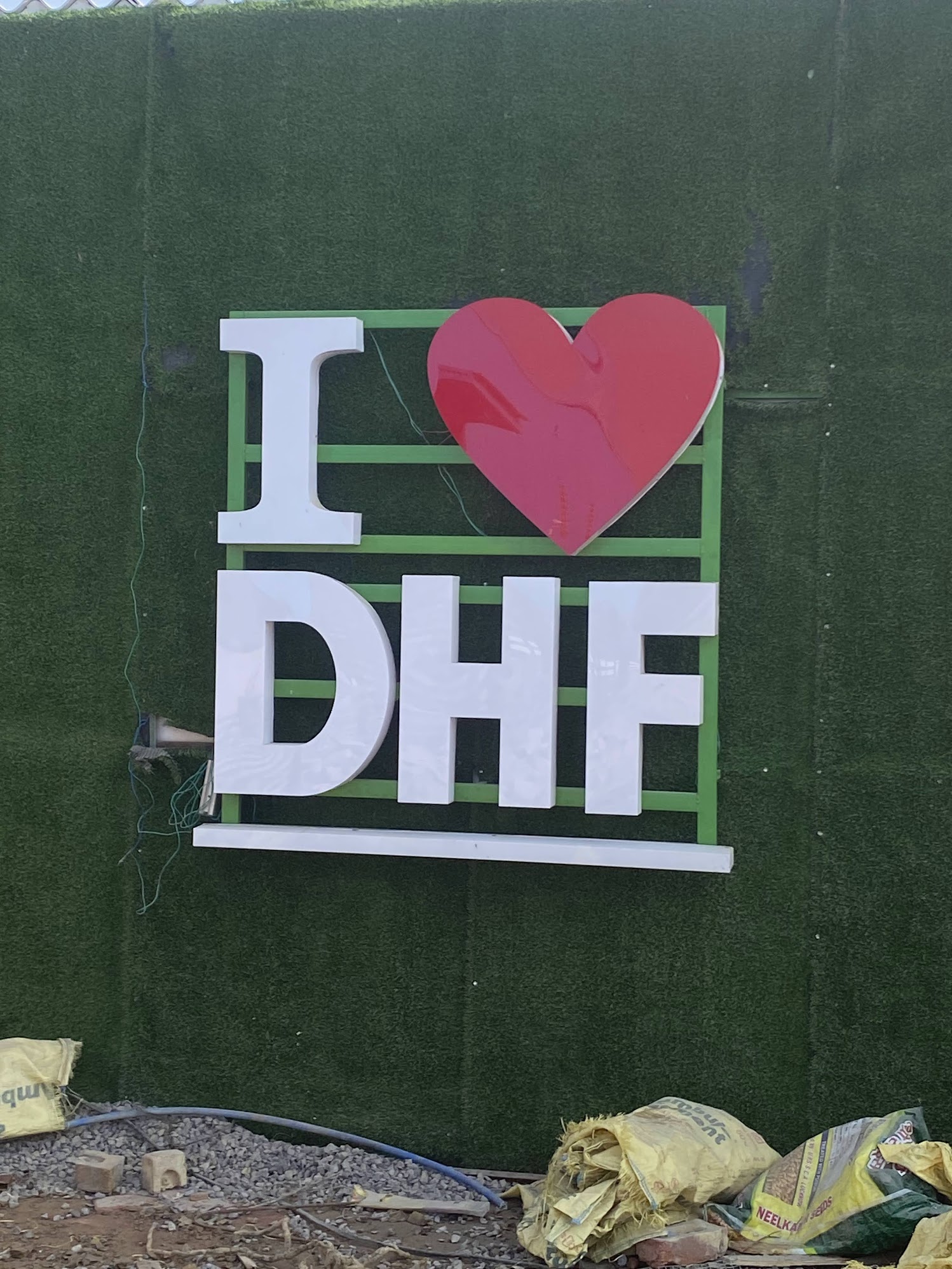
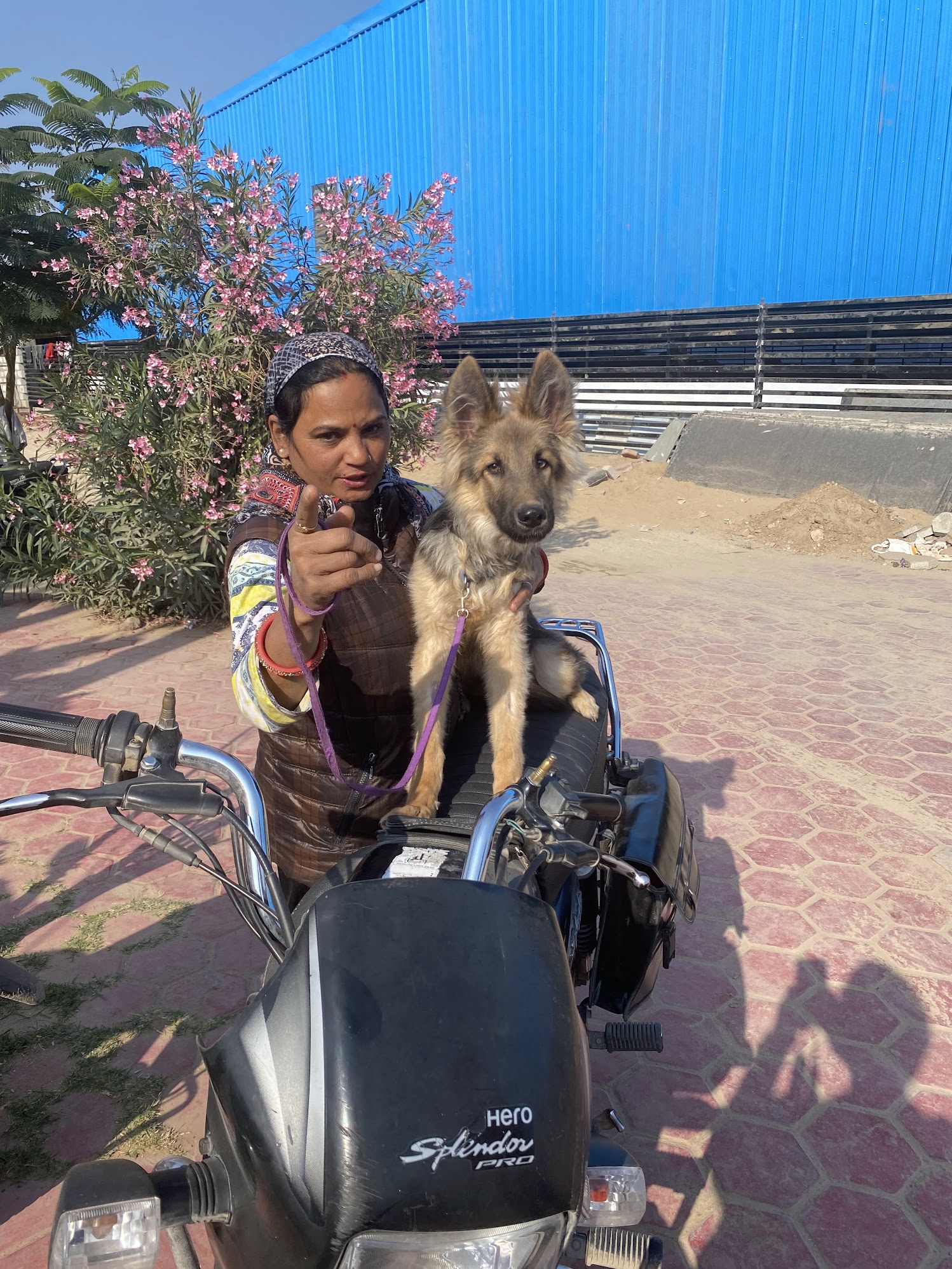
Jodhpur had everything: beautiful streets, great food, history, cooking, animals and the chance to throw ourselves off a cliff attached to a wire.
Pretty hard to dislike.
Ranakpur to Udaipur
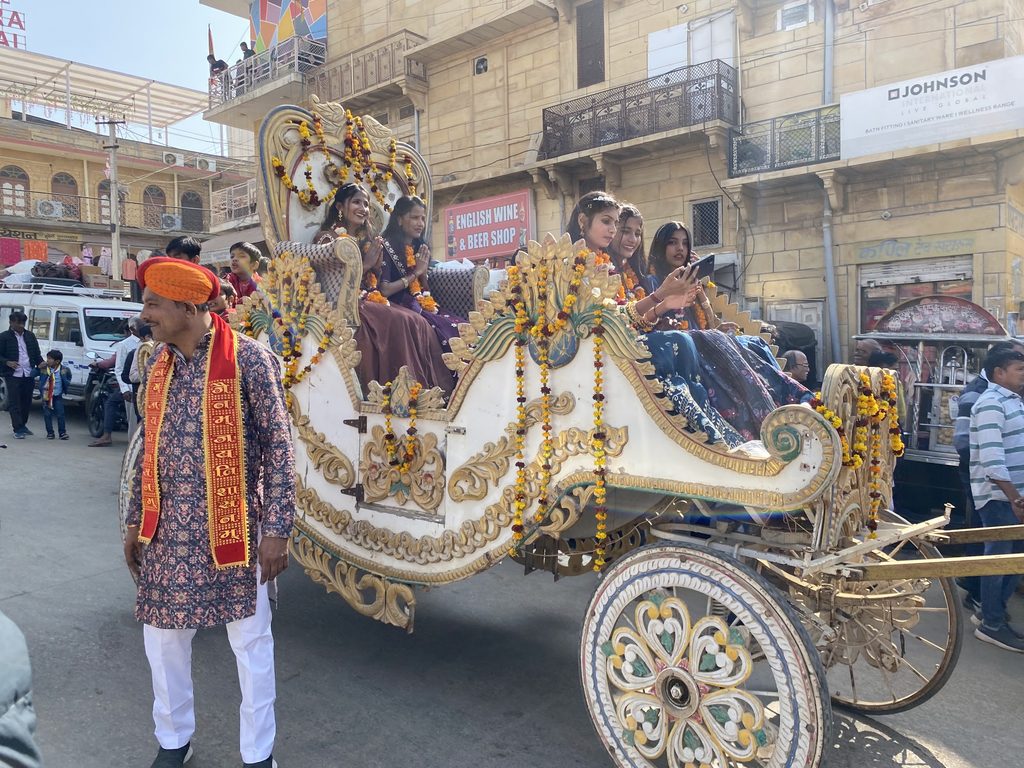
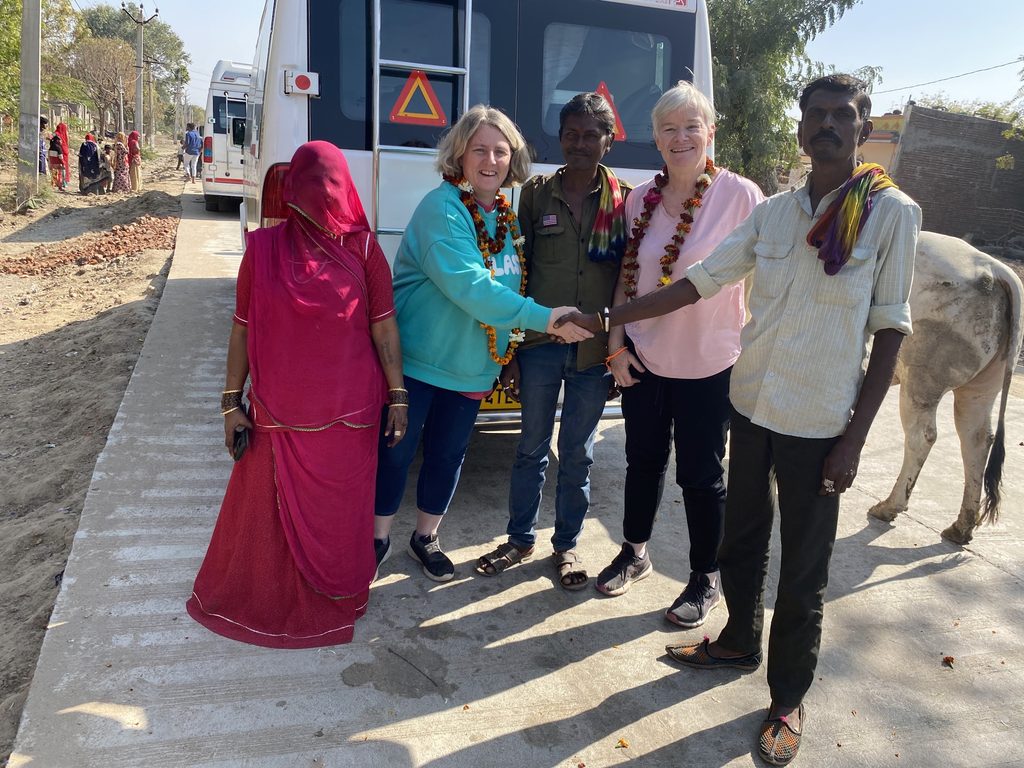
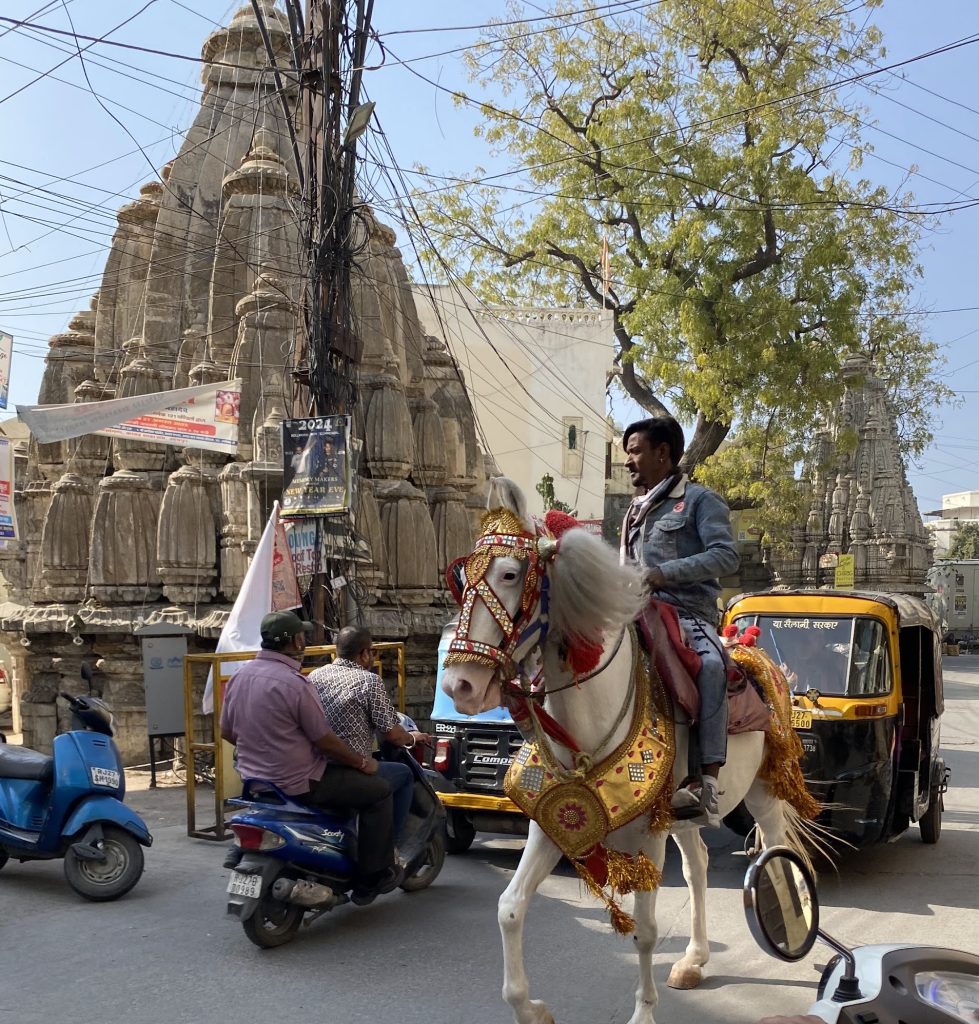
On the way to Ranakpur, the road itself became part of the experience. We met plenty of interesting people along the way and at one point even found ourselves joining a wedding procession for a while — music, colour, dancing and complete strangers happily pulling us into the celebration.
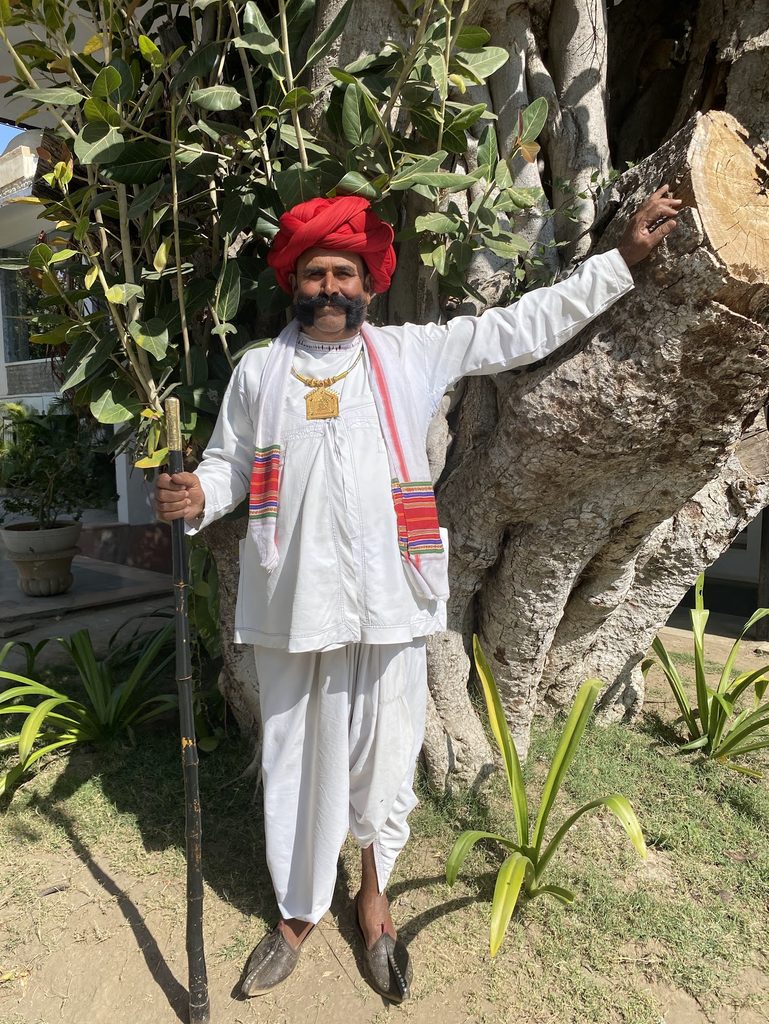
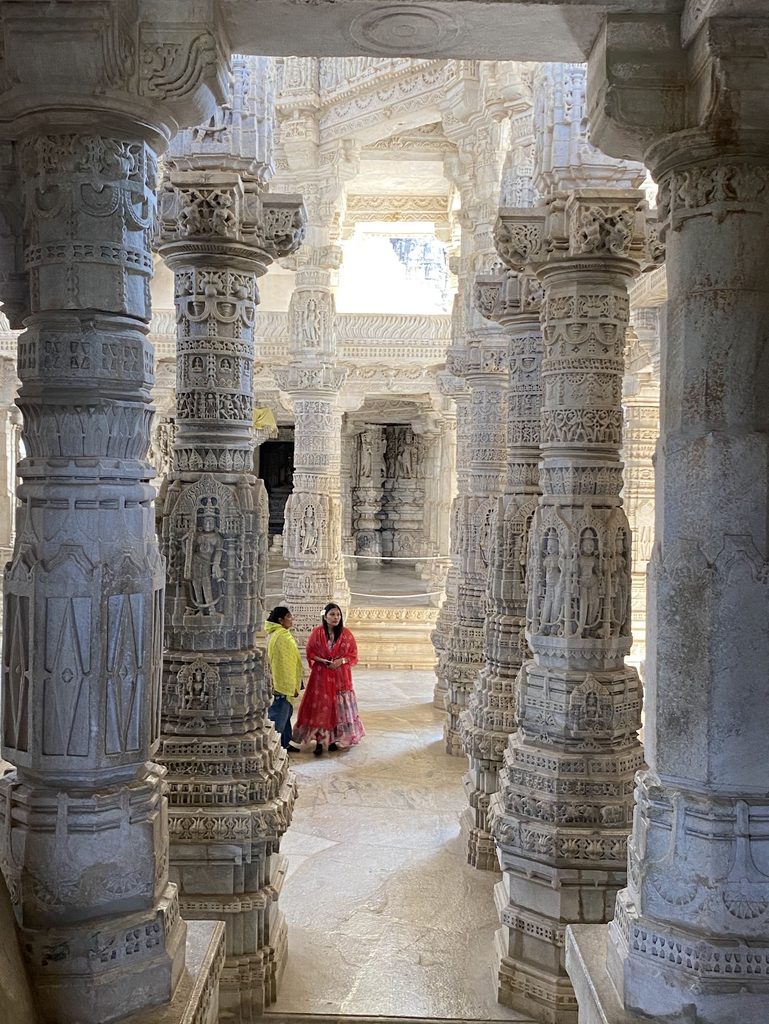
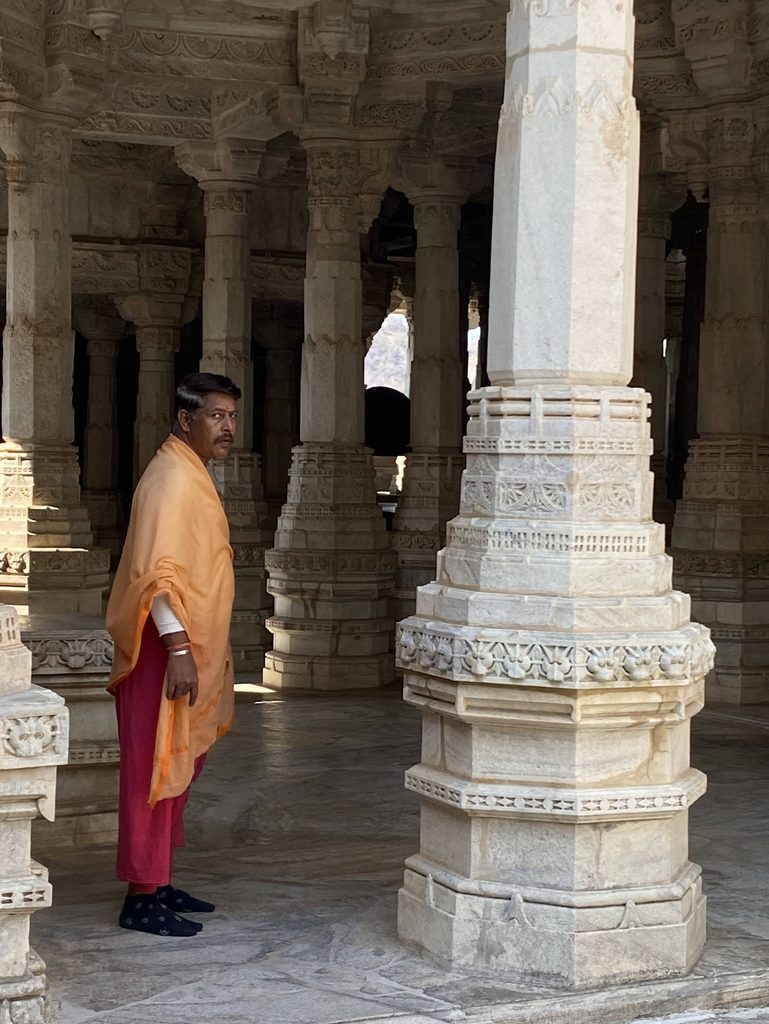
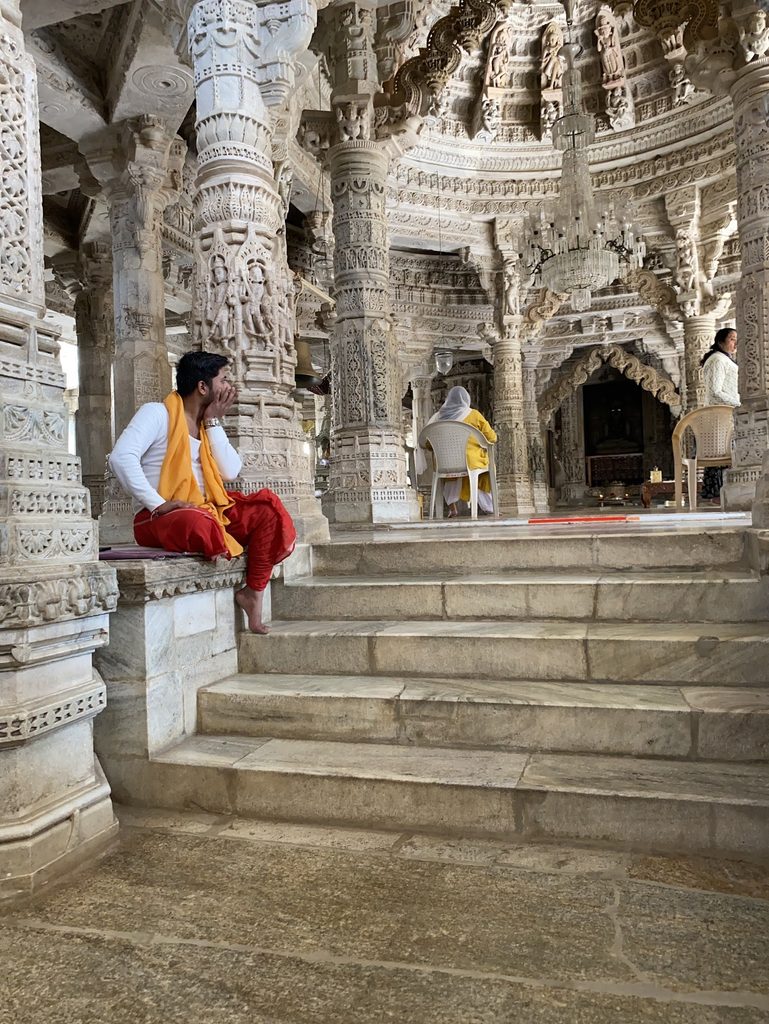
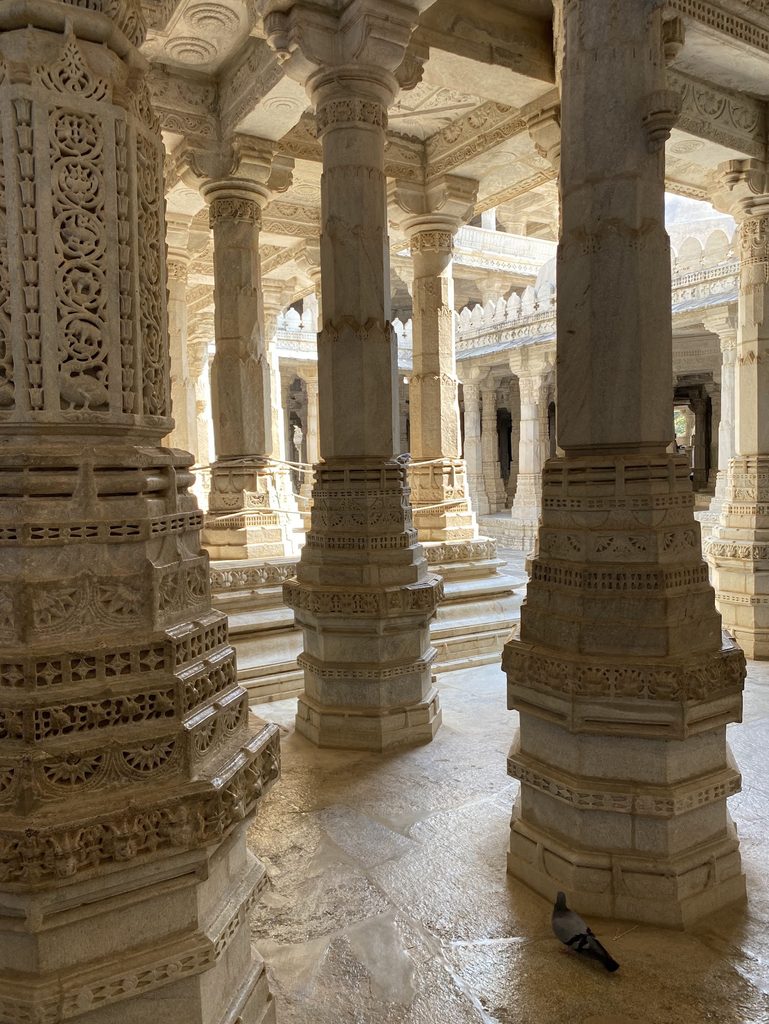
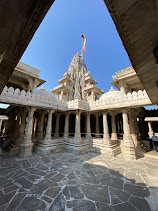
At Ranakpur, we visited the extraordinary Jain temple, famous for its white marble and hundreds of intricately carved pillars. The detail is remarkable, and the whole complex feels cool, calm and almost unreal after the noise outside.
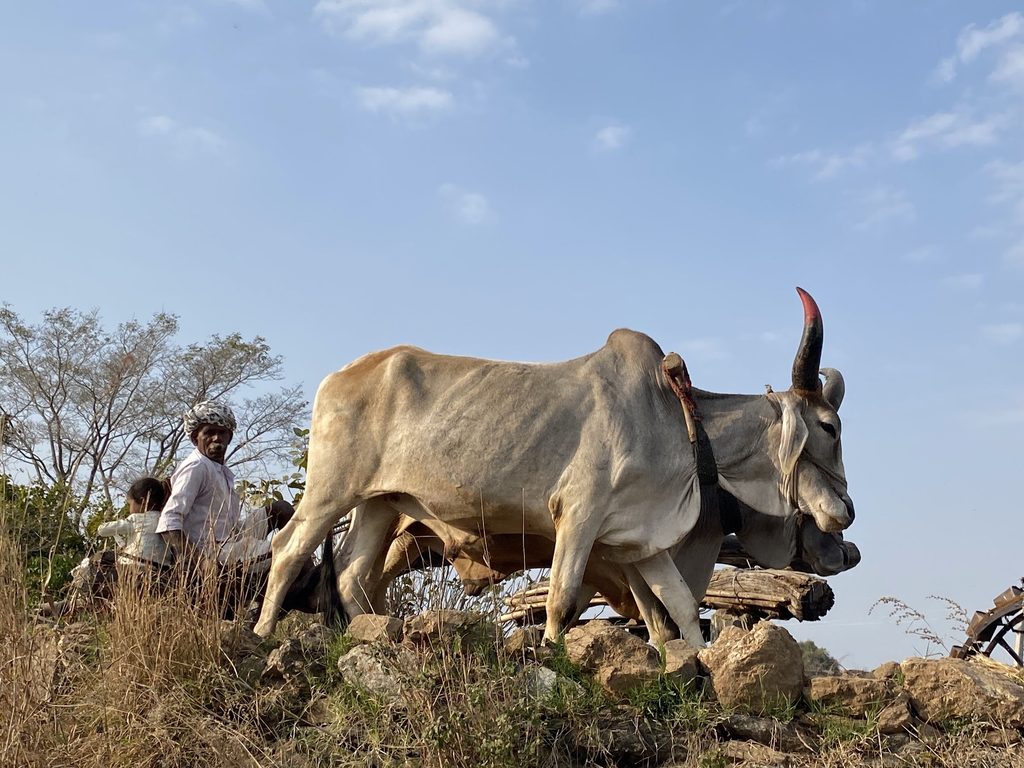
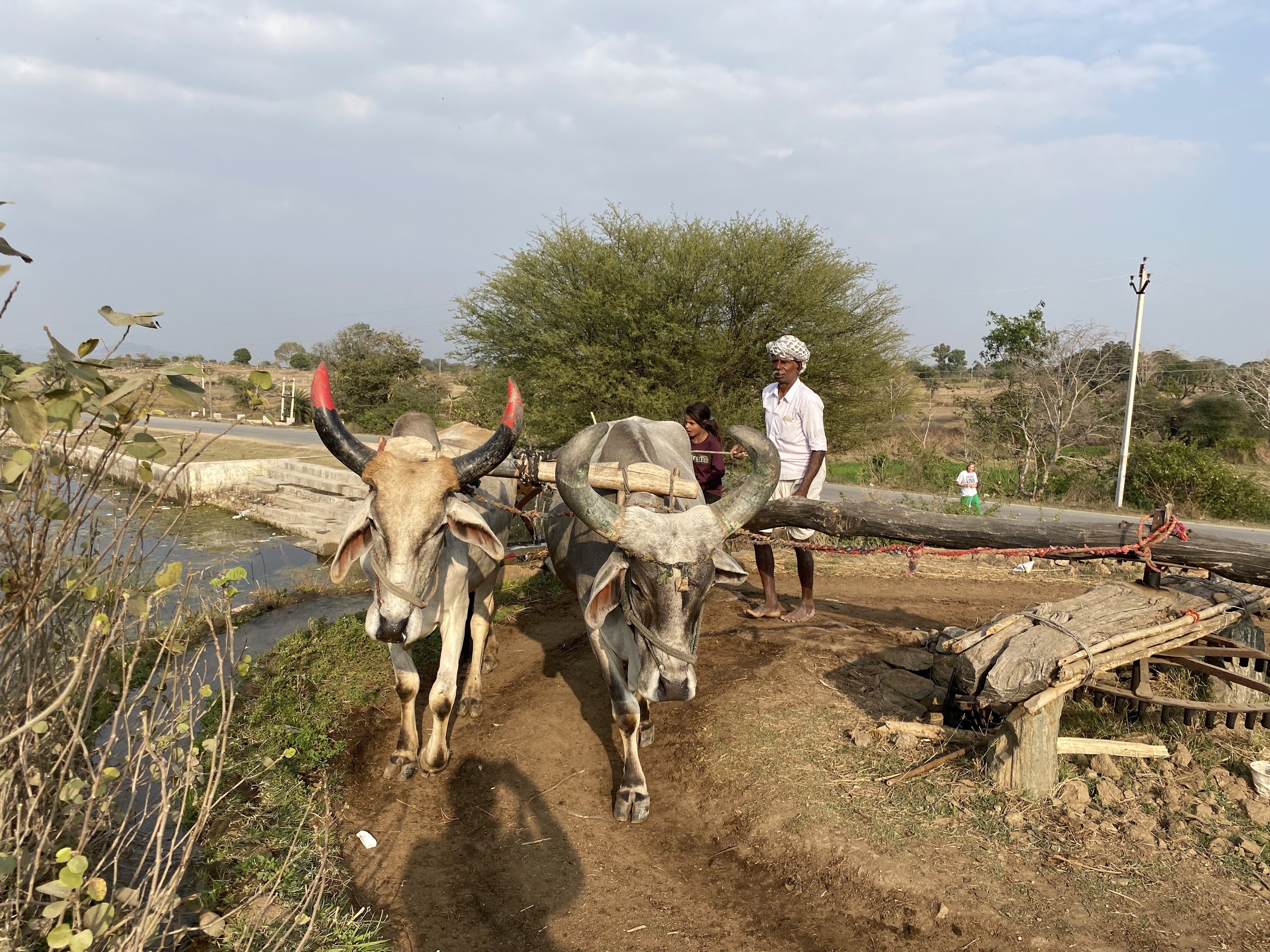
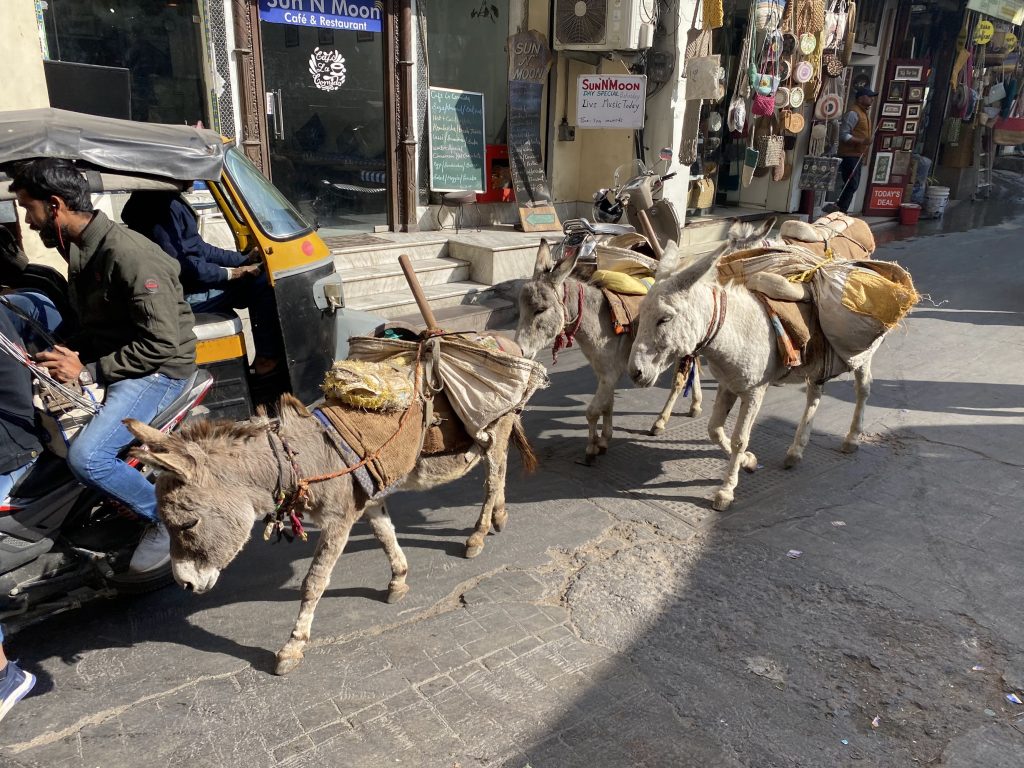
Driving through the Aravalli Range, we stopped to watch a man using his cows to turn a huge traditional wheel that lifted water for local homes. It was one of those small, everyday moments that tells you far more about a place than another tourist attraction.
Then we arrived in Udaipur, the beautiful white city of Rajasthan.
After the desert towns and forts, Udaipur felt softer and more elegant — white buildings, palaces, hills and lakes all packed together in one of the prettiest cities we had seen so far.
Udaipur — A Room With a View and a Bandaged Head
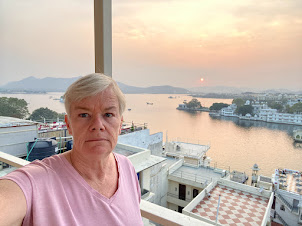
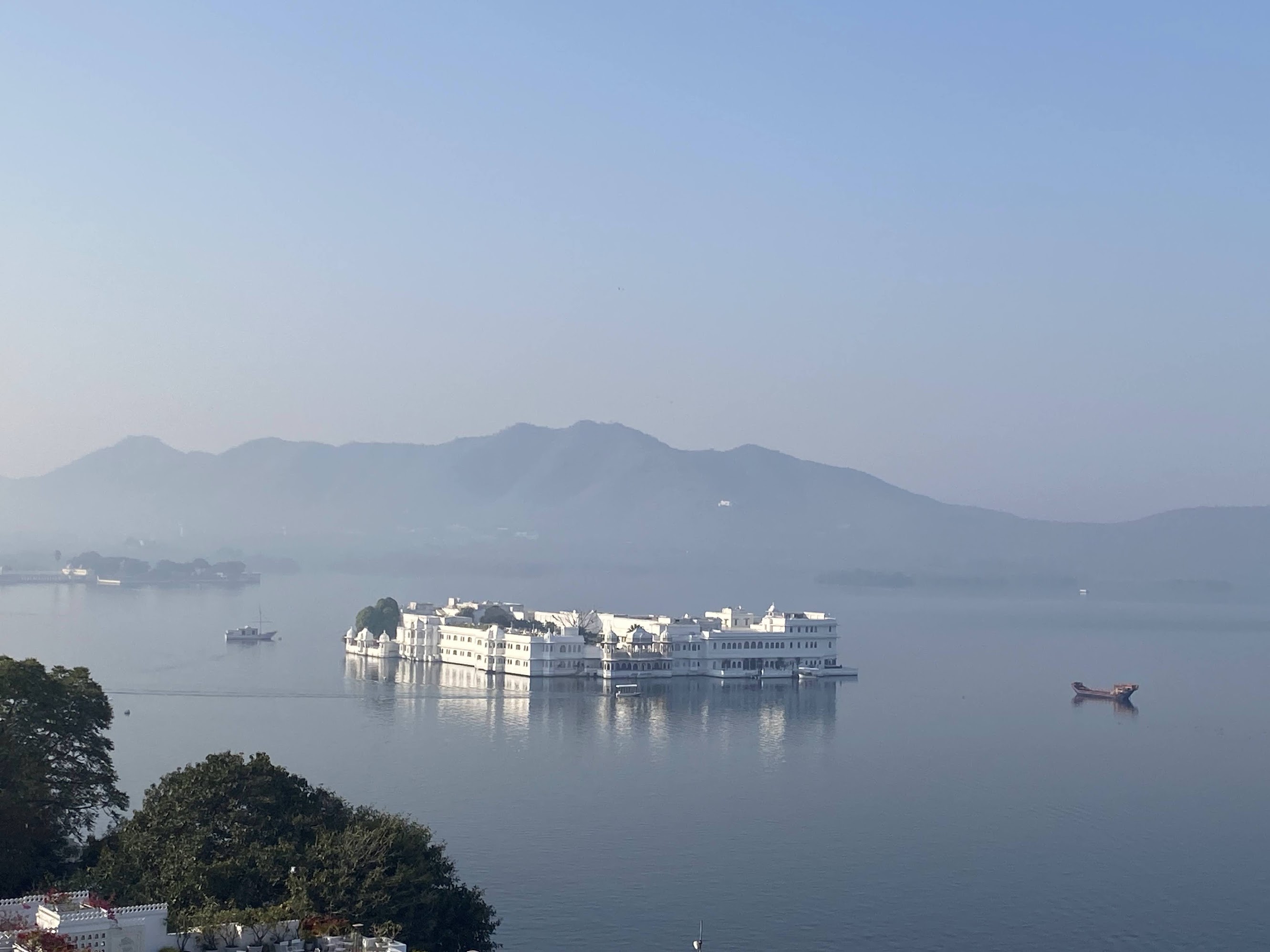
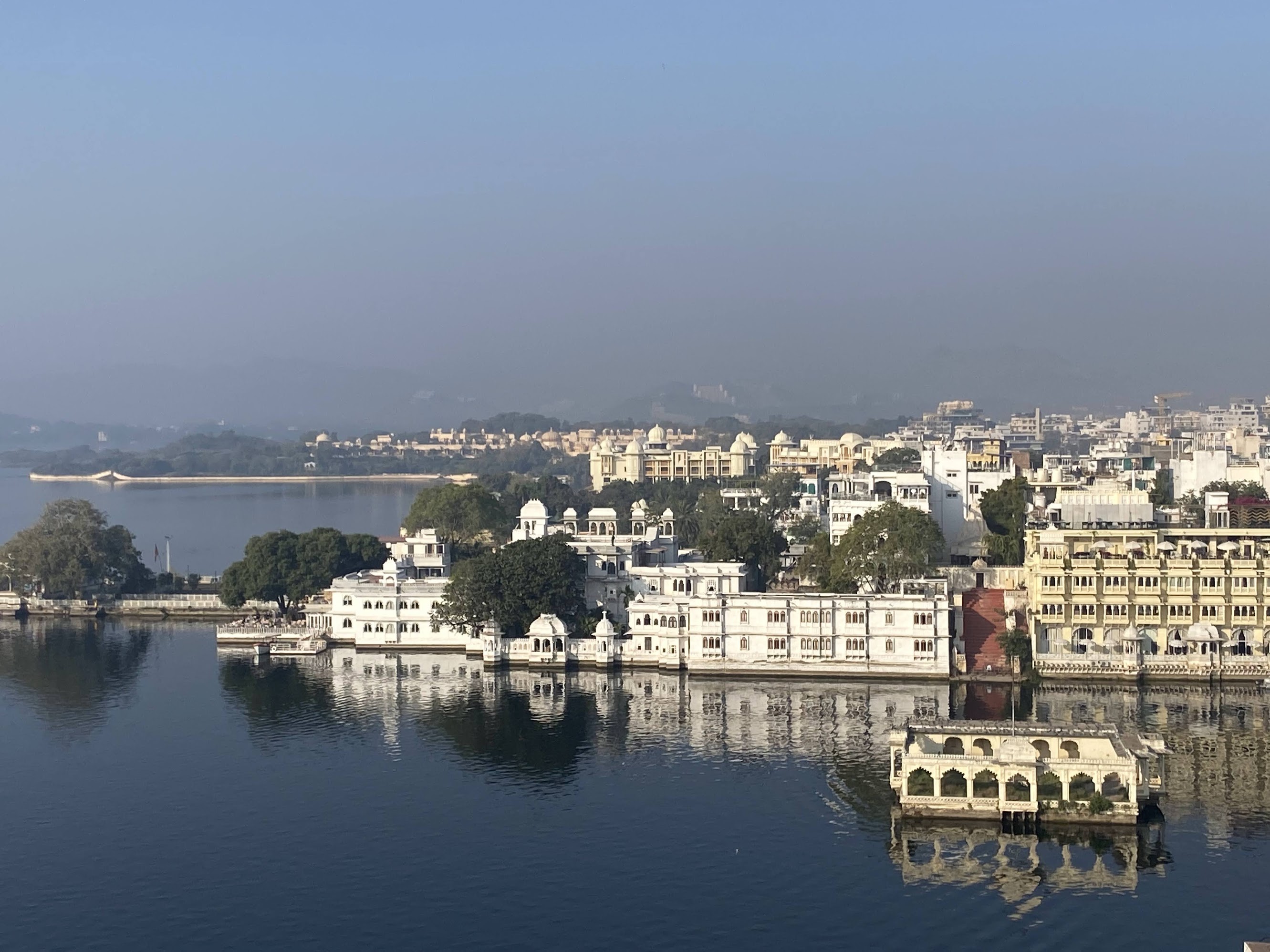
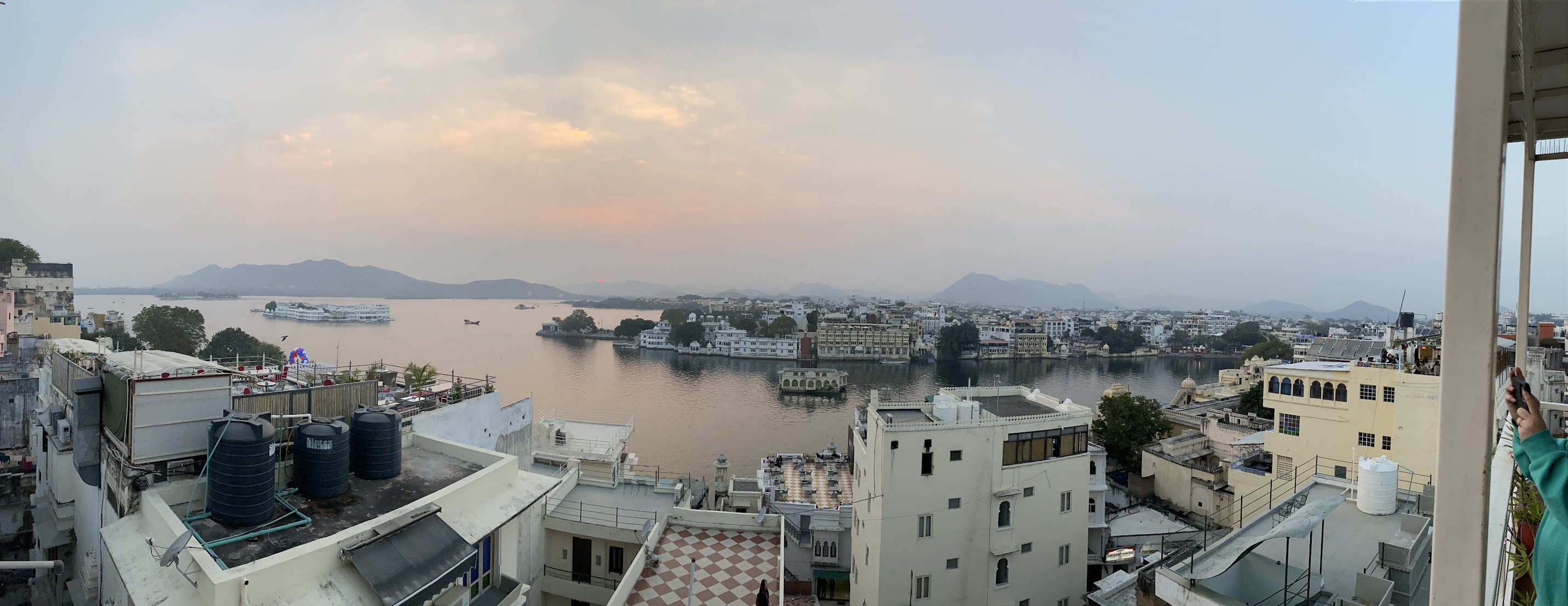
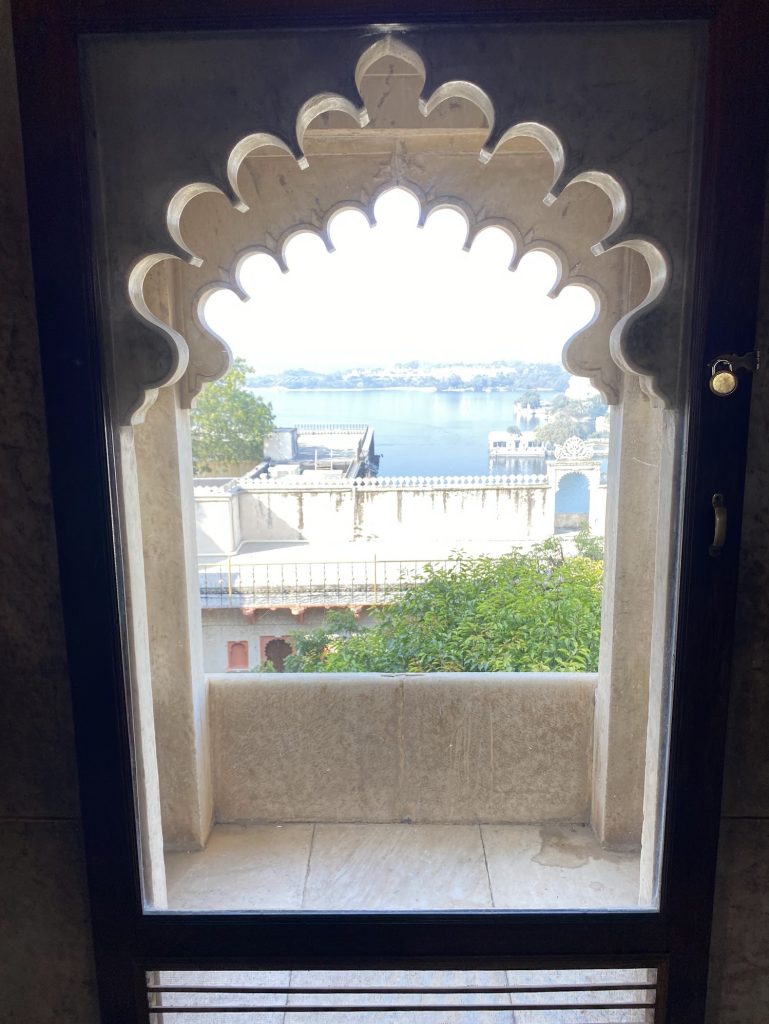
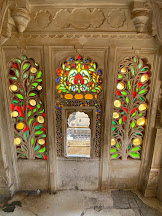
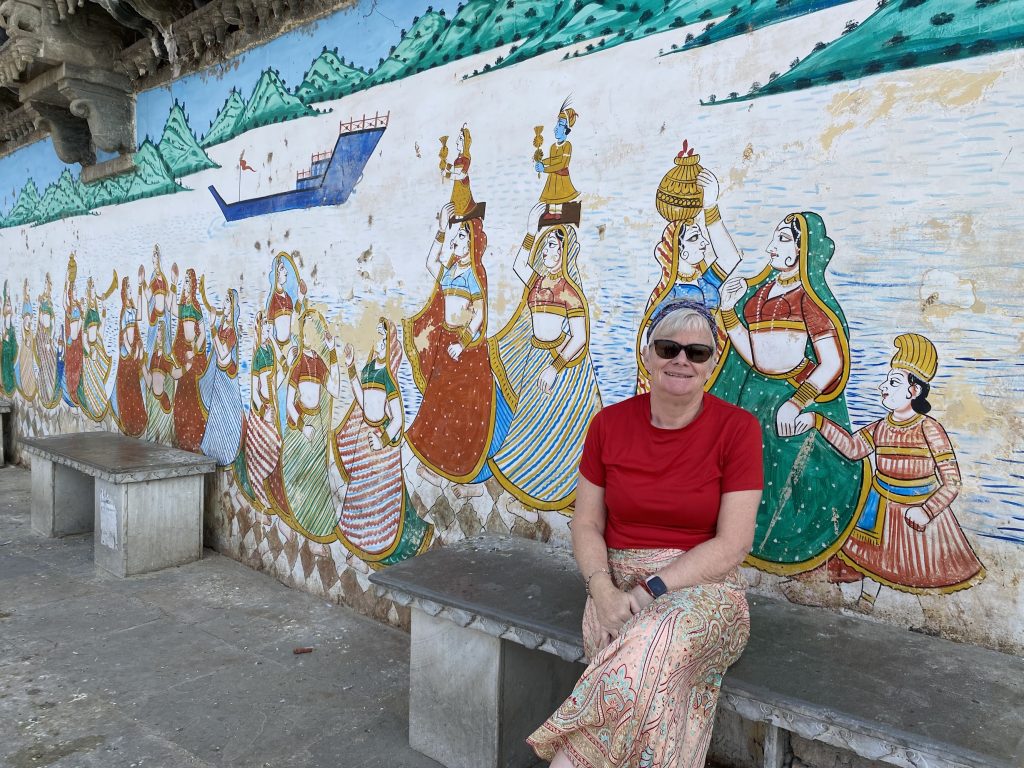
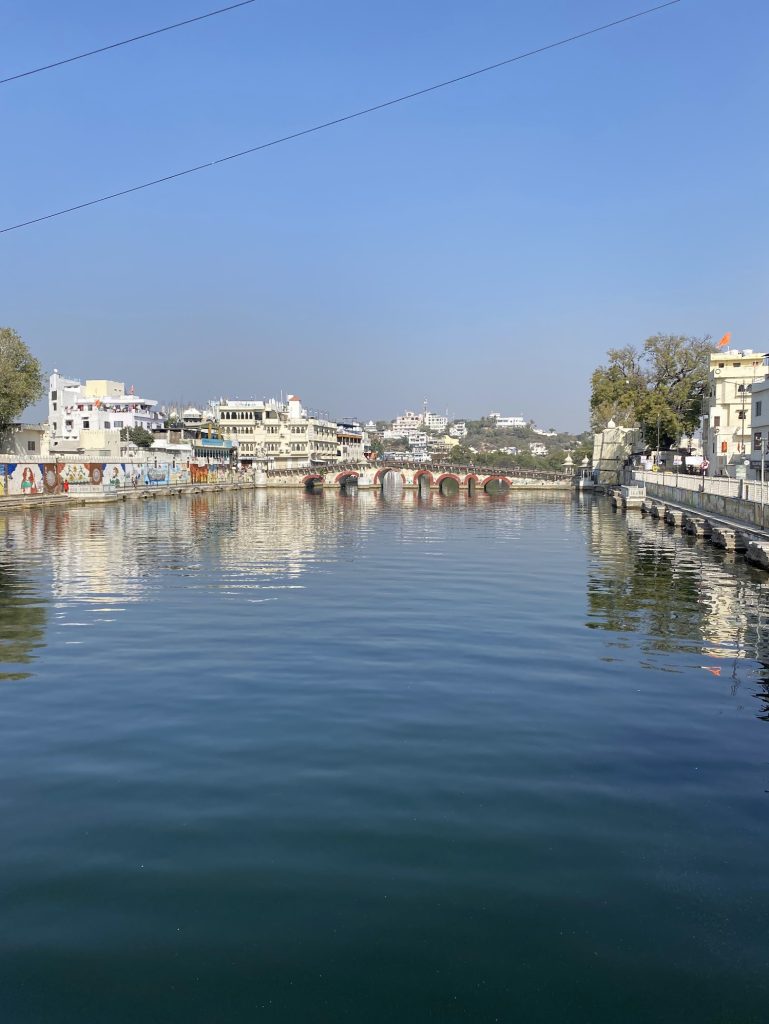
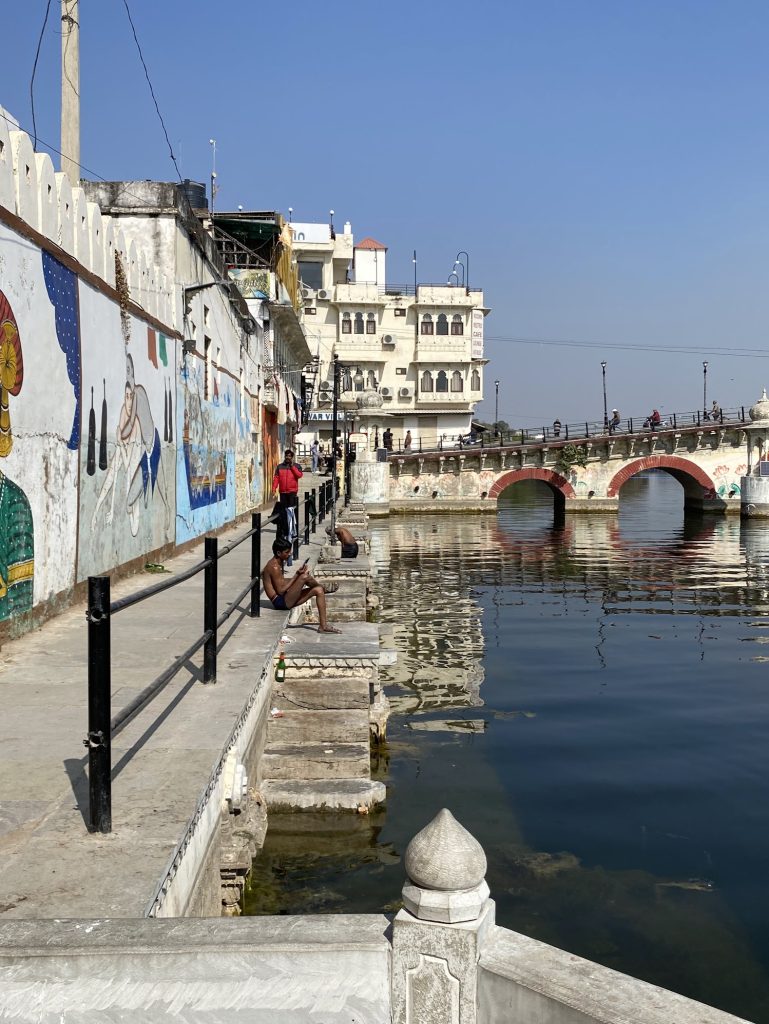
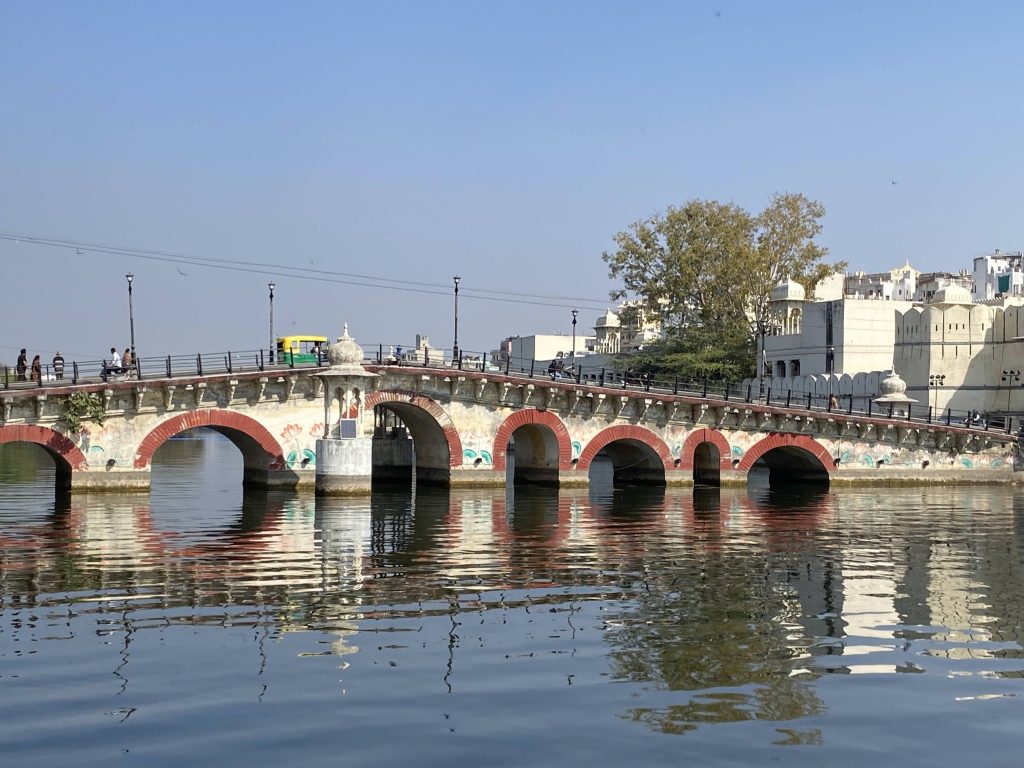
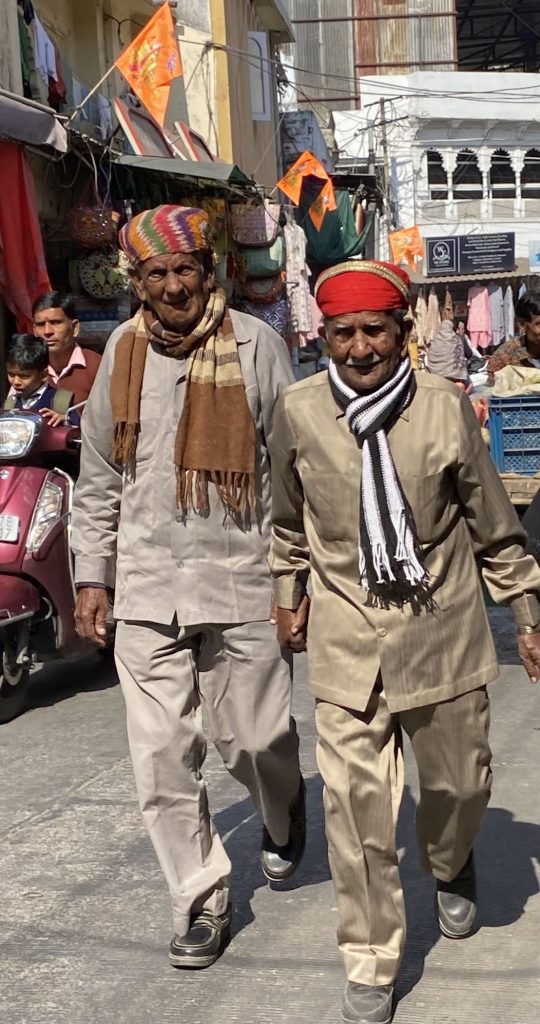
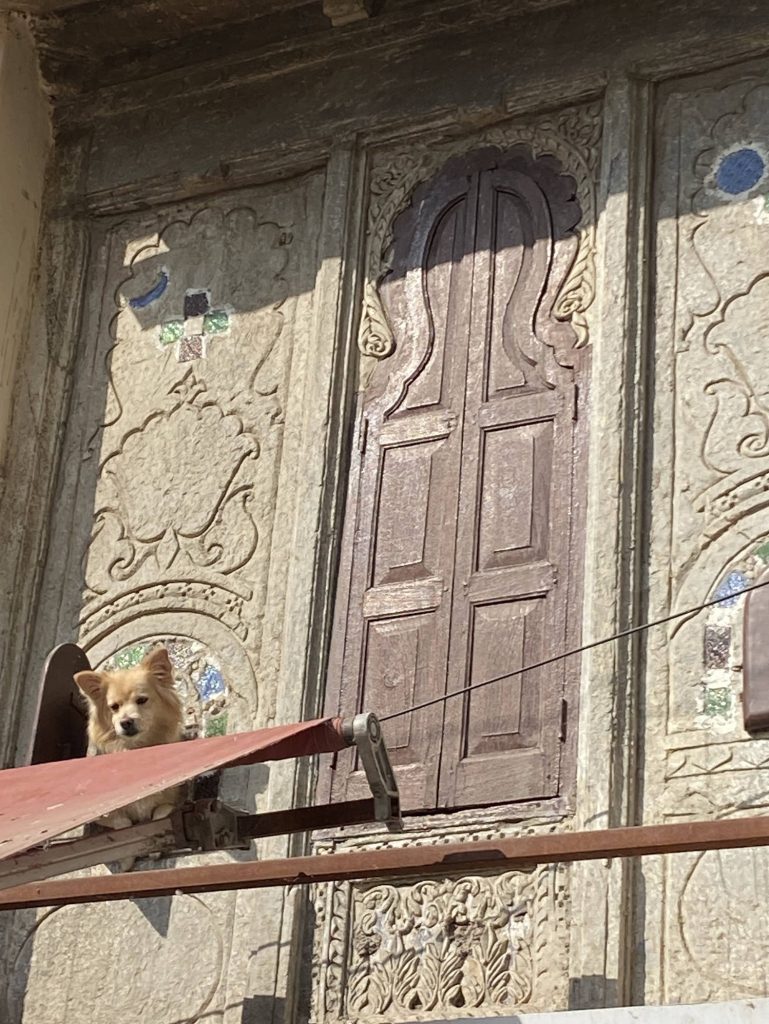
We reached our hotel right in the heart of Udaipur, and our room was beautiful. We had a balcony overlooking Lake Pichola, with views across the water to the palaces and whitewashed buildings beyond. The room itself had those gorgeous ornate windows that seemed to frame the city perfectly.
The next morning, I opened the curtains to soft, filtered light over the lake and immediately decided I needed a photo from the balcony.
In my haste, I forgot about the ornate window frame.
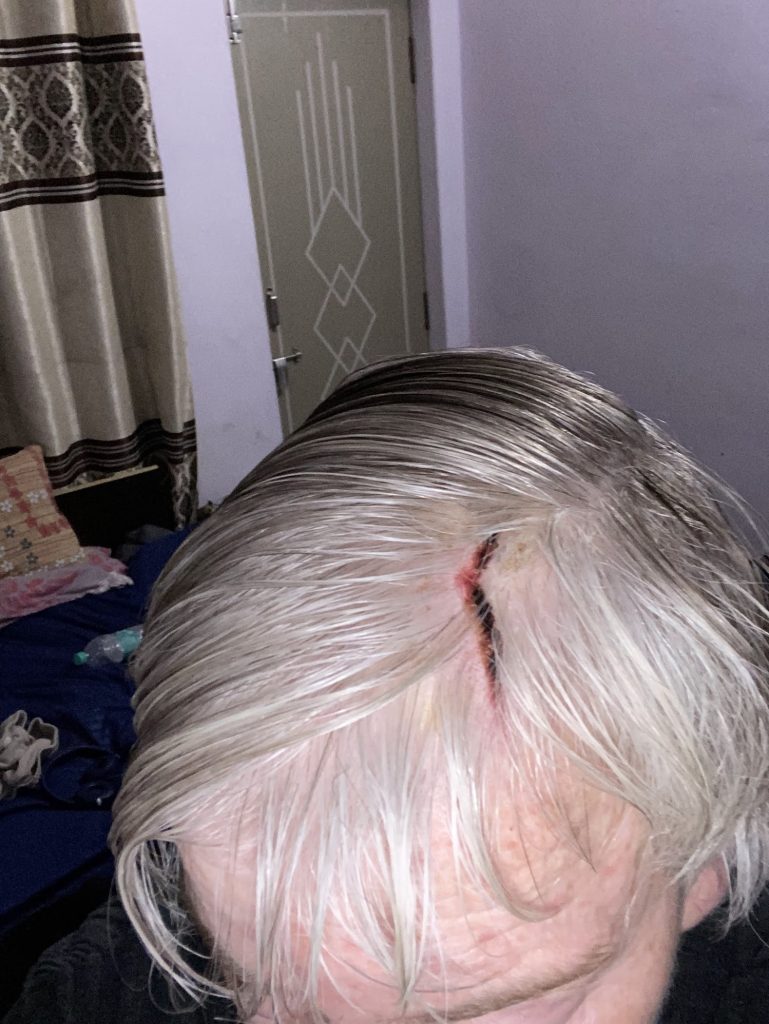
I stood up far too quickly and slammed my head straight into it.
Blood everywhere.
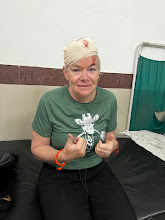
Within minutes, our peaceful morning had turned into a tuk-tuk ride to hospital. The hotel owner came with us, as did the tuk-tuk driver, my best friend — who thankfully is a nurse — and me, now looking like I’d lost a fairly serious argument with a piece of architecture.
The consultation itself was an experience. The doctor cleaned the wound, but when he couldn’t locate any gloves, my best friend became considerably less enthusiastic about the idea of stitches. Nurse BFF overruled the situation, so instead I left with a fairly spectacular bandage wrapped around my head
Naturally, this did not stop the sightseeing.
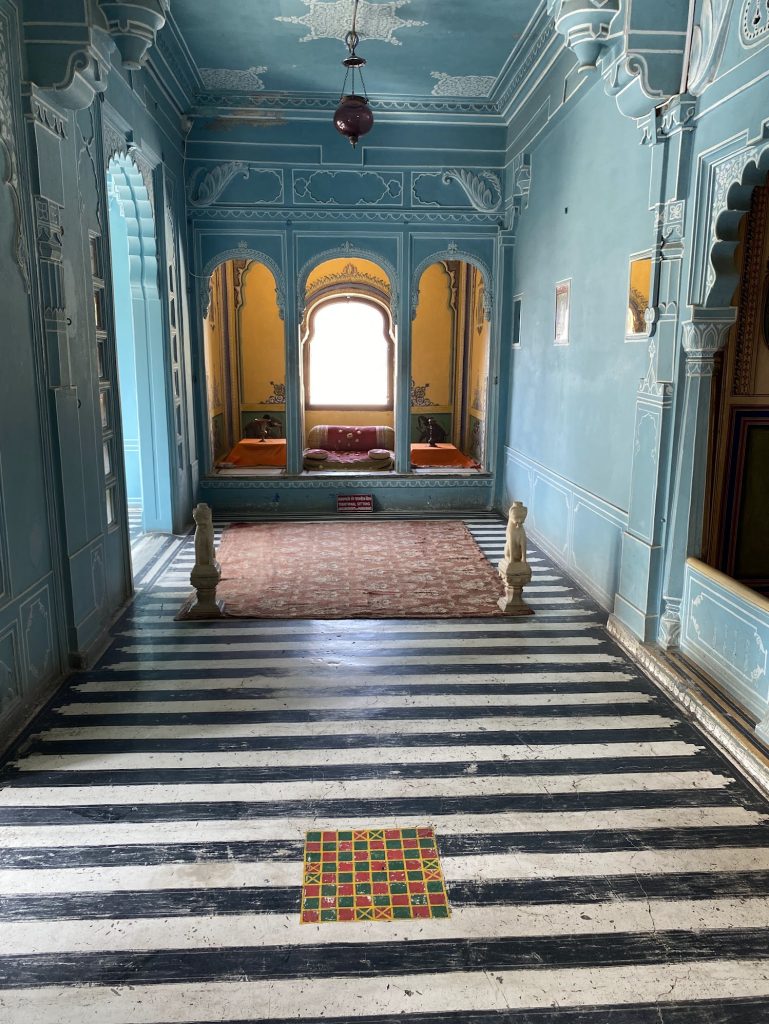
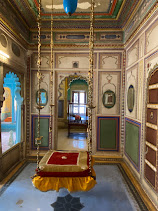
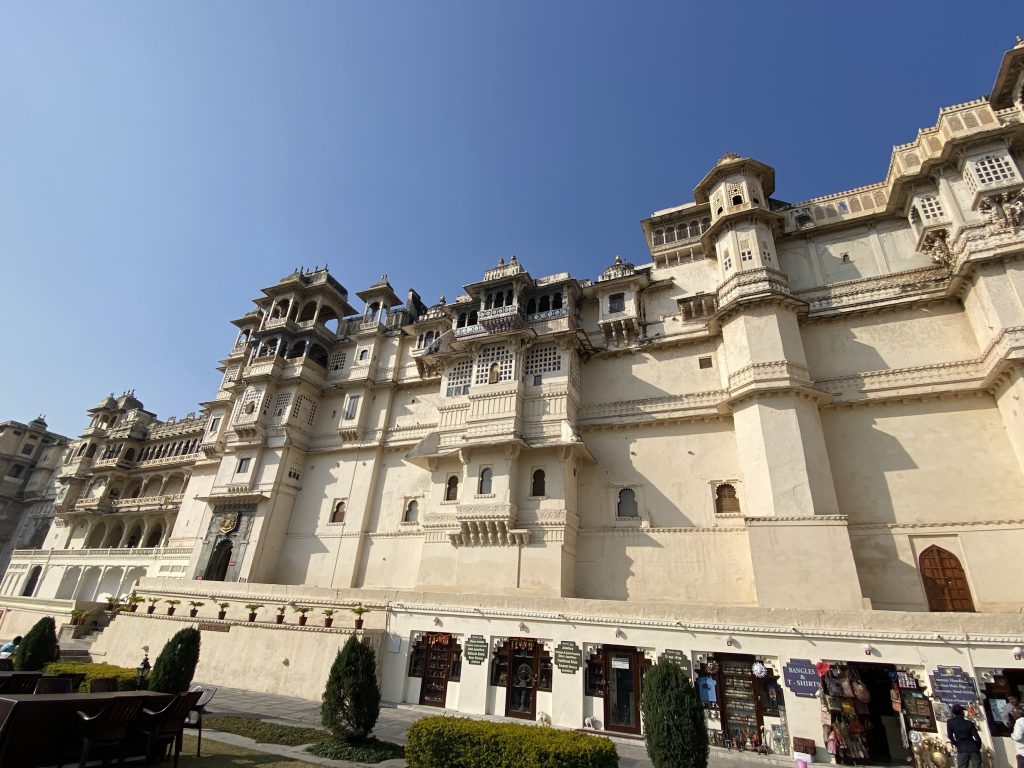
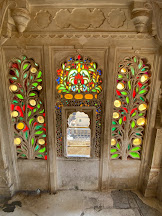
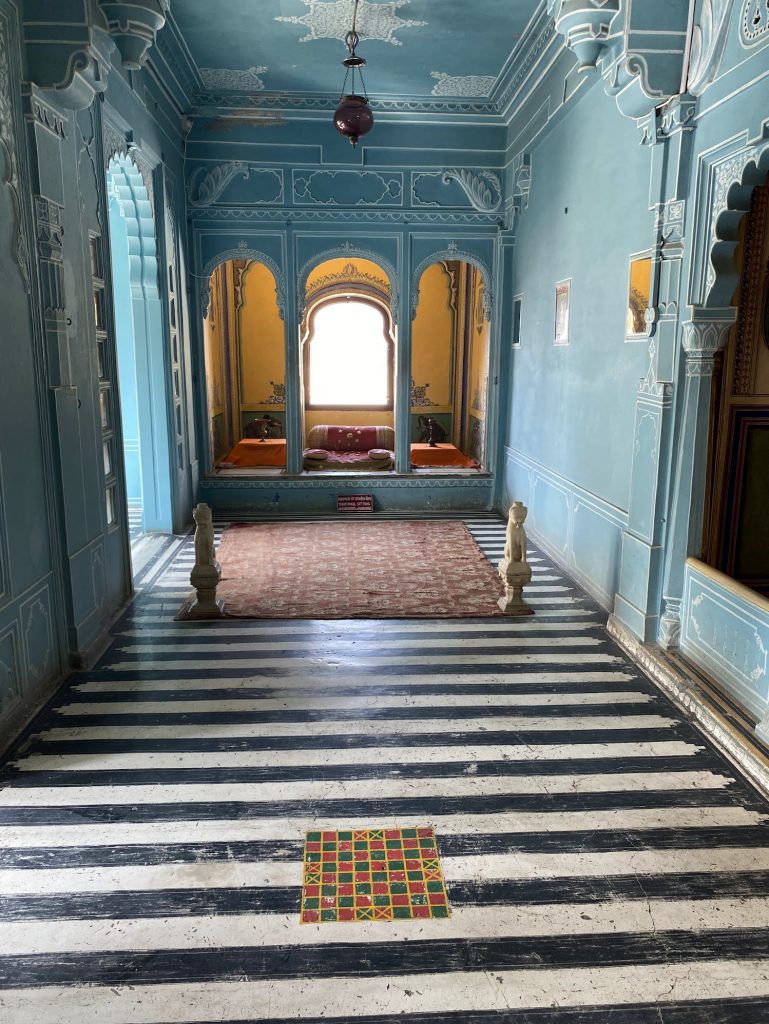
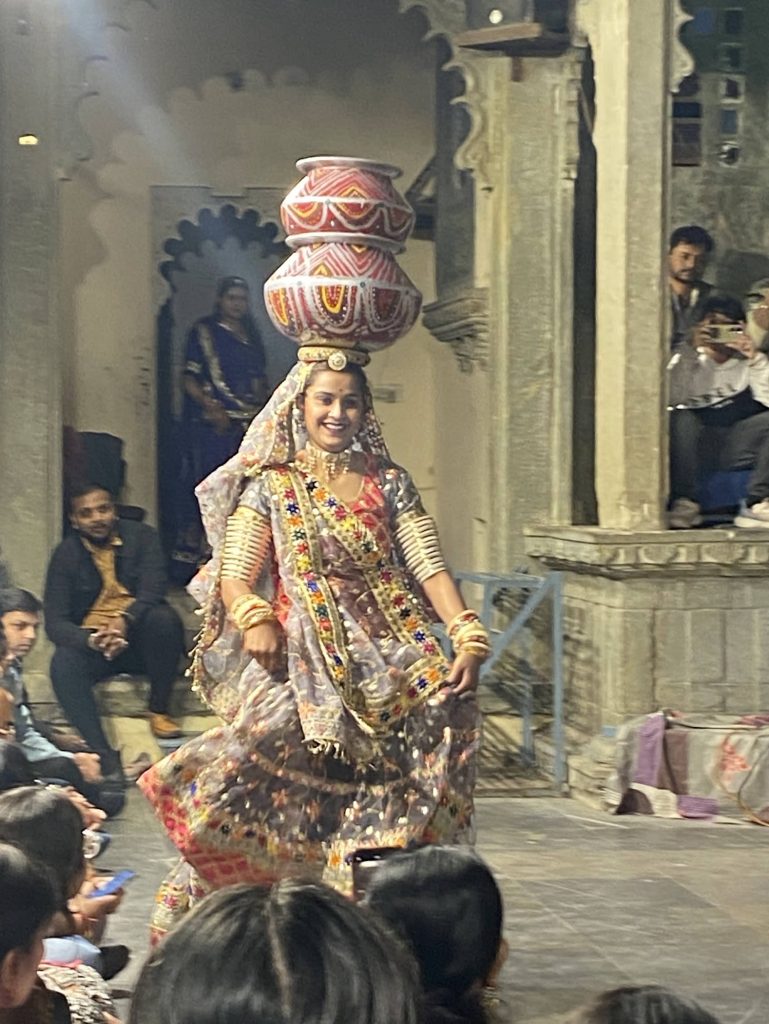
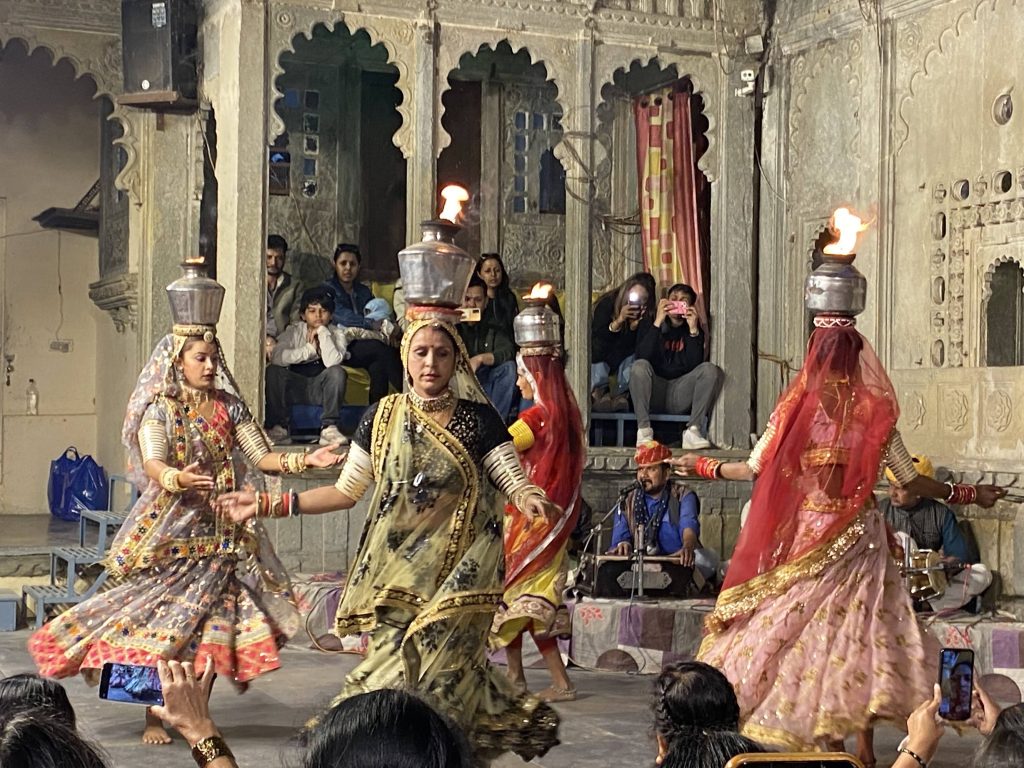
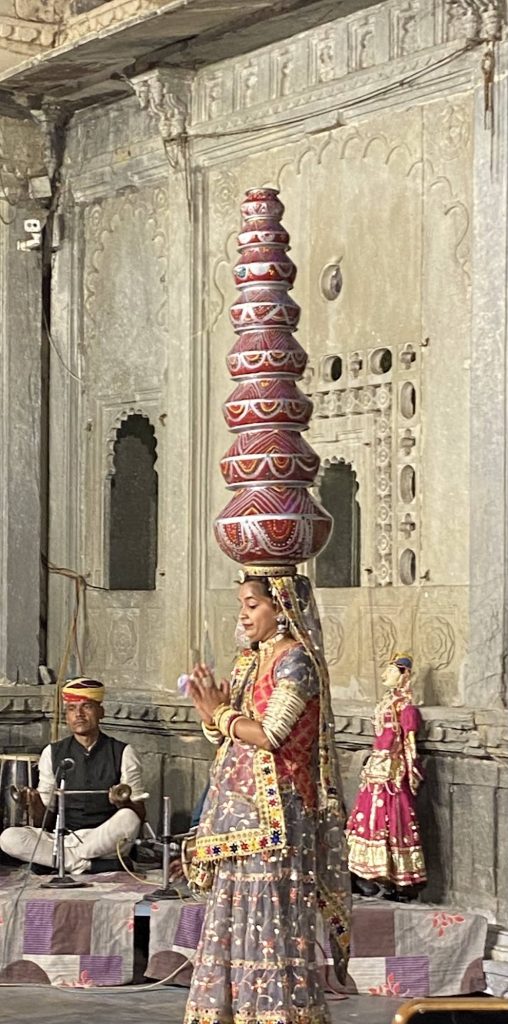
We headed to the magnificent City Palace, which rises above Lake Pichola in a huge collection of courtyards, balconies, towers and richly decorated rooms. It seemed to go on forever. Around every corner there was another carved doorway, coloured-glass window, tiled wall or balcony opening onto an even better view of the lake and the city below.
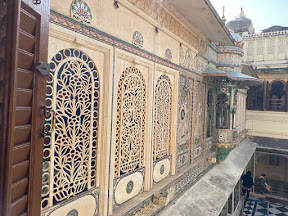
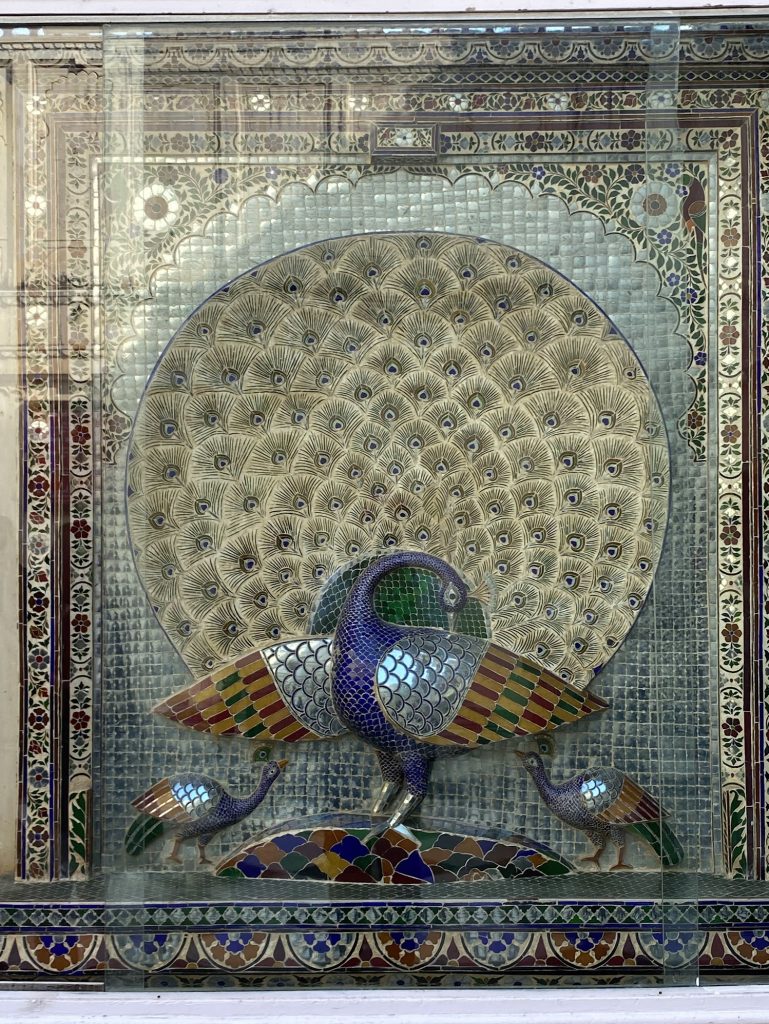
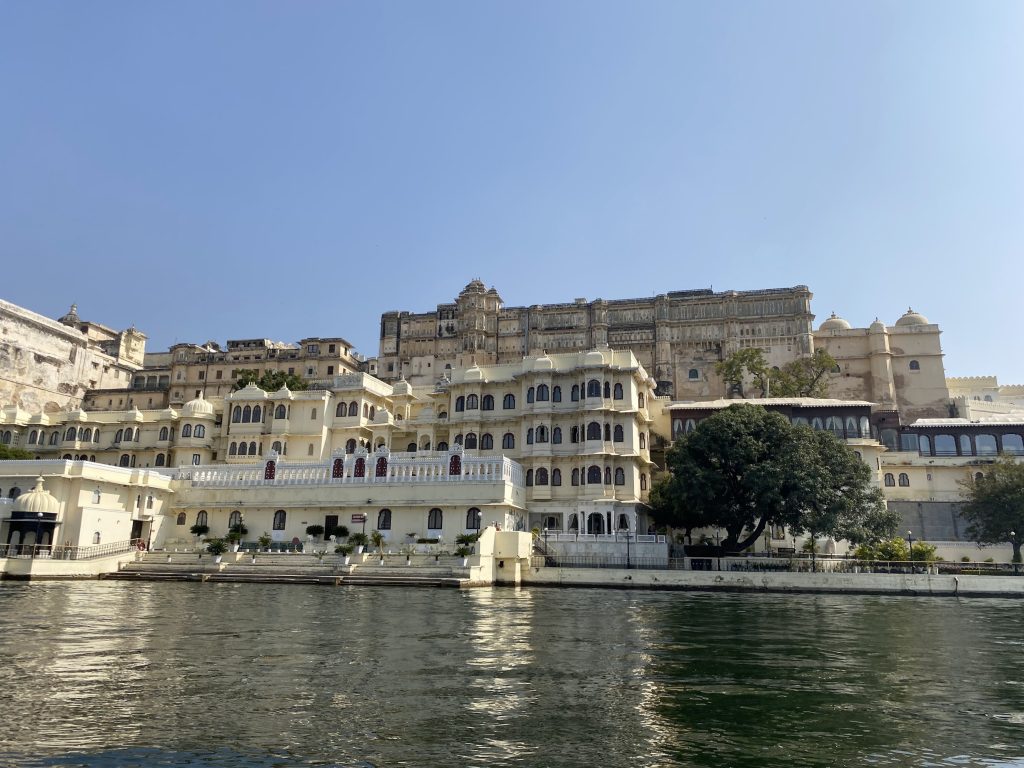
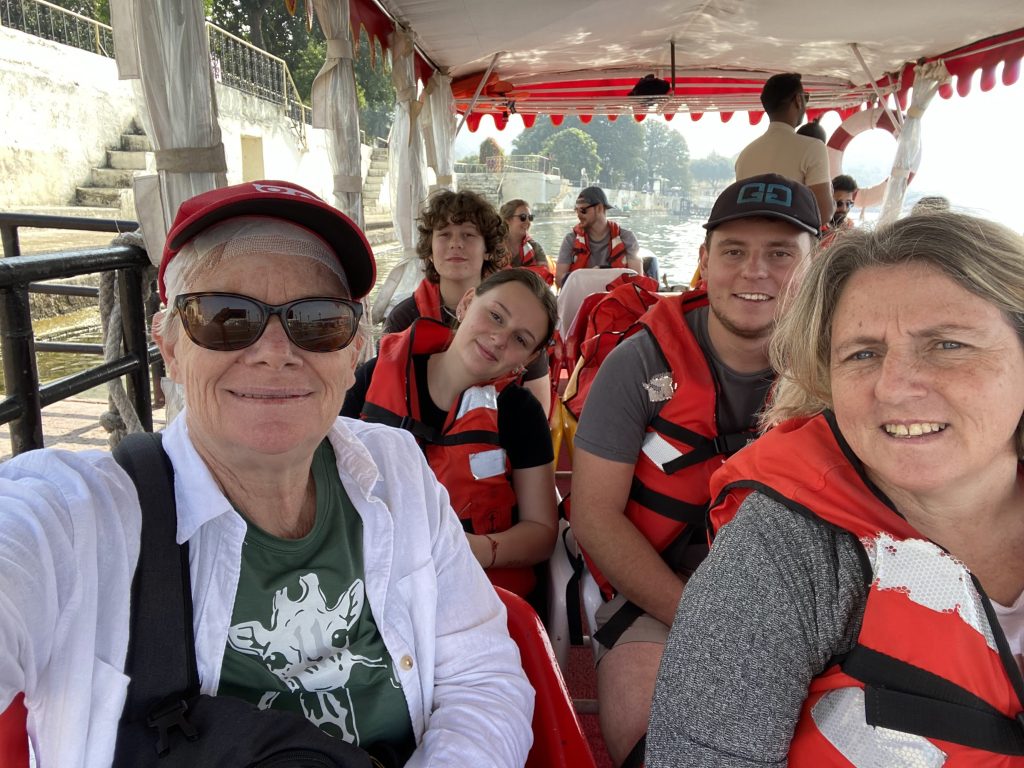
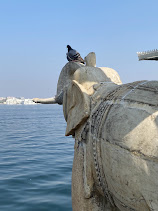
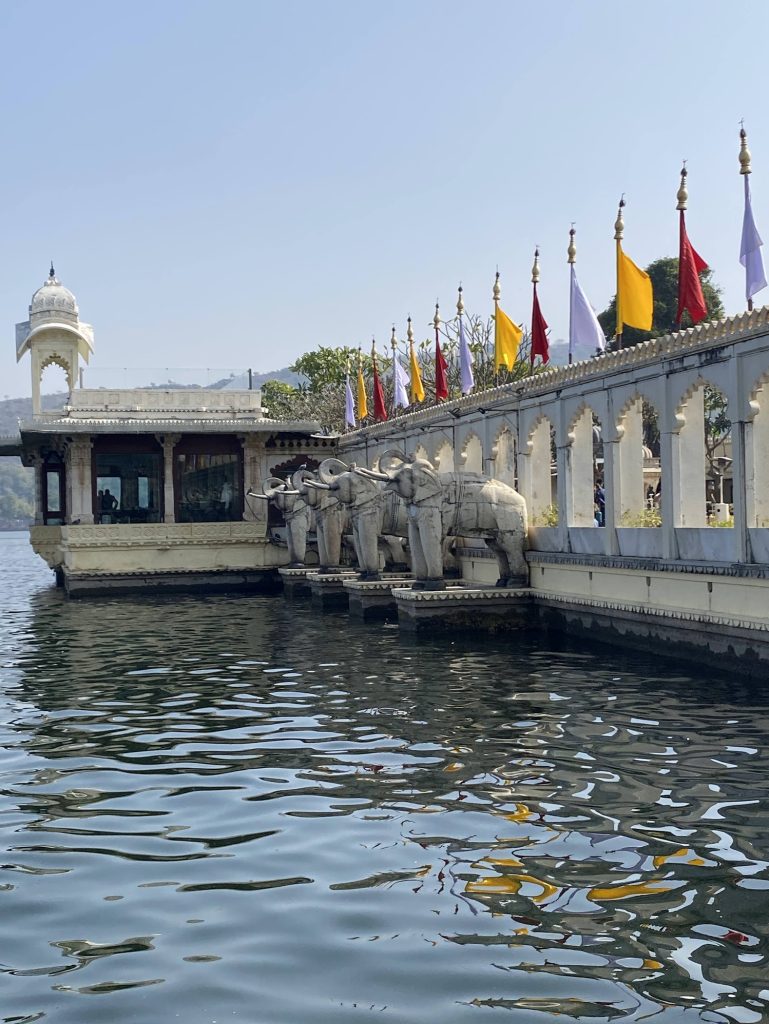
From there, we took a small boat across Lake Pichola to Jagmandir Island Palace. The ride alone was worth doing, giving us a completely different view back towards the City Palace and Udaipur’s waterfront. Jagmandir sits beautifully on its own island, surrounded by water, with gardens, stone elephants and elegant palace buildings. After the noise and activity of the city, being out on the lake felt wonderfully calm.
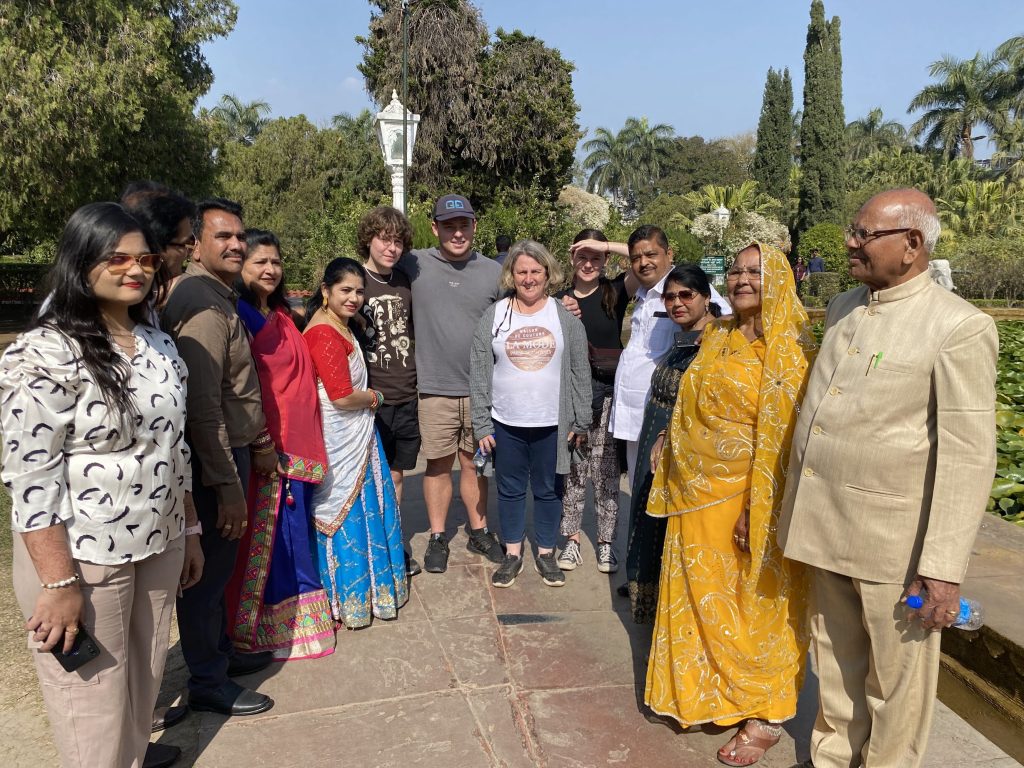
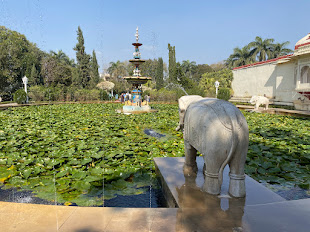
Bandaged head or not, Udaipur was far too beautiful to spend the day inside.
And there was still shopping to do.
So much shopping, in fact, that I eventually had to buy another suitcase to take it all home.
Completely justified.
Yes, I really did need those Indian serving bowls.
And probably everything else I had managed to accumulate across Rajasthan.
By the end of Udaipur, I had a bandaged head, an extra suitcase and absolutely no regrets.
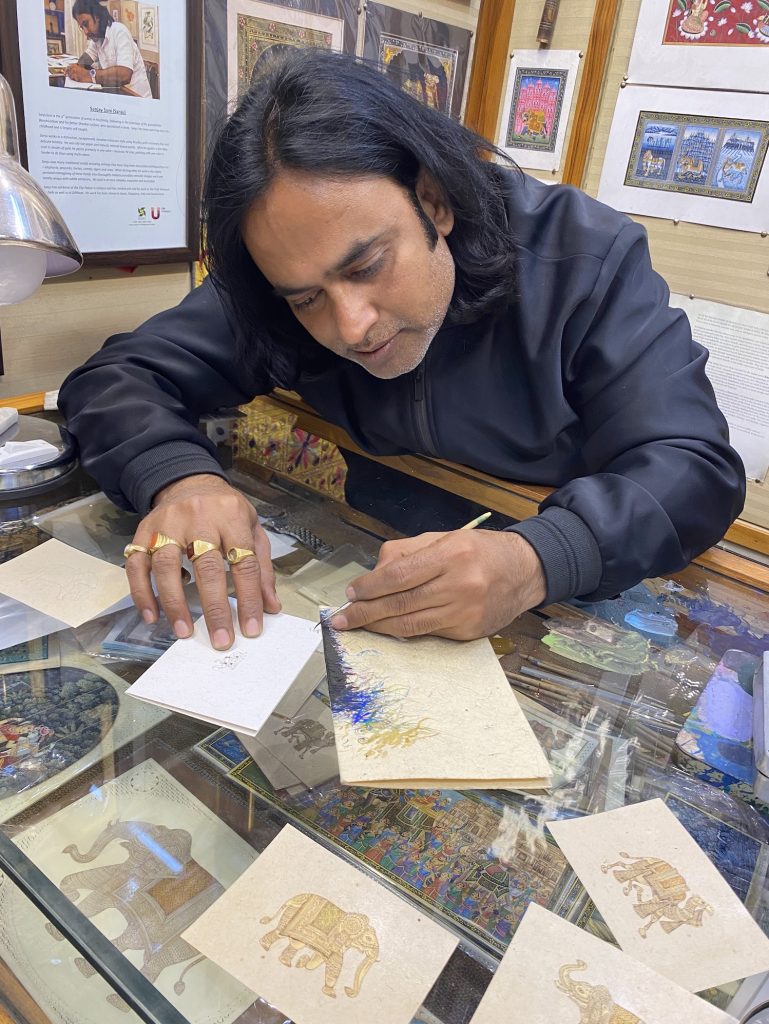
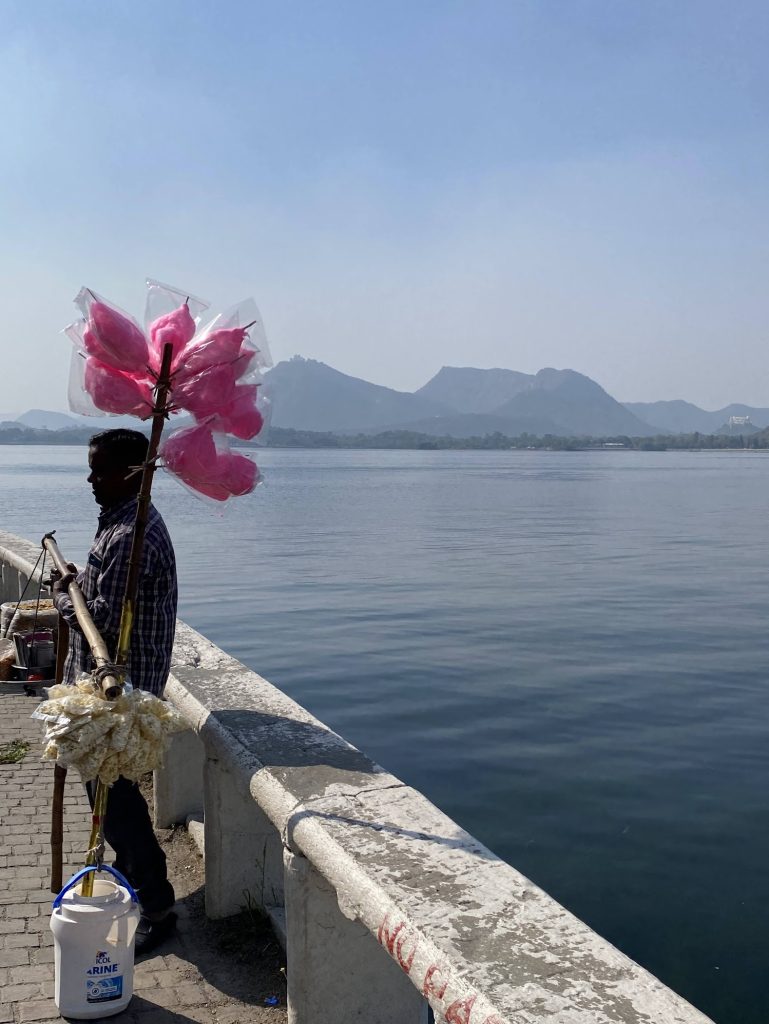
On to Rishikesh — Eventually
In Udaipur, it was time to split up. We said goodbye to Mukesh, our amazing driver, who had been such a big part of the trip through Rajasthan. After weeks of driving us across cities, deserts and tiny towns, introducing us to local food and somehow keeping the six of us organised, saying goodbye felt surprisingly emotional.
Lyn and her family were heading to Goa for some sunshine, beach time and a well-earned rest.
I was heading in the opposite direction to Rishikesh for a yoga retreat.
At least, that was the plan.
I flew to Delhi expecting to connect with another flight to the airport near Rishikesh, but heavy fog had other ideas. The onward flight was cancelled, leaving a group of us stranded and trying to work out how to get north.
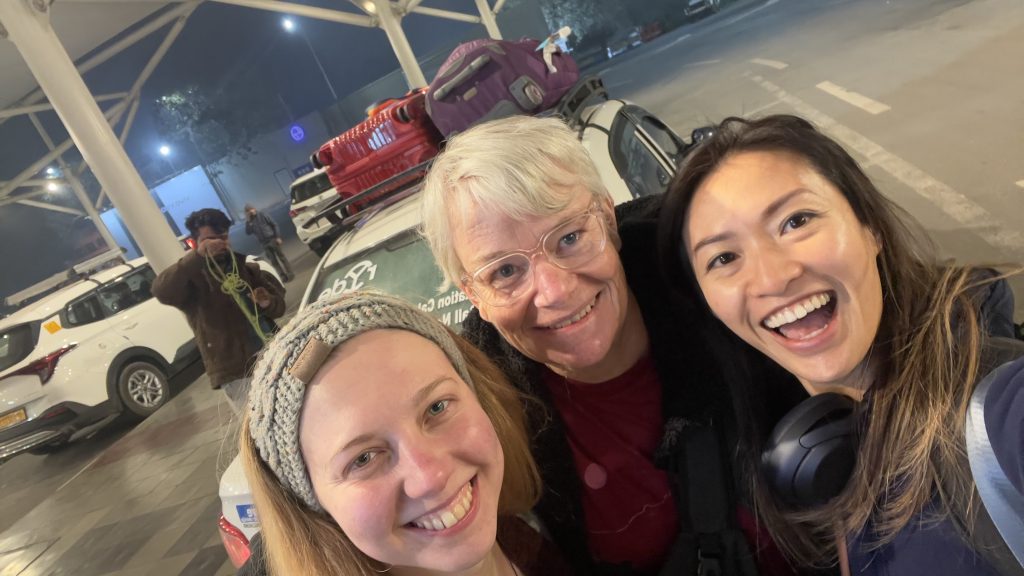
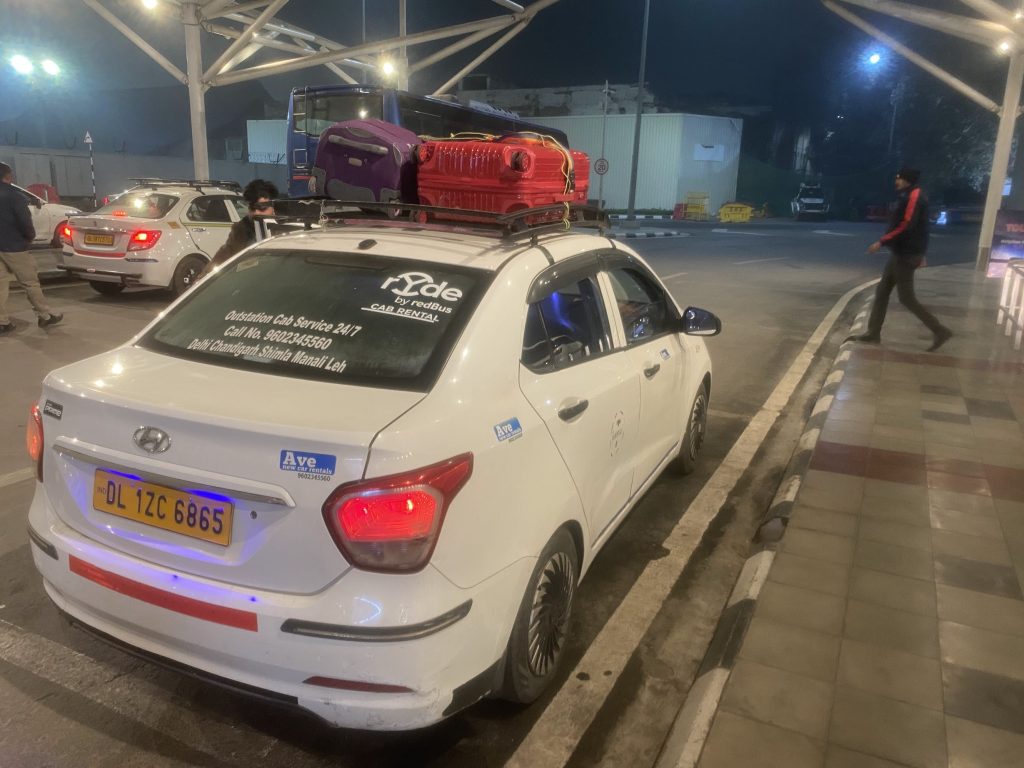
A few of us women decided there was only one sensible option: pool together, hire a car and road-trip the rest of the way.
So instead of a quick flight, I spent hours driving through the night with a group of women I had only just met.
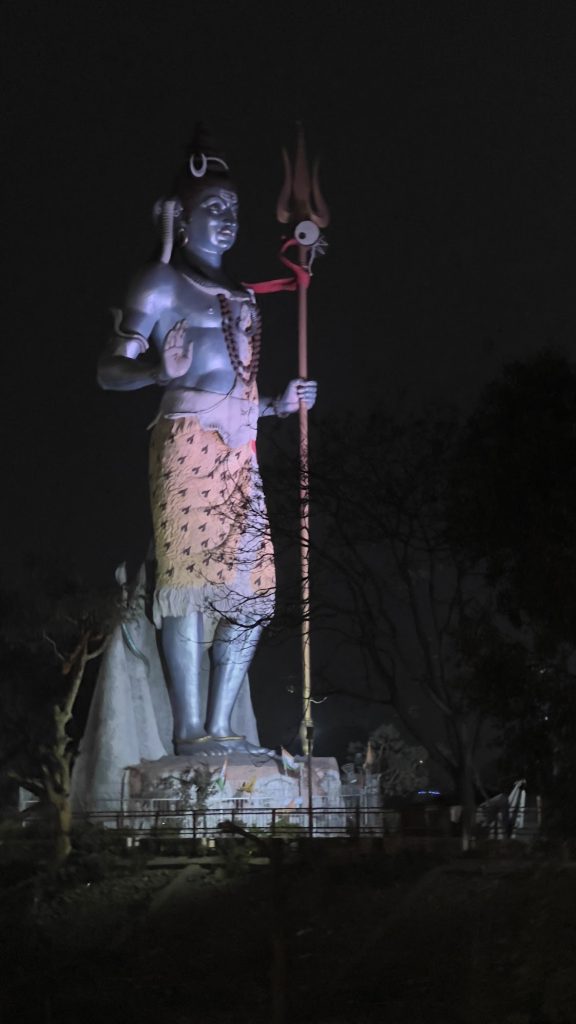
We finally rolled into Rishikesh just after midnight, tired, stiff and very ready for bed.
Not exactly the peaceful beginning to a yoga retreat I had imagined, but by this point in India I had learnt that the journey rarely went according to plan.
And usually, that was where the best stories came from.
Rishikesh — Yoga, Waterfalls and Friendly Cows
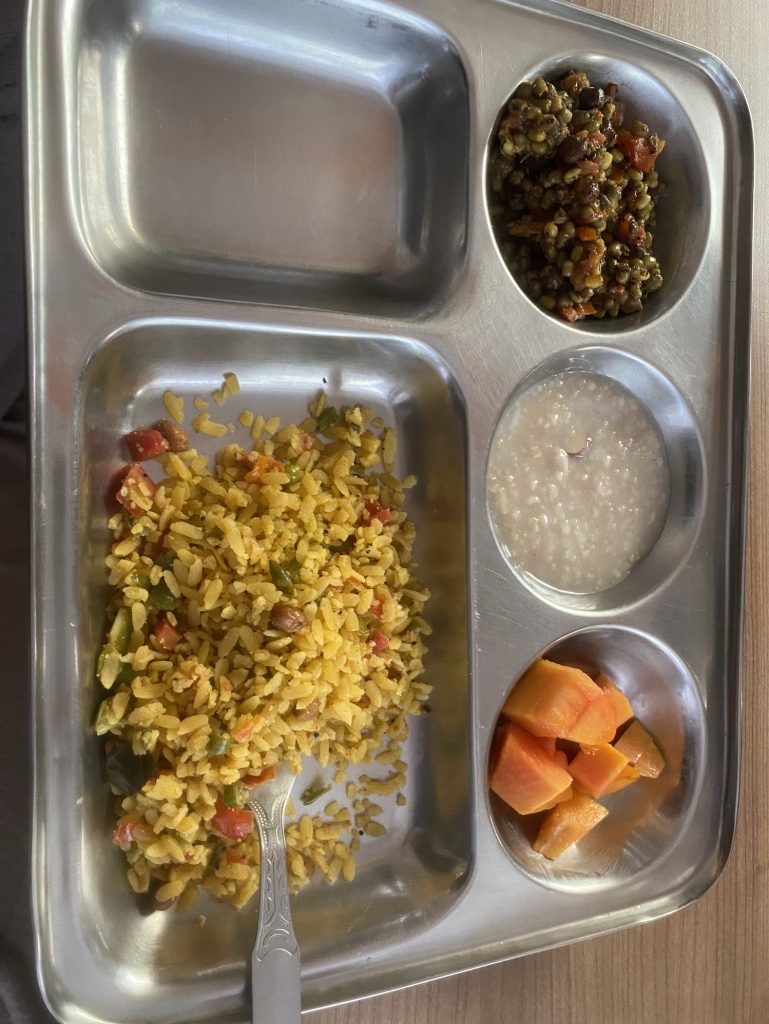
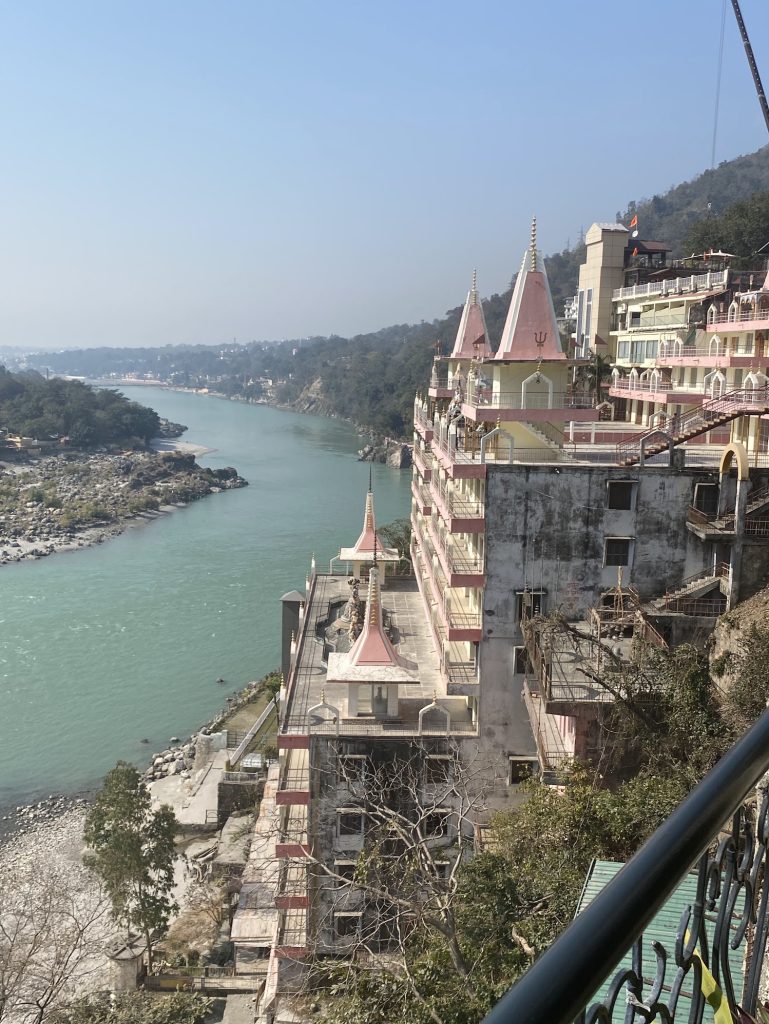
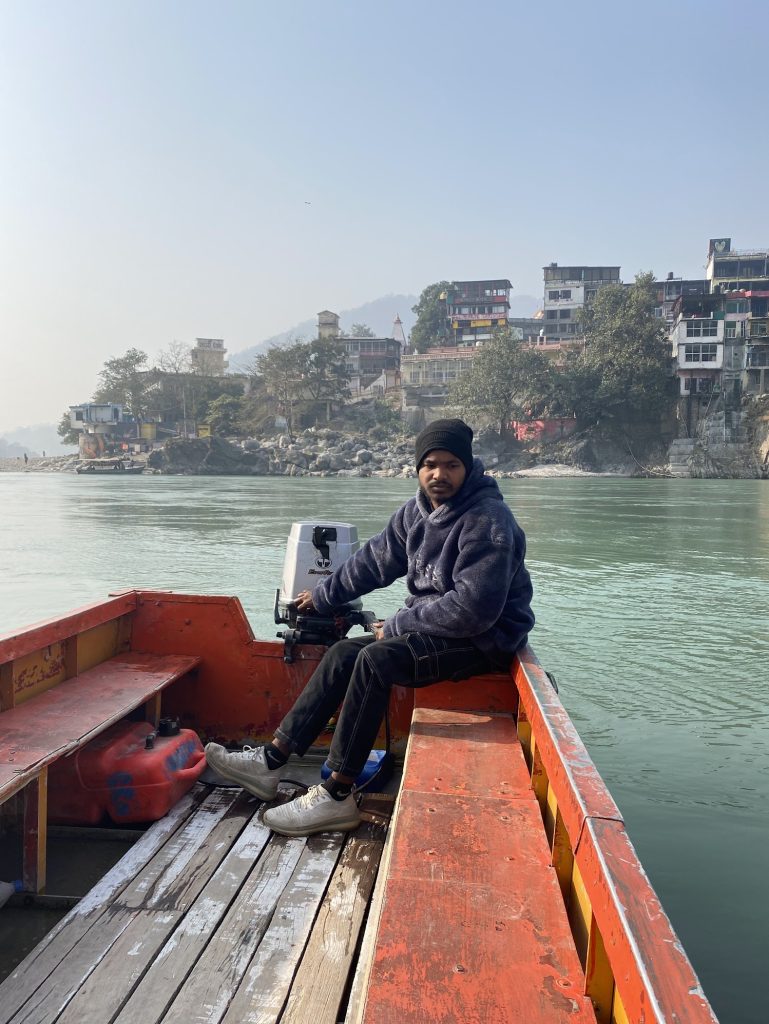
I loved the retreat. The days had a gentle rhythm to them: Ayurvedic meals, yoga first thing in the morning, another session in the afternoon, and excursions in between. It was exactly the reset I needed.
The group was made up of people from all over the world, and I met some genuinely lovely people. There was also an excellent coffee and cake place just around the corner, which became an important part of the wellness program as far as I was concerned.
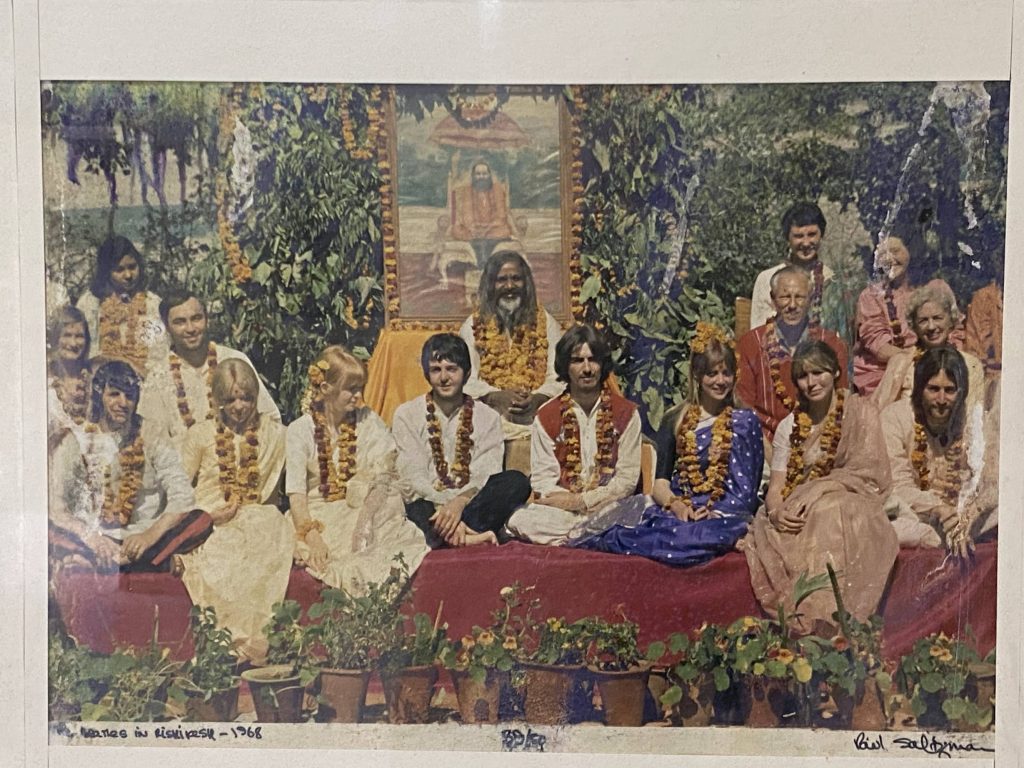
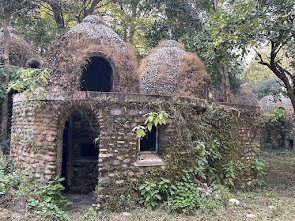
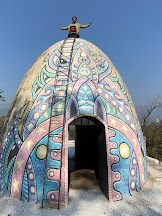
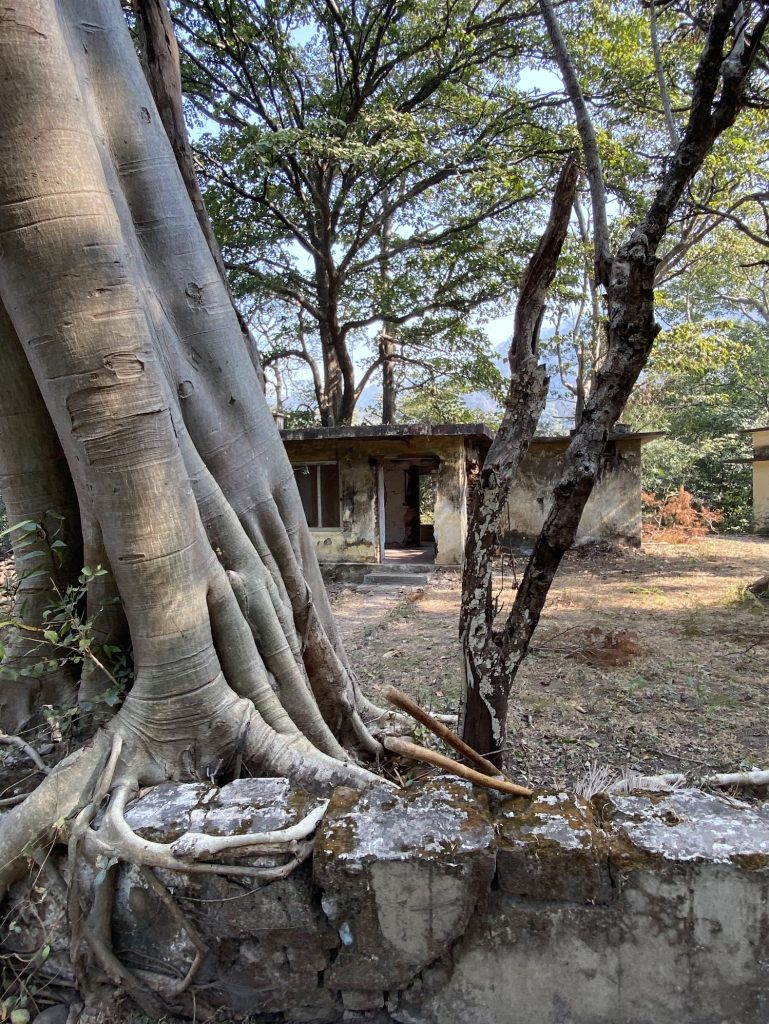
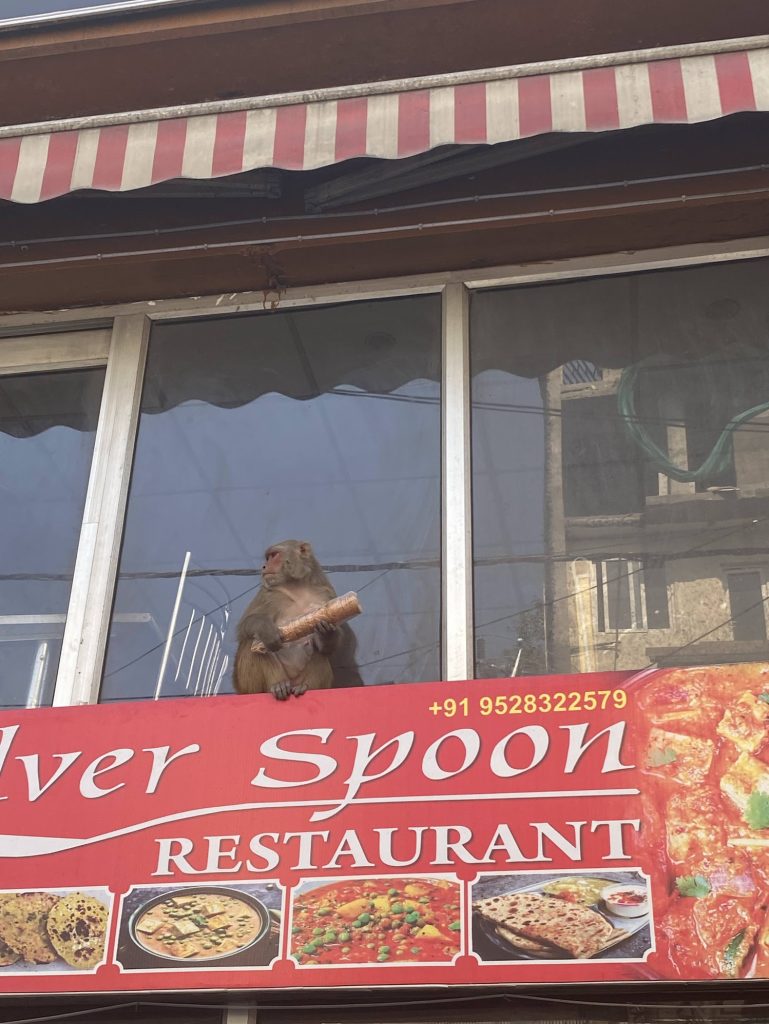
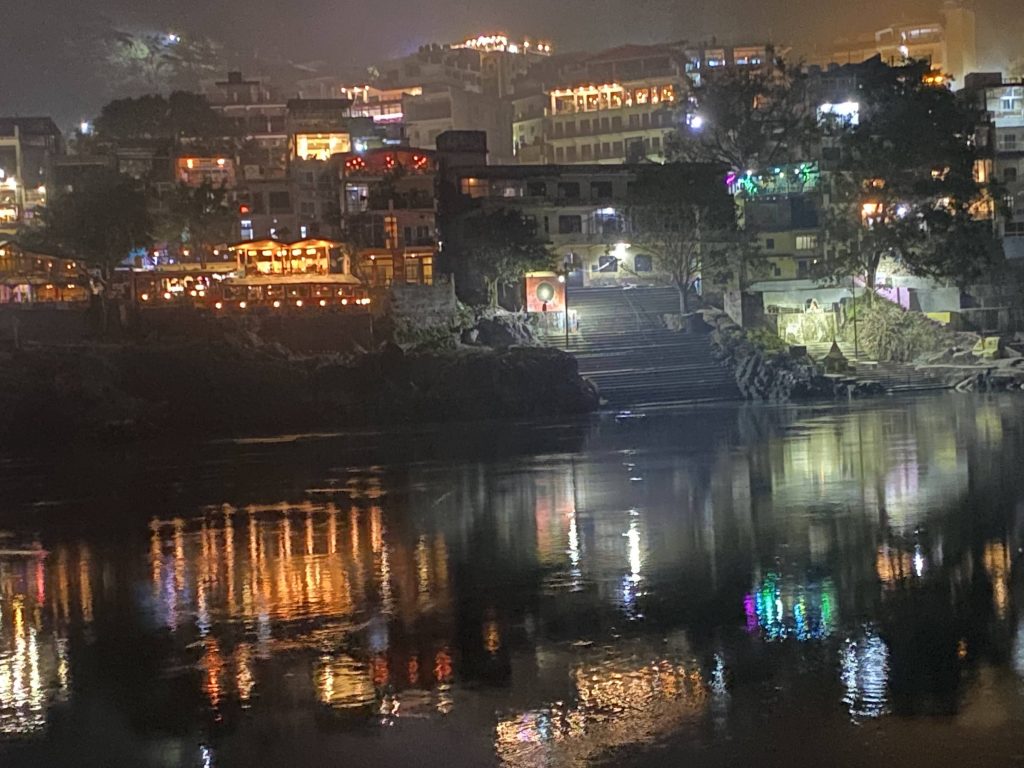
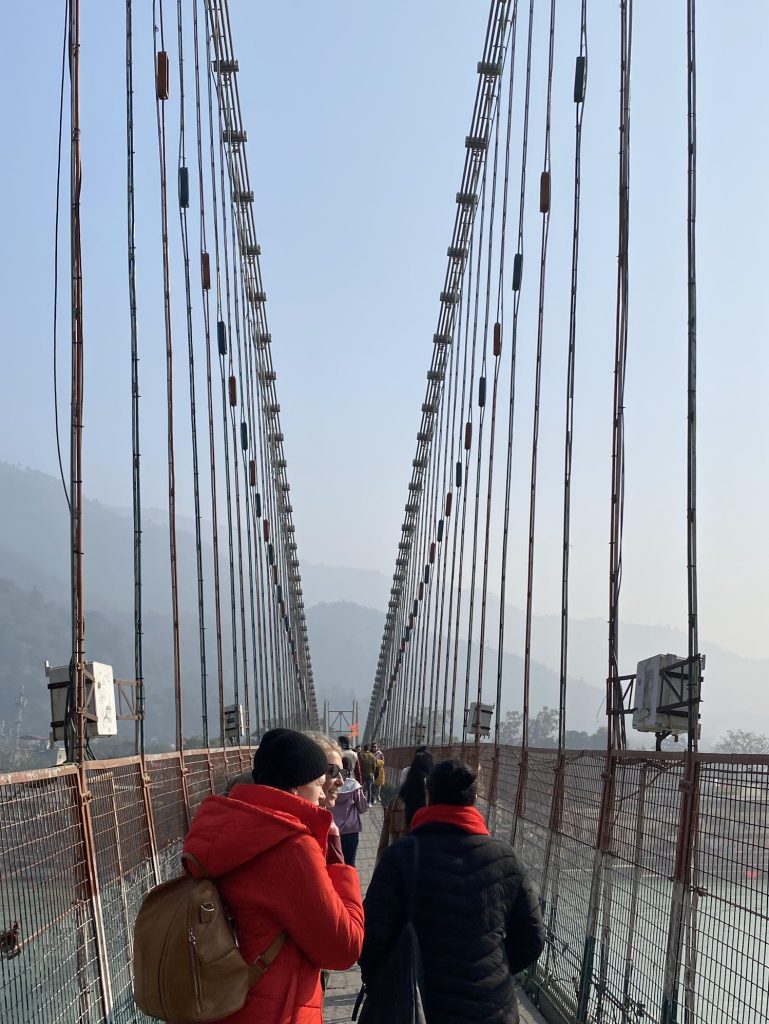
We visited the Beatles Ashram, wandered the alleyways, ate at restaurants overlooking the Ganges and crossed the suspension bridge with monkeys watching us closely. Some were particularly cheeky and more than happy to steal anything they could get their hands on.
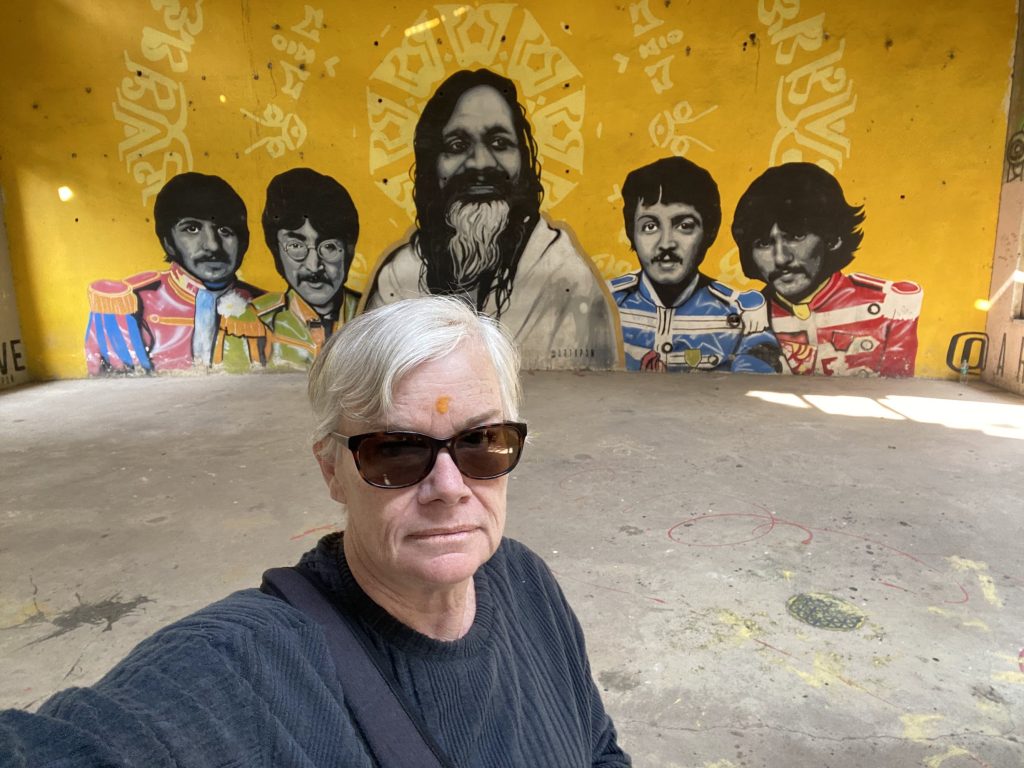
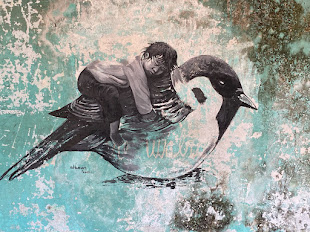
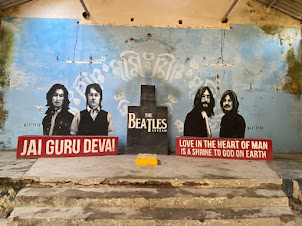
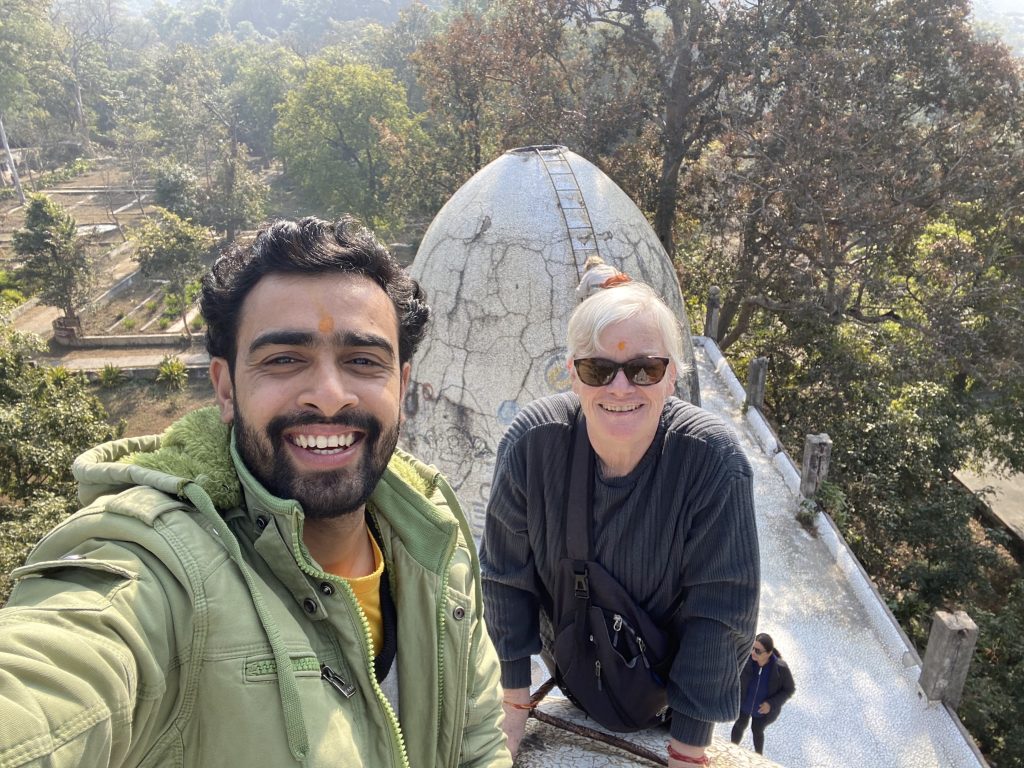
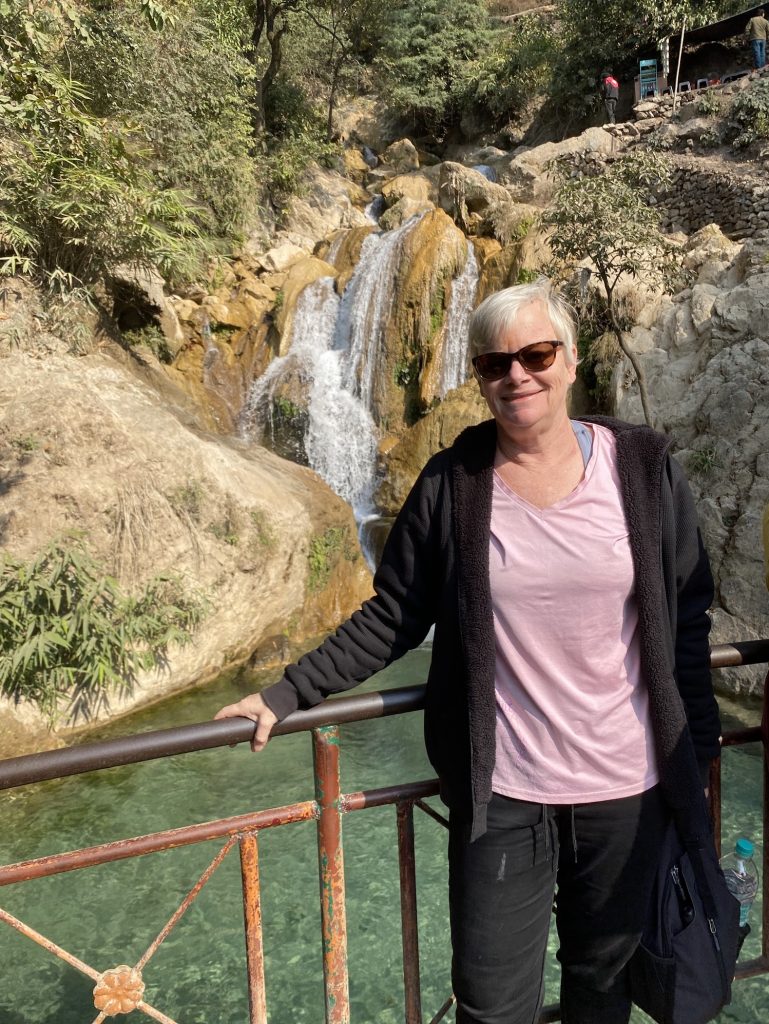
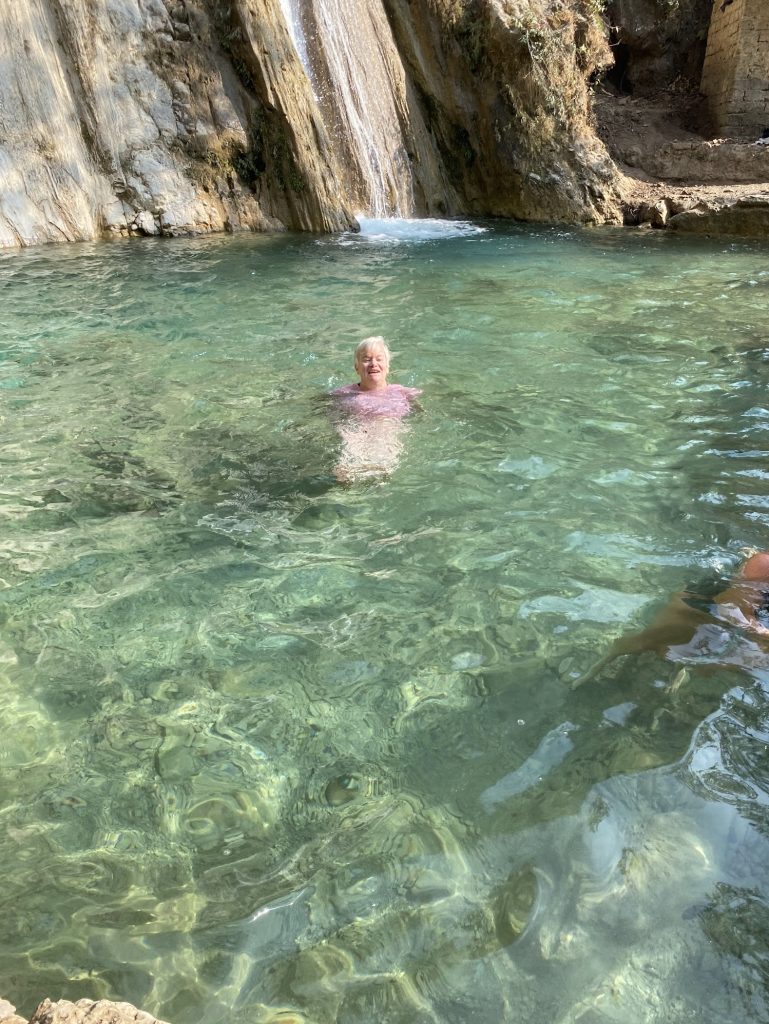
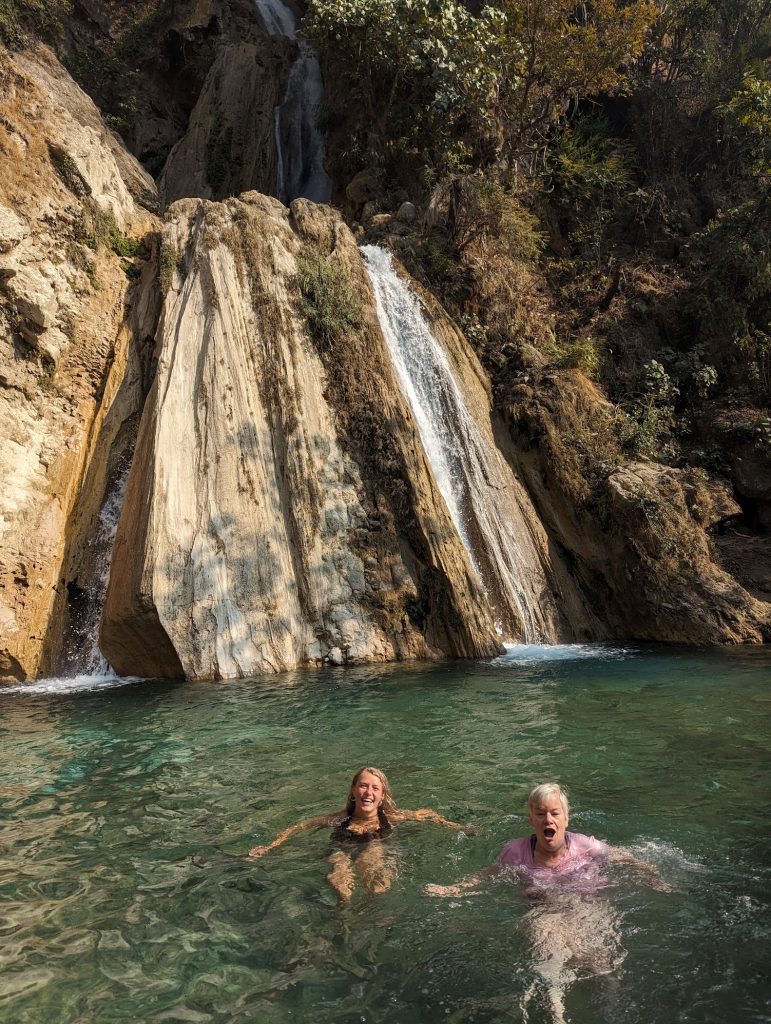
One day we walked out to Neer Waterfall and swam in the pools. The water was absolutely freezing, but after the walk there was no way I wasn’t getting in.
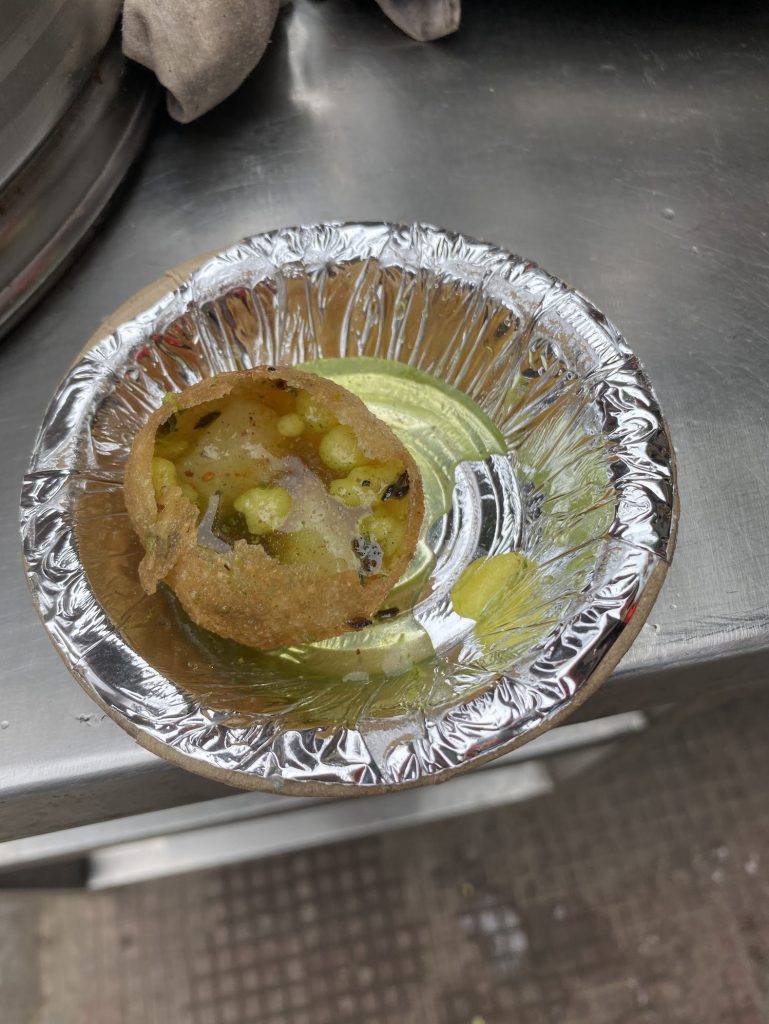
One of the best food experiences was exploring street food with a woman in our group who was from Delhi. She could translate, explain what everything was and tell us what we should try, which meant I was far more adventurous than I would have been on my own.
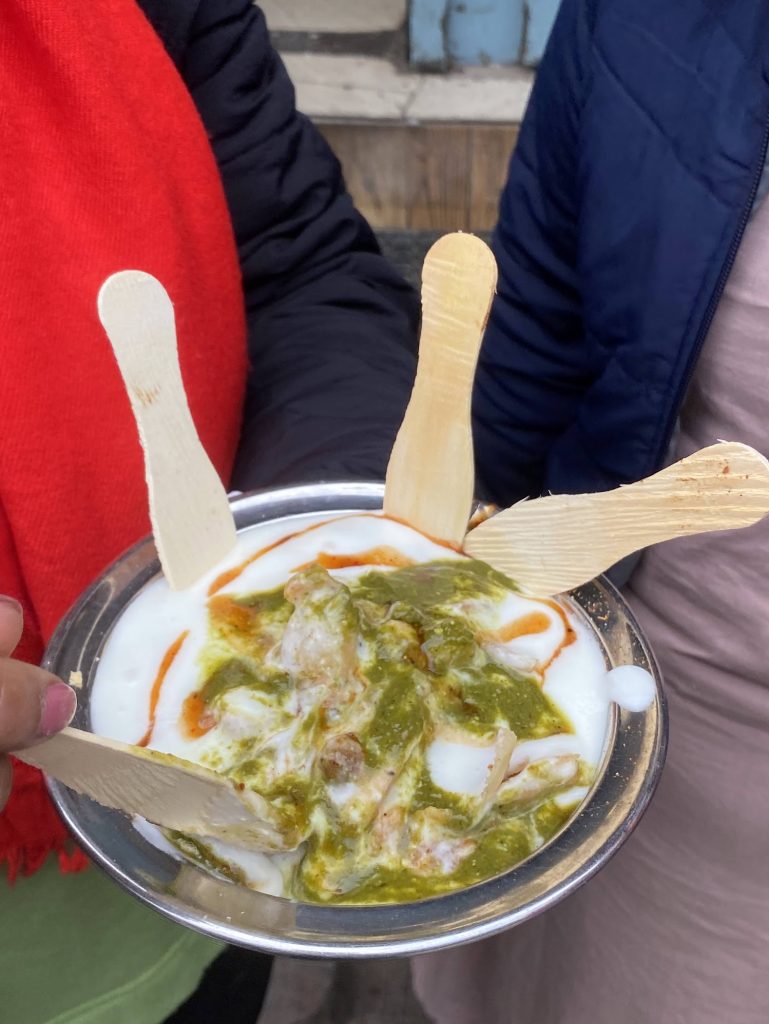
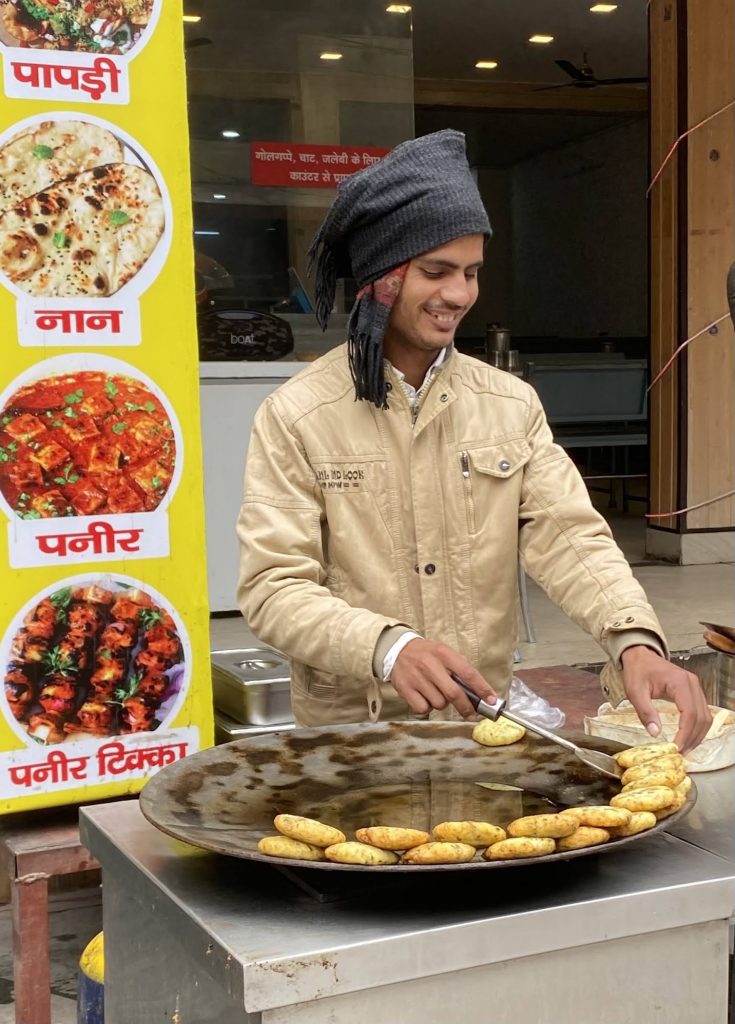
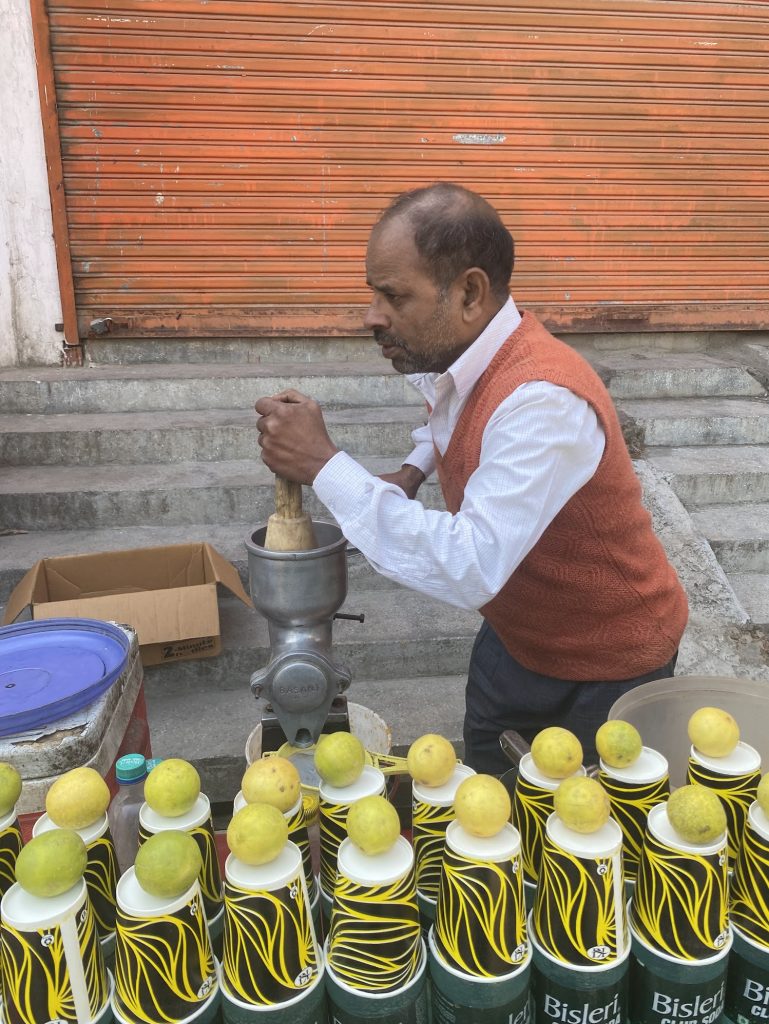
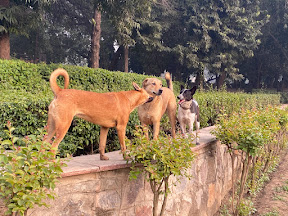
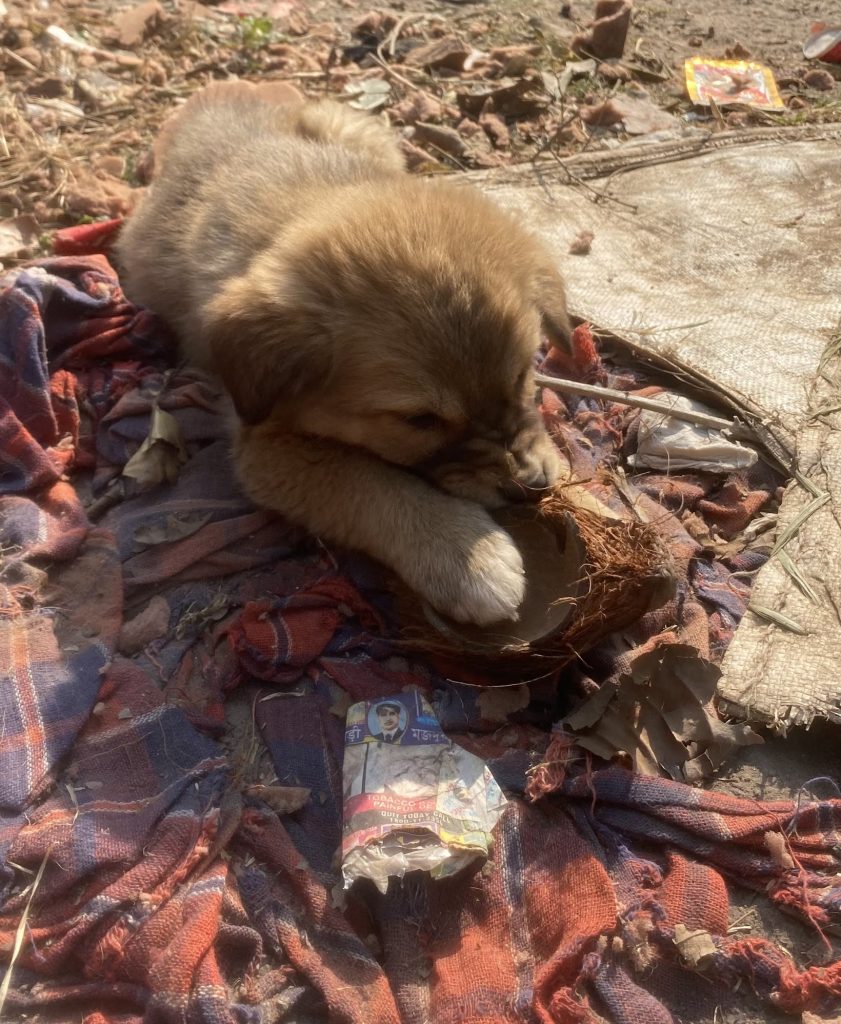
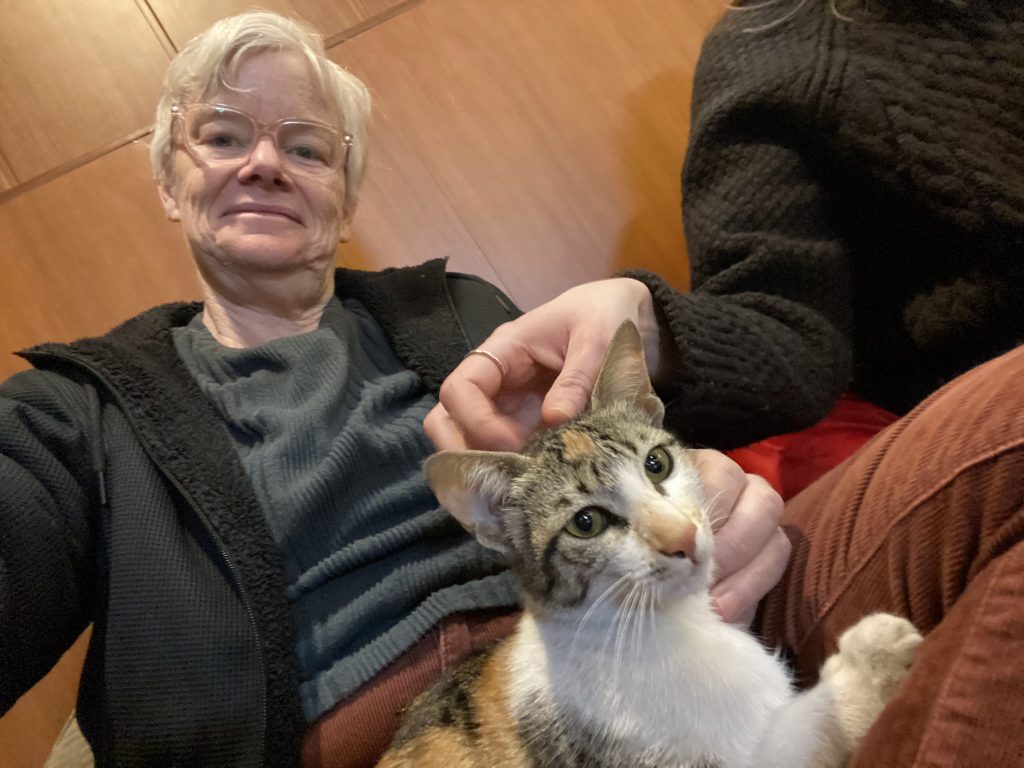
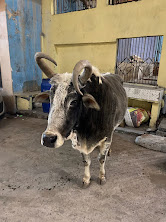
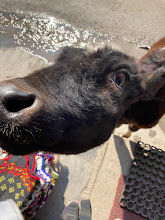
I also developed a real affection for the friendly cows and dogs wandering around town. By this stage of the trip, cows had become almost part of the scenery, but in Rishikesh I seemed to stop and talk to every one of them. And my head was mending which was a relief.
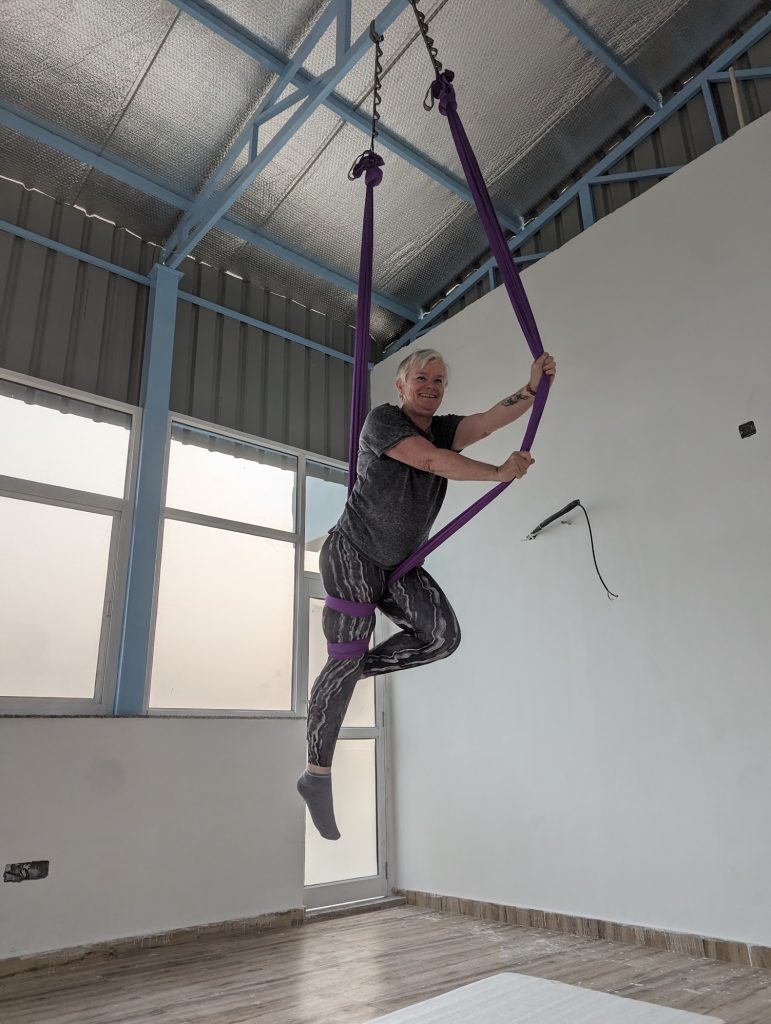
And then there was aerial yoga.
Somehow I went from fairly standard stretching to hanging upside down in fabric and learning tricks I would never have attempted at home.
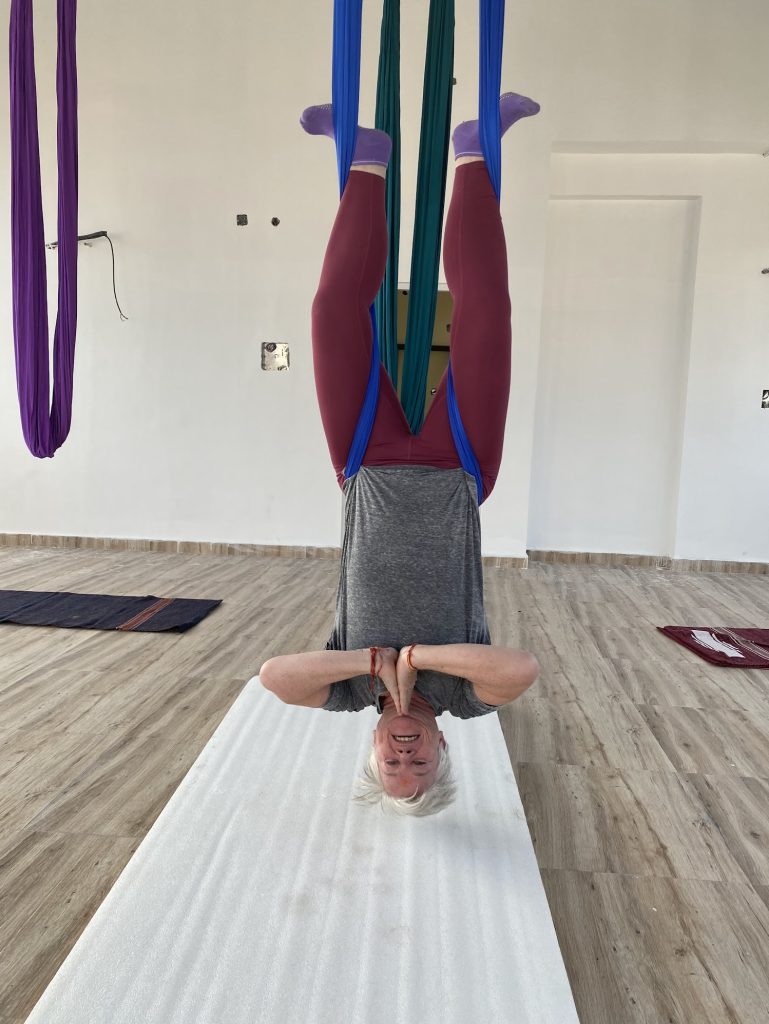
Rishikesh was calm, social, slightly chaotic and exactly what I wanted it to be.
If you are thinking of a trip to India, then do it. It is Doable and an amazing destination.