Brazil
São Paulo – Not Quite the Visit I Planned
São Paulo is enormous. Busy, noisy, sprawling and seemingly endless, it is a city of neighbourhoods rather than one obvious tourist centre. There are museums, markets, incredible food, street art, parks and enough to easily fill several days.
Unfortunately, I didn’t get to see nearly as much of it as I’d planned.
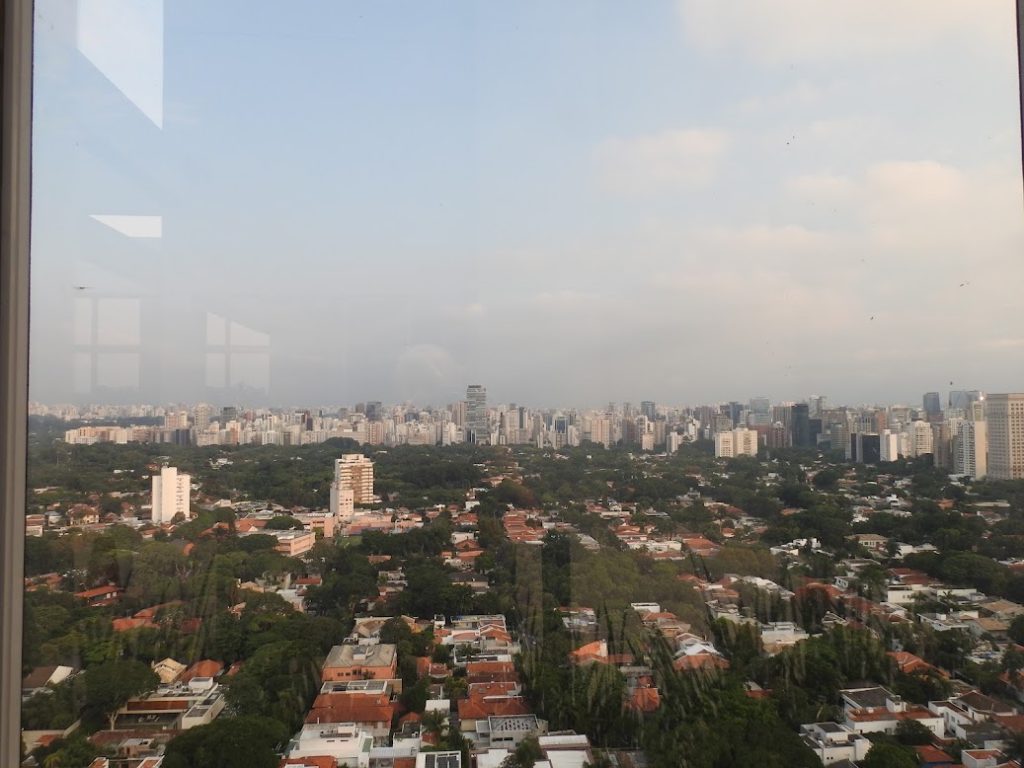
I did manage some exploring. Avenida Paulista is a good place to start, with museums, galleries, cafés and the famous MASP art museum. Liberdade offers a completely different side of the city, with its strong Japanese and wider Asian influences, while Beco do Batman is worth visiting for São Paulo’s colourful street art.
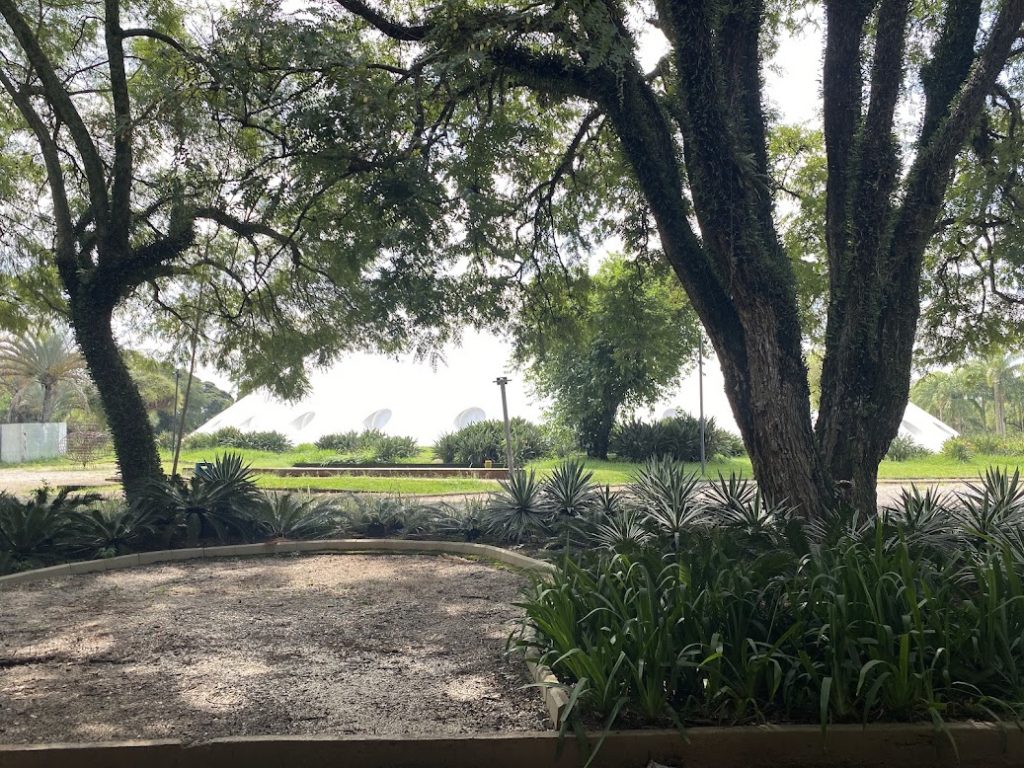
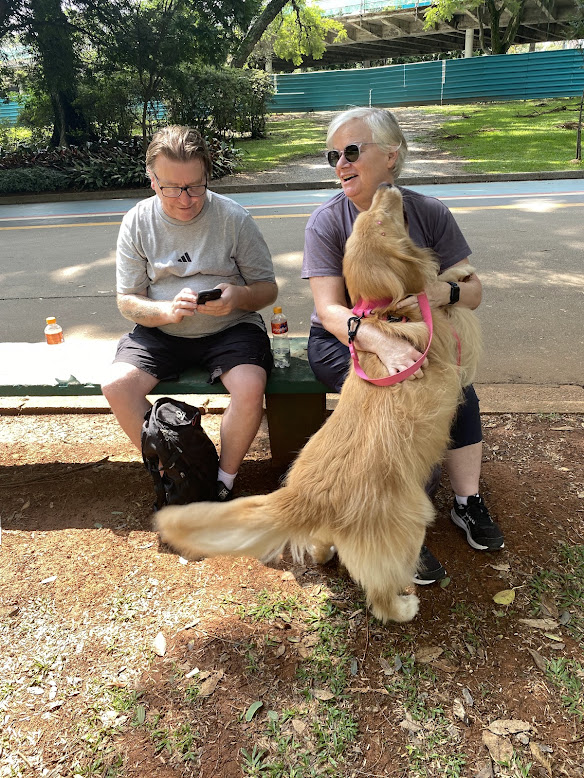
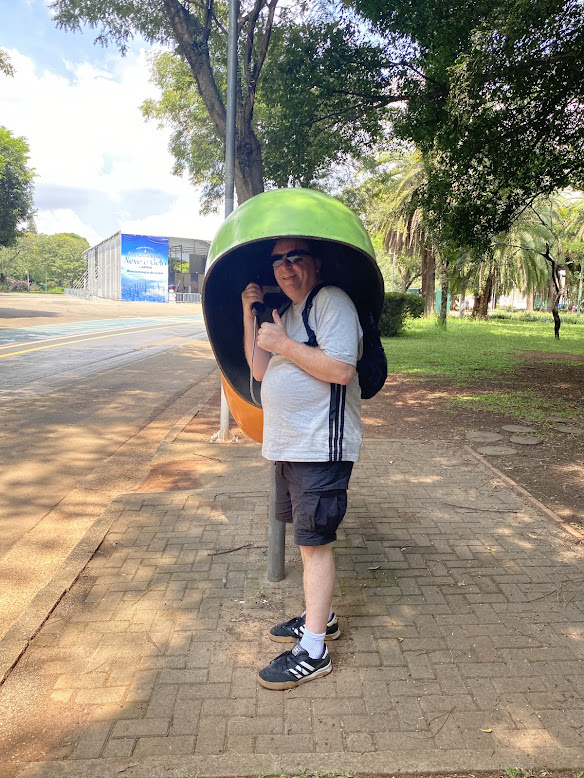
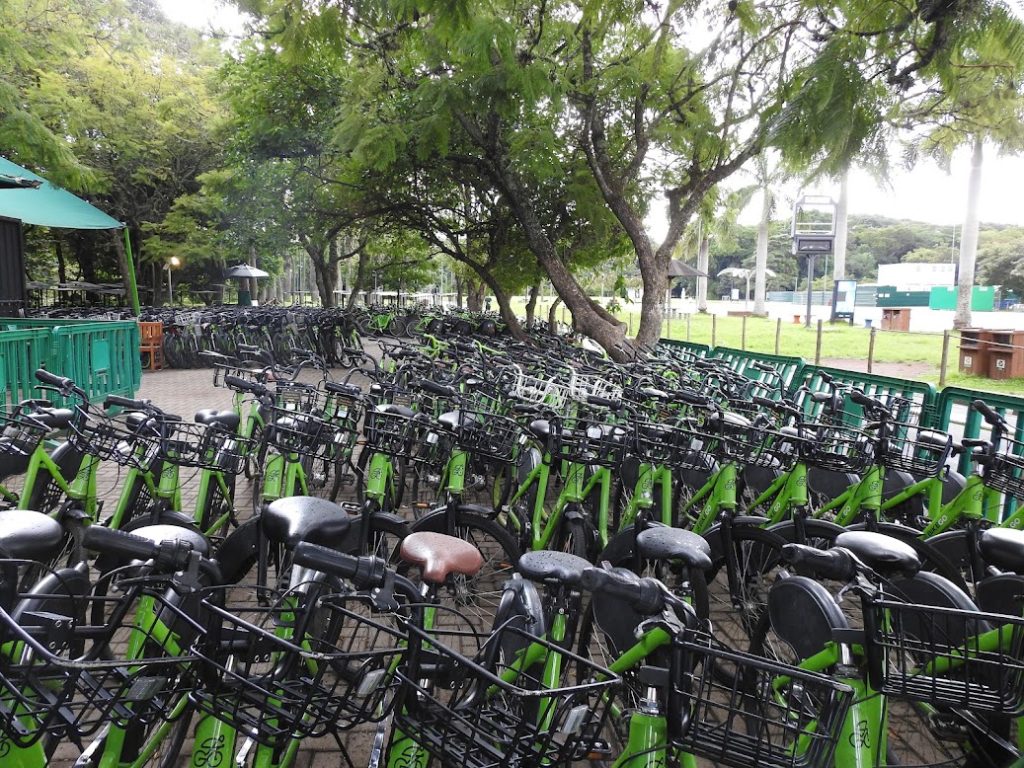
Then there is Ibirapuera Park, the city’s enormous green escape from all those buildings and traffic.
I had one particular mission there.
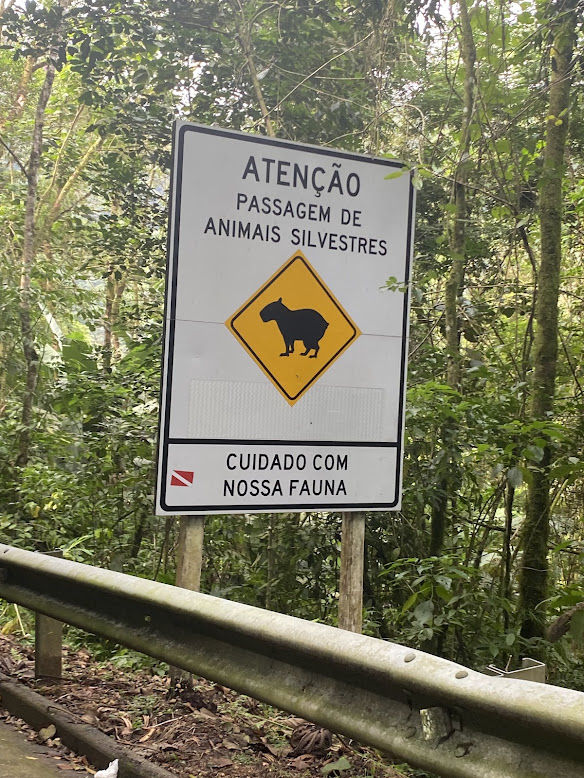
I wanted to see a capybara.
Brazil has the world’s largest rodent wandering around parks and waterways, and I had somehow decided that seeing one was an essential part of the Brazilian experience.
I was disappointed.
No capybara.
Unfortunately, the lack of capybaras became the least of my problems.
I had been feeling increasingly unwell and eventually swapped sightseeing for another experience I hadn’t included on the itinerary — waiting at a São Paulo hospital to see a doctor.
The verdict was pneumonia.
That put a fairly effective stop to exploring one of the biggest cities in the world.
So São Paulo became less about ticking off attractions and more about resting, recovering and accepting that sometimes your body gets the final say about the itinerary.
It was frustrating because there was clearly much more to discover. The food alone deserved considerably more research, and I would have liked more time exploring the different neighbourhoods rather than seeing quite so much of the inside of a hospital.
But travel doesn’t always cooperate.
I’d made it through a motorbike crash in Sri Lanka and continued travelling on crutches. This time, pneumonia won.
São Paulo remains unfinished business.
And I still haven’t seen a capybara.
Beco do Batman
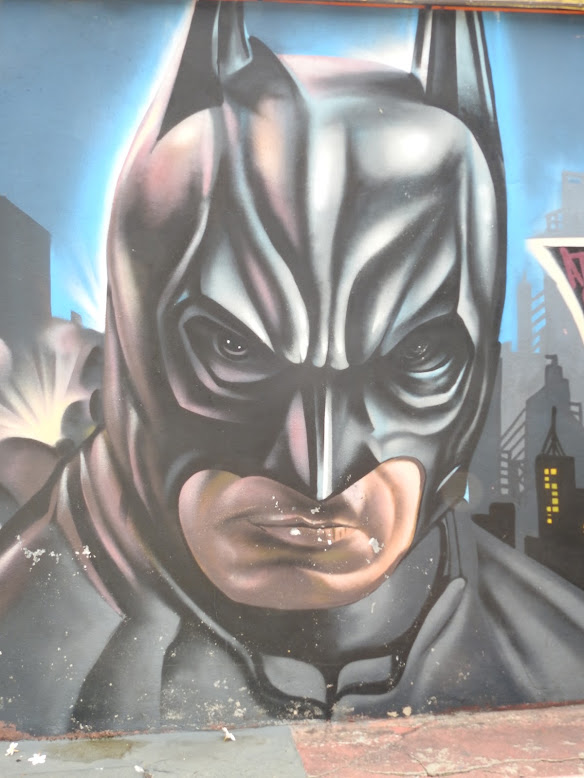
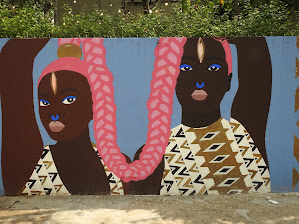
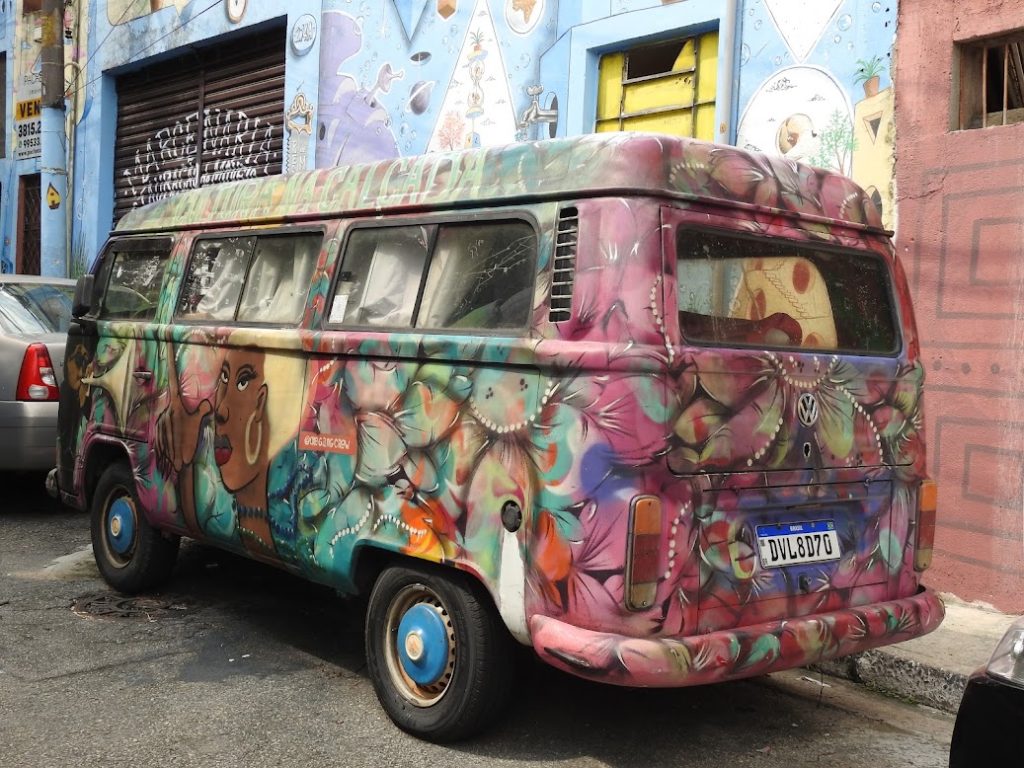
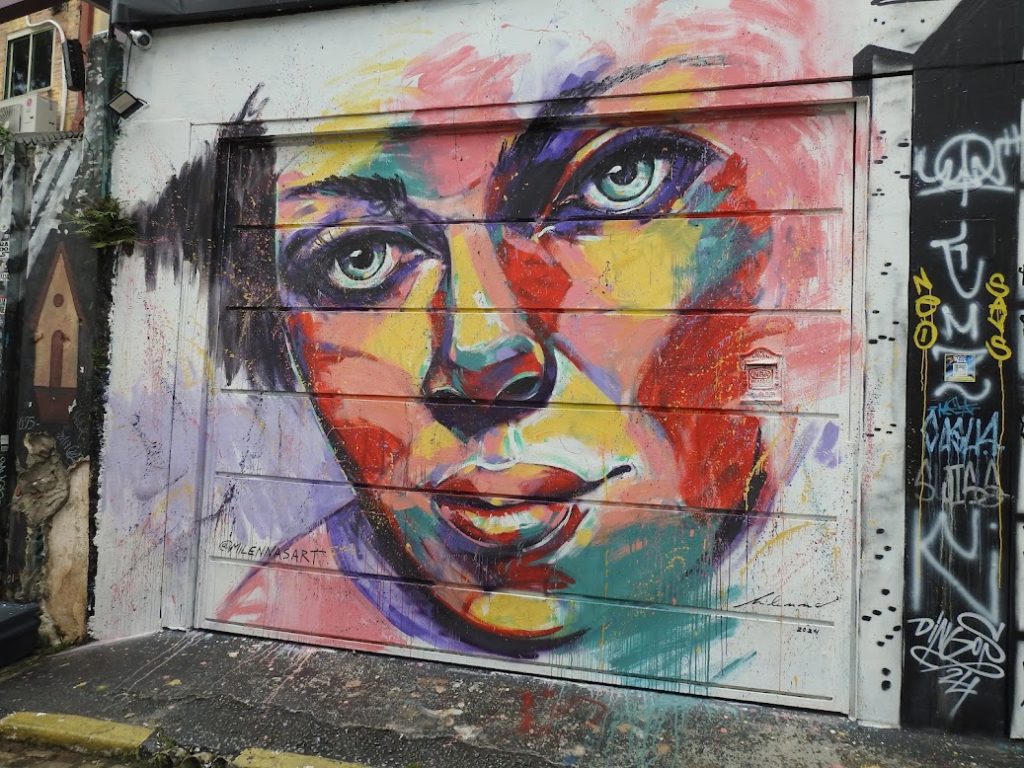
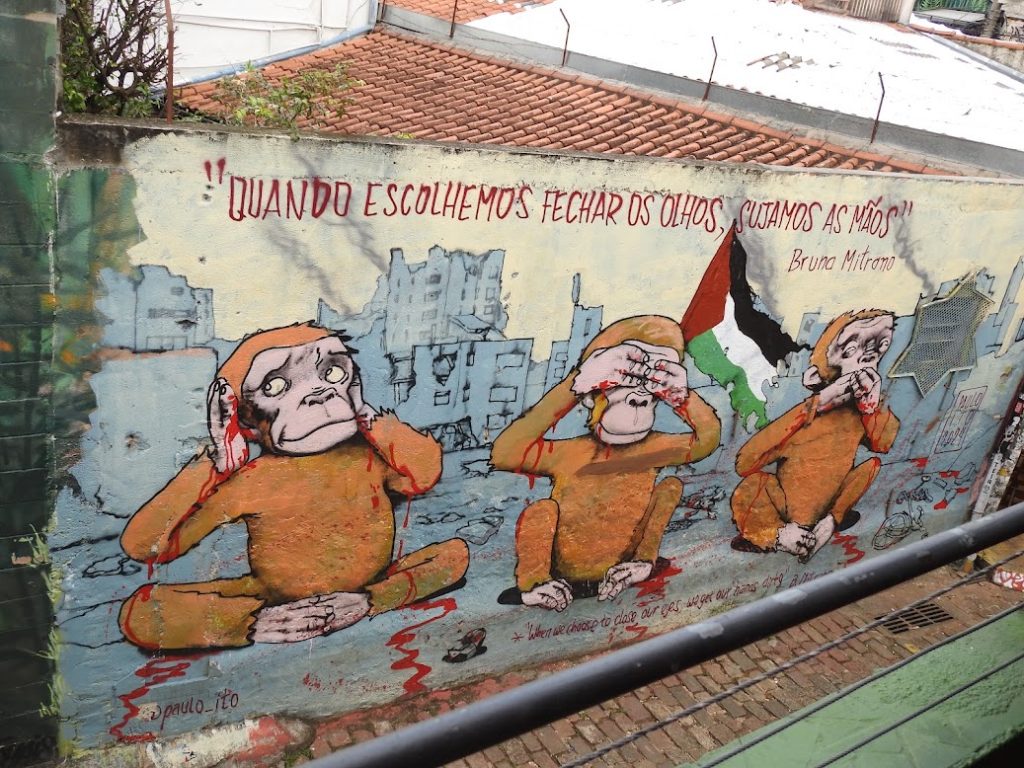
One place we did explore was Vila Madalena and Beco do Batman — Batman Alley. This was much more my sort of São Paulo. The narrow streets and alleyways are covered with huge murals and constantly changing graffiti, turning the neighbourhood into a giant outdoor gallery.


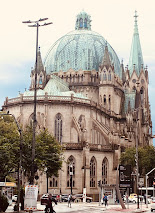
We also made it into the historic centre to see the enormous São Paulo Cathedral, or Catedral da Sé. Its towers rise above Praça da Sé and, after all the modern high-rises, it was quite a contrast to walk into this vast neo-Gothic building in the middle of the city.
Eating São Paulo
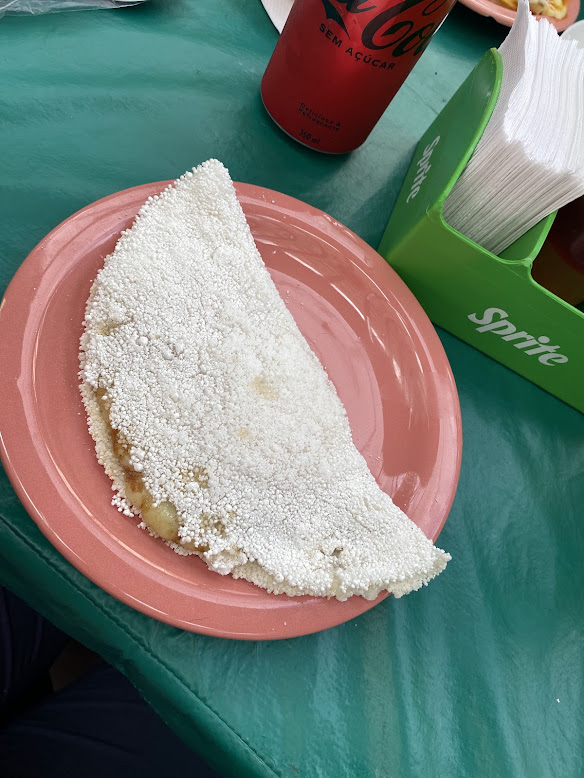
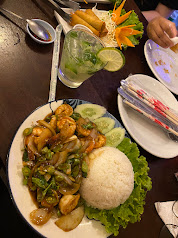
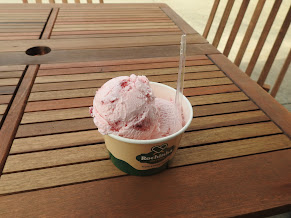
Food was another highlight. São Paulo’s huge immigrant population has created a city where Brazilian, Portuguese, Italian, Japanese, Middle Eastern and other influences all collide.
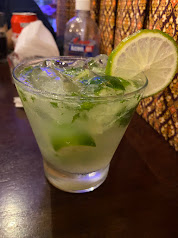
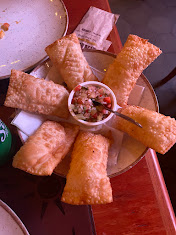
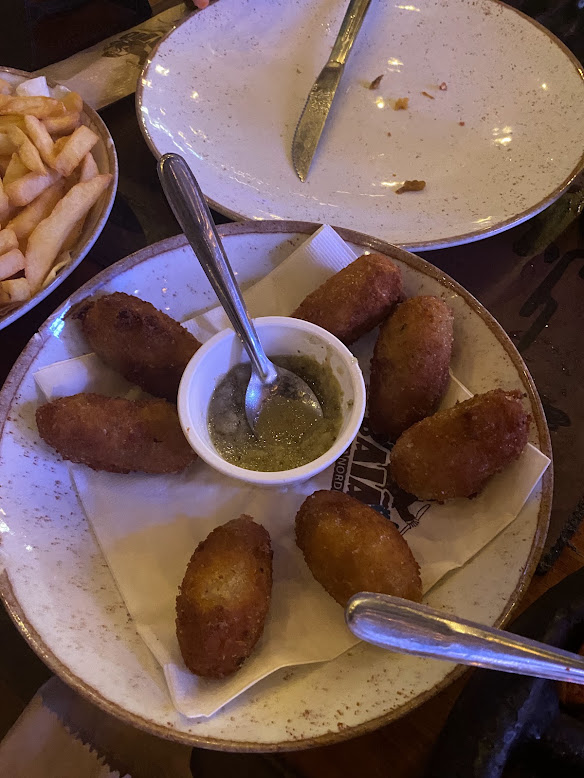
This was the place to try proper pastel, the crispy pastry pockets sold at markets and street stalls, alongside coxinha, the wonderfully addictive chicken-filled snack that is almost impossible to stop at one.
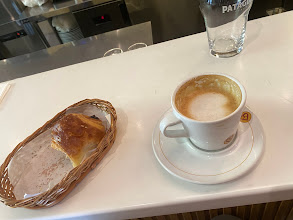
Then there is pão de queijo, those little warm cheese breads that somehow work at any time of day.
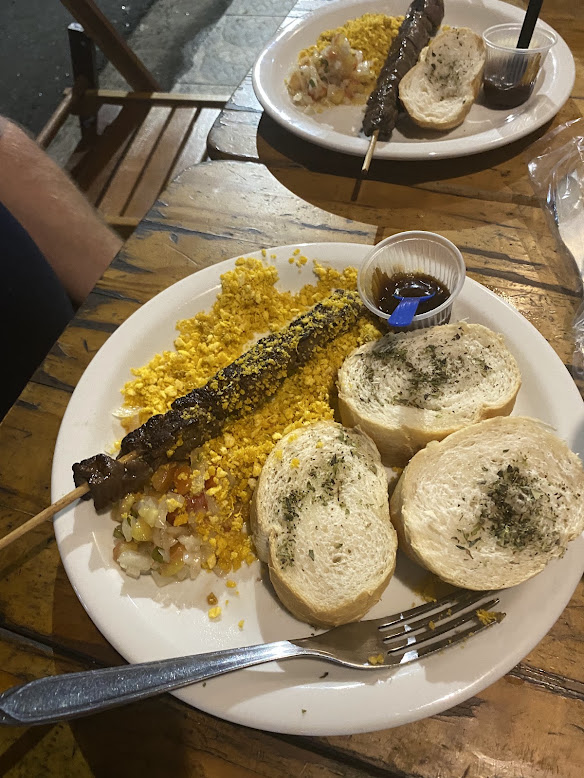
For something more substantial, we tried the local Brazilian food — rice and beans, grilled meats, farofa and feijoada, the rich black-bean and meat stew that is one of Brazil’s classic dishes.
And, of course, there was coffee.
Into the Amazon – Three Days from Manaus
From São Paulo we flew north to Manaus, gateway to the Brazilian Amazon, for a three-day, two-night jungle adventure. After pneumonia, spending several days in tropical heat, humidity and heavy rain may not have been the most sensible recovery plan, but this was the Amazon. I wasn’t missing it.
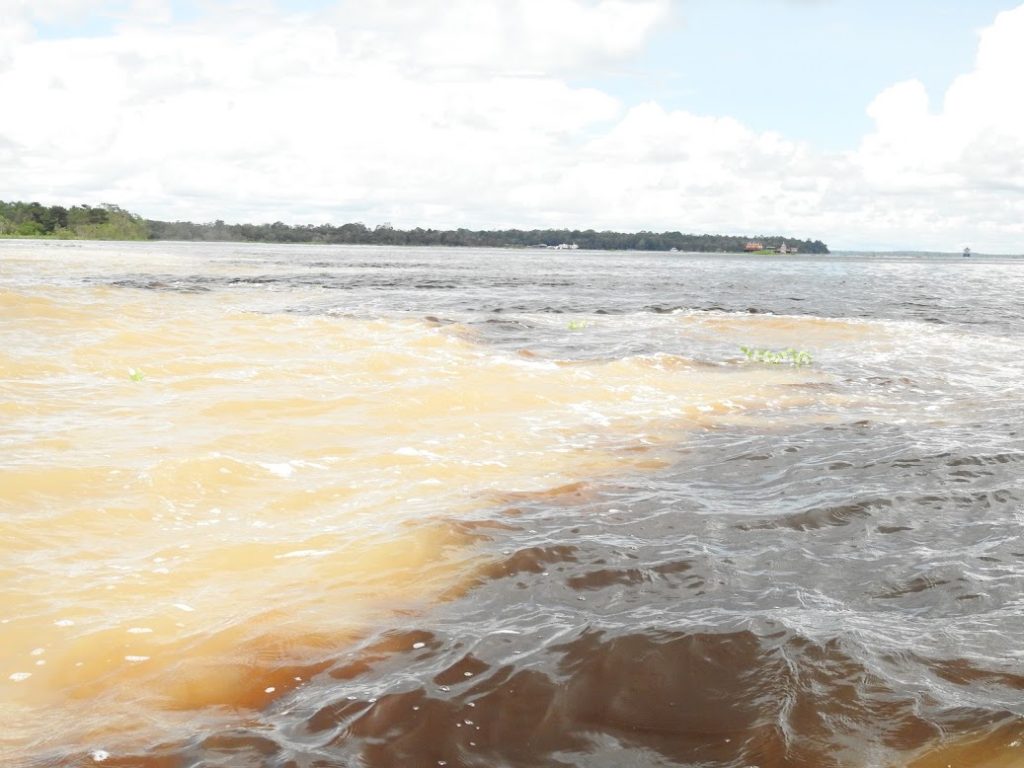
One of the first extraordinary sights was the Meeting of the Waters, where the dark Rio Negro runs alongside the muddy, lighter-coloured Solimões without immediately mixing. For kilometres the two rivers flow visibly side by side, separated by differences in temperature, speed and density.
It gives you some idea of the scale of the Amazon before you’ve even reached the jungle.
Into the jungle
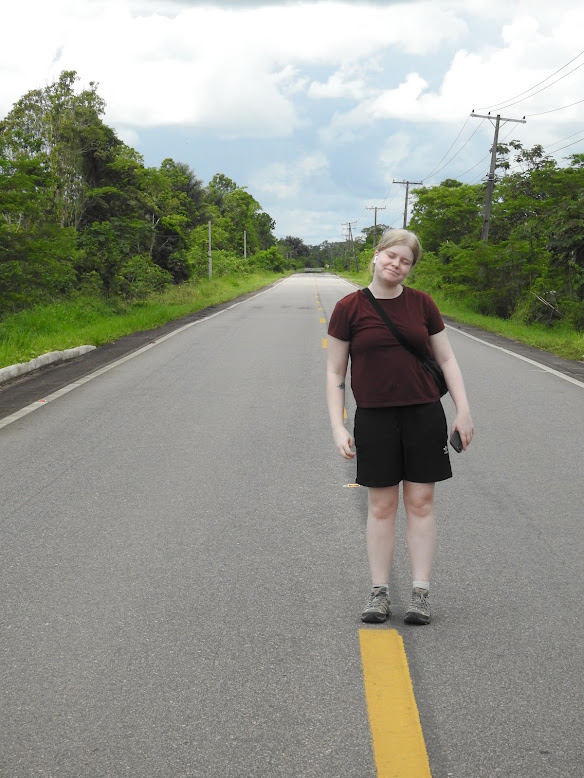
Getting to our accommodation was part of the adventure. There were boats, rough roads and even some Kombi cross-country travel, which added a distinctly Brazilian touch to proceedings.
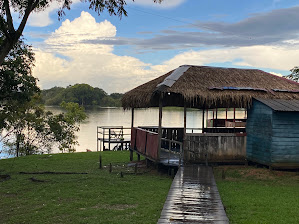
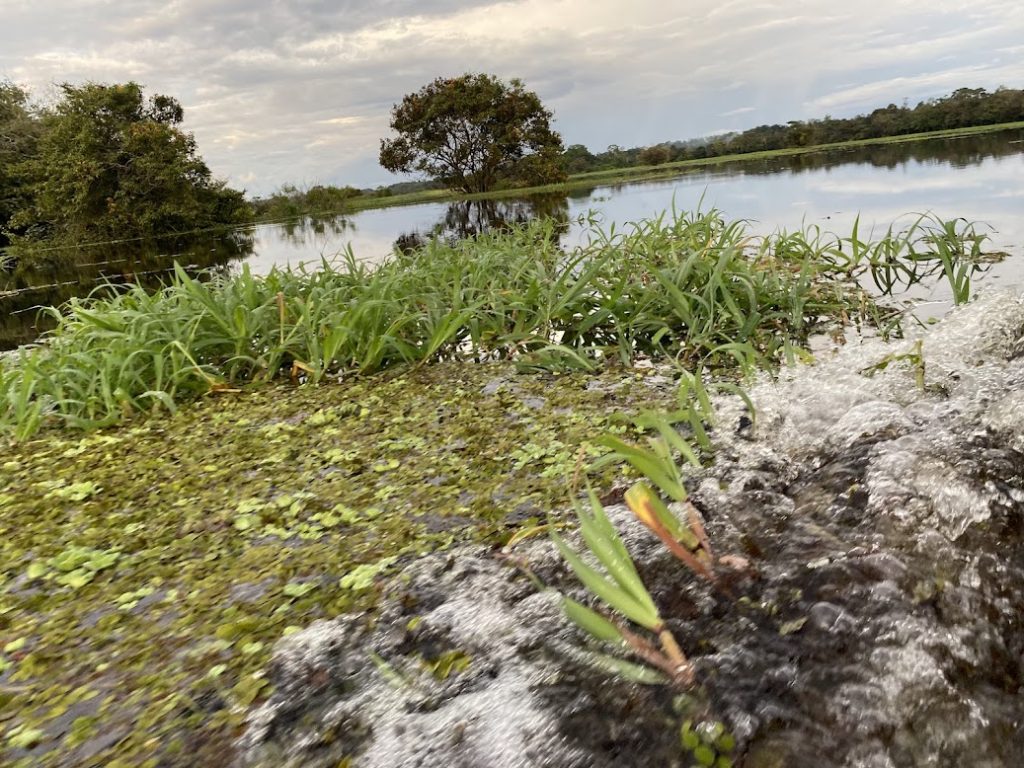
Once away from Manaus, the environment changed completely. Water, forest and sky seemed to merge into one enormous landscape.
And then came the rain. Not polite rain but heavy Amazon rain and this is before we even arrived at our Amazon home for the next couple of days.
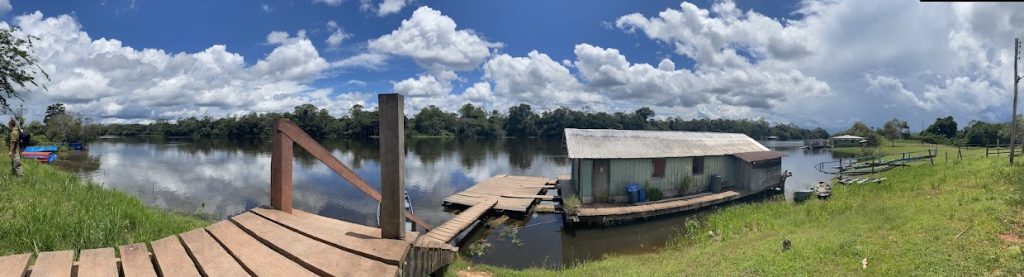
When it arrived, it absolutely hammered down. Within minutes everything was wet and the jungle seemed to become louder, greener and more alive.
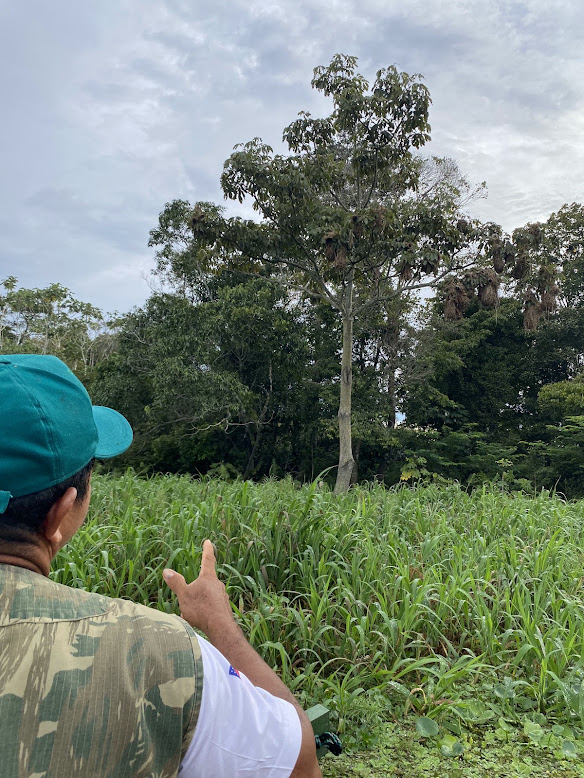
We headed out on jungle walks with local guides who could spot things we would never have noticed ourselves. There were monkeys moving through the trees, brightly coloured frogs that were best admired without touching, extraordinary fungi, insects and ants whose bites and stings gave very good reasons not to casually lean against things.
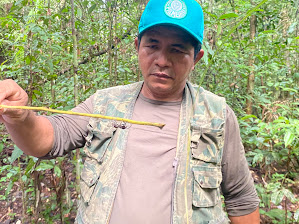
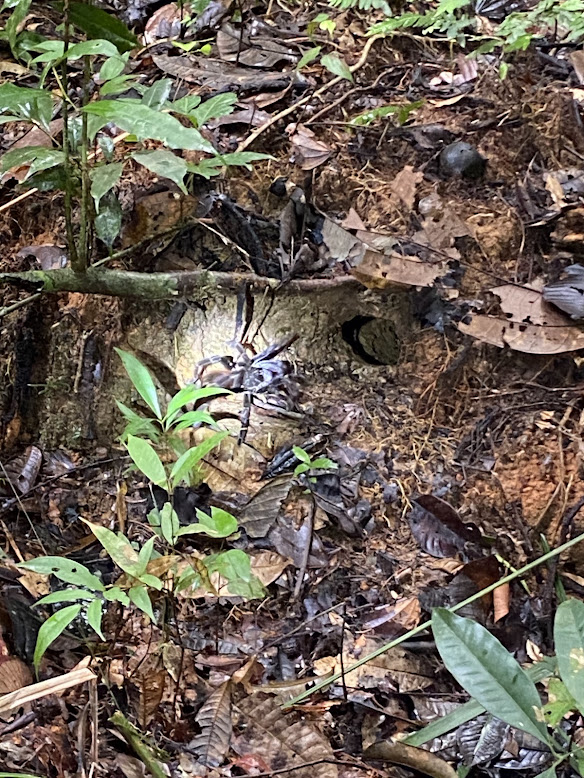
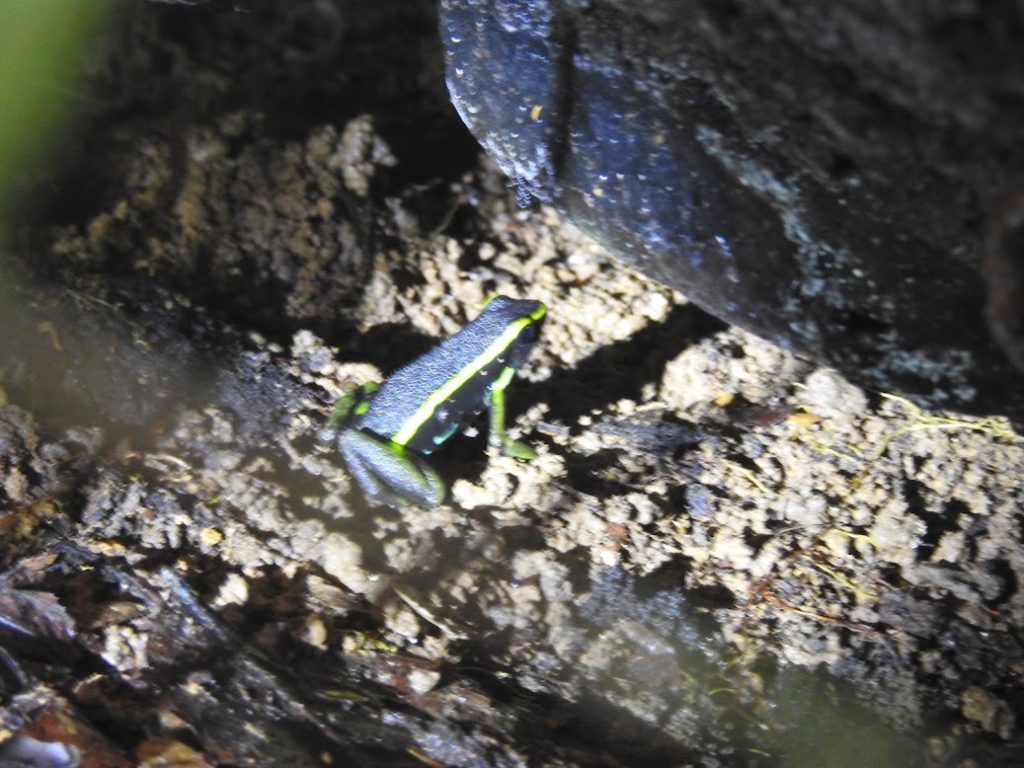
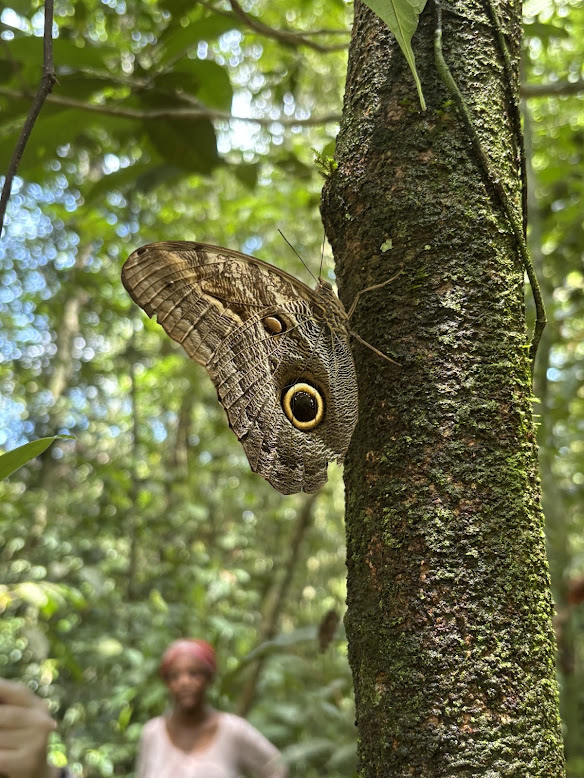
The Amazon isn’t somewhere where you wander around assuming everything small and colourful is friendly.
Piranha fishing
Naturally, we also went piranha fishing.
There’s something slightly ridiculous about deliberately trying to attract a fish famous for its teeth while sitting in a little boat in the middle of the Amazon.
But that’s exactly what we did.
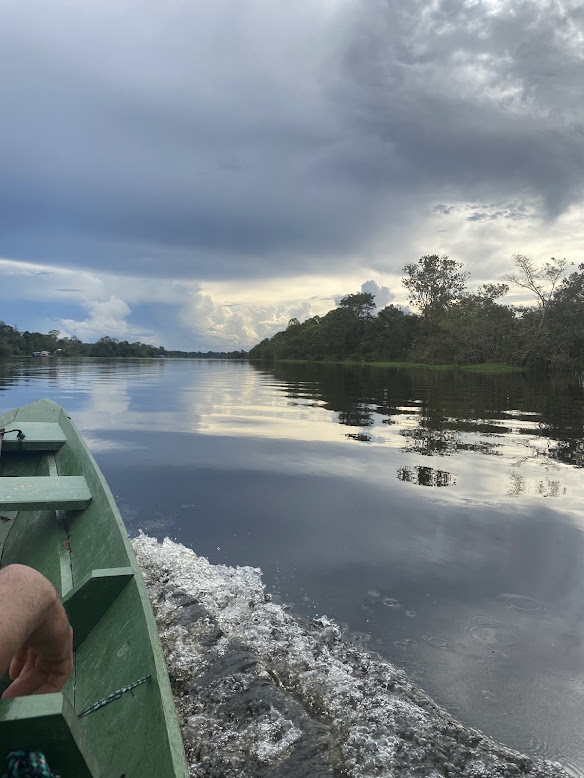
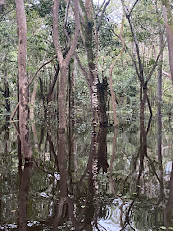
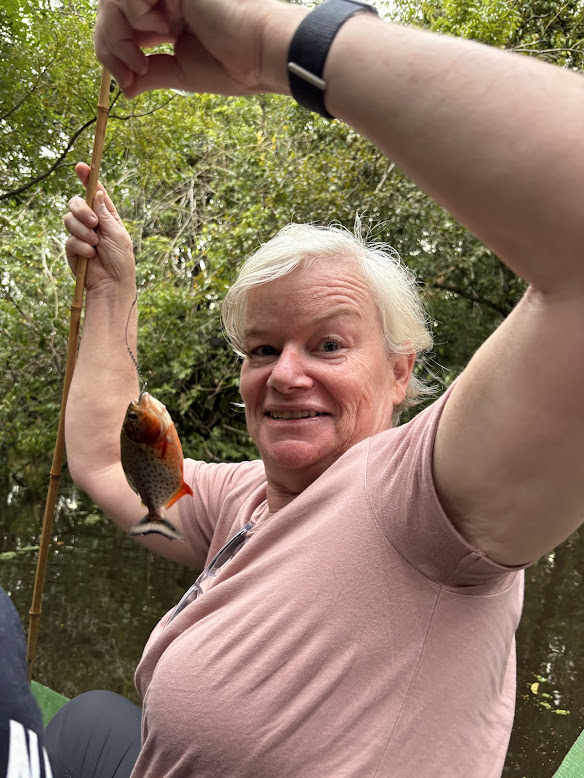
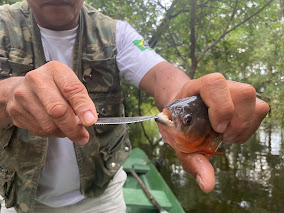
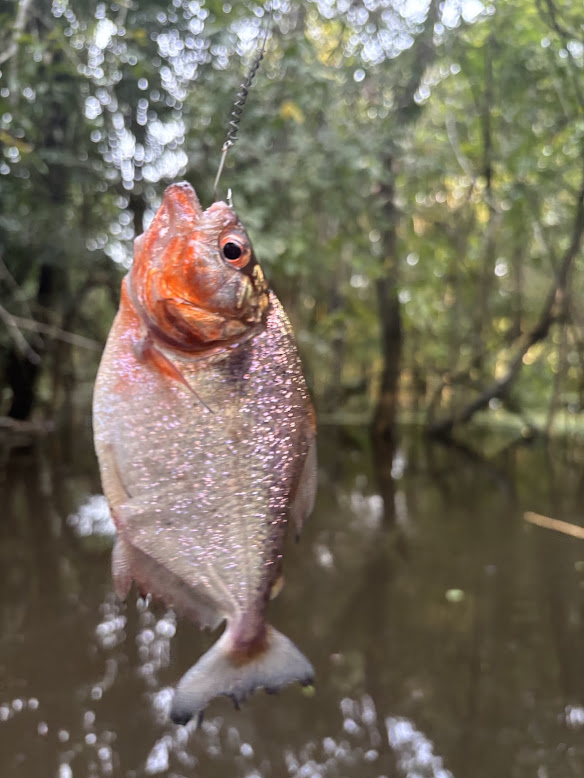
Whether the piranhas were impressed with our technique is another matter.
Giant lily pads and wildlife everywhere
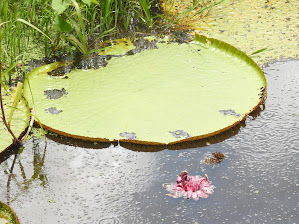
Out on the waterways we saw the Amazon’s enormous giant water lilies, with leaves broad enough to look almost artificial.
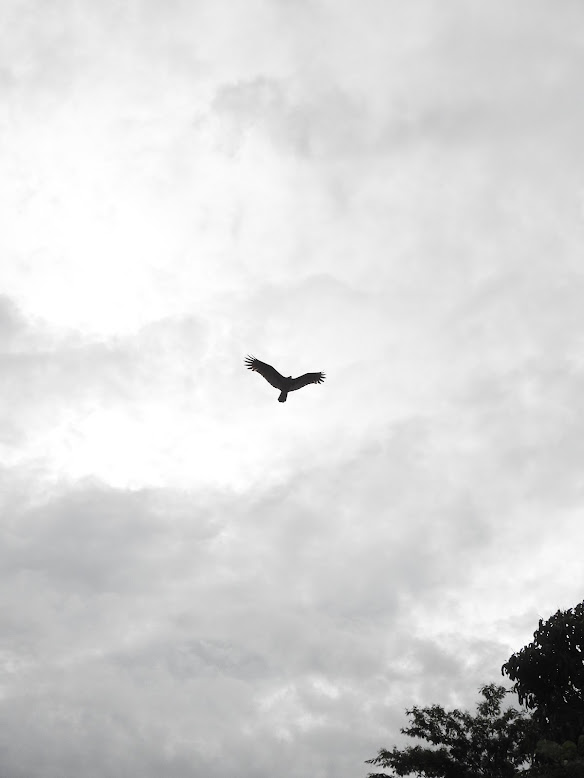
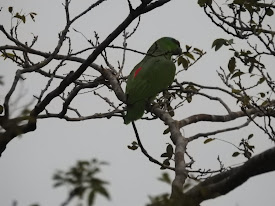
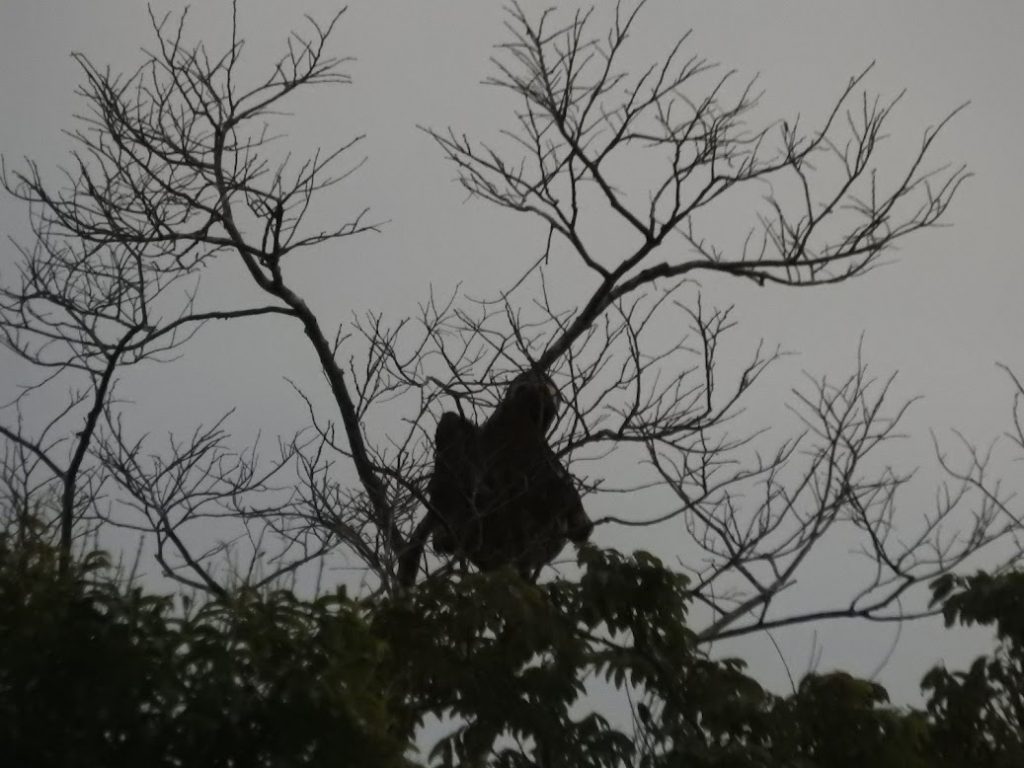
Wildlife appeared everywhere once you slowed down enough to look properly: birds, insects, monkeys, frogs and all sorts of creatures moving through the trees and along the riverbanks.
Some things you saw clearly. Others you heard but never found. And there were probably hundreds more watching us that we never knew were there.
Sunrise on the river was breath taking.
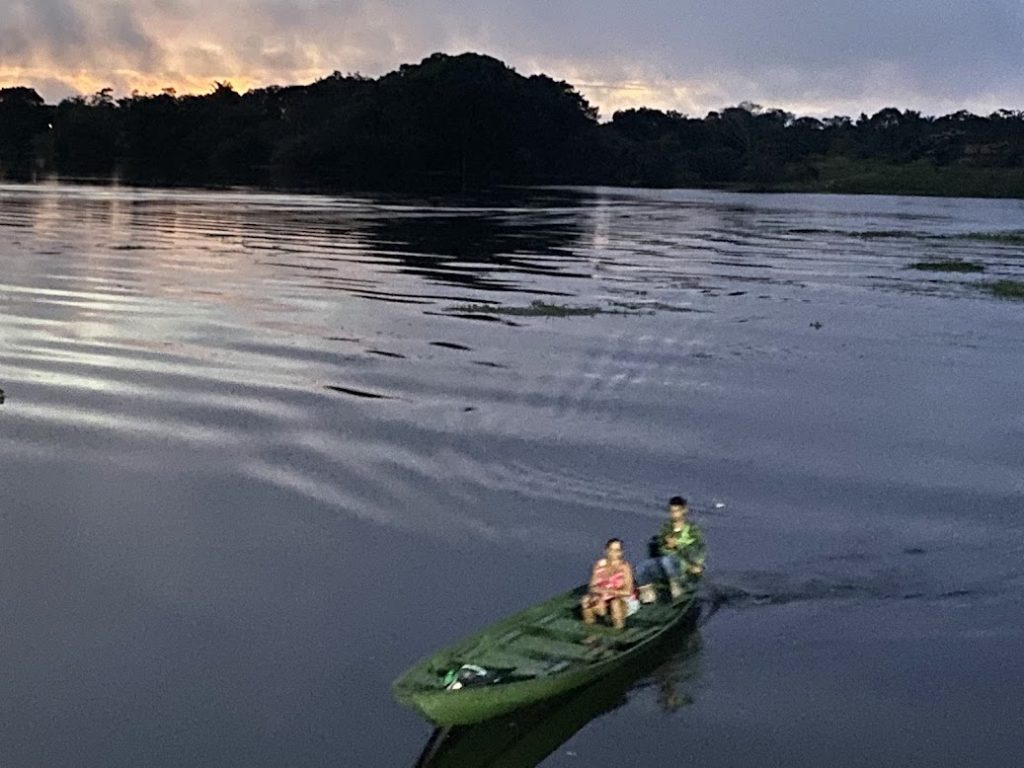
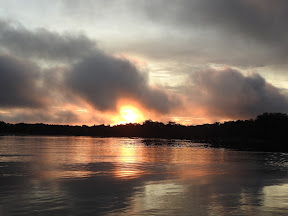
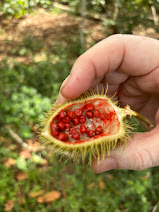
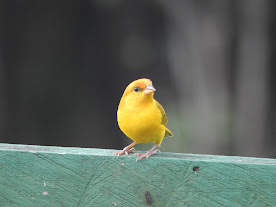
Evening on the river
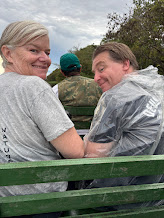
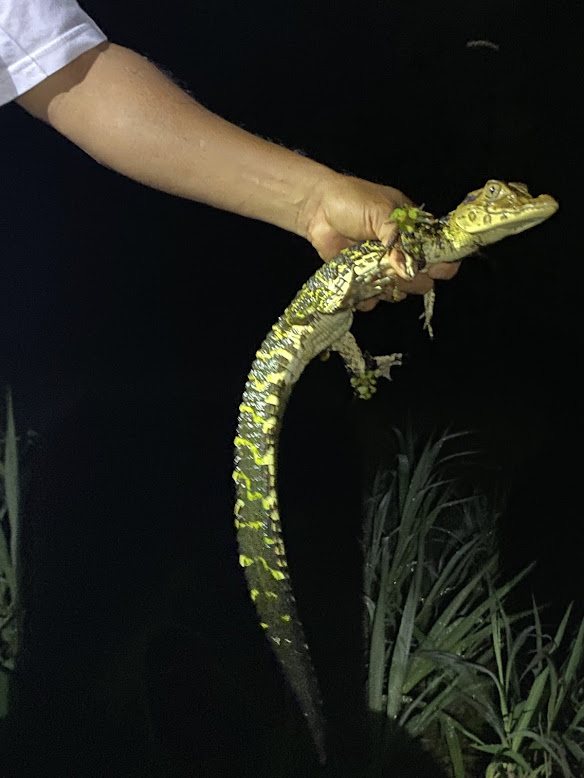
Evening on the river had some more interesting animals. This time we were able to get up close. We had seen the dolphins, monkeys and sloths from a distance, but we got up close and personal with the caiman.
A school in the Amazon
One of the more interesting stops was a visit to a local school.
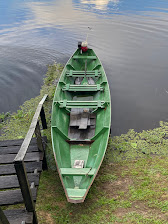
It was a useful reminder that the Amazon isn’t simply wilderness populated by animals for tourists to photograph. Communities live along these rivers, children go to school, families travel by boat and the waterways function much like roads do elsewhere.
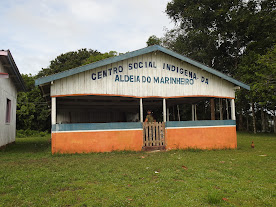
Seeing everyday life in these communities gave the trip a different perspective from simply looking for wildlife.
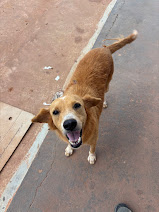
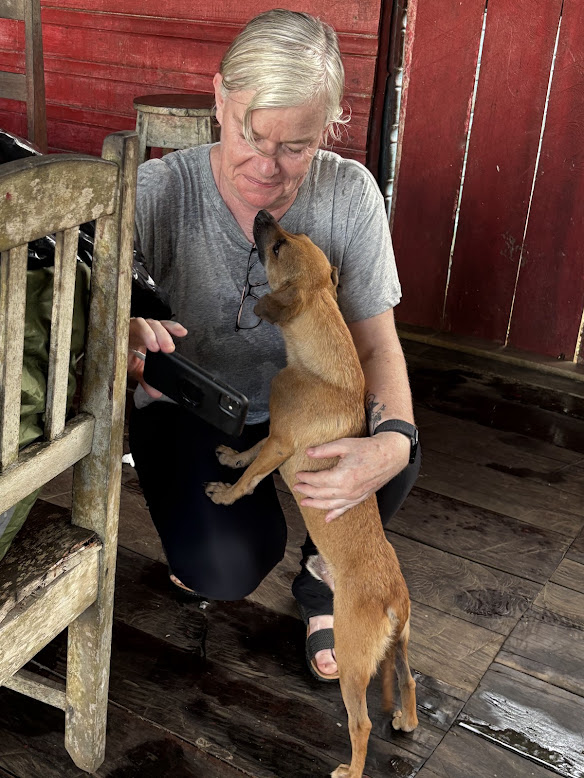
Our Amazon dog
Somewhere along the way we also acquired a friend.
A very cute local dog decided we were apparently worth following around and quickly became part of the adventure.
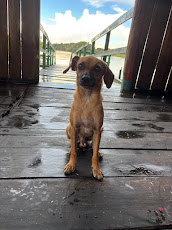
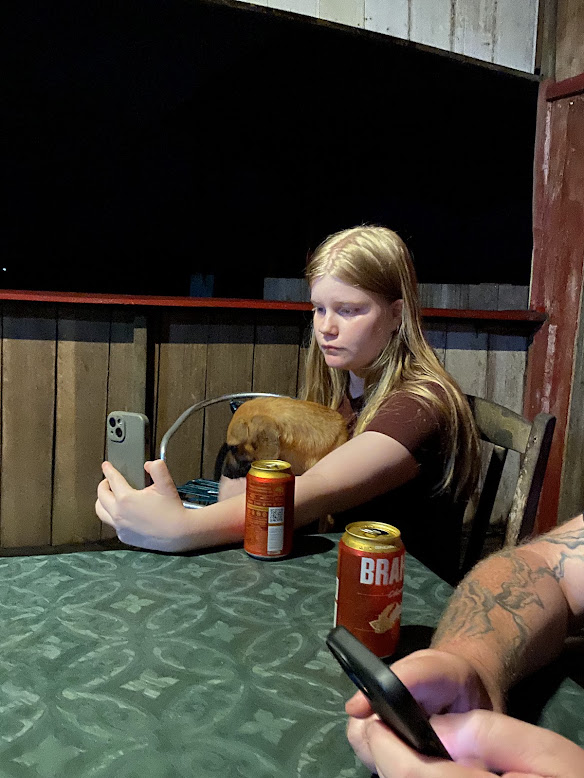
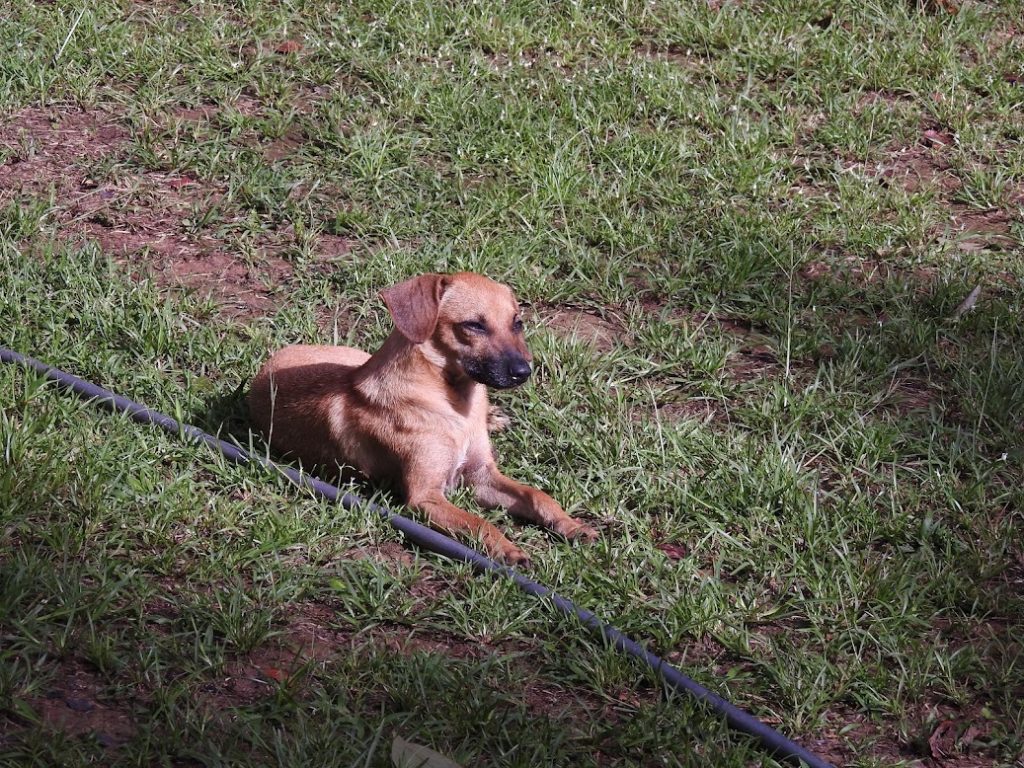
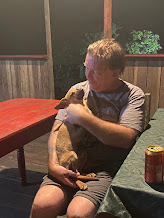
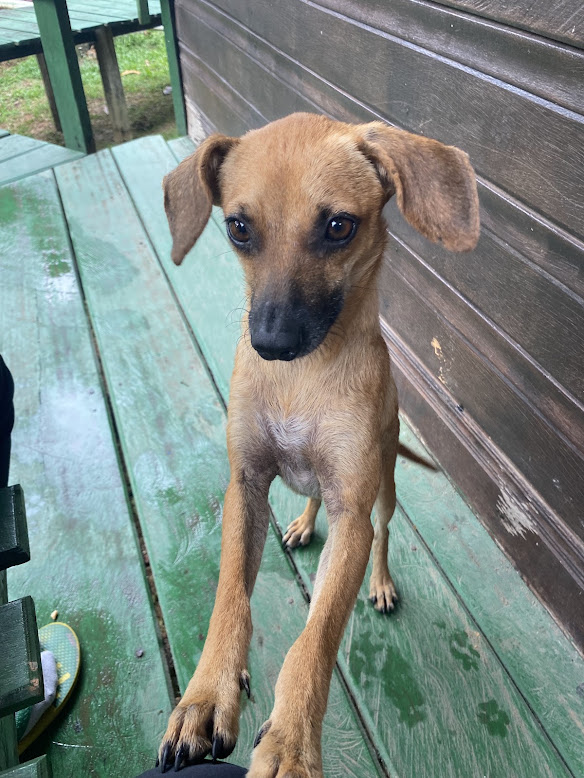
Travel memories are strange things. You travel halfway around the world to see one of the planet’s greatest ecosystems and somehow still end up taking twenty photographs of a dog.
Drinks beside the river
One evening we found a little bar beside the river run by a lovely older man who spoke absolutely no English.
Our Portuguese wasn’t exactly helping much either.
It didn’t matter.
Beer is reasonably universal.
So are smiles.
And caipirinhas.
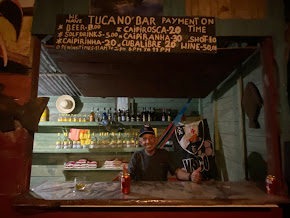
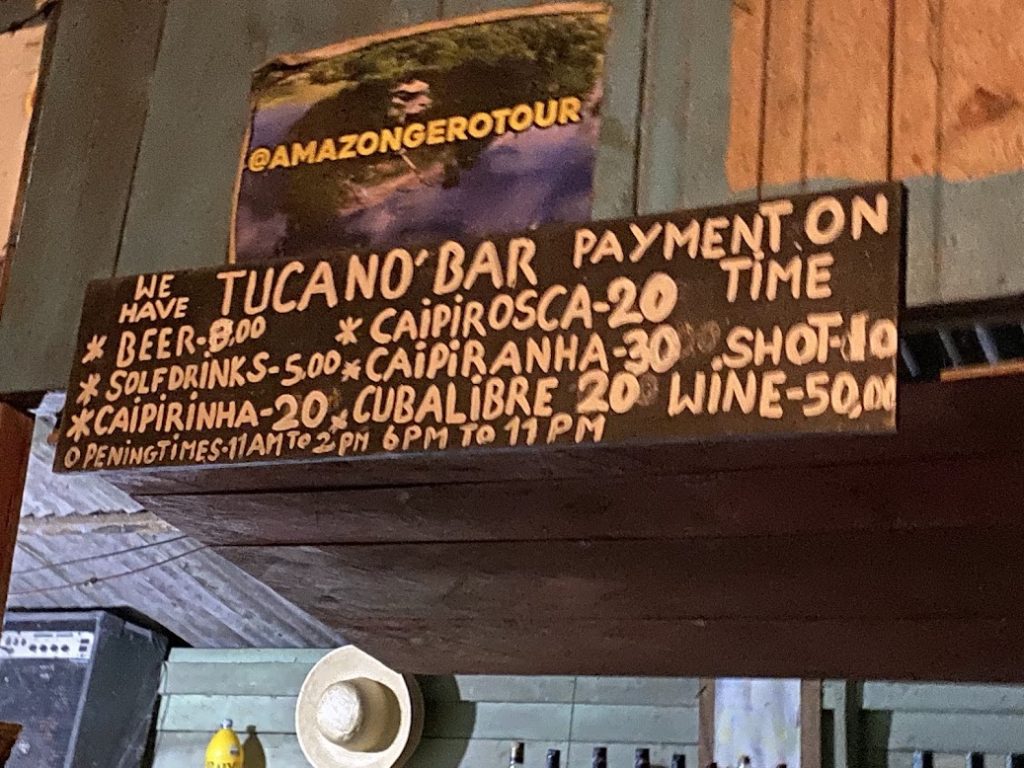
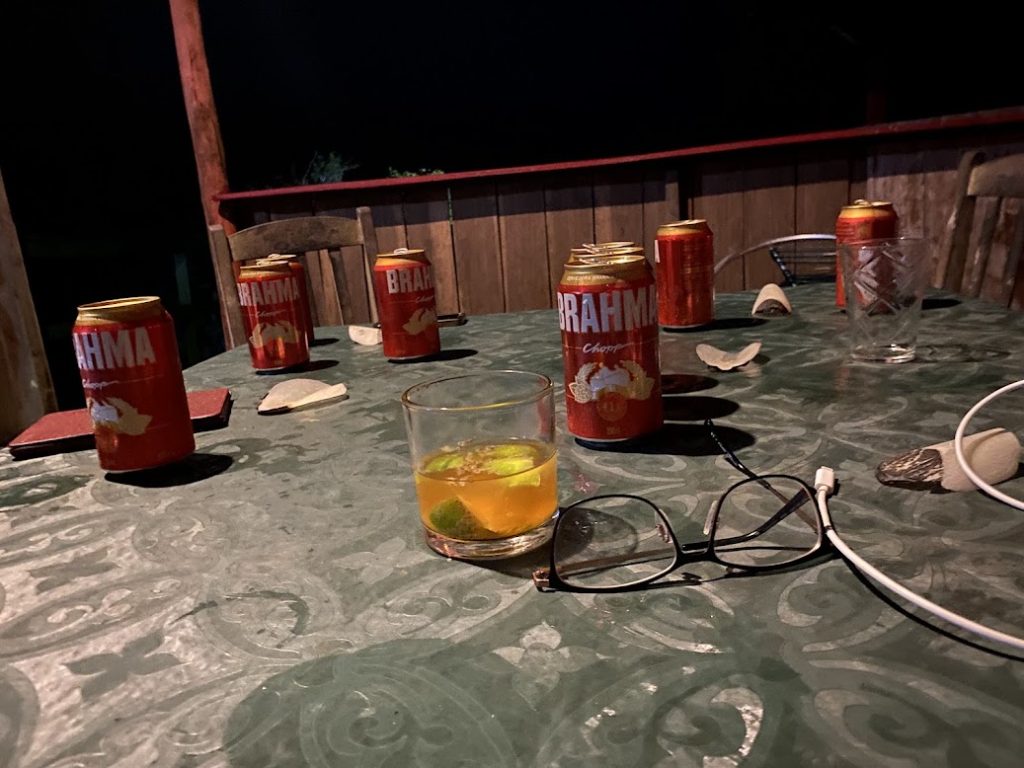
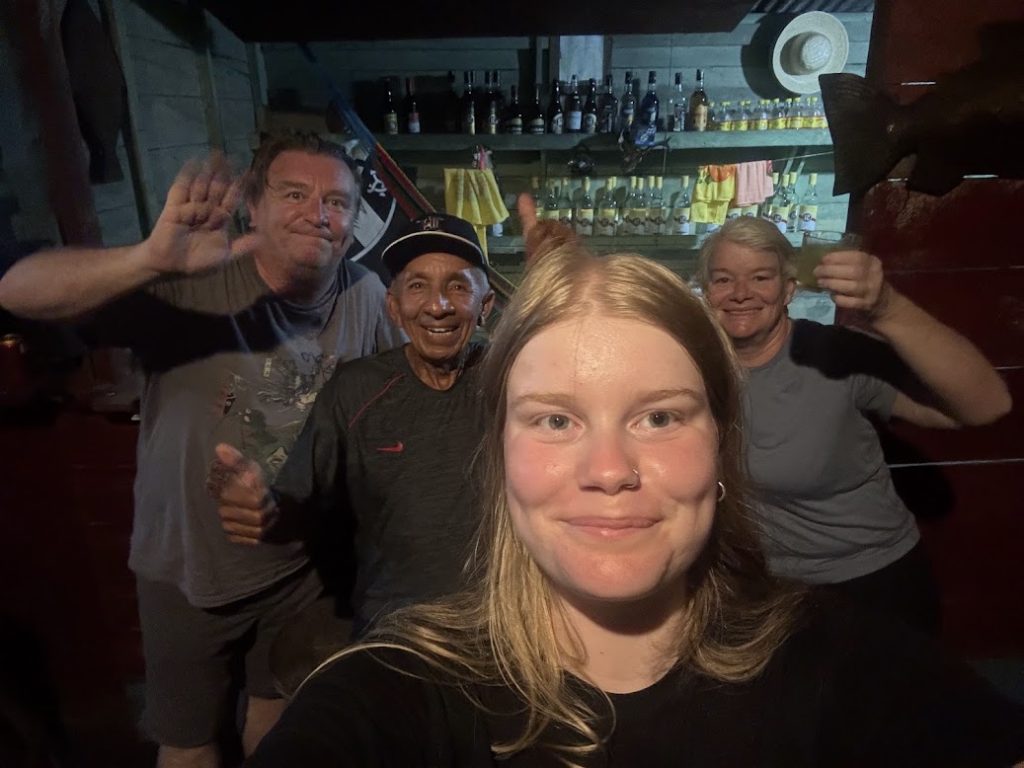
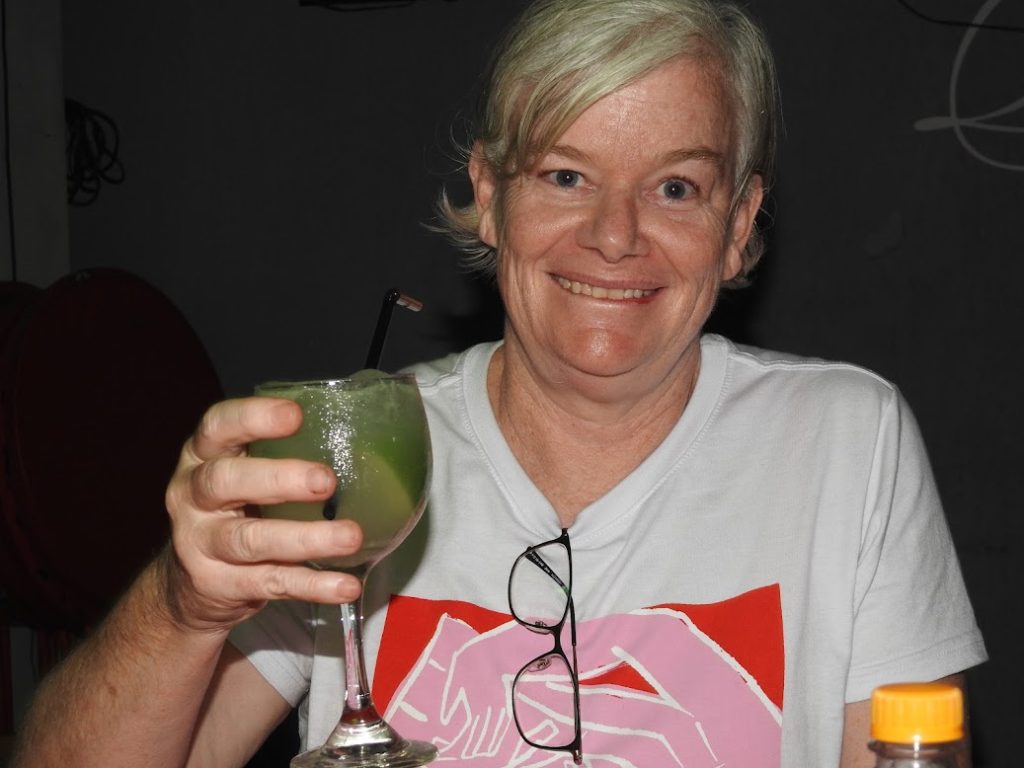
We sat beside the Amazon drinking cold beer and caipirinhas, communicating largely through gestures and laughter with a man whose life could hardly have been more different from ours.
It was simple and completely memorable.
Back to Manaus
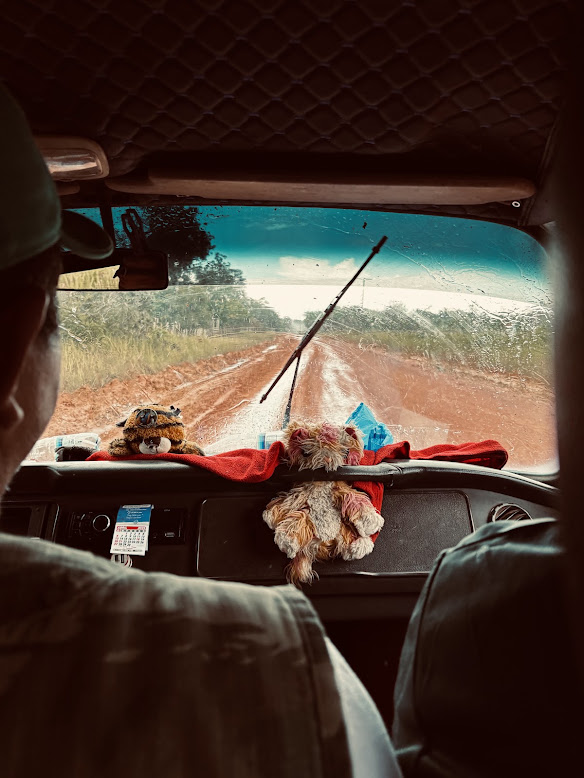
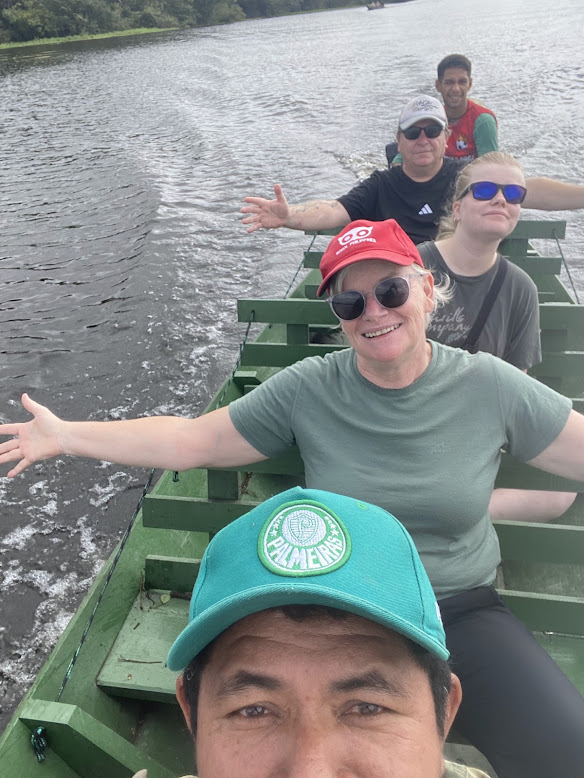
After two nights in the Amazon we returned to Manaus.
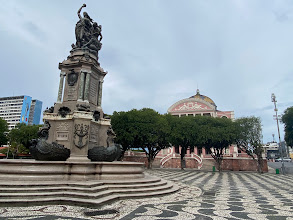
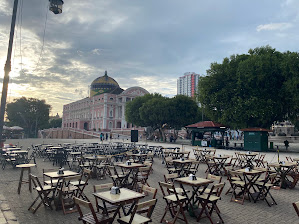
During the day the city was lively, colourful and fascinating, particularly around the markets and riverfront. At night, though, parts of it felt considerably sketchier and we were more cautious about where we wandered.
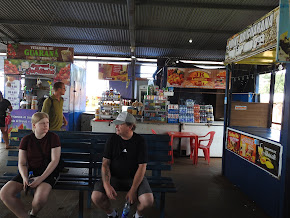
Before our flight we visited a local breakfast market, which was a much better final memory of Manaus — busy stalls, local food and people starting their day while we were preparing to leave.
Then it was back to the airport.
Three days hadn’t made us experts on the Amazon. You could spend months exploring a region this enormous and barely scratch the surface.
But we’d trekked through jungle in pouring rain, fished for piranhas, watched monkeys in the trees, avoided colourful frogs and painful ants, seen enormous lily pads, visited a local school, driven a Kombi through the countryside, befriended a dog and drunk caipirinhas beside one of the world’s great rivers with a man we couldn’t understand.
Not bad for three days.
Next stop: Rio de Janeiro.
Rio de Janeiro – Beach Life, Big Views and a Lesson About Card Machines
After the Amazon, Rio de Janeiro felt like another world.
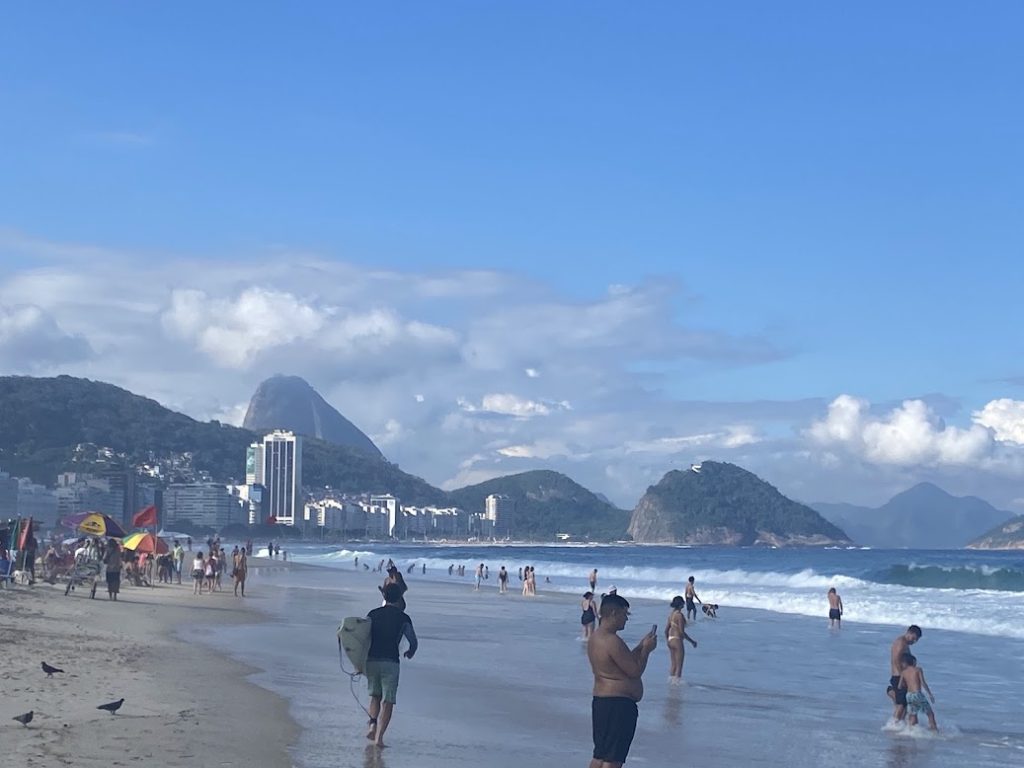
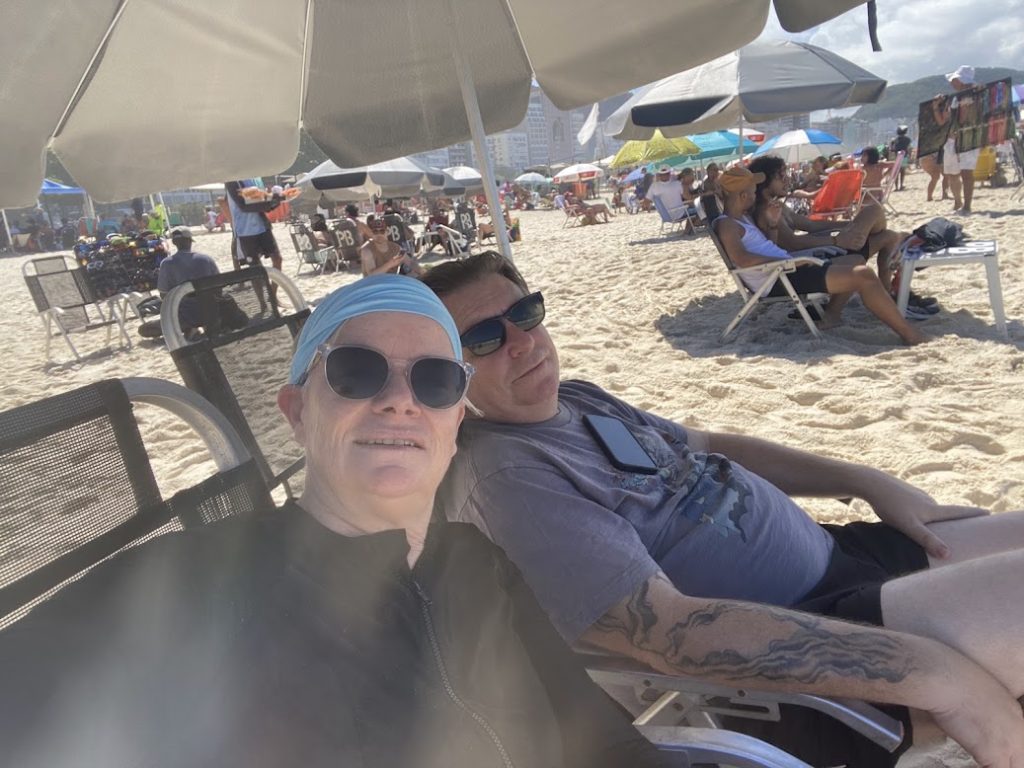
We stayed in an apartment right on Copacabana Beach, which meant waking up to one of the most famous stretches of sand in the world and stepping straight into that unmistakable Rio energy.
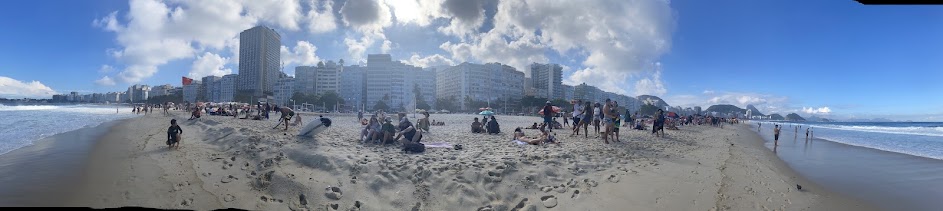
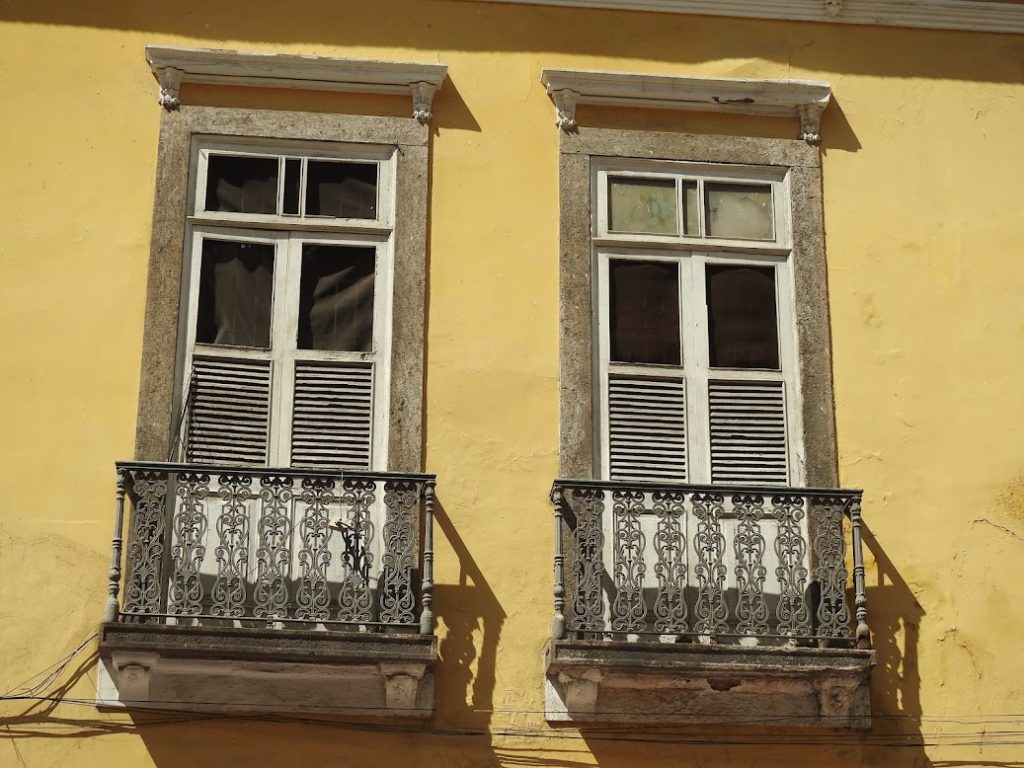
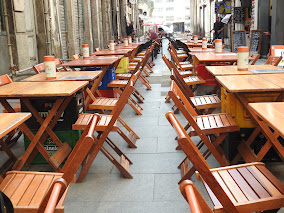
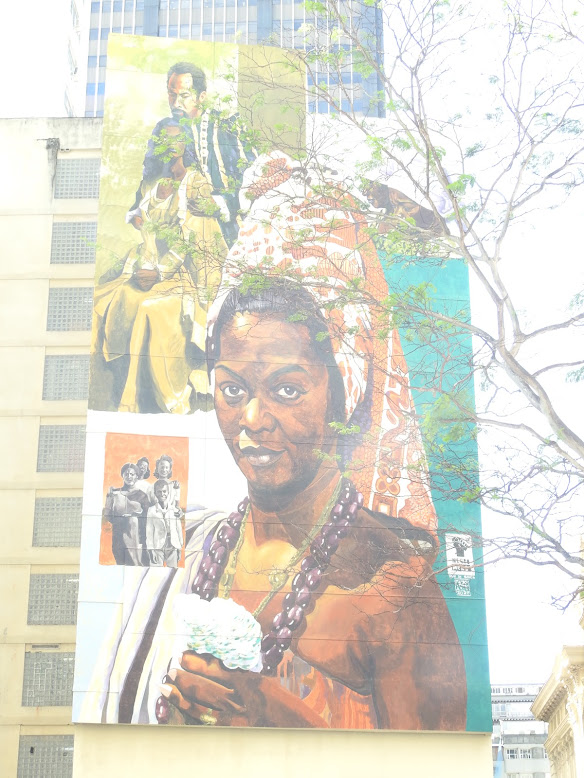
We spent time simply walking through the city centre and surrounding neighbourhoods, where narrow alleyways opened onto little restaurants with tables spilling out into the street. Rio felt social everywhere — people eating, drinking, talking, dancing and generally making far better use of public space than most cities manage.
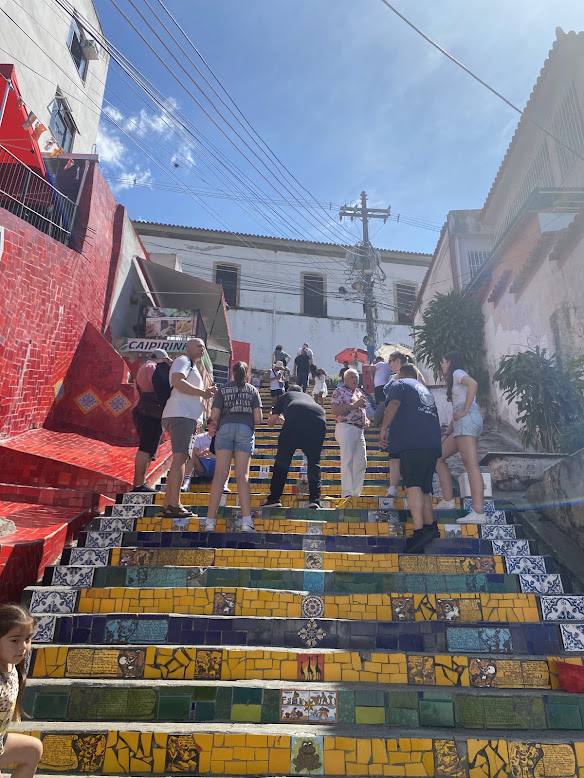
One of the obvious stops was the Escadaria Selarón, the famous tiled staircase covered in thousands of colourful pieces from around the world.
Copacabana – where someone will sell you almost anything
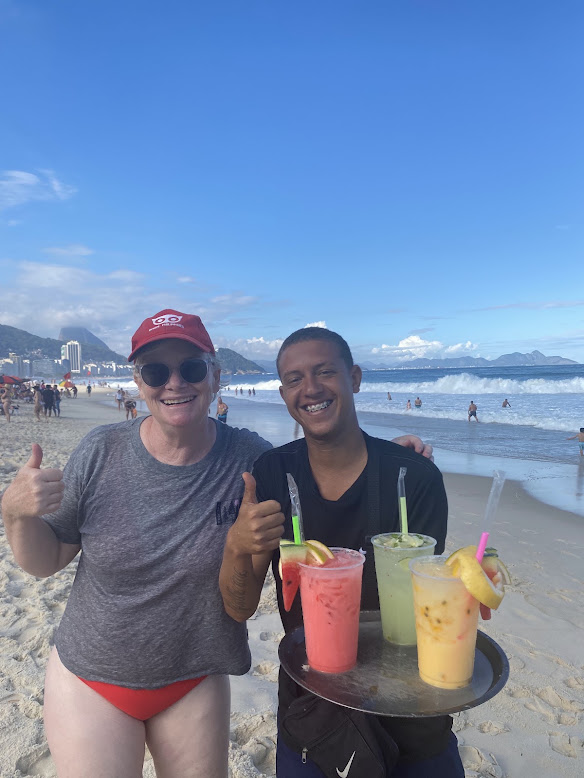
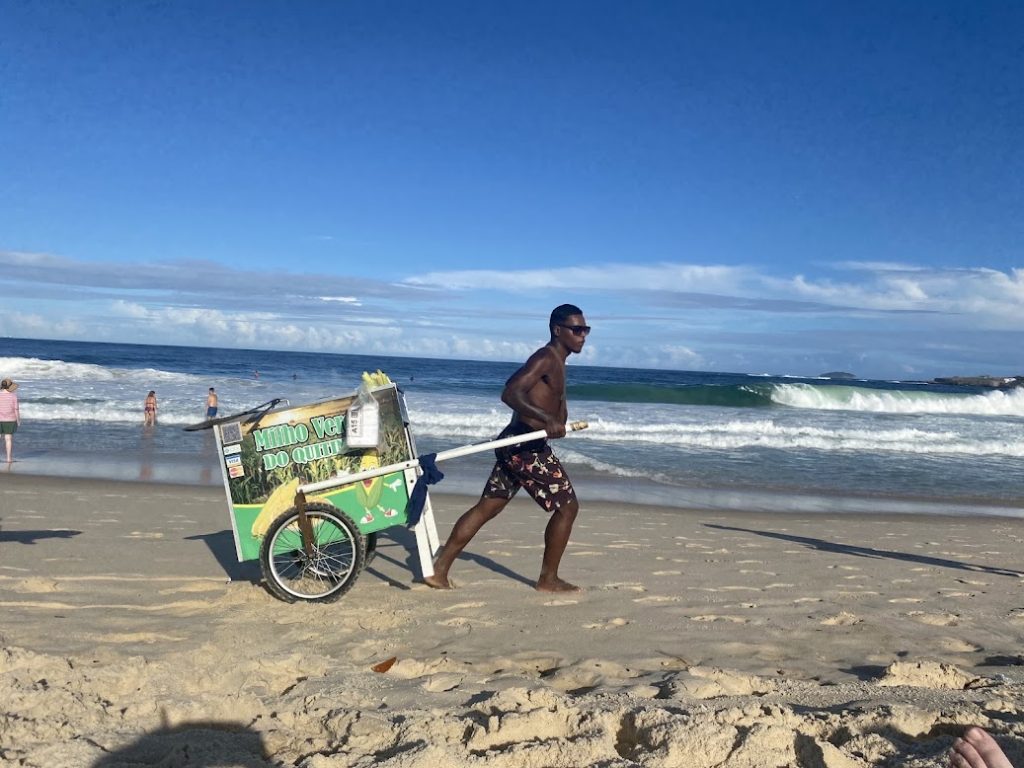
Copacabana Beach is entertainment in itself.
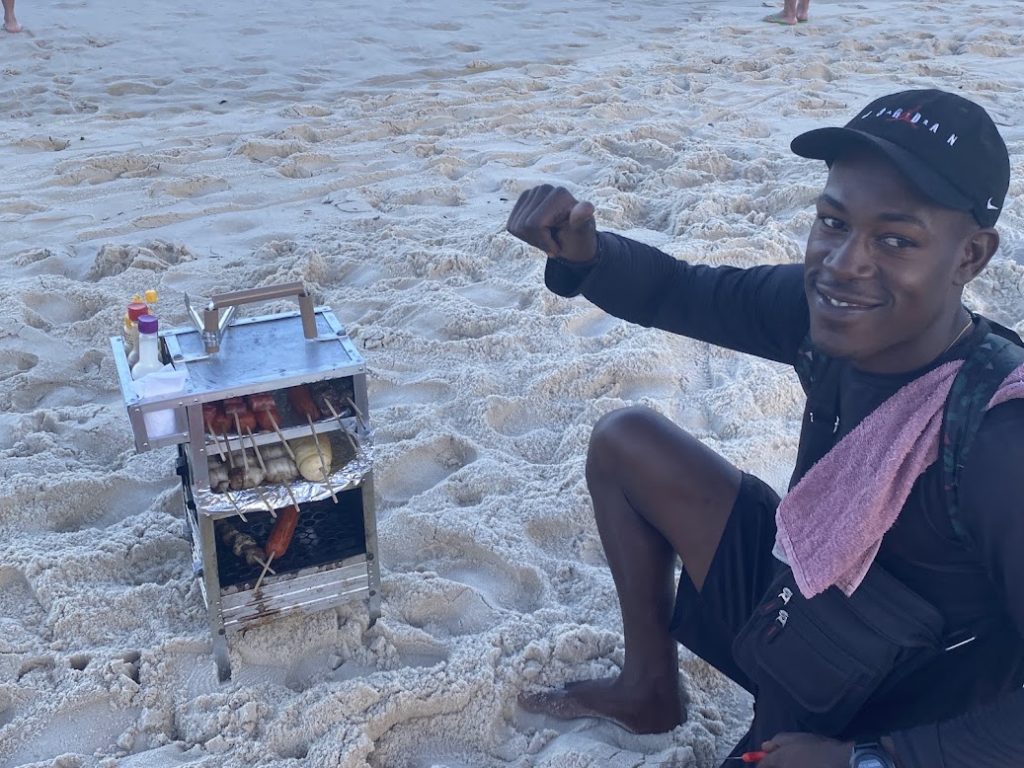
Food, drinks, hats, sunglasses, beachwear, souvenirs — if you sit still long enough, someone will probably offer to sell you whatever you suddenly realise you need.
It is lively, colourful and great fun.
But we also learnt one important lesson the hard way.
Never let the digits on the card machine disappear from your sight.
Check the amount yourself before tapping or entering your PIN. Don’t rely on someone telling you what they have entered.
We discovered that after being charged considerably more than expected.
Rio has dedicated tourist police, and it is worth knowing where to find them if something does go wrong, but prevention is obviously easier than trying to fix the problem afterwards.
Christ the Redeemer – magnificent, crowded and occasionally invisible
No first visit to Rio feels complete without heading up to Christ the Redeemer.
Unfortunately, everyone else appears to have reached the same conclusion.
It was crowded.
Very crowded.
And foggy.
There were moments when one of the world’s most recognisable statues seemed determined not to be seen at all.
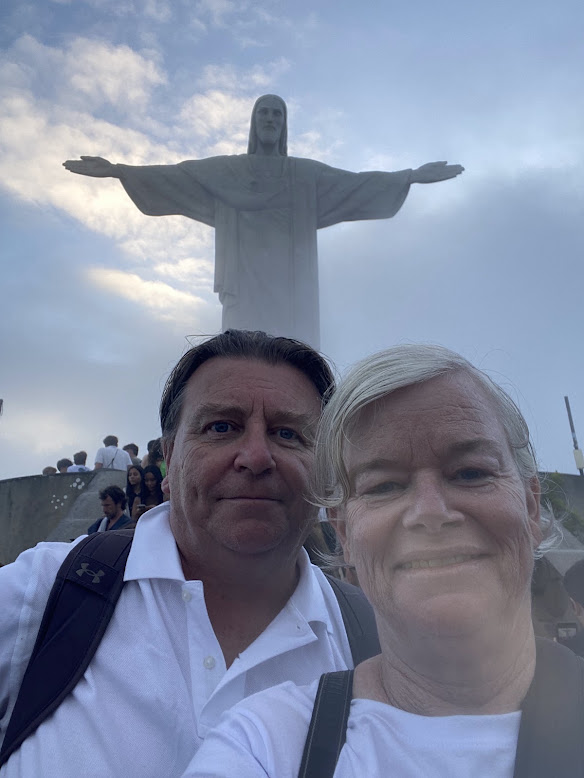
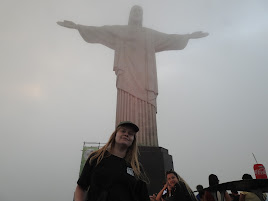
Still, when the cloud cleared enough to reveal the city below, you understood why people keep making the trip.
The best view wasn’t on the tourist trail
We also visited Sugarloaf Mountain, but one of the best views we had of Rio came from somewhere rather less accessible.
A Brazilian naval base.
We knew someone.
That gave us a completely different vantage point across Rio and Sugarloaf Mountain, without fighting through crowds or lining up for the standard viewpoint.
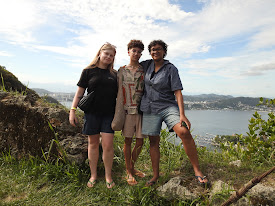
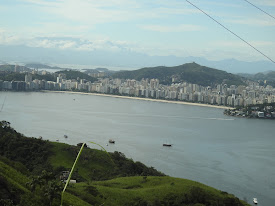
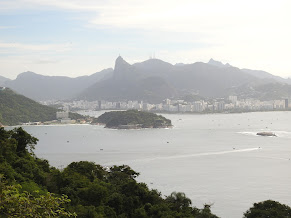
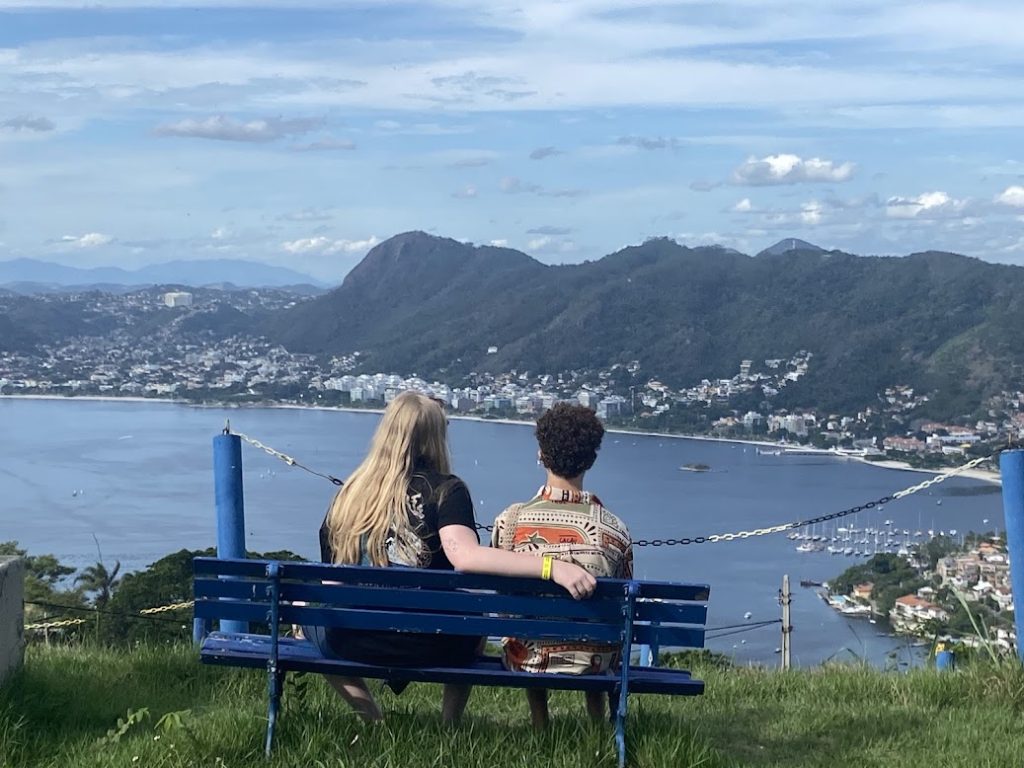
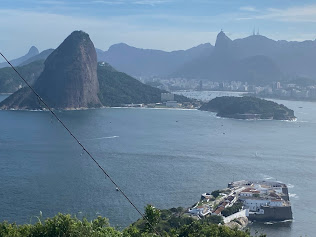
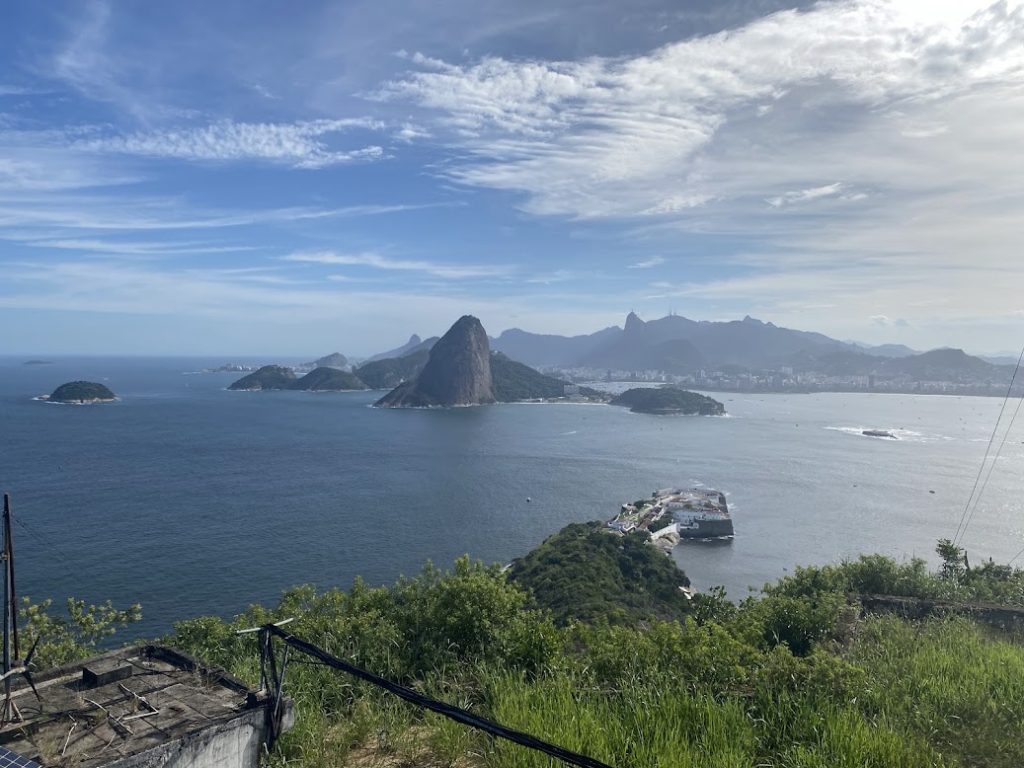
Sometimes knowing a local beats buying another ticket.
Volkswagens in Rio
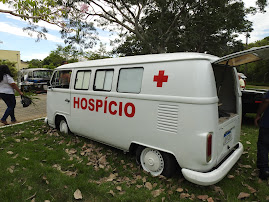
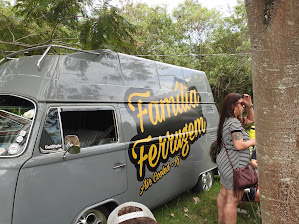
In amongst the beaches and major sights, we also managed to find a VW show.
Naturally.
Rows of old Volkswagens, Kombis and beautifully restored cars might not feature on everybody’s Rio itinerary, but it certainly featured on ours.
Choose your fish and they cook it
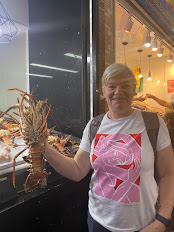
Another favourite was visiting a fish market, choosing exactly what we wanted from the fresh catch and then having it cooked for us nearby.
Simple.
Fresh.
Excellent.
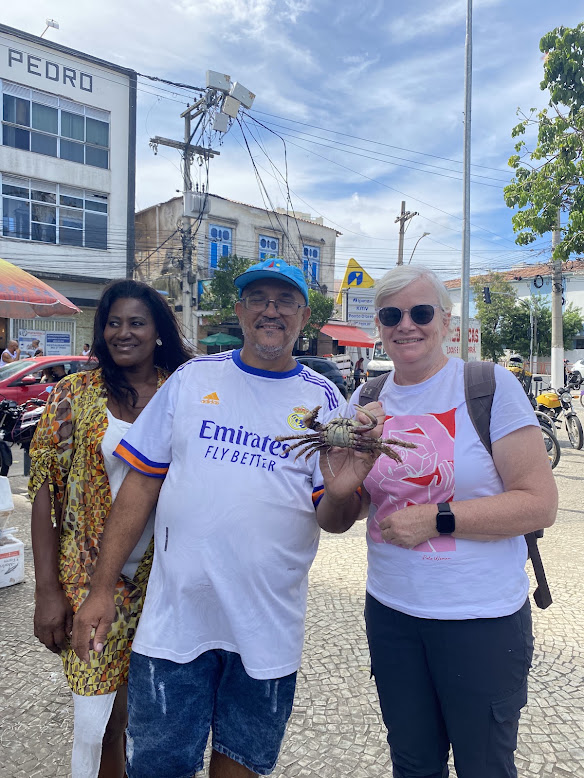
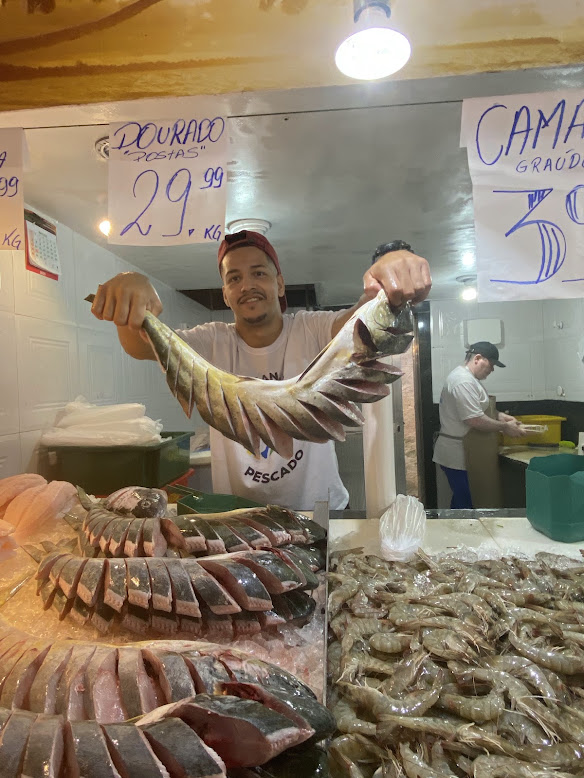
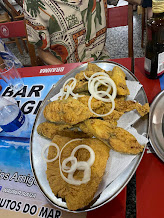
This is the sort of travel experience I generally remember much longer than another expensive restaurant.
Açaí, churros and finding new favourites
Brazil was also responsible for introducing me properly to açaí.
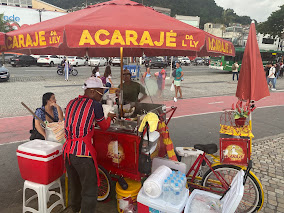
Cold, thick, purple and usually served with fruit, granola or whatever else you decide to pile on top, it quickly became something we actively looked for rather than something we happened to try.
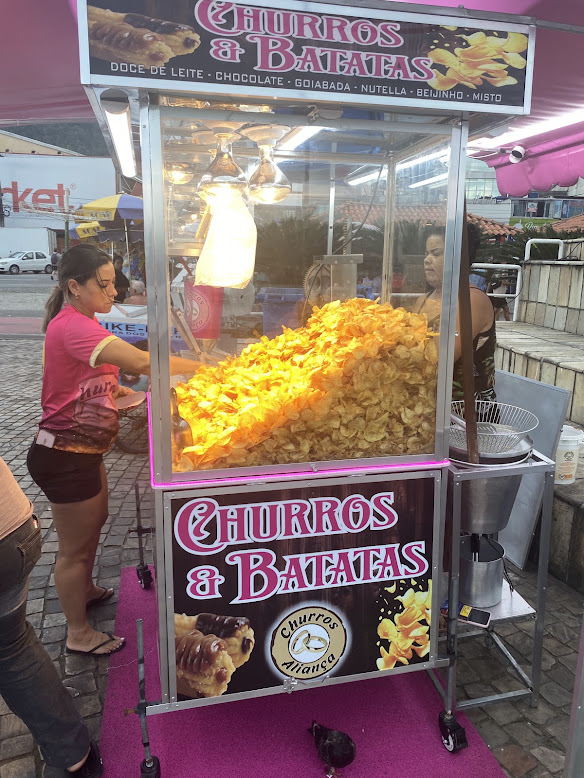
Then there were churros.
That relationship became serious very quickly.

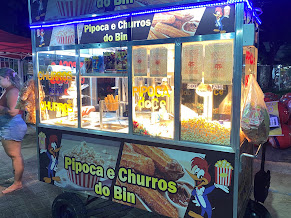
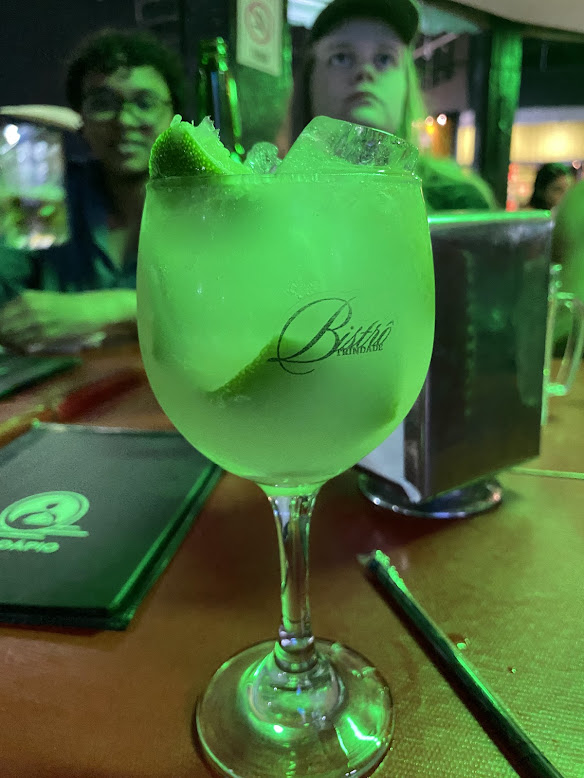
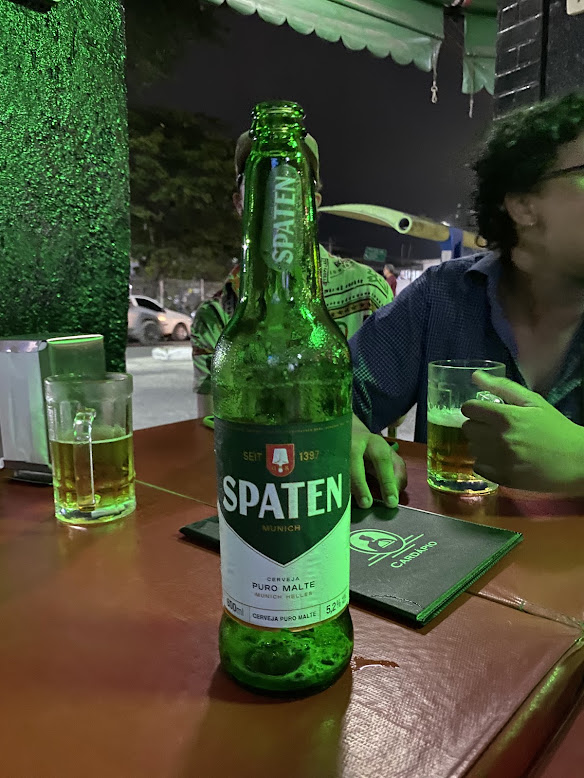
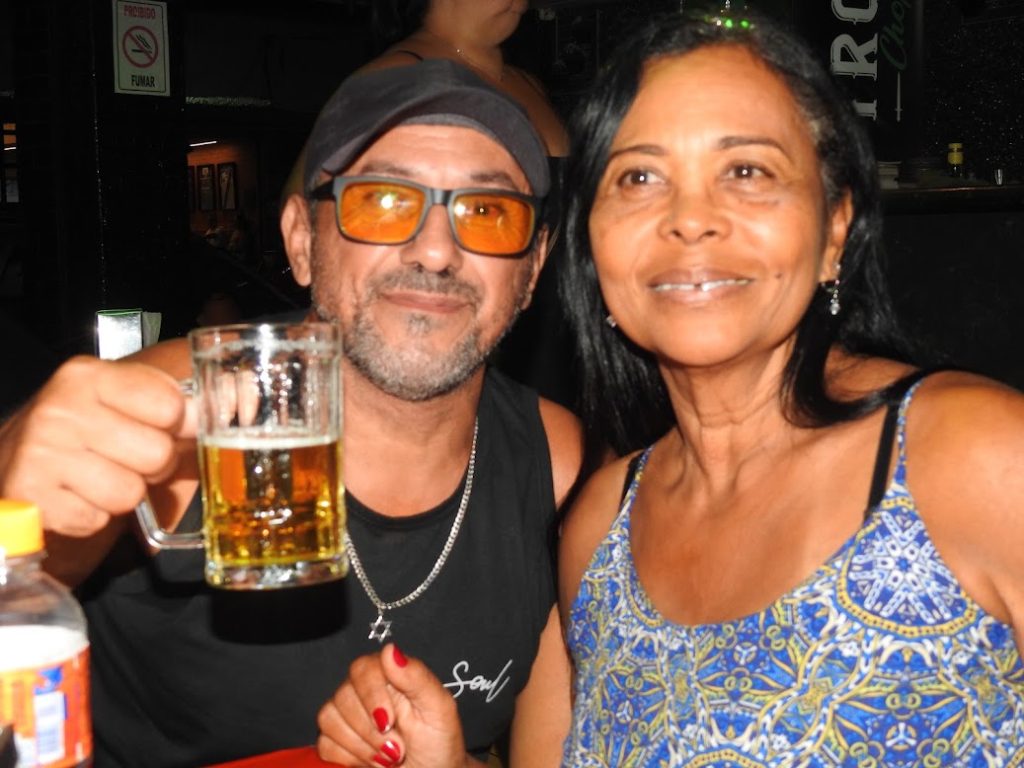
Drinks, dancing and people
Some of the best nights weren’t planned particularly carefully.
We met up with family, made new friends, found places for drinks and inevitably ended up dancing.
That seemed to be Rio.
You might start the night intending to have dinner.
Somehow it becomes drinks.
Then music.
Then dancing.
Then suddenly it’s much later than you realised.
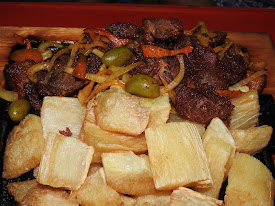
Rio is chaotic, beautiful and worth paying attention to
Rio is one of those cities where several completely different experiences seem to exist on top of each other.
There are spectacular mountains and beaches, crowded tourist attractions, little restaurants hidden down alleyways, football, music, markets, wealthy neighbourhoods and places where you become much more conscious of your surroundings.
You need some street awareness.
Keep an eye on your belongings. Check what you’re being charged. Know where you’re going at night.
But don’t become so cautious that you stop enjoying the city.
Because Rio’s greatest strength is probably its atmosphere.
Sitting on Copacabana, finding dinner down a side street, watching Sugarloaf from somewhere you weren’t expecting to be, dancing with people you’d only just met and discovering that apparently you now really like açaí and churros.
That was our Rio.
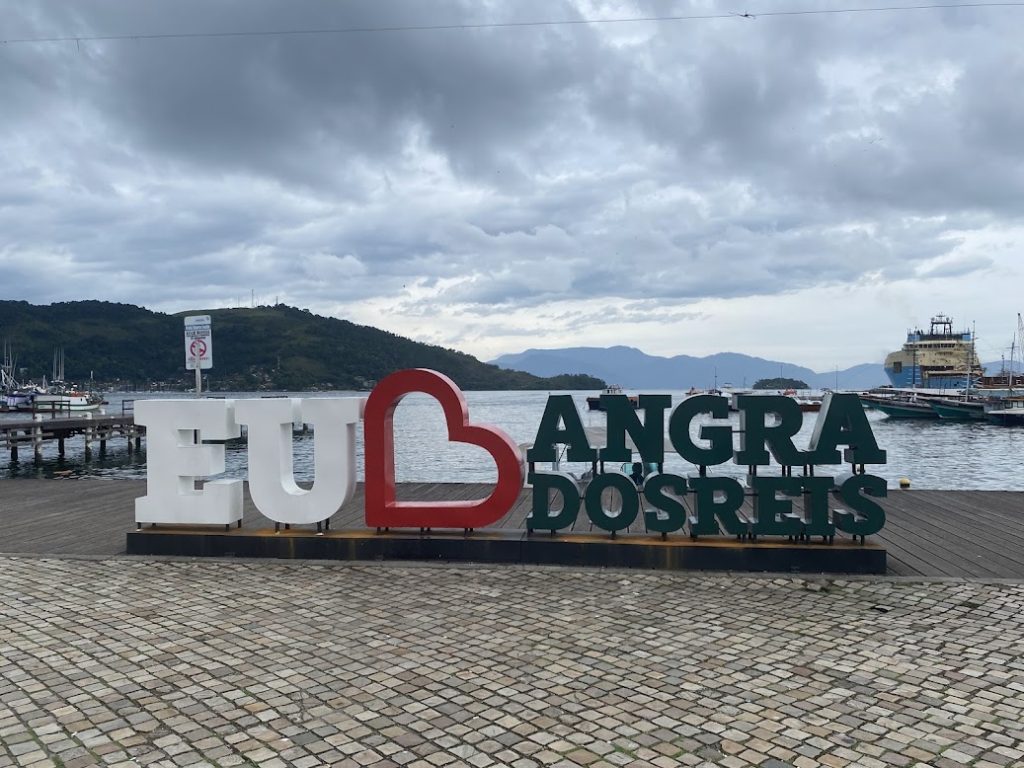
Angra dos Reis – Slow Days by the Water
After Rio, Angra dos Reis felt much more relaxed.
We stayed in a little apartment right in the heart of town, close enough to walk everywhere and settle into a bit of a routine rather than constantly feeling like tourists passing through.
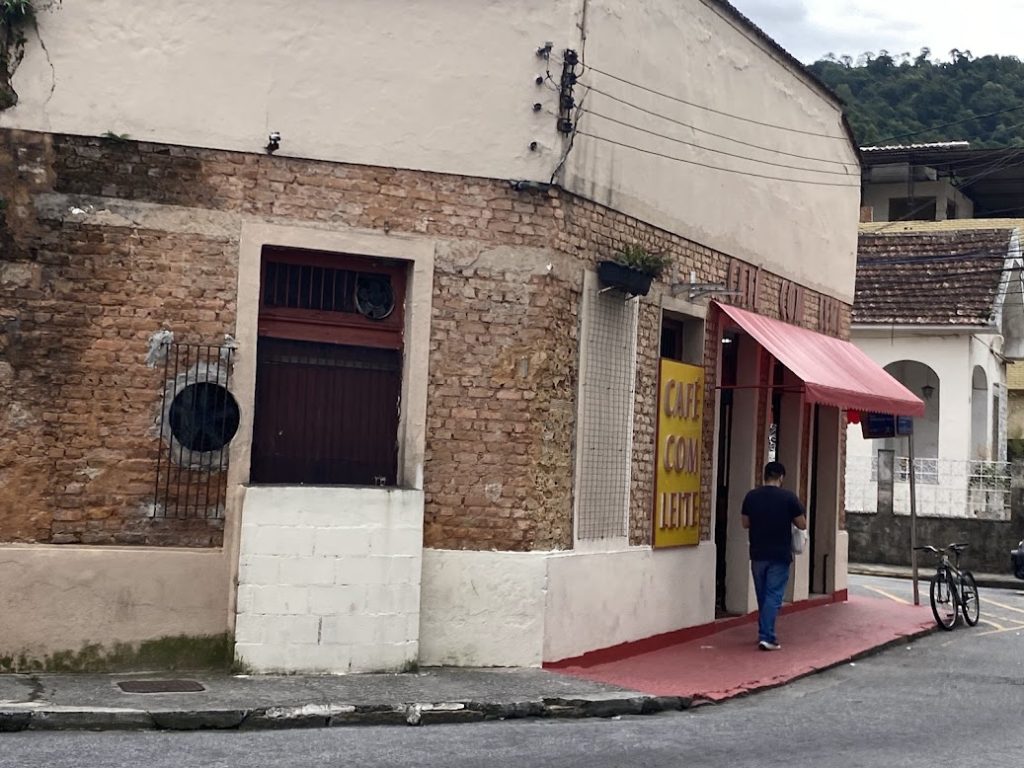
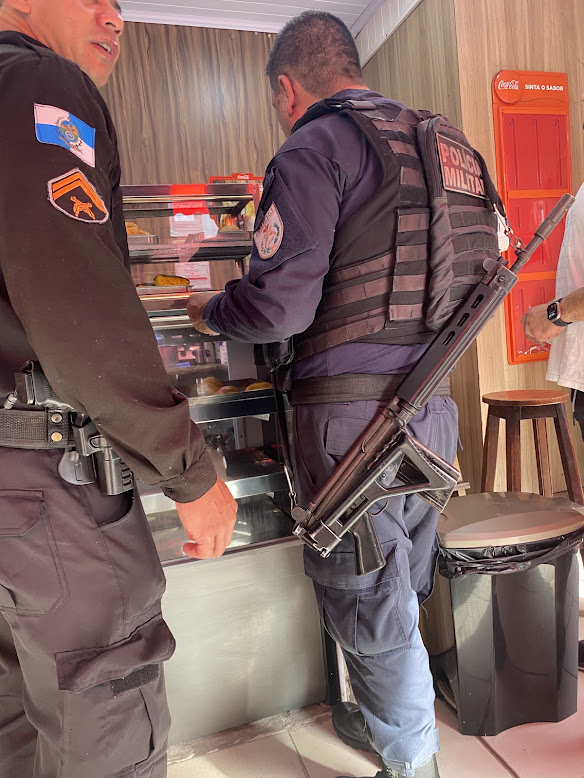
One of the best parts was finding a little place for breakfast that quickly became our regular stop.
It was clearly where the locals went.
We weren’t entirely sure how the ordering system worked, nobody spoke English, and our Portuguese was nowhere near good enough to explain what we wanted with any confidence.
Somehow, it always worked.
A bit of pointing, a few gestures, some smiling and eventually breakfast appeared.
After a couple of visits, we were recognised, which is always a nice feeling when you’re travelling.
Markets, seafood and eating well
Angra is very much connected to the sea, so the fish markets and seafood restaurants became part of the experience.
Fresh fish, prawns and local dishes were everywhere, and eating close to the waterfront made sense when you could see where much of it had come from.
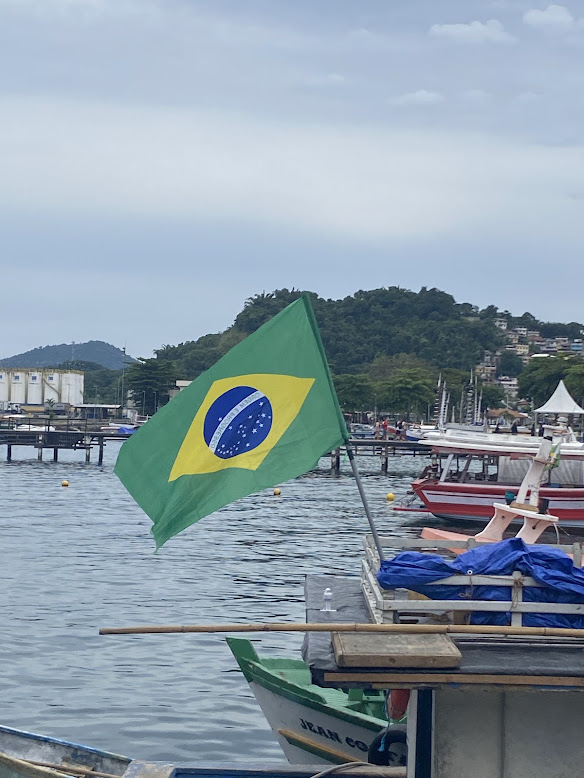
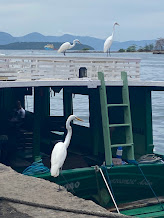
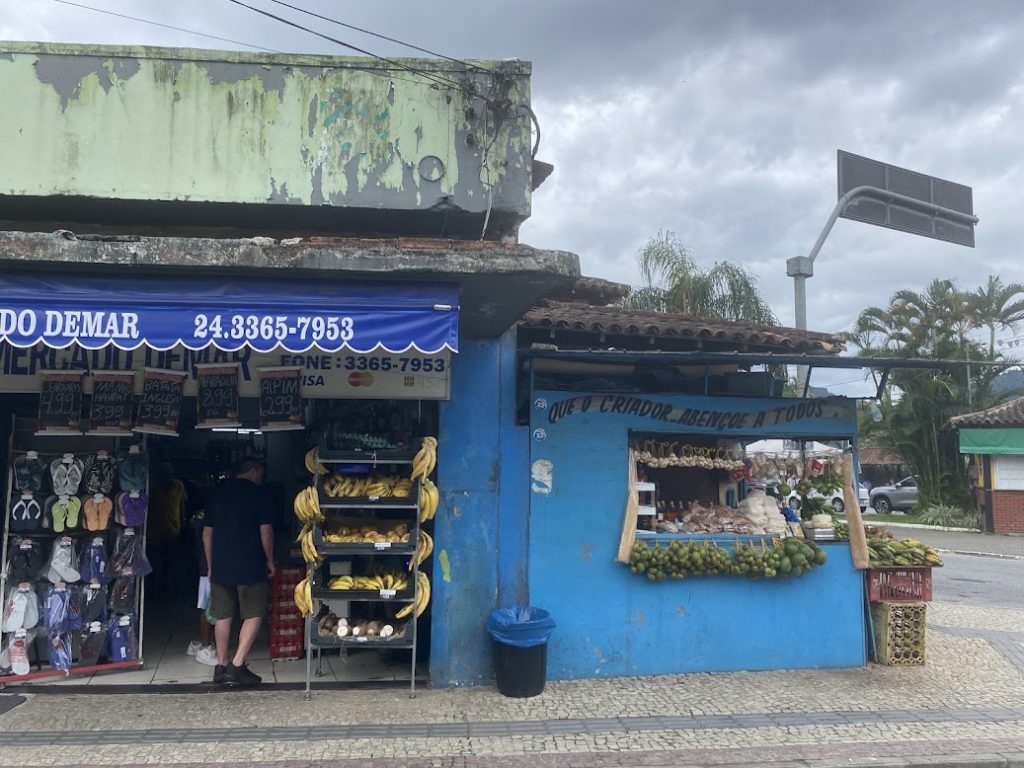
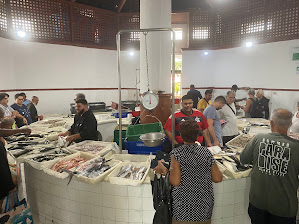
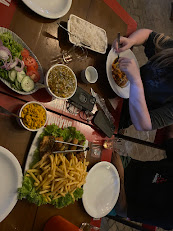
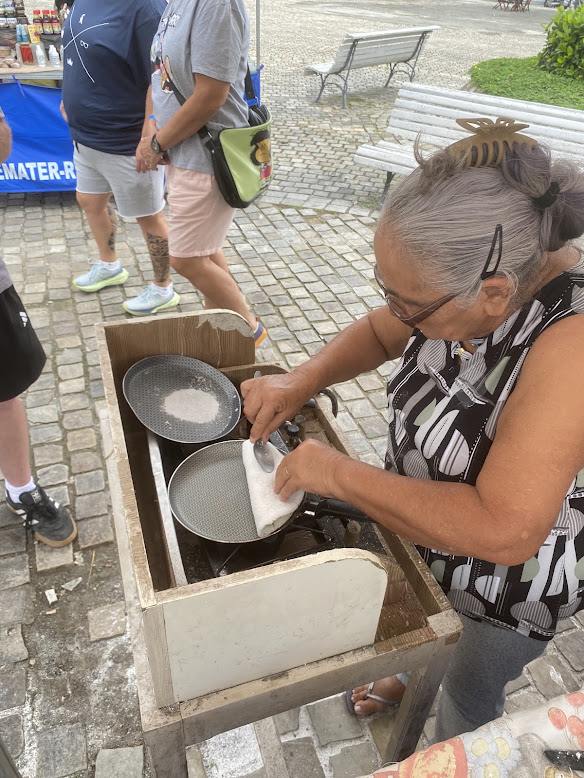
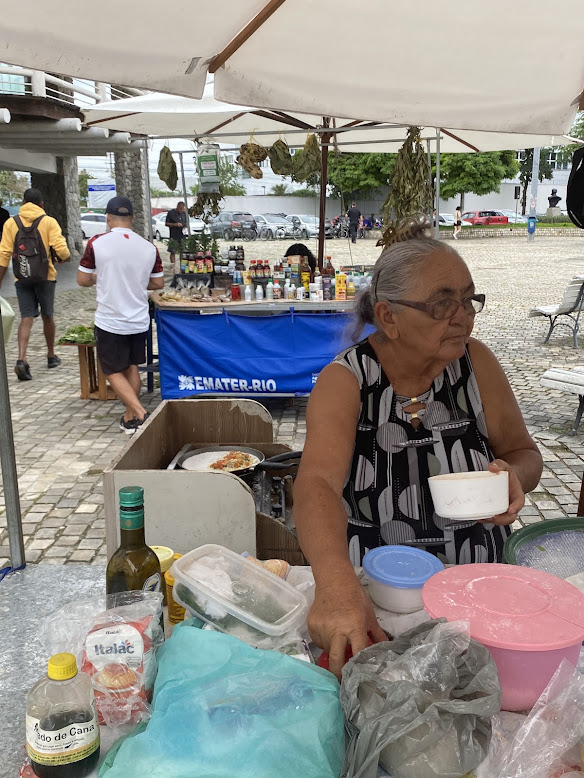
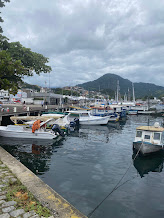
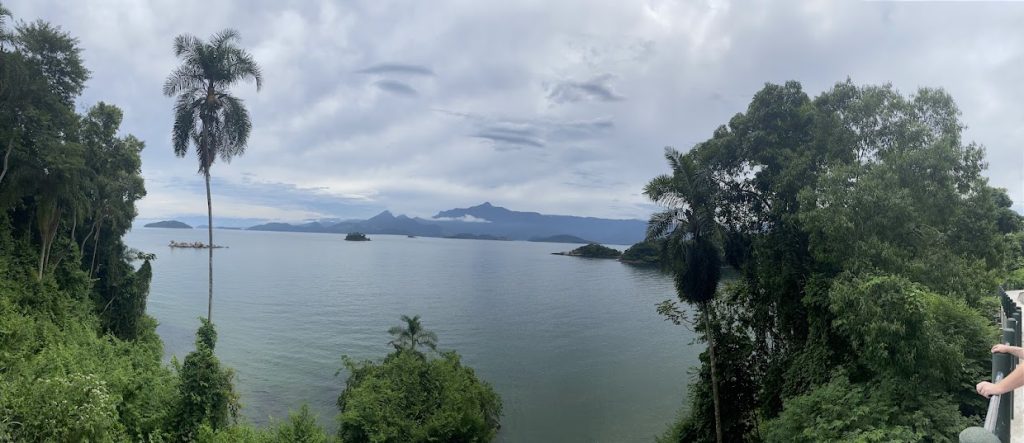
We also spotted turtles swimming close to shore, which became one of those simple travel moments that didn’t need organising or paying for. You just stop what you’re doing and watch.
A day out on the water
The highlight was a boat trip through the islands and bays around Angra.
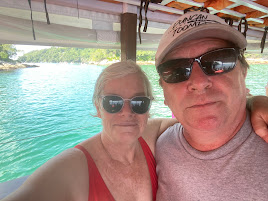
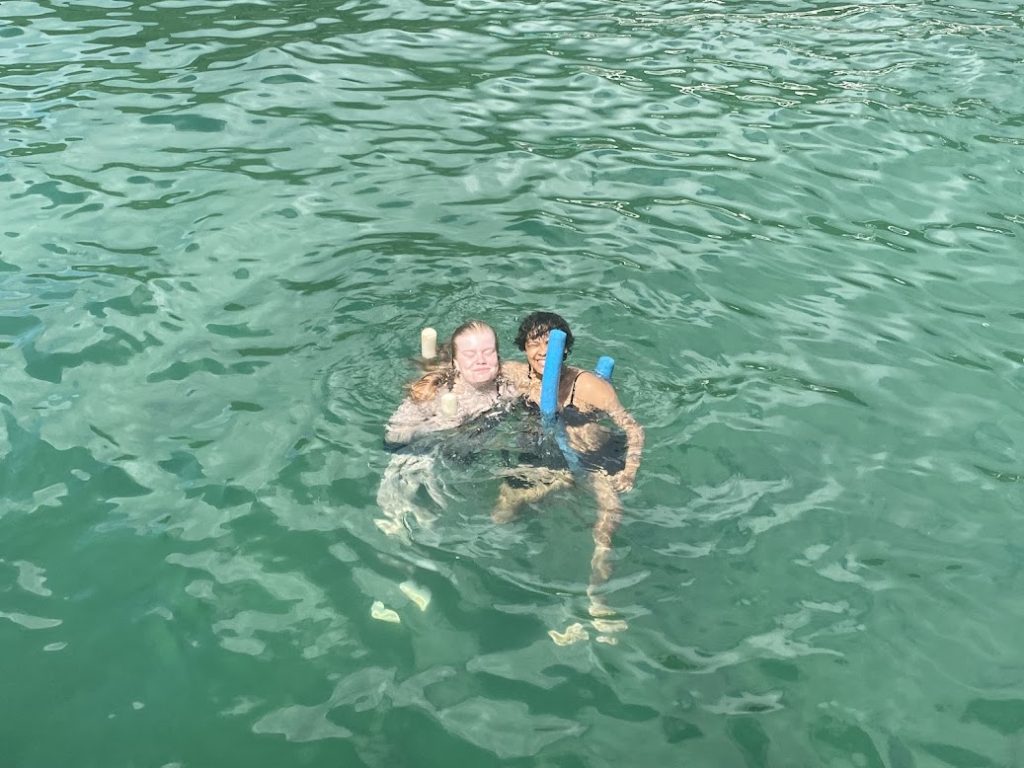
This is really where the region makes sense.
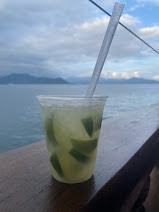
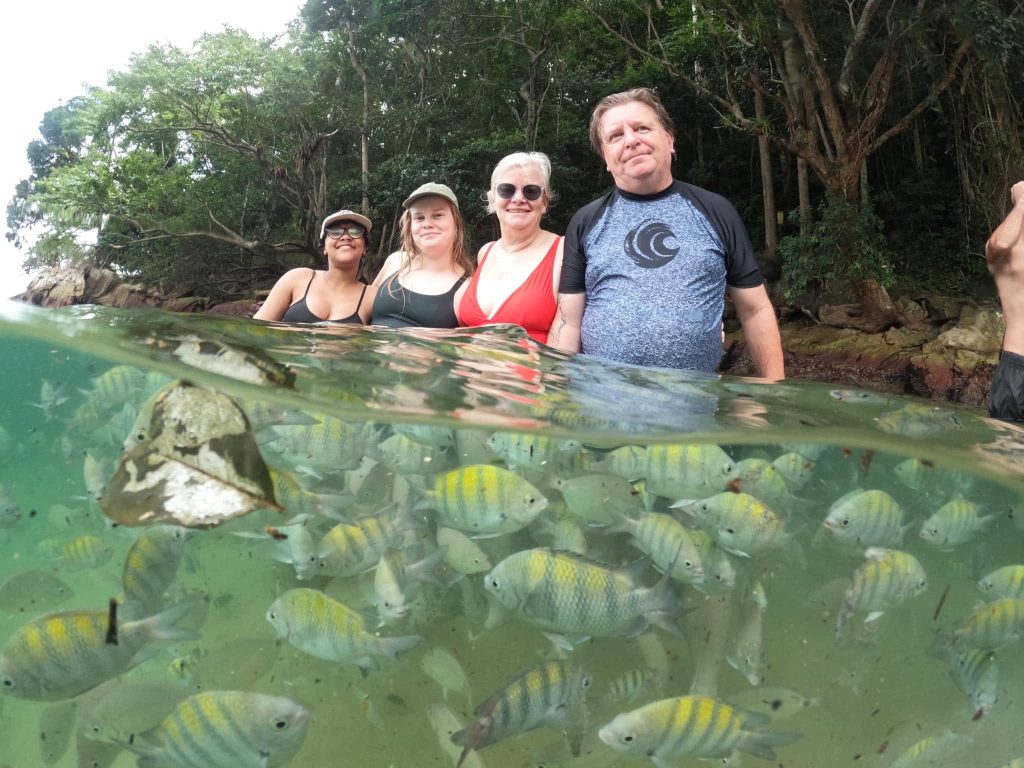
The coastline is broken up by islands, little beaches and calm green-blue water, and the day became a mixture of cruising, stopping to swim, eating and generally doing very little in the best possible way.
We jumped off the boat for swims, dried off in the sun, ate when food appeared and then headed off to the next stop.
No museums.
No major itinerary.
No rushing.
Just water, food, swimming and a boat.
After some of the much more hectic parts of the trip, Angra dos Reis was exactly what was needed.
Angra dos Reis to Paraty – Beaches, Booking Mistakes and Colonial Streets
We drove south from Angra dos Reis towards Paraty, stopping along the way at Praia da Vila Histórica de Mambucaba. It was a good place to break the journey — beach, river, old village atmosphere and a slower pace before heading into one of Brazil’s most historic towns.
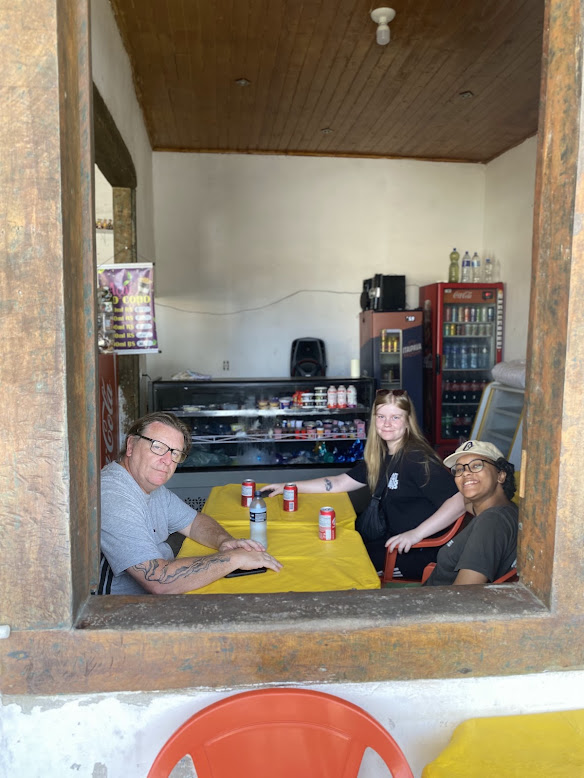
Then came one of those travel mistakes that seems funny only after it has been fixed.
I had booked our accommodation for the wrong month.
Oops.
Paraty was also packed because it was Easter weekend, so finding somewhere else was not quite as simple as opening an app and choosing another room. We ended up going more or less door to door asking if anyone had space.
Eventually we got lucky and found a lovely room close to the historic centre.
Crisis over.
Historic Paraty
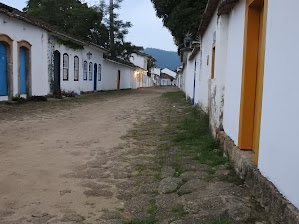
Paraty is one of those places where the streets immediately tell you that the town has been around for a long time.
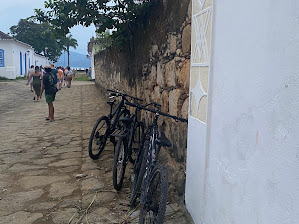
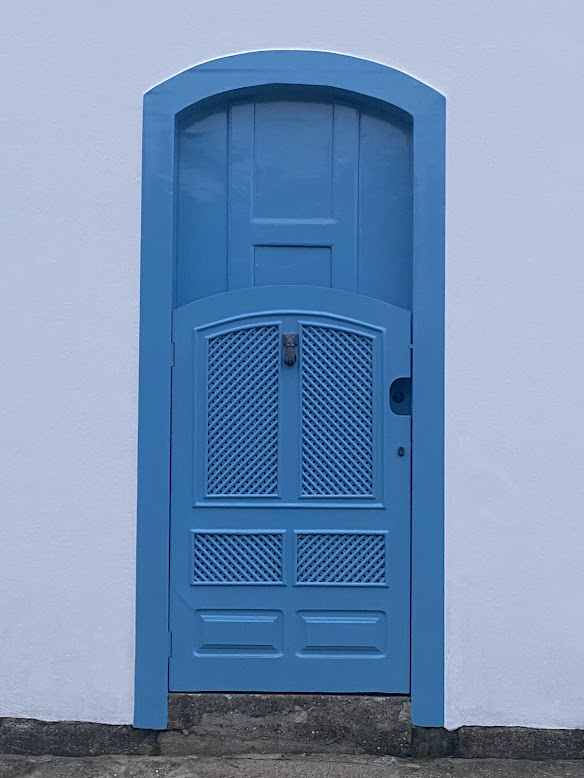
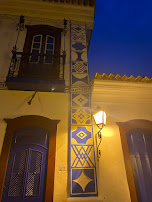
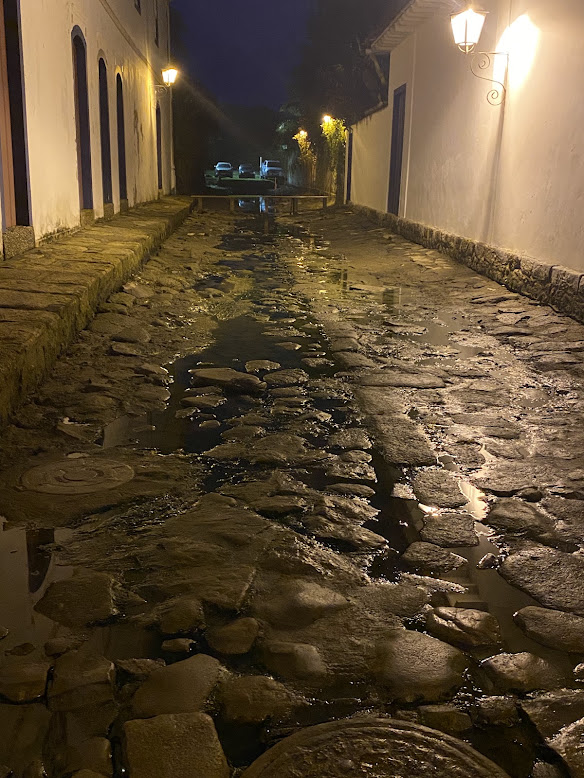
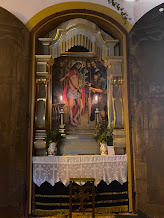
The historic centre is filled with cobblestone streets, whitewashed colonial buildings, brightly coloured doors and windows, old churches and little squares. Cars are restricted through much of the centre, so it is a place best explored on foot.
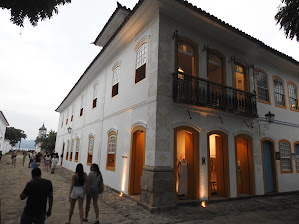
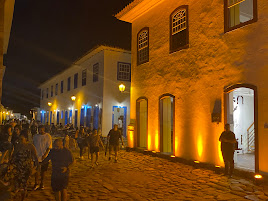
A walking tour was the best way to understand what we were looking at.
Paraty became important during Brazil’s colonial period because of its location on routes used to move gold and other goods from the interior to the coast. Later, coffee and sugar also shaped the town’s economy. Its preserved architecture reflects Portuguese colonial influence, but the town’s history is also inseparable from the labour and suffering of enslaved Africans and Indigenous communities.
Walking through the centre, you see old churches, merchant houses, warehouses and streets designed around the movement of people and goods to and from the harbour.
And then there is the water.
Parts of the historic centre were deliberately designed to flood with the tides, allowing seawater to wash through the streets. It sounds strange until you see how close the old town sits to the harbour.
Why all the pineapples?
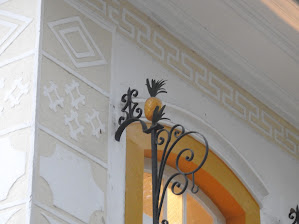
One thing we kept noticing was the pineapple decoration on old buildings.
In Portuguese colonial architecture, the pineapple became a symbol of hospitality, prosperity and status. If you start looking for them, you see them on gates, façades and decorative details around town.
It is one of those small things you would probably walk straight past without a guide explaining it.
After that, you start spotting pineapples everywhere.
Easter in Paraty
Because we were there over Easter, the town was busy.
Very busy.
There were people everywhere, restaurants were full and the historic centre had a lively atmosphere from morning until late in the evening.
Sailing for the day
One of the best things we did was leave the crowds behind completely.
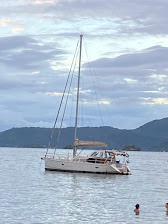
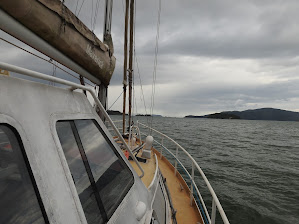
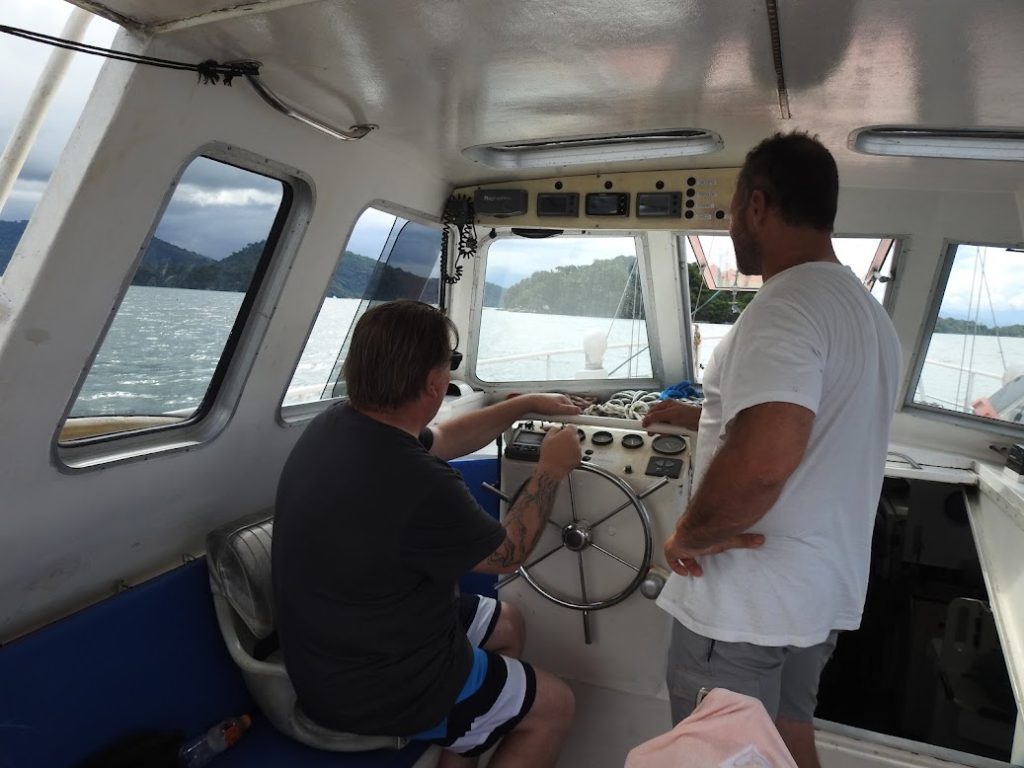
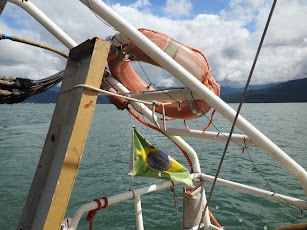
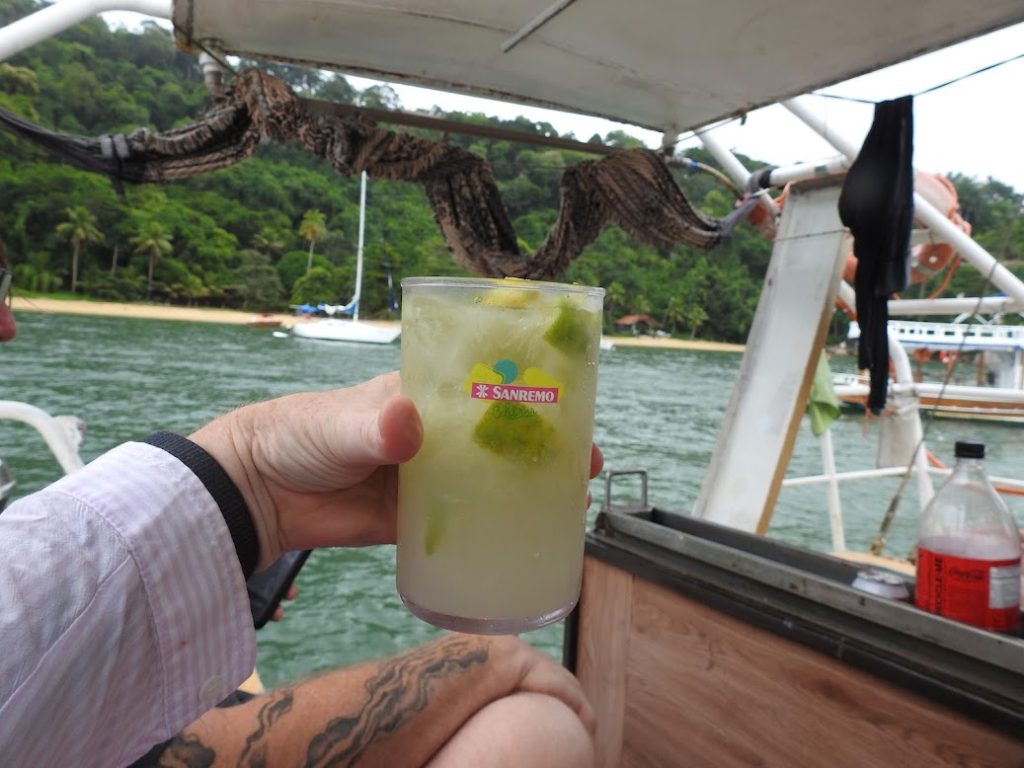
We spent a day sailing on a yacht around the coast and islands near Paraty.
The coastline here is beautiful — forest-covered hills dropping into the sea, small islands, sheltered bays and clear water.
The day was basically a mixture of sailing, swimming, eating and stopping in quiet places that were impossible to reach by road.
After fighting Easter crowds on land, being out on the water felt like having a completely different version of Paraty to ourselves.
That contrast was probably what made the place so memorable: one day squeezing through busy cobbled streets and learning about colonial Brazil, the next sitting on a yacht surrounded by green mountains and calm water.
And, importantly, we had somewhere to sleep that night.
Even if it wasn’t the place I had originally booked.
Waterfalls and Cachaça
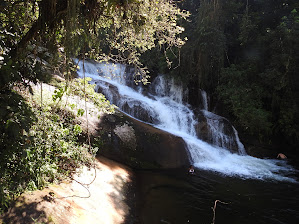
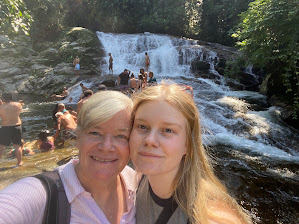
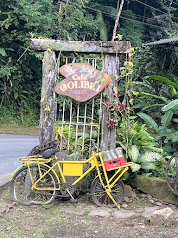
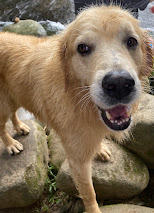
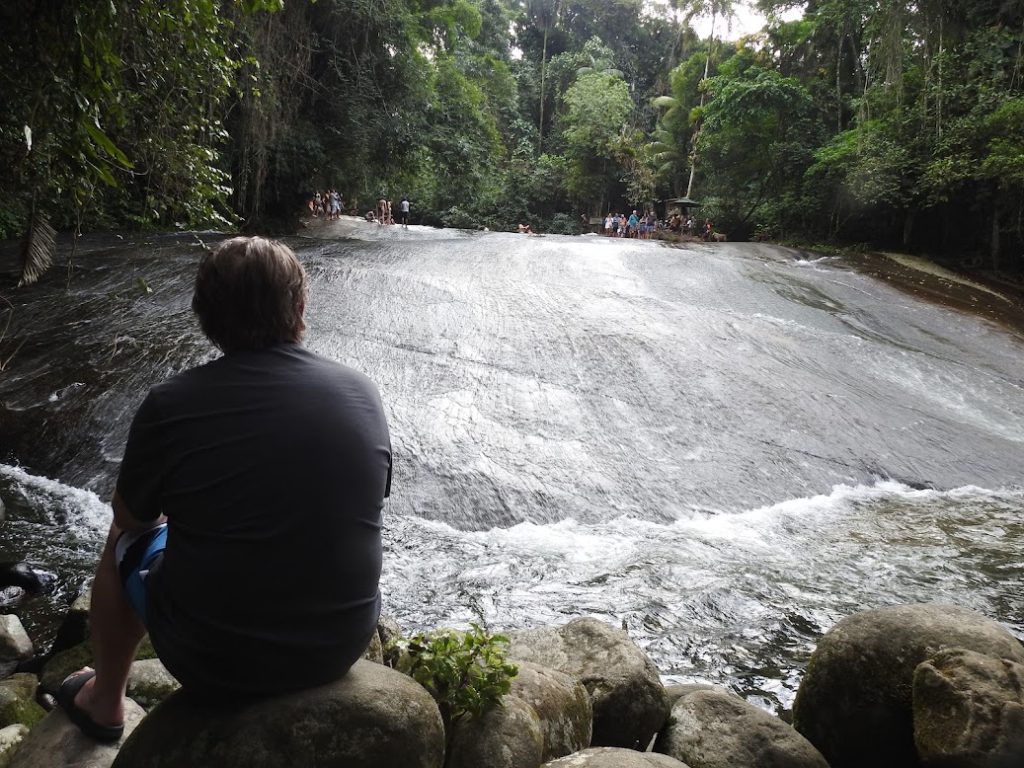
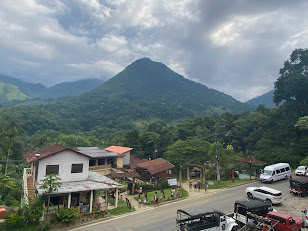
One day we headed inland from Paraty to explore some of the waterfalls hidden in the Atlantic rainforest.
The drive itself was beautiful, winding through thick green forest and small communities before reaching a series of waterfalls and natural swimming spots. After the heat and crowds of Easter weekend, the cooler forest air and fresh water were very welcome.
Some of the falls were easy to reach, while others involved short walks over uneven tracks and rocks. The reward was clear pools, rushing water and the chance to swim surrounded by jungle.
The other essential stop was a cachaça distillery.
Paraty has a long history of producing cachaça, the sugarcane spirit used to make Brazil’s famous caipirinha. We were shown how the cane is processed, fermented and distilled, and how different styles are aged and flavoured.
Then came the tasting.
Straight cachaça is considerably stronger than the friendly lime-and-sugar version served in a caipirinha.
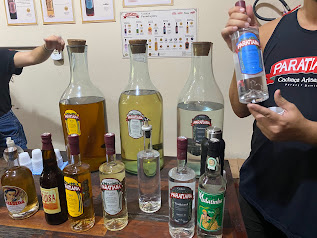
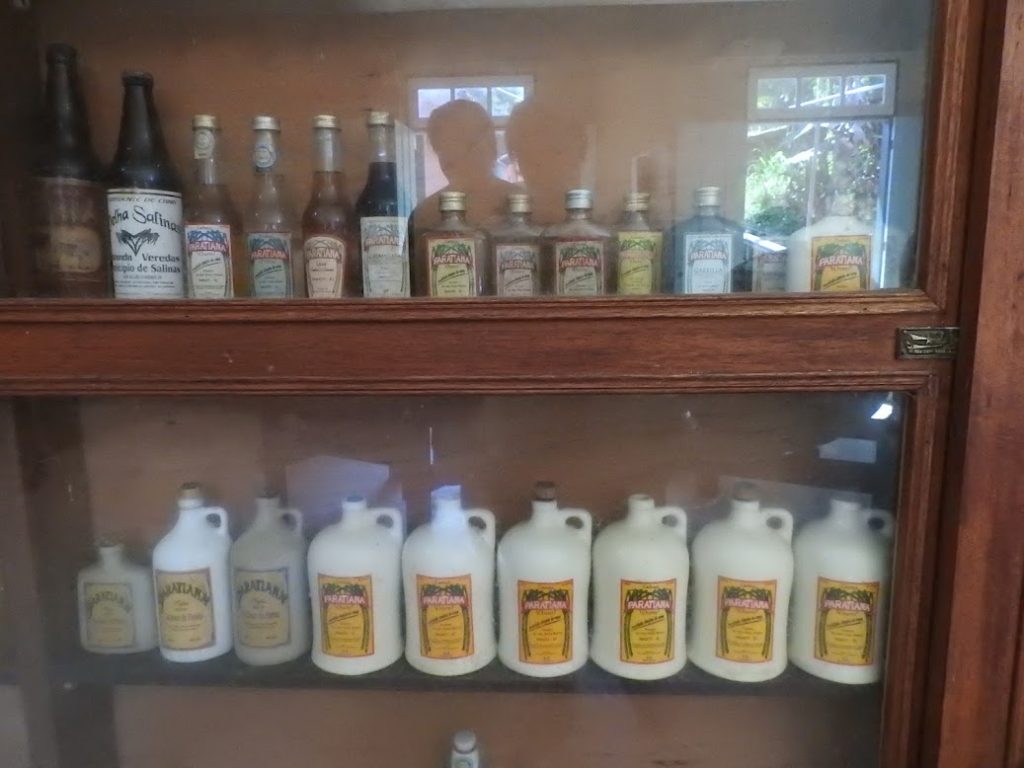
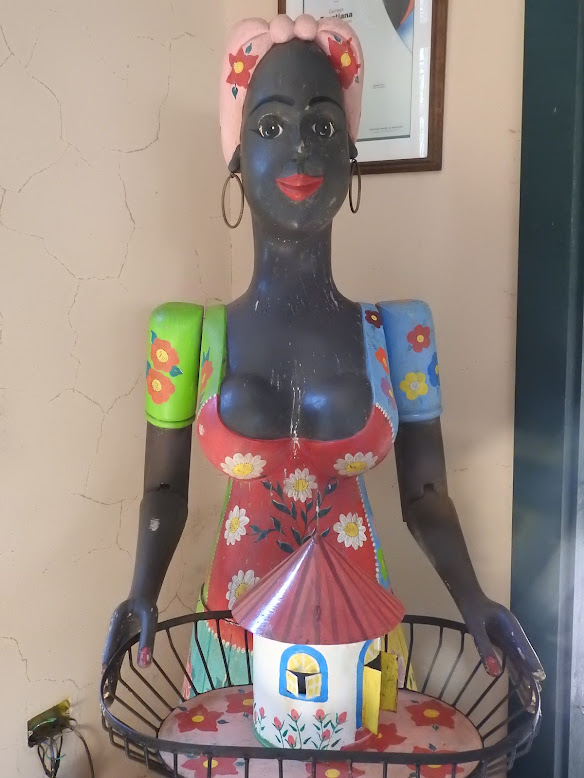
There were traditional varieties, aged versions and some much sweeter flavoured ones to try. It was interesting to see how important cachaça is to the history and identity of the region rather than simply thinking of it as something that arrives in a cocktail glass.
Waterfalls in the morning.
Cachaça in the afternoon.
Paraty was doing very well.
Beach Time in Paraty
Not every day needed a plan.
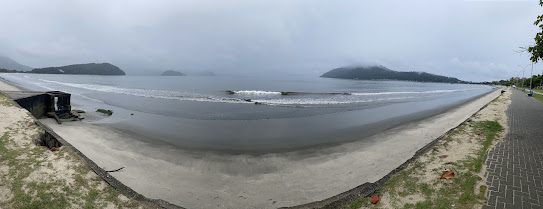
After the walking tours, sailing, waterfalls and cachaça tasting, we also made time to simply go to the beach and do very little.
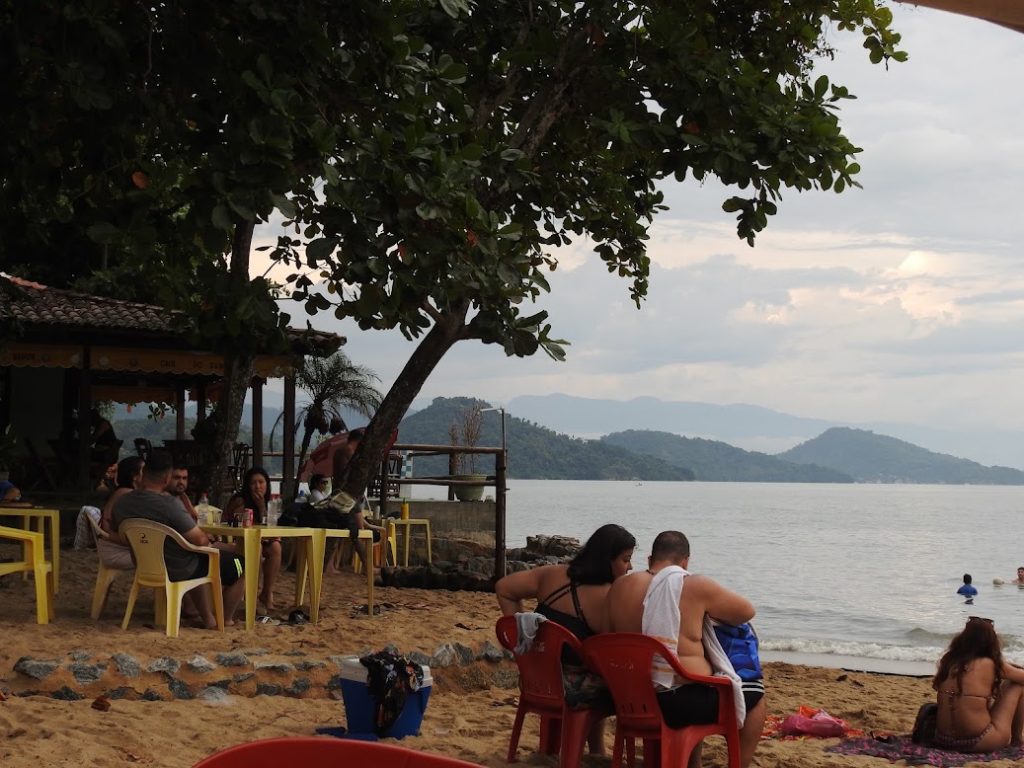
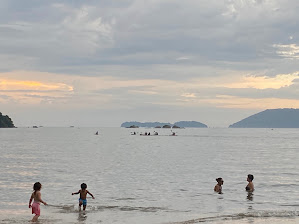
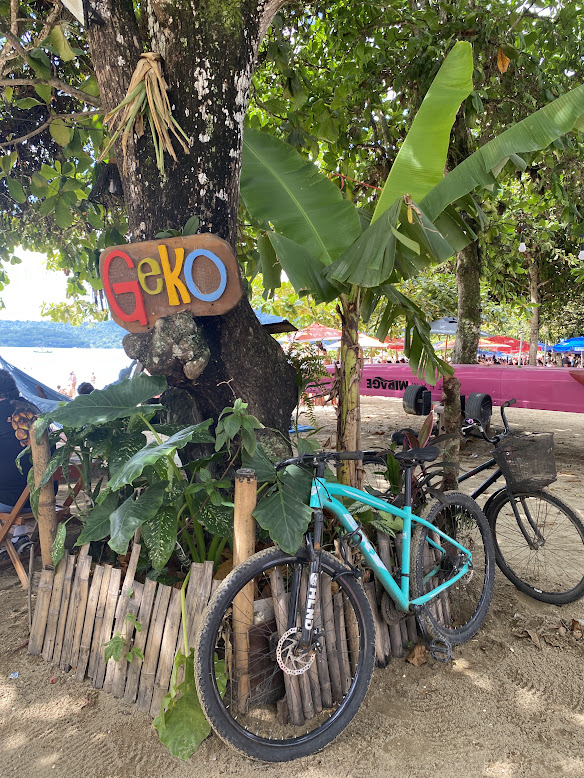
Paraty is surrounded by a beautiful coastline of forest-covered hills, sheltered bays and small beaches, so it is easy to find somewhere to slow down for a few hours. We found our spot, settled in and let the day take care of itself.
Swimming when it got too hot.
Something cold to drink.
Lunch nearby.
Back into the water.
Repeat.
After several weeks of moving between cities, boats, buses and airports, it was nice not to be trying to see another landmark or make it somewhere by a particular time.
Sometimes the best travel days are the ones where nothing especially significant happens.
You sit beside the water, eat something good, watch the boats come and go and realise you don’t actually need to be anywhere else.
Paraty gave us plenty to explore, but it also gave us permission to stop exploring for a while.
And after our rather hectic Easter arrival and the accommodation booking for completely the wrong month, a quiet day at the beach felt very well earned.
Ubatuba – A Couple of Nights on the Way Back to São Paulo
Ubatuba. I loved the name before we even arrived.
It was another stop on our drive back towards São Paulo, and we decided to stay for a couple of nights rather than rush through.
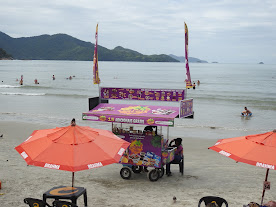
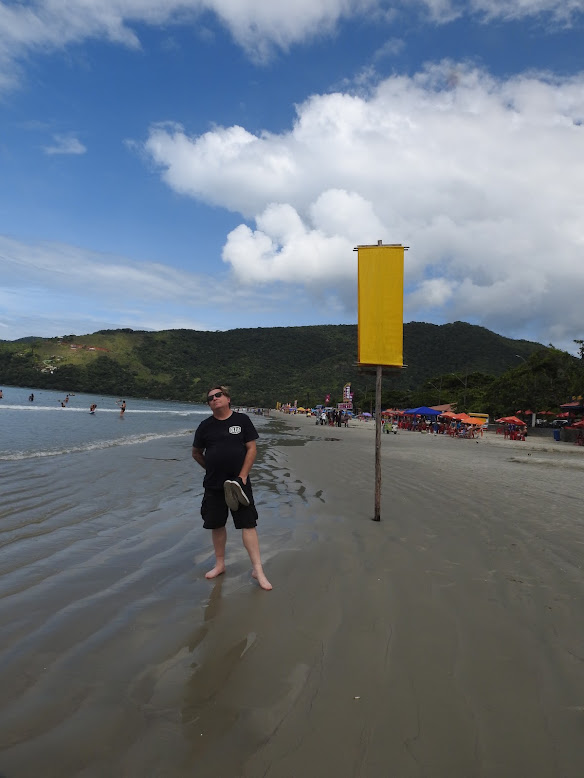
Ubatuba was definitely busier and more touristy than some of the smaller places we had stayed, but having a car made a huge difference. We could get away from the busiest parts of town, follow the coast, stop when somewhere looked interesting and find quieter beaches and little local places we probably would have missed otherwise.
That became the best part of staying there.
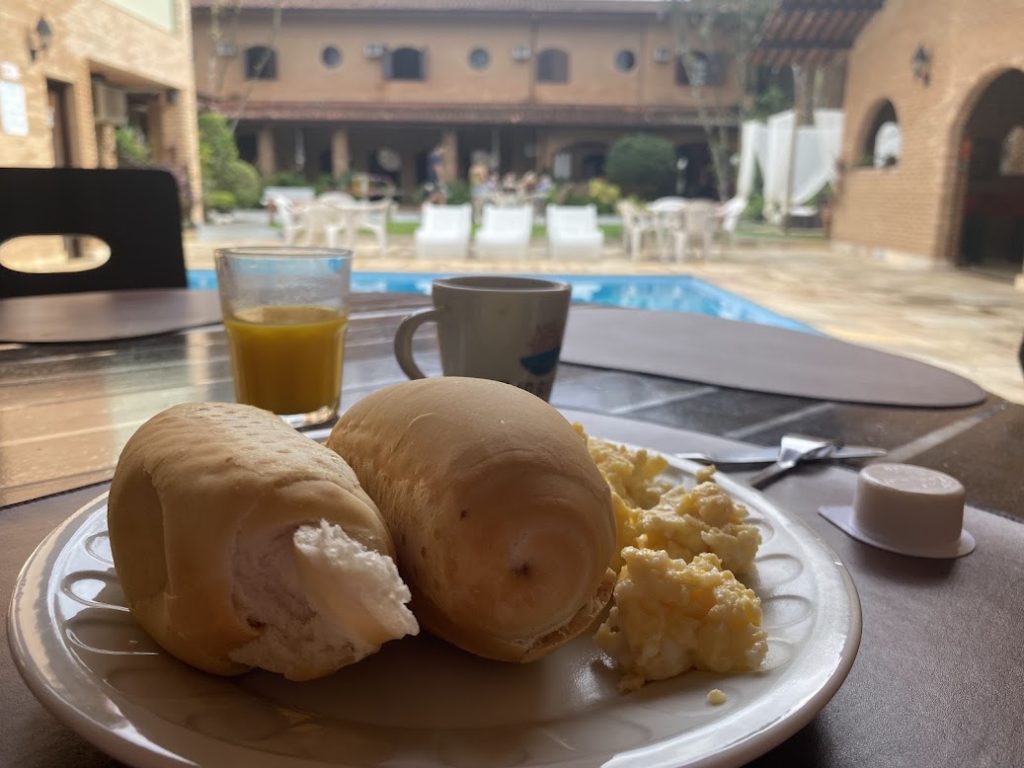
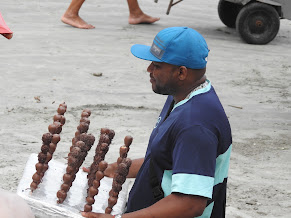
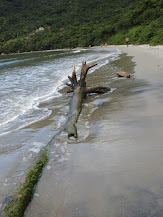
We found a few hidden gems, some lovely food and plenty of opportunities to just sit near the water and watch life go by.
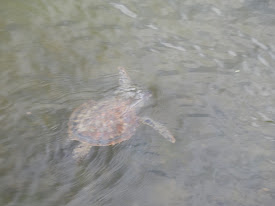
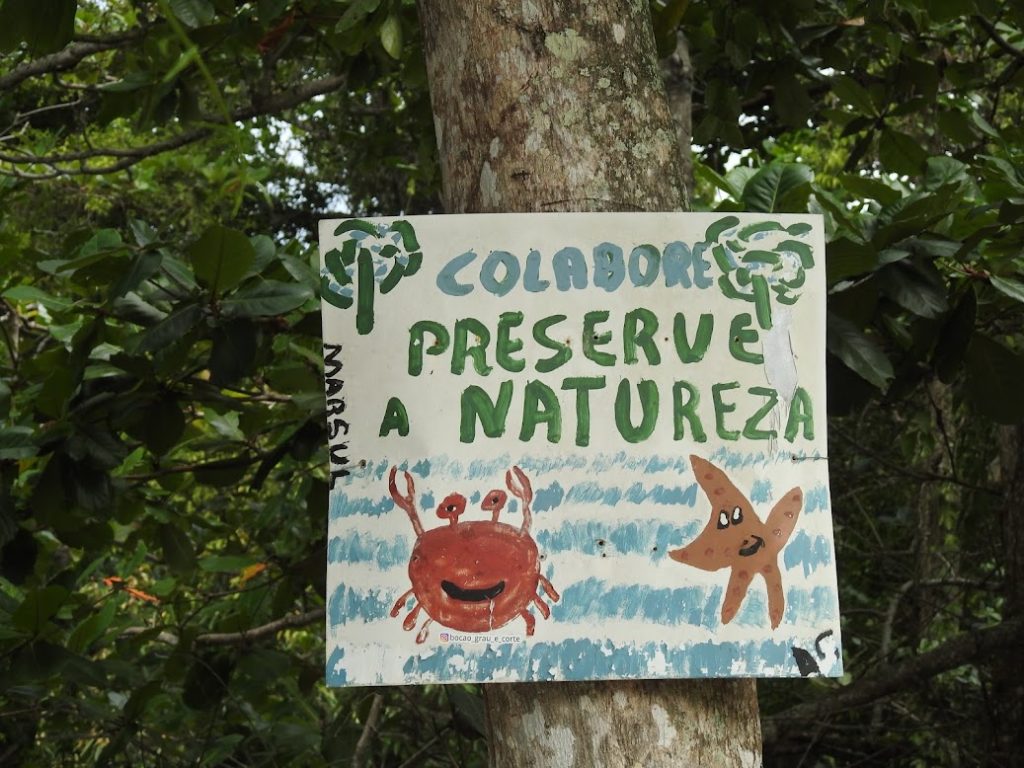
And once again, there were turtles.
We spotted them swimming close to shore and around the jetties, occasionally appearing at the surface before disappearing again. It never really got old. No organised wildlife tour, no ticket required — just standing by the water and waiting.
Ubatuba is surrounded by Atlantic rainforest and beaches, so even though the town itself can feel quite developed in places, it doesn’t take long to find somewhere much quieter once you start driving.
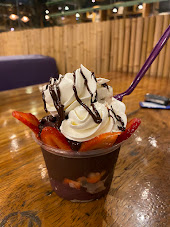
There was also, naturally, more açaí.
By this point it had stopped being something we had discovered in Brazil and had become part of the daily routine.
After a couple of nights, it was time to point the car back towards São Paulo and start closing the loop on our Brazilian road trip.
I still didn’t get my capybara.
But Brazil had done a pretty good job of making up for it.
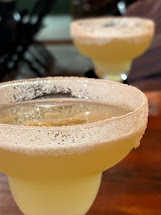
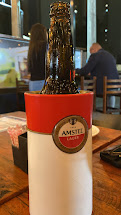
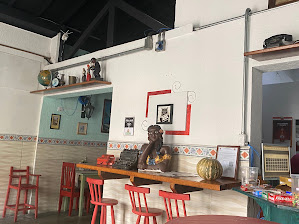
For our last night we kept things suitably Brazilian: local food, cold Brazilian beer and a few final caipirinhas.
After weeks of travelling through Brazil, we’d become rather attached to the simple things — sitting somewhere local, ordering whatever looked good, sharing food and watching the world go by.
And then there was Shrek…
Driving back, we made one final completely unexpected discovery.
A roadside shop dedicated to Shrek.
Why?
No idea.
How could we not stop?
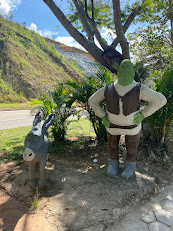
It was wonderfully random and exactly the sort of thing that makes a road trip better. You can plan the famous beaches, historic towns, jungle adventures and boat trips, but you can’t really plan to stumble across a roadside shrine to a large green ogre.
Até logo, Brazil
Brazil had given us a bit of everything.
We’d explored São Paulo, headed deep into the Amazon, stayed on Copacabana, driven the coast through Angra dos Reis, Paraty and Ubatuba, sailed, swum, eaten ridiculously well, drunk caipirinhas beside rivers and beaches, watched turtles, fished for piranhas and made new friends.
There had also been pneumonia, a dodgy card transaction and still not one bloody capybara.
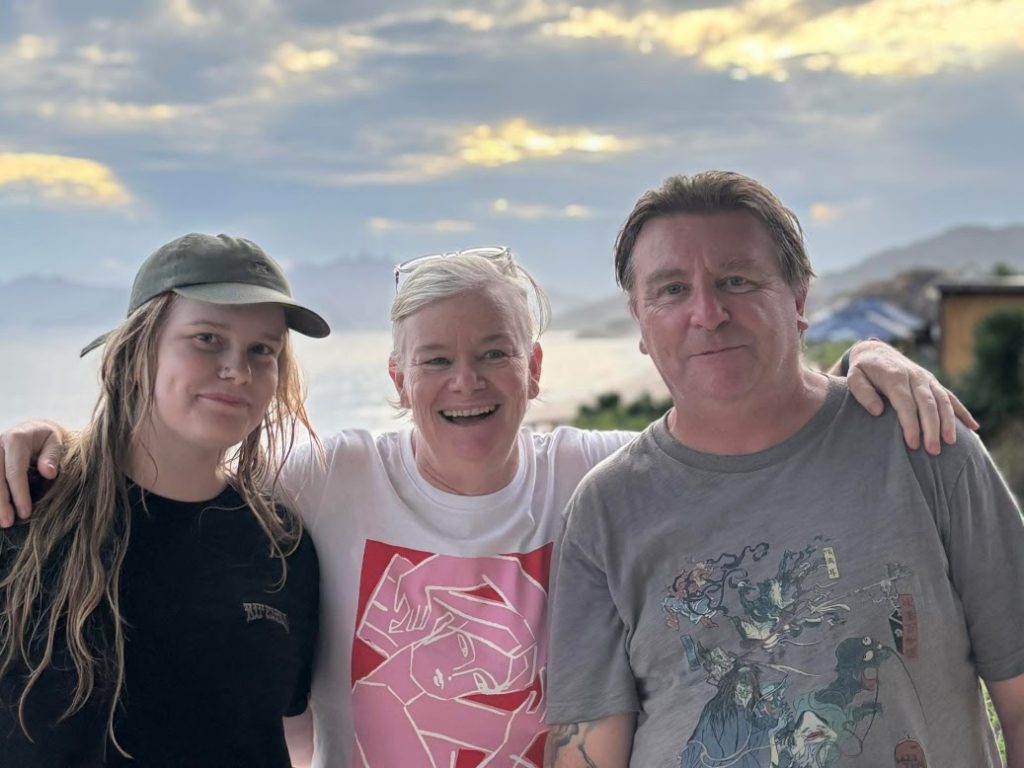
Most importantly, we’d had time with our daughter and seen the country she had decided to make home.
Brazil is far too big to pretend we’d really seen it. If anything, travelling through a small part of it showed us just how much we’d missed.
So this wasn’t goodbye.
We’ll be back.
There are plenty more parts of Brazil to explore.
And I still have unfinished business with that capybara.